Flu Season? Or Lack of Sunlight, and Eat Sugar Season!!

Winter, Immunity, and the Unsustainable Model of Modern Healthcare. Why Lifestyle Medicine Must Become the First Line of Defense

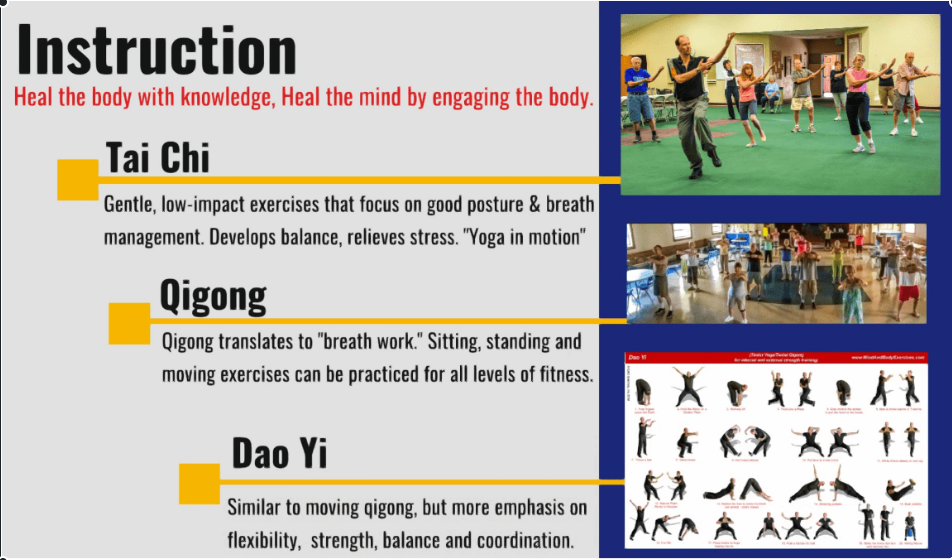
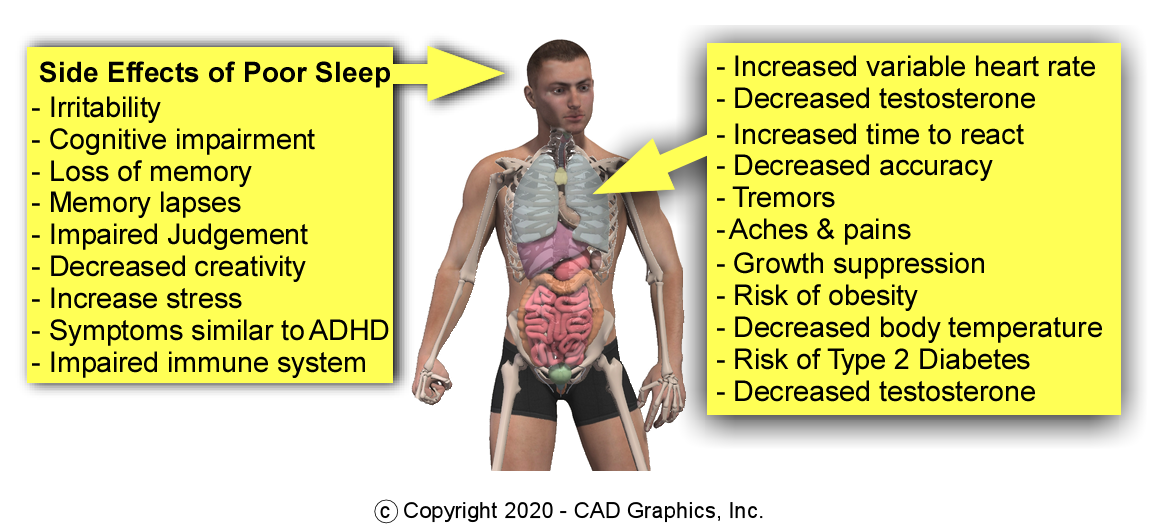
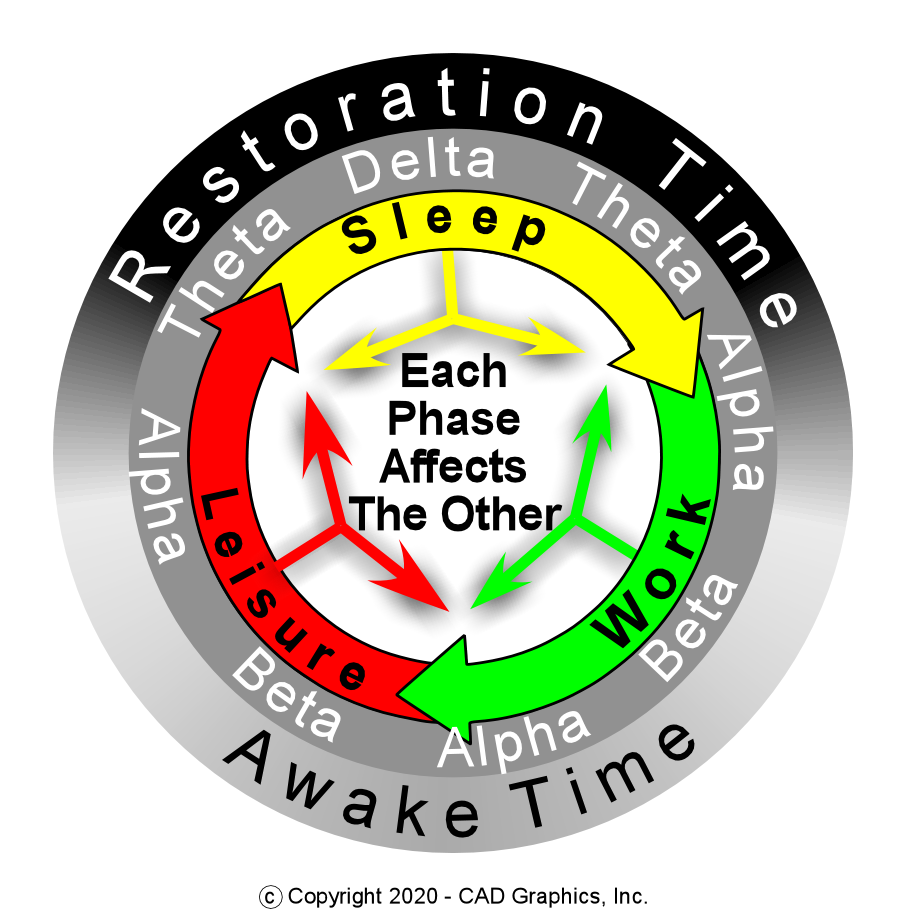
Winter has long been recognized as a season of heightened illness, commonly referred to as “flu season.” This pattern has existed for thousands of years, shaped by environmental conditions, reduced sunlight, behavioral changes, and altered activity patterns. Yet despite humanity’s long-standing awareness of these seasonal rhythms, modern healthcare systems, particularly in the United States, continue to respond with a predominantly pharmaceutical-centered model. Vaccines and medications are promoted as the primary line of defense, while foundational health behaviors such as nutrition, movement, sunlight exposure, sleep, and stress regulation receive comparatively little emphasis.

You can watch my short video on this topic at:

This strategy is proving unsustainable. The United States now faces a continuous decline in both physical and mental health, rising chronic disease burden, escalating healthcare costs, and worsening quality of life indicators. The growing reliance on pharmaceutical intervention without addressing underlying behavioral and environmental contributors has created a reactive, symptom-focused system rather than a proactive, resilience-based model of health. This essay argues that a fundamental reorientation toward lifestyle medicine as the primary foundation of public health is not only logical, but essential for reversing current health trajectories.

The Predictable Nature of Winter Illness

Seasonal illness is not random. Respiratory infections, influenza, and other viral illnesses consistently peak during winter months due to a convergence of physiological, behavioral, and environmental factors. These include increased indoor crowding, reduced physical activity, poorer dietary habits, higher alcohol consumption, disrupted sleep, and reduced exposure to sunlight (Eccles, 2002; Dowell & Ho, 2004).

Human physiology evolved in close relationship with seasonal rhythms. Historically, winter was a period of reduced food availability, lower caloric intake, and continued physical labor. In contrast, modern winter behavior is characterized by caloric excess, sedentary lifestyles, and prolonged indoor confinement, conditions that directly suppress immune function and metabolic health (Booth et al., 2012).

The seasonal rise in illness is therefore not an unavoidable biological fate, but a predictable consequence of modern lifestyle patterns layered onto ancient physiology.

Vitamin D Deficiency: A Global and Seasonal Crisis

One of the most significant contributors to winter immune vulnerability is widespread vitamin D deficiency. Vitamin D synthesis is dependent on ultraviolet B (UVB) radiation from sunlight, which is largely absent during winter months in northern latitudes. As a result, deficiency rates increase dramatically during this season.

Globally, over one billion people are estimated to be vitamin D deficient (Holick, 2007). In the United States, approximately 40–60% of adults have insufficient levels during winter months (Forrest & Stuhldreher, 2011). Vitamin D plays a central role in immune regulation, influencing innate immunity, T-cell function, and inflammatory control (Aranow, 2011).

Low vitamin D levels are associated with increased risk of respiratory infections, influenza, autoimmune disease, and poorer outcomes in viral illness (Martineau et al., 2017; Gombart et al., 2020). Yet despite this robust evidence base, vitamin D status is rarely assessed or addressed in routine clinical care.

Physical Inactivity and Immune Suppression

Physical activity is one of the most powerful modulators of immune function. Regular movement enhances immune surveillance, improves lymphatic circulation, reduces chronic inflammation, and improves metabolic health (Nieman & Wentz, 2019).

Conversely, physical inactivity, now widespread in industrialized nations, has been shown to increase susceptibility to infection, worsen vaccine response, and promote chronic low-grade inflammation (Booth et al., 2012; Hamer et al., 2020). Winter months exacerbate sedentary behavior, as colder temperatures and shorter daylight hours reduce outdoor activity.

The modern human body, designed for daily movement, now spends most of its time in chairs, cars, and climate-controlled environments. This mismatch between evolutionary design and modern behavior contributes directly to immune dysfunction and chronic disease.

Ultra-Processed Food and Immune Dysfunction

Diet quality is another central determinant of immune health. Modern winter diets are often dominated by ultra-processed foods high in refined carbohydrates, industrial seed oils, additives, preservatives, and sugar. These foods disrupt gut microbiota, promote insulin resistance, increase systemic inflammation, and impair immune signaling (Monteiro et al., 2018; Zinöcker & Lindseth, 2018).

The gut microbiome plays a critical role in immune regulation, with approximately 70% of immune cells residing in gut-associated lymphoid tissue (Belkaid & Hand, 2014). Diets rich in whole foods, vegetables, fruits, legumes, lean proteins, and healthy fats, support microbial diversity and immune resilience, while ultra-processed foods degrade this vital ecosystem.

The widespread replacement of traditional diets with industrial food products represents one of the most profound biological experiments in human history, and its results are increasingly evident in rising rates of obesity, diabetes, autoimmune disease, depression, and cardiovascular illness.

Mental Health Decline and Immune Consequences

The decline in mental health over recent decades parallels the deterioration of physical health. Rates of anxiety, depression, substance abuse, and suicide have risen sharply in the United States (Twenge et al., 2019; CDC, 2023). Chronic psychological stress suppresses immune function through dysregulation of the hypothalamic-pituitary-adrenal (HPA) axis and increased cortisol exposure (Glaser & Kiecolt-Glaser, 2005).

Social isolation, now increasingly common further compounds this effect. Loneliness has been shown to increase inflammatory signaling and reduce antiviral immune responses (Hawkley & Cacioppo, 2010). Winter confinement and digital substitution for human connection intensify this problem.

The modern epidemic of loneliness, combined with chronic stress and digital overexposure, represents a silent immune suppressant operating year-round.

The Reactive Model of Modern Healthcare

The current healthcare system in the United States is primarily structured around disease management rather than health creation. Physicians receive minimal training in nutrition, exercise physiology, sleep science, or behavioral change counseling (Adams et al., 2010; Devries et al., 2019). As a result, clinical encounters are dominated by diagnostics, pharmacology, and procedural intervention.

This model is highly effective for acute trauma and infectious disease management. However, it is poorly suited for addressing chronic, lifestyle-driven illnesses. The system is financially incentivized to treat disease after it develops rather than prevent it from occurring.

Vaccines and medications are promoted as population-level solutions because they can be standardized, deployed rapidly, and measured easily. Lifestyle change, by contrast, requires time, education, accountability, and cultural transformation.

The result is a healthcare system that waits for illness to emerge rather than building resilient physiology in advance.

The Unsustainable Trajectory of U.S. Health

Despite spending more on healthcare than any nation in the world, the United States ranks poorly in life expectancy, chronic disease burden, and quality-of-life metrics (Tikkanen & Abrams, 2020). Obesity rates exceed 40%, diabetes affects over 11% of adults, and cardiovascular disease remains the leading cause of death (CDC, 2023).

Mental health outcomes have deteriorated alongside physical health. The pharmaceutical expansion has not reversed these trends. Instead, the nation now consumes more prescription medications per capita than any other country while continuing to grow sicker.

This trajectory is not sustainable economically, biologically, or socially.

Reclaiming the Logical Hierarchy of Health

Human physiology evolved in an environment defined by:

  • Daily physical labor
  • Seasonal sunlight exposure
  • Whole-food nutrition
  • Natural circadian rhythms
  • Social cooperation
  • Environmental challenge

Modern life has inverted these conditions. The logical hierarchy of health must be restored:

  1. Nutrition quality
  2. Physical movement
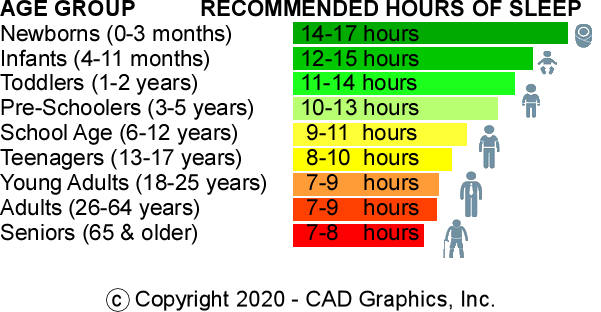
  3. Sleep hygiene
  4. Sunlight exposure
  5. Stress regulation
  6. Social connection
  7. Medical intervention when necessary

Pharmaceuticals should function as supportive tools—not the foundation of human health.

This integrative model does not reject medicine. It restores medicine to its proper role.

Winter illness is not merely a seasonal inconvenience, it is a symptom of a broader systemic failure to align modern life with human biology. The current healthcare model, built on pharmaceutical intervention rather than physiological resilience, is incapable of reversing the ongoing decline in physical and mental health.

Encouraging better nutrition, more movement, adequate sunlight exposure, sufficient sleep, stress regulation, and social connection is not alternative medicine. It is foundational medicine.

Without a return to these biological essentials, no number of pharmaceuticals will reverse the trajectory of modern disease. The future of healthcare must shift from managing illness to cultivating health. Only then can winter become a season of resilience rather than vulnerability.

References:

Adams, K. M., Kohlmeier, M., Powell, M., & Zeisel, S. H. (2010). Nutrition in medicine: nutrition education for medical students and residents. Nutrition in clinical practice : official publication of the American Society for Parenteral and Enteral Nutrition, 25(5), 471–480. https://doi.org/10.1177/0884533610379606

Aranow, C. (2011). Vitamin D and the immune system. Journal of Investigative Medicine, 59(6), 881–886. https://doi.org/10.2310/JIM.0b013e31821b8755

Belkaid, Y., & Hand, T. W. (2014). Role of the microbiota in immunity and inflammation. Cell, 157(1), 121–141. https://doi.org/10.1016/j.cell.2014.03.011

Booth, F. W., Roberts, C. K., & Laye, M. J. (2012). Lack of exercise is a major cause of chronic diseases. Comprehensive Physiology, 2(2), 1143–1211. https://doi.org/10.1002/cphy.c110025

Centers for Disease Control and Prevention. (2023). Chronic disease indicators and mental health statistics. https://www.cdc.gov

Devries, S., Dalen, J. E., Eisenberg, D. M., Maizes, V., Ornish, D., Prasad, A., Sierpina, V., Weil, A. T., & Willett, W. (2014). A deficiency of nutrition education in medical training. The American journal of medicine, 127(9), 804–806. https://doi.org/10.1016/j.amjmed.2014.04.003

Dowell, S. F., & Ho, M. S. (2004). Seasonality of infectious diseases and severe acute respiratory syndrome—What we don’t know can hurt us. The Lancet Infectious Diseases, 4(11), 704–708. https://doi.org/10.1016/S1473-3099(04)01177-6

Eccles, R. (2002). An explanation for the seasonality of acute upper respiratory tract viral infections. Acta Oto-Laryngologica, 122(2), 183–191. https://doi.org/10.1080/00016480252814207

Forrest, K. Y. Z., & Stuhldreher, W. L. (2011). Prevalence and correlates of vitamin D deficiency in US adults. Nutrition Research, 31(1), 48–54. https://doi.org/10.1016/j.nutres.2010.12.001

Glaser, R., & Kiecolt-Glaser, J. K. (2005). Stress-induced immune dysfunction. Nature Reviews Immunology, 5(3), 243–251. https://doi.org/10.1038/nri1571

Gombart, A. F., Pierre, A., & Maggini, S. (2020). A review of micronutrients and the immune system. Nutrients, 12(1), 236. https://doi.org/10.3390/nu12010236

Hamer, M., Kivimäki, M., Gale, C. R., & Batty, G. D. (2020). Lifestyle risk factors, inflammatory mechanisms, and COVID-19 hospitalization: A community-based cohort study of 387,109 adults in UK. Brain, behavior, and immunity, 87, 184–187. https://doi.org/10.1016/j.bbi.2020.05.059

Hawkley, L. C., & Cacioppo, J. T. (2010). Loneliness matters: a theoretical and empirical review of consequences and mechanisms. Annals of behavioral medicine : a publication of the Society of Behavioral Medicine, 40(2), 218–227. https://doi.org/10.1007/s12160-010-9210-8

Holick, M. F. (2007). Vitamin D deficiency. New England Journal of Medicine, 357(3), 266–281. https://doi.org/10.1056/NEJMra070553

Martineau, A. R., et al. (2017). Vitamin D supplementation to prevent acute respiratory tract infections. BMJ, 356, i6583. https://doi.org/10.1136/bmj.i6583

Monteiro, C. A., Cannon, G., Moubarac, J. C., Levy, R. B., Louzada, M. L. C., & Jaime, P. C. (2018, January 1). The un Decade of Nutrition, the NOVA food classification and the trouble with ultra-processing. Public Health Nutrition. Cambridge University Press. https://doi.org/10.1017/S1368980017000234

Nieman, D. C., & Wentz, L. M. (2019). The compelling link between physical activity and the body’s defense system. Journal of sport and health science, 8(3), 201–217. https://doi.org/10.1016/j.jshs.2018.09.009

Tikkanen, R., Abrams, M. K., & The Commonwealth Fund. (2020). U.S. Health Care from a Global Perspective, 2019: Higher Spending, Worse Outcomes? In Data Brief. https://www.commonwealthfund.org/sites/default/files/2020-01/Tikkanen_US_hlt_care_global_perspective_2019_OECD_db_v2.pdf

Twenge, J. M., Cooper, A. B., Joiner, T. E., Duffy, M. E., & Binau, S. G. (2019). Age, period, and cohort trends in mood disorder indicators and suicide-related outcomes in a nationally representative dataset, 2005-2017. Journal of abnormal psychology, 128(3), 185–199. https://doi.org/10.1037/abn0000410

Zinöcker, M. K., & Lindseth, I. A. (2018). The Western Diet-Microbiome-Host Interaction and Its Role in Metabolic Disease. Nutrients, 10(3), 365. https://doi.org/10.3390/nu10030365

Understanding Your Inner and Outer Senses: A Holistic Guide to Interoception, Exteroception, and Proprioception

In the world of holistic health, awareness is everything. Cultivating mindfulness and tuning into both the body and the environment are foundational to wellness. But did you know that your body has specialized ways of sensing the world within and around you? Also, not just through the classic five senses, but through internal systems of perception that guide how you feel, move, and connect with life.

Let’s explore three vital sensory systems that shape our well-being: interoception, exteroception, and proprioception—along with kinesthesia, a close ally in movement awareness.

Interoception is your body’s ability to sense what’s happening inside. It’s how you know when you’re hungry, thirsty, full, tired, or anxious. It’s the feeling of your heart pounding during stress, or the warmth of calm spreading through your chest after deep breathing.

Wellness Tip: Enhancing interoception through practices like breathwork, mindful eating, or body scans can improve emotional regulation, reduce anxiety, and deepen your self-awareness.

This is your ability to sense the external environment through sight, sound, smell, touch, and taste. It’s how you hear music, feel the breeze on your skin, or taste your morning tea.

Wellness Tip: Mindful sensory experiences such as walking barefoot in nature or savoring a meal, can ground you in the present and relieve over-stimulation from digital overload.

Proprioception is your sense of body position and movement without needing to look. It lets you touch your nose with eyes closed or maintain balance on one foot.

Wellness Tip: Proprioception is sharpened through methods such as yoga, tai chi, martial arts, and balance exercises. It’s essential for preventing falls, improving posture, and developing fluid movement.

Closely related to proprioception, kinesthesia is your ability to sense the motion of your body parts. While proprioception tells you where your limbs are, kinesthesia tells you how they’re moving. It’s the awareness that lets dancers glide, athletes react, and everyday movements flow with grace.

Wellness Tip: Kinesthetic awareness grows through conscious movement with practices like qigong, dance, or somatic movement therapy awaken this sense and re-pattern the nervous system for ease and flow.

In today’s fast-paced world, many people are “cut off” from their bodies and living mostly in their heads, overwhelmed by information, and physically stagnant. Reconnecting with these sensory systems isn’t just about moving better; it’s about living better.

  • Interoception helps us feel more emotionally in tune.
  • Exteroception draws us into the richness of the moment.
  • Proprioception keeps us balanced and safe.
  • Kinesthesia invites freedom and fluidity into our movement.

When we train these senses through stillness, movement, reflection, and sensation we reclaim our full human experience.

Wellness is not just about what we do, but about how deeply we sense and experience ourselves while doing it. By developing these subtle yet powerful senses, we become more grounded, responsive, and resilient—physically, mentally, and spiritually.

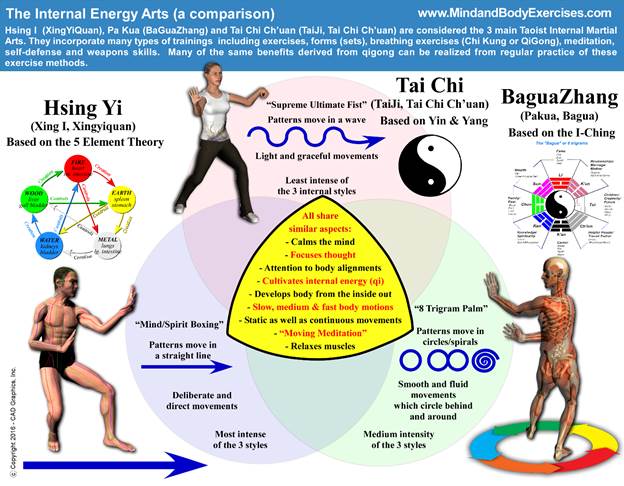
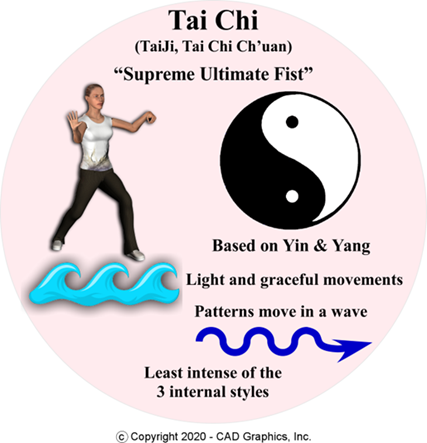
I teach and offer lectures about holistic health, physical fitness, stress management, human behavior, meditation, phytotherapy (herbs), music for healing, self-massage (acupressure), Daoyin (yoga), qigong, tai chi, and baguazhang.

Please contact me if you, your business, organization, or group, might be interested in hosting me to speak on a wide spectrum of topics relative to better health, fitness, and well-being.

I look forward to further sharing more of my message by partnering with hospitals, wellness centers, VA centers, schools on all levels, businesses, and individuals who see the value in building a stronger nation through building a healthier population.

I also have hundreds of FREE education video classes, lectures, and seminars available on my YouTube channel at:

https://www.youtube.com/c/MindandBodyExercises

Many of my publications can be found on Amazon at:

http://www.Amazon.com/author/jimmoltzan

My holistic health blog is available at:

https://mindandbodyexercises.wordpress.com/

http://www.MindAndBodyExercises.com

Mind and Body Exercises on Google: https://posts.gle/aD47Qo

Jim Moltzan

407-234-0119

Cupping Therapy vs. Bruising

Understanding Practice, Physiology, and Misconceptions

In today’s wellness landscape, cupping therapy has re-emerged as a widely used modality for relieving pain, improving circulation, and supporting holistic healing. Despite its growing popularity, many people unfamiliar with Traditional Chinese Medicine (TCM) often confuse the distinct circular marks left by cupping with bruises from injury. Though they appear similar, the mechanisms, meanings, and physiological effects are fundamentally different. This article provides a thorough understanding of cupping therapy, its roots in TCM, its interpretation through the lens of Western science, and how it compares to traumatic bruising, to clarify misconceptions and deepen appreciation for this ancient practice.

What Is Cupping Therapy?

Cupping is a technique that involves placing specially designed cups (glass, silicone, bamboo, or plastic) onto the skin to create suction. The suction pulls the skin and superficial tissue upward, promoting blood flow, stimulating lymphatic drainage, and mobilizing stagnation.

In Traditional Chinese Medicine (TCM), cupping is used to:


– Move stagnant qi and blood


– Expel pathogenic factors (wind, cold, damp)


– Open the meridians and facilitate energy flow


– Relieve pain, tightness, and toxicity


– Strengthen organ function by targeting specific meridian points

The Western Physiological View: How Cupping Works

Western medicine traditionally lacked a framework for cupping, but increasing interest has revealed several plausible mechanisms:

  1. Increased Local Blood Flow – Suction draws blood to the surface, improving microcirculation (Lowe, 2017).


2. Fascial Decompression – Cupping lifts and separates skin, fascia, and underlying muscles, similar to myofascial release.


3. Neurovascular and Pain Modulation – Stimulation triggers responses through the Gate Control Theory of Pain (Teut et al., 2018).


4. Controlled Inflammatory Response – Mild trauma initiates a low-grade inflammatory response (Furhad et al., 2023)


5. Lymphatic Drainage – The pressure differential helps clear toxins and reduce swelling.


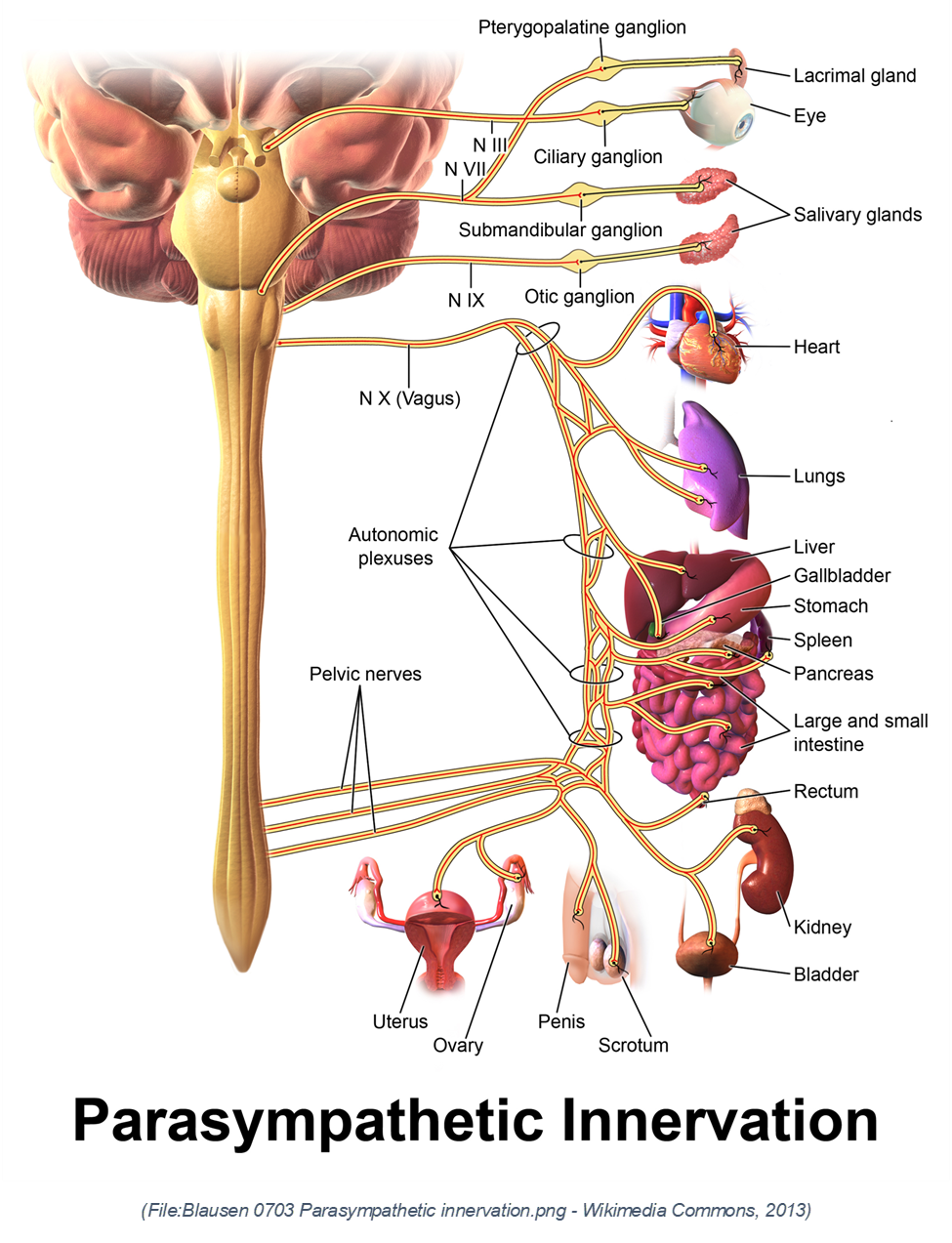
6. Parasympathetic Nervous System Activation – Can reduce stress and activate rest-and-digest mode (Harvard Health Publishing, 2016).

Types of Cupping

– Dry Cupping: Standard suction without bloodletting


– Wet Cupping (Hijama): Involves superficial pricking after suction


– Fire Cupping: Traditional method using heat to create vacuum inside the cup


– Gliding (Massage) Cupping: Cups are moved across oiled skin for deep tissue stimulation

Understanding Bruising from Injury

A bruise (contusion) results from accidental trauma to soft tissue, leading to rupture of capillaries and pooling of blood under the skin. This causes pain, swelling, discoloration, and inflammation. Unlike the controlled effect of cupping, bruising often involves deeper tissue damage.

Comparison: Cupping Marks vs. Bruises

Cupping Marks vs. Bruises:


– Cause: Suction-induced capillary rupture vs. blunt trauma

– Intentional: Yes vs. No


– Purpose: Healing vs. Accidental


– Appearance: Uniform circles vs. irregular, color-changing marks


– Pain: Minimal vs. often painful


– Duration: 3–10 days vs. 1–3 weeks

Final Thoughts: Healing vs. Harm

Cupping is not a bruise in the conventional sense. It’s a controlled, purposeful therapy used to stimulate the body’s self-healing mechanisms. While cupping marks may resemble bruises visually, their nature, origin, and physiological impact are completely different. Understanding these differences demystifies this ancient therapy and makes it more approachable for those seeking holistic healing.

⚖️ Side-by-Side Comparison: Cupping Marks vs. Bruises

AspectCupping MarksBruises (Injury)
CauseSuction-induced capillary ruptureBlunt trauma to tissues
Intentional?Yes – therapeuticNo – accidental
PurposeDetox, release stagnation, promote healingNone – consequence of trauma
AppearanceUniform, circular, reddish-purpleIrregular, color changes over time
Pain LevelMinimal to noneTender or painful, often with swelling
Color PatternDark → fade graduallyRed → purple → green → yellow
Duration3–10 days1–3 weeks, depending on severity
Associated SymptomsRelief, improved mobility, relaxationInflammation, soreness, potential joint restriction

References:

Furhad, S., Sina, R. E., & Bokhari, A. A. (2023, October 30). Cupping therapy. StatPearls – NCBI Bookshelf. https://www.ncbi.nlm.nih.gov/books/NBK538253/

Harvard Health Publishing. (2016). What exactly is cupping? Harvard Health Blog. https://www.health.harvard.edu/blog/what-exactly-is-cupping-2016093010402

Johannes, L. (2012, November 12). Centuries-Old art of cupping may bring some pain relief. WSJ. https://www.wsj.com/articles/SB10001424127887324073504578114970824081566

Lowe, D. T. (2017). Cupping therapy: An analysis of the effects of suction on skin and the possible influence on human health. Complementary Therapies in Clinical Practice, 29, 162–168. https://doi.org/10.1016/j.ctcp.2017.09.008

Teut, M., Ullmann, A., Ortiz, M., Rotter, G., Binting, S., Cree, M., Lotz, F., Roll, S., & Brinkhaus, B. (2018). Pulsatile dry cupping in chronic low back pain – a randomized three-armed controlled clinical trial. BMC Complementary and Alternative Medicine, 18(1). https://doi.org/10.1186/s12906-018-2187-8

Modern Takeaways on Life, Success, and Choice

Every day we face choices, big and small. Avoiding decisions or “sitting on the fence” might feel safe, but it’s actually a form of failure. If you don’t choose, life chooses for you and that often leads to regret. Whether in business, relationships, or personal goals, progress only happens when you commit to a direction.

It’s easy to measure success by visible achievements such as money, titles, and recognition. But these are only part of the story. Invisible success is equally important: having integrity, living by values, and maintaining peace of mind. Without these, material gains feel hollow.

Our own judgment often leans toward what feels convenient or self-serving. But right and wrong aren’t just about personal opinion, they’re tied to principles that exist beyond us. Checking decisions against values like honesty, fairness, and responsibility keeps us from rationalizing bad choices.

You can fool others with appearances, but not yourself. Guilt, stress, and dissatisfaction linger when actions don’t align with your values. Owning your choices, whether good or bad is what builds integrity.

The biggest battle is internal. Self-doubt, ego, fear, and procrastination are often greater obstacles than outside competition. True success means overcoming your own limitations, staying disciplined, and not letting emotions or outside influences cloud your judgment.

Losing connection to your true self, by conforming blindly, chasing only money, or being swayed by others, is the greatest failure. Material setbacks can be rebuilt, but losing authenticity and self-respect is harder to recover.

Defeating others is external victory. But lasting fulfillment comes from internal success in discipline, self-awareness, and growth. The ultimate win is not over others but over your own weaknesses.

Shintō to Buddhism

Reinventing Religious Identity in Korea After Liberation

During Japan’s colonization of Korea (1910–1945), State Shintō was forcibly introduced through the establishment of shrines and enforced participation in rituals, particularly by students and government workers (Grayson; Chōsen Shrine required attendance as a political act). This widespread imposition made Shintō highly associated with colonial authority and ideological control. In contrast, Buddhism had been part of Korean heritage for centuries and carried no stigma of foreign imposition.

After liberation in 1945, Shintō was widely rejected in Korea, while Buddhism was viewed as part of the national cultural and religious identity.

Political and Social Pressures

Shintō clergy or anyone linked to Shintō were at risk of being labeled collaborators with the Japanese colonial regime. Such stigma could lead to social ostracism or worse. By contrast, those associated with Buddhism were viewed as culturally legitimate and spiritually benevolent, making Buddhist identity a favorable alternative.

Cultural Perception and Misidentification

To the general public unfamiliar with Japanese religious garb, the distinction between Shintō ceremonial attire and Buddhist robes might have been unclear. Therefore, presenting oneself as a Buddhist monk was a practical way to avoid the stigma attached to Shintō affiliation, especially in a period when religious symbols had strong political meanings.

Strategic Reinvention

In post-war Korea’s rapidly changing climate, recasting one’s religious identity was a means of social survival. Claiming Buddhist identity provided continued spiritual or communal authority without colonial taint. It was both a personal and political strategy to remain relevant and respected.

Comparative Tables

Table 1: Public Perception in Post-War Korea (circa 1945–1950)

AspectShintō PriestBuddhist Monk
Political AssociationLinked to Japanese colonialismRooted in Korean tradition
Public ReputationViewed as collaboratorRespected spiritual figure
Cultural LegitimacyForeign-imposed, often rejectedIndigenous, normative
Social RiskHigh (stigmatized)Low (broad acceptance)
OpportunitiesSeverely limitedAvailable through religious leadership

Table 2: Religious Signifiers and Public Perception

FeatureShintō PriestBuddhist Monk
AttireLayered robes with formal pattern or cutPlain, functionally simple robes
HeadgearBlack cap or crownShaved head (no headwear)
Ritual ObjectsWooden baton (shaku), paper streamersPrayer beads, staff, sutra scroll
Symbolic SettingShrine with sacred rope, torii gatesTemple with Buddha statues, incense
Cultural RoleRepresentative of Japanese ideologySpiritual and moral guide within Korean tradition

Conclusion

After Korea’s liberation, religious identity was both symbolic and strategic. In a time when Shintō was equated with colonial oppression, claiming to be a Buddhist monk offered not just spiritual cover but also cultural rehabilitation. This reframing allowed individuals to retain authority, social standing, and moral legitimacy in a society eager to distance itself from Japan’s colonial legacy.

References:

Kim, Y. T. (2025). The common ground between Japanese and Korean Buddhism in the early modern period: changes in the perception of the mechanism of the State–Buddhist relationship. Religions, 16(4), 419. https://doi.org/10.3390/rel16040419

Grisafi, J. G. (2016). Shintō in Colonial Korea: A Broadening Narrative of Imperial era Shintō. Upenn. https://www.academia.edu/28557377/Shint%C5%8D_in_Colonial_Korea_A_Broadening_Narrative_of_Imperial_Era_Shint%C5%8D?utm_source=chatgpt.com

Shinto in Korea. (2025). In Wikipedia. Retrieved from Wikipedia database. https://en.wikipedia.org/wiki/Shinto_in_Korea?utm_source=chatgpt.com

Chōsen Shrine. (2025). In Wikipedia. Retrieved from Wikipedia database. https://en.wikipedia.org/wiki/Ch%C5%8Dsen_Shrine?utm_source=chatgpt.com

Korean Buddhism. (2025). In Wikipedia. Retrieved from Wikipedia database. https://en.wikipedia.org/wiki/Korean_Buddhism?utm_source=chatgpt.com