The Threefold Way: Society, Nature, and Self in Chinese Philosophy

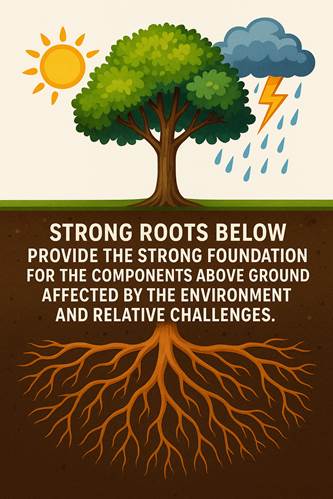
For centuries, Chinese culture has been shaped by a triad of the philosophical systems of Confucianism, Taoism, and Buddhism. Though distinct in their teachings, they are often seen as complementary threads that weave together a balanced and meaningful life. Each offers a unique focus: Confucianism emphasizes harmony in society, Taoism seeks unity with nature, and Buddhism turns inward to liberate the self from suffering (Yao, 2000).

Confucianism: The Order of Society

Founded by Confucius (Kong Fuzi) around the 5th century BCE, Confucianism centers on ethics, duty, and the cultivation of virtuous behavior within a structured society. It promotes familial piety (xiao), respect for hierarchy, and the importance of education and ritual (li) (Sontag, 1974). A Confucian life is guided by the roles of the parent, child, ruler, subject, and the fulfillment of these roles builds a just and orderly world. It teaches that virtue in leadership trickles down to the moral development of the people (Yao, 2000).

Taoism: Flowing with Nature

Rooted in the Tao Te Ching by Laozi, Taoism (or Daoism) champions spontaneity, simplicity, and harmony with the Tao, or the ineffable force that flows through all things (Laozi, trans. Mitchell, 1988). Rather than striving to control or fix the world, the Taoist seeks to align with the natural order through non-resistance (wu wei), letting go of ego, and observing the rhythms of nature. Taoism speaks to the middle-aged soul, or one who questions structure and seeks authenticity and fluidity in life (Kirkland, 2004).

Buddhism: Awakening the Inner Self

Brought to China from India around the 1st century CE, Buddhism introduced a new inwardness, emphasizing meditation, compassion, and release from suffering through the Eightfold Path (Harvey, 2013). The Buddhist focus is not on society or external alignment but on awakening. It teaches that all phenomena are impermanent, and that liberation comes not from control or flow, but from transcending attachment entirely (Mitchell, 2002). In this way, Buddhism serves the aging soul by contemplating, detaching, and seeking ultimate freedom.

Integration: A Balanced Life

In traditional Chinese thought, these three paths were not meant to compete but to complete one another. A person might live as:

  • a Confucian in the office
  • a Taoist in the garden
  • a Buddhist in solitude (Yao, 2000).

Together, they offer a map to live wisely with integrity in society, harmony in nature, and peace within the soul.

References

Sontag, F. (1974). Herbert Fingarette. Confucius—the Secular as Sacred. (Harper and Row, New York, 1972.). Religious Studies, 10(2), 245–246. https://doi.org/10.1017/s0034412500007514

Harvey, P. (2012). An introduction to Buddhism. https://doi.org/10.1017/cbo9781139050531

Taoism: the Enduring tradition. (n.d.). Routledge & CRC Press. https://www.routledge.com/Taoism-The-Enduring-Tradition/Kirkland/p/book/9780415263221?utm_source=cjaffiliates&utm_medium=affiliates&cjevent=eeb2c6c93e3c11f083ff00cf0a82b820

Mitchell, S. (1988). Tao Te Ching. In HARPERPERENNIAL MODERNCLASSICS. HARPERPERENNIAL MODERNCLASSICS. https://ia800904.us.archive.org/20/items/taoteching-Stephen-Mitchell-translation-v9deoq/taoteching-Stephen-Mitchell-translation-v9deoq_text.pdf

Mitchell, D. W. (2002). Buddhism: Introducing the Buddhist experience. Oxford University Press.

Yao, X. (2000). An introduction to confucianism. https://doi.org/10.1017/cbo9780511800887

Finding the Body’s Secret Cooling Switches

When I listened to this episode of Huberman Lab Essentials, I felt like I was getting a masterclass in how our bodies really deal with heat and cold. Dr. Andrew Huberman was speaking with Dr. Craig Heler, an expert in neurobiology and ophthalmology, about cold exposure, and not just the trendy ice bath kind of talk, but the deeper science and practical ways it affects performance, physiology, and thermoregulation.

As I absorbed their discussion, I realized how much of my own thinking about cooling was based on half-truths or misleading sensations. They broke down the different physiological responses to cold showers versus ice baths, how aerobic and anaerobic exercise interact with temperature stress, and why heat buildup in muscles is often the true limiter of performance.

One of the biggest takeaways for me was learning about specialized heat loss portals in glabrous skin, orthe hairless areas like our palms, the soles of our feet, and our upper face. These areas have unique blood vessel shunts (arterio-venous anastomoses) that let blood bypass capillaries for rapid heat exchange. It’s an evolutionary adaptation, and when you target these portals for cooling, you can dramatically increase endurance and work capacity.

(The Cardiovascular System, 2025)

I found it fascinating and slightly frustrating, to learn that a lot of common cooling methods, like cold towels or ice packs, aren’t just less effective, they can actually work against you. They might feel good, but they can cause vasoconstriction that traps heat inside the body. Dr. Heler shared research and even pro athlete examples where palm cooling allowed people to double or triple their workout volume. I was struck by one story where an athlete’s dip count jumped from around 150 to over 300 by using this method.

What really stuck with me was the idea that muscle fatigue during anaerobic work is often due to local overheating, not just lactic acid buildup or lack of willpower. Once muscles hit around 39.5°C (103.1°F), a key enzyme for fuel supply shuts down, and the body simply won’t let you keep going. Cooling these heat loss portals between sets helps prevent that shutdown and keeps you in the game longer.

I also learned that you have to be careful not to overcool. If you make the skin too cold, you close off the very pathways you’re trying to use. The CoolMitt technology they discussed solves this by cooling palms to the optimal temperature. Cool enough to pull heat quickly, but not so cold that it causes vasoconstriction. About three minutes of cooling hits the sweet spot before diminishing returns set in.

What’s surprising is how much faster these glabrous skin areas can cool the body compared to the usual medical focus points like the armpits or groin. Cooling the palms, soles, and face can work about twice as fast, which makes me think medical protocols for heat stroke and athletic recovery might need to be revisited or updated.

Beyond the sports and martial arts communties, I see the potential for this science in the military, for outdoor workers, or anyone dealing with extreme heat. Even without specialized gear, Dr. Heler suggested experimenting with cold packs or frozen items on the palms during rest intervals.

One subtle but important insight was that cooling the head or neck might make you feel cooler but doesn’t necessarily lower your core temperature. That psychological trick can be dangerous if it leads you to push harder while your body is still overheating.

For me, this episode was a clear reminder of how much performance and safety comes down to understanding the body’s systems rather than relying on what feels good in the moment. Knowing that muscle temperature, glabrous skin cooling, and careful avoidance of overcooling can be the difference between fatigue and peak performance has given me a whole new set of tools to experiment with.

In the end, I learned both practical strategies and a deeper appreciation for the science. Cooling the right places, in the right way, can change the game not just for athletes, but for anyone who wants to perform at their best in challenging environments.

References:

Andrew Huberman. (2025, August 7). Essentials: Increase Strength & Endurance with Cooling Protocols | Dr. Craig Heller [Video]. YouTube. https://www.youtube.com/watch?v=aZklQpFa2kE

The cardiovascular system. (2025, April 22). Clinical Gate. https://clinicalgate.com/the-cardiovascular-system-6/

Acupressure and Holistic Health

The video presents an in-depth discussion and practical demonstration, focusing on the importance of hand health, self-care, and Traditional Chinese Medicine (TCM) principles applied to modern wellness practices. Starting with a critique of the current American healthcare system, I contrast “sick care” with “self-care,” emphasizing personal responsibility in maintaining health through exercise, nutrition, and mindfulness. I introduced foundational concepts, such as the Five Pillars (physical movement, diet, sleep, stress management, and social interaction) and the principles of Yin and Yang, explaining their scientific roots in geometry and balance.

I elaborate on the Chinese philosophy of the Five Elements theory (fire, earth, metal, water, wood), correlating them with organs and bodily systems, and explain the concept of meridians, or energy pathways throughout the body that traditional Chinese medicine targets to enhance health. The core practical component of the video focuses on hand exercises designed to strengthen grip, improve circulation, stimulate nerve endings, and activate energy flow through the meridians ending in the fingers. These exercises involve various techniques such as clapping, pinching, twisting, and massaging different parts of the hand and wrist.

I highlight the significance of grip strength especially in fall prevention and overall mobility in older adults, explaining how consistent practice can improve hand function and nervous system responsiveness. I also discuss cross-body movements and their cognitive benefits, drawing parallels to neurological therapies and developmental exercises like crawling, which engage both hemispheres of the brain.

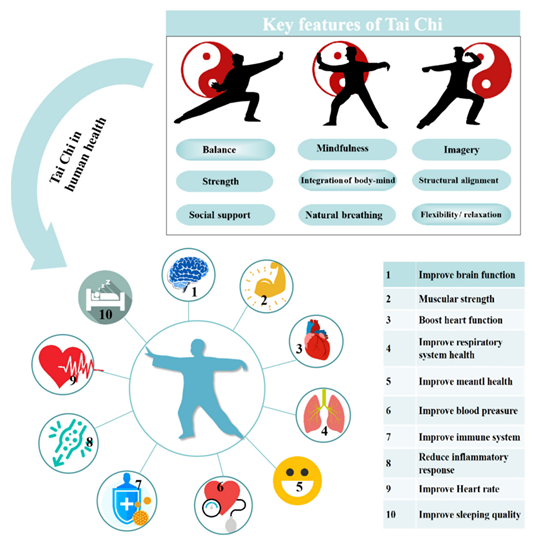
Towards the end, I briefly touch on broader practices such as Tai Chi, Qigong, and reflexology, stressing their role in holistic health. I advocate using accessible tools like golf balls for foot massage to stimulate nerve endings and share practical advice on managing neuropathy and maintaining organ health through movement and energy balance. Throughout, I encourage self-awareness, gradual progression, and integrating these exercises into regular routines for preventive health.

Modern Healthcare Critique: I am somewhat critical of the U.S. healthcare system as reactive “sick care” rather than proactive health maintenance. I highlight that patients often receive prescriptions without addressing root causes like lifestyle or diet, which underscores a systemic issue driven by time constraints and financial incentives. This insight calls for a paradigm shift toward self-care and prevention.

Holistic Health Framework: The Five Pillars framework integrates physical, mental, and social health components, demonstrating the interconnectedness of well-being. By grounding this in Chinese philosophy, we can bridge ancient wisdom and modern health science, by striving to cultivate balanced living, requiring attention to multiple lifestyle factors simultaneously rather than isolated interventions.

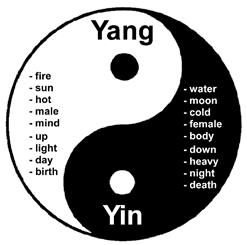
Yin-Yang as Science: By explaining Yin-Yang through geometry and mathematics, I demystify what is often perceived as esoteric. This positions traditional Chinese medicine as a system based on observation, balance, and natural laws, reinforcing its credibility and potential integration with Western practices.

Hand Health and Meridian Stimulation: The hand exercises stimulate both physical and energetic systems, by strengthening muscles and tendons while activating nerve endings and meridian pathways. This dual approach enhances circulation, neural function, and energy flow, which is crucial for maintaining dexterity, preventing injury, and promoting healing, especially as people age.

Cross-Body Movements and Brain Health: Movements that cross the body’s midline engage both hemispheres of the brain, enhancing neural connectivity and cognitive function. This insight aligns with rehabilitation techniques for stroke patients and supports the use of such exercises in maintaining brain health and preventing cognitive decline.

Reflexology and Accessible Therapy: I emphasize practical, low-cost ways to stimulate nerve endings and improve energy flow, such as rolling a golf ball under the foot. This highlights the value of self-administered therapies for neuropathy and general well-being and the importance of engaging physically with one’s body.

Self-Care as Empowerment: A recurring theme is the empowerment that comes from taking ownership of one’s health through simple, consistent practices. By understanding how the body’s energy and nervous systems work, individuals can proactively manage their health, reducing reliance on medical interventions and improving quality of life.

Highlights

  • Critique of modern American healthcare as “sick care” and emphasis on the need for self-care.
  • Introduction of the Five Pillars of health rooted in Chinese philosophy: exercise, diet, sleep, stress management, and social interaction.
  • Explanation of Yin and Yang as a scientific geometric principle representing balance and opposites.
  • Overview of the Five Elements theory correlating elements with organs and bodily functions.
  • Demonstration of hand exercises to improve grip strength, circulation, and energy flow through meridians.
  • Discussion of cross-body movements and their role in cognitive stimulation and brain health.
  • Practical advice on foot reflexology and nerve stimulation using simple tools like golf balls.

This comprehensive approach combining philosophy, science, practical exercise, and self-awareness provide a holistic blueprint for health maintenance that transcends conventional medical models.

The Interconnectedness of Physical Fitness Aspects

The many facets of fitness can be prioritized depending on individual goals and needs. Below is a list of key fitness components, with explanations of how and why each is important, and their order of prioritization based on general health, athletic performance, and functional movement.

  • How: The ability of muscles to exert force. Strength is developed through resistance training, such as weightlifting or bodyweight exercises.
  • Why: Strength forms the foundation for most physical activities. It supports bone health, maintains muscle mass, aids in balance, and helps prevent injury by stabilizing joints and improving posture.
  • How: The range of motion around a joint or group of joints. Flexibility is improved through stretching exercises (static, dynamic, or PNF (Proprioceptive Neuromuscular Facilitation).
  • Why: Flexibility helps prevent injury by allowing muscles to move more freely. It supports overall mobility, reduces muscle stiffness, and aids in the recovery process. It’s essential for maintaining functional movement, especially as we age.
  • How: The ability to synchronize multiple body movements smoothly and efficiently. Coordination can be developed through balance exercises, agility drills, or sports.
  • Why: Coordination is crucial for functional fitness, sports performance, and injury prevention. It allows for fluid movements and better control of the body in daily activities.
  • How: The ability of the heart and lungs to deliver oxygen to working muscles during sustained physical activity. It’s improved through aerobic exercises like running, swimming, or cycling.
  • Why: Cardiovascular endurance is vital for overall health. It helps lower the risk of heart disease, boosts energy levels, and enhances the body’s ability to perform sustained tasks with less fatigue.
  • How: The ability to maintain body position while standing still or moving. Balance training includes exercises like yoga, Tai Chi, or standing on one leg.
  • Why: Balance is especially important for functional fitness and preventing falls, particularly as we age. It also supports better posture and coordination.
  • How: The ability to exert a maximal amount of force in the shortest possible time (a combination of strength and speed). Power is developed through plyometrics, Olympic lifts, and explosive body movements.
  • Why: Power is crucial for activities requiring quick, explosive movements such as sprinting or jumping. It’s key for athletes but also benefits functional movement by improving reaction time and performance in high-intensity tasks.
  • How: The ability to move quickly in a specific direction. Speed can be enhanced through sprint training, interval workouts, and agility drills.
  • Why: Speed is critical for athletic performance but also useful in daily life for tasks that require quick movement or reaction, such as running after a bus or responding to emergencies.
  • How: The ability to change direction quickly and efficiently. Agility training often involves cone drills, ladder drills, and quick lateral movements.
  • Why: Agility is essential for athletes in sports that require fast directional changes. It also benefits non-athletes by improving body control and reducing injury risks during dynamic activities.
  • How: The ability to move or react at the right moment. Timing is often developed through sports, reaction drills, or coordination exercises.
  • Why: Good timing enhances coordination and athletic performance, particularly in sports like tennis, boxing, or baseball where precision is key.
  • How: The ability to regulate and maintain body position and movement. Control is improved through strength, balance, and proprioception exercises.
  • Why: Control is necessary for mastering technique in physical activities. It enhances precision, reduces the risk of injury, and helps in maintaining stability and proper form during movements.
  • How: The speed at which an individual can respond to a stimulus. Reaction time can be improved through drills involving quick decision-making or unexpected changes.
  • Why: Faster reaction time is beneficial for safety and athletic performance, allowing a quicker response to environmental changes or dynamic sports scenarios.
  1. For General Health and Longevity:
    • Strength, Flexibility, Endurance, Balance
      • These components promote muscle and bone health, reduce injury risk, and improve heart health and mobility, all crucial for everyday functionality.
  2. For Athletic Performance:
    • Power, Speed, Agility, Coordination, Endurance
      • Athletes benefit most from power and agility to enhance performance in sports, where explosive movements and quick reactions are needed.
  3. For Functional Fitness and Injury Prevention:
    • Balance, Coordination, Strength, Control, Timing
      • These aspects ensure better stability, posture, and fluid movements, which are essential for performing daily tasks and preventing accidents.

Each component of fitness is interrelated and essential for a well-rounded approach to health and performance. Prioritization should be tailored to personal goals, whether that’s improving overall health, preparing for sports, or maintaining functional mobility as we age. We really can’t state that one aspect is most important, such as balance, which, if someone has none, cannot achieve the others. Or without coordination, one cannot develop more strength or more flexibility, correct? Or without strength, there is no balance to stabilize? All are important and cannot be under-prioritized, correct?

The various facets of fitness are interconnected, and it’s difficult to isolate one as the most important because they all support and influence each other.

  • Balance is essential for safe and effective movement, but it often requires a certain amount of strength and coordination to maintain.
  • Strength helps with balance and supports mobility, but flexibility is needed to allow the muscles and joints to move freely.
  • Coordination is necessary to execute movements smoothly, but strength and timing also influence how well we can control those movements.

In essence, none of these components can be fully developed in isolation. Each contributes to overall fitness and functional capacity, so under-prioritizing any one of them could limit progress in other areas. It’s important to approach fitness in a holistic way, ensuring that all aspects are integrated and developed according to personal goals and needs.

I look forward to further sharing more of my message by partnering with hospitals, wellness centers, VA centers, schools on all levels, businesses, and individuals who see the value in building a stronger nation through building a healthier population.

I also have hundreds of FREE education video classes, lectures, and seminars available on my YouTube channel at:

https://www.youtube.com/c/MindandBodyExercises

Many of my publications can be found on Amazon at:

http://www.Amazon.com/author/jimmoltzan

My holistic health blog is available at:

https://mindandbodyexercises.wordpress.com/

http://www.MindAndBodyExercises.com

Mind and Body Exercises on Google: https://posts.gle/aD47Qo

Jim Moltzan

407-234-0119

Light Bulb, Flashbulb and Lollipop Moments

Human experiences are filled with defining moments that shape our understanding of ourselves and our relationships with others. Three metaphors that capture different yet equally transformative experiences are the light bulb moment, the flashbulb moment, and the lollipop moment. While all represent instances of change and meaning, their sources and impacts differ substantially. A light bulb moment represents a sudden spark of personal insight or discovery. A flashbulb moment captures the power of memory by anchoring us to a specific point in time during a significantly shared event. A lollipop moment, by contrast, highlights how a seemingly small act can have an unexpectedly profound impact on another person’s life. Examining these three concepts reveals not only how individuals grow through personal insight and memory but also how they shape one another’s lives through small, often unrecognized gestures.

Light Bulb Moments: Personal Realization

The term light bulb moment is commonly used to describe the sudden emergence of clarity, understanding, or inspiration. Rooted in imagery popularized by early cartoons, where a light bulb appeared above a character’s head to symbolize a new idea, the expression reflects how insight can feel instantaneous (Gladwell, 2005). These moments are often associated with cognitive restructuring, when a problem once perceived as insurmountable suddenly becomes solvable. Psychologists identify such experiences as insight learning, a process where new connections are drawn between previously unrelated concepts (Bowden et al., 2005).

For example, a student struggling with a mathematics problem may suddenly “see” the solution after hours of confusion. This type of realization brings both intellectual satisfaction and emotional reinforcement, often motivating individuals to continue exploring and learning. In a broader sense, light bulb moments underscore the human capacity for creativity and problem-solving, marking them as critical turning points in education, science, and personal growth.

Flashbulb Moments: Distinct Memories in Time

Alongside the concept of the light bulb moment, psychologists also describe what are known as flashbulb moments. Unlike the personal insight of a light bulb moment, a flashbulb moment refers to a vivid and enduring memory of where one was and what one was doing during a significant historical or emotional event. These memories are often tied to collective experiences, such as the 1969 moon landing, the terrorist attacks on September 11, 2001, or the explosion of the space shuttle Challenger in 1986.

Brown and Kulik (1977) first introduced the term, noting how individuals can recall with great detail their surroundings, emotions, and even conversations during such events. Although research shows that the accuracy of these memories may fade over time, the confidence in them remains strong (Talarico & Rubin, 2003). Flashbulb moments therefore highlight the powerful role of emotion and societal significance in shaping human memory, standing in contrast to the personal realization of a light bulb moment and the interpersonal influence of a lollipop moment.

Lollipop Moments: Impact on Others

By contrast, the lollipop moment emphasizes interpersonal influence rather than internal realization. The term was introduced by leadership educator Drew Dudley in his TEDx talk Everyday Leadership (2010). Dudley shared a story of how he casually handed a lollipop to a nervous new student during orientation, making a humorous remark that helped her feel more comfortable. What he considered an insignificant act turned out to be transformative, as the student later credited the gesture as a pivotal moment in her decision to remain in school and eventually meet her future spouse.

Lollipop moments illustrate how simple actions, often forgotten by the initiator, can have life-altering effects for others. Scholars of positive psychology highlight the importance of micro-moments of connection, such as kindness, encouragement, or recognition, in building resilience and well-being (Fredrickson, 2013). Unlike light bulb moments, which center on self-discovery, lollipop moments demonstrate the ripple effect of human interaction, where a small spark of generosity or empathy can catalyze growth, healing, or confidence in others.

Comparing the Three

Although light bulb, flashbulb, and lollipop moments are distinct, they are complementary in the landscape of human experience. Light bulb moments transform the self by providing clarity and insight, flashbulb moments connect us to shared historical and emotional contexts, and lollipop moments transform relationships by creating meaning for others. Each concept represents a unique dimension of human development: cognition, memory, and social connection.

Together, they remind us of the multidimensional nature of growth and meaning. Intellectual breakthroughs drive progress, emotionally charged memories bind us to the larger human story, and interpersonal kindness fosters community and belonging. Without light bulb moments, innovation and self-awareness would stagnate. Without flashbulb moments, our shared cultural narrative would lose its depth. Without lollipop moments, compassion and leadership would lose their everyday relevance. Recognizing all three encourages us to value the sudden spark of discovery, the unforgettable imprint of memory, and the subtle, transformative power of everyday kindness.

References:

Bowden, E. M., Jung-Beeman, M., Fleck, J., & Kounios, J. (2005). New approaches to demystifying insight. Trends in Cognitive Sciences, 9(7), 322–328. https://doi.org/10.1016/j.tics.2005.05.012

Brown, R., & Kulik, J. (1977). Flashbulb memories. Cognition, 5(1), 73–99. https://doi.org/10.1016/0010-0277(77)90018-X

designer. (2017, October 17). THE RIPPLE EFFECT – Embrace the challenge. https://embracethechallenge.org/the-ripple-effect/

Dudley, D. (2010). Everyday leadership [Video]. TEDxToronto. https://www.ted.com/talks/drew_dudley_everyday_leadership

Fredrickson, B. L. (2013). Love 2.0: Finding happiness and health in moments of connection. Hudson Street Press. https://archive.org/details/love20creatingha0000fred

Gladwell, M. (2005). Blink: The power of thinking without thinking. Little, Brown and Company. https://psycnet.apa.org/record/2006-01628-000

Talarico, J. M., & Rubin, D. C. (2003). Confidence, not consistency, characterizes flashbulb memories. Psychological Science, 14(5), 455–461. https://doi.org/10.1111/1467-9280.02453