Choices – we almost always have choices. However, we usually don’t like the options.
– junk & fast food vs. healthy unprocessed foods
– elevators vs. stairs
– responsible alcohol consumption vs. drinking to become drunk
– smoking tobacco vs. never even starting
– drive vs. walk
– sit vs. stand
– lounge vs. exercise or activity
– smartphone vs. face-to-face interactions
– watching news or other disturbing info vs. turning it off
– becoming aggravated over things which we have no control vs. controlling what we actually can affect
We know these issues to be true, but many don’t have the will power (in the moment) or self-discipline (structured and consistent). Some people innately have self-discipline, while others need to learn and cultivate it. Control the body with the mind. Manage the mind by disciplining the body, through physical activity. Learn to be more active, eat healthier, sleep better, stress less – these are the key components to maintaining a strong mind, body, immune system, and outlook on life.
I am currently offering wellness lectures and classes for group, small group & private instruction in Wekiva, Longwood and Winter Park.
Managing High Blood Pressure Using Qigong Practices
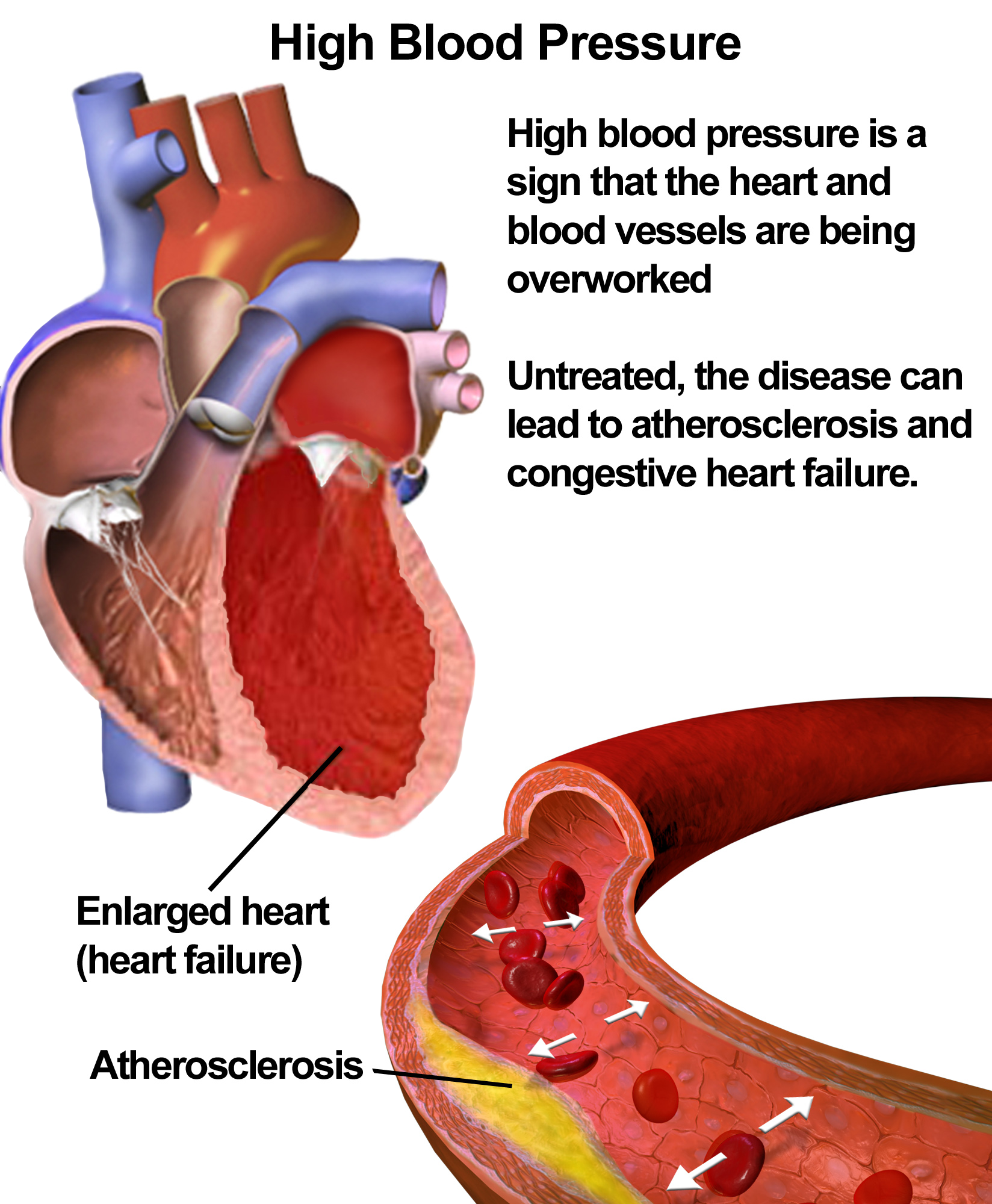
High blood pressure or hypertension (HTN) is a major public health issue affecting almost a billion people worldwide. HTN is often called a “silent killer” because while it has no obvious symptoms, untreated HTN can often lead to strokes, heart attacks and other health issues. As of 2015, an estimated 75 million adults in the U.S. had HTN.
Management of hypertension is typically addressed through lifestyle changes, diet and antihypertensive medications. A diet high in vegetables, fruits, and low-fat dairy type foods can help lower blood pressure among people having hypertension, as well as those without. Also, a diet low in sodium can also help to lower blood pressure across age, gender, race, weight, and physical activity subgroups. Other methods for lowering high blood pressure can include weight reduction if overweight or obese, increasing physical activity, and moderate alcohol consumption.1
High blood pressure or hypertension is a disease in itself but also a major risk factor for other diseases. Normal blood pressure is typically 120 systolic (maximum pressure during one heartbeat) over 80 diastolic (minimum pressure between two heartbeats). Systolic blood pressure over 115 mmHg is usually considered as higher than normal. An average and sustained blood pressure of 140/90 would be defined as hypertension and considered to put an individual at risk of specific health issues. Medical studies have shown that an increase of hypertension is connected to an increasing rate of cardiovascular issues such as heart failure, atrial fibrillation, stroke, myocardial infarction, and premature mortality.
Blood pressure over 180/110 mmHg, if left untreated can overcome normal microvascular autoregulation. This can often lead to severe damage to the body’s blood circulation within the smallest blood vessels (microcirculation) resulting in a syndrome of accelerated or malignant hypertension and possibly cerebral hemorrhage where there is bleeding in or around the brain, which can be immediate threats to one’s life.2
information from the Mayo Clinic lists various factors that can put someone at a higher risk of experiencing hypertension and its relative ailments:
Age. As people grow older, the risk of high blood pressure increases. Up until around age 64, hypertension is more common with men. Women after age 65, are at higher risk of having high blood pressure.
Race. Those of African heritage often acquire high blood pressure earlier in life and more often than other ethnicities. Serious complications related to hypertension such as heart attack, kidney failure and stroke are more common in those of African heritage.
Family history. High blood pressure has a tendency to be hereditary.
Obesity and overweight. The more someone weighs, the more oxygen and nutrients are needed to be transported through the blood to tissues. Increased blood flow increases the pressure on the blood vessel walls throughout the body.
Lack of physical activity. People who are more sedentary often have higher heart rates making the heart having to work more with each contraction. Less physical activity also contributes to the risk of being overweight or obese.
Smoking and tobacco use. Smoking or chewing tobacco can immediately raise blood pressure temporarily, while the chemicals in tobacco may cause damage to the lining of the artery walls.
High salt (sodium) diet. High sodium in your diet may cause the body to retain fluid, which leads to an increase in blood pressure.
Low potassium diet. Potassium helps keep the balance of the amount of sodium in the cells of our body. If there is not enough potassium in our diet, sodium can build up in the blood.
Excess alcohol consumption. Excessive drinking can cause damage to the heart. More than one drink per day for women and more than two drinks per day for men can affect blood pressure.
Stress. Stress left unchecked can cause a temporary increase in blood pressure. Habits related to stress like binge eating, tobacco use and excess alcohol can lead to further increases of blood pressure.
Chronic conditions. Certain chronic conditions can also increase risk of high blood pressure. These would include diabetes, kidney disease and sleep apnea.3
In recent years, news and media outlets have brought some attention to complementary alternative medicine (CAM) as options to use with or without pharmaceutical approaches to manage high blood pressure. Among these methods would be meditation, tai chi, qigong and its root origin of yoga. A research study conducted in 2015 titled Qigong for Hypertension: A Systematic Review, investigated the use of qigong practices for hypertension. It was widely distributed through various internet outlets such as PubMed, NCBI, Medicine, ResearchGate, Harvard Library and others.
Qigong has its root origin in yoga. Tai chi and daoyin are types of qigong (or basically yoga) where the body is trained to perform “yoga in motion” where exercises are linked together to form sets of movements. While all of these methods have quite different names, they all share the same Eastern Indian origins and similar philosophy. All of these types of exercise use mindful breathing with deliberate body positioning. The mind is focused inward on one’s thoughts, breathing and posture. All have elements for mind, body & spiritual (or higher consciousness) development. These practices have been practiced for thousands of years (origins between 5000-1500 BC), and Tai Chi originated in the 12th century. The following is a basic translation of these methods:
Qi, chi or gi = air, energy, or breath
Gong or kung = work or effort
Qigong = energy or breath work
Daoyin = guide the qi, stretch the body (sometimes referred to as Taoist yoga)
Tai chi, taiji, tai chi chuan = supreme ultimate fist
Yoga = to join or unite
The systematic review of this study was conducted in coherence with the Preferred Reporting Items for Systematic Reviews and Meta-Analyses guidelines. Only RCTs investigating the effects of qigong on high blood pressure (hypertension) were included. The results from this meta-analysis study suggests that qigong is an effective therapy for hypertension.
At the time of this study in 2015, China had roughly 5% of its 1.3 billion population practicing qigong on a regular basis. They believe qigong to improve health, prevent illness, and extend life by addressing a wide range of ailments and conditions. These ailments would include hypertension, chronic pain, fatigue, stress, movement disorders, cancer, depression, anxiety, heart failure, coronary heart disease, cardiac rehabilitation, diabetes, metabolic syndrome, chronic obstructive pulmonary disease, immune function and to enhance the overall quality of life (QOL). Qigong here is widely practiced by middle-aged and elderly people, many who cannot engage in moderate-to-vigorous–intensity aerobic exercise. This makes qigong more appropriate for elderly patients, being a gentle alternative to intense physical activities. Static (non-moving) qigong can be practiced which has even lower physical demands.
The results from this meta-analysis study suggests that qigong is an effective therapy for hypertension. Qigong is better than no intervention but with antihypertensive drugs. However, it was found that qigong was inferior to exercise in lowering high blood pressure. Additionally, qigong used as a supplemental therapy to antihypertensive drugs, can significantly lower hypertension. Qigong could be recommended as a complementary intervention for hypertensive patients.
If other well-designed RCTs were to offer a high quality of methodology confirming that qigong is beneficial, it could be used as a recommended evidence-based complementary or alternative therapy for the management of high blood pressure on a global scale.
Due to inferior systematic quality of some of the included studies, further RCTs with strictly designed methods need to be pursued along with long-term follow-up focusing on definitive clinical outcomes are required in order to confirm the results. From here, a higher level of evidence could support qigong as an alternative to regular conventional exercise for elderly patients. In contrast, negative outcomes can challenge the clinical evidence supporting qigong.
A methodical search for literature was executed from 7 databases, from their respective inceptions up until April of 2014. These databases included PubMed, the Chinese National Knowledge Infrastructure, the Chinese Scientific Journal Database, the Cochrane Library, EMBASE, the Chinese Biomedical Literature Database, and the Wanfang database. Randomized controlled trials were a mixture identifying interventions of qigong as either practice alone (monotherapy) or adjunctive therapy with antihypertensive (high blood pressure lowering) drugs versus no intervention, exercise, or antihypertensive drugs for hypertension.
The controls included wait-list control, jogging, conventional exercises, no exercise, oryzanol, or antihypertensive drugs. Participants in the treatment group were given the same type and dosage of antihypertensive drugs, and with the same standard that was used for the control group. All studies were parallel-designed and single-centered.
A total of 2349 patients with hypertension were evaluated. Participants were of any age, gender, and ethnic origin, being clinically diagnosed as hypertensive in any stage, with at least 1 of the current or past guidelines or definitions of hypertension. Of the trials, 18 were held in China and 2 trials were conducted in South Korea. From data presented in the study, participant ages ranged from as young as 21 and as old as 84. The average age appeared to be in the mid 50’s. The data compiled in this study spanned from as early as 1959 up until 2014. The duration of qigong treatments ranged from 8 weeks to 12 months.
All studies showed qigong as either monotherapy or supplemental therapy to hypertension drugs in the treatment group. Two of the trials had a 3-group study design with 1 trial including jogging, qigong, and antihypertensive drugs groups, while the other trial included qigong plus antihypertensive drugs groups. Practice sessions for that practicing qigong, were usually at least 15 minutes long and sometimes up to 60 minutes. 1-2 practice sessions per day were reported in the data.4
I find it quite commendable that there was data compiled from over such a long period of time for this study. Qigong is so embedded within Asian culture for thousands of years, where in the United States it is relatively new to our country. I have found as usual with many of these medical studies regarding ancient Eastern methods, the researchers are careful to say that more research and investigation is required. Regardless of the research, these methods have been used for thousands of years by other cultures that look beyond the scientific data and see a strong correlation between the mind, body and spiritual connection affecting health and well-being.
I feel that qigong is a great method to reduce hypertension, having worked with hundreds of individuals over my 40 years of teaching these methods. Any methods that encourage mindful regulation of one’s breathing patterns, can have a profound positive effect on their autonomic nervous system. Management of the “fight or flight” response of the sympathetic nervous system or “rest and digest” response of the parasympathetic nervous system, is directly connected to the body’s autoregulation of the cardiovascular system and consequently high blood pressure.
References
1 Langford, A. T., Solid, C. A., Gann, L. C., Rabinowitz, E. P., Williams, S. K., & Seixas, A. A. (2018). Beliefs about the causes of hypertension and associations with pro-health behaviors. Health Psychology, 37(12), 1092–1101. https://doi-org.northernvermont.idm.oclc.org/10.1037/hea0000687
I offer instruction, lectures and seminars on qigong, Taoist yoga, tai chi, martial arts, ship pal gye, hapkido, fitness, wellness and many other avenues to improve health and well-being.
I am currently accepting new clients for group, small group & private instruction.
Our Breath is the Link to the Mind-Body Connection
Our mental, physical and spiritual health – all comes down to the quality of our breath. Most people see their breath as an involuntary physiological process that they have little or no control over. While it is the first thing our bodies do when we are born and the last action before our physical body dies, there is a whole life of breathing in between. Every emotion affects the breath, just as managing breaths can affect the emotions, yin and yang in all things. Every respiration affects the body chemistry with hormones that are regulated by the “fight or flight” (sympathetic nervous system) and “rest and digest” (parasympathetic nervous system) mechanisms. Spending too much time in one zone or the other affects the balance of the nervous system, which affects organ functions, affecting the quality of life. Life is all about the breath and quality of it.
“Breath-work” is the new buzzword for mindful management of the breathing mechanism. Actually, breath-work has been practiced for thousands of years in methods from Yoga as Pranayama and its branches of qigong, as practiced through Traditional Chinese Medicine, tai chi and other martial arts.
Yogis and Buddhist practitioners of pranayama have long understood that our breath is an especially appropriate object of focus for meditation. The usage of the breath over other possible options came about, presumably because respiration offers a readily available object to focus upon. Additionally, specific aspects of respiration can be observed as the breath adjusts in particular ways relative to emotions and attention (Wager & Cox, 2009). There are various types of Yogic breathing techniques of Pranayama, each offering differing benefits and goals. A few types would include long deep breathing, individual/alternating nostril breathing, and fast breathing.
With managed and regulated breathing practices (such as pranayama, qigong and others), there is evidence that these practices creates air oscillations which can increase nitric oxide (NO) through the rise in exchange of air between the nasal cavity and the paranasal sinuses. The paranasal sinuses can then produce larger amounts of nitric oxide which increase oxygen uptake. Nitric oxide aids in nonspecific host defense against infections stemming from bacteria, viruses, fungi, and parasites (Trivedi & Saboo, 2021). Nitric oxide was discovered in 1998 by Dr Robert F. Furchgott, Louis J. Ignarro and Ferid Murad for which they were awarded a Nobel prize. Nitric Oxide (NO) is a molecule that is produced in the nose naturally, as well as throughout the human body. NO has anti-inflammatory, antiviral, antibacterial effects. NO is a very strong vasodilator that causes blood vessels to dilate (widen) while also stimulating the certain hormones to be released, such as human growth hormone and insulin. Nitric oxide is also used as a pharmacological inhalant as well for various other ailments (India, 2020).
Our breath is the driving force of the spirit. People get caught up on the word “spirit” and often gravitate towards it being religious in its meaning. I understand (and teach) spirit as being ones self-awareness and further, the awareness that we are not our thoughts but rather the observer to our thoughts. Monitoring and observing our breath allows the individual into the window of their thoughts. Often people will say that they are mad, sad, happy or other emotional states. Really, they are none of these things but rather experiencing anger, sadness, happiness, etc. An example would be when we see something disturbing come about and we can take a few slow deep breaths and then consciously engage our thoughts to think, “NO I’m not going to engage in negative thoughts.” Maybe we change up the environment or conversation thereby making it upbeat and positive. We can consciously change are thought patterns.
The breathwork can be addressed on the physiology level too, to get the conversation away from the religious or metaphysical aspects of being spiritual. In this narrative we can understand that the monitoring and regulating of the breath affects the thoughts which can affect our emotions, which affects the autonomic nervous system and thereby adjusts the blood chemistry and internal organs and their functions, which circles back to affecting our moods and thoughts once again. So really spirit (or self-awareness) can come down to chemistry and how we can use it as a tool to reach our goals, whether of physical, mental or spiritually based.
References:
Wager, K., & Cox, S. (2009). Auricular Acupuncture and Addiction. Elsevier Gezondheidszorg.
Trivedi, G. Y., & Saboo, B. (2021). Bhramari Pranayama – A simple lifestyle intervention to reduce heart rate, enhance the lung function and immunity. Journal of Ayurveda and Integrative Medicine, 12(3), 562–564. https://doi-org.northernvermont.idm.oclc.org/10.1016/j.jaim.2021.07.004
Chiropractic and Naturopathic Medicine – a basic summary
In 1895 Daniel David Palmer founded chiropractic healthcare based primarily on the importance of the physical structure of the human body and its effects on the vascular system. Also, chiropractic was to have emphasis on the manipulation of the spine due to subluxations or misalignments of the vertebrae (Micozzi, 2018). Chiropractors believe that the nervous system’s signals are transmitted through autonomic pathways to the muscles and internal organs. These signals can cause pain throughout the body and consequently should be able to reduce pain by way of spinal manipulation. Chiropractic draws upon other cultures’ ancient “bonesetting” techniques.The allopathic profession was also becoming stronger in the early 1900’s in establishing a monopoly on medical training and licensure. Allopathic practitioners and the American Medical Association began to forcefully oppose the new chiropractic professions well into the 2nd half of the 20th century (Micozzi, 2018). Chiropractic practitioners’ focus has been mostly to treat neuromusculoskeletal issues, including but not limited to pain in the back, neck, and in the joints of the arms or legs. The main philosophies of using drug free methods of manipulation as a means to promote whole body healing has not changed for chiropractors.
The naturopathy healthcare modality formed in the United States around the early 1900’s, with emphasis on disease prevention and treatment by way of pursuing a healthy lifestyle with the body’s own innate healing abilities. Naturopathic medicine seeks to diagnosis and treat the root cause of the patient as a whole being, rather than treating the pieces and parts of the person (Millstone, 2019).
Naturopathic doctors may use a variety of therapy methods such as:
Management of diet through nutritional supplements and medicinal herbs
Acupuncture
Physical therapies (heat or cold therapy, ultrasonography, and massage)
Hydrotherapy (warm-water or cold-water applications)
Mind-body therapies
Exercise therapy (Millstone, 2019)
Naturopathy also follows a Natural Order of Appropriate Therapeutic Intervention, where:
1. Reestablish the basis for health:
Remove obstacles to healing.
Establish a healthy environment.
Address inborn susceptibility.
2. Stimulate the healing power of nature.
3. Tonify and nourish weakened systems.
4. Correct deficiencies in structural integrity.
5. Prescribe specific substances and modalities for specific conditions and biochemical pathways (e.g., botanicals, nutrients, acupuncture, homeopathy, hydrotherapy, counseling).
6. Prescribe pharmaceutical substances.
7. Use radiation, chemotherapy, and surgery (Micozzi, 2018).
Be well!
References:
Micozzi, M. S. (2018). Fundamentals of complementary and alternative medicine (6th ed.). Philadelphia: Saunders.
The American people have lost their trust (based on what can be seen from actions) in our leaders and experts. Many have lost their faith (beliefs that can not be physically seen) in people having a moral compass.
Dictionary.com defines ‘trust’ as:
Reliance on the integrity, strength, ability, surety, etc., of a person or thing; confidence
Confident expectation of something; hope
Confidence in the certainty of future payment for property or goods received; credit: to sell merchandise on trust
A person on whom or thing on which one relies: God is my trust
The condition of one to whom something has been entrusted
Dictionary.com defines ‘faith’ as:
Confidence or trust in a person or thing
Belief that is not based on proof
Belief in God or in the doctrines or teachings of religion
A system of religious belief
I often see the daily news, on TV or in print and other specials on the current health crisis, but very few report why people view things a particular way. For example, why are there a significant number of health care and law enforcement workers refusing to be vaccinated and consequently resigning, retiring early or risk being fired? Reports may say that they have lost trust in government or the medical community, but why is this so? Why are licensed and long-experienced doctors opposing vaccine mandates, risking their livelihoods and reputations? One answer is long-term effects cannot be determined in the short-term.
If people are to move in a particular direction that affects the health and well-being of themselves and their loved ones, professionals and leaders need to stop doing things that make some people question these actions. If there is no medical data available yet to support long-term effects of the Covid19 virus nor the relative vaccines, let the public know this and not assume the attitude that people will believe experts if no accurate data is available. I think people would prefer to know the truth even if not good or definitive, rather than feel like the goal post keeps being moved back.
Professionals that have an audience, can start by just putting themselves out there with some transparency, honesty, humility, and empathy regarding these topics at hand. If a physician (Scott Gotlieb) is interviewed as an expert on a particular topic (appearing almost weekly on CBS’s Face the Nation), have them tell their story of being a director for the FDA and now being a board member for Pfizer, instead of people Googling this fact, seeing it maybe as a conflict of interest and then formulating their own conspiracy theory from it. Per the Pfizer investors’ site, Pfizer reported 2021 second quarter revenues of $19.0 billion, and an operational growth of 86%. For those who think that the vaccines were made free to the public, don’t quite understand that Pfizer billed the US government, who then taxes the citizens, who actually paid the $19.0 billion through taxes and loss of other potential investment or purchases.
It is worth noting that Pfizer is a sponsor for the following news media:
Good Morning America
CBS Health Watch
Anderson Cooper 360
ABC News Nightline
Making A Difference
CNN Tonight
Early Start
Erin Burnett Out Front
ABC’s This Week With George Stephanopoulos
Good Morning America’s Weather Report
Today’s Countdown to the Royal Wedding
CBS Sports Update
Meet The Press
CBS This Morning
60 Minutes
Pfizer can be seen as possibly influencing the objectivity of these news outlets, as journalists and reporters might not be as likely to be critical of Pfizer when such powerful companies are spending millions of dollars on advertising during these news shows.
Similarly, if the FDA is going to report that they took 108 days to review documents for licensing of the Pfizer covid19 vaccine and will honor a Freedom of Information Act (FOIA) request, don’t take 55 years to fully release the information to the group of scientists that made the request. Stop creating the perfect storm of events that will undoubtedly lead to more conspiracy theories and consequently, more of a lack of trust and faith in leaders and experts having a moral compass.
I think the best way that political leaders as well as medical experts can help, is by performing any actions that can help rebuild the trust towards the medical community. Interviews, documentaries, news articles, mailing, or whatever mode of information distribution is embraced, do so with transparency, honesty, humility, and empathy.
Our next healthcare crisis is not that far in the future. I would hope that some have a moral compass that would point towards encouraging people to become healthy and maintain their own well-being before another crisis occurs.









 United Martial Arts Association