Still Looking for Gifts for Others?

Maybe consider giving a gift of knowledge.

Remember the Indiana Jones films, when Indiana discovers his father’s diary containing clues to the Holy Grail? The book itself was knowledge. Wisdom came from applying that knowledge through experience. Without knowledge and lived practice, wisdom is difficult to cultivate.

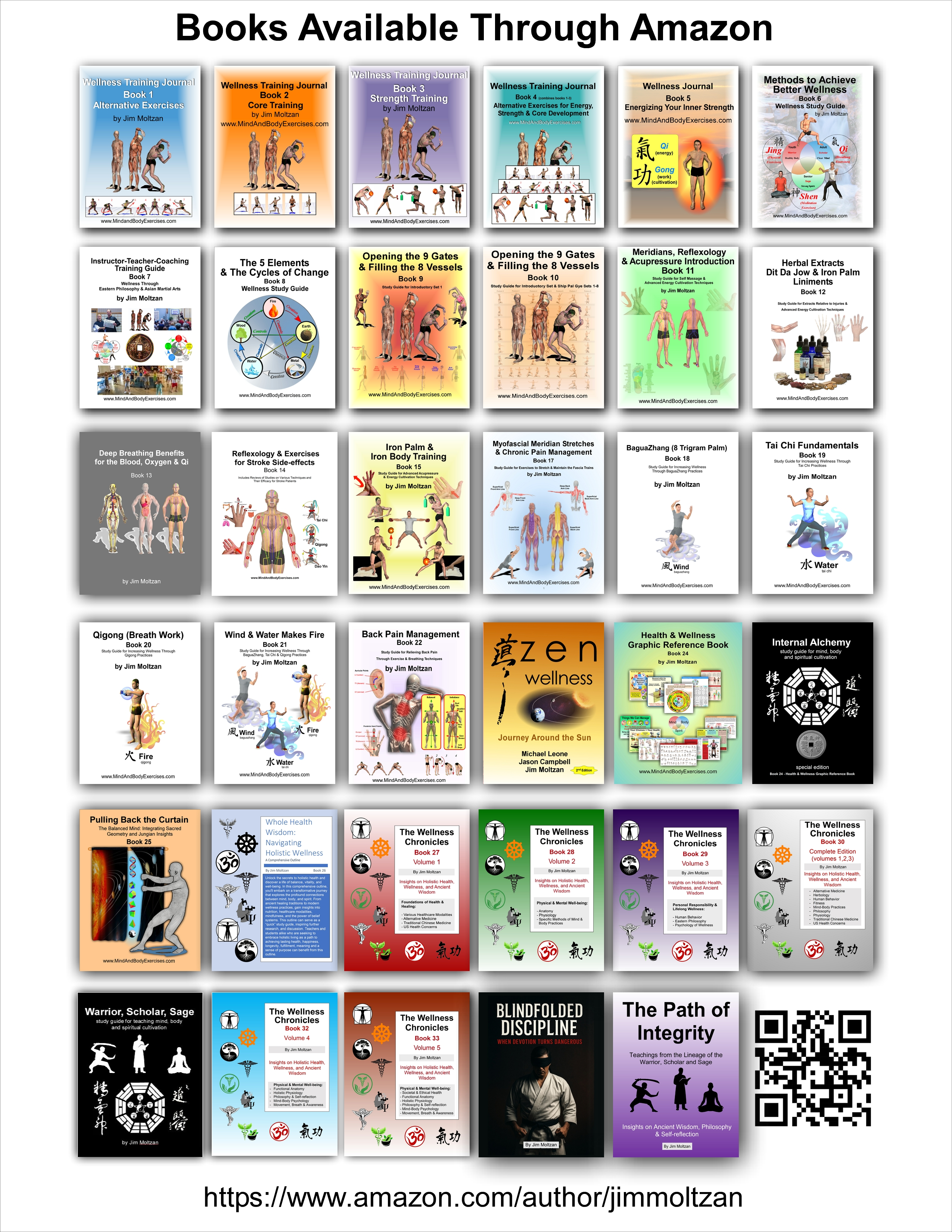
For over 40 years, I have been on my own search for a “Holy Grail” of health, wellness, fitness, and self-awareness. Along that journey, I have created a series of books and study guides that visually and conceptually map what I believe to be the essential components of a healthy, balanced, and meaningful life.

My books are comprehensive, deeply researched, and feature original, full-color illustrations designed to make complex ideas clear and accessible. Each volume reflects decades of firsthand learning, practice, teaching, and illustration across disciplines including holistic health, fitness, psychology, Traditional Chinese Medicine, qigong, martial arts, and yoga philosophy. These are not mass-market publications. They are intentionally crafted for thoughtful readers, practitioners, and lifelong learners who value depth, clarity, and authenticity.

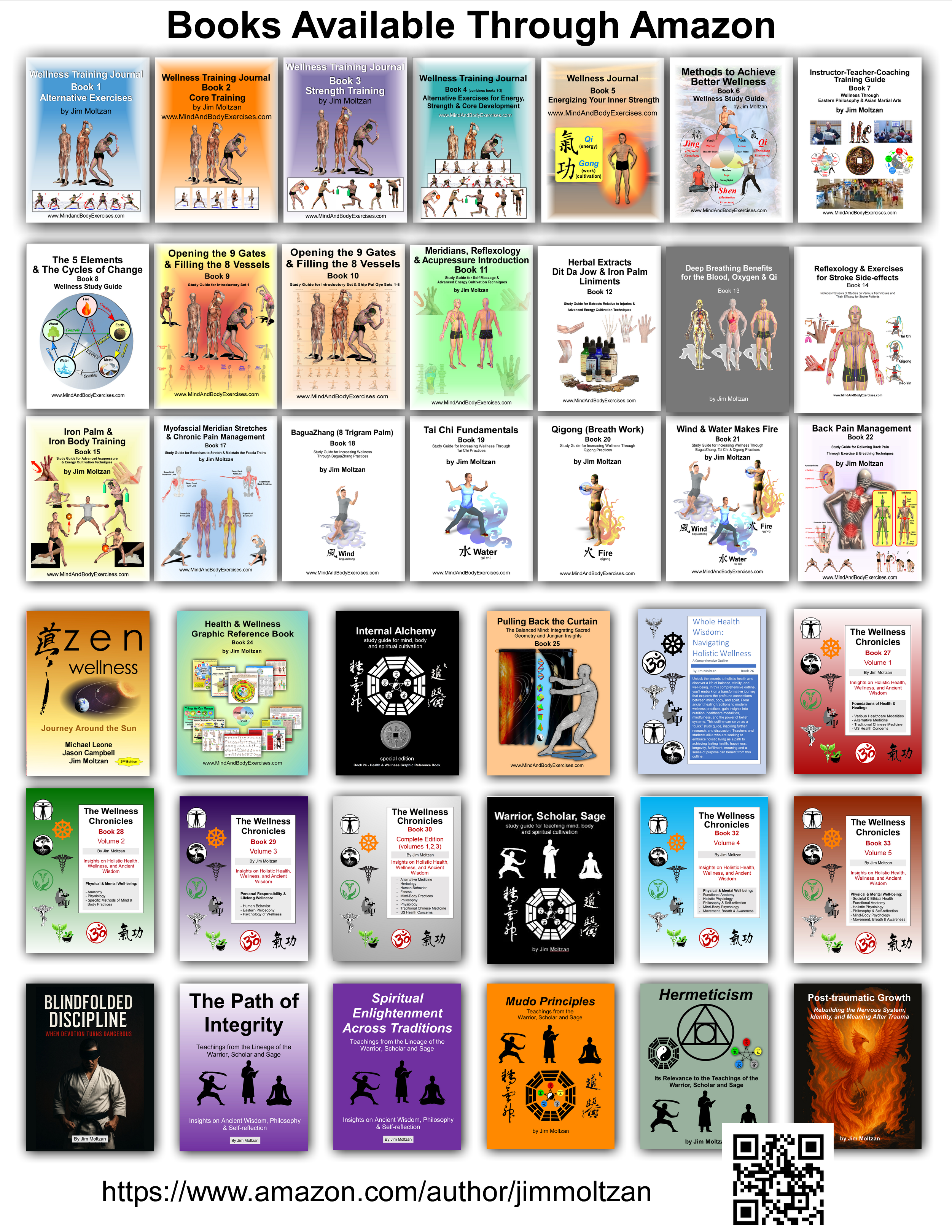
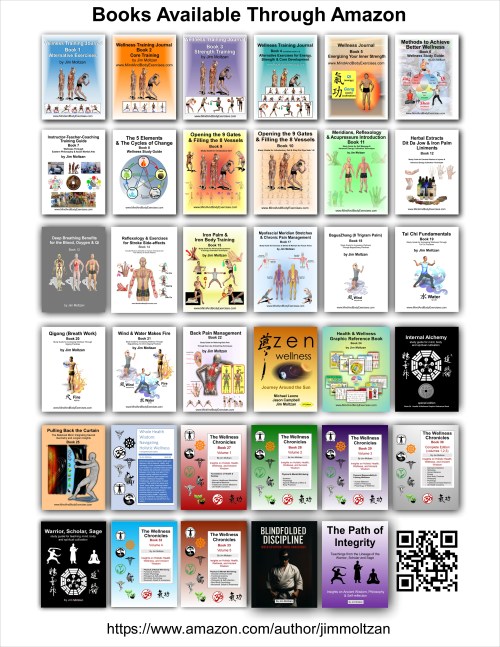
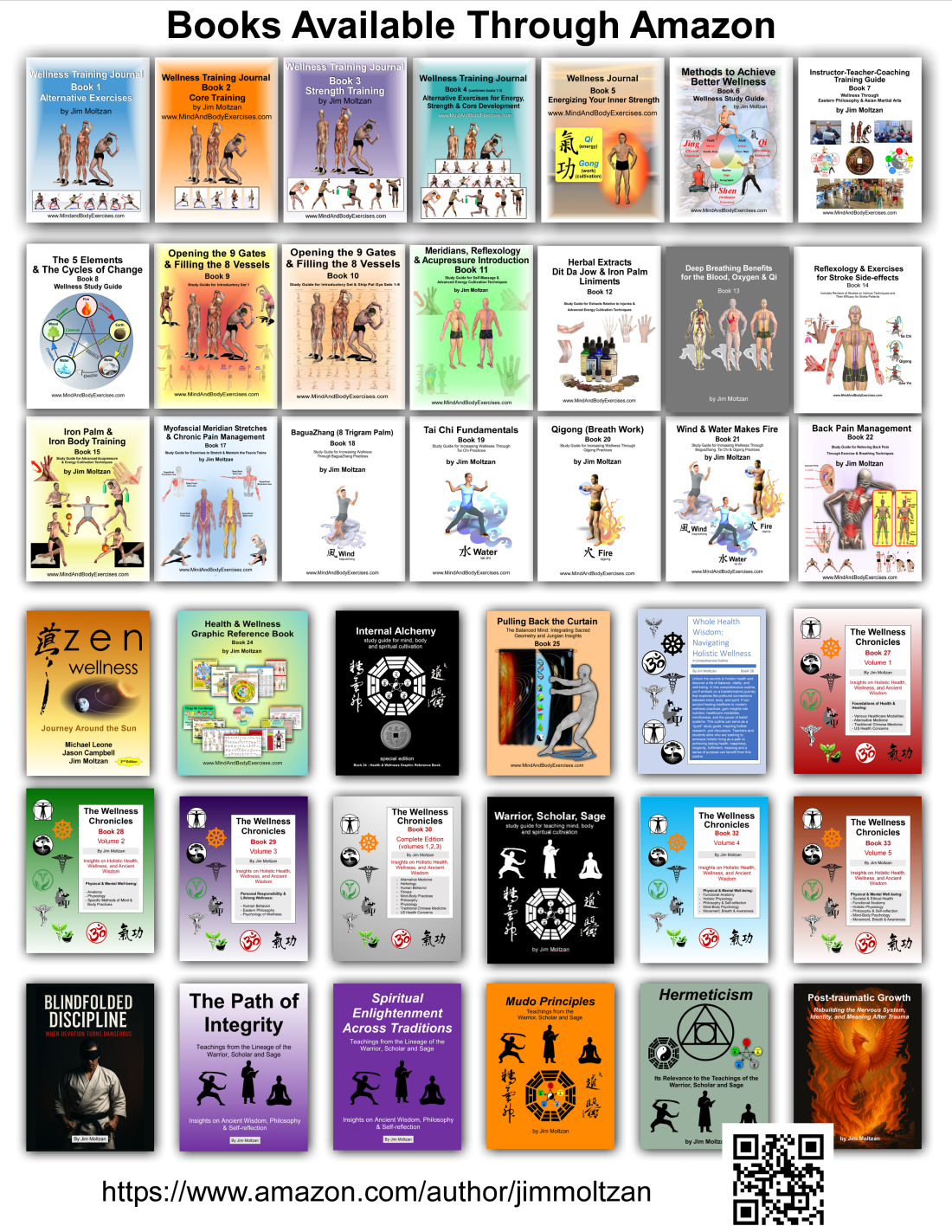
To date, I have published 39 books and study guides on Amazon. Some are primarily visual references that distill complex systems into clear graphic formats. Others explore theories of human development, psychology, movement, breathwork, rehabilitation, longevity, and overall quality of life. Many include practical exercise sets designed to support recovery, resilience, and long-term well-being.

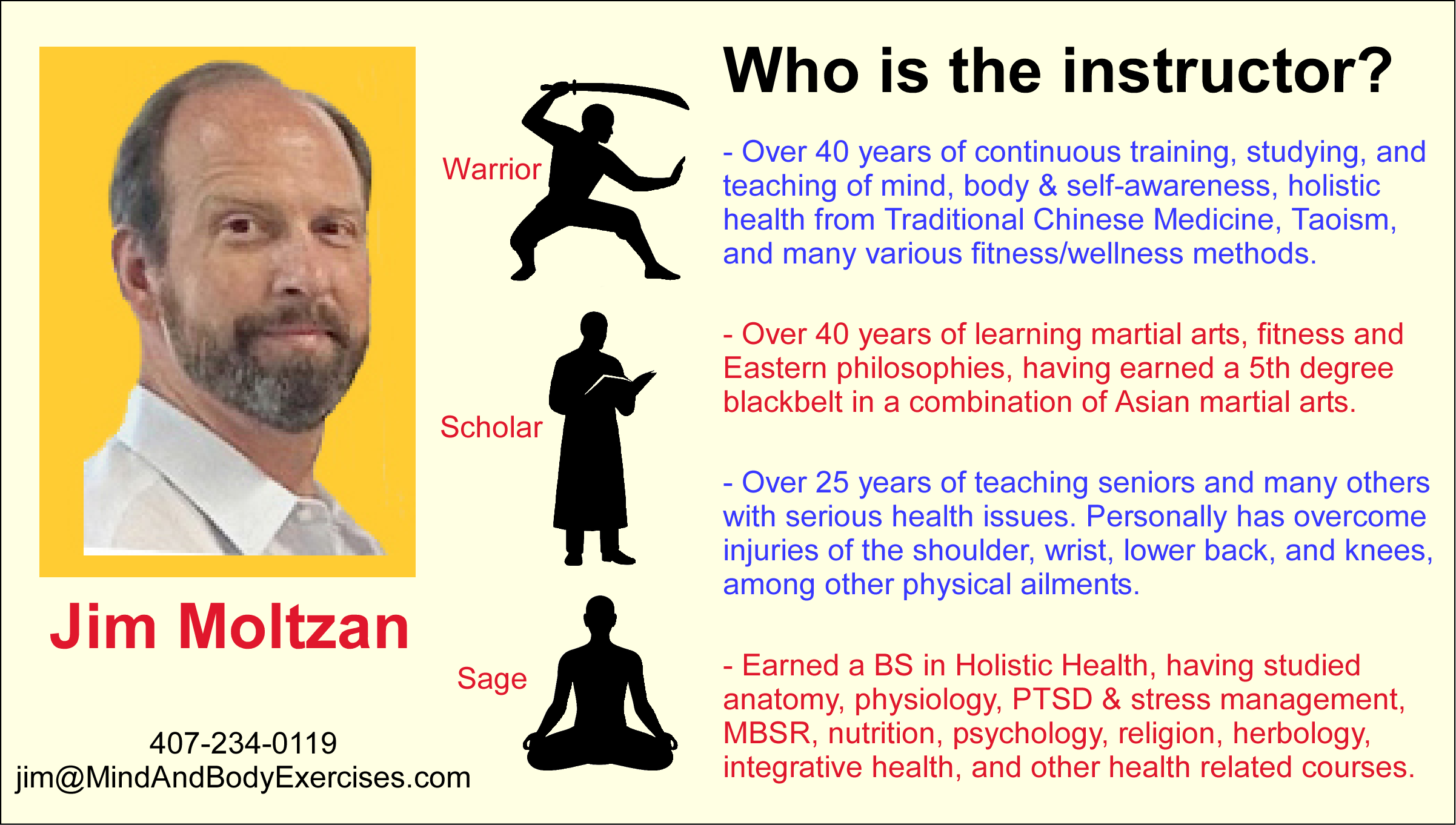
These works represent the summation of more than four decades of training, education, teaching, and public speaking. Much of the qigong and breathing work draws from Chinese Kung Fu and Korean Dong Han medical qigong lineages, alongside extensive study with Traditional Chinese Medicine practitioners and martial arts masters. My background also includes acupressure, acupuncture principles, moxibustion, herbal preparation, and medical qigong, as well as formal academic training culminating in a Bachelor of Science degree in Holistic Health.

Similar in concept to Quick Study or PermaCharts, these guides are designed to “cut to the chase,” minimizing the time spent searching through dense textbooks while preserving the essential root knowledge of each subject. This format serves both beginners seeking a solid foundation and experienced practitioners looking for concise, high-quality reference materials.

If you are looking for a meaningful gift, one that supports health, awareness, and lifelong learning, these books are intended to be resources that grow with the reader over time.

My titles are available on Amazon at: https://www.amazon.com/author/jimmoltzan

My titles are available on Amazon at: https://www.amazon.com/author/jimmoltzan

Book 1 – Alternative Exercises

Book 2 – Core Training

Book 3 – Strength Training

Book 4 – Combo of 1-3

Book 5 – Energizing Your Inner Strength

Book 6 – Methods to Achieve Better Wellness

Book 7 – Coaching & Instructor Training Guide

Book 8 – The 5 Elements & the Cycles of Change

Book 9 – Opening the 9 Gates & Filling 8 Vessels-Intro Set 1

Book 10 – Opening the 9 Gates & Filling 8 Vessels-sets 1 to 8

Book 11 – Meridians, Reflexology & Acupressure

Book 12 – Herbal Extracts, Dit Da Jow & Iron Palm Liniments

Book 13 – Deep Breathing Benefits for the Blood, Oxygen & Qi

Book 14 – Reflexology for Stroke Side Effects:

Book 15 – Iron Body & Iron Palm

Book 17 – Fascial Train Stretches & Chronic Pain Management

Book 18 – BaguaZhang

Book 19 – Tai Chi Fundamentals

Book 20 – Qigong (breath-work)

Book 21 – Wind & Water Make Fire

Book 22 – Back Pain Management

Book 23 – Journey Around the Sun-2nd Edition

Book 24 – Graphic Reference Book

Book 25 – Pulling Back the Curtain

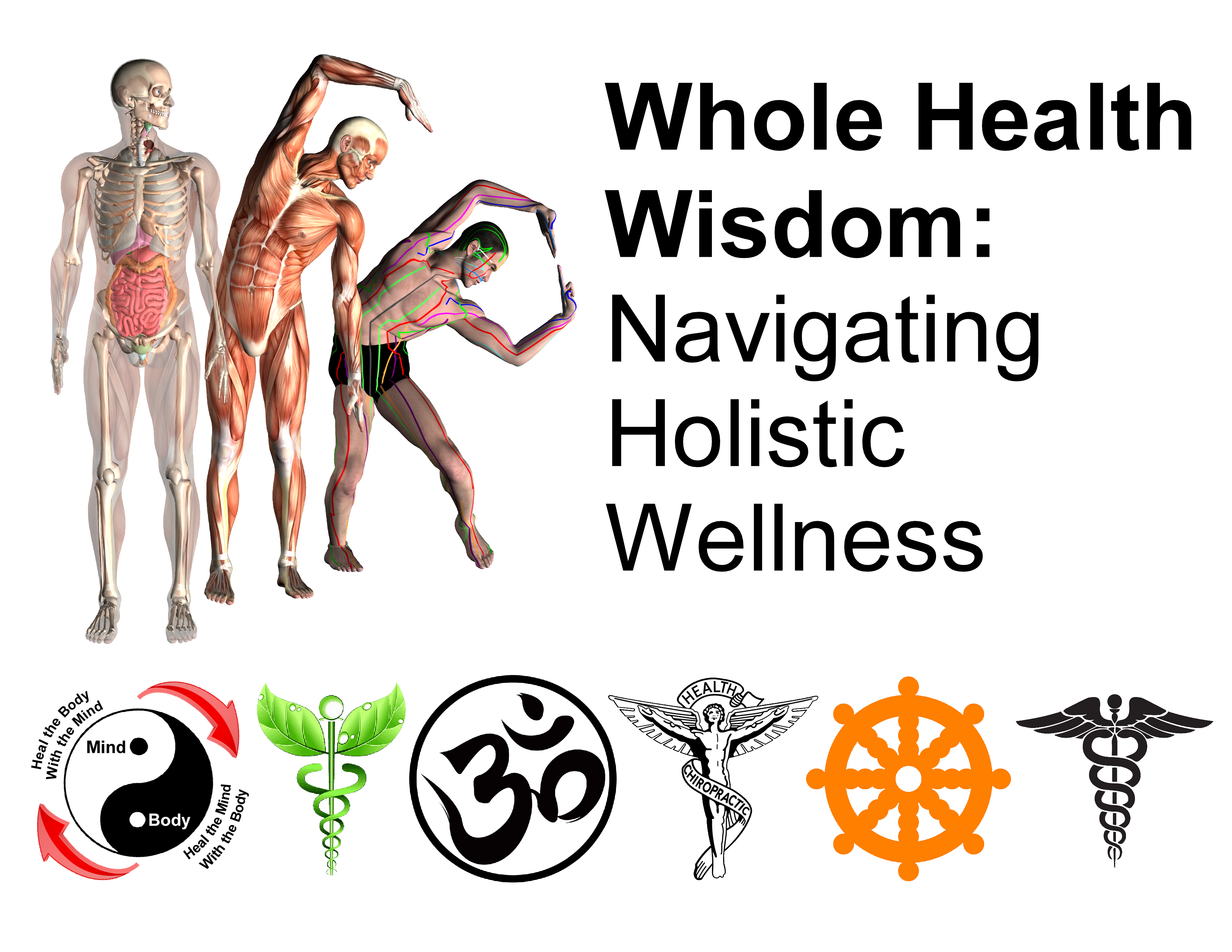
Book 26 – Whole Health Wisdom: Navigating Holistic Wellness

Book 27 – The Wellness Chronicles (volume 1) 

Book 28 – The Wellness Chronicles (volume 2)

Book 29 – The Wellness Chronicles (volume 3)

Book 30 – The Wellness Chronicles (complete edition, volumes 1-3)

Book 31 – Warrior, Scholar, Sage

Book 32 – The Wellness Chronicles (volume 4)

Book 33 – The Wellness Chronicles (volume 5)

Book 34 – Blindfolded Discipline

Book 35 – The Path of Integrity

Book 36 – Spiritual Enlightenment Across Traditions

Book 37 – Mudo Principles: Teachings from the Warrior, Scholar, and Sage

Book 38 – Hermeticism: Its Relevance to the Teachings of the Warrior, Scholar and Sage

Book 39 – Post-traumatic Growth


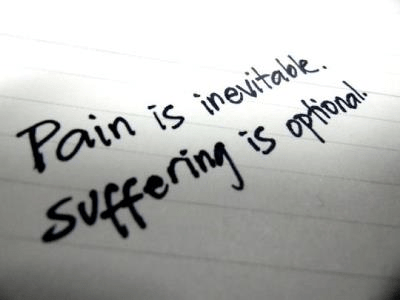
Pain vs. Suffering: Distinctions and Interconnections

Human existence inevitably involves experiences of both pain and suffering. While the two terms are often used interchangeably in casual language, they carry distinct meanings in psychological, philosophical, and medical discourse. Understanding their differences not only clarifies the nature of human distress but also provides insight into how individuals and societies can respond to these experiences more effectively.

Defining Pain

Pain is most often understood as a sensory and emotional experience associated with actual or potential tissue damage. The International Association for the Study of Pain (IASP) defines it as both a physical signal and an emotional perception (Raja et al., 2020). In this sense, pain functions as an alarm system of the body, signaling when something is wrong or when potential harm is imminent.

Pain manifests in various forms:

  • Acute pain, such as a sudden burn, fracture, or injury, is sharp, immediate, and often short-lived once the cause is addressed.
  • Chronic pain, on the other hand, persists over weeks, months, or even years, sometimes long after the initial injury has healed. Conditions such as arthritis, fibromyalgia, or nerve damage exemplify this enduring form (Turk & Okifuji, 2002).

Importantly, pain has a protective and adaptive function. It compels an individual to withdraw from harmful stimuli and to take measures that promote healing or survival. Without pain, humans would be at significant risk of unchecked injuries or illnesses.

Defining Suffering

Suffering, while related to pain, is a broader and more complex phenomenon. It encompasses not only physical discomfort but also emotional, psychological, social, and even spiritual distress. Unlike pain, which often has a specific biological cause, suffering can arise from a wide range of experiences: grief, loss of a loved one, existential crises, betrayal, disappointment, or psychological trauma (Cassell, 2004).

Suffering is therefore less about a direct signal from the nervous system and more about the interpretive and evaluative dimension of human experience. It involves meaning-making, identity, and a person’s worldview. For example, two individuals with identical physical injuries may experience different degrees of suffering depending on their emotional resilience, cultural background, or spiritual beliefs.

Pain as a Component of Suffering

Pain can certainly contribute to suffering, but it does not always equate to it. A person experiencing acute physical pain might endure it without deep emotional distress, especially if they perceive it as temporary or purposeful. Athletes, for instance, may push through significant physical pain during training, framing it as progress rather than hardship (Wiech, 2016).

Conversely, suffering can exist without overt physical pain. Psychological conditions such as depression, anxiety, or post-traumatic stress disorder illustrate how individuals may endure profound suffering without a corresponding physical injury (Kleinman, 2017). In these cases, suffering is rooted in thought patterns, emotional struggles, or existential despair.

Thus, pain can be considered a subset of suffering, but suffering extends beyond the purely physical to encompass the whole spectrum of human distress.

Cultural and Existential Dimensions

The distinction between pain and suffering has been explored not only in medicine and psychology but also in philosophy and spirituality. In many traditions, suffering is tied to existential questions about meaning and purpose. For example:

  • Buddhist philosophy identifies suffering (dukkha) as a central feature of existence, arising not merely from pain but from attachment, craving, and aversion (Rahula, 1974).
  • Western existential thought, such as Viktor Frankl’s logotherapy, emphasizes the role of meaning-making in shaping suffering. Frankl (1992) argued that while pain is unavoidable, suffering can be transformed if one finds meaning in it.
  • Medical ethics often distinguishes between the duty to treat pain and the broader challenge of alleviating suffering, particularly in palliative and end-of-life care (Ferrell & Coyle, 2018).

These perspectives underscore that suffering is as much about interpretation and context as it is about physical sensation.

Psychological Responses and Coping

Another way to distinguish pain and suffering is through the human response to each. Pain typically elicits reflexive responses of withdrawal, medication, or medical treatment aimed at reducing the sensation. Suffering, however, often requires more nuanced interventions such as counseling, support networks, mindfulness, or spiritual practices.

Psychologists note that suffering is amplified by cognitive and emotional factors such as fear, helplessness, or catastrophic thinking. For instance, chronic pain patients who interpret their pain as a sign of irreversible decline may suffer more intensely than those who frame it as a challenge that can be managed (Garland et al., 2019). In this way, suffering is not simply a passive condition, but an active process shaped by interpretation, resilience, and meaning-making.

Toward an Integrated Understanding

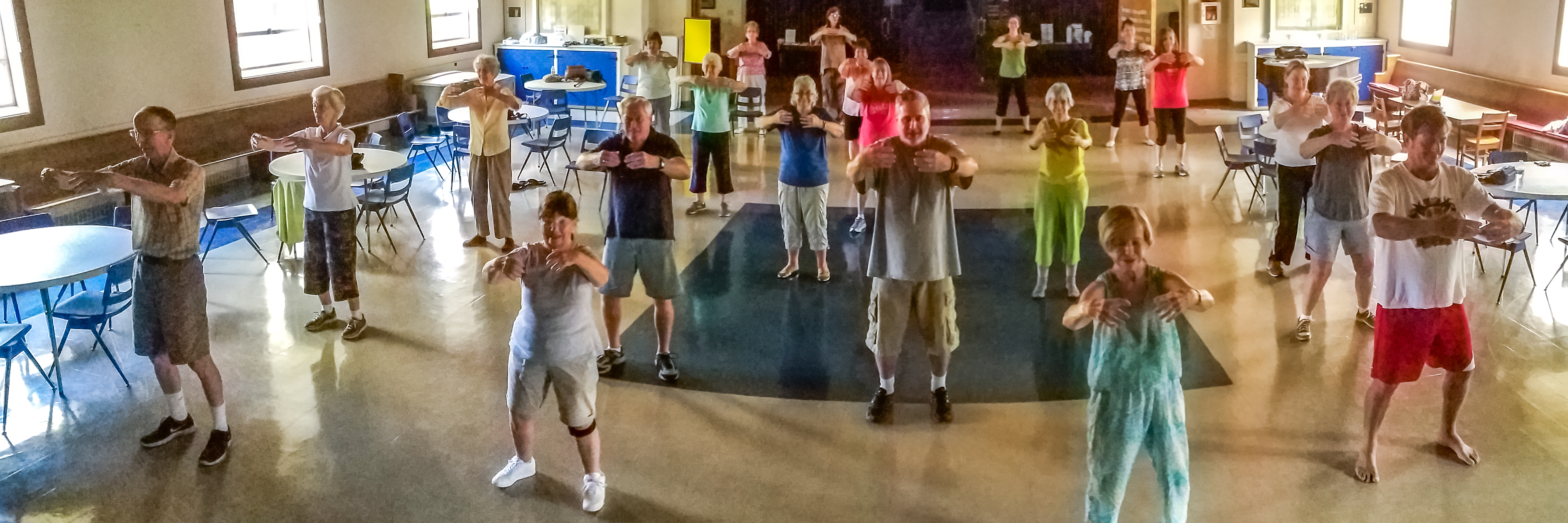
Understanding the difference between pain and suffering allows for more compassionate and comprehensive approaches to human well-being. Medicine can treat pain with analgesics, surgery, or physical therapy, but addressing suffering requires a broader, more holistic perspective. Interventions may include psychological counseling, social support, spiritual care, or practices such as meditation, Tai Chi, or Qigong that engage the body, mind, and spirit.

This distinction also empowers individuals. Recognizing that suffering is not merely the sum of physical pain but also involves interpretation and meaning provides opportunities for growth, resilience, and transformation. While pain is often unavoidable, suffering can sometimes be reframed, reduced, or even transcended.

Conclusion

In sum, pain and suffering are related but not synonymous. Pain is primarily a sensory and emotional signal tied to actual or potential bodily harm, serving a protective biological function. Suffering, by contrast, is a broader human experience that encompasses not only physical pain but also emotional, psychological, social, and existential dimensions. Pain is often a contributor to suffering, but suffering can exist independently of physical pain.

By distinguishing these concepts, individuals and practitioners alike can better understand the complexity of human distress and identify strategies to address both the body’s signals and the mind’s interpretations. In doing so, the possibility emerges not only to relieve immediate discomfort but also to cultivate resilience, wisdom, and compassion in the face of life’s inevitable challenges.

References

Cassell, E. J. (2004). The nature of suffering and the goals of medicine. https://doi.org/10.1093/acprof:oso/9780195156164.001.0001

Ferrell, B. R., & Coyle, N. (2018). Oxford textbook of palliative nursing (5th ed.). Oxford University Press. https://academic.oup.com/book/31742

Frankl, V. E. (1992). Man’s search for meaning [Personal narratives]. In Ilse Lasch (Trans.), Man’s Search for Meaning (Fourth). Beacon Press. https://antilogicalism.com/wp-content/uploads/2017/07/mans-search-for-meaning.pdf

Garland, E. L., Hanley, A. W., Riquino, M. R., Reese, S. E., Baker, A. K., Salas, K., Yack, B. P., Bedford, C. E., Bryan, M. A., Atchley, R., Nakamura, Y., Froeliger, B., & Howard, M. O. (2019). Mindfulness-oriented recovery enhancement reduces opioid misuse risk via analgesic and positive psychological mechanisms: A randomized controlled trial. Journal of Consulting and Clinical Psychology, 87(10), 927–940. https://doi.org/10.1037/ccp0000390

Kleinman, A. (2017). The illness narratives: suffering, healing, and the human condition. Academic Medicine, 92(10), 1406. https://doi.org/10.1097/acm.0000000000001864

Rahula, W. (1974). What the Buddha taught. Grove Press. https://archive.org/details/whatbuddhataught00walp

Raja, S. N., Carr, D. B., Cohen, M., Finnerup, N. B., Flor, H., Gibson, S., Keefe, F. J., Mogil, J. S., Ringkamp, M., Sluka, K. A., Song, X. J., Stevens, B., Sullivan, M. D., Tutelman, P. R., Ushida, T., & Vader, K. (2020). The revised International Association for the Study of Pain definition of pain: Concepts, challenges, and compromises. Pain, 161(9), 1976–1982. https://doi.org/10.1097/j.pain.0000000000001939

Turk, D. C., & Okifuji, A. (2002). Psychological factors in chronic pain: Evolution and revolution. Journal of Consulting and Clinical Psychology, 70(3), 678–690. https://doi.org/10.1037/0022-006x.70.3.678urk, D. C., & Okifuji, A. (2022). Psychological factors in chronic pain: Evolution and revolution. Journal of Pain, 23(4), 387–404. https://doi.org/10.1016/j.jpain.2021.07.007

Wiech, K. (2016). Deconstructing the sensation of pain: The influence of cognitive processes on pain perception. Science, 354(6312), 584–587. https://doi.org/10.1126/science.aaf8934

The Path of Integrity

Introducing a new book by Jim Moltzan

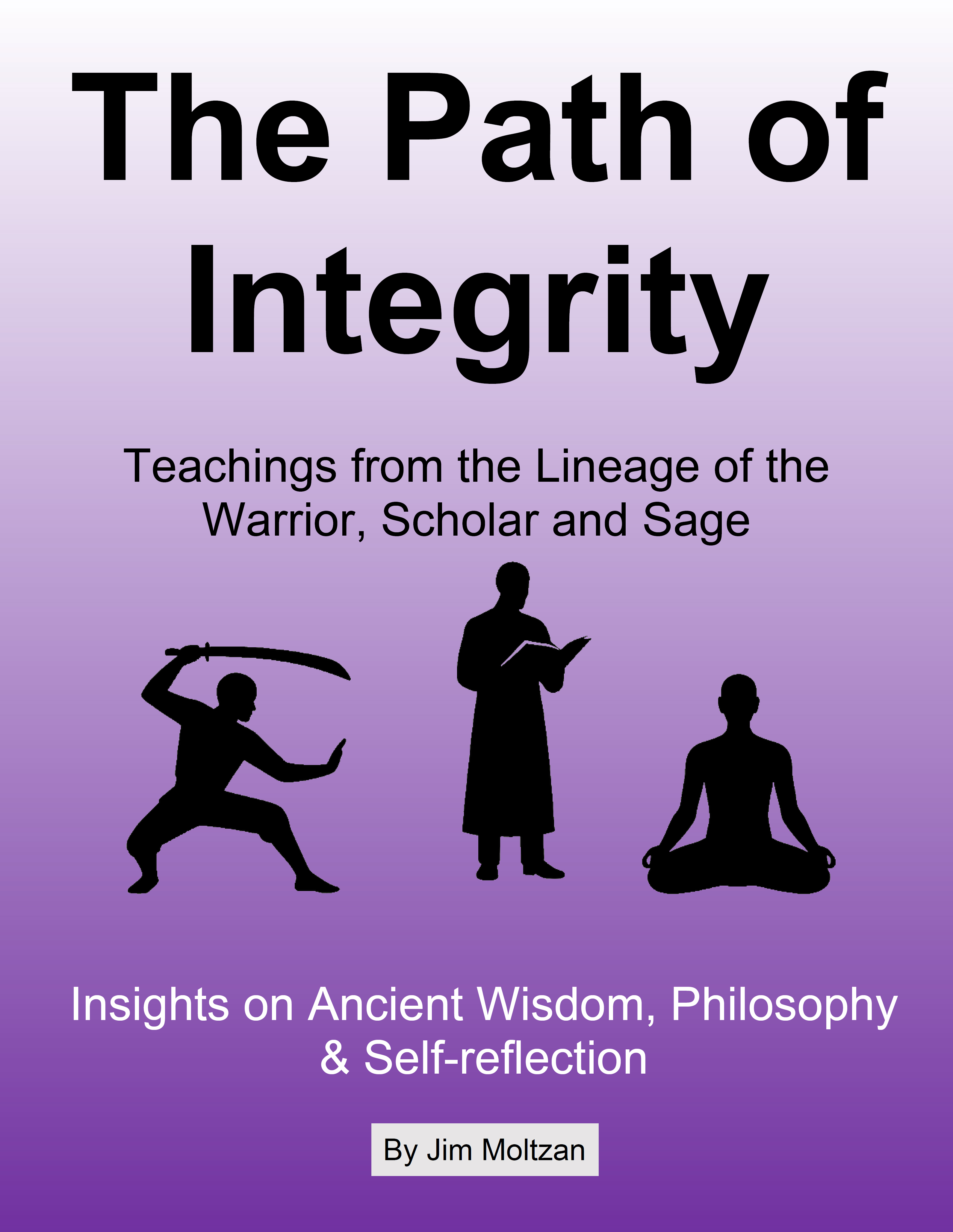
At its heart, The Path of Integrity is both a philosophical treatise and a psychological guide. A rare combination that bridges ancient wisdom traditions with contemporary understandings of human growth, resilience, and meaning-making.

From a psychological perspective, the manuscript reflects a humanistic foundation, echoing thinkers like Carl Rogers and Abraham Maslow in its focus on authenticity, self-knowledge, and the pursuit of a life aligned with core values. The text moves beyond prescriptive “self-help” to address the deeper internal architecture of the self in the mind, body, spirit, and relational being and how each must be cultivated in balance.

The book also engages with existential psychology, confronting questions of purpose, mortality, and moral responsibility. By drawing parallels between the “Path of Integrity” and the “Way of Dissonance,” it frames life as a series of choices that either bring us into alignment with our highest potential or lead us away from it. This dichotomy functions as a form of cognitive re-framing, helping readers see their daily decisions in a broader, values-driven context.

Importantly, the manuscript explores post-traumatic growth, not as an abstract theory but as a lived reality. It acknowledges that adversity, when met with awareness and intention, can deepen resilience, empathy, and wisdom. This theme is woven throughout personal reflections, martial philosophy, and spiritual principles to create a layered and authentic approach to transformation.

The emphasis on discipline, self-awareness, and service aligns closely with self-determination theory, which holds that autonomy, competence, and relatedness are essential to psychological well-being. The book’s integration of martial arts principles, such as inner guarding, patience, and strategic action, translates these abstract needs into concrete practices.

The style is psycho-educational, offering not only insight but also practical steps, from developing mental clarity and setting energetic boundaries to cultivating stillness as a tool for decision-making. This pedagogical approach makes it equally relevant to martial artists, spiritual seekers, and those navigating the complexities of modern life.

Psychologically, The Path of Integrity stands out because it addresses both the inner terrain (belief systems, emotional regulation, moral reasoning) and the outer application (relationships, teaching, leadership, legacy). This dual focus ensures that readers do not merely reflect but act, integrating new perspectives into daily living.

Ultimately, the book’s psychological message is clear. Integrity is not an abstract ideal. It is a lived state of alignment that requires ongoing attention, honest self-evaluation, and the courage to choose what is right over what is easy. By walking this path, we move beyond survival into a life of grounded purpose, resilience, and contribution.

The Path to Integrity is available at Amazon at: https://a.co/d/bgm7U2t

Announcing a Powerful Collaboration for Inner and Outer Transformation

After decades of study, practice, and teaching, I’ve come to a simple but powerful truth: personal transformation is possible. through committed effort, self-reflection, and time-proven methods that honor both the body and the spirit.

For over 40 years, I’ve dedicated my life to exploring and sharing the profound wisdom of holistic health, qigong, tai chi, martial arts, and traditional Eastern systems of healing and self-realization. These practices were once dismissed as esoteric or somewhat “out there,” but have never been more relevant. In a culture dominated by distraction, disconnection, and stress, they offer a lifeline back to balance, clarity, strength, and peace.

Today, I’m excited to share something new. A step forward in expanding the reach of this message.

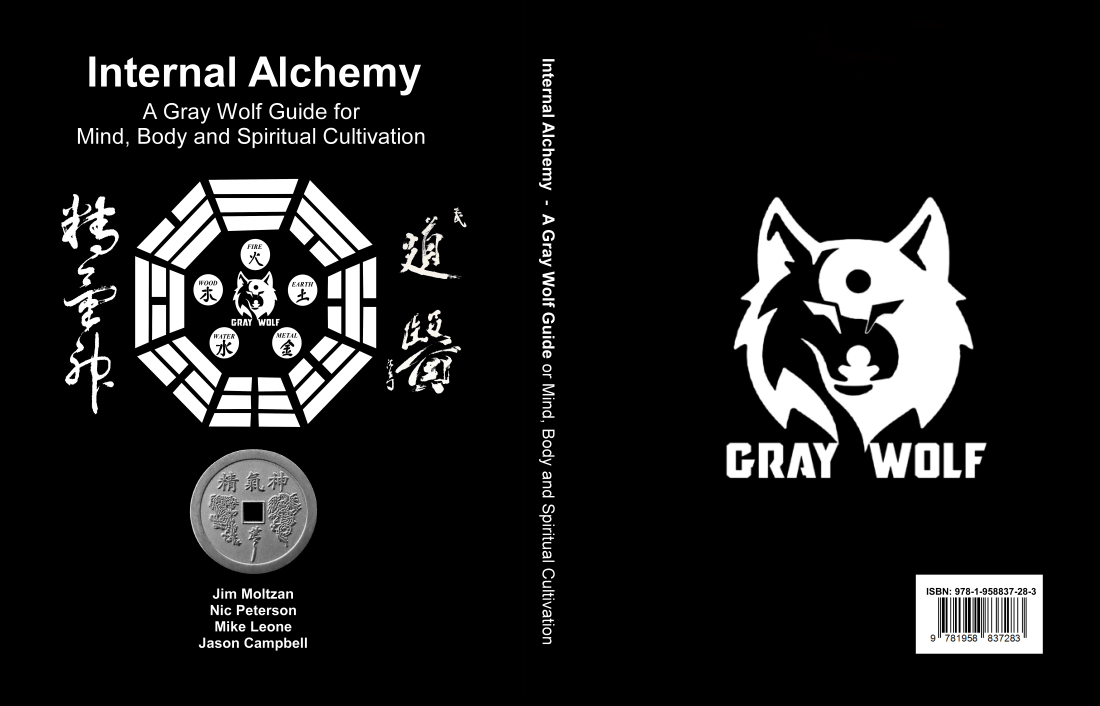
I’m partnering with Nic Peterson  (https:/www.nicpeterson.com/) a respected lineage holder of the Gray Wolf Clan, whose commitment to mastery, stewardship, and the preservation of traditional wisdom deeply aligns with my own. Nic recently wrote a powerful foreword for a private-label edition of one of my foundational works, newly titled Internal Alchemy: The Gray Wolf Guide to Body, Mind, and Consciousness. His contribution reflects the values we both hold dear of humility in teaching, discipline in practice, and the profound responsibility that comes with authentic knowledge.

We come from a warrior–scholar–sage tradition. Our masters are healers and fighters, philosophers and practitioners. They are as capable of restoring life as they are of taking it. Many other masters and grandmasters, though unnamed, have left their mark here too. That’s the nature of a true lineage: the teachings carry many hands, many voices.

Internal Alchemy is not a light read. It is a manual that is quite dense, and a deliberate reference that can (and should) be returned to time and again. Each page could be unpacked over days of study. It’s not meant to be skimmed; it’s meant to be integrated.

Alongside Nic, I am also honored to acknowledge the contributions of two remarkable individuals:

Michael Leone, my friend, peer, and sometimes teacher, a doctor of Chinese medicine, and a true warrior-scholar-sage, has been the wellspring of much of the knowledge this book is built upon. His insight into internal energetics, martial arts, and the healing systems of the East has deeply shaped my own understanding and practice. His teachings live within every page of Internal Alchemy, and his guidance continues to inform and inspire everything I share. Michael can be reached at: https://zenwellness.com/

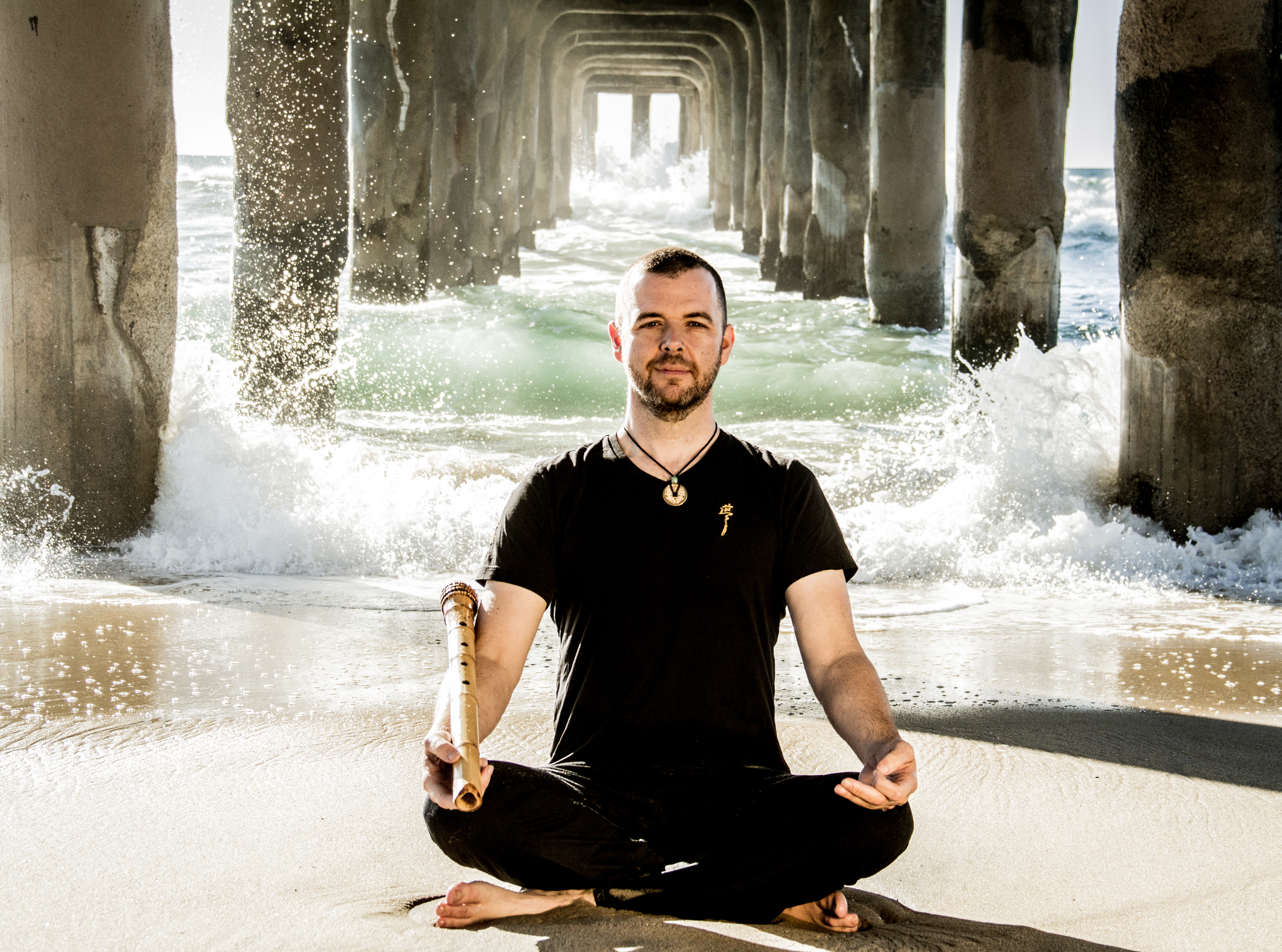
Jason Campbell, a highly recognized teacher, musician, and meditation guide, adds a profound layer to this collaboration. His work bridges the gap between ancient practices and modern lives, using sound, rhythm, and stillness to create doorways into deeper awareness. His presence in this effort expands our ability to reach those seeking peace not just in body and mind, but also in spirit and daily life. Jason’s works can be found at: https://www.jasoncampbellmusic.com/

Together, we represent a community of practitioners who believe that ancient knowledge must be preserved, respected, and made relevant in the modern age. Our collaboration is a commitment to serving the global community of seekers who value depth over trends, practice over theory, and legacy over ego.

Internal Alchemy is more than a book. It’s a living transmission of teachings designed to support your path toward self-mastery and inner freedom. Whether you are a beginner or a lifelong practitioner, we invite you to join us on this journey.

If you feel the call to the mountain, to the stillness, to something deeper within, you’re already on the path.

To learning, growing, and giving back.

Jim Moltzan
Author, Educator, Practitioner

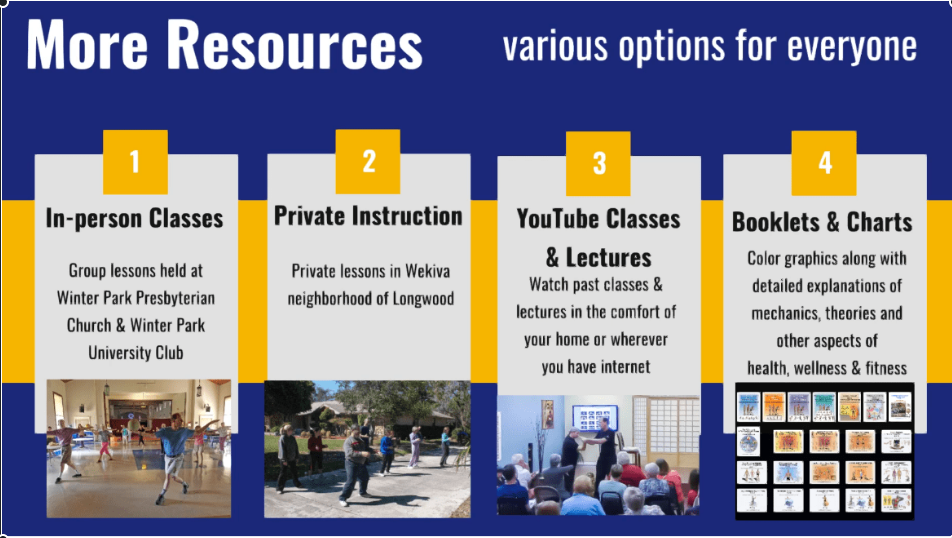
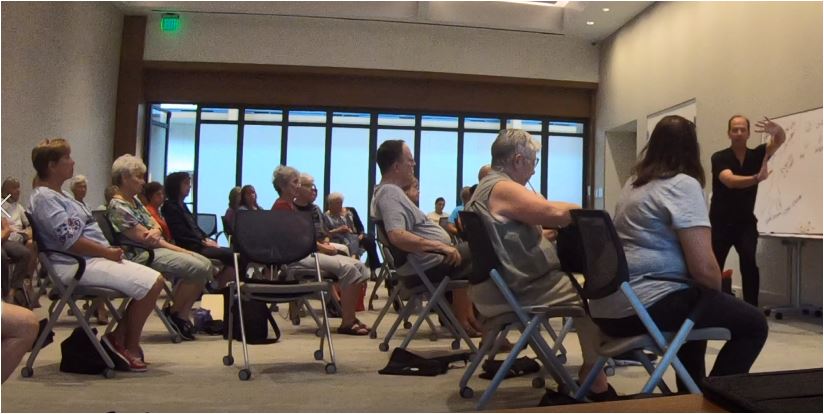
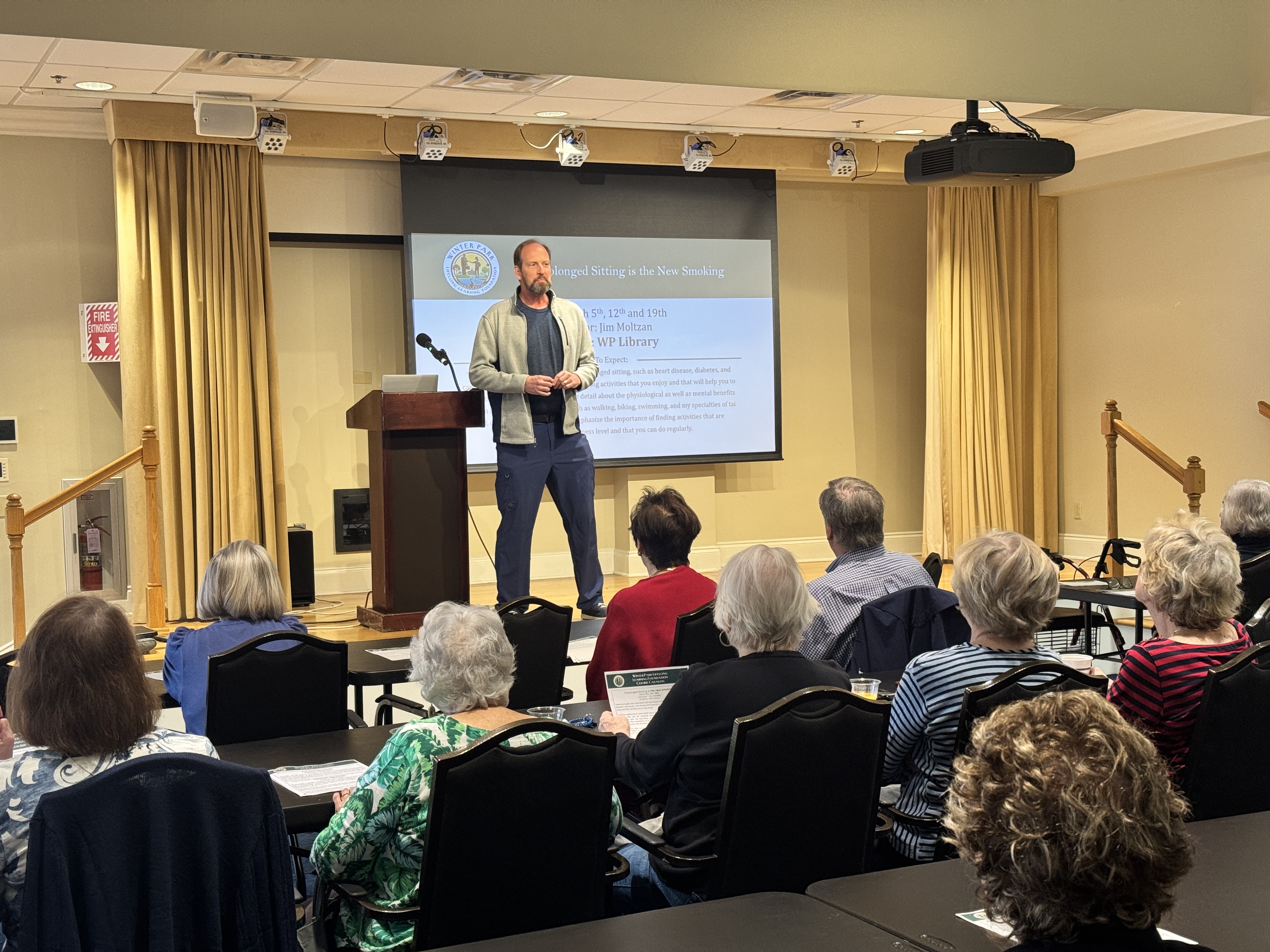
I teach and offer lectures about holistic health, physical fitness, stress management, human behavior, meditation, phytotherapy (herbs), music for healing, self-massage (acupressure), Daoyin (yoga), qigong, tai chi, and baguazhang.

Please contact me if you, your business, organization, or group, might be interested in hosting me to speak on a wide spectrum of topics relative to better health, fitness, and well-being.

I look forward to further sharing more of my message by partnering with hospitals, wellness centers, VA centers, schools on all levels, businesses, and individuals who see the value in building a stronger nation through building a healthier population.

I also have hundreds of FREE education video classes, lectures, and seminars available on my YouTube channel at:

https://www.youtube.com/c/MindandBodyExercises

Many of my publications can be found on Amazon at:

http://www.Amazon.com/author/jimmoltzan

My holistic health blog is available at:

https://mindandbodyexercises.wordpress.com/

http://www.MindAndBodyExercises.com

Mind and Body Exercises on Google: https://posts.gle/aD47Qo

Jim Moltzan

407-234-0119

Media Hysteria vs. Medical Reality: The Overlooked Crisis of Iatrogenic Injuries

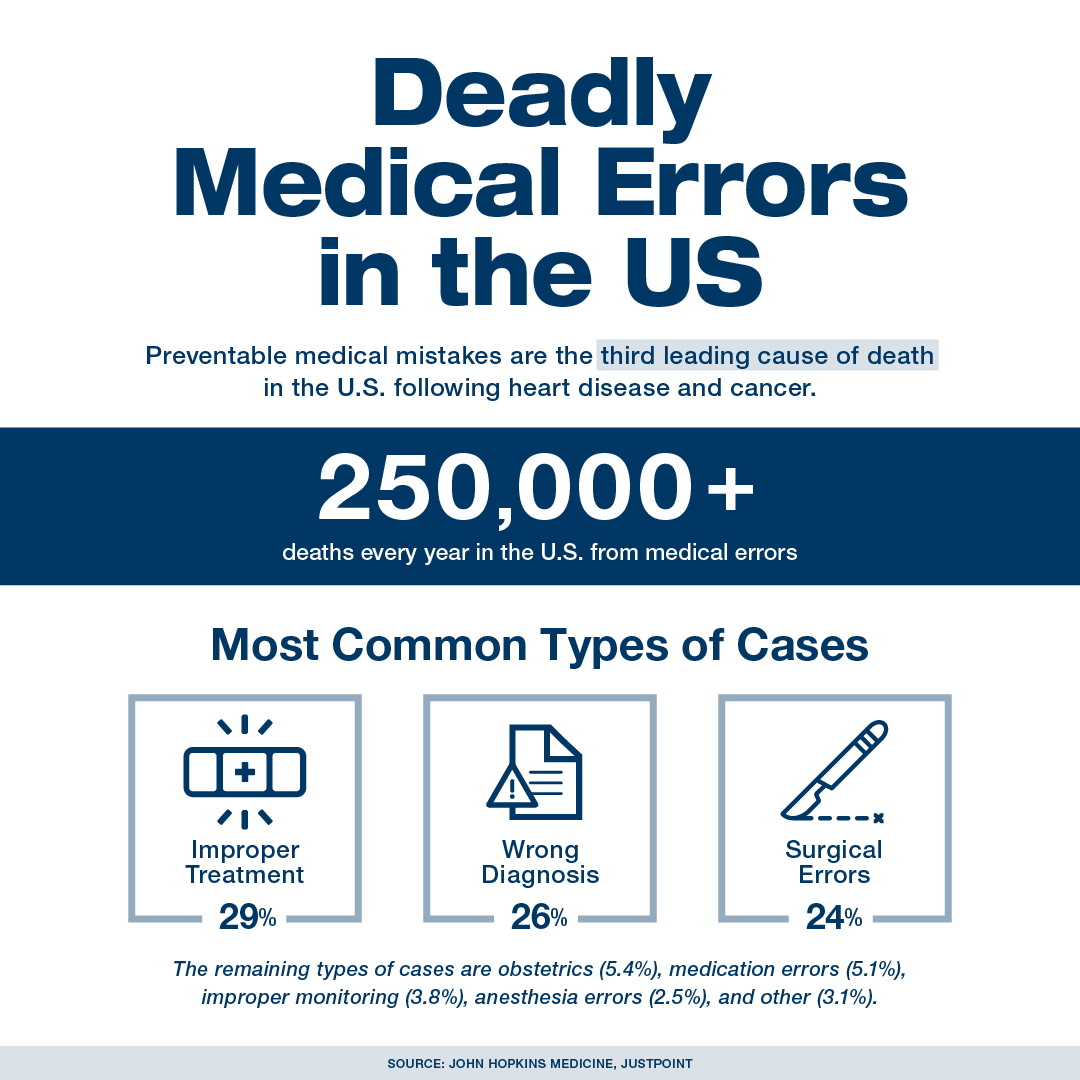
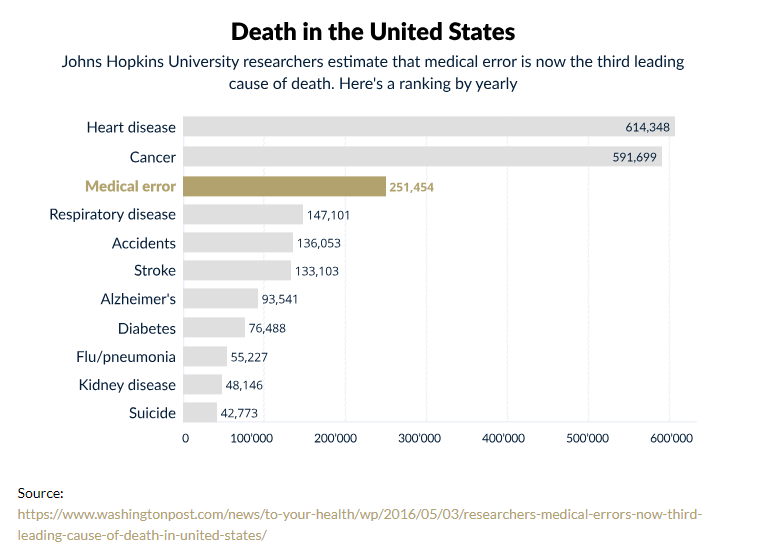
Public health discussions often concentrate on contagious diseases such as measles, especially in light of recent outbreaks. In early 2025, the passing of a 6-year-old girl in Seminole, Texas, represented the first measles-related death in the United States in a decade (Bartlett, 2025). This event rekindled debates concerning vaccination and disease prevention strategies. Nonetheless, the significant focus on measles, despite its relatively low mortality rate, starkly contrasts with the limited dialogue surrounding iatrogenic injuries, which result in a substantial number of roughly 250,000 fatalities each year.

The Scope of the Issue: Measles vs. Iatrogenic Injuries

Measles: A Preventable Yet Overemphasized Disease

Measles, a highly contagious viral disease, was declared eliminated in the U.S. in 2000 but has resurfaced in communities with low vaccination rates. The recent Texas case highlighted the risks associated with vaccine hesitancy (Bartlett, 2025). Allopathic medical professionals consider measles preventable through the MMR (Measles, Mumps, and Rubella) vaccine, which is reported as 97% effective with two doses (CDC, 2025). However, concerns over vaccine safety and accountability persist. In 1986, Congress and President Reagan enacted the National Childhood Vaccine Injury Act (NCVIA), which created a system for compensating individuals harmed by vaccines while granting pharmaceutical companies immunity from lawsuits related to vaccine injuries. This legislation has led to debates about vaccine mandates, corporate accountability, and public trust in immunization programs. Many feel that if the vaccines are safe and effective, why should a multi-billion dollar industry not be held accountable for their products?

Iatrogenic Injuries: A Silent Epidemic

  • 12,000 from unnecessary surgery
  • 7,000 from medication errors in hospitals
  • 20,000 from other hospital errors
  • 80,000 from hospital-acquired infections
  • 106,000 from adverse drug effects when taken as prescribed (Starfield, 2000).

Despite these alarming figures, public awareness and policy efforts remain disproportionately low compared to diseases like measles.

Why the Disparity in Media and Political Attention?

1. Media Sensationalism and Public Perception

Media outlets prioritize stories that generate fear and engagement. “If it bleeds, it leads” has been a media mission statement for decades. Measles outbreaks with their visible symptoms and high contagion make for dramatic headlines, while iatrogenic injuries occur behind hospital doors, lacking visual appeal for mass media (Bartlett, 2025).

2. Political and Public Health Priorities

Governments focus on highly contagious diseases like measles because they can cause widespread outbreaks. Vaccination campaigns offer a clear solution (WHO, 2024), whereas fixing medical errors needs systemic healthcare reforms, which are less appealing politically.

3. Institutional Interests and Liability

Acknowledging the extent of iatrogenic injuries necessitates systemic accountability from hospitals, pharmaceutical companies, and regulatory agencies, potentially resulting in legal implications and diminished public trust. Conversely, messaging regarding measles often supports pharmaceutical and public health objectives by promoting vaccination initiatives (WHO, 2024).

4. Public vs. Private Accountability

Measles outbreaks are often presented as a matter of public responsibility, with an emphasis on vaccine compliance. Conversely, iatrogenic injuries tend to be regarded as individual incidents rather than indicative of systemic issues, thus enabling healthcare institutions to evade thorough scrutiny (James, 2013).

5. Psychological Bias and Fear Appeal

Individuals tend to exhibit greater fear towards external, unpredictable threats, such as infectious diseases, compared to systemic risks, including medical errors. When measles is presented as an imminent crisis, it triggers a heightened fear response. In contrast, despite their significant impact, medical errors are frequently understated (Slovic, 2000).

The Need for a Balanced Approach

While any death is unfortunate, addressing measles outbreaks is vital. However, the focus on these outbreaks compared to iatrogenic injuries highlights an imbalance in public health priorities. Increasing transparency, implementing patient safety protocols, and facilitating discussions about medical errors are essential to reduce deaths and restore confidence in the US healthcare system.

The significant number of fatalities resulting from iatrogenic injuries highlights the critical need for enhanced patient safety protocols. A robust healthcare strategy must encompass both external health threats and internal systemic deficiencies to ensure better protection of patients’ lives.

References

Bartlett, T. (2025, March 11). His daughter was America’s first measles death in a decade. The Atlantic. https://www.theatlantic.com/health/archive/2025/03/texas-measles-outbreak-death-family/681985/

Centers for Disease Control and Prevention (CDC). (2025, March 7). Measles cases and outbreaks. https://www.cdc.gov/measles/data-research/index.html

H.R.5546 – 99th Congress (1985-1986): National Childhood Vaccine Injury Act of 1986. (n.d.). Congress.gov | Library of Congress. https://www.congress.gov/bill/99th-congress/house-bill/5546

James, J. T. (2013). A new, evidence-based estimate of patient harms associated with hospital care. Journal of Patient Safety, 9(3), 122-128. https://doi.org/10.1097/PTS.0b013e3182948a69

Makary, M. A., & Daniel, M. (2016). Medical error—the third leading cause of death in the US. BMJ, 353, i2139. https://doi.org/10.1136/bmj.i2139

Starfield, B. (2000). Is US health really the best in the world? JAMA, 284(4), 483-485. https://doi.org/10.1001/jama.284.4.483

Slovic, P. (2000). The perception of risk. Earthscan Publications.

World Health Organization (WHO). (2024, November 14). Measles fact sheet. https://www.who.int/news-room/fact-sheets/detail/measles

I look forward to further sharing more of my message by partnering with hospitals, wellness centers, VA centers, schools on all levels, businesses, and individuals who see the value in building a stronger nation through building a healthier population.

I also have hundreds of FREE education video classes, lectures, and seminars available on my YouTube channel at:

https://www.youtube.com/c/MindandBodyExercises

Many of my publications can be found on Amazon at:

http://www.Amazon.com/author/jimmoltzan

My holistic health blog is available at:

https://mindandbodyexercises.wordpress.com/

http://www.MindAndBodyExercises.com

Mind and Body Exercises on Google: https://posts.gle/aD47Qo

Jim Moltzan

407-234-0119