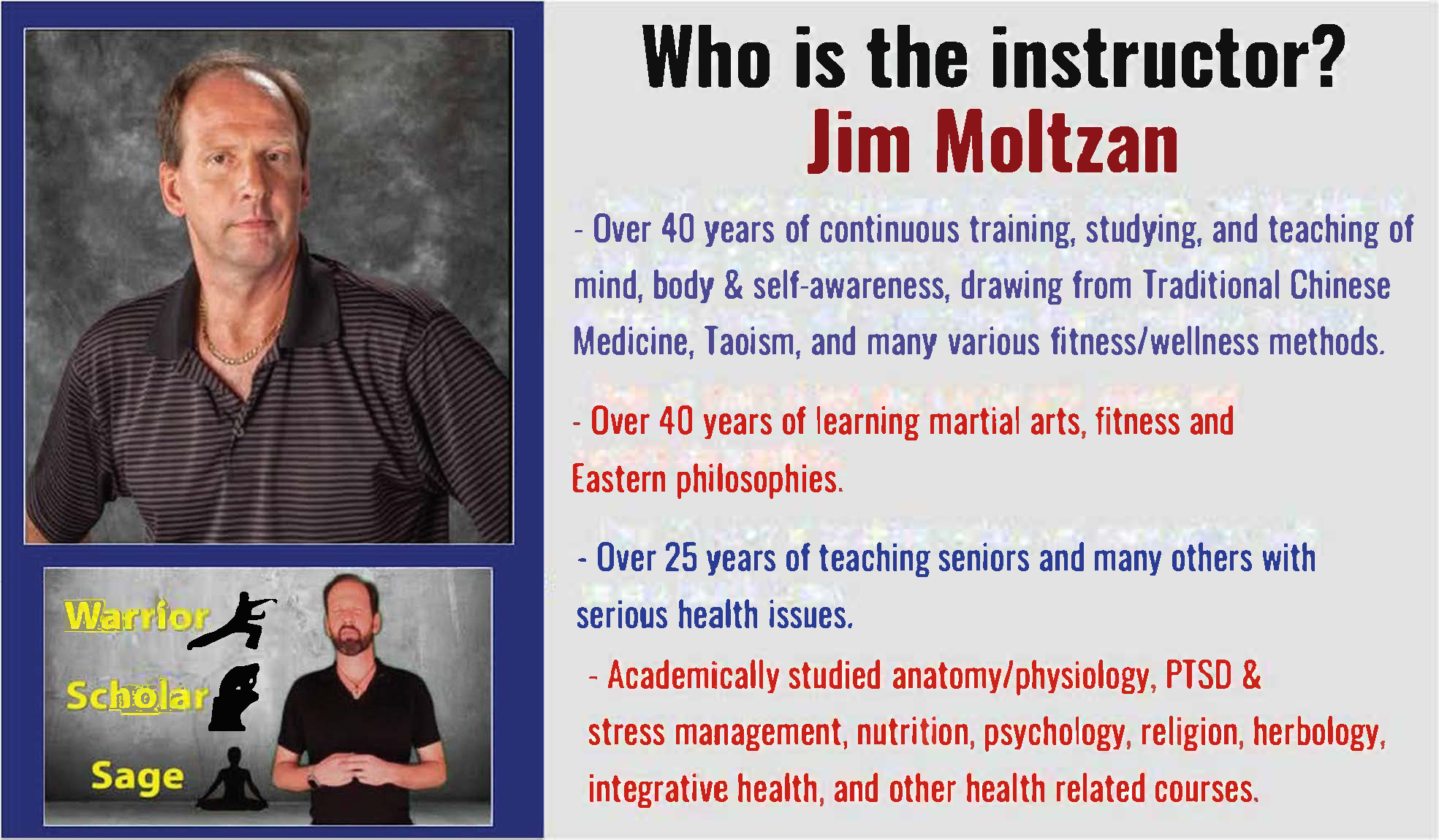
After decades of study, practice, and teaching, I’ve come to a simple but powerful truth: personal transformation is possible. through committed effort, self-reflection, and time-proven methods that honor both the body and the spirit.
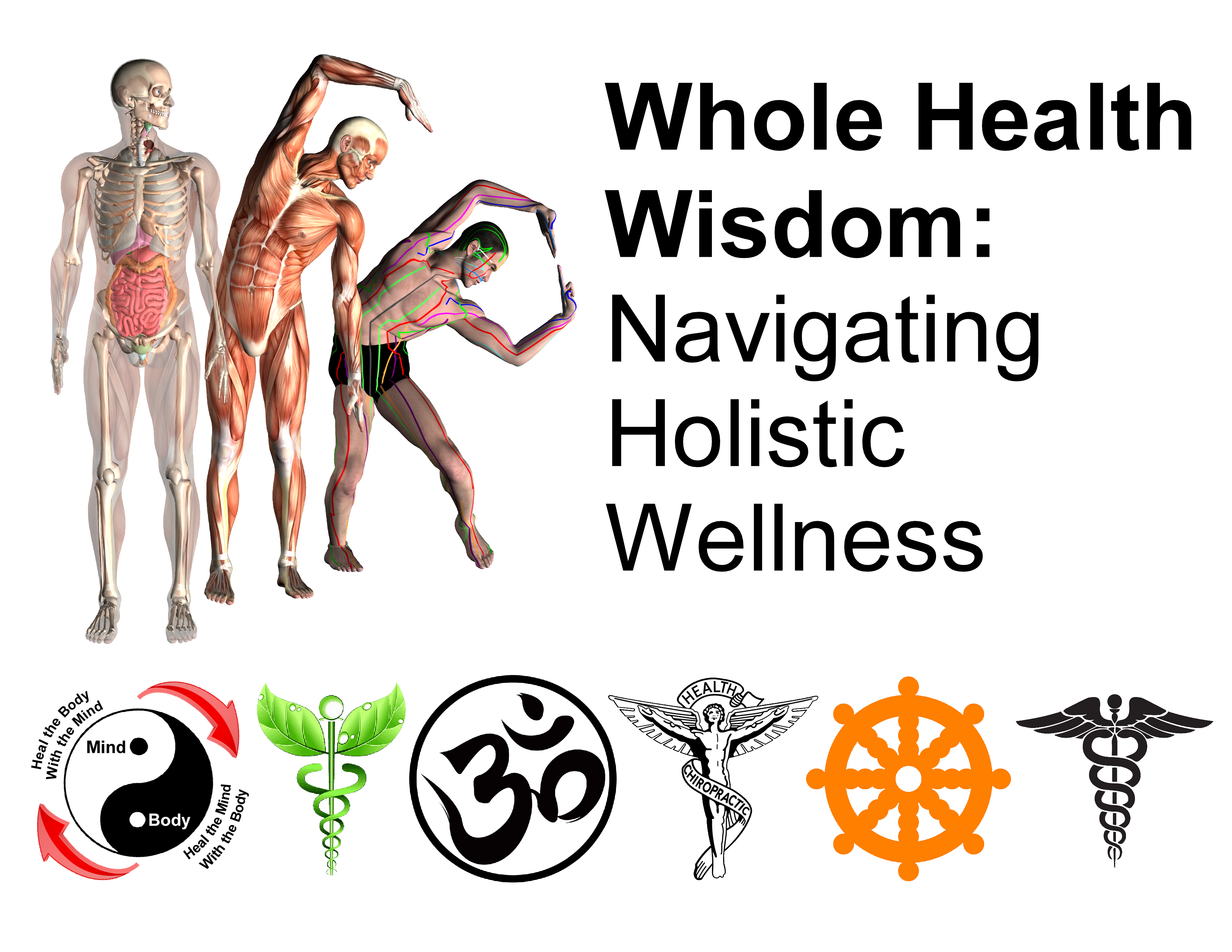
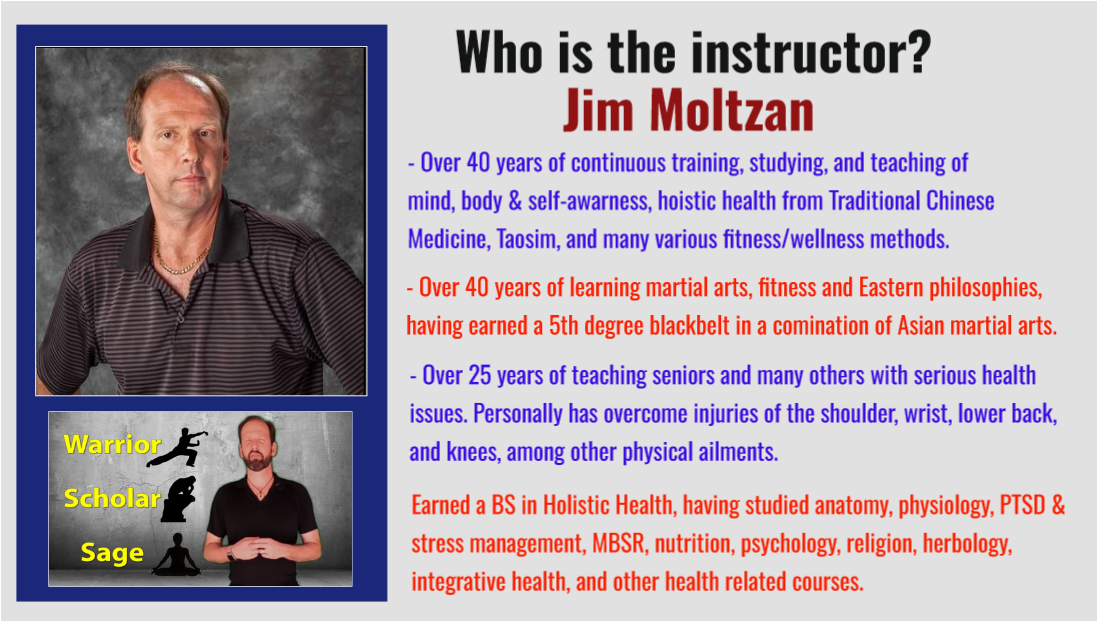
For over 40 years, I’ve dedicated my life to exploring and sharing the profound wisdom of holistic health, qigong, tai chi, martial arts, and traditional Eastern systems of healing and self-realization. These practices were once dismissed as esoteric or somewhat “out there,” but have never been more relevant. In a culture dominated by distraction, disconnection, and stress, they offer a lifeline back to balance, clarity, strength, and peace.
Today, I’m excited to share something new. A step forward in expanding the reach of this message.
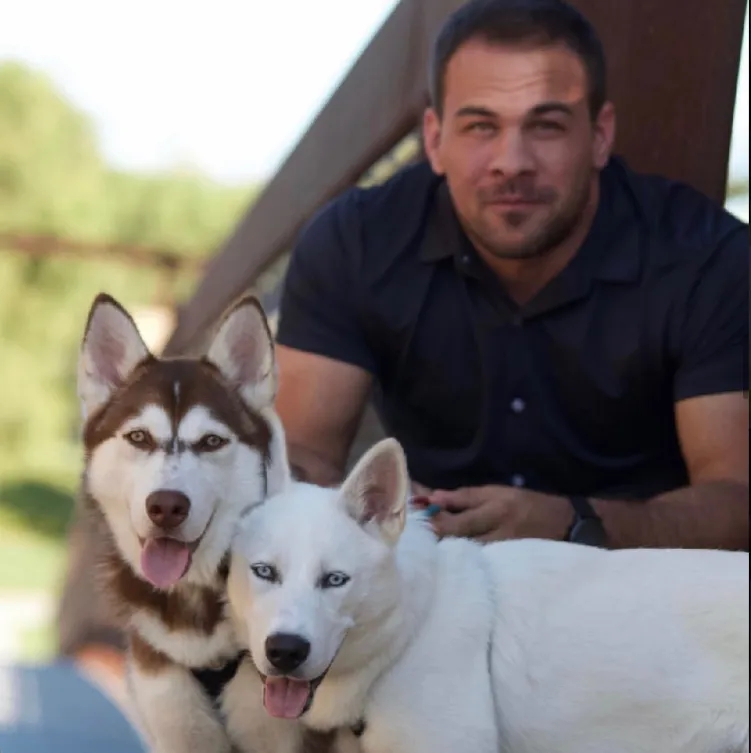
I’m partnering with Nic Peterson (https:/www.nicpeterson.com/) a respected lineage holder of the Gray Wolf Clan, whose commitment to mastery, stewardship, and the preservation of traditional wisdom deeply aligns with my own. Nic recently wrote a powerful foreword for a private-label edition of one of my foundational works, newly titled Internal Alchemy: The Gray Wolf Guide to Body, Mind, and Consciousness. His contribution reflects the values we both hold dear of humility in teaching, discipline in practice, and the profound responsibility that comes with authentic knowledge.
We come from a warrior–scholar–sage tradition. Our masters are healers and fighters, philosophers and practitioners. They are as capable of restoring life as they are of taking it. Many other masters and grandmasters, though unnamed, have left their mark here too. That’s the nature of a true lineage: the teachings carry many hands, many voices.
Internal Alchemy is not a light read. It is a manual that is quite dense, and a deliberate reference that can (and should) be returned to time and again. Each page could be unpacked over days of study. It’s not meant to be skimmed; it’s meant to be integrated.
Alongside Nic, I am also honored to acknowledge the contributions of two remarkable individuals:
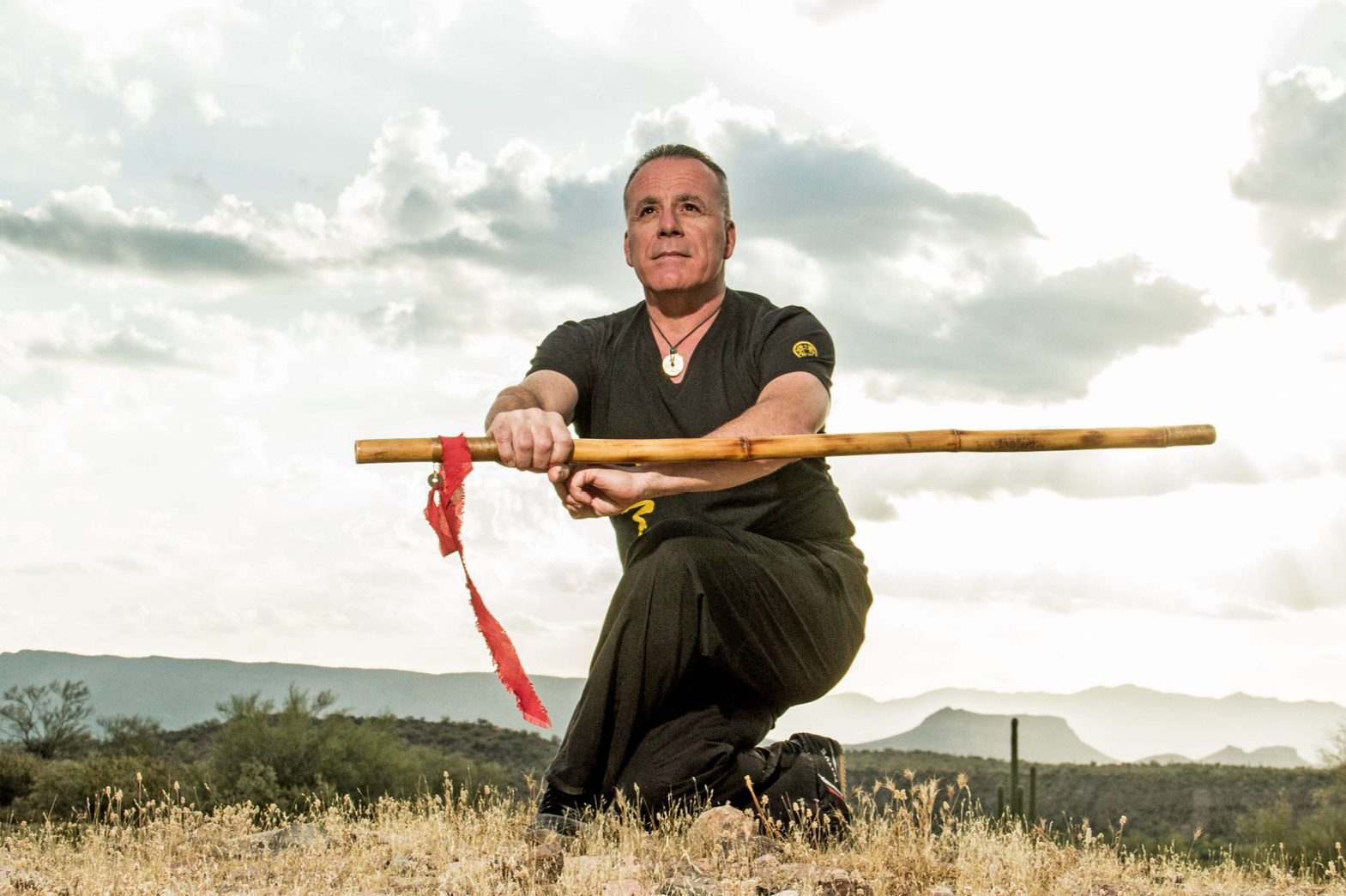
Michael Leone, my friend, peer, and sometimes teacher, a doctor of Chinese medicine, and a true warrior-scholar-sage, has been the wellspring of much of the knowledge this book is built upon. His insight into internal energetics, martial arts, and the healing systems of the East has deeply shaped my own understanding and practice. His teachings live within every page of Internal Alchemy, and his guidance continues to inform and inspire everything I share. Michael can be reached at: https://zenwellness.com/
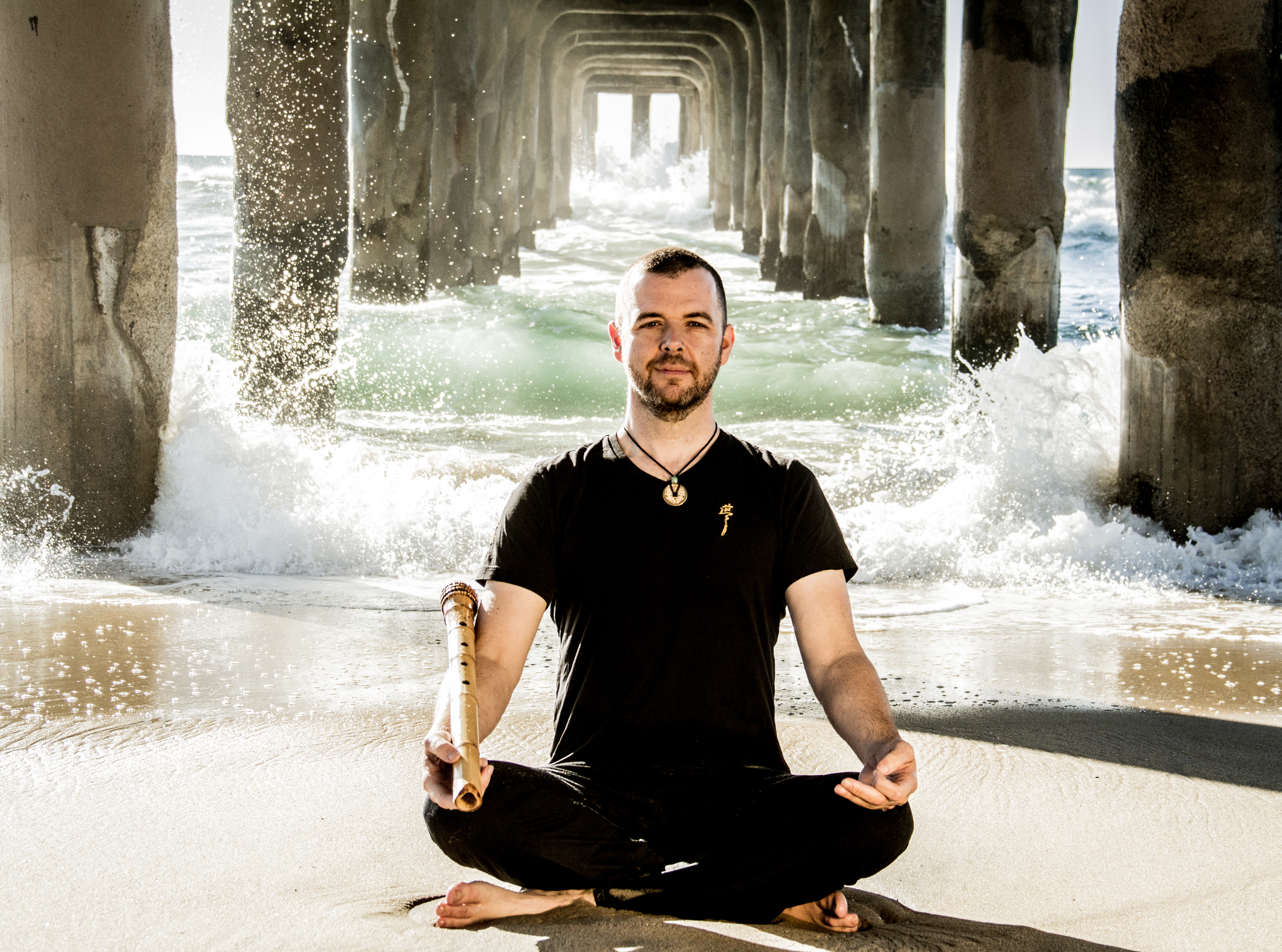
Jason Campbell, a highly recognized teacher, musician, and meditation guide, adds a profound layer to this collaboration. His work bridges the gap between ancient practices and modern lives, using sound, rhythm, and stillness to create doorways into deeper awareness. His presence in this effort expands our ability to reach those seeking peace not just in body and mind, but also in spirit and daily life. Jason’s works can be found at: https://www.jasoncampbellmusic.com/
Together, we represent a community of practitioners who believe that ancient knowledge must be preserved, respected, and made relevant in the modern age. Our collaboration is a commitment to serving the global community of seekers who value depth over trends, practice over theory, and legacy over ego.
Internal Alchemy is more than a book. It’s a living transmission of teachings designed to support your path toward self-mastery and inner freedom. Whether you are a beginner or a lifelong practitioner, we invite you to join us on this journey.
If you feel the call to the mountain, to the stillness, to something deeper within, you’re already on the path.
To learning, growing, and giving back.
Jim Moltzan Author, Educator, Practitioner
I teach and offer lectures about holistic health, physical fitness, stress management, human behavior, meditation, phytotherapy (herbs), music for healing, self-massage (acupressure), Daoyin (yoga), qigong, tai chi, and baguazhang.
Please contact me if you, your business, organization, or group, might be interested in hosting me to speak on a wide spectrum of topics relative to better health, fitness, and well-being.
I look forward to further sharing more of my message by partnering with hospitals, wellness centers, VA centers, schools on all levels, businesses, and individuals who see the value in building a stronger nation through building a healthier population.
I also have hundreds of FREE education video classes, lectures, and seminars available on my YouTube channel at:
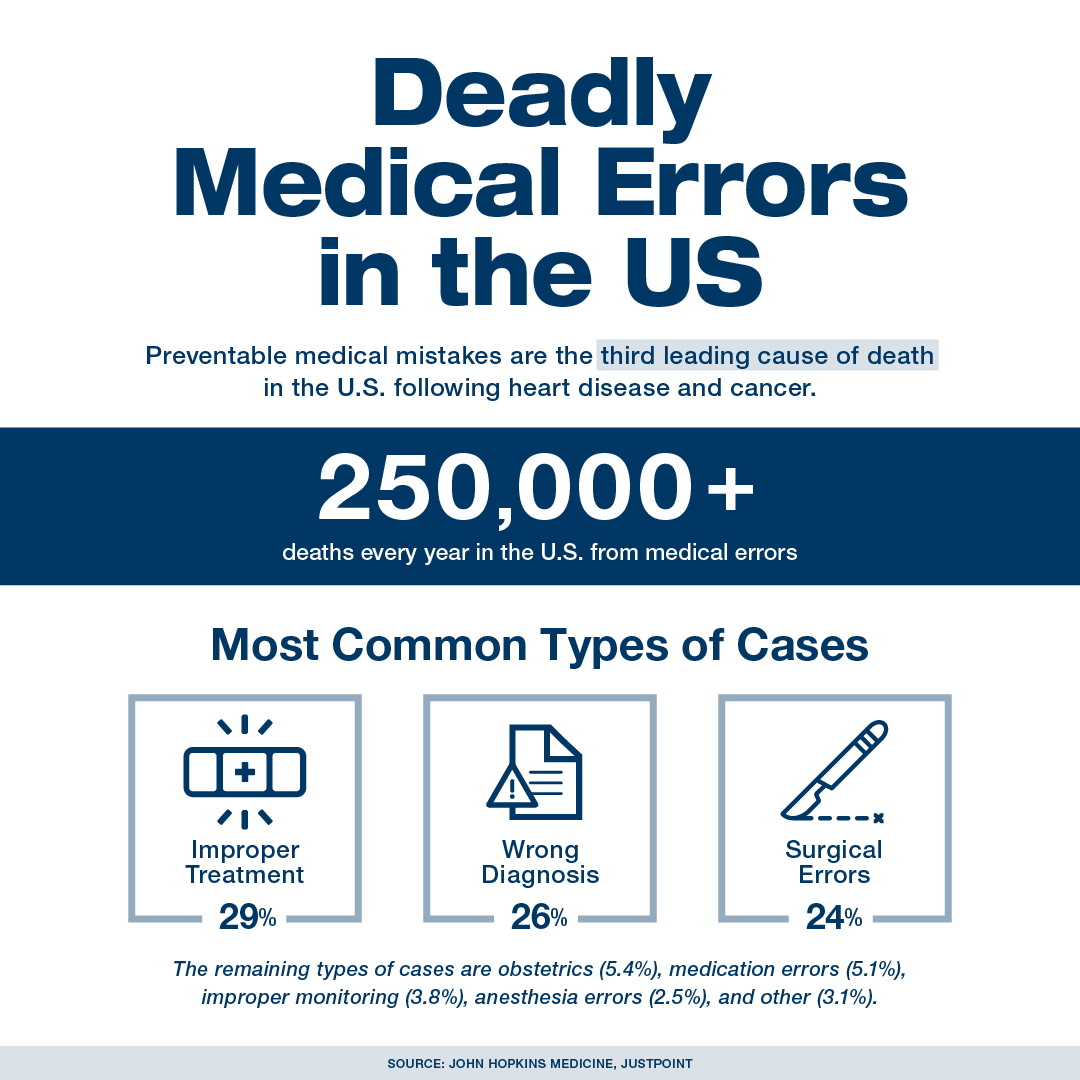
Public health discussions often concentrate on contagious diseases such as measles, especially in light of recent outbreaks. In early 2025, the passing of a 6-year-old girl in Seminole, Texas, represented the first measles-related death in the United States in a decade (Bartlett, 2025). This event rekindled debates concerning vaccination and disease prevention strategies. Nonetheless, the significant focus on measles, despite its relatively low mortality rate, starkly contrasts with the limited dialogue surrounding iatrogenic injuries, which result in a substantial number of roughly 250,000 fatalities each year.
The Scope of the Issue: Measles vs. Iatrogenic Injuries
Measles: A Preventable Yet Overemphasized Disease
Measles, a highly contagious viral disease, was declared eliminated in the U.S. in 2000 but has resurfaced in communities with low vaccination rates. The recent Texas case highlighted the risks associated with vaccine hesitancy (Bartlett, 2025). Allopathic medical professionals consider measles preventable through the MMR (Measles, Mumps, and Rubella) vaccine, which is reported as 97% effective with two doses (CDC, 2025). However, concerns over vaccine safety and accountability persist. In 1986, Congress and President Reagan enacted the National Childhood Vaccine Injury Act (NCVIA), which created a system for compensating individuals harmed by vaccines while granting pharmaceutical companies immunity from lawsuits related to vaccine injuries. This legislation has led to debates about vaccine mandates, corporate accountability, and public trust in immunization programs. Many feel that if the vaccines are safe and effective, why should a multi-billion dollar industry not be held accountable for their products?
Iatrogenic Injuries: A Silent Epidemic
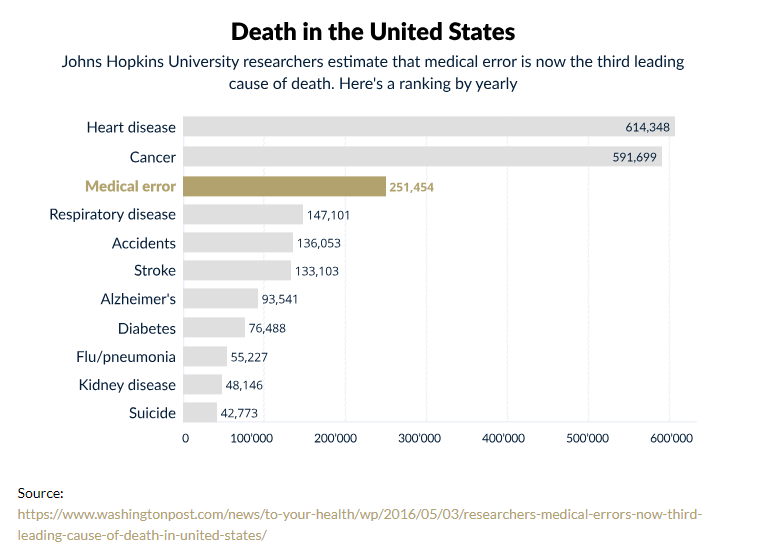
Iatrogenic injuries encompass medical errors, medication complications, surgical mistakes, and hospital-acquired infections. Research indicates that preventable medical errors contribute to over 400,000 deaths annually in the U.S., making them the third largest leading cause of death in the US (James, 2013). A widely cited study estimated approximately 250,000 iatrogenic deaths per year (Makary & Daniel, 2016). Dr. Barbara Starfield (2000) documented how 225,000 Americans die annually due to medical errors, including:
12,000 from unnecessary surgery
7,000 from medication errors in hospitals
20,000 from other hospital errors
80,000 from hospital-acquired infections
106,000 from adverse drug effects when taken as prescribed (Starfield, 2000).
Despite these alarming figures, public awareness and policy efforts remain disproportionately low compared to diseases like measles.
Why the Disparity in Media and Political Attention?
1. Media Sensationalism and Public Perception
Media outlets prioritize stories that generate fear and engagement. “If it bleeds, it leads” has been a media mission statement for decades. Measles outbreaks with their visible symptoms and high contagion make for dramatic headlines, while iatrogenic injuries occur behind hospital doors, lacking visual appeal for mass media (Bartlett, 2025).
2. Political and Public Health Priorities
Governments focus on highly contagious diseases like measles because they can cause widespread outbreaks. Vaccination campaigns offer a clear solution (WHO, 2024), whereas fixing medical errors needs systemic healthcare reforms, which are less appealing politically.
3. Institutional Interests and Liability
Acknowledging the extent of iatrogenic injuries necessitates systemic accountability from hospitals, pharmaceutical companies, and regulatory agencies, potentially resulting in legal implications and diminished public trust. Conversely, messaging regarding measles often supports pharmaceutical and public health objectives by promoting vaccination initiatives (WHO, 2024).
4. Public vs. Private Accountability
Measles outbreaks are often presented as a matter of public responsibility, with an emphasis on vaccine compliance. Conversely, iatrogenic injuries tend to be regarded as individual incidents rather than indicative of systemic issues, thus enabling healthcare institutions to evade thorough scrutiny (James, 2013).
5. Psychological Bias and Fear Appeal
Individuals tend to exhibit greater fear towards external, unpredictable threats, such as infectious diseases, compared to systemic risks, including medical errors. When measles is presented as an imminent crisis, it triggers a heightened fear response. In contrast, despite their significant impact, medical errors are frequently understated (Slovic, 2000).
The Need for a Balanced Approach
While any death is unfortunate, addressing measles outbreaks is vital. However, the focus on these outbreaks compared to iatrogenic injuries highlights an imbalance in public health priorities. Increasing transparency, implementing patient safety protocols, and facilitating discussions about medical errors are essential to reduce deaths and restore confidence in the US healthcare system.
The significant number of fatalities resulting from iatrogenic injuries highlights the critical need for enhanced patient safety protocols. A robust healthcare strategy must encompass both external health threats and internal systemic deficiencies to ensure better protection of patients’ lives.
James, J. T. (2013). A new, evidence-based estimate of patient harms associated with hospital care. Journal of Patient Safety, 9(3), 122-128. https://doi.org/10.1097/PTS.0b013e3182948a69
Makary, M. A., & Daniel, M. (2016). Medical error—the third leading cause of death in the US. BMJ, 353, i2139. https://doi.org/10.1136/bmj.i2139
I look forward to further sharing more of my message by partnering with hospitals, wellness centers, VA centers, schools on all levels, businesses, and individuals who see the value in building a stronger nation through building a healthier population.
I also have hundreds of FREE education video classes, lectures, and seminars available on my YouTube channel at:
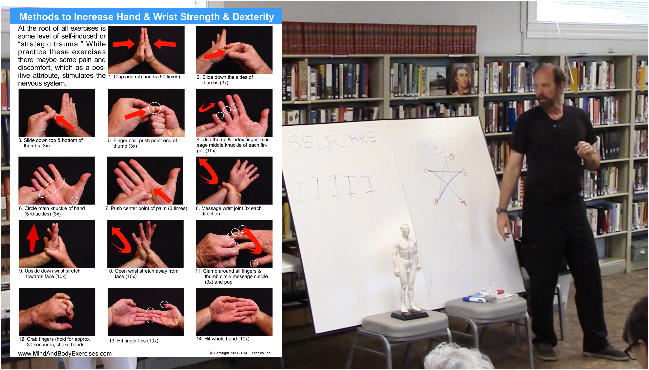
This month I wrapped up my series of 6 discussions regarding “self-care.”
Specific topics addressed were that of:
– what is holistic health?
– management of hands and wrists using acupressure/reflexology
– management of various types of stress and headaches
– understanding how the vestibular balance systems work
– how to breathe deeper and more efficiently affecting
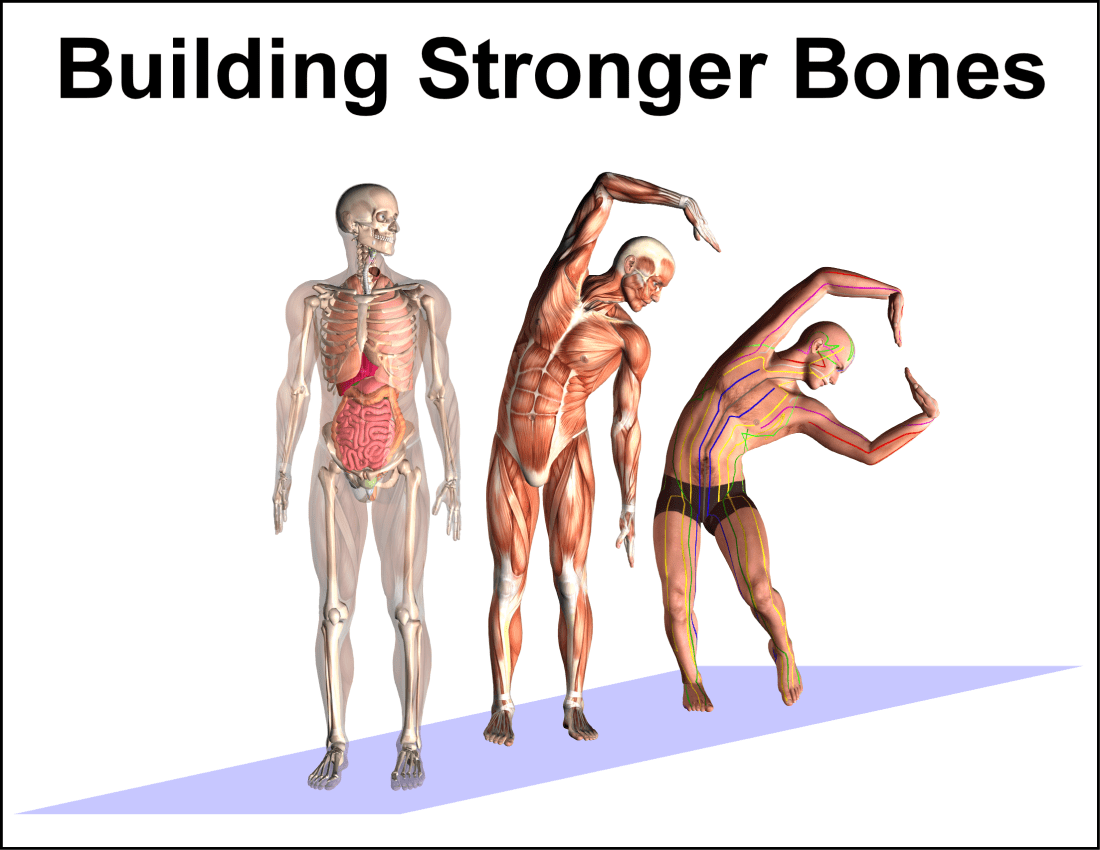
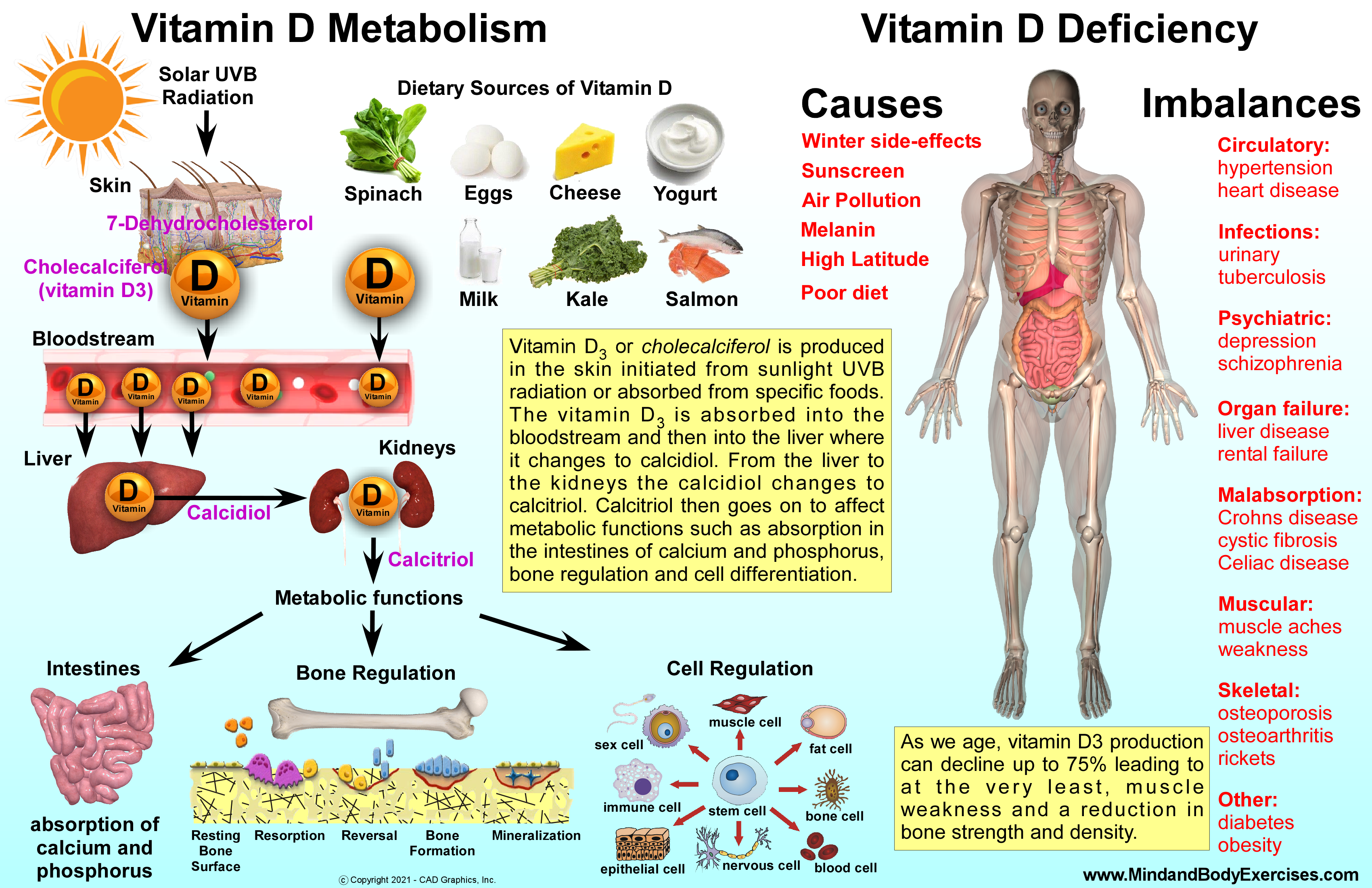
– why is bone density a serious issue and how to improve it
I have many more topics to discuss regarding better physical health, mental wellness, and having meaning/purpose in our lives. Tai chi and qigong are a big part of my curriculum, but I also earned a BS degree in holistic health in addition to my over 40 years of “hands-on” learning, practicing, and teaching. Contact me if you are interested in me speaking at your place of business, group, or other public setting.
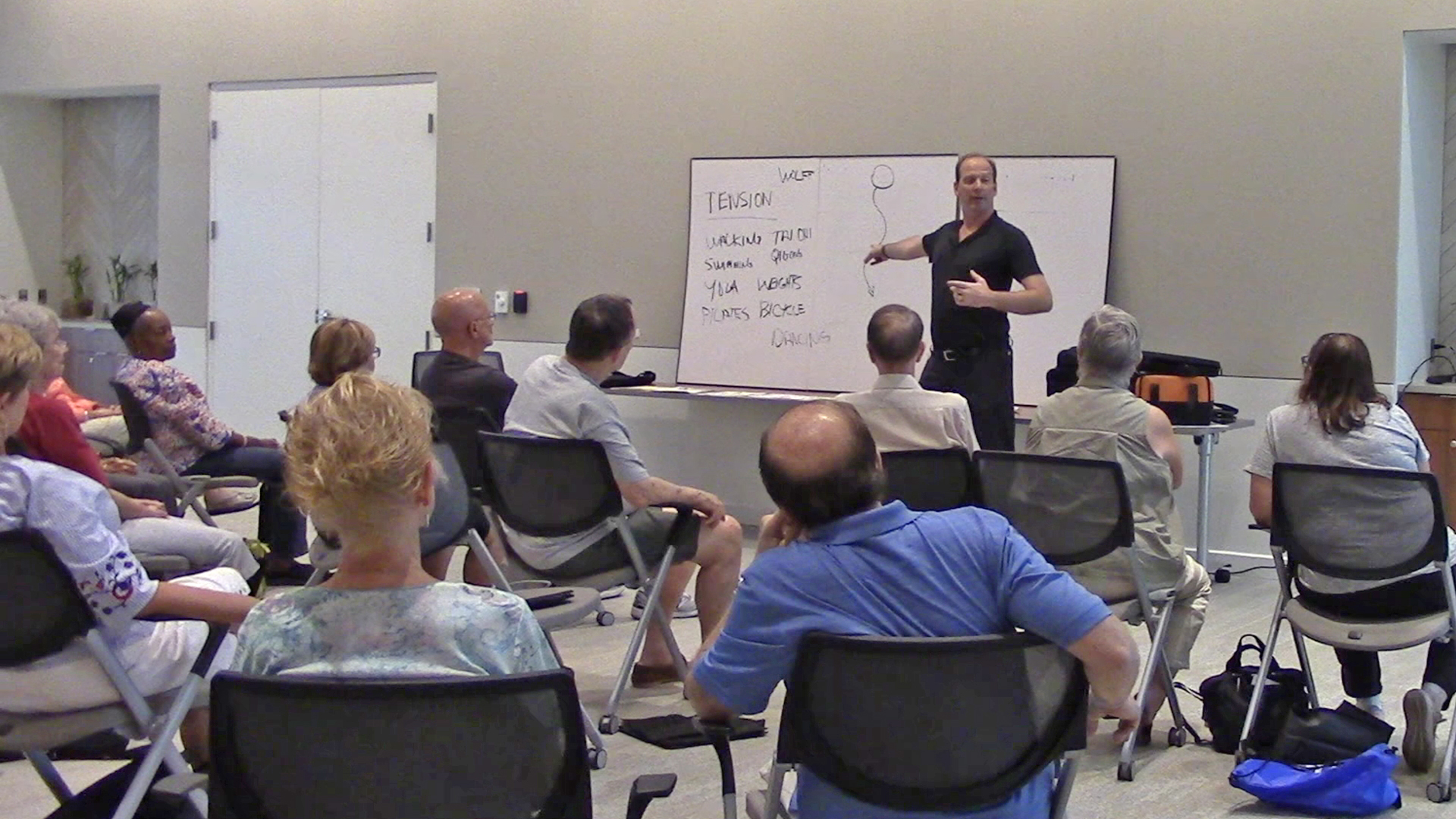
All 6 discussions can be found on my YouTube page, by clicking on the image below.
Here is a summary of the topics I discussed regarding osteopenia and osteoporosis, which are conditions related to bone density and strength, which affect millions of people, particularly as they age. Here’s a detailed breakdown:
Osteopenia vs. Osteoporosis
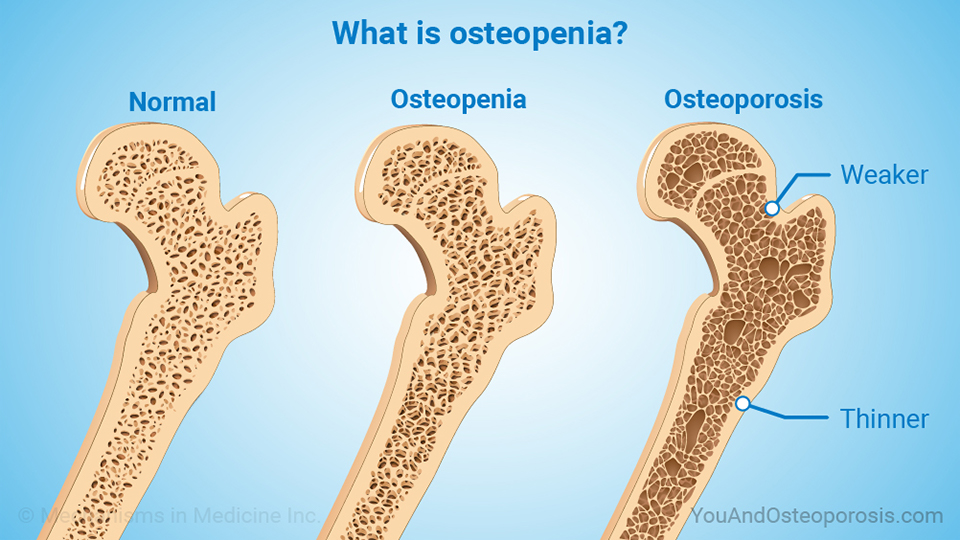
Osteopenia: This is the early stage of bone loss, where bone mineral density (BMD) is lower than normal but not low enough to be classified as osteoporosis. It is often a precursor to osteoporosis and indicates weakening bones.
Osteoporosis: This is a more severe bone condition characterized by significant bone loss, making bones brittle and more susceptible to fractures. In osteoporosis, bones become porous, with decreased density and structural integrity.
Causes
Both osteopenia and osteoporosis are caused by an imbalance between bone resorption (the process of bone breakdown) and bone formation. Factors contributing to this include:
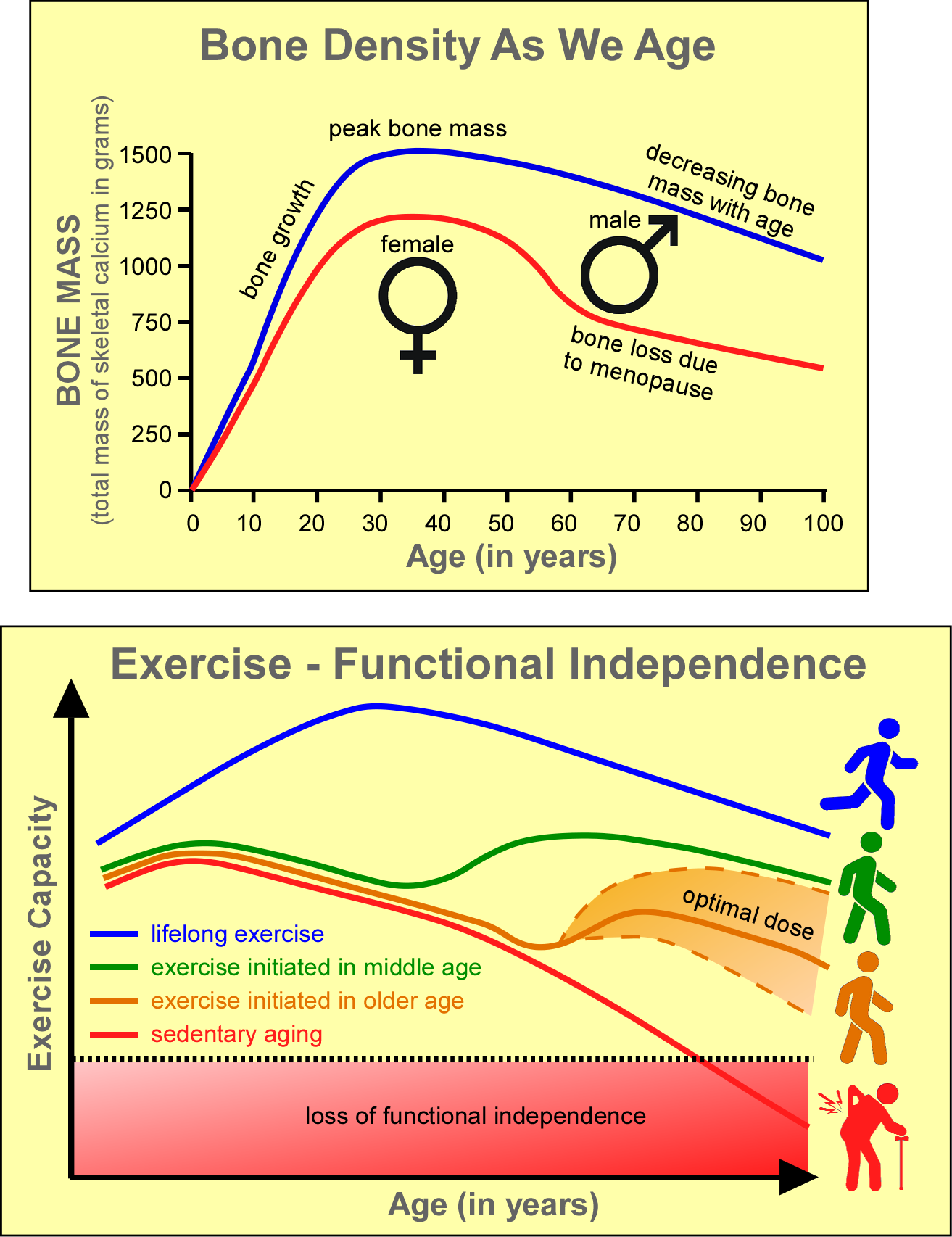
Aging: Bone mass typically peaks in a person’s 20s or 30s and declines with age, particularly in postmenopausal women due to decreased estrogen levels.
Hormonal changes: Lowered levels of hormones such as estrogen in women and testosterone in men can contribute to decreased bone density.
Genetics: A family history of osteoporosis can increase the risk.
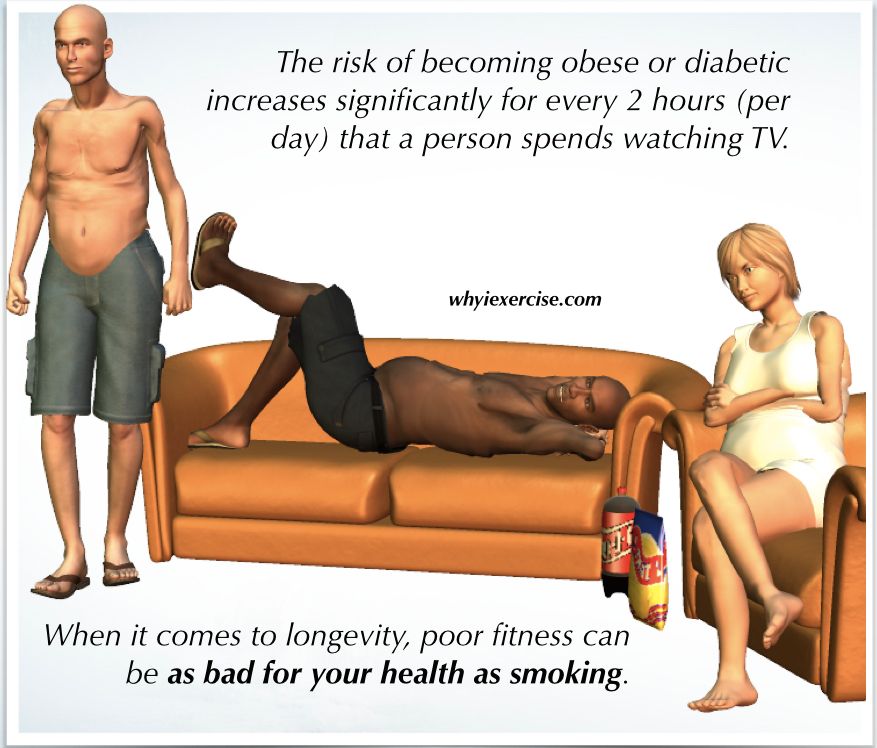
Sedentary lifestyle: Lack of physical activity, particularly weight-bearing and resistance exercises, can contribute to weaker bones.
Poor nutrition: Low intake of calcium, vitamin D, and other nutrients crucial for bone health can lead to bone density loss.
Smoking and excessive alcohol consumption: Both are associated with decreased bone density.
Certain medications: Long-term use of corticosteroids and some other medications may contribute to bone loss.
Side Effects and Risks
Fractures: The most serious consequence, particularly in the hips, spine, and wrists, can result in decreased mobility and increased mortality in older adults.
Height loss: Often due to fractures in the vertebrae leading to compression.
Back pain: Resulting from collapsed or fractured vertebrae.
Kyphosis (spinal curvature): In severe cases of osteoporosis, the spine may curve forward.
Management and Prevention
1. Strength and Resistance Training
Weight-bearing exercises: These include activities like walking, jogging, dancing, and stair climbing. They help stimulate bone formation by putting stress on the bones.
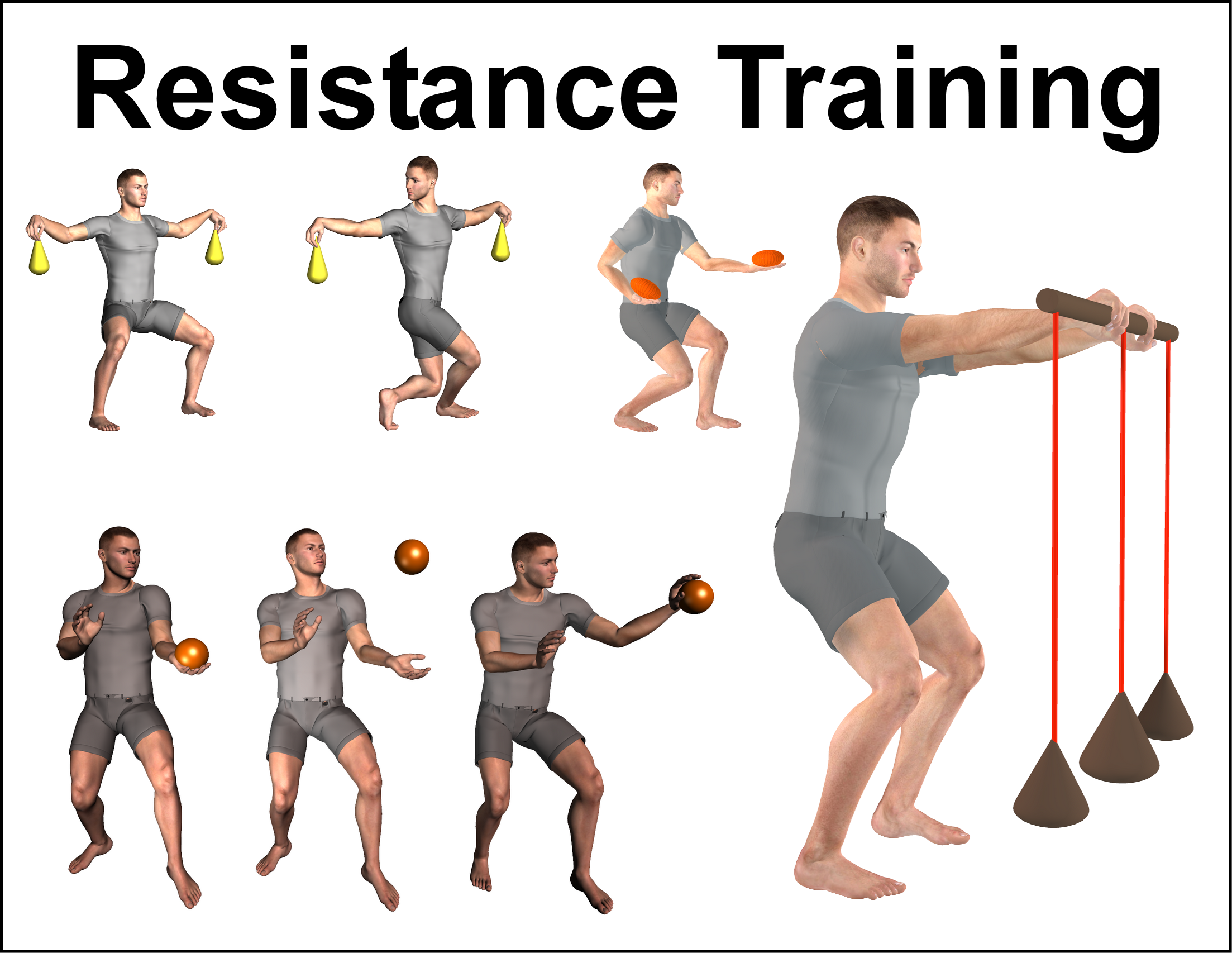
Resistance training: Lifting weights or using resistance bands helps build muscle mass and improves bone density. Exercises targeting the hips, spine, and wrists are particularly beneficial for bone health.
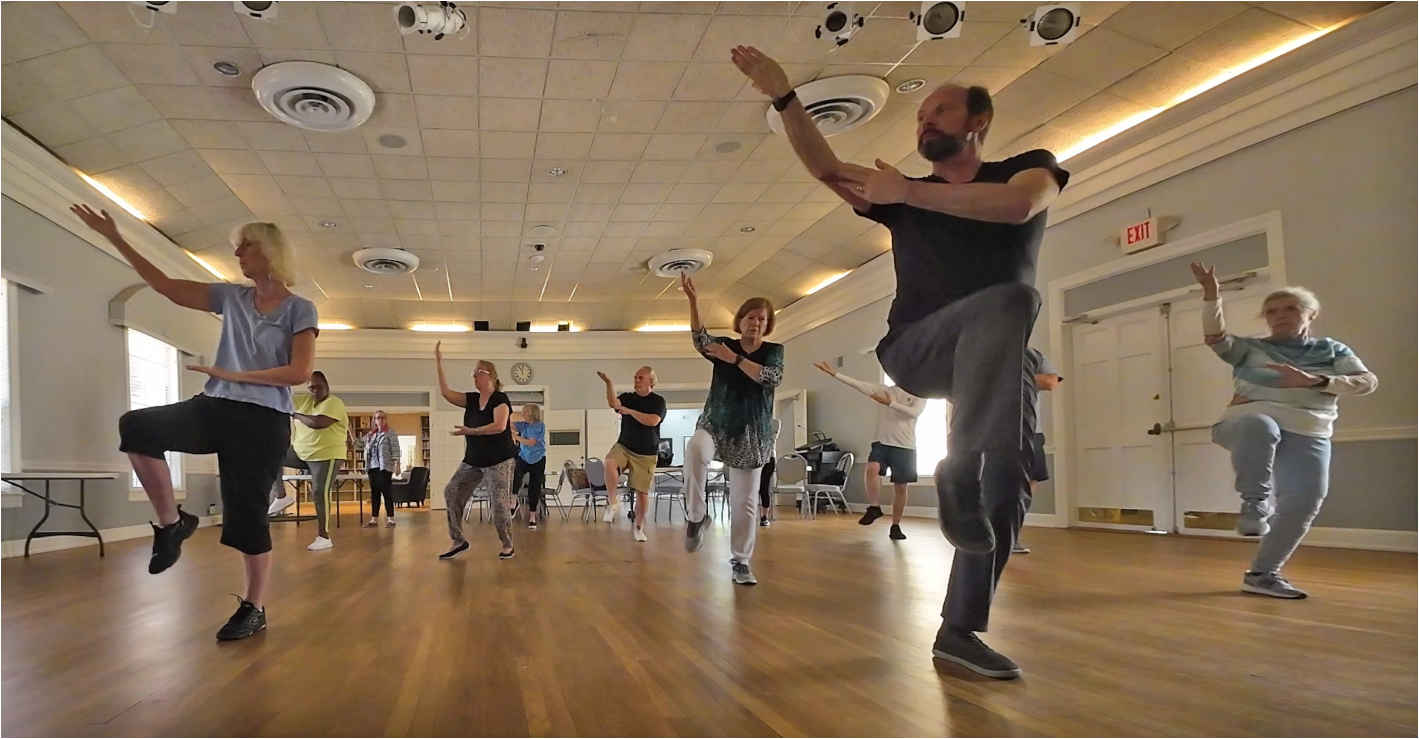
Balance training: Tai chi, yoga, and Pilates are excellent for improving balance and flexibility, reducing the risk of falls that can lead to fractures.
2. Sun Exposure and Vitamin D
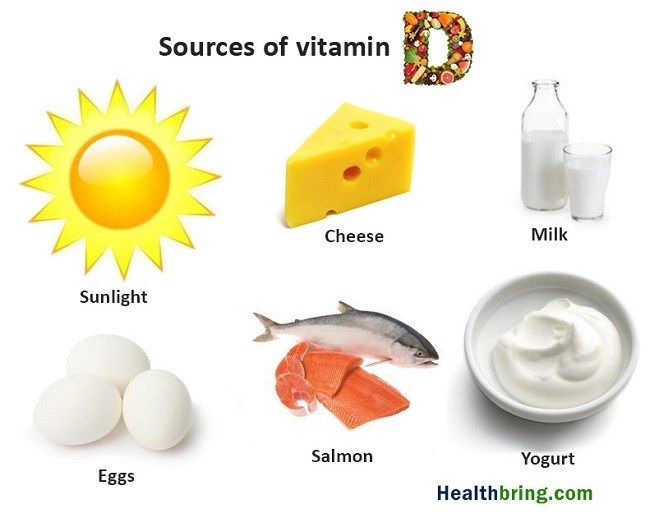
Vitamin D: Essential for calcium absorption, vitamin D can be synthesized through exposure to sunlight. About 15-30 minutes of sun exposure several times a week on the face, arms, or legs (without sunscreen) is often enough, depending on skin type, location, and weather.
Supplementation: In cases where adequate sun exposure is not possible, supplements are often recommended. The typical dosage is around 600-800 IU per day for adults, though higher doses may be needed for those with deficiencies.
3. Nutrition
Calcium: Adequate calcium intake is crucial for maintaining bone density. The recommended intake is about 1,000-1,200 mg per day, depending on age and gender. Calcium-rich foods include dairy products (milk, cheese, yogurt), leafy greens (kale, broccoli), almonds, tofu, and fortified foods.
Magnesium: Magnesium helps convert vitamin D into its active form, allowing for better calcium absorption. Sources include nuts, seeds, legumes, and whole grains.
Protein: Adequate protein intake is essential for bone and muscle health. High-protein diets have been associated with improved bone density.
Other Nutrients:
Vitamin K: Found in leafy greens, helps regulate calcium and promotes bone health.
Omega-3 Fatty Acids: Found in fish like salmon and flaxseeds, these can help reduce bone loss.
4. Medications (I did not discuss these much, as my focus was towards non-pharmaceutical options)
Bisphosphonates: These drugs slow down bone resorption and help to maintain or increase bone density.
Hormone Therapy: Estrogen replacement therapy can be beneficial for postmenopausal women to slow bone loss.
Denosumab: A monoclonal antibody that reduces bone resorption.
Calcitonin: A hormone that helps regulate calcium levels and bone metabolism.
Parathyroid hormone analogs: These can help stimulate bone formation in severe cases of osteoporosis.
5. Lifestyle Changes
Quit smoking: Smoking accelerates bone loss, so quitting is important for bone health.
Limit alcohol: Excessive alcohol interferes with calcium balance and bone formation.
Fall prevention: Maintaining good balance and a safe living environment can help prevent falls that might lead to fractures.
6. Regular Check-ups:
Bone density scans: These scans can help monitor your bone health and assess your risk of fractures.
Regular medical check-ups: Consult your doctor for personalized advice and to discuss any concerns.
Summary
Osteopenia and osteoporosis are conditions that reflect the progressive weakening of bones, leading to increased risk of fractures. Managing these conditions involves a combination of strength training, resistance exercises, adequate sun exposure, proper nutrition (especially with calcium and vitamin D), and sometimes medication. Regular physical activity, especially weight-bearing and resistance exercises, can help strengthen bones, while proper diet and lifestyle choices support bone health and overall well-being.
I teach and offer lectures about holistic health, physical fitness, stress management, human behavior, meditation, phytotherapy (herbs), music for healing, self-massage (acupressure), Daoyin (yoga), qigong, tai chi, and baguazhang.
Please contact me if you, your business, organization, or group, might be interested in hosting me to speak on a wide spectrum of topics relative to better health, fitness, and well-being.
I look forward to further sharing more of my message by partnering with hospitals, wellness centers, VA centers, schools on all levels, businesses, and individuals who see the value in building a stronger nation through building a healthier population.
I also have hundreds of FREE education video classes, lectures, and seminars available on my YouTube channel at:
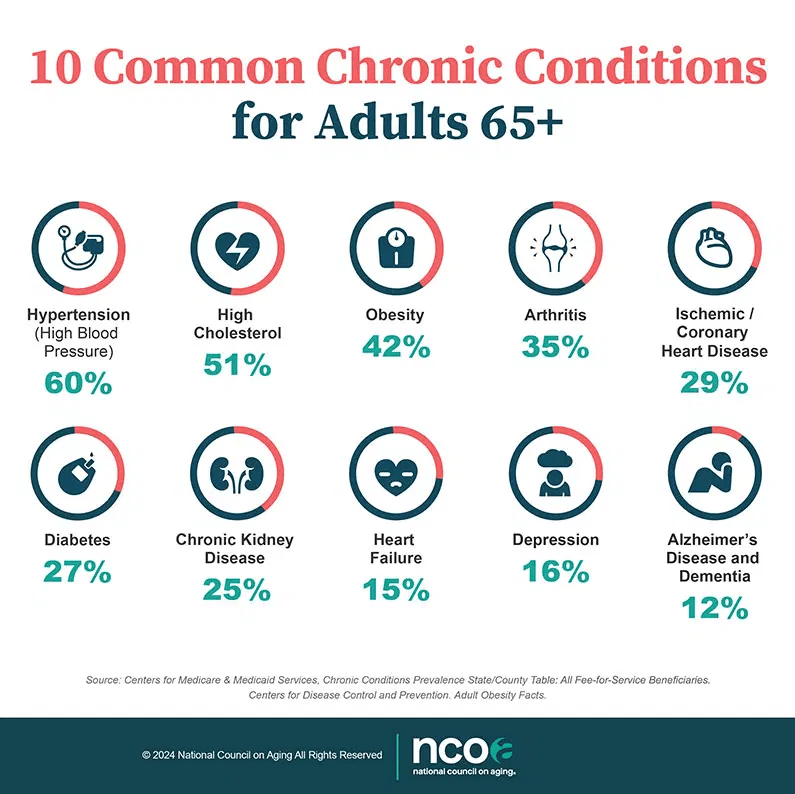
People in the US are experiencing many mental and physical diseases, ailments, and chronic conditions that were not nearly as prominent in years past. Many diseases and issues previously experienced by adults, are now seen in children. Some experts believe there is a definite link between our food, lack of physical activity, chemicals, other lifestyle choices, and the state of poor health in the US.
Approximately 60 million adults (23.08%) in the U.S. experienced a mental illness in the past year, and nearly 13 million adults (5.04%) reported serious thoughts of suicide NAMIMental Health America.
Among youth aged 12-17, one in five experienced at least one major depressive episode, with over 56% not receiving any treatment Mental Health America.
Specific Disorders:
Anxiety Disorders: Affect 19.1% of U.S. adults NAMI.
Major Depressive Disorder: Approximately 8.3% of adults experience a major depressive episode NAMI.
Bipolar Disorder: Affects about 2.8% of the population NAMI.
Obesity: Over 42% of U.S. adults are classified as obese National Institute of Mental Health. This condition is linked to various other health issues, including diabetes and heart disease.
Cardiovascular Diseases: Conditions like hypertension and heart disease remain prevalent, contributing to high morbidity and mortality rates National Institute of Mental Health.
Chronic respiratory diseases such as asthma and COPD are increasingly common, often exacerbated by environmental factors National Institute of Mental Health.
Musculoskeletal Disorders:
Conditions such as arthritis and lower back pain are prevalent, affecting mobility and quality of life for many Americans National Institute of Mental Health.
In recent years, the prevalence of mental health issues among children and adolescents in the U.S. has become increasingly concerning. Here’s an overview of the current landscape based on recent statistics:
Prevalence of Mental Health Conditions:
Approximately 1 in 5 children (19%) aged 3-17 years has a diagnosed mental, emotional, or behavioral disorder CDCNAMI.
Mental health issues, including anxiety and depression, are particularly prominent, with anxiety disorders affecting 9.4% and major depressive episodes affecting 7.8% of this age groupPediatricsAmerican Psychological Association.
Developmental Disorders: Conditions such as ADHD and autism spectrum disorder are becoming more commonly diagnosed. Approximately 9.4% of children aged 2-17 have been diagnosed with ADHD, while around 1 in 36 children are diagnosed with autism HHS.gov CDC.
Suicidal Thoughts and Behaviors:
In 2023, 29% of high school students reported experiencing persistent feelings of sadness or hopelessness, and 14% reported seriously considering suicide CDCPediatrics.
Factors such as food insecurity, housing instability, and exposure to community violence contribute significantly to mental health challenges PediatricsAmerican Psychological Association. Structural racism also plays a critical role, particularly affecting Indigenous and Black children, who face higher rates of mental health issues and trauma Pediatrics.
Access to Treatment:
Despite the high prevalence of mental health conditions, many children lack access to necessary care. For instance, 50.6% of youth aged 6-17 with mental health disorders received treatmentNAMI. There are significant disparities based on socioeconomic status and race PediatricsAmerican Psychological Association.
Improvements and Challenges:
Some improvements have been noted recently, such as a decrease in persistent sadness among students overall, but increases in experiences of bullying and school safety concerns have been observed CDC. The ongoing challenges underscore the need for more comprehensive support systems in schools and communities PediatricsNAMI.
Physical Ailments
Obesity: Childhood obesity is a significant concern, affecting approximately 19.7% of children aged 2 to 19 years as of 2020. This prevalence is higher among Hispanic (26.2%) and Black (24.8%) children compared to their White (16.6%) and Asian (9.0%) counterparts CDC. The annual medical costs related to obesity for U.S. children is estimated to be $1.3 billionCDC.
Asthma: Approximately 7.5% of children in the U.S. have asthma, making it one of the most common chronic respiratory diseases. Asthma rates have been shown to vary with socioeconomic status, with children from lower-income families more likely to be affected CDC.
Allergies: Allergic conditions, including food allergies and allergic rhinitis (hay fever), are prevalent among children. It’s estimated that 8% of children have food allergies, with increases seen in recent years CDC.
Diabetes: The prevalence of diagnosed diabetes (both Type 1 and Type 2) among children is around 1.5%. There has been a notable increase in Type 2 diabetes, attributed to rising obesity rates CDC.
Sleep Disorders: Conditions such as sleep apnea affect an estimated 2% to 5% of children, often linked to obesity and resulting in various physical and mental health issues CDC.
Vision and Hearing Impairments: Around 5% of children have some form of visual impairment, while 1.4% experience hearing loss CDC.
Injuries: Unintentional injuries remain a leading cause of morbidity among children, with thousands of emergency department visits annually related to accidents CDC.
Conclusion
The combined rise in mental health issues and chronic physical conditions points to a pressing health crisis in the U.S. The COVID-19 pandemic has exacerbated these challenges, leading to increased stress, anxiety, and social isolation, which further complicate access to care and treatment
Mental Health America. It’s crucial for healthcare systems and policymakers to address these issues, focusing on improving access to mental health resources and integrating physical health strategies to support overall well-being.
I teach and offer lectures about holistic health, physical fitness, stress management, human behavior, meditation, phytotherapy (herbs), music for healing, self-massage (acupressure), Daoyin (yoga), qigong, tai chi, and baguazhang.
Please contact me if you, your business, organization, or group might be interested in hosting me to speak on a wide range of topics related to better health, fitness, and well-being.
I look forward to further sharing my message by partnering with hospitals, wellness centers, VA centers, schools on all levels, businesses, and individuals who see the value in building a stronger nation through a healthier population.
I also have hundreds of FREE education video classes, lectures, and seminars available on my YouTube channel at:
See something, say something, right? Do something!
Our teenage youths have been in distress now and for many years past. So much talk, but so little action. I am trying to do something, and it is time-proven and with a clear plan and direction.
Reducing daily stress experienced by high school students is possible through Mindfulness-based Stress Reduction (MBSR) techniques. I believe this to be accurate, as I have practiced and taught many stress management techniques for over 40 years to adults of all ages.
The goal of my proposed intervention is to reduce the typical daily stress that teenagers experience regularly on the individual level, while in high school. Daily stress often leads to mental health ailments of anxiety, depression, impaired focus, and lack of quality sleep. The target audience for this intervention is high school students, 14-18 years of age. Promoting focusing on mental health and well-being is crucial for overall health. This will be accomplished by myself or a qualified professional guiding participants through the various stages of change within the Transtheoretical Model (TTM) to encourage the practices of mindfulness-based stress reduction (MBSR). MBSR therapy is a meditation strategy that is used to help with stress management, sleep disorders, depression, anxiety, hypertension, chronic pain, cancer, diabetes mellitus, and other disorders (Kabat-Zinn, 2013).
MBSR techniques have little risk and can increase the agency that individuals have in managing mood swings and physical pain, as well as enhancing the quality of their own lives (Niazi & Niazi, 2011). Research from recent studies supports that some college students who practiced mindfulness along with their coursework, reported cognitive and wellbeing benefits, when practicing for as little as five minutes twice a week, dependent upon the specific type of mindfulness method implemented (O’Hare & Gemelli, 2023).
The Transtheoretical Model (TTM) will be utilized with this intervention. TTM encompasses more than one health-related behavior theory, which to me seems that TTM offers a more comprehensive strategy to help individuals to better understand and manage stressors within their daily life. Within TTM there are four key constructs that are thought to produce significant behavioral changes. The constructs are:
• Stages of changes
• Decisions balance
• Self/Efficacy/Temptations
• Processes of change
The first construct of TTM suggests that there are stages of change where precontemplation, contemplation, preparation, action, and maintenance all affect human behavior. The second construct of decision balance suggests that when there are more pros than cons for a certain behavior, an individual will either move forward or backward within the stages. The third construct encourages a “can-do” attitude, where an individual may gain confidence and feel that they have more control and agency in their decisions. The fourth construct delves more into the details of experiential versus behavioral changes (Simons-Morton & Lodyga, 2021) where a person moves from the “thinking” state to a more active “doing” state of being. Overall, the TTM will help me to show participants how mindfulness-based stress reduction techniques can help students move from the “contemplation” stage to “action” by highlighting its effectiveness in stress reduction and management.
This intervention can be implemented by first contacting a local high school’s administration to explain the goals and benefits of sponsoring such an event. Once the administration agrees to support, promote, and manage the registration of students for a group setting workshop (intervention), a trained and/or qualified professional will come to the school’s auditorium after school finishes on a predetermined day. They can then present an initial 10-minute introduction of the potential goals and benefits to the students. Using a whiteboard and handwriting a few notes and health statistics from the Center for Disease Control (CDC) and the American Heart Association (AHA) will help draw their focus. My message that can be conveyed, is how as young adults, they can individually have self-efficacy over their thoughts, emotions, and relative coping mechanisms for managing stress. A major portion of this presentation will be explaining in some detail what the TTM is and how it is related to stress management. Another major component of this presentation will be an explanation of the methods and benefits of MBSR.
The professional will then ask those students interested in participating further in this intervention to answer only to themselves by signing a contract of commitment form to attend 3 10-minute sessions for a total of 8 weeks. There will be no consequence if the student decides not to continue, however, they will not receive any credit or reward upon completion if they do not attend. Sessions will be just after school ends, giving the students 5-10 minutes to get to the auditorium. Parent’s knowledge and support of their children’s participation are key components needed to reinforce their child’s commitment to accept the challenge of doing some type of task or activity that will potentially affect not only the individual but the whole family’s well-being. I would also invite and encourage parents to attend the sessions if they are available to do so.
My intervention can address the key constructs of TTM throughout the presentation. More specifically, the stages of change will need to be targeted as follows:
Precontemplation – In this stage, participants may not yet recognize a need to reduce stress or might not view it as an important priority. If they were in the room and attending my presentation, they are already past precontemplation, or else they would not have made the effort to come to the event.
Contemplation – With a goal of raising awareness of current teen health issues, I seek to motivate and inspire individuals to think more about becoming equipped to manage the impact stress has on their health and well-being, I will offer information regarding the benefits of mindfulness techniques to reduce stress, thereby affecting and improving overall health and well-being.
Preparation – In this stage I will be explaining how we will need to take action and how this group will be readied, in order to achieve a greater sense of agency over individual stress management. I will provide resources such as guided meditation apps or YouTube classes that can help support their practice.
Action – The phase of action is where participants will actively engage in MBSR exercises. Each session will review and build upon prior sessions. I will be encouraging them to practice regularly and offer other strategies to overcome potential hurdles and maintain motivation. Setting reminders on their phones and finding quiet places for meditation will help reinforce their self-practice.
Maintenance – In this phase, individuals will have successfully adopted mindfulness techniques into their daily routine and are most likely experiencing the benefits of having less stress. I can offer further strategies to help maintain their practice and prevent relapse, such as further opportunities for learning and growth through other techniques and resources. After this intervention concludes, there will be a follow-up survey one month after the event to determine if participants are still engaged in practicing the self-regulation techniques that they learned.
The construct of decision balance will be addressed and discussed at each session, as participants will be reviewing the pros and cons of returning for future sessions. If they feel that they are improving their stress management, they will be inclined and more self-motivated to continue.
The construct of self-efficacy of individuals will most likely increase as participants move through the stages of change.
For the construct of the processes of change, I would not going to go into much detail to the whole group. I feel that this construct, while important may be a bit more complex than what will already have been covered up to this point as far as human behavior is concerned. A slide will be available in the presentation, and I can offer further explanations as necessary.
The intended outcome of the intervention will be to hopefully have the participants be able to better recognize and manage stressful experiences, whether from events such as tests, time management, social interactions, and other activities that often manifest into stress.
Please contact me if you, your school, your business, your organization, or your group, might be interested in hosting me to speak on a wide spectrum of topics relative to better health, wellness, and fitness.
Kabat-Zinn, J. (2013) Full Catastrophe Living (Revised Edition) (pp. 77-78, 351). Random House Publishing Group. Kindle Edition.
Niazi, A. K., & Niazi, S. K. (2011). Mindfulness-based stress reduction: A non-pharmacological approach for chronic illnesses. North American Journal of Medical Sciences, 3(1), 20. https://doi.org/10.4297/najms.2011.320
O’Hare, A. J., & Gemelli, Z. T. (2023). The effects of short interventions of focused-attention vs. self-compassion mindfulness meditation on undergraduate students: Evidence from self-report, classroom performance, and ERPs. PLoS ONE, 17(1), 1–20. https://doi.org/10.1371/journal.pone.0278826
Simons-Morton, B., & Lodyga, M. (2021). Behavior theory in public health practice and research. Jones & Bartlett Learning.
I teach and offer lectures about holistic health, stress management, qigong, tai chi, baguazhang, meditation, phytotherapy (herbs), music for healing, self-massage, and Daoyin (yoga).
Please contact me if you, your business, organization, or group, might be interested in hosting me to speak on a wide spectrum of topics relative to better health, wellness, and fitness.
I look forward to further sharing more of my message by partnering with hospitals, wellness centers, VA centers, schools on all levels, businesses and individuals that see the value in building a stronger nation through building a healthier population. I also have hundreds of FREE education video classes, lectures and seminars available on my YouTube channel at: