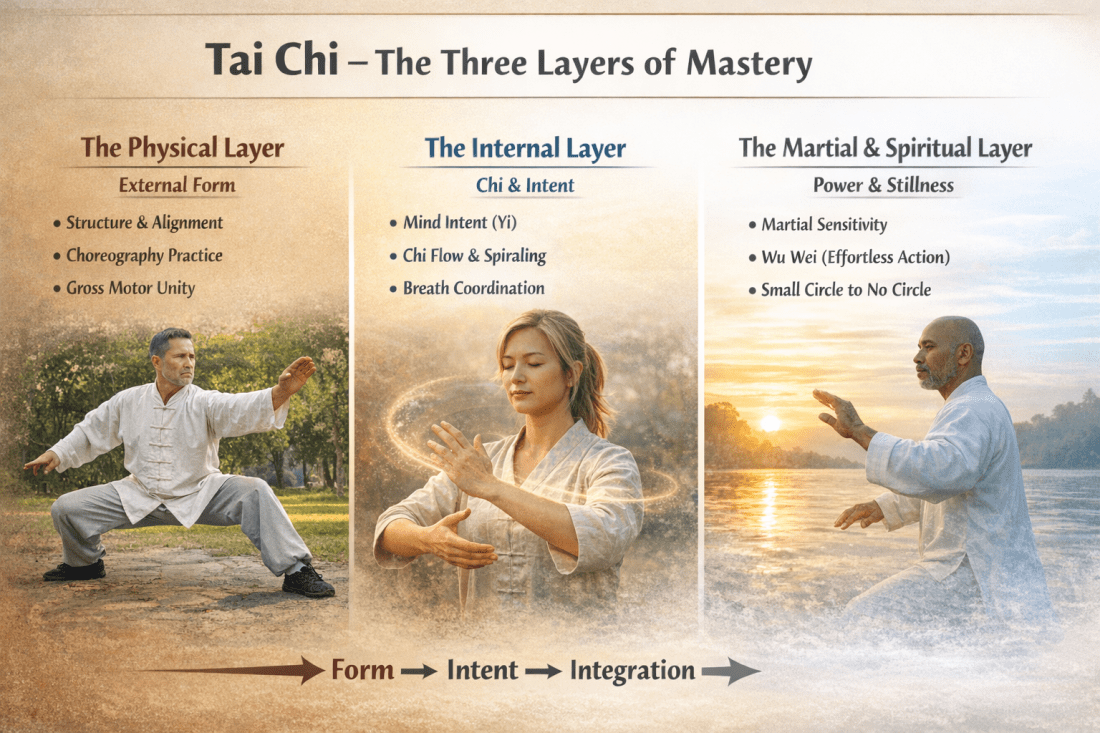
In Tai Chi, the idea of “layers” refers to progressive stages of mastery that move from external physical form to refined internal and spiritual development. Although different schools such as Chen and Yang may use varying terminology, the underlying progression remains consistent: one begins with structure, refines internal mechanics, and ultimately reaches effortless integration of body, mind, and spirit.
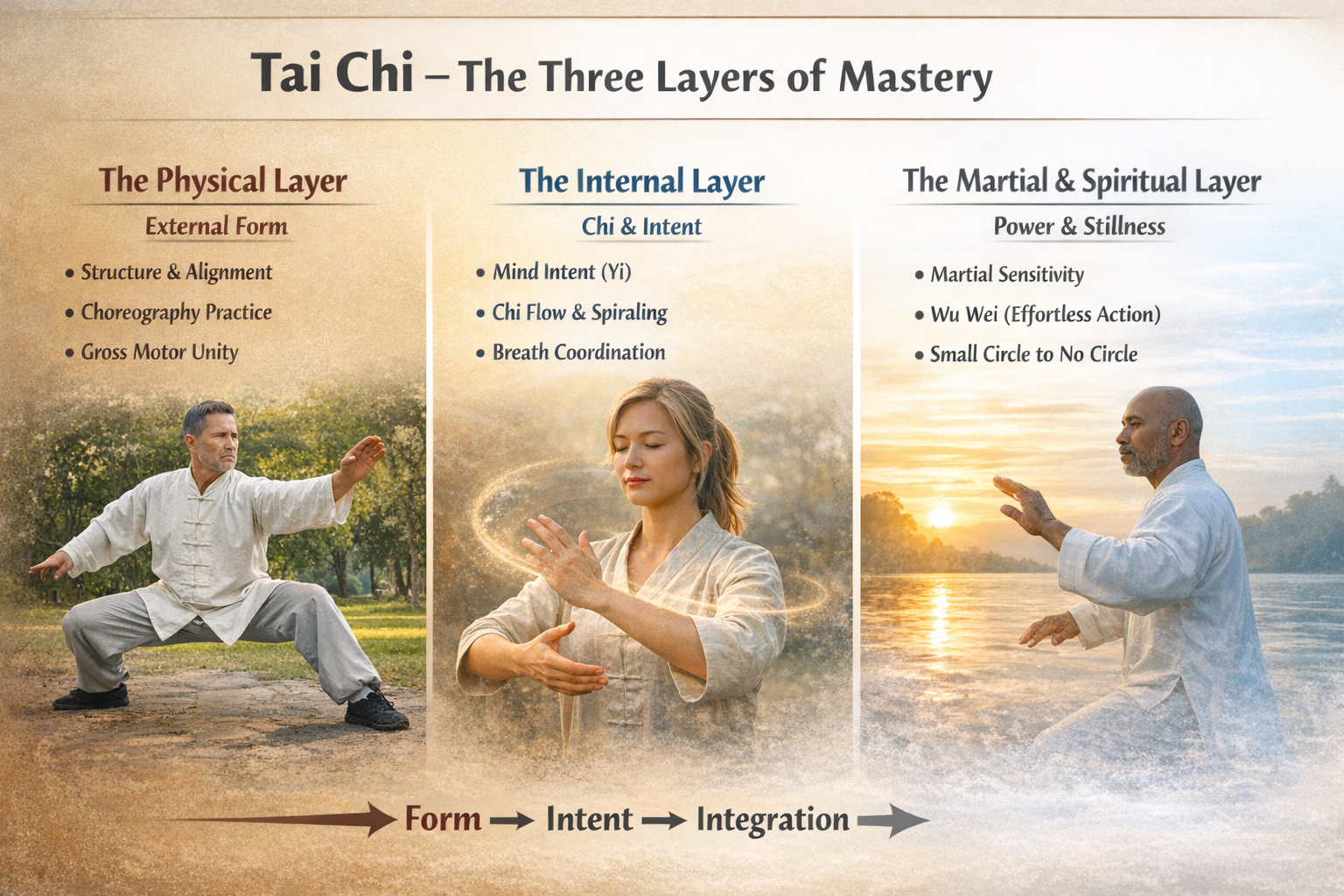
This development can be understood through three primary layers, expanded technically into five levels of refinement, and supported practically through four pillars of training.
I. The Three Progressive Layers
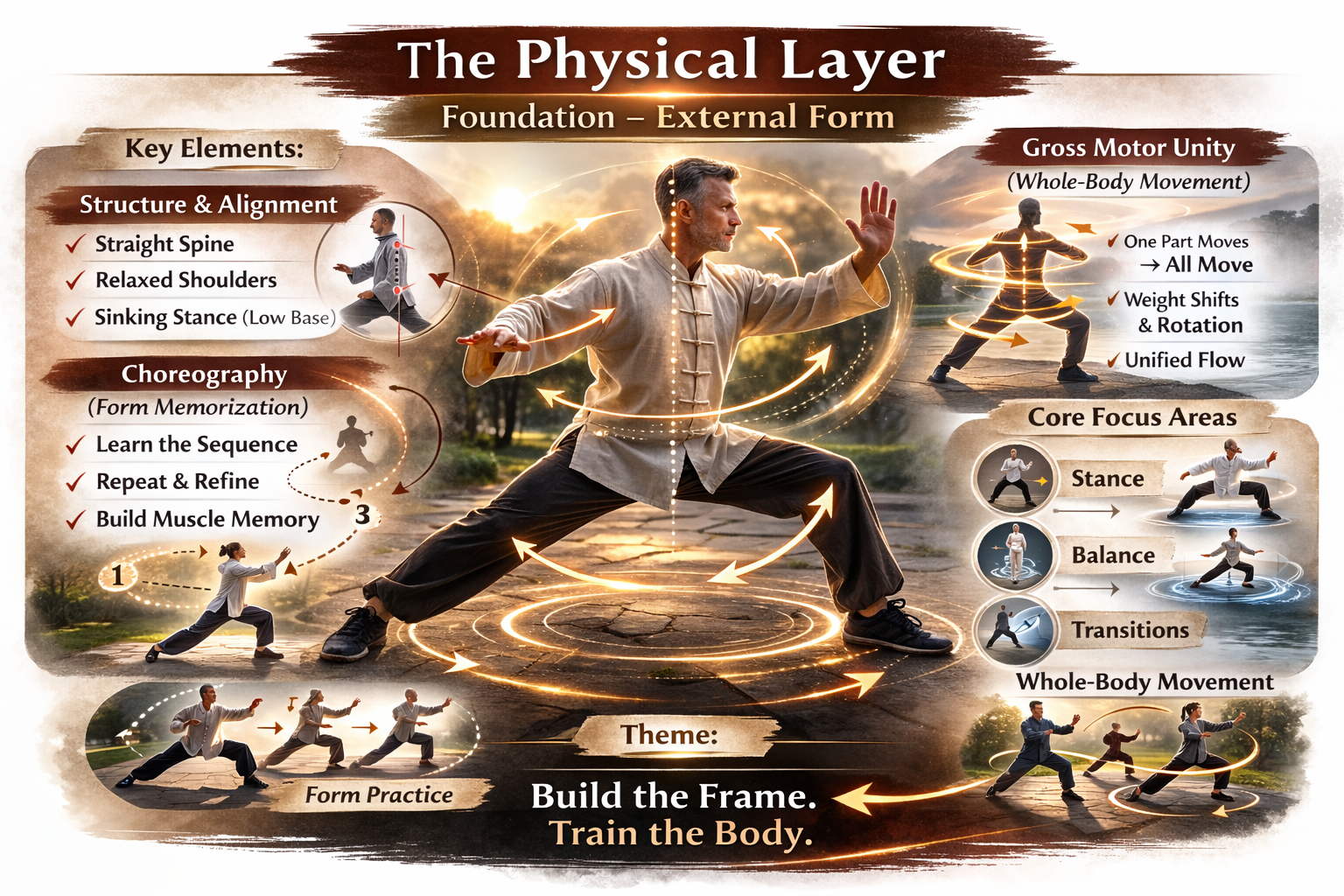
1. The Physical Layer – Foundation of External Form
Tai Chi begins with the body.
At this foundational stage, practice focuses on learning the “shape” of Tai Chi:
Structure and Alignment: Correct stance work, upright spine, relaxed shoulders and elbows, proper weight distribution, and rooted balance.
Choreography: Memorizing the form sequence until movements become smooth and consistent.
Gross Motor Unity: Training the body to move as a coordinated whole—when one part moves, the entire body moves.
At this level, movements may appear mechanical or segmented. However, the goal is not aesthetic perfection but structural integrity. Without a stable physical frame, higher refinement is impossible.
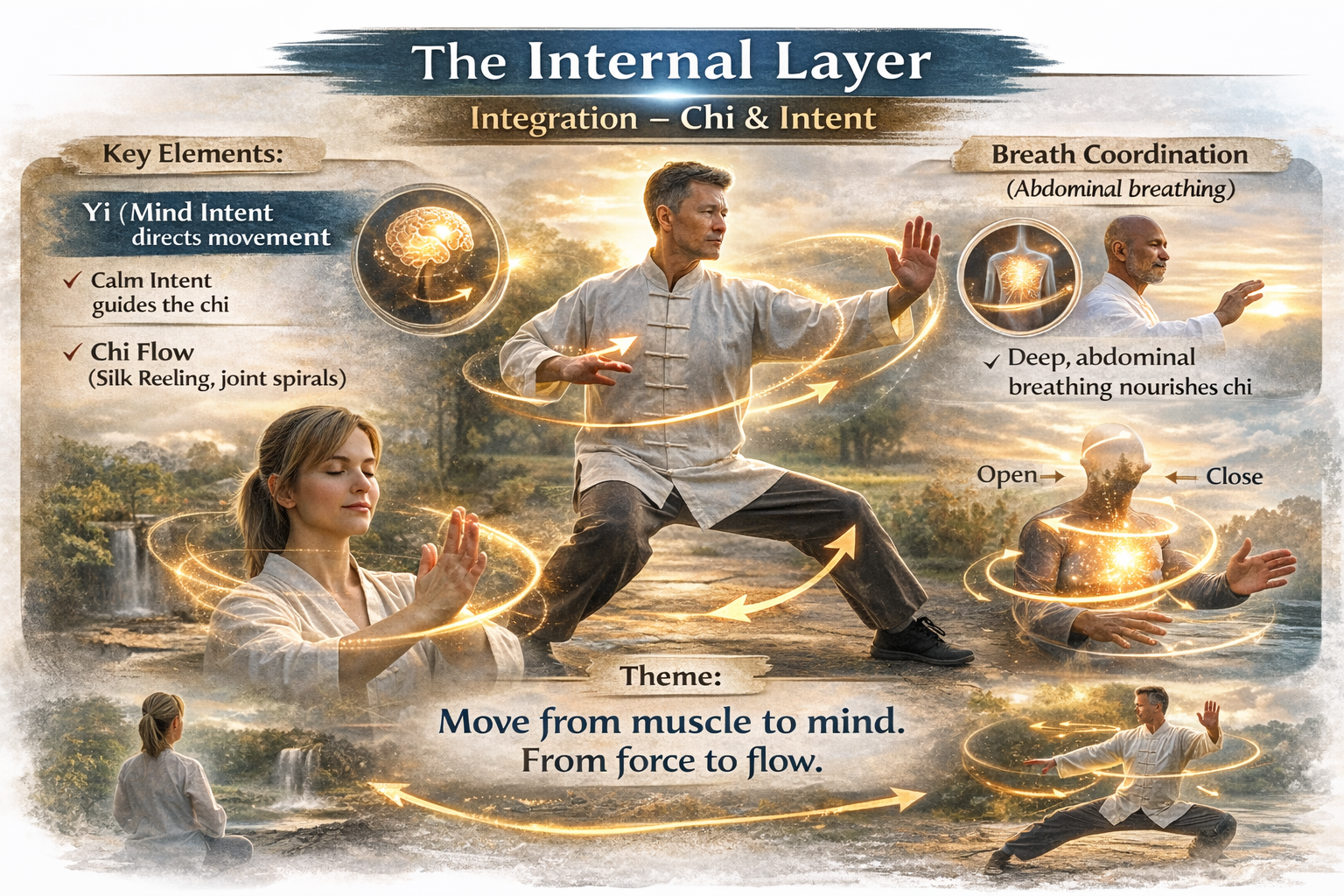
2. The Internal Layer – Integration of Mind and Energy
Once the external form becomes stable, attention shifts inward.
This stage emphasizes internal mechanics and the coordination of mind, breath, and movement:
Mind Intent (Yi): Movement is directed by calm awareness rather than muscular force. The mind leads.
Energy Flow (Chi): The practitioner begins to experience connectedness through the joints, often trained through spiraling or “silk-reeling” exercises.
Breath Coordination: Deep abdominal breathing synchronizes with the opening and closing of postures, nourishing the body and calming the nervous system.
Here, fluidity replaces stiffness. Internal and external begin harmonizing. Softness starts overcoming force—not as theory, but as embodied understanding.
3. The Martial and Spiritual Layer – Refinement and Effortless Action
At advanced stages, physical skill merges with mental stillness.
Martial Application: Understanding the hidden purpose behind each posture—deflection, redirection, neutralization, and issuing force. Sensitivity skills such as Ting Jin (“listening energy”) develop.
Meditation in Motion: Movement becomes natural and unforced. The practitioner experiences Wu Wei—effortless action.
Refinement of Circles: External movements progress from large circles to smaller and subtler expressions. Eventually, power becomes nearly invisible.
At this level, form dissolves into function. Internal changes are subtle yet profound. Yin and Yang are balanced not as philosophy, but as lived embodiment.
II. The Five Levels of Technical Development
Within this broader three-layer progression, many Chen lineage teachings describe a more detailed five-level refinement:
Form and Posture – Learning external alignment. Movements may feel angular or disconnected.
Chi Flow – Greater smoothness and continuity. Internal and external coordination begins.
Refining the Circle – Transition from large to medium circles. Yi clearly leads Chi.
Advanced Application – Small circles. Intrinsic power (Jing) becomes strong. Defense and attack unify.
From Form to Formless – Mastery. Internal transformation is invisible; balance of Yin and Yang is complete.
These five levels do not replace the three layers—they simply provide finer technical distinctions within them.
III. The Four Pillars of Daily Practice
While layers and levels describe progression, Tai Chi training itself rests on four interrelated practice categories:
Qigong – Breathing and energy cultivation exercises.
Form Practice – The structured movement sequence.
Pushing Hands – Partner drills that develop sensitivity and responsiveness.
Application – Martial interpretation of each posture.
Rather than stages, these are ongoing dimensions of practice. All four reinforce one another and support growth through the progressive layers.
Integration: From Structure to Spirit
Tai Chi mastery is not achieved by abandoning earlier stages but by integrating them.
The body provides structure. The mind provides direction. The spirit provides refinement.
The journey moves from:
External form
To internal coordination
To effortless unity
Large movements become small. Visible circles become subtle spirals. Force becomes softness. Effort becomes natural.
Ultimately, Tai Chi evolves from something one does into something one is.
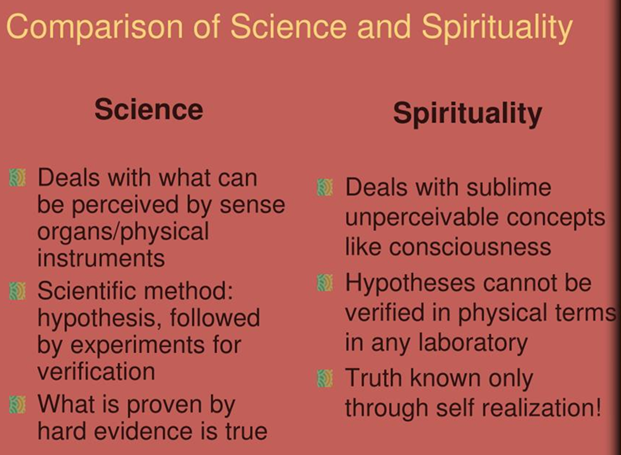
“A little knowledge of science makes you an atheist, but in-depth knowledge of science makes you a believer in God.” – Often attributed to Francis Bacon, founder of the scientific method
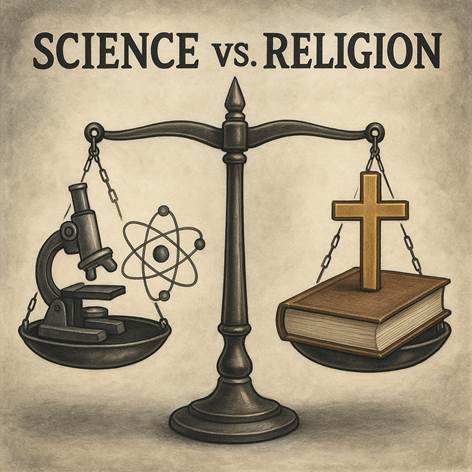
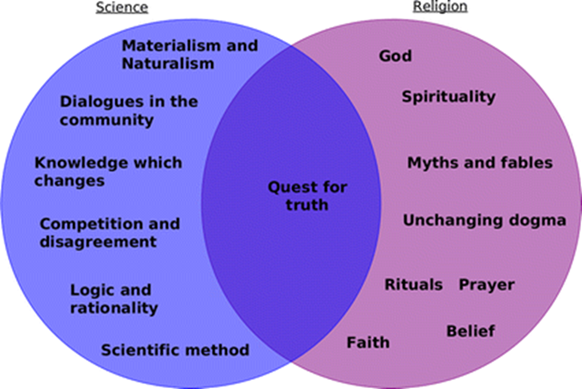
In today’s cultural landscape, science is often framed as being in conflict with religion or spirituality. Many young learners, upon their first encounter with scientific explanations of the universe, feel empowered by naturalistic theories that appear to replace the need for a divine creator. Yet, as some of history’s greatest minds have discovered, the deeper one delves into the mysteries of existence, the more the boundary between science and spirituality begins to blur.
This article explores how surface-level understanding of science can lead to atheism, while profound scientific inquiry often circles back to the awe, mystery, and reverence traditionally associated with belief in a higher order.
I. Shallow Science: When God Seems Unnecessary
When individuals first engage with scientific thought, they often encounter a worldview that appears fully self-contained:
Biology explains life through evolutionary theory, offering a compelling, godless account of biodiversity.
Neuroscience reduces human thought and behavior to chemical and electrical activity in the brain.
Physics and cosmology portray a universe arising from a quantum vacuum or Big Bang, operating without obvious purpose or design.
This can easily lead to scientific materialism, the belief that only physical matter and measurable phenomena exist. In such a view, God becomes redundant, as a vestige of earlier ignorance.
Indeed, many atheists point to science as their justification. As evolutionary biologist Richard Dawkins (2006) contends in The God Delusion, the universe we observe has “precisely the properties we should expect if there is, at bottom, no design, no purpose, no evil and no good, nothing but blind, pitiless indifference.”
But is this truly the endpoint of scientific discovery?
II. Deep Science: The Return of the Sacred
As scientific understanding matures, new questions emerge, with richer, stranger, and more metaphysically provocative than the answers that came before. This deeper engagement often reveals that the universe is far from a cold, mechanistic void. Instead, it is intricate, harmonious, and astonishing in ways that seem to defy chance or randomness.
1. The Fine-Tuning of the Universe
Modern physics has revealed that the fundamental constants of the universe, such as gravity, electromagnetism, and the strong nuclear force are finely tuned for life. A minuscule deviation in any of these constants would render the cosmos sterile and lifeless (Rees, 1999).
This raises profound questions: Why do these constants exist at all? Why are they so precisely calibrated?
While some propose the multiverse theory to explain this, others like theoretical physicist Paul Davies (2007) suggest that the universe “seems to be fine-tuned for consciousness,” implying the possibility of a purposeful or intelligent order.
2. The Enigma of Consciousness
Despite all our advances in neuroscience, no theory adequately explains how subjective experiences of thoughts, emotions, and inner life arise from the brain’s gray matter. This “hard problem of consciousness” has led some researchers to propose panpsychism or dual-aspect monism, theories that view consciousness as a fundamental feature of the universe, not an accidental byproduct (Chalmers, 1996).
Such views resonate with spiritual traditions that see consciousness, not matter, as primary. As Max Planck, founder of quantum theory, once said:
“I regard consciousness as fundamental. I regard matter as derivative from consciousness” (Planck, 2014).
3. Mathematics and the Mind of God
One of the most mysterious features of the cosmos is that it can be described so precisely by mathematics, an abstract language invented by the human mind. Why should physical reality conform to these equations?
Einstein called this “the incomprehensible comprehensibility of the universe.” For many, this suggests not randomness but order and rationality, akin to the classical idea of Logos, where a divine ordering principle present in Greek philosophy and Christian theology (John 1:1).
4. Quantum Mysteries and Nonlocality
Quantum mechanics defies classical logic:
Particles can exist in multiple states until observed (superposition).
Entangled particles influence each other instantaneously, even across vast distances (nonlocality).
These findings challenge our assumptions about space, time, causality and even the role of consciousness in shaping reality. While interpretations vary, the quantum world seems less like a machine and more like a mystery, echoing ancient insights from mystical traditions (Zohar & Marshall, 1994).
5. Science’s Own Limits
Science is a powerful tool, but it has limits. It can tell us how things happen, but not why they exist. It cannot fully answer:
Why there is something rather than nothing
Whether the universe has purpose or meaning
What grounds morality, love, or beauty
What happens after death
As John Polkinghorne (2005), a quantum physicist and theologian, notes:
“Science describes the processes of the world, but religion is required to make sense of its meaning.”
III. The Wisdom of Scientists and Seekers
Many prominent scientists have acknowledged the spiritual implications of their work:
Albert Einstein: “The more I study science, the more I believe in God” (quoted in Clark, 1971).
Werner Heisenberg: “The first gulp from the glass of natural science will turn you into an atheist, but at the bottom of the glass, God is waiting” (Heisenberg, 1974).
Carl Jung, though a psychologist, echoed similar themes in his work on archetypes and the collective unconscious, seeing spiritual insight as part of the individuation process (Jung, 1968).
IV. A Holistic View: Integration Over Division
From a holistic health and wellness perspective, the journey from materialism to meaning mirrors our own inner evolution:
At first, we crave certainty, reductionism, and linear logic.
Later, through deeper study and lived experience, we learn to embrace mystery, paradox, and awe.
Wellness, too, is not just physical; it involves spiritual alignment, emotional integration, and conscious living.
In this sense, the journey through science becomes a path to spiritual maturity. True wholeness is not rejecting science in favor of God or vice versa but realizing that the two may be part of a unified truth.
Conclusion: From Knowing to Wondering
Superficial knowledge may cast aside the sacred. But deep understanding restores it, not as dogma, but as mystery. Not as fear-based belief, but as reverence, humility, and awe at a universe far more intricate and interconnected than materialism allows.
“When the eye of science truly opens wide, it sees not just the gears of the universe but its soul.”
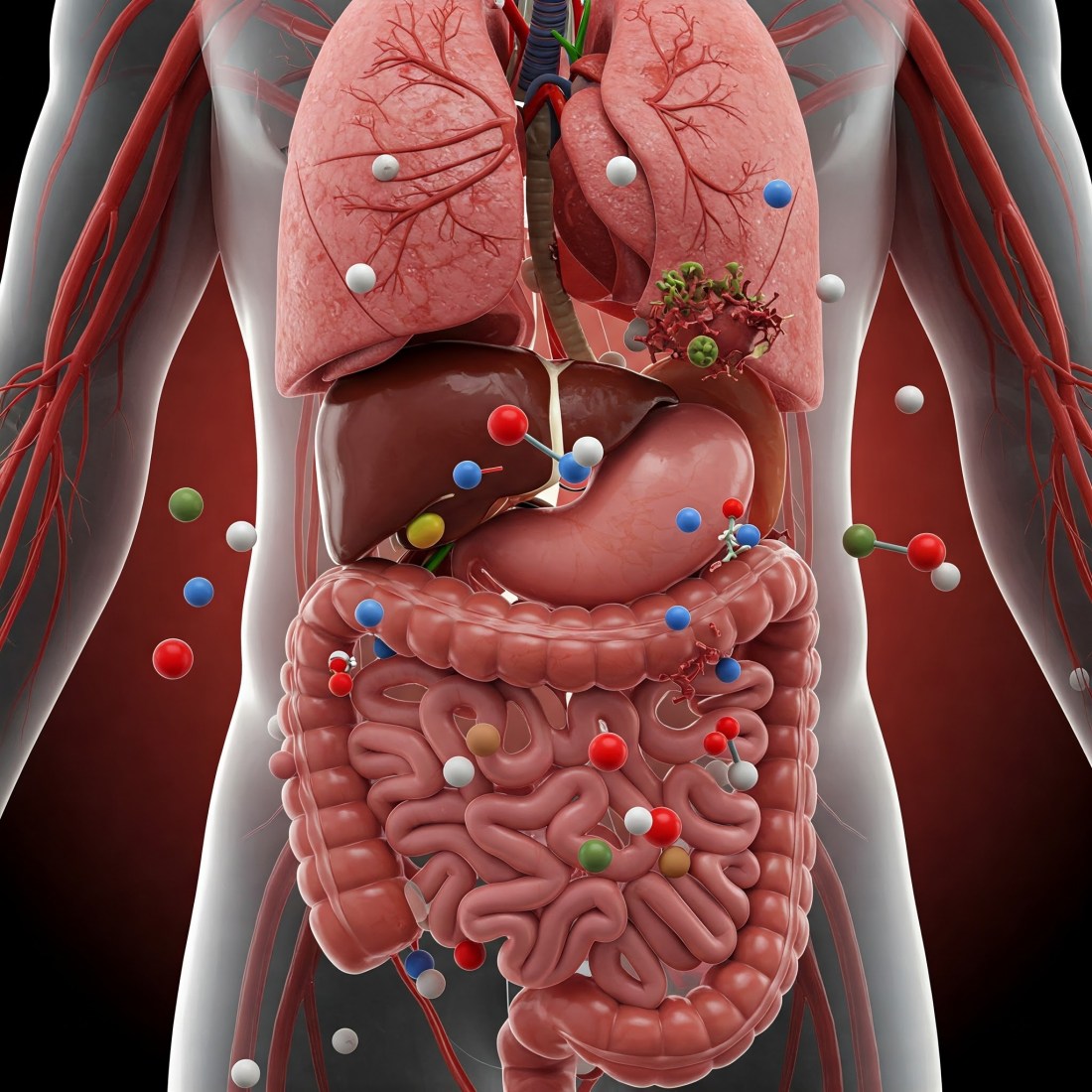
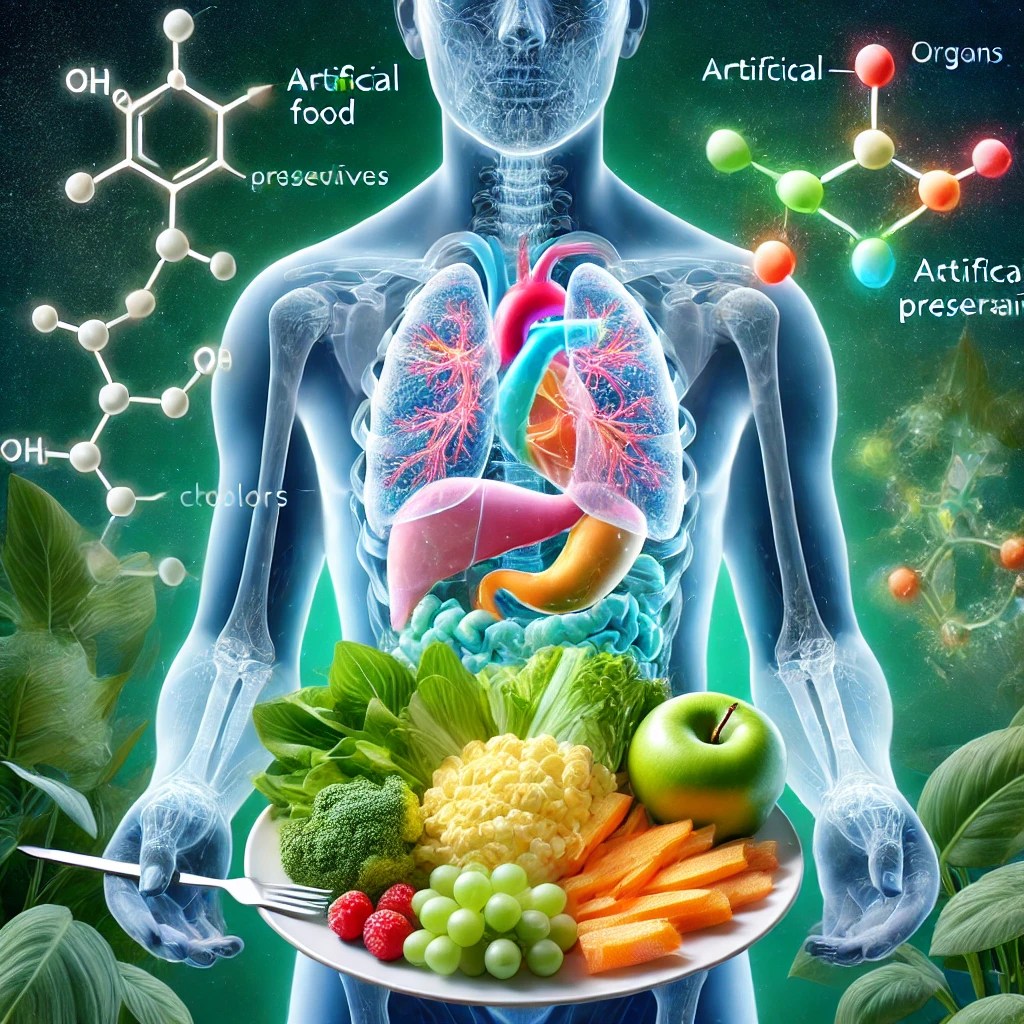
The potential for preservatives and other food additives to have long-term effects on human health has indeed been a subject of research and debate. While the preservatives used in food are generally approved by regulatory agencies and deemed safe within established limits, or “generally recognized as safe” (GRAS), there is concern about how these substances might interact with the human body, particularly with prolonged exposure or high consumption levels.
Many preservatives target microbial cells rather than human cells, and they often break down or are excreted from the body. However, some studies suggest certain preservatives might contribute to adverse health effects, such as inflammation, gut microbiome disruption, or oxidative stress (Zhou et al., 2023).
Some examples:
Sodium benzoate is widely used in acidic foods like sodas and fruit juices. Research has shown that under certain conditions, it can convert to benzene, a known carcinogen, especially when combined with ascorbic acid (vitamin C) (McNeal et al., 1993). The risk is generally low, but it raises concerns about high levels of consumption.
Nitrates and nitrites, commonly found in processed meats, can convert into nitrosamines in the stomach, compounds associated with an increased risk of cancers such as colorectal cancer (Song et al., 2015).
BHT and BHA are synthetic antioxidants used in fats and oils to prevent rancidity. There is some evidence that they may act as endocrine disruptors and impact cellular processes, although results are mixed (Pop et al., 2013).
The body’s detoxification systems, primarily the liver and kidneys, are generally effective at processing and eliminating many of these compounds. However, researchers argue that cumulative effects from chronic exposure to multiple food additives, combined with other dietary and lifestyle factors, could potentially pose health risks over time (Witkowska et al., 2021). We have known for many decades that a balanced diet with minimally processed foods can help to reduce exposure to these additives, though experts always state that more research is needed to understand their long-term impacts fully. The FDA finally banned red dye in the U.S. for use in cosmetics back in 1990 but not in foods until just January of 2025 (Davis, 2025).
_____
References
Zhou, X., Qiao, K., Wu, H., & Zhang, Y. (2023). The Impact of Food Additives on the Abundance and Composition of Gut Microbiota. Molecules (Basel, Switzerland), 28(2), 631. https://doi.org/10.3390/molecules28020631
McNeal, T. P., Nyman, P. J., Benson, J. M., & Diachenko, G. W. (1993). Survey of benzene in foods by using headspace concentration techniques and capillary gas chromatography. Journal of AOAC International, 76(6), 1213-1219.
Song, P., Wu, L., & Guan, W. (2015). Dietary Nitrates, Nitrites, and Nitrosamines Intake and the Risk of Gastric Cancer: A Meta-Analysis. Nutrients, 7(12), 9872–9895. https://doi.org/10.3390/nu7125505
Pop, A., Kiss, B., & Loghin, F. (2013). Endocrine disrupting effects of butylated hydroxyanisole (BHA – E320). Clujul medical (1957), 86(1), 16–20.
Witkowska, D., Słowik, J., & Chilicka, K. (2021). Heavy Metals and Human Health: Possible Exposure Pathways and the Competition for Protein Binding Sites. Molecules (Basel, Switzerland), 26(19), 6060. https://doi.org/10.3390/molecules26196060
I teach and offer lectures about holistic health, physical fitness, stress management, human behavior, meditation, phytotherapy (herbs), music for healing, self-massage (acupressure), Daoyin (yoga), qigong, tai chi, and baguazhang.
Please contact me if you, your business, organization, or group, might be interested in hosting me to speak on a wide spectrum of topics relative to better health, fitness, and well-being.
I look forward to further sharing more of my message by partnering with hospitals, wellness centers, VA centers, schools on all levels, businesses, and individuals who see the value in building a stronger nation through building a healthier population.
I also have hundreds of FREE education video classes, lectures, and seminars available on my YouTube channel at:
The human body’s ability to experience and regulate both pain and pleasure is central to its survival, adaptation, and overall well-being. These sensations are not isolated phenomena but are deeply rooted in complex neural, chemical, and hormonal systems that influence behavior, emotion, and physiological balance. This article explores the intricate physiological mechanisms involved in pain and pleasure, as well as how they interact with the body’s homeostatic processes to maintain equilibrium and guide adaptive responses to both internal and external stimuli.
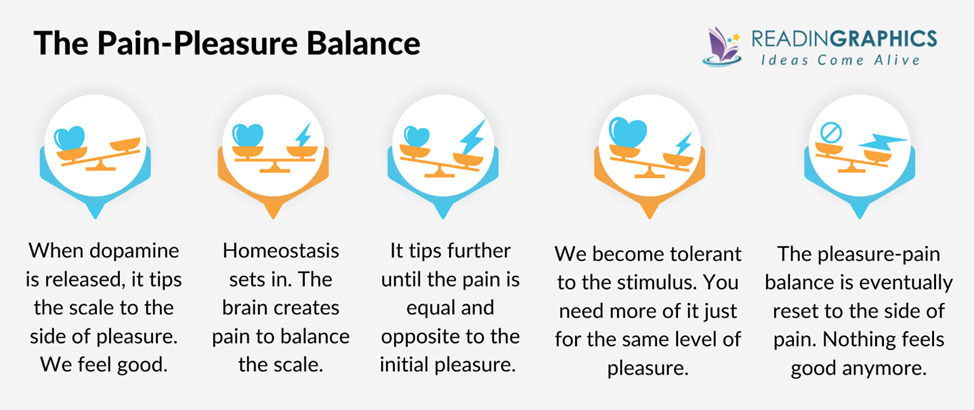
Dopaminergic signaling adapts: excess pleasure (e.g., from addictive substances) can reduce sensitivity, requiring more stimulus for the same effect (tolerance) (Leknes & Tracey, 2008).
From a holistic health perspective, balance between pain and pleasure is key to maintaining dynamic equilibrium:
Pain is a protective signal—meant to initiate change or healing.
Pleasure signals safety and reward—encouraging repeat behavior.
Both influence behavior, decision-making, immune function, and neuroplasticity (McEwen, 2007; Fields, 2004).
Regular practices like:
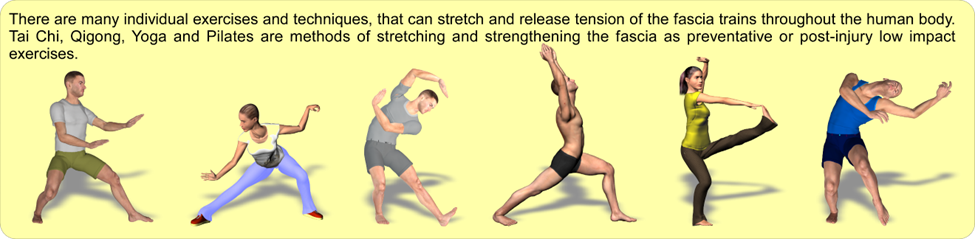
Tai Chi, Qigong, exercise, cold exposure, mindful eating, and social connection help regulate this system and enhance adaptive resilience (Ulrich-Lai & Herman, 2009).
The physiological mechanisms governing pain and pleasure are not only crucial for signaling threat or reward but also act as integral regulators of the body’s internal environment. These systems work synergistically with the hypothalamus, autonomic nervous system, and endocrine pathways to maintain homeostasis, reinforce survival behaviors, and foster adaptation. Understanding these interconnected networks opens the door to more effective holistic health interventions, such as movement, mindfulness, and social engagement, that support the body’s natural capacity to manage stress, enhance pleasure, and restore balance.
References:
Fields, H. L. (2004). State-dependent opioid control of pain. Nature Reviews Neuroscience, 5(7), 565–575. https://doi.org/10.1038/nrn1431
Leknes, S., & Tracey, I. (2008). A common neurobiology for pain and pleasure. Nature Reviews Neuroscience, 9(4), 314–320. https://doi.org/10.1038/nrn2333
Ulrich-Lai, Y. M., & Herman, J. P. (2009). Neural regulation of endocrine and autonomic stress responses. Nature Reviews Neuroscience, 10(6), 397–409. https://doi.org/10.1038/nrn2647
Zubieta, J. K., et al. (2005). Placebo effects mediated by endogenous opioid activity on μ-opioid receptors. Journal of Neuroscience, 25(34), 7754–7762. https://doi.org/10.1523/JNEUROSCI.0439-05.2005
Throughout history, some products initially approved by regulatory agencies such as the U.S. Food and Drug Administration (FDA) and the Environmental Protection Agency (EPA) have later been found to pose risks to human health and the environment. While human error is sometimes unavoidable, minimizing it is crucial for public safety and welfare. From pharmaceuticals to household products, these instances underscore the importance of thorough testing and evaluation. This article examines notable cases such as thalidomide, DDT, and OxyContin, and discusses strategies to prevent similar issues in the future.
Thalidomide: The Drug That Never Reached the U.S. (Officially)
Thalidomide was introduced in the 1950s by the German company Chemie Grünenthal as a sedative and treatment for morning sickness in pregnant women. It was marketed in Europe, Canada, and other countries as a completely safe medication. However, by the late 1950s, a significant number of children were born with severe congenital disabilities, including missing or deformed limbs, organ damage, and other critical conditions (Kim & Scialli, 2011).
(File:NCP14053.jpg – Wikimedia Commons, n.d.)
Why Wasn’t Thalidomide Approved in the U.S.?
The pharmaceutical company submitted the drug for FDA approval, but Dr. Frances Kelsey, a physician and pharmacologist at the FDA, halted its approval. She requested additional safety data due to suspected potential hazards. As a result of her diligence, the United States avoided a significant public health disaster (Daemmrich, 2004).
Although not approved, certain U.S. doctors were able to access the drug through experimental trials. Approximately 17 children in the United States were born with birth defects associated with thalidomide (Kim & Scialli, 2011). While this figure is relatively small compared to the over 10,000 cases worldwide, it underscores the risks involved with unregulated drug distribution. Thalidomide resulted in significant modifications to drug approval processes globally, including enhanced testing for fetal safety and stricter FDA guidelines that continue today (Daemmrich, 2004).
DDT: The Miracle Pesticide Turned Environmental Nightmare
DDT (Dichlorodiphenyltrichloroethane) was introduced in the 1940s as a pesticide to address malaria and typhus. It was widely used by the U.S. military during World War II and subsequently gained popularity in agriculture and public health programs (Eskenazi et al., 2009).
By the 1960s, concerns about the environmental and health impacts of DDT became more prominent. Rachel Carson’s seminal book, Silent Spring (1962), documented the bioaccumulation of DDT in wildlife, which resulted in the thinning of bird eggshells and contributed to the near-extinction of bald eagles. Additionally, Carson highlighted the potential carcinogenic effects of DDT on humans (Carson, 1962).
DDT was prohibited in the United States in 1972; however, it continues to be utilized in certain regions globally for malaria control (Eskenazi et al., 2009).
OxyContin & the Opioid Epidemic: A Tragic Case of Corporate Deception
In 1996, Purdue Pharma launched OxyContin, promoting it as a non-addictive pain medication. The Food and Drug Administration (FDA) approved the drug based on Purdue’s assertions that its time-release formulation would mitigate the potential for abuse (Van Zee, 2009).
OxyContin has been associated with high addiction rates, and its widespread prescription contributed to a national opioid crisis. Purdue Pharma and other manufacturers later faced lawsuits, with evidence suggesting that they did not fully disclose the drug’s risks to doctors and regulators (Van Zee, 2009).
The opioid crisis has led to over 500,000 overdose deaths in the United States since the late 1990s (Uncovering the Opioid Epidemic, n.d.). Although current opioid regulations are significantly stricter, the consequences of the crisis persist.
Vioxx: The Painkiller That Led to Heart Attacks
Vioxx (Rofecoxib), a medication for arthritis, was released in 1999 and marketed as an alternative to older anti-inflammatory drugs. Subsequent studies indicated that Vioxx was associated with an increased risk of heart attacks and strokes (Graham et al., 2005).
(Rockoff, 2009)
By the time Vioxx was withdrawn from the market, it is estimated that 20 million Americans had taken the drug. Research later published in the medical journal Lancet estimates that 88,000 Americans experienced heart attacks due to taking Vioxx, with 38,000 fatalities (Prakash, 2007). This case underscored the inadequacy of drug companies in disclosing safety risks and led to the implementation of more stringent post-market drug surveillance policies.
Other Notable Cases of “Safe” Products That Became Harmful
🔹 Tobacco: Once promoted as doctor-approved, later linked to lung cancer and heart disease (Centers for Disease Control and Prevention (US), 2014)
🔹 Lead Paint & Leaded Gasoline: Used for decades despite known toxicity, leading to widespread neurological damage in children (Needleman, 2004).
🔹 Asbestos: Used in construction for insulation but later found to cause mesothelioma and lung disease (Bolan et al., 2023)
🔹 Baby Powder (Talc): Contaminated with asbestos, leading to lawsuits over ovarian cancer risks (Cramer et al., 2015)
🔹 Frontal Lobotomies: Once considered a treatment for mental illness, but resulted in severe cognitive impairment and even death (Faria, 2013)
🔹 Agent Orange: A herbicide used during the Vietnam War, later linked to cancer and birth defects (Stellman & Stellman, 2018)
🔹 PFAS (“Forever Chemicals”): Found in water supplies and linked to cancer, infertility, and immune disorders (Ayodele & Obeng-Gyasi, 2024)
Lessons Learned & How to Protect Ourselves Today
Question Corporate Claims: Research beyond marketing as companies may prioritize profits over safety.
Demand Rigorous Testing: Ensure drugs and chemicals undergo long-term studies before use.
Advocate for Transparency: Pressure is crucial to release hidden data on harmful products.
Support Independent Research: Prioritize independent, peer-reviewed research over industry-funded studies.
Stay Informed: Be vigilant about new risks like microplastics in food and AI-driven medical decisions.
References
Ayodele, A., & Obeng-Gyasi, E. (2024). Exploring the Potential Link between PFAS Exposure and Endometrial Cancer: A Review of Environmental and Sociodemographic Factors. Cancers, 16(5), 983. https://doi.org/10.3390/cancers16050983
Bolan, S., Kempton, L., McCarthy, T., Wijesekara, H., Piyathilake, U., Jasemizad, T., Padhye, L. P., Zhang, T., Rinklebe, J., Wang, H., Kirkham, M., Siddique, K. H., & Bolan, N. (2023). Sustainable management of hazardous asbestos-containing materials: Containment, stabilization and inertization. The Science of the Total Environment, 881, 163456. https://doi.org/10.1016/j.scitotenv.2023.163456
Carson, R. (1962). Silent spring. Houghton Mifflin.
Cramer, D. W., Vitonis, A. F., Terry, K. L., Welch, W. R., & Titus, L. J. (2015). The association between Talc use and ovarian cancer. Epidemiology, 27(3), 334–346. https://doi.org/10.1097/ede.0000000000000434
Daemmrich, A. (2004). Pharmacopolitics: Drug regulation in the United States and Germany. UNC Press Books.
Eskenazi, B., Chevrier, J., Rosas, L. G., Anderson, H. A., Bornman, R., Bouwman, H., … & Warner, M. (2009). The Pine River statement: Human health consequences of DDT use. Environmental Health Perspectives, 117(9), 1359-1367.
Faria, M. (2013). Violence, mental illness, and the brain – A brief history of psychosurgery: Part 1 – From trephination to lobotomy. Surgical Neurology International, 4(1), 49. https://doi.org/10.4103/2152-7806.110146
Graham, D. J., Campen, D., Hui, R., Spence, M., Cheetham, C., Levy, G., Shoor, S., & Ray, W. A. (2005). Risk of acute myocardial infarction and sudden cardiac death in patients treated with cyclo-oxygenase 2 selective and non-selective non-steroidal anti-inflammatory drugs: nested case-control study. The Lancet, 365(9458), 475–481. https://doi.org/10.1016/s0140-6736(05)17864-7
Kim, J. H., & Scialli, A. R. (2011). Thalidomide: The tragedy of birth defects and the effective treatment of disease. Toxicological Sciences, 122(1), 1-6.
Stellman, J. M., & Stellman, S. D. (2018). Agent Orange during the Vietnam War: the lingering issue of its civilian and military health impact. American Journal of Public Health, 108(6), 726–728. https://doi.org/10.2105/ajph.2018.304426
Van Zee, A. (2009). The promotion and marketing of OxyContin: Commercial triumph, public health tragedy. American Journal of Public Health, 99(2), 221-227. https://doi.org/10.2105/AJPH.2007.131714
I look forward to further sharing more of my message by partnering with hospitals, wellness centers, VA centers, schools on all levels, businesses, and individuals who see the value in building a stronger nation through building a healthier population.
I also have hundreds of FREE education video classes, lectures, and seminars available on my YouTube channel at:














 United Martial Arts Association
