Three Treasures plus Emptiness

In Taoist cultivation theory, the “Three Treasures” (sān bǎo) of jīng, qì and shén describe successive refinements of being: from bodily substance to energy to spirit. Alongside and underpinning this transformative process is the principle of , often translated “emptiness”, “void”, or “hollow openness”. Xū is not mere nothingness, but a dynamic receptive ground that allows emergence, transformation, and return. This essay explicates the meaning of xū, its relation to the Three Treasures, and how classical Taoist texts articulate this interplay.

The Three Treasures: Jīng, Qì and Shén

The Three Treasures are central in Taoist internal alchemy (nèi dān) as the raw materials and vehicles of transformation.

TreasureChineseKey meaningRole in cultivation
Essence精 (jīng)The dense, material‐vital substance (including inherited vitality, reproductive substance) (Bartek, 2024)Reserved, refined and conserved; the “root” of life and alchemical process.
Vital energy / breath氣 ()The dynamic life‐force, movement, breath, transformation of substance into energy (Bartek, 2024)Circulates, refines essence into spirit; bridges body and spirit.
Spirit / consciousness神 (shén)The refined, luminous aspect of awareness, spirit, mind, divine seed (Pregadio, 2009)The outcome of refinement; the luminous presence and the vehicle of transcendence.

In internal‐alchemy texts such as the Wuzhen Pian attributed to Zhang Boduan, the Three Treasures are explicitly cited as the ingredients of the internal elixir:

Thus, the alchemist’s work is to refine jīng → qì → shén and finally to integrate with the Way (道).

Definition and nuance

The Chinese character 虛 () conveys “emptiness”, “voidness”, “hollowness”, “open space”, “vacancy”, but importantly also “receptivity”, “openness”, “ungrasped potential”. In Taoist texts, xū is often the invisible space or still ground that allows form, movement, being, and return.

For example, in the classic Tao Te Ching by Laozi, Chapter 11 states:

And Chapter 16:

Thus xū is both origin and destination. It is the silent ground from which being arises and to which it returns.

Xū in internal alchemy

In internal alchemy (nèi dān), xū becomes the “vessel” or “cauldron” within the practitioner, as an inner space, body‐mind field of openness, into which essence, energy and spirit are guided. According to scholarship:

Hence, xū is the operative “space” in which the refinement jīng → qì → shén occurs, and into which shén finally dissolves.

Relationship of Xū to the Three Treasures

Here is how xū operates at each stage of the alchemical process:

Transformation stageRole of XūImplication for cultivation
jīng → qìThe practitioner first quiets distractions, reserves essence, cultivates stillness—creating an inner emptiness (xū) so that jīng does not scatter.Cultivating “emptied receptivity”: less sensory input, fewer desires, conserving jīng.
qì → shénEnergy (qì) flows within the “empty vessel” (xū), unimpeded by conceptual/motional turbulence; this allows qì to transform into shén.Cultivation shifts to subtle awareness, opening to spirit, refining vital energy in the void.
shén → Return to XūAt completion, the refined shén merges into emptiness (xū), dissolving the individual self into universal ground (道). The Three Treasures originate from xū and return to xū.The goal: abiding in xū as “Spirit and Emptiness united as one”.

In other words:

xū is neither an added “fourth treasure” nor merely an absence, but the field of transformation and integration of the Three Treasures. Without xū: jīng stagnates, qì scatters, shén remains bound. With xū: alchemy is possible, transformation flows, transcendence becomes attainable.

Classical Source Quotations

Here are selected quotations with Chinese original and annotated translation:

  1. From Tao Te Ching, Ch. 11
    • “Thirty spokes join at one hub; yet it is the emptiness therein that gives the wheel its use. Kneading clay to form a vessel; yet it is the emptiness therein that makes the vessel useful…” (Dao De Jing [Tao Te Ching], by Lao Zi [Lao Tzu] in Side-by-Side Translation: Chapter 11, n.d.)
  1. From Tao Te Ching, Ch. 16
    • “Attain complete emptiness; hold fast to stillness. The myriad beings all arise – I watch their return. The myriad things flourish and each returns to its root. Returning to the root is called stillness. Stillness is called returning to destiny. Returning to destiny is called the Constant. Knowing the Constant is called clarity…” (Garofalo, n.d.)
  2. From Wuzhen Pian
    • Though specific lines are metaphorical and sparse, one commentary notes: “The body contains the essential components. These Three Treasures are jīng, qì and shén.”  (Wikipedia contributors, 2025)
    • And that this text visualizes the human body as a cauldron refining the Three Treasures. (Wuzhen Pian 悟真篇 Also Known as “Essay on the [Immediate] Awakening to Truth”, “Chapters on Awakening to Perfection” – UBC Library Open Collections, n.d.)
  3. Scholarly exegesis: “The first stage involves replenishing essence, breath and spirit … and the final is returning to emptiness.” (Golden Elixir Press, n.d.)
  4. Interpretation of the Three Treasures in Chinese culture: “The ancient Daoists believed that man exists inseparably between heaven and earth and that there is a mutual relationship between these three (heaven, earth, man) …” in relation to jīng, qì, shén. (Bartek, 2024)

Summary

  • The Three Treasures (jīng, qì, shén) chart an inner alchemical journey: the body’s essence → refined energy → luminous spirit.
  • Xū (emptiness) is not a fourth treasure but the primordial field within which the alchemical transformation occurs and to which it ultimately returns.
  • Cultivation involves first creating receptivity and emptiness (xū) to conserve essence, then refining energy in the vessel of emptiness, and finally abiding in emptiness as spirit dissolves into the Way.
  • The classical Taoist tradition (via Laozi’s Tao Te Ching and texts like Wuzhen Pian) illustrates this with metaphors of wheel hubs, vessels, cauldrons, and return to root.
  • Practically, meditation and Qigong aim to “clear the vessel”, “quiet the hub”, “walk the empty path” so that the Three Treasures can operate in harmony.

References:

Bartek. (2024, June 28). Jing, Qi, Shen – Die drei Schätze. Path of Dao. https://path-of-dao-qigong.ch/en/jing-qi-shen/

Dao De Jing [Tao Te ching], by Lao Zi [Lao Tzu] in Side-by-Side Translation: Chapter 11. (n.d.). YellowBridge. https://www.yellowbridge.com/onlinelit/daodejing11.php?utm_source=chatgpt.com

Garofalo, M. P. (n.d.). Dao de Jing, Laozi, Chapter 16. https://mpgtaijiquan.blogspot.com/2015/05/dao-de-jing-laozi-chapter-16.html?utm_source=chatgpt.com

Golden Elixir Press. (n.d.). Foundations of Internal Alchemy — A slideshow. Scribd. https://www.scribd.com/document/99535352/Foundations-of-Internal-Alchemy-A-Slideshow?utm_source=chatgpt.com

Pregadio, F. (2009). Awakening to Reality: The “Regulated Verses” of the Wuzhen pian, a Taoist Classic of Internal Alchemy. In Golden Elixir Press. https://www.goldenelixir.com/files/Introduction_to_Awakening_to_Reality.pdf?utm_source=chatgpt.com

The Project Gutenberg eBook of Dao de Jing, by Lao Zi. (n.d.). https://www.gutenberg.org/files/49965/49965-h/49965-h.htm?utm_source=chatgpt.com

Tao Te Ching by Lao Tzu – Verse 11 – Three translations. (2021, November 30). Vishy’s Blog. https://vishytheknight.wordpress.com/2021/11/30/tao-te-ching-by-lao-tzu-verse-11-three-translations/?utm_source=chatgpt.com

Wikipedia contributors. (2025, October 1). Wuzhen pian. Wikipedia. https://en.wikipedia.org/wiki/Wuzhen_pian?utm_source=chatgpt.com

Wuzhen pian 悟真篇 also known as “Essay on the [Immediate] Awakening to Truth”, “Chapters on Awakening to Perfection” – UBC Library Open Collections. (n.d.). https://open.library.ubc.ca/cIRcle/collections/ubccommunityandpartnerspublicati/52387/items/1.0416054?utm_source=chatgpt.com

How Humans Synchronize Physiology and Emotion in Shared Spaces

Entrainment, Emotional Contagion, and Co-Regulation

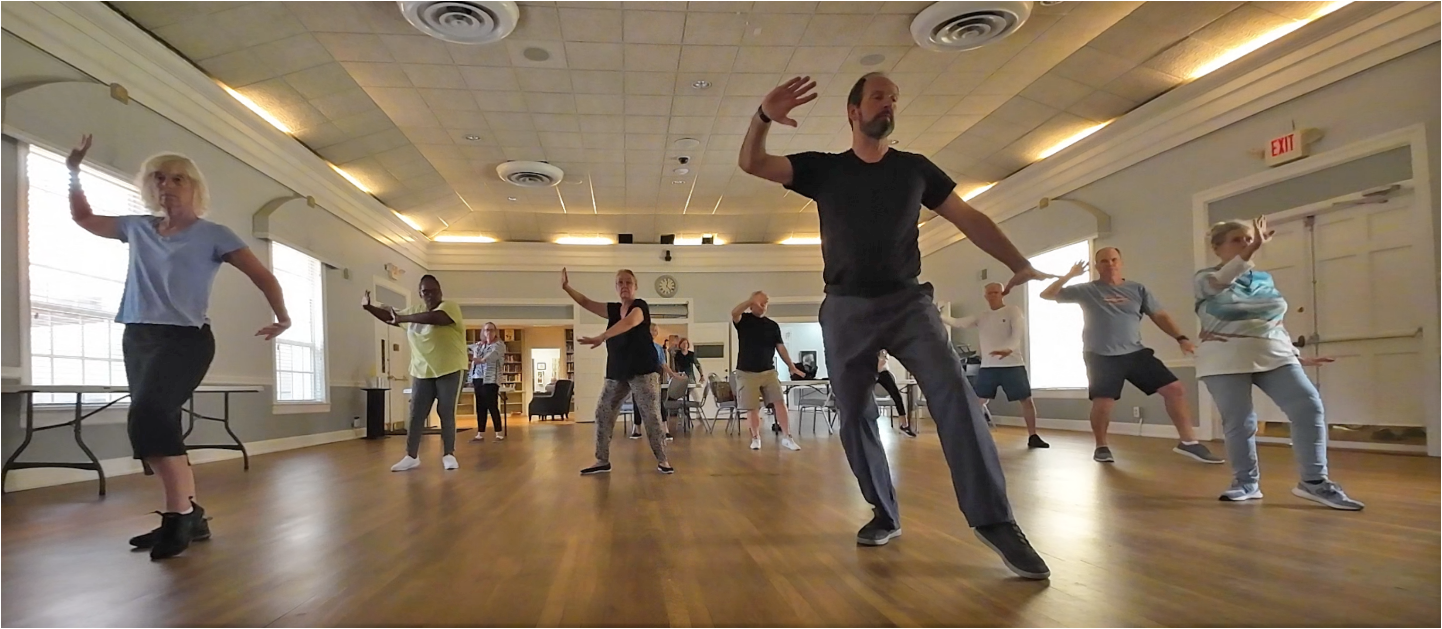
Human beings are inherently social organisms whose internal states are shaped by the people and environments around them. Modern affective neuroscience, psychology, and physiology increasingly show that when individuals share a space, their emotional expressions, nervous system activity, behavioral rhythms, and even biological oscillations begin to align. This subtle but powerful process has been described through three interconnected mechanisms: entrainment, emotional contagion, and co-regulation. Together, these processes help explain why the emotional “tone” of a room shifts when a certain person enters, how stress can spread through groups, and why calm individuals can stabilize others.

1. Entrainment: Synchronizing Rhythms and Biological Oscillations

Entrainment refers to the process by which two or more independent rhythmic systems become synchronized through interaction. Originally a physics term (Huygens’ discovery that pendulum clocks synchronize when placed near each other), entrainment is now recognized as a central phenomenon in human physiology and social behavior.

1.1 Physiological Entrainment

Human biological systems such as heart rate, breathing, neural oscillations, and circadian rhythms, are sensitive to the rhythms of others. When people interact, especially face-to-face, their internal states often fall into alignment. This synchronization can occur through respiration, posture, vocal patterns, or subtle movement cues.

Research shows that:

  • Breathing rhythms spontaneously synchronize during shared tasks, cooperative work, or group chanting and singing (Vickhoff et al., 2013).
  • Heart rate variability (HRV) and autonomic activity entrain between individuals during emotionally meaningful or coordinated interactions (Palumbo et al., 2017).
  • Brainwave patterns can synchronize between people who are making eye contact, cooperating, or experiencing shared emotions (Dumas et al., 2010).

This form of entrainment provides a nonverbal channel of communication that shapes how individuals relate and how groups function.

1.2 Social and Behavioral Entrainment

Humans also entrain on behavioral levels. Vocal tone, speech pace, posture, and gestures subtly influence and mirror each other in dyadic interactions. This is often unconscious and facilitates social bonding.

Bernieri and Rosenthal (1991) found that the degree of interpersonal coordination, sometimes called “interactional synchrony,” is strongly associated with perceptions of empathy, rapport, and cooperation.

2. Emotional Contagion: The Spread of Affect Through Social Networks

While entrainment focuses on rhythmic alignment, emotional contagion describes the spread of emotional states from one person to another. It occurs rapidly, automatically, and often outside conscious awareness.

Emotional contagion works through two primary mechanisms:

2.1 Mimicry and Feedback Loops

Humans instinctively mimic facial expressions, vocal patterns, and body language. This mimicry activates mirror-neuron and limbic circuits that generate similar feelings in the observer. Hatfield, Cacioppo, and Rapson (1994) demonstrated that people unconsciously imitate emotional expressions within milliseconds, leading their own physiological state to shift toward the emotion they are observing.

This means:

  • An anxious person can elevate others’ heart rates and muscle tension.
  • A relaxed or smiling person can reduce group stress levels.
  • A hostile or negative presence may shift the emotional climate of an entire room.

2.2 Group-Level Emotional Transmission

Emotional contagion also spreads through groups. Barsade (2002) showed that a single individual’s positive or negative mood significantly influences group cooperation, conflict, decision-making, and performance. This group-level emotional transmission occurs even when people believe they are not being influenced.

In organizational settings, research shows that leaders’ emotional expressions strongly predict team emotions, stress levels, and motivation (Sy, Côté, & Saavedra, 2005). This explains why “energy vampires” (chronically negative individuals) can drain a room, while “positive energizers” can elevate it.

3. Co-Regulation: Interpersonal Stabilization of the Nervous System

Co-regulation is a concept rooted in attachment theory and polyvagal theory. It refers to the process by which two people regulate each other’s emotional and physiological states through relational cues such as tone of voice, eye contact, posture, and presence.

3.1 The Polyvagal Basis of Co-Regulation

Stephen Porges’ polyvagal theory emphasizes that the human autonomic nervous system evolved to require social safety signals for stable functioning. According to Porges (2011), the vagus nerve and the social engagement system continuously scan the environment for threat or safety. The presence of a calm, attuned individual can activate safety pathways, lowering sympathetic arousal.

Co-regulation occurs when:

  • A calm person helps another down-regulate stress.
  • A dysregulated individual triggers sympathetic activation in others.
  • A pair or group maintains collective stability through mutual attunement.

Parents and infants co-regulate naturally, but adults also rely on interpersonal cues to stabilize their internal states.

3.2 Co-Regulation in Adult Relationships and Groups

Siegel (2012) describes co-regulation as a cornerstone of interpersonal neurobiology: humans maintain their emotional equilibrium largely through connection with others. In group settings, such as workplaces, classrooms, or family systems, members’ nervous systems are constantly responding to each other’s cues.

Co-regulation is especially strong under conditions of:

  • Shared attention
  • Physical proximity
  • Eye contact
  • Rhythmic interaction (e.g., conversation, movement, music)
  • Emotional vulnerability or resonance

This explains why certain people feel grounding and others feel destabilizing.

4. How These Processes Interact in Real-World Settings

Although entrainment, emotional contagion, and co-regulation are often studied separately, in real life they operate simultaneously. When individuals enter a shared environment:

  1. Rhythmic patterns align (entrainment).
  2. Emotional expressions spread (emotional contagion).
  3. Autonomic states mutually regulate (co-regulation).

4.1 The Emotional Climate of a Room

Consider a meeting where one person enters feeling stressed:

  • Their breathing rate and vocal tension increase.
  • Others begin matching these cues (entrainment).
  • Within minutes, anxiety spreads (emotional contagion).
  • The group’s autonomic tone shifts toward sympathetic activation (co-regulation).

By contrast, the presence of a grounded, calm individual can entrain the group toward slower breathing and more regulated states, spreading emotional stability.

4.2 Health and Well-Being Implications

Positive co-regulation has been shown to:

  • Improve stress recovery (Messina et al., 2021)
  • Increase prosocial behavior.
  • Enhance learning environments.
  • Strengthen group cohesion and interpersonal trust.

Negative emotional contagion, conversely, is associated with:

  • Increased cortisol
  • Impaired cognitive performance
  • Defensive communication
  • Reduced social safety

Thus, the emotional composition of a room has measurable physiological consequences.

5. Implications for Leadership, Teaching, Therapy, and Everyday Life

These processes are essential to fields such as psychotherapy, education, leadership, and martial arts instruction, areas highly relevant to my own professional work.

Entrainment, Emotional Contagion and Co-regulation

ConceptDefinitionPrimary MechanismsPhysiological EffectsSocial/Behavioral Outcomes
EntrainmentSynchronization of rhythms between people (breath, movement, heart rate, neural oscillations).Breath alignment, shared pace, vocal rhythm, movement synchrony.HRV alignment, respiratory matching, neural rhythm coupling.Greater rapport, cooperation, cohesion, reduced tension.
Emotional ContagionAutomatic spread of emotion from one individual to another.Facial mimicry, limbic resonance, tone matching, mirror neurons.Shifts in cortisol, arousal, autonomic activation matching observed emotion.Group mood shifts, leader influence effects, emotional climate changes.
Co-RegulationMutual stabilization of nervous systems through safety cues from others.Eye contact, prosody, posture, attunement, presence.Down-regulated sympathetic activity, increased vagal tone, calm restorative states.Trust, emotional safety, improved learning and communication, conflict reduction.
Where They OverlapAll three shape interpersonal physiology and emotion.Rhythmic, emotional, and autonomic alignment interact.Shared arousal states; collective regulation.A stable or unstable “room-wide” emotional atmosphere.

5.1 Leaders and Teachers

Leaders who maintain emotional regulation can set the tone for entire groups. Research in organizational behavior demonstrates that emotionally positive leaders measurably improve team performance and resilience through emotional contagion and co-regulation (Barsade & Gibson, 2007).

5.2 Therapists and Healers

Therapists use vocal tone, body language, and attuned presence to co-regulate clients’ nervous systems. Safety cues support trauma recovery by enabling the client to access regulated autonomic states (Schore, 2021).

5.3 Everyday Relationships

Couples, friends, and families are constantly co-regulating. A dysregulated household breeds chronic stress, whereas emotionally stable members can serve as regulatory anchors for others.

Humans are wired for connection, and our nervous systems continuously respond to the rhythms, emotions, and physiological states of those around us. Entrainment allows biological rhythms to synchronize. Emotional contagion transmits affective states through mimicry and neural resonance. Co-regulation provides interpersonal stability that supports health and emotional well-being.

Understanding these processes helps explain why some individuals elevate a room while others destabilize it, why certain relationships feel grounding, and how human beings are always shaping one another even in silence. In recognizing this dynamic, people can deliberately cultivate a presence that promotes harmony, safety, and collective well-being.

References:

Barsade, S. G. (2002). The ripple effect: Emotional contagion and its influence on group behavior. Administrative Science Quarterly, 47(4), 644–675. https://doi.org/10.2307/3094912

Barsade, S. G., & Gibson, D. E. (2007). Why does affect matter in organizations? Academy of Management Perspectives, 21(1), 36–59. https://doi.org/10.5465/amp.2007.24286163

Bernieri, F. J., & Rosenthal, R. (1991). Interpersonal coordination: Behavior matching and interactional synchrony. In R. S. Feldman & B. Rimé (Eds.), Fundamentals of nonverbal behavior (pp. 401–432). Cambridge University Press.

Dumas, G., Nadel, J., Soussignan, R., Martinerie, J., & Garnero, L. (2010). Inter-brain synchronization during social interaction. PLoS ONE, 5(8), e12166. https://doi.org/10.1371/journal.pone.0012166

Hatfield, E., Cacioppo, J. T., & Rapson, R. L. (1994). Emotional contagion. Cambridge University Press.

Messina, I., Calvo, V., Mastria, S., & Harvey, A. (2021). Interpersonal emotion regulation: A review of foundational frameworks and research directions. Frontiers in Psychology, 12, 636919. https://doi.org/10.3389/fpsyg.2021.636919

Palumbo, R. V., et al. (2017). Interpersonal autonomic physiology: A systematic review of the literature. Personality and Social Psychology Review, 21(2), 99–141. https://doi.org/10.1177/1088868316628405

Porges, S. W. (2011). The polyvagal theory: Neurophysiological foundations of emotions, attachment, communication, and self-regulation. W. W. Norton.

Schore, A. N. (2021). Right brain psychotherapy. W. W. Norton.

Siegel, D. J. (2012). The developing mind: How relationships and the brain interact to shape who we are (2nd ed.). Guilford Press.

Sy, T., Côté, S., & Saavedra, R. (2005). The contagious leader: Impact of the leader’s mood on the mood of group members. Journal of Applied Psychology, 90(2), 295–305. https://doi.org/10.1037/0021-9010.90.2.295

Vickhoff, B., et al. (2013). Music structure determines heart rate variability of singers. Frontiers in Psychology, 4, 334. https://doi.org/10.3389/fpsyg.2013.00334

Why Remaining Still Sets Us Behind

The universe is a system of ceaseless motion cosmically, biologically, psychologically, and spiritually. Nothing in existence remains static. Galaxies rotate, atoms vibrate, seasons cycle, and human bodies grow, age, and decay. To remain unchanged in such a dynamic reality is not neutrality; it is regression. This essay explores the philosophical, scientific, and spiritual foundations of this principle, arguing that choosing stagnation puts one “behind” in a world that continually evolves. Growth physically, mentally, and spiritually, is not merely beneficial but essential for aligning with the fundamental nature of existence.

The Physical Universe: Motion as a Cosmic Law

Physics confirms that stillness is an illusion. The Earth rotates on its axis at approximately 1,670 km/h (1,037 mph) and orbits the sun at nearly 107,000 km/h (66,000 mph) (Urrutia & Howell, 2025). At a deeper level, quantum mechanics reveals that particles fluctuate constantly, never truly at rest (Griffiths & Schroeter, 2018). This means that even if a person attempts to “remain still,” they exist within an environment of perpetual motion.

In Hermetic philosophy, this is reflected in the Principle of Vibration: “nothing rests; everything moves; everything vibrates” (Three Initiates, 1908/2011). Thus, when human beings choose personal stagnation, they fall out of harmony with the energetic structure of the cosmos.

Biological Reality: Stagnation Equals Decline

Human biology mirrors this universal motion. Muscles atrophy without movement. Neural pathways prune without stimulation. The body is a dynamic biochemical ecosystem in which regular movement, challenge, and adaptation maintain vitality.

Research shows that physical inactivity accelerates aging, metabolic dysregulation, and cognitive decline (Booth et al., 2017). Neuroplasticity, the brain’s ability to change, depends on continual stimulation and learning (Pascual-Leone et al., 2015). Even at the cellular level, life is characterized by turnover, repair, and transformation.

Therefore, biological systems demonstrate clearly:

Psychological Growth: The Mind Evolves or Contracts

Psychologically, stagnation leads to rigidity, fear, and diminished adaptability. Cognitive schemas or mental frameworks that guide perception, require updating as conditions change. When they are not renewed, individuals fall into outdated patterns, biases, and maladaptive behaviors (Beck, 2011).

From a developmental standpoint, humans require novelty, challenge, and reflection to maintain mental flexibility and emotional resilience (Kashdan & Rottenberg, 2010). Choosing not to grow mentally or emotionally allows entropy, or disorder and rigidity, to dominate the psyche.

In this sense, stagnation is not benign; it is an inward collapse.

Spiritual Traditions: Transformation as a Sacred Imperative

Every major spiritual and philosophical system promotes growth as a requirement for alignment with higher principles.

  • Taoism emphasizes flow, transformation, and the dangers of stagnation (Laozi, trans. 2008).
  • Buddhism teaches impermanence (anicca), asserting that clinging to static states causes suffering (Rahula, 1974).
  • Christianity encourages believers to “be transformed by the renewing of your mind” (Romans 12:2, New International Version).
  • Hermeticism describes spiritual ascent as a continual refinement from lower to higher states of being (Evola, 1995).

The classical frameworks of jing → qi → shen, along with more modern constructs of somatic calibration, iterative self-cultivation, and transmutation, reflect this same upward arc:

Dynamic Stillness vs. Passive Inertia

It is important to clarify that spiritual stillness does not contradict growth. Meditation, breathwork, and contemplative practices produce dynamic stillness: an inner clarity within movement, not an absence of movement. This stillness is alignment, not stagnation.

Passive inertia, however, is avoidance, denial, and resistance. One clarifies; the other decays.

To remain unchanged in a universe defined by motion is to drift backward. The cosmos evolves, the body transforms, and consciousness expands when nurtured. Stagnation is not a neutral state but a misalignment with the fabric of existence. Growth in the physical, mental, and spiritual, is the only path that harmonizes the human being with the ever-unfolding nature of reality. To live fully is to evolve continuously.

References:

Beck, J. S., PhD. (2011). Cognitive Behavior therapy. In Aaron T. Beck, Cognitive Behavior therapy (2nd ed.). THE GUILFORD PRESS. https://img3.reoveme.com/m/be38edbbfc79330a.pdf

Booth, F. W., Roberts, C. K., & Laye, M. J. (2017). Lack of exercise is a major cause of chronic diseases. Comprehensive Physiology, 2(2), 1143–1211. https://doi.org/10.1002/cphy.c110025

Griffiths, D. J., & Schroeter, D. F. (2018). Introduction to Quantum Mechanics. In Reed College, Reed College (Third edition). Cambridge University Press. https://api.pageplace.de/preview/DT0400.9781108103145_A45553844/preview-9781108103145_A45553844.pdf

Kashdan, T. B., & Rottenberg, J. (2010). Psychological flexibility as a fundamental component of health. Clinical Psychology Review, 30(7), 865–878. https://doi.org/10.1016/j.cpr.2010.03.001

Evola, J. (1995). The Hermetic tradition: Symbols and teachings. Inner Traditions.

Laozi. (2008). Tao Te Ching (D. C. Lau, Trans.). Penguin Classics. (Original work published ca. 4th century BCE)

Pascual-Leone, A., Amedi, A., Fregni, F., & Merabet, L. B. (2015). The plastic human brain cortex. Annual Review of Neuroscience, 28, 377–401. https://doi.org/10.1146/annurev.neuro.27.070203.144216

Rahula, W. (1974). What the Buddha taught. Grove Press. https://archive.org/details/whatbuddhataught00walp

Three Initiates. (2011). The Kybalion. Penguin. (Original work published 1908)

Urrutia, D. E., & Howell, E. (2025, February 27). How fast is Earth moving? Space. https://www.space.com/33527-how-fast-is-earth-moving.html

The Sunk-Cost Fallacy: When the Past Holds the Future Hostage

A Holistic Perspective on Letting Go for Health, Clarity, and Growth

The Weight of What We’ve Already Paid

In the realm of human behavior, few psychological traps are as quietly influential and as damaging as the sunk-cost fallacy. At its core, this bias compels us to continue investing time, energy, money, or emotion into something simply because we have already invested so much.

We stay in the relationship too long.
We continue the failing business venture.
We persist in habits that no longer serve us.

Not because it is wise, but because we feel we cannot afford to waste what we’ve already given.

From a holistic health perspective, this is not merely a cognitive error. It is a mind–body–spirit imbalance as a disruption in our ability to perceive reality clearly, regulate emotion, and act in alignment with our well-being.

Understanding the Sunk-Cost Fallacy

The sunk-cost fallacy arises when past investments distort present decision-making. Rationally, what has already been spent, whether time, money, or effort, cannot be recovered. Therefore, it should not influence future choices.

Yet psychologically, it does. Why?

Because humans are not purely rational beings. We are emotional, identity-driven, and meaning-seeking. We attach value not only to outcomes, but to effort, sacrifice, and narrative.

To walk away can feel like:

  • Admitting failure
  • Wasting time or resources
  • Losing identity or status
  • Breaking emotional bonds

So instead, we double down.

The Physiological and Emotional Cost

From the lens of holistic health, this bias is not just “mental,” but rather it is deeply embodied.

When we remain committed to something that is no longer aligned:

  • Chronic stress increases (elevated cortisol, sympathetic dominance)
  • Cognitive dissonance arises (mental tension between belief and reality)
  • Emotional fatigue accumulates (resentment, frustration, burnout)
  • Behavioral rigidity develops (inability to pivot or adapt)

Over time, this manifests physically:

  • Poor sleep
  • Elevated blood pressure
  • Reduced immune resilience
  • Muscular tension and postural collapse

The body, in its wisdom, often signals what the mind refuses to acknowledge.

A Yin–Yang Perspective: When Persistence Becomes Pathology

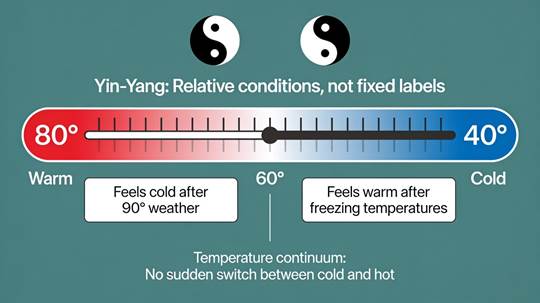
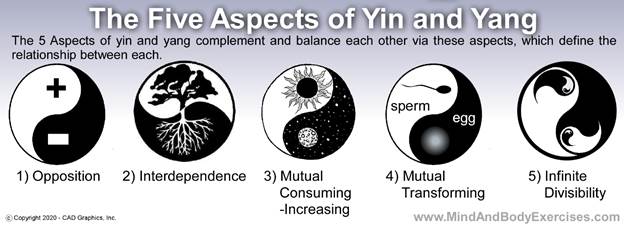
In Eastern philosophy, persistence is often seen as a virtue where yang energy equals effort, drive, forward motion.

But when yang is not balanced by yin, as in reflection, receptivity, stillness, it becomes excessive.

The sunk-cost fallacy represents excessive yang trapped by stagnant yin:

  • Too much doing, not enough observing
  • Too much force, not enough flow
  • Too much attachment, not enough release

True wisdom lies in knowing when to persist and when to withdraw.

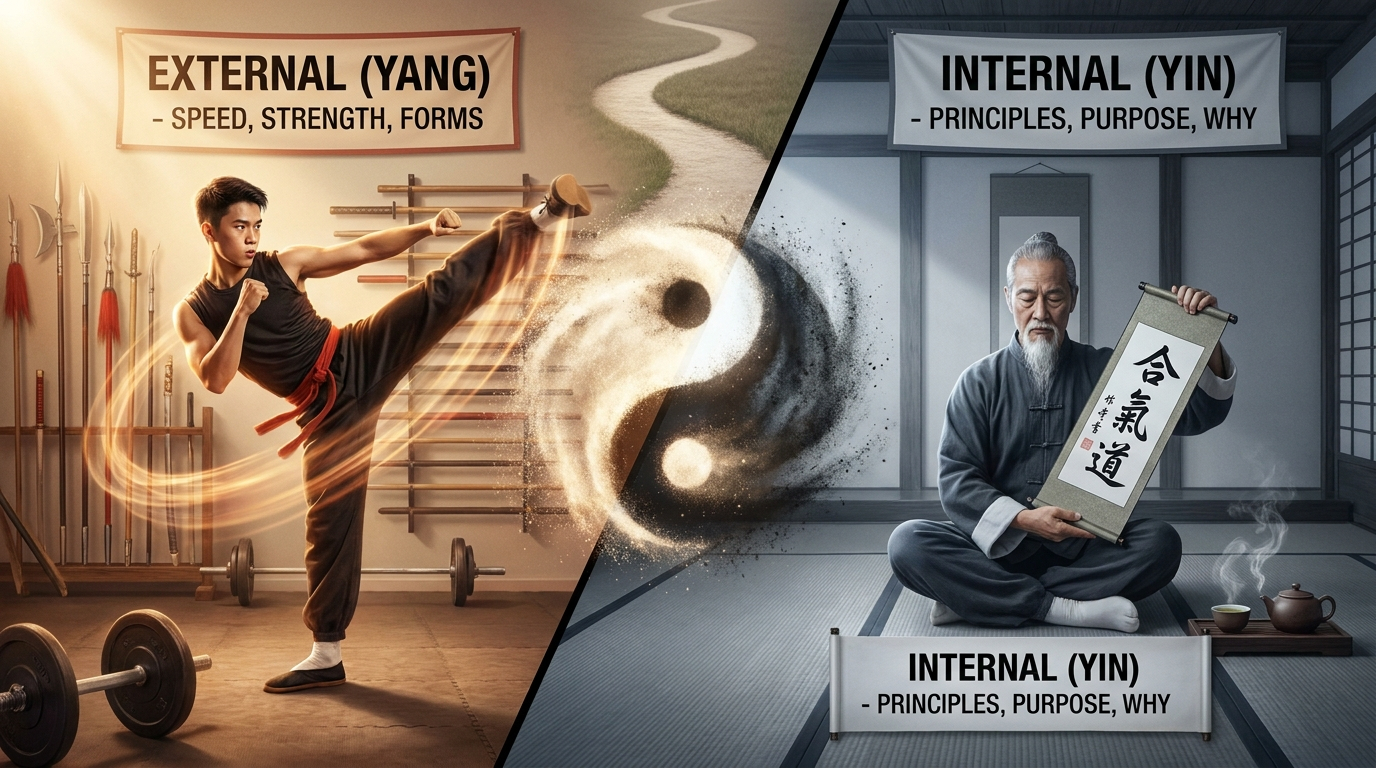
Just as in martial arts, pushing forward blindly leads to imbalance. The skilled practitioner yields, redirects, and adapts.

The Identity Trap: “I’ve Come This Far…”

Perhaps the most powerful driver of the sunk-cost fallacy is identity.

“I’ve spent 20 years building this.”
“I’ve invested too much to quit now.”
“This is who I am.”

But here is the deeper question:

Are you continuing because it is right… or because it is familiar?

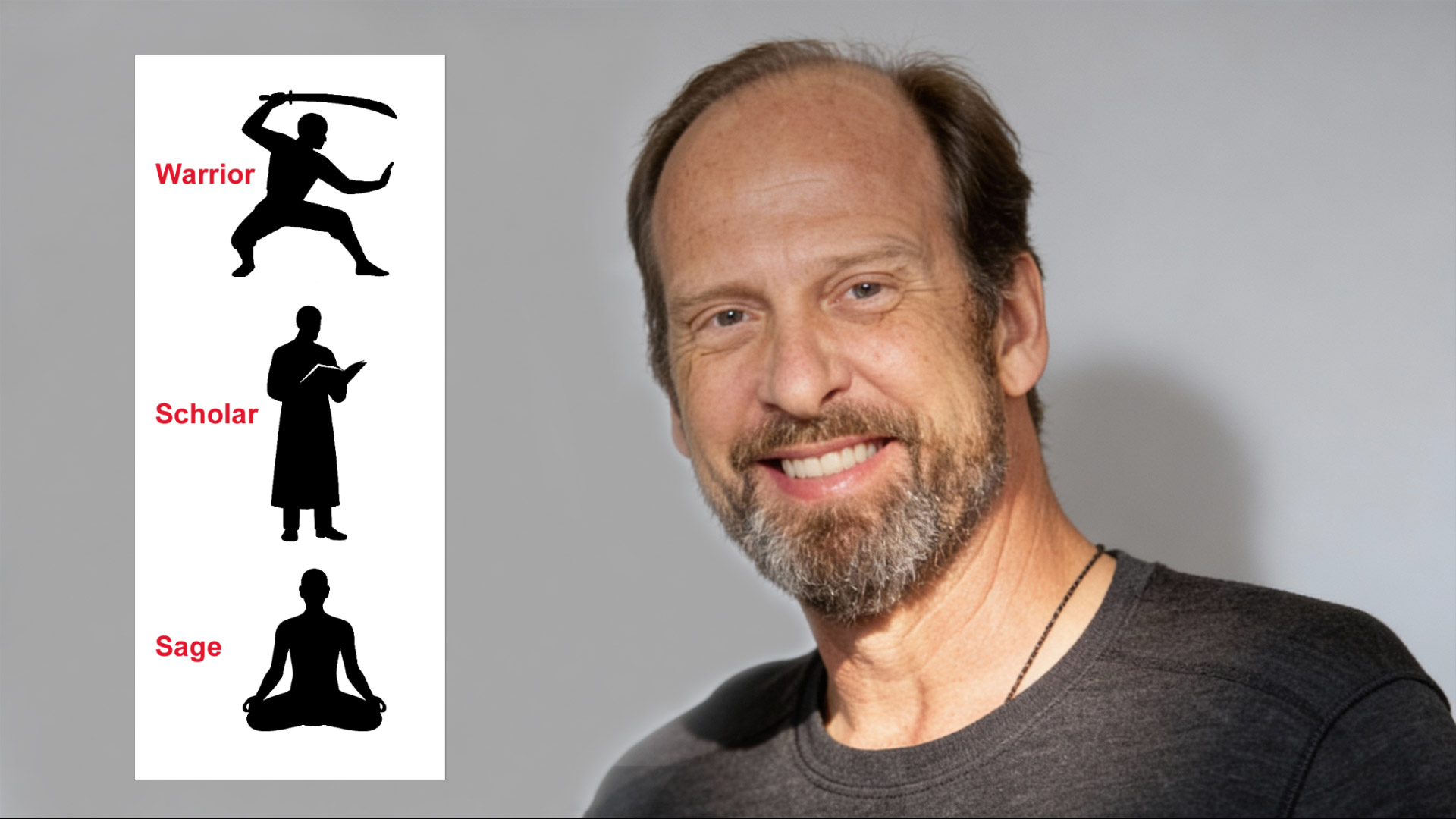
In the Warrior–Scholar–Sage framework:

  • The Warrior may push forward out of discipline
  • The Scholar may justify the decision intellectually
  • The Sage steps back and asks: Is this aligned with truth?

Only the Sage sees clearly enough to release what no longer serves.

Holistic Health Implications: Where This Shows Up

This bias is pervasive across all domains of life:

Physical Health

  • Continuing ineffective exercise routines
  • Ignoring pain signals (“I’ve always trained this way”)
  • Persisting in diets that are not working

Mental Health

  • Staying in toxic thought patterns
  • Clinging to outdated beliefs or worldviews
  • Overcommitting to stress-inducing responsibilities

Emotional & Relational Health

  • Remaining in unhealthy relationships
  • Maintaining one-sided friendships
  • Avoiding necessary endings

Spiritual Health

  • Attachment to rigid doctrines
  • Mistaking loyalty for growth
  • Confusing suffering with purpose

Breaking Free: A Practice of Release

Letting go is not weakness. It is refinement.

Consider these practices:

1. Reframe the Investment

Instead of seeing past effort as “wasted,” view it as tuition paid for wisdom.

Nothing is lost if something is learned.

2. Return to Present-Moment Awareness

Ask:

  • If I were starting fresh today, would I choose this again?
  • Is this serving my current well-being?

3. Listen to the Body

The body rarely lies.

  • Tightness, fatigue, resistance → signals of misalignment
  • Ease, clarity, energy → signals of alignment

4. Practice Strategic Withdrawal

In martial arts and life, retreat is not defeat. It is repositioning.

5. Embrace Impermanence

All things change.

Clinging to what was prevents you from stepping into what can be.

A Closing Reflection: The Freedom of Letting Go

Imagine carrying a heavy pack on a long journey.

Inside are items you once needed—tools, supplies, perhaps even comforts. But over time, they have become unnecessary weight.

The sunk-cost fallacy whispers:
“You’ve carried this this far… you can’t put it down now.”

But wisdom responds:
“I carried it because I needed it then. I release it because I no longer need it now.”

Holistic health is not just about what we build—it is about what we are willing to release.

Because sometimes, the greatest act of strength…
is letting go.

References

Arkes, H. R., & Blumer, C. (1985). The psychology of sunk cost. Organizational Behavior and Human Decision Processes, 35(1), 124–140. https://doi.org/10.1016/0749-5978(85)90049-4

Kahneman, D. (2011). Thinking, fast and slow. Farrar, Straus and Giroux.

Festinger, L. (1957). A theory of cognitive dissonance. Stanford University Press. https://archive.org/details/theoryofcognitiv0000fest/page/n5/mode/2up

Sapolsky, R. M. (2004). Why zebras don’t get ulcers (3rd ed.). Holt Paperbacks.

Hayes, S. C., Strosahl, K. D., & Wilson, K. G. (2012). Acceptance and commitment therapy: The process and practice of mindful change (2nd ed.). Guilford Press. https://psycnet.apa.org/record/2012-00755-000

Teachings of the Warrior, Scholar and Sage – A Series Introduction

In a world filled with information, opinions, and endless distractions, clarity has become increasingly rare.

People are told what to think, how to act, and what to value, often without ever being encouraged to question the source. Health is outsourced. Meaning is borrowed. Reactions replace reflection. And over time, many individuals find themselves living in ways that feel increasingly disconnected from their own sense of purpose, direction, and control.

This series was created as a response to that condition.

Teachings of the Warrior, Scholar and Sage is a curated collection of short, focused writings designed to bring attention back to what is often overlooked, the relationship between how we think, how we live, and how we develop as human beings over time. These are not abstract theories or passing trends. They are grounded observations drawn from decades of experience in martial arts, holistic health, teaching, and the study of human behavior.

Each volume in this series presents a selection of essays that stand on their own, yet collectively point toward a larger framework of understanding.

At the center of this framework are three enduring archetypes:

The Warrior, the Scholar, and the Sage.

The Warrior represents action, discipline, and the willingness to confront reality directly. It is expressed through the body, through effort, and through the capacity to endure challenge rather than avoid it. In modern life, this is not limited to physical training, but includes the ability to take responsibility for one’s health, habits, and daily choices.

The Scholar represents inquiry, understanding, and the pursuit of clarity. It asks not only what to do, but why. It examines patterns, questions assumptions, and seeks to understand the mechanisms behind behavior, belief, and perception. In a time where information is abundant but understanding is limited, this role becomes increasingly important.

The Sage represents integration, discernment, and lived wisdom. It is the ability to step back, to see the broader picture, and to act with both clarity and compassion. It is not knowledge for its own sake, but knowledge applied appropriately within the realities of life.

These three are not separate paths.They are aspects of the same process.

Throughout this series, you will encounter ideas that move across physical health, mental and emotional patterns, social influence, personal responsibility, and philosophical inquiry. Some essays address the realities of aging, stress, and the consequences of neglecting the body. Others examine how identity is shaped, how beliefs are formed, and how easily autonomy can be compromised without awareness. Still others explore deeper questions of meaning, purpose, and the direction of one’s life.

While the topics vary, the underlying message remains consistent:

Human beings are not fixed.

They are adaptive systems capable of growth, change, and refinement, but only when awareness and effort are applied over time.

This series is intentionally structured as a collection of concise writings rather than a single continuous narrative. Each essay is meant to be read, considered, and revisited. A single idea, properly understood and applied, carries more value than many ideas briefly encountered and quickly forgotten.

For some readers, these writings will serve as an introduction. For others, they may reinforce or clarify concepts already encountered through experience. Not every idea will resonate at once, nor should it. Understanding often depends on timing, context, and the willingness to reflect.

It is also important to recognize what this series is, and what it is not.

It is not a step-by-step program.
It is not a rigid system of belief.
It is not a promise of immediate transformation.

Rather, it is a set of perspectives intended to encourage observation, responsibility, and self-directed development.

The material presented here represents only a portion of a much larger body of work. Across numerous books, articles, and teachings, these ideas are explored in greater depth, structured in different ways, and applied across a variety of contexts. This series serves as an accessible entry point into that broader library.

If something within these pages resonates, it is not by accident. It reflects recognition. And recognition is often the first step toward change.

Ultimately, no book, system, or teacher can do the work for you. The responsibility for growth, health, and direction remains where it has always been, with the individual.

The Warrior, the Scholar, and the Sage are not distant ideals.

They are capacities that already exist within you.

The question is not whether they are present.

The question is whether they will be developed.