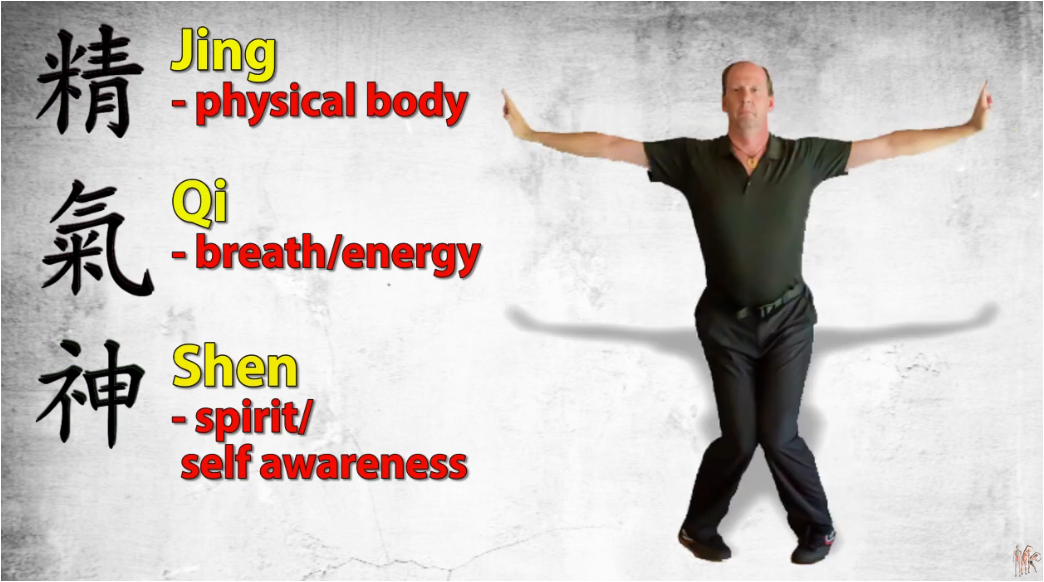
Meditation Practices – (the non-pharmaceutical pill you can take today, to ward off your illness of tomorrow)

I have some observations from practicing and teaching meditation methods from over my last 40 years. There has been much stigma in the US regarding meditation going back to when the Maharishi introduced it to the Beatles rock band from 1959 and into the 60’s, and consequently the whole American counterculture of “hippies” of that era. I was quite young at this time but remember how adults around me would comment on how meditation was religious, cultish, and maybe even related to drug use. Some of these factors may actually be true for some people but definitely don’t need to be. Meditation and its many, many various methods can stand alone from any of my previous mentioned groups. Once people become informed and more educated, then they can logically determine for themselves that meditation is more of a mental type of exercise than anything threatening or unusual. Once someone realizes that meditation can come in many ways other than sitting still for long periods of time, such as playing or listening to music, walking, hiking, cooking, walking, producing artwork and many other skillful means, meditation can become less weird, unusual, or threatening. Moving meditation through yoga, tai chi/qigong, dance, and some others are a great way to get away from the stationary methods of sitting and standing meditation. However, if someone is closed minded to the whole idea of learning and trying something new, then it doesn’t really matter how hard another tries to convince them.
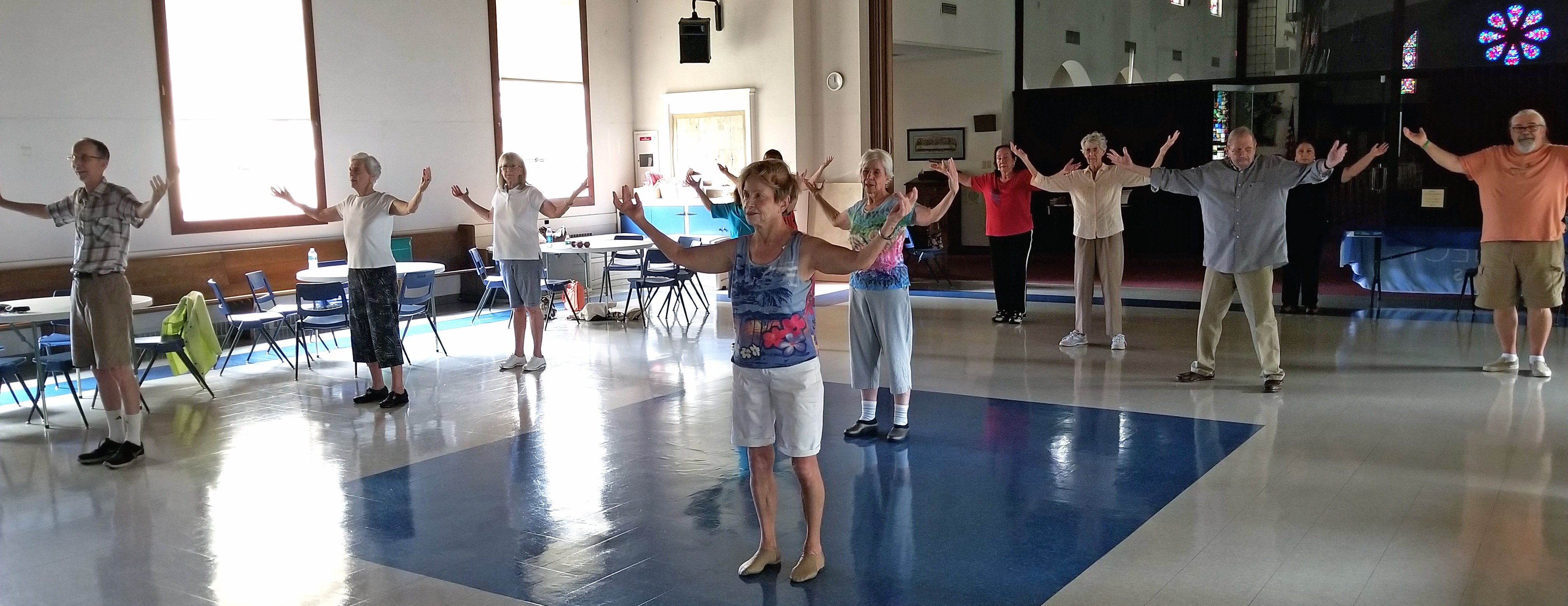
Time is another big deterrent to regular and consistent practice of meditation. Many people have the false assumption that if one is not sitting in the lotus position for hours on end, then they are not meditating or may not be doing it long enough to benefit. Studies have reported that some college students who practice mindfulness as part of their coursework, showed cognitive and wellbeing benefits, even when practicing for as little as five minutes twice a week, depending upon the type of mindfulness method implemented (O’Hare et al., 2023).

I have come to understand that it takes about 3 minutes of regulated slow breathing to engage the parasympathetic nervous system and its relative benefits of slower heart rate which affects metabolic functions, helping to induce stress relief, relaxation, and mental clarity. I have come to call the “foot in the door” approach seems to work best for beginners. This is when I suggest to someone with an interest in trying meditating, to start with using a timer set for 5 minutes. Almost everyone can agree that 5 minutes is quite easy to carve out and into one’s schedule. Often after the 5 minutes goes by relatively quicky and without incident, a beginner can easily add another 5 minutes, and then another of they feel better from the initial starting. Our mind has this interesting ability to adjust our perspectives on time and relative priorities as our thoughts and emotions level off to see what truly is more important.
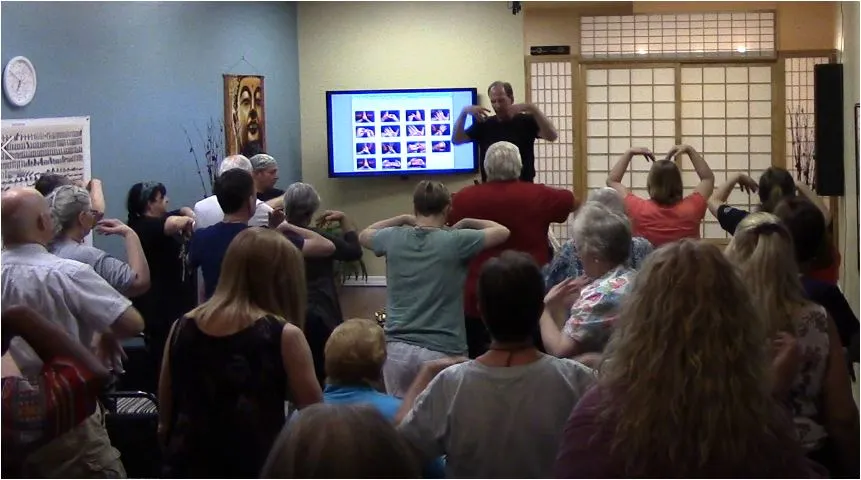
Other challenges that I have encountered either with myself or others are physical discomfort, inability to relax and/or quiet the mind, boredom and even some people become so relaxed that they fall asleep. Practice, practice and more practice. Meditation is a slow path to a greater reward, that will pay off over time of the effort is invested. If you were to eat a salad once a month, this will not make you healthy. Similarly, meditating once in a while will not yield much results. Slow and steady wins the game.

Reference:

O’Hare, A. J., & Gemelli, Z. T. (2023). The effects of short interventions of focused-attention vs. self-compassion mindfulness meditation on undergraduate students: Evidence from self-report, classroom performance, and ERPs. PLoS ONE, 17(1), 1–20. https://doi.org/10.1371/journal.pone.0278826

Some other tips regarding meditation:

Meditation can offer numerous benefits for mental, emotional, and even physical well-being, but it’s not always an easy practice to master. Common challenges people face with meditation include:

  1. Restlessness and Impatience: Many beginners struggle with restlessness and impatience, finding it difficult to sit still and quiet the mind.
  2. Monkey Mind: This refers to the constant stream of thoughts that can make it hard to concentrate or find a sense of calm during meditation.
  3. Physical Discomfort: Sitting in one position for an extended period can lead to discomfort or even pain, distracting from the meditation experience.
  4. Lack of Time: Finding time to meditate regularly can be a challenge in our busy lives, leading to inconsistency in the practice.
  5. High Expectations: Some people expect immediate results from meditation, leading to disappointment when the benefits don’t manifest right away.
  6. Doubt and Skepticism: It’s common to doubt the effectiveness of meditation, especially if the benefits aren’t immediately apparent.
  7. Boredom: Sitting in silence can sometimes lead to feelings of boredom, making it harder to stay engaged in the practice.
  8. Difficulty Focusing: People often struggle to maintain focus on a single point of attention, such as the breath or a mantra.

To overcome these challenges and improve your meditation practice, consider these recommendations:

  1. Start Small: Begin with shorter meditation sessions and gradually increase the duration as your focus and comfort improve. Even a few minutes of meditation can be beneficial.
  2. Be Patient: Understand that meditation is a skill that takes time to develop. Results may not be immediate, but consistent practice will yield benefits over time.
  3. Accept Thoughts: Instead of trying to forcefully push away thoughts, acknowledge them without judgment and gently bring your focus back to your chosen point of meditation (e.g., your breath).
  4. Use Guided Meditations: Guided meditations, available through apps or online, can provide structure and support, making it easier to stay focused.
  5. Experiment with Techniques: There are various meditation techniques (mindfulness, loving-kindness, body scan, etc.). Experiment with different techniques to find the one that resonates with you.
  6. Create a Routine: Set a regular meditation schedule. Consistency is key to reaping the benefits of meditation.
  7. Adjust Your Posture: If physical discomfort is an issue, try different sitting positions or consider practicing walking meditation to reduce the strain.
  8. Lower Expectations: Approach meditation with an open mind and without lofty expectations. Focus on the process rather than the outcome.
  9. Join a Group: Meditating with a group or participating in meditation classes can provide accountability and a sense of community.
  10. Cultivate Patience: Patience is crucial. Like any skill, meditation improves with time and practice. Be kind to yourself as you navigate the challenges.

Remember that meditation is a personal journey, and everyone’s experience is unique. It’s okay to face challenges along the way; these challenges are often opportunities for growth and learning.

________________

I teach and offer lectures about holistic health, qigong, tai chi, baguazhang, and yoga. I also have hundreds of FREE education video classes, lectures and seminars available on my YouTube channel at:

https://www.youtube.com/c/MindandBodyExercises

Mind and Body Exercises on Google: https://posts.gle/aD47Qo

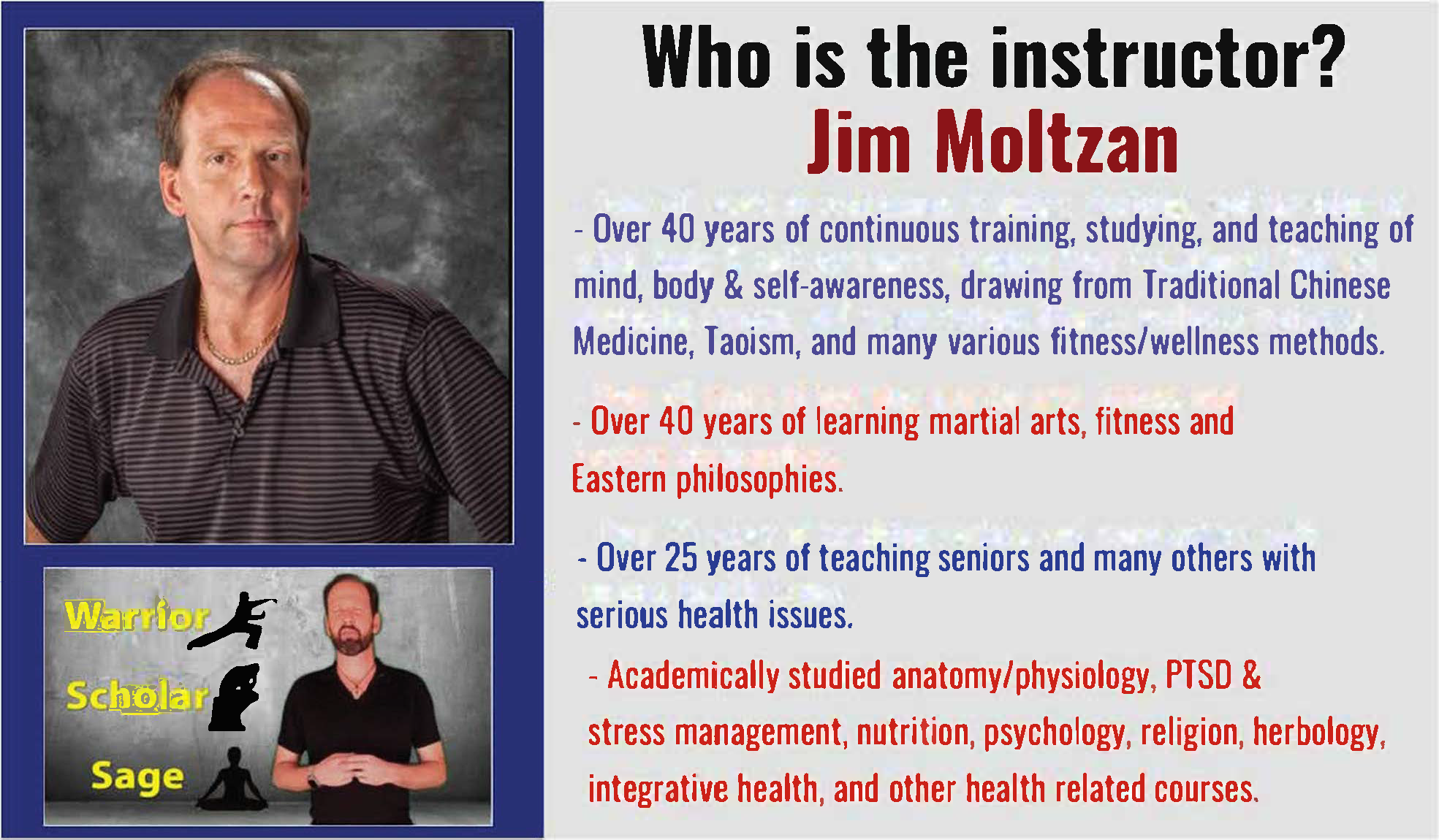
Jim Moltzan

407-234-0119

Contact for times, locations and costs.

www.MindAndBodyExercises.com

www.Amazon.com/author/jimmoltzan
Unhealthy Healthcare Providers – An Irony That Needs to Change

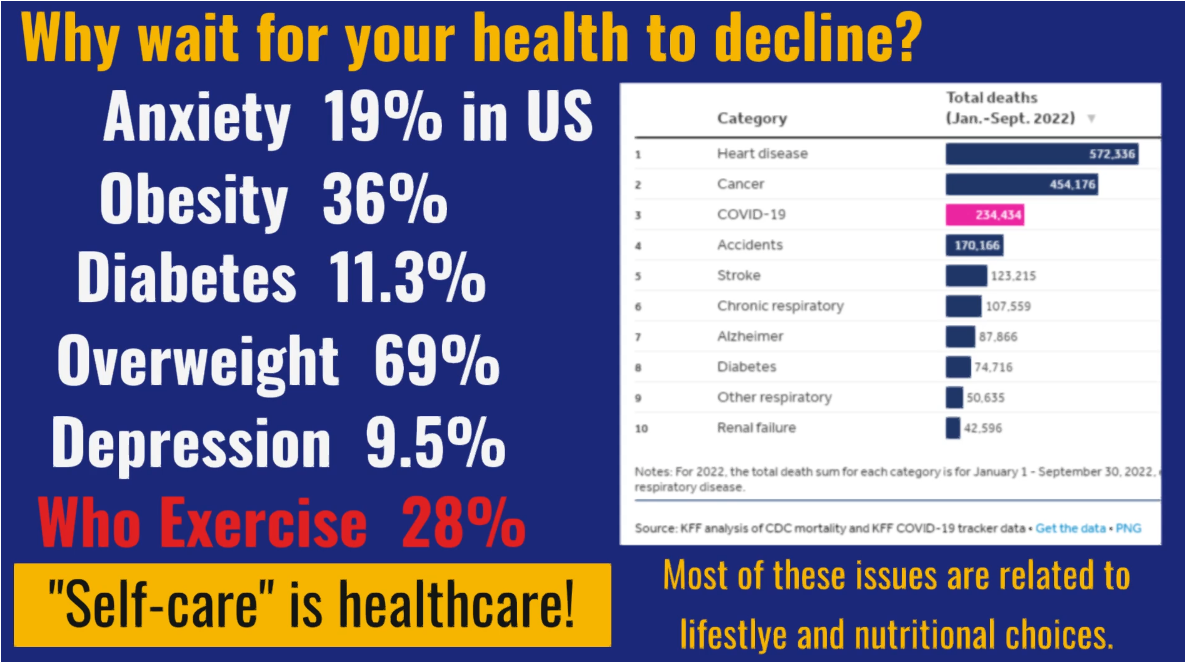
It is way past the time to take off the blinders and see US healthcare for what it is – SICKCARE

There has been a slow, albeit deliberate evolution of America becoming a cult(ure) of pharmacology as our main healthcare system. Long ago are the days where Americans strived to be well, fit and overall healthy regardless of occasionally becoming sick or ill. Today it is widely acceptable for the majority of people to not really worry about being sick until it happens. And then a trip to the doctor for a prescription is usually the answer instead of making dietary or lifestyle adjustments. With these observations in mind, let’s contemplate the following:

Would you take your car to a mechanic who cannot fix your vehicle?

Trust a dentist who has rotten teeth?

Hire a lawyer with legal problems themselves?

Exercise with a trainer who is not in great shape?

Listen to a healthcare provider who is obviously unhealthy?

Don’t confuse the message. This is not about one particular health issue such as obesity, stress, depression, etc. It is about the mindset that in the US we seem to think that it is fine to not be responsible for being out of shape, sickly, or stressed because we can always rely upon a doctor for pharmaceuticals, surgery and other invasive procedures to fix our lifestyle choices. For immediate physical trauma, I would seek and except help from anyone willing to offer. Other chronic issues, not so much. Many healthcare workers enter the workforce with the intent to help others. Ironically, due to the stress and lifestyle spawned from their professions, many find themselves in the same vicious circle of poor health choices they advise others to avoid. Health care professionals can serve a higher calling or sense of purpose if they were actually striving to be a good example of health and wellness instead of just collecting a paycheck. An inspiration or warning to others, we can all choice what we have to offer regardless of our career path. Physician heal thyself.

The correlation we are observing between healthcare providers in the US and their seemingly poor physical and mental health can be attributed to several factors. It is important to note that while this correlation exists, it does not necessarily apply to every healthcare provider, as individual experiences can vary.

  • Demanding Work Environment: Healthcare providers often work in high-stress and demanding environments, which can take a toll on their physical and mental well-being. Long working hours, irregular shifts, and the pressure to provide quality care to patients can lead to chronic stress and burnout.
  • Emotional Toll: Healthcare providers frequently deal with emotionally challenging situations, such as witnessing patient suffering, providing end-of-life care, or facing difficult ethical decisions. These experiences can contribute to emotional exhaustion, compassion fatigue, and mental health issues like depression and anxiety.
  • High Workload: The US healthcare system often faces under-staffing and resource constraints, which can result in healthcare providers taking on heavy workloads. This can lead to increased stress levels, fatigue, and limited time for self-care activities.
  • Lack of Support and Recognition: Healthcare providers may not always receive adequate support from their organizations or superiors. Lack of recognition, insufficient resources, and limited opportunities for professional growth can contribute to feelings of frustration and job dissatisfaction.
  • Stigma around Seeking Help: There can be a stigma associated with seeking help for mental health issues among healthcare providers. This stigma, coupled with the pressure to maintain a professional image, may discourage individuals from seeking the support they need.
  • Work-Life Imbalance: The demanding nature of healthcare work can make it challenging for providers to maintain a healthy work-life balance. Long hours, shift work, and irregular schedules can affect their ability to engage in self-care activities, spend time with loved ones, or pursue hobbies, leading to physical and mental health challenges.

Addressing these issues requires systemic changes within the healthcare industry, such as improving working conditions, promoting a culture of self-care and mental health support, and providing resources for healthcare providers to manage stress and prevent burnout. Organizations can play a crucial role in implementing policies that prioritize the well-being of their employees, including access to mental health services and support programs.

Additionally, healthcare providers themselves should be encouraged to prioritize self-care, seek support when needed, and engage in activities that promote their physical and mental well-being. Taking breaks, seeking therapy or counseling, engaging in regular exercise, maintaining social connections, and practicing stress management techniques can all contribute to better overall health.

Read and research some of my referenced links below if you care to delve further into this topic.

References:

One Year On: Unhealthy Weight Gains, Increased Drinking Reported By Americans Coping With Pandemic Stress. (n.d.). NEWS-Line  for Mental Health Professionals. https://www.news-line.com/SY_news30737_One-Year-On:-Unhealthy-Weight-Gains,-Increased-Drinking-Reported-By-Americans-Coping-With-Pandemic-Stress

Can Overweight Docs Really Give Credible Weight Loss Advice? (2021, July 7). WebMD. https://www.webmd.com/diet/news/20210707/overweight-doctors-credible-weight-loss-advice (ARTICLE NO LONGER AVAILABLE)

Reilly, J. M. (2007, March 1). Are Obese Physicians Effective at Providing Healthy Lifestyle Counseling? AAFP. https://www.aafp.org/pubs/afp/issues/2007/0301/p738.html

American Medical Association. (2021, November 5). What doctors wish patients knew about physician burnout. https://www.ama-assn.org/practice-management/physician-health/what-doctors-wish-patients-knew-about-physician-burnout

Battling the bulge — why nurses are prone to obesity. (2017, September 13). Financial Times. https://www.ft.com/content/ab4559ee-371f-11e7-99bd-13beb0903fa3

Shute, N. (2013, June 5). NPR Cookie Consent and Choices. NPR. https://choice.npr.org/index.html?origin=https://www.npr.org/sections/health-shots/2013/06/05/188920874/fat-doctors-make-fat-patients-feel-better-and-worse

Cody, S. (2014, February 25). Where have all the healthy health care workers gone? Rep Man. https://www.repmanblog.com/repman/2014/02/where-have-all-the-healthy-health-care-workers-gone.html

______________

I write often about topics that affect our health and well-being. Additionally, I teach and offer lecture about qigong, tai chi, baguazhang, and yoga.

For more info, contact Jim Moltzan at info@mindandbodyexercises.com, 407-234-0119 or through my site at http://www.mindandbodyexercises.com

Breathe Through Your Nose

The Importance of Nose Breathing

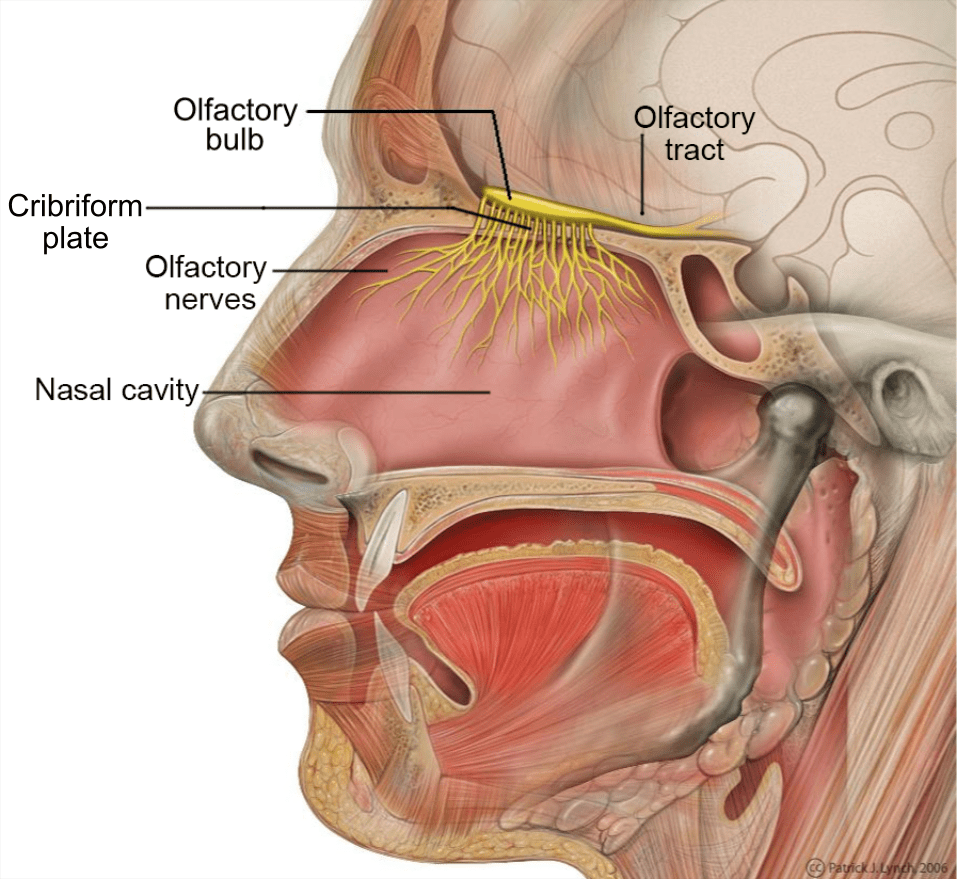
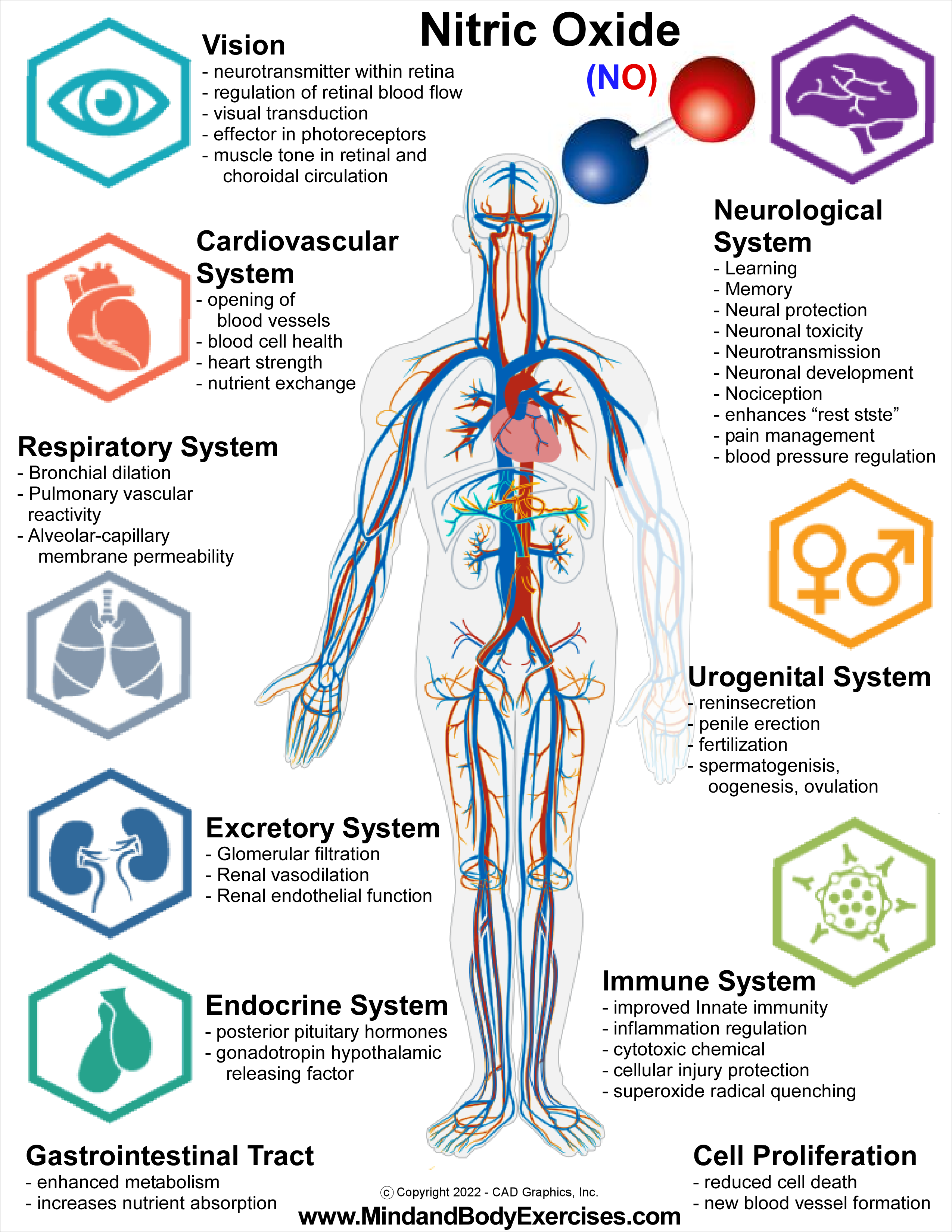
There is evidence that breathing through the nose, creates air oscillations which can increase nitric oxide (NO) through the rise in exchange of air between the nasal cavity and the paranasal sinuses. The paranasal sinuses can then produce larger amounts of nitric oxide which increase oxygen uptake. Nitric oxide is a powerful and potent vasodialator. Pulmonary Vascular Resistance (PVR) was shown in research studies to be reduced during nasal breathing when compared to mouth breathing. Additionally, nitric oxide aids in nonspecific host defense against infections stemming from bacteria, viruses, fungi, and parasites (Trivedi & Saboo, 2021).

anterior view of ethmoid bone and sinus cavity

In 1988, the Nobel Prize in Physiology was awared to Robert F. Furchgott of the State University of New York Health Science Center in Brooklyn, Ferid Murad of the University of Texas Medical School in Houston, and Louis J. Ignarro of the University of California School of Medicine in Los Angeles. The award was for their discoveries regarding nitric oxide as a signalling molecule in the cardiovascular system.

Furchgott had previously discovered that endothelial cells that line the interior blood vessels, produce this signaling molecule of nitric oxide (NO). NO makes nearby muscles to relax and consequently help to regulate blood pressure. More recently, scientists have discovered that the enzymes with which cells make the short-lived gas, play a role in activities as such as immunity, memory formation, and tumor suppression. Some brain cells also send messages using NO. Immune cells release bursts of nitric oxide to kill infectious organisms and cancer cells. Doctors are also researching the effects of nitric oxide with premature infants to stimulate blood flow to their underdeveloped lungs (Travis, 1998).

Yoga (qigong), tai chi, meditation, martial arts and other methods often put a major emphasis on regulated breathing through the nose.

References:

Trivedi, G. Y., & Saboo, B. (2021). Bhramari Pranayama – A simple lifestyle intervention to reduce heart rate, enhance the lung function and immunity. Journal of Ayurveda and Integrative Medicine, 12(3), 562–564. https://doi-org.northernvermont.idm.oclc.org/10.1016/j.jaim.2021.07.004

Travis, J. (1998, October 17). Medical Nobel prize says yes to NO. (nitric oxide research honored)(Brief Article). Science Newsv154(n16), p246.

YOU’VE BEEN BREATHING ALL WRONG: Hey mouth-breathers! Use your nose to boost immunity–and mood.(SCIENCE). (2020, July 1). Maclean’s133(6), 76.

SETTERGREN, ANGDIN, ASTUDILLO, GELINDER, LISKA, LUNDBERG, WEITZBERG, & Settergren, G. (1998). Decreased pulmonary vascular resistance during nasal breathing: modulation by endogenous nitric oxide from the paranasal sinuses. Acta Physiologica Scandinavica163(3), 235–239.

Struben, V. M. D., Wieringa, M. H., Mantingh, C. J., Bruinsma, S. M., de Jongste, J. C., & Feenstra, L. (2005). Silent and humming nasal NO measurements in adults aged 18–70 years. European Journal of Clinical Investigation35(10), 653–657. https://doi-org.northernvermont.idm.oclc.org/10.1111/j.1365-2362.2005.01559.x

Ethmoid Bone – Location – Structure – Relationships. (2020, December 5). TeachMeAnatomy. https://teachmeanatomy.info/head/osteology/ethmoid-bone/

______________

Be more active, eat healthier, sleep better, stress less these are the key components to maintaining a strong immune system.

I am currently offering lectures and classes for group, small group & private instruction in Wekiva, Longwood and Winter Park.Mind and Body Exercises on Google: https://posts.gle/aD47Qo

I also have hundreds of FREE education video classes, lectures and seminars available on my YouTube channel at: https://www.youtube.com/c/MindandBodyExercises

Mind and Body Exercises on Google: https://posts.gle/aD47Qo

Jim Moltzan

407-234-0119

www.MindAndBodyExercises.com

www.Amazon.com/author/jimmoltzan
Not Your Basic Wrist Roller Exercise (Shim Yuk)

Shim Yuk – A practice to engage the mind and body

Health and fitness enthusiasts often are on the search for the next best fitness gadget to take them to the next challenge or maybe just increase variety in their routine. For hundreds of years and probably more, martial arts has offered a wide spectrum of what is today marketed as flow-yoga, Cross Fit, function training, high intensity training (HIT) and others. Usage of simple apparatus that can be obtained from Home Depot or other retailers can offer unlimited options to achieve whatever fitness levels are desired, without ridiculous membership fees or equipment costs. An example of how our culture still thinks that we can buy our way to wellness, is paying $1500-$3000 for a stationary exercise bike when $50 worth of odds and ends can do the job (and often better). Either way, YOU have to do the work to achieve YOUR fitness, wellness and relative happiness.

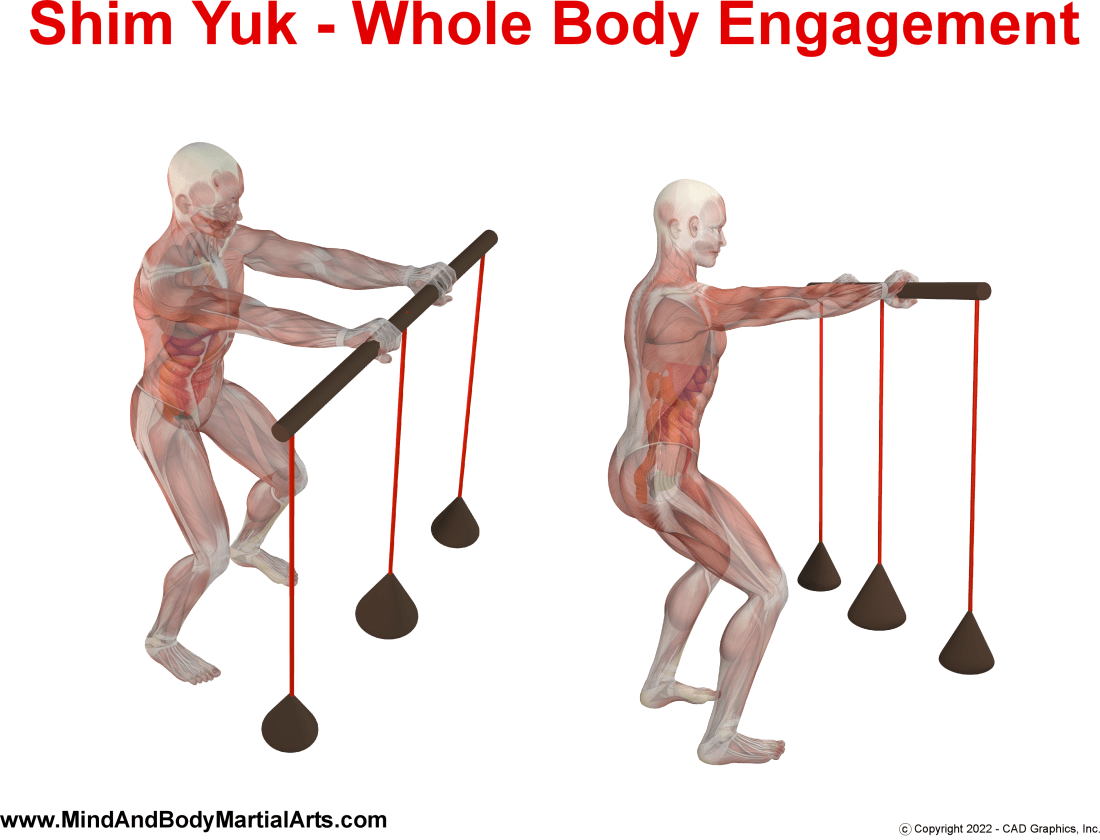
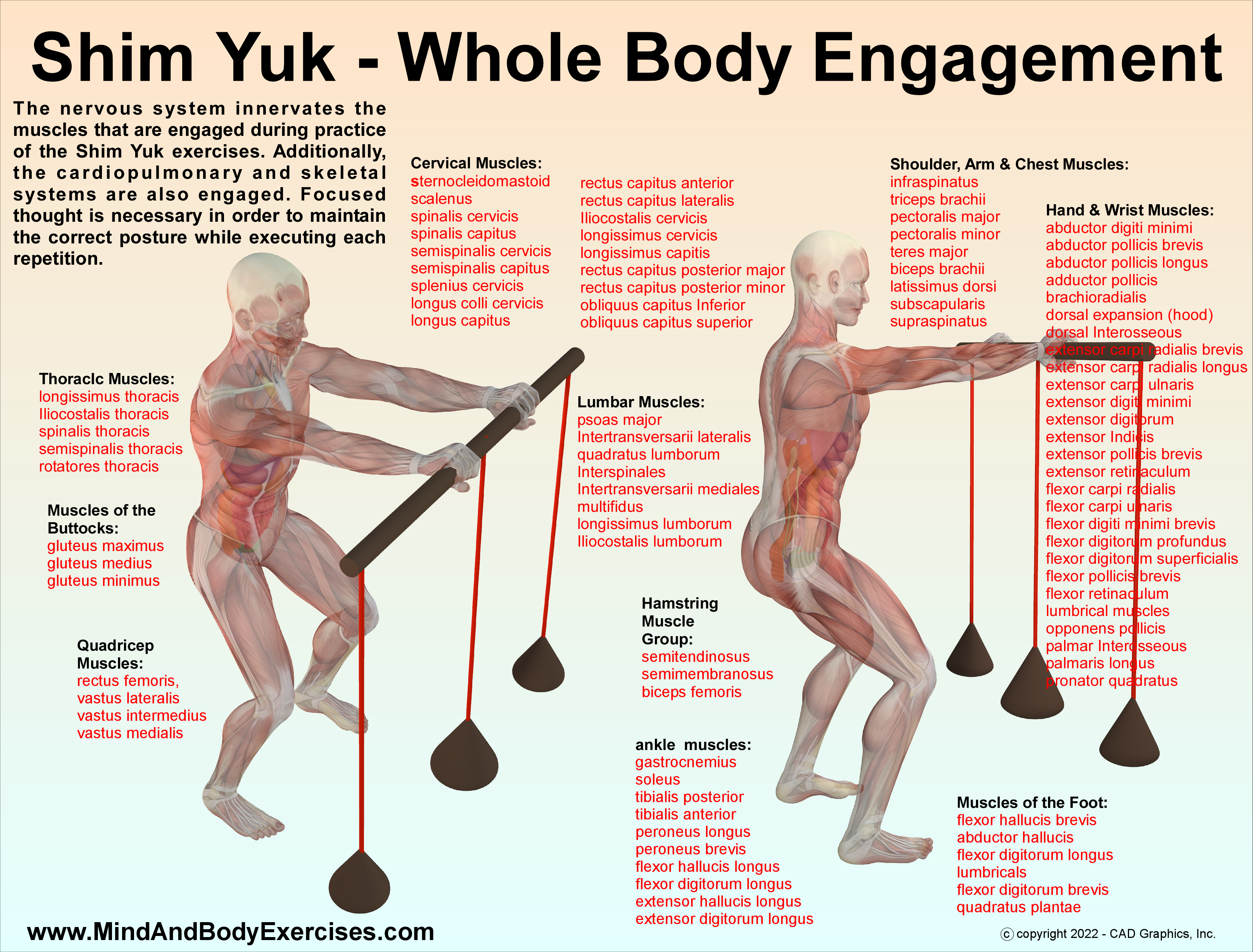
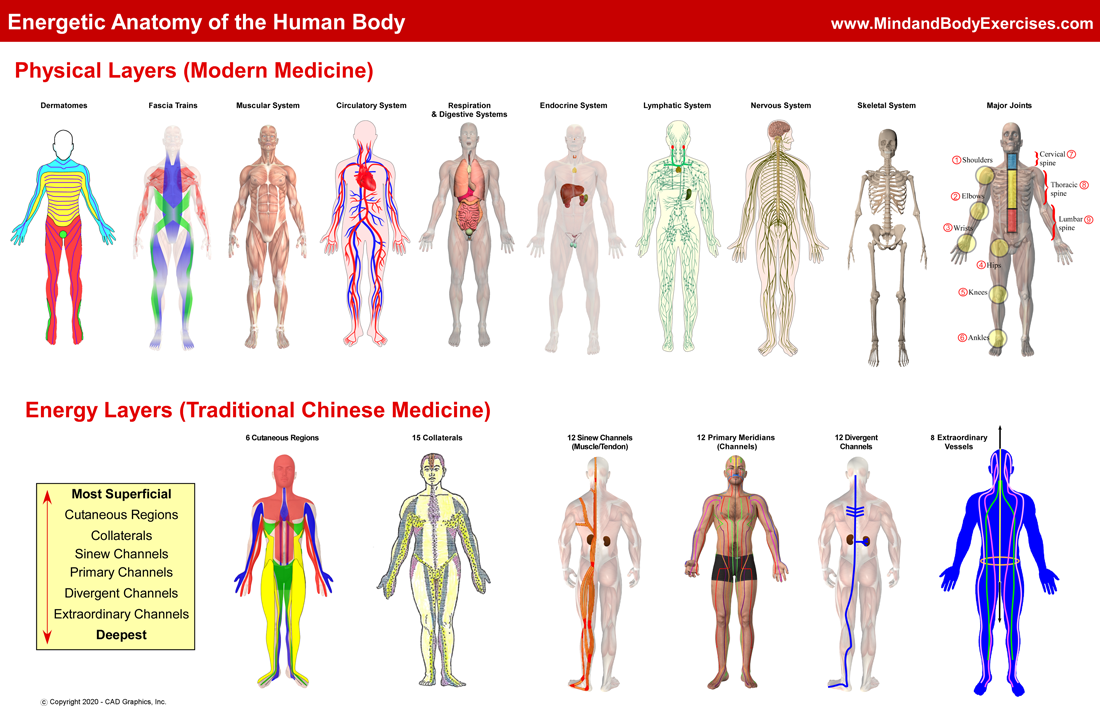
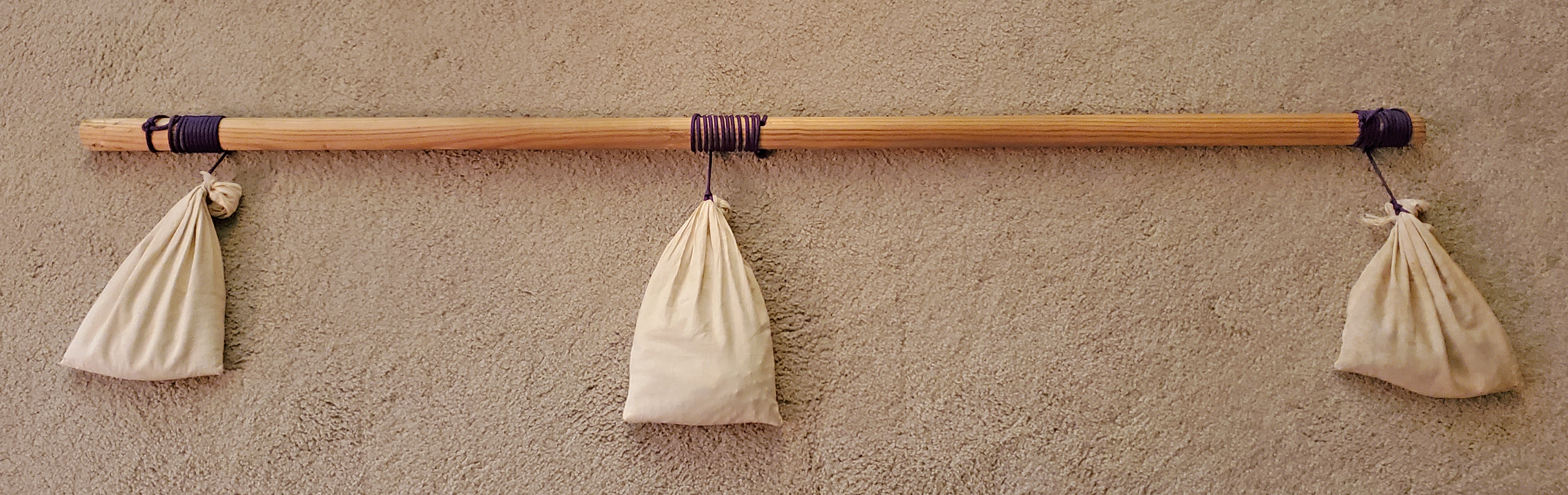
Unique to this exercise called “Shim Yuk”, is the body posture combined with holding a weighted object and the extra awareness required to hold it stable while also maintaining the correct body alignments. By holding the pole level, moving only the hands and wrists, the fascia trains, the nervous, muscular and skeletal systems are all engaged throughout the entire body. Theories abound regarding the activation of our inherit ability to heal our own illnesses, also known as “vis medicatrix”. Exercises like this, engage our mind, body and spirit thereby, helping to engage “the healing power of nature”.

Developing a strong grip is directly relative to preventing falls.

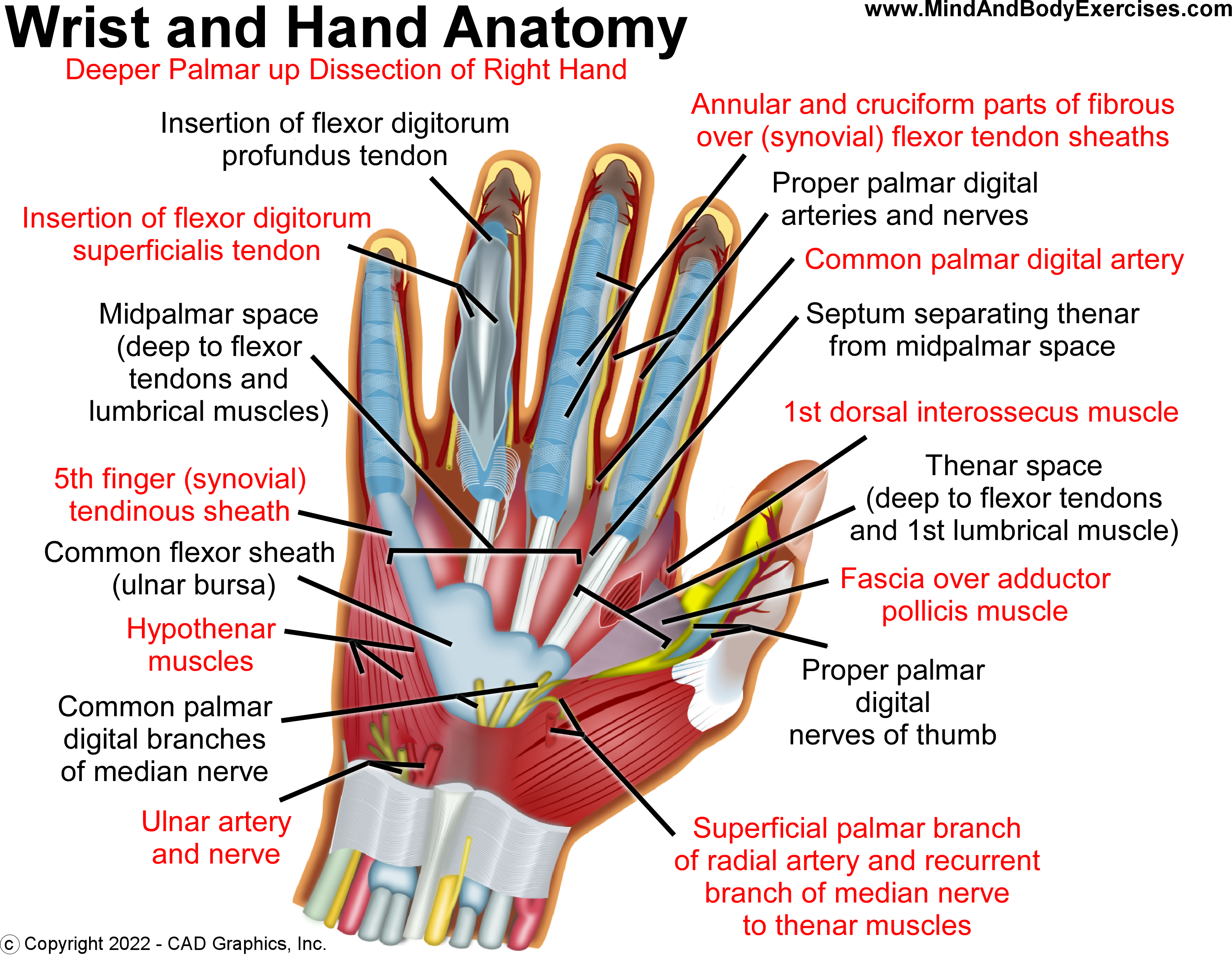
The strength of ones grip when they begin to lose their balance, can be the difference between free-falling to the ground and potential bone fracture, or catching ones balance by grabbing a rail or other stationary structure. Shim Yuk practice definitely goes way beyond being just a hand/wrist strengthening exercise. However, this exercise will produce phenomenal hand and wrist strength if practiced diligently.

Try to hold the static position while performing the wrist exercise, from 1, 2, 3, etc. consecutive repetitions. Holding the stance generally develops overall strength where as repetitive rolling develops stamina, endurance and determination. Relax the body into the positions in spite of any tension in the muscles. Deep and relaxed breathing is essential while performing this exercise.

From my experience of over 40 years of martial arts, fitness and wellness training and teaching, I have seen some amazing benefits coming from shim yuk practice. For those in fairly good shape, one can develop an amazing amount of strength in the wrists, forearms, shoulders, lower back and the legs. I have also trained individuals that have had more serious issues such as cerebral palsy, knee injuries, severe trauma to the spine and hip and other ailments that have shown great improvement.

Strong bones prevent fractures from falls, osteopenia and osteoporosis

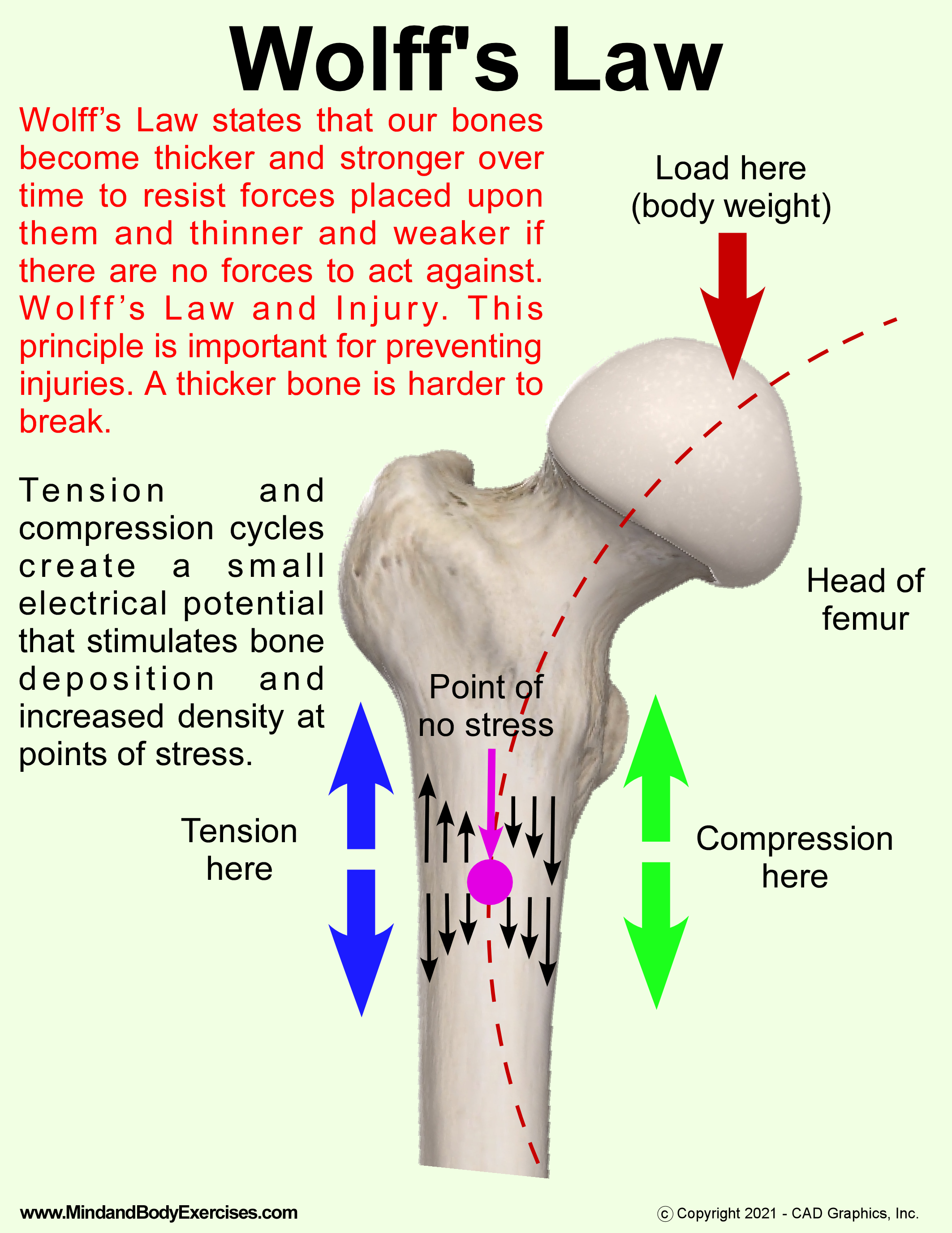
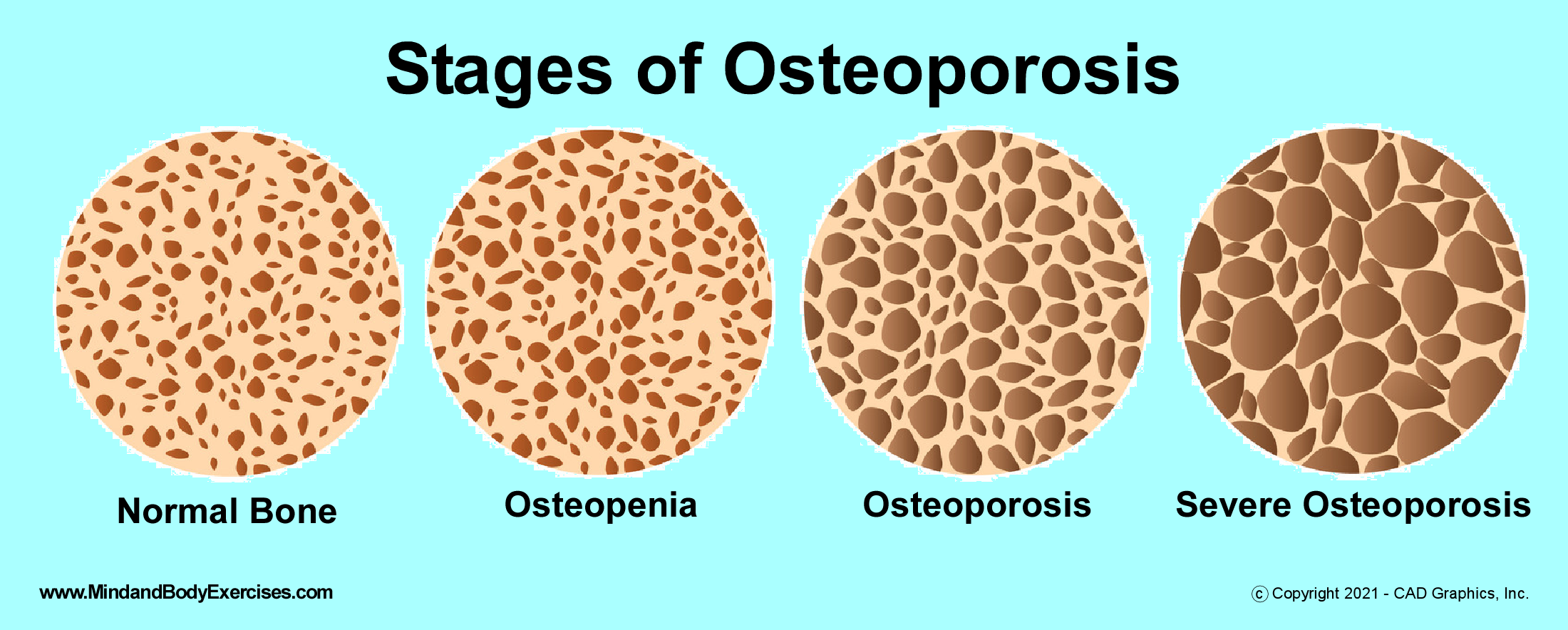
Shim Yuk practice strengthens muscles which consequently strengthens bones, which helps to prevent osteopenia (bone loss) and osteoporosis (severe bone density loss). Wolff’s Law states that bones become stronger and thicker over time to resist forces placed upon them and weaker and thinner if there are no forces to act against. This principle is important for preventing injuries. Thicker bones are harder to break.

Learning from information on the internet, from video or books can be good. However, to truly get proper instruction, in-person training is usually the best method. Contact me if you have a desire to learn this methods correctly.

______________

I write often about topics that affect our health and well-being. Additionally, I teach and offer lecture about qigong, tai chi, baguazhang, and yoga. I also have hundreds of FREE education video classes, lectures and seminars available on my YouTube channel at:

https://www.youtube.com/c/MindandBodyExercises

Mind and Body Exercises on Google: https://posts.gle/aD47Qo

Jim Moltzan

407-234-0119

www.MindAndBodyExercises.com

www.Amazon.com/author/jimmoltzan

Tummo, ‘inner fire’ meditation 

Many of the posts here have discussed some of the mental or spiritual benefits of Tibetan Meditations. If appears as there is quite a bit of research on the physical benefits as well. Advanced methods of meditation, such as Tummo, may open up options that will help to better treat stress-related illnesses.

There are events reported where Tibetan monks have demonstrated some very high levels of meditation where they can perform seemingly miraculous feats of the human body. For instance, at a Buddhist monastery in Northern India, a group of monks were lightly dressed and unaffected by the temperature of their surroundings of 40 degrees Fahrenheit. They were then covered with ice-cold, wet sheets of fabric. An average person would be shivering uncontrollably to try to stay warm, however the monks remain unfazed. The wet sheets began to steam after about 1 hour, eventually becoming completely dry. The monks had used a yoga technique known as Tummo, which literally means ‘inner fire‘.  This is an ancient meditation technique practiced by monks in Tibetan Buddhism. where a combination of breathing and visualization techniques are used to enter into a deep state of meditation. This method enabled them to significantly raise their body heat, as much as 17 degrees Fahrenheit in their fingers and toes.

Components of Tummo meditation that can lead to temperature increases are Vase breath and concentrative visualization. Vase breath is a particular breathing technique which causes thermogenesis, a process of heat production. Concentrative visualization is where the practitioner focuses on a mental image of flames along the spinal cord in order to prevent heat loss. Reports from scientists at Harvard University see this phenomenon as an amazing example of the mind’s ability to influence the body.

References:

Explained: How Tibetan Monks Use Meditation to Raise Their Body Temperature (buzzworthy.com)Links to an external site.

Tummo Meditation | Your Inner Fire and the Wim Hof MethodLinks to an external site.

http://35to65.com/meditation-sitting-snow-crazy-video-immune-function-tibetan-tummo-inner-heat-meditation/

_______________

Qigong, tai chi, baguazhang, and yoga are not the only methods that can be used within this formula but have proven the test of time as methods to cultivate harmony of the mind, body and spirit. These exercise practices offer a wide spectrum of physical wellness benefits, stress relief as well as means of self-awareness.  Not all teachers nor students practice these for the same goals.

I am currently offering wellness lectures and classes for group, small group & private instruction in Wekiva, Longwood and Winter Park.

For more info, contact Jim Moltzan at info@mindandbodyexercises.com, 407-234-0119 or through my site at http://www.mindandbodyexercises.com

http://www.Amazon.com/author/jimmoltzan