Tummo, ‘inner fire’ meditation 

Many of the posts here have discussed some of the mental or spiritual benefits of Tibetan Meditations. If appears as there is quite a bit of research on the physical benefits as well. Advanced methods of meditation, such as Tummo, may open up options that will help to better treat stress-related illnesses.

There are events reported where Tibetan monks have demonstrated some very high levels of meditation where they can perform seemingly miraculous feats of the human body. For instance, at a Buddhist monastery in Northern India, a group of monks were lightly dressed and unaffected by the temperature of their surroundings of 40 degrees Fahrenheit. They were then covered with ice-cold, wet sheets of fabric. An average person would be shivering uncontrollably to try to stay warm, however the monks remain unfazed. The wet sheets began to steam after about 1 hour, eventually becoming completely dry. The monks had used a yoga technique known as Tummo, which literally means ‘inner fire‘.  This is an ancient meditation technique practiced by monks in Tibetan Buddhism. where a combination of breathing and visualization techniques are used to enter into a deep state of meditation. This method enabled them to significantly raise their body heat, as much as 17 degrees Fahrenheit in their fingers and toes.

Components of Tummo meditation that can lead to temperature increases are Vase breath and concentrative visualization. Vase breath is a particular breathing technique which causes thermogenesis, a process of heat production. Concentrative visualization is where the practitioner focuses on a mental image of flames along the spinal cord in order to prevent heat loss. Reports from scientists at Harvard University see this phenomenon as an amazing example of the mind’s ability to influence the body.

References:

Explained: How Tibetan Monks Use Meditation to Raise Their Body Temperature (buzzworthy.com)Links to an external site.

Tummo Meditation | Your Inner Fire and the Wim Hof MethodLinks to an external site.

http://35to65.com/meditation-sitting-snow-crazy-video-immune-function-tibetan-tummo-inner-heat-meditation/

_______________

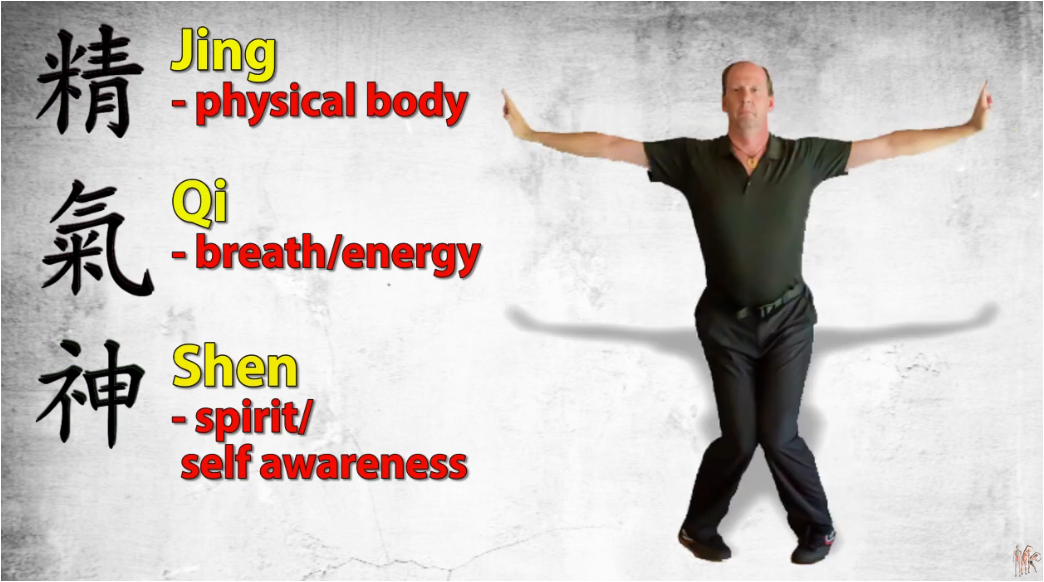
Qigong, tai chi, baguazhang, and yoga are not the only methods that can be used within this formula but have proven the test of time as methods to cultivate harmony of the mind, body and spirit. These exercise practices offer a wide spectrum of physical wellness benefits, stress relief as well as means of self-awareness.  Not all teachers nor students practice these for the same goals.

I am currently offering wellness lectures and classes for group, small group & private instruction in Wekiva, Longwood and Winter Park.

For more info, contact Jim Moltzan at info@mindandbodyexercises.com, 407-234-0119 or through my site at http://www.mindandbodyexercises.com

http://www.Amazon.com/author/jimmoltzan

Moxibustion – Basic Theory

Traditional Chinese Medicine Method of Moxibustion

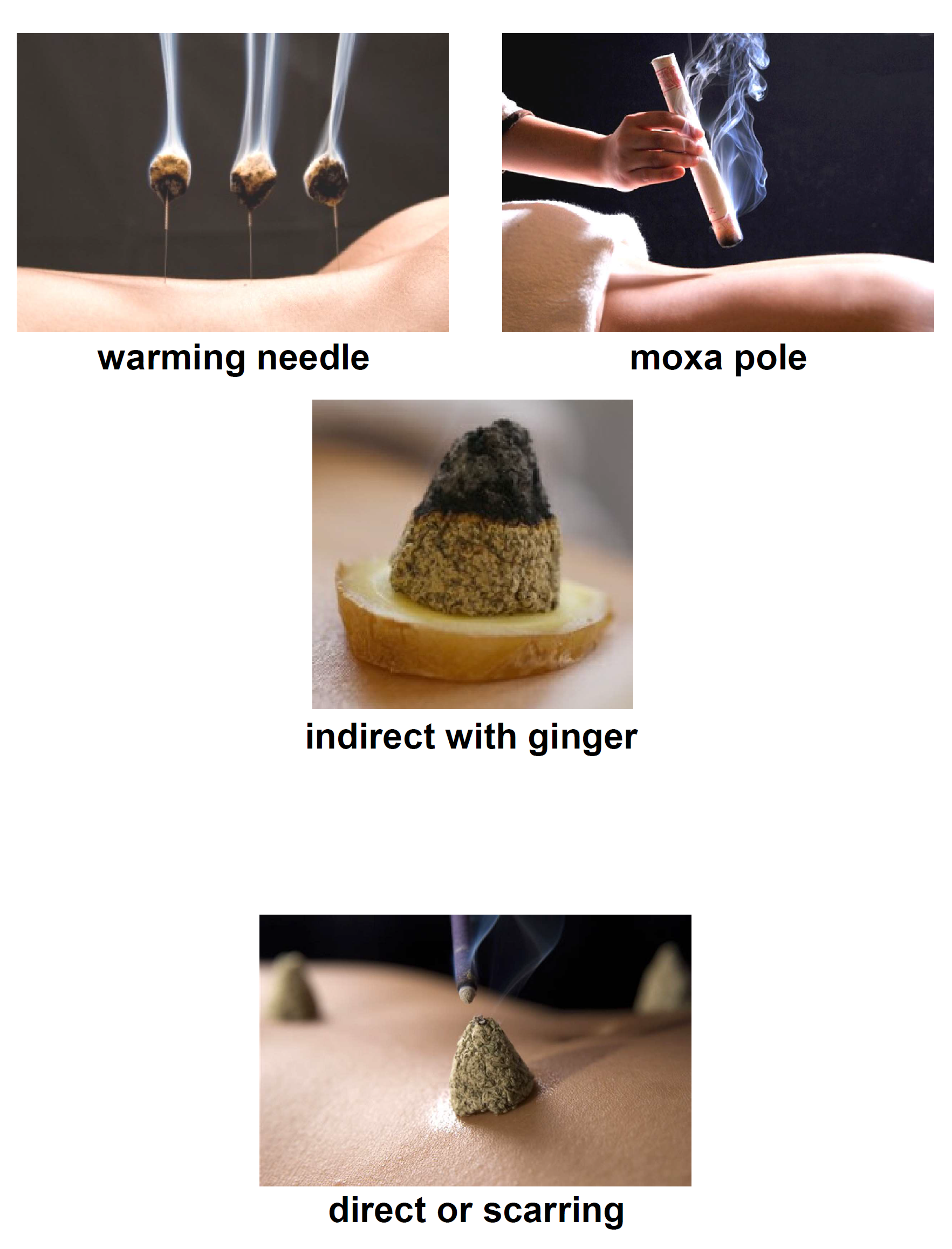
Moxibustion is the method of burning Mugwort (Ai Ye) or other herbs on, around, or above Acupuncture points. The leaves of the Moxa plant, as Mugwort is sometimes called, are usually dried in the sun, finely ground to a texture like wool or cotton, and then sifted until a fine, soft, and light green consistency is obtained. Moxa holds together well, burns evenly, and is relatively inexpensive. Moxa can be rolled into balls, shaped into cones, or purchased commercially in small or long rolls. The moxa balls and cones can be burned directly on the skin, or indirectly on a medium in between the Moxa and the skin. Small balls can also be used on the end of a needle as in the Warm needle techniques. Tiny pre-rolled Moxa or “Shish” Moxa can be purchased commercially, and is sometimes used at the end of a needle in place of loose Moxa. The longer moxa sticks, eight to ten (8-10) inch are usually used in a circular or “sparrow pecking” (rapidly moving the burning end near and far from the skin) motion around an Acupuncture point.

INDIRECT MOXIBUSTION
Practitioner places burning moxa wool on the top of the acupuncture needle. After the desired effect is achieved, the moxa is extinguished and the needle(s) removed. Indirect moxibustion is the more popular use of moxibustion because there is a much lower risk of pain or burning. Indirect moxa is probably the most commonly used as it can warm a greater area of the body with greater comfort. This too can be further broken down into the two most commonly used forms: warming needle and moxa pole. The moxa pole looks a lot like a cigar. It is lit at one end until it is smoldering hot, and then it is held over an acupuncture point or region of the body to warm it. In warming needle, an acupuncture needle is placed into a point on the body, and then a small ball of moxa is placed on the head of the needle. The moxa is then lit, so that the entire ball of moxa burns and smolders completely, thereby warming not only the surface of the skin below the moxa, but also the needle itself, and in turn the qi deep within the acupuncture point.

DIRECT MOXIBUSTION
A small, cone-shaped amount of moxa wool is placed on top of an acupuncture point and burned. Then it is extinguished or removed before it burns the skin. With direct moxibustion the patient will experience a pleasant heating sensation that penetrates deep into the skin, but should not experience any pain, blistering or scarring. Direct moxa means the moxa is applied directly onto the body. This is further broken down into what is called the scarring and the non-scarring methods. Most practitioners these days don’t perform scarring moxa anymore. It is very strong and quite effective! The non-scarring is the more common direct moxa method, and involves a small bunch of moxa being put onto the body, usually in the shape of cone, and burned down until the warmth is felt by the patient, and then removed. Many rounds of this would be done until a very strong sense of heat was felt at the point.

______________

I write often about topics that affect our health and well-being. Additionally, I teach and offer lectures about qigong, tai chi, baguazhang, and yoga.

For more info, contact Jim Moltzan at info@mindandbodyexercises.com, 407-234-0119 or through my site at http://www.mindandbodyexercises.com

The 3 Healthcare Systems in the US

The 3 Healthcare Systems in the US

  1. “Healthcare” which is truly “Sick-care”
  2. “Self-care”
  3. “I Don’t Care

“Healthcare” is truly “Sick-care”

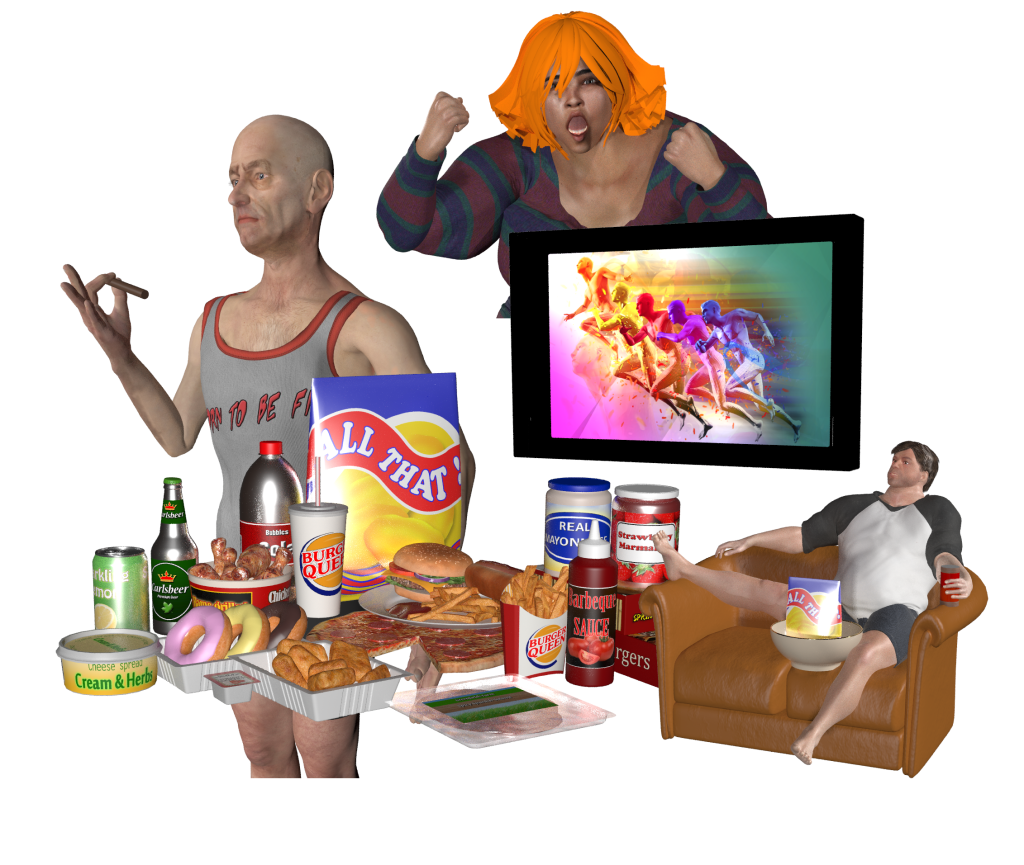
what most people think they receive when they go to the doctor after they become sick or injured. Little or no preventative measures are encouraged.

“Self-care” –

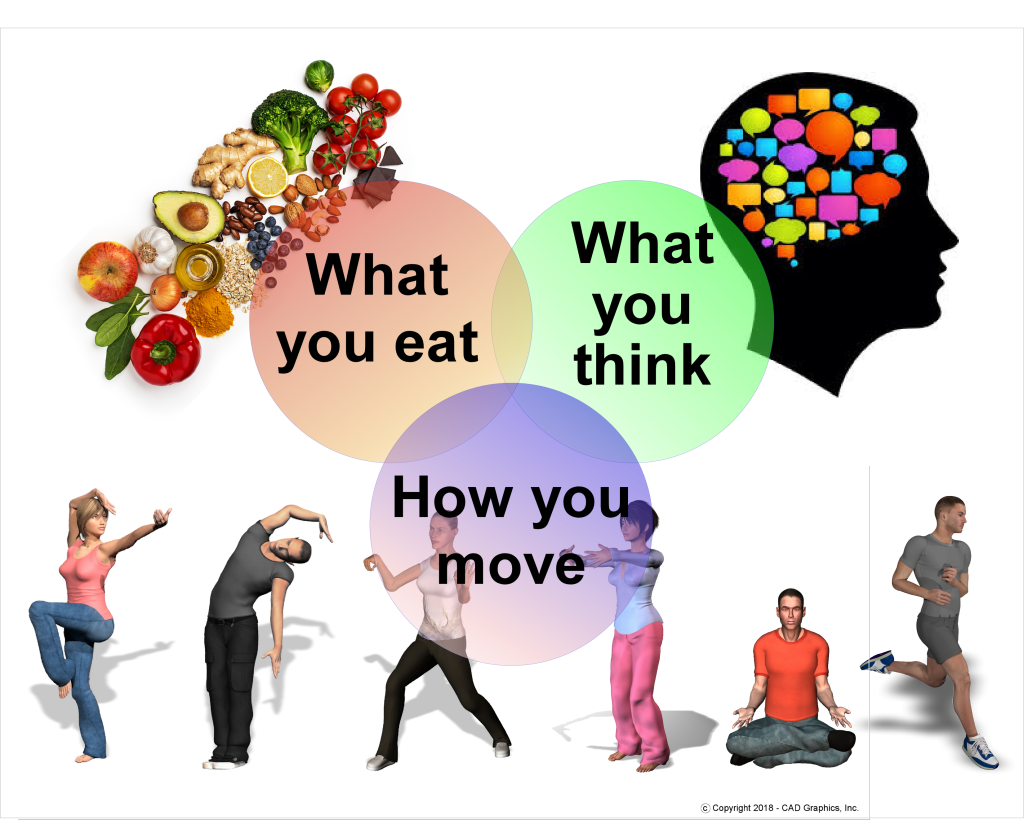
when the individual takes responsibility for what they think, what they consume, and how they move their physical body (exercise/activity), making up the components of what we typically call lifestyle.

“I don’t-care” –

what some people say, when asked why they don’t take better care of their own health & well-being.

Health is wealth – plain and simple. Ask anyone who has pain or suffering if they would spend their money, once they are already ill to fix all their woes. $30,000-$100,000 for a new knee, $130,000 for a heart bypass, or $1,250,000 for a heart transplant, thousands every year for insurance and prescriptions. You do the math; pay now of pay later.

______________

I write often about topics that affect our health and well-being. Additionally, I teach and offer lecture about qigong, tai chi, baguazhang, and yoga.

For more info, contact Jim Moltzan at info@mindandbodyexercises.com, 407-234-0119 or through my site at http://www.mindandbodyexercises.com

Regular Exercise Improves Many Common Ailments

consistent activity is a key factor in reducing disease

If we are led to believe that the US has the most wealth, the best doctors, the best healthcare, the best vaccines – then why did the US experience the highest rate of COVID-19 cases as well as associated deaths? Because the answers lies beyond the US being the best (far from it) when it comes to personal responsibility for health and well-being. Most in the US look to the broken healthcare system for sick-care after becoming sick or injured than looking to themselves to prevent acquiring disease, illness and injury. True is true; do your own research to see which countries fare the best in overall quality of life, and relative health. The US is far from the top, but by far spends the most money on sick-care.

An amazing amount of health issues can be reduced by simply exercising consistently (Exercise: 7 Benefits of Regular Physical Activity, 2021). Many issues such as stress, sleep disorders, and cardiovascular issues are reduced by exercising a few times per week. Find a method of exercise that works for you.

Known benefits of regular exercise include:

  • reduce your risk of a heart attack.
  • manage your weight better.
  • have a lower blood cholesterol level.
  • lower the risk of type 2 diabetes and some cancers.
  • have lower blood pressure.
  • have stronger bones, muscles and joints and lower risk of developing osteoporosis.
  • lower your risk of falls.

Walk, run, swim, weight train, yoga, tai chi, martial arts, dance – just do something everyday! Or every other day, 2 times a week, whatever! Get your body moving. Give your mind something positive to focus upon.

References:

Exercise: 7 benefits of regular physical activity. (2021, October 8). Mayo Clinic. https://www.mayoclinic.org/healthy-lifestyle/fitness/in-depth/exercise/art-20048389#:%7E:text=Regular%20physical%20activity%20can%20improve,energy%20to%20tackle%20daily%20chores

https://www.cdc.gov/physicalactivity/about-physical-activity/index.html

https://www.worldometers.info/coronavirus/

https://worldpopulationreview.com/country-rankings/best-healthcare-in-the-world

Obesity and Cancer | CDC

______________

I write often about topics that affect our health and well-being. Additionally, I teach and offer lecture about qigong, tai chi, baguazhang, and yoga.

For more info, contact Jim Moltzan at info@mindandbodyexercises.com, 407-234-0119 or through my site at http://www.mindandbodyexercises.com

Insight Meditation (Vipassana)

Insight Meditation (Vipassana)

You should sit in meditation for twenty minutes every day unless you’re too busy. Then you should sit for an hour.” Or “If you have time to breathe, you have time to meditate.” These are great quotes to ponder but regardless, meditation is an active practice that will not happen if I (we) do not make it happen.

I think many people confuse religion with philosophy. My understanding of religion is that it is a belief system based upon faith or what cannot be seen. Whereas philosophy is generally a rational investigation of truths. With this being said, I don’t think I would even enter into the conversation of how meditation is not religion, but rather a tool that could enhance one’s religious beliefs or other aspects of their life, unless they had an openness to begin with. I have found that trying to convince someone of something usually doesn’t achieve the desired results.

Insight meditation is also known as Vipassana and is known to be the oldest of Buddhist meditation practices coming directly from the Satipatthana Sutta which is the “Discourse on the Establishing of Awareness” attributed to the Buddha himself. Vipassana meditation is a direct but gradual training of self-awareness or mindfulness usually over a period of years. During practice, a student’s attention is focused inward towards an intense contemplation of particular aspects of one’s existence. The meditator trains to be more and more self-aware of their own flowing life experience.

Put aside time on your schedule to practice Vipassana meditation. Find a quiet room or space within or near your home. Sit upright but comfortably and relaxed in a sturdy chair. Relax and clsoe your eyes. Make your breathing deeper and longer with a 4-second pause between each inhale an exhale. Move your attention away from your breathing and onto other observations of your thoughts. Relax your neck and shoulders and work your way down your torso using just enough muscular tension to hold your body upright. Experience going through a progression from physical awareness to mental awareness and then to an emotional release to become present in the moment. Once you are comfortable with the physical awareness of your body, move on to becoming aware of your senses and what is occurring in your immediate environment inside and out. Listen closely to maybe hear the A/C or heater turning off, bringing your focus maybe to the refrigerator now humming away in the background of your awareness. Each time a distraction presents itself, acknowledge it and then become aware of the next sound. If there is no sound, move onto feeling the touch of your body in the chair or your feet on the floor. Then another thought will appear, like how long have I been sitting here, the room is warm, or what time of day is it? All trivial thoughts within your inner dialogue that you can continue to acknowledge and then let fade away. Slowly open your eyes to the room appearing slightly brighter and sharper. You will feel refreshed and calm thereafter.

References:

https://tricycle.org/magazine/vipassana-meditation/?gclid=EAIaIQobChMIo9nG1LeL9AIVDmpvBB1_vA7WEAAYAiAAEgJBXfD_BwELinks to an external site.

Monaghan, Patricia; Viereck, Eleanor G. (1999) Meditation: The Complete Guide (p. 93). New World Library. Kindle Edition.

______________

I write often about topics that affect our health and well-being. Additionally, I teach and offer lecture about qigong, tai chi, baguazhang, and yoga.

For more info, contact Jim Moltzan at info@mindandbodyexercises.com, 407-234-0119 or through my site at http://www.mindandbodyexercises.com