All on the Same River – Aging, Suffering, and the Quiet Call to Connect

Now in my sixties, I find myself reflecting on observations that began much earlier in life. Since my teenage years, I have paid close attention to how people behave, how they relate to themselves, and how they interact with others. Over time, certain patterns become difficult to ignore. Pain and suffering, both physical and psychological, are not rare events that suddenly appear in old age. They are present throughout life. I witnessed them early on among relatives, friends, and associates struggling with health issues, emotional burdens, addiction, isolation, and loss.

What strikes me most now is that, as I enter what society often calls the “golden years,” I see many of the very same issues playing out again. They are now appearing not only in those around me, but also within my own body, my own relationships, and my own reflections. Aging does not introduce suffering so much as it reveals what has been quietly accumulating all along.

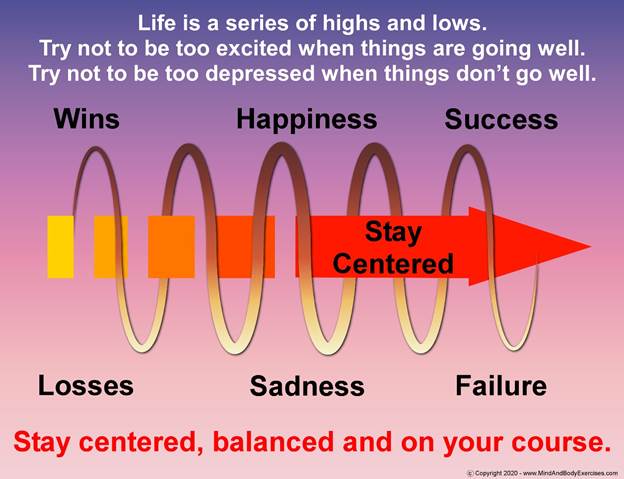
A metaphor that often comes to mind is that of individual boats floating on a river. Each of us is in our own vessel, shaped by our experiences, injuries, beliefs, habits, and fears. And yet we are all on the same river. We know where it leads. The waterfall at the end is not a secret. Mortality is not the surprise. What is surprising is how passively many of us drift toward it, aware of the direction, yet doing little to slow, redirect, or meaningfully engage with the journey itself.

Through decades of study and practice in martial arts, fitness, wellness, and character development, I have seen that much physical pain and mental suffering are not inevitable in the way we often assume. Aging brings change, yes, but deterioration is frequently accelerated by inactivity, isolation, and disengagement. This is where frustration sometimes arises for me. Not because people suffer, but because so many appear unwilling or unable to consider ways of reducing that suffering, even when those ways are accessible and humane.

To engage in practices that promote health, connection, or growth quietly implies that something can be done. Psychological research helps explain why this implication can feel empowering to some and threatening to others. Self-efficacy theory emphasizes the importance of a person’s belief in their ability to influence outcomes through their own actions (Bandura, 1997). When individuals no longer believe that their efforts will make a difference, withdrawal, avoidance, and resignation become understandable responses. From this perspective, resistance to change is not stubbornness or apathy, but a protective response to the fear that trying will only confirm one’s limitations.

This resistance is rarely about a dislike of movement, wellness, or community. More often, it reflects years of diminished confidence, repeated disappointment, or environments that subtly reinforce helplessness. When effort feels futile, suffering becomes something to endure rather than address. Familiar discomfort can begin to feel safer than uncertain improvement.

At the same time, I recognize a tension within myself. When I speak openly about movement, connection, and intentional living, I worry about coming across as preachy, mystical, or overly insistent. I am not a pastor. I am not promoting religion, nor am I suggesting that people join a cult or subscribe to a belief system. I am not even saying that everyone should practice tai chi, qigong, or martial arts. When I refrain from speaking, however, I feel that I am withholding something valuable. I feel that I am not fully honoring the experiences, insights, and responsibilities that come with a lifetime of observation and practice.

This tension is not about convincing or converting others. It is about witnessing. With time, some people naturally step into the role of observer, elder, or quiet guide. Not because they have all the answers, but because they have watched patterns repeat long enough to recognize their consequences. The challenge is learning how to share those observations without turning them into judgements or prescriptions.

One thing I have come to believe deeply is that human beings are not meant to regulate, heal, or make meaning entirely on their own. Loneliness is not simply an emotional state. It is a physiological stressor that affects mood, immune function, and overall health. Prolonged inactivity is not merely a lack of motivation. It contributes to neurological, metabolic, and emotional decline. These are not moral failings. They are relational failures, often reinforced by cultural norms that normalize isolation and passivity, especially in later life.

As people grow older, many intuitively sense the importance of connection, yet they often seek it in indirect or diluted ways. Simply getting out of the house becomes a strategy in itself. Some look for brief interactions at grocery stores, shopping malls, parks, or other public places. Others join social gatherings at churches, recreation centers, or community programs, playing chess, cards, or other games. Many find comfort and companionship in caring for pets, which offer unconditional presence and emotional soothing. These choices are understandable, and they can provide genuine relief from isolation.

However, an important question remains. While these activities offer contact, do they consistently provide the depth of connection and sense of purpose that many people seek as they age? Casual interactions, routine social exposure, or even well-intentioned group activities can still leave an underlying sense of emptiness if they lack shared meaning, mutual growth, or authentic engagement. Being around people is not the same as being with people in a way that nourishes identity, contribution, and belonging.

From a psychological perspective, this distinction matters. Self-determination theory emphasizes that relatedness is not simply about proximity to others, but about experiencing connection that feels mutual, valued, and purposeful (Deci & Ryan, 2000). Likewise, self-efficacy is strengthened not merely through activity, but through participation that allows individuals to feel useful, capable, and seen (Bandura, 1997). Without these elements, social contact can become another form of distraction rather than a source of restoration.

Meaningful connection often emerges where people share interests, challenges, values, or practices that invite participation rather than passive attendance. Whether through movement, learning, service, discussion, or creative expression, deeper connection tends to form when individuals feel they are contributing to something larger than themselves, while still being accepted as they are. In this way, connection becomes not just a buffer against loneliness, but a pathway toward purpose, resilience, and continued growth later in life.

Self-determination theory offers further insight into this pattern by identifying three basic psychological needs that support motivation and well-being: autonomy, competence, and relatedness (Deci & Ryan, 2000). When people feel they have little choice over their circumstances, when they no longer feel capable in their bodies or minds, and when meaningful social connection fades, motivation naturally erodes. In such conditions, disengagement is not a character flaw. It is an adaptive response to unmet psychological needs.

I see far too many people sitting alone in front of their televisions, day after day, in physical pain from lack of movement and mental suffering from loneliness. Many of them do not describe themselves as lonely. They describe themselves as introverted, tired, bored, anxious, or resigned. Yet beneath these labels is often a quiet grief and a sense of disconnection that no amount of passive entertainment can resolve.

Life is remarkably short. This truth is easy to intellectualize and difficult to feel until much later than we would like. By the time many people recognize the cost of years spent disengaged, rebuilding strength, relationships, and purpose, it all feels overwhelming. And so, the river carries them onward.

Despite our separate boats, we are not truly alone on this river. We move together, influenced by the same currents of aging, cultural distraction, and social fragmentation. This is why individual solutions, while important, are not sufficient on their own. Exercise matters, but so does shared experience. Reflection matters, but so does conversation. Discipline matters, but so does belonging. Environments that emphasize choice, encouragement, and shared participation help restore both self-efficacy and intrinsic motivation by allowing people to experience small successes within supportive social contexts (Bandura, 1997; Deci & Ryan, 2000).

When I speak about wellness, connection, and engagement, I try to do so from observation rather than instruction. I speak from my own struggles, not from a place of authority. I talk about what has helped me manage pain, stress, and meaning, rather than what others should do. I ask questions instead of offering conclusions. I trust that those who are ready will hear what resonates and leave the rest.

I have also come to accept a sobering but liberating truth. Not everyone wants to reduce their suffering. And that is not something I can change. But those who do want to suffer less are often quietly searching for examples, not sermons. They are looking for people who embody coherence, engagement, and a willingness to remain active in life, physically and relationally.

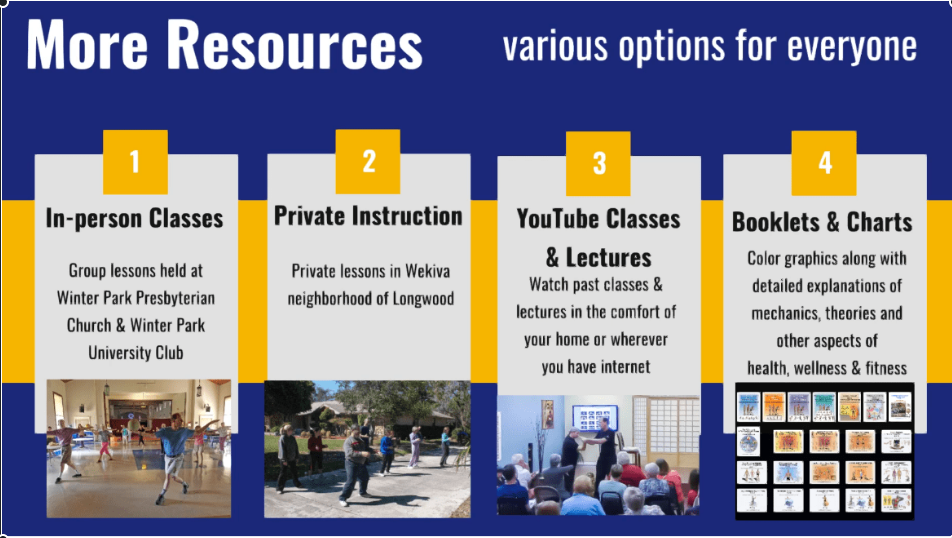
Perhaps the most honest role I can play is not that of teacher or promoter, but of a participant. Someone who keeps paddling, not frantically, but deliberately. Someone who remains available, curious, and open to connection. Someone who extends invitations rather than demands. Whether that invitation takes the form of a class, a walk, a conversation, or a shared interest matters less than the spirit in which it is offered.

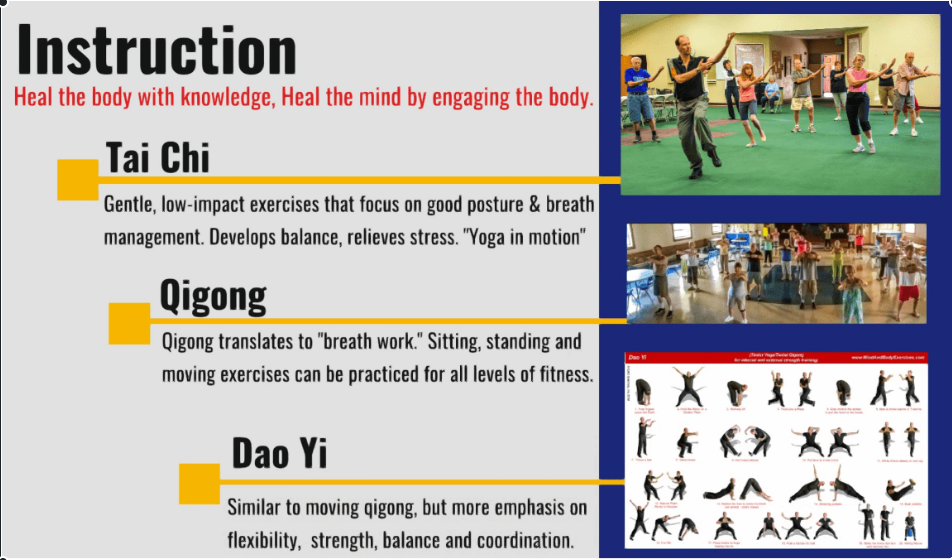
If tai chi or qigong resonates, wonderful. If not, there are countless other ways to engage. Art, music, volunteering, discussion groups, gardening, learning, mentoring, movement of any kind. What matters is not the activity itself, but the willingness to participate in life rather than observe it from the sidelines.

We are all on the same river. The current is real. The waterfall is inevitable. But how we travel, whom we travel with, and whether we choose to paddle at all remain within our influence. If sharing that perspective helps even a few people lift their eyes from the screen, move their bodies, or reach out to another human being, then speaking is not preaching. It is simply responding, honestly, to what a lifetime of observation has revealed.

As we age, the question often shifts from how to stay occupied to how to stay meaningfully engaged, with ourselves, with others, and with life itself.

If these reflections resonate with you, you are not alone. Meaningful connection often begins simply by reaching out. I welcome conversations about creating small, supportive gatherings, whether through discussion, movement, shared practice, or reflection, that explore mind, body, and consciousness as integrated aspects of human life. Sometimes the most important step is just finding others willing to paddle alongside us.

References:

Bandura, A. (1997). Self-efficacy: The exercise of control. W. H. Freeman and Company.

Deci, E. L., & Ryan, R. M. (2000). The “what” and “why” of goal pursuits: Human needs and the self-determination of behavior. Psychological Inquiry, 11(4), 227–268. https://doi.org/10.1207/S15327965PLI1104_01

Somatic Calibration, Iterative Self-cultivation, and Transmutation

Somatic Calibration

Somatic calibration is the foundational process of aligning body awareness with inner regulation. It involves refining the nervous system’s perception of tension, balance, and breath so the individual can consciously adjust posture, movement, and energetic flow. Through repeated sensory feedback, such as the proprioceptive and interoceptive signals used in qigong, tai chi, or dao yin, the practitioner learns to listen to the body and respond with precision. This phase trains one’s sensitivity and coherence: the capacity to detect micro-imbalances before they manifest as dysfunction.

In neurophysiological terms, this process strengthens the communication between the insula, anterior cingulate cortex, and prefrontal regions, the areas responsible for awareness, regulation, and decision-making (Khalsa et al., 2018). In Taoist and martial frameworks, this is the stage of refining jing or the raw essence, by bringing unconscious patterns into conscious alignment.

Iterative Self-Cultivation

Once somatic awareness becomes stable, iterative self-cultivation begins. “Iterative” means cyclical—one polishes the self repeatedly through mindful practice, reflection, and correction. In martial and meditative traditions, this is the ongoing cycle of practice → feedback → adjustment → integration. Each repetition deepens skill while gradually refining the character, much like tempering a sword through alternating heat and cooling.

This process embodies the principle of gongfu (功夫), the disciplined accumulation of effort over time. As the practitioner works through layers of physical, emotional, and cognitive conditioning, they develop what Confucian and Daoist classics call de (virtue or cultivated power). Modern psychology parallels this with neuroplastic adaptation—deliberate repetition that rewires synaptic pathways for stability, emotional regulation, and self-mastery (Davidson & McEwen, 2012).

Transmutation

Transmutation represents the culmination of these iterative refinements, the conversion of base tendencies into higher expression. In Taoist alchemy (neidan), it is the transformation of jing → qi → shen—essence into energy into spirit. Through calibrated awareness and continuous self-cultivation, internal friction and limitation become fuel for illumination.

In practical terms, transmutation is both psychological and energetic. It’s the capacity to metabolize fear into courage, pain into empathy, or adversity into wisdom. Physiologically, such transformation parallels shifts in endocrine and autonomic balance, where once-stressful stimuli now trigger coherence rather than reactivity. Spiritually, it marks the emergence of authenticity and radiant presence, the “light that guides others.”

Interconnection of the Three

  • Somatic calibration refines awareness and alignment.
  • Iterative self-cultivation builds discipline and stability.
  • Transmutation realizes integration and illumination.

Together, they form a living spiral rather than a straight line: each turn of cultivation enhances sensitivity (calibration), which allows deeper refinement (iteration), which in turn fuels higher transformation (transmutation). The cycle never ends, but rather it simply ascends toward subtler planes of being.

References:

Davidson, R. J., & McEwen, B. S. (2012). Social influences on neuroplasticity: Stress and interventions to promote well-being. Nature Neuroscience, 15(5), 689–695. https://doi.org/10.1038/nn.3093

Khalsa, S. S., Rudrauf, D., Damasio, A. R., & Davidson, R. J. (2018). Interoceptive awareness and its relationship to anxiety, depression, and well-being. Philosophical Transactions of the Royal Society B, 373(1741), 20170163. https://doi.org/10.1098/rstb.2017.0163

Four-Phase Expansion of the Jing–Qi–Shen Developmental Model

Phase 1 — Foundational Awareness: Somatic Calibration (Jing)

Phase 1 represents the foundational stage where the practitioner learns to attune their physical body, the Jing level, through heightened somatic awareness and physiological regulation. At this level, the focus is on:

  • Interoception: sensing internal signals such as breath, heartbeat, and muscular tension
  • Proprioception: detecting body position and micro-adjustments
  • Regulatory Responsiveness: adjusting posture, breathing, and alignment

Somatic calibration stabilizes the “base material” of the human system. In Taoist internal arts, this is the earliest refinement of Jing: raw essence becoming cleaner, clearer, and more governable.

Neuroscientifically, this phase strengthens communication between the insula (interoceptive awareness), anterior cingulate cortex (attention and motivation), and prefrontal cortex (regulation and decision-making). When these systems integrate, the practitioner becomes capable of sensing imbalances long before they erupt into dysfunction (Khalsa et al., 2018).

This phase is therefore concerned with:

  • Cultivating “felt sense”
  • Stabilizing the nervous system
  • Learning to “hear” the body
  • Establishing physical coherence

Without Phase 1, progression into deeper phases becomes imbalanced or potentially unsafe.

Phase 2 — Cyclical Refinement: Iterative Self-cultivation (Qi)

Once somatic clarity is established, the practitioner advances toward the mental-energetic domain, the Qi level. This phase introduces iterative practice and self-correction, forming the living engine of personal development.

Here, the operating principle is iteration:

Across martial arts, meditation, and qigong lineages, this cyclical refinement is recognized as gongfu (kung fu), not mere skill, but the cultivated discipline earned through dedicated repetition. Each iteration reshapes:

  • Motor pathways
  • Emotional patterns
  • Cognitive habits
  • Energetic circulation

Modern neuroscience parallels this with experience-dependent neuroplasticity or the gradual restructuring of brain networks for resilience, emotional regulation, and attentional stability (Davidson & McEwen, 2012).

Spiritually and philosophically, Phase 2 is where one begins forging de (virtue, cultivated inner power). The practitioner transitions from merely feeling the body to shaping the self.

At this stage, Qi becomes more coherent and directed. Mental habits are tuned, intentions sharpen, and discipline becomes embodied.

Phase 3 — Synthetic Integration: Transmutation (Shen)

Phase 3 transitions from refinement into whole-system synthesis, corresponding to the Shen level, with awareness, meaning, and inner illumination.

Here the practitioner no longer simply adjusts the body (Phase 1) or trains the mind through iteration (Phase 2). Instead, they convert base tendencies into higher capacities. This includes:

  • fear → insight
  • pain → empathy
  • discipline → wisdom
  • adversity → meaning

This is the essence of transmutation in internal alchemy (neidan):

Physiologically, this level parallels harmonization of endocrine rhythms, autonomic coherence, and emotional centers that once produced reactivity but now produce calm presence.

Psychologically, the practitioner embodies authenticity rather than performance. Their presence becomes stabilizing to others, as they can become “the light that guides.”

Phase 3 is where:

  • the body listens
  • the mind learns
  • consciousness reorients toward clarity

Bring it all together – the Harmonization (Integration of Jing–Qi–Shen)

My diagrams and progression of images naturally imply a fourth phase, which is the integrative stage where Jing, Qi, and Shen no longer operate as separate domains but revolve in a recursive living spiral.

Here, the practitioner reaches a point where:

  • Somatic calibration is continuous and automatic
  • Iterative self-cultivation is self-initiating
  • Transmutation becomes a way of life
  • All three influence each other simultaneously

This is the phase where the circle completes itself yet continues upward, a spiral path rather than a linear one.

In this 4th Phase the practitioner embodies:

  1. Physical alignment (Jing)
    Effortless posture, efficient movement, regulated physiology.
  • Mental clarity and energetic coherence (Qi)
    Stable attention, balanced emotions, refined intentions.
  • Spiritual awareness (Shen)
    Insight, compassion, spaciousness, wisdom.
  • Harmonized integration
    The practitioner is no longer “performing techniques” as
    they have become the technique.

This is the lived outcome of the entire model of the Warrior, Scholar and Sage:

How the Four Phases Correspond to my Diagrams (Stages 1–4)

Stage 1 (Jing/Qi/Shen circles):

Introduces the classical triad, three aspects as separate yet related.


Stage 2 (Physiology/Psychology/Philosophy overlay):

Connects each classical aspect with modern disciplines.
This becomes the foundation of Phase 1.


Stage 3 (Somatic Calibration / Iterative Self-cultivation / Transmutation overlay):

Maps each classical component into the three functional processes.
This is Phase 2 and Phase 3.


Stage 4 (Full elaborated diagram with figures):

Demonstrates the mature, embodied expression of all three components working in harmony.
This represents Phase 4.


Integrated Summary

  • Phase 1—Somatic Calibration: tuning the body (Jing), establishing stability and awareness.
  • Phase 2—Iterative Self-cultivation: tuning the mind (Qi), cultivating discipline, neuroplasticity, and virtuous habits.
  • Phase 3—Transmutation: tuning the consciousness (Shen), converting tendencies into illumination.
  • Phase 4—Recursive Harmonization: integrating Jing–Qi–Shen into a coherent, unified mode of being.

Together these phases describe a complete developmental alchemical model bridging Taoist tradition, neuroscience, psychology, and embodied martial philosophy.

Executive Function Development

Understanding Why the Human Prefrontal Cortex Matures Late

One of the most profound discoveries in neuroscience over the last several decades is that the human brain does not fully mature until well into the mid-twenties. While physical growth often plateaus by late adolescence, cognitive and emotional maturity continue to evolve long afterward. This discrepancy between physical and neural development is primarily due to the slow maturation of the prefrontal cortex, the region responsible for executive functions such as decision-making, impulse control, foresight, and moral reasoning. Understanding this process not only explains the often turbulent behavior of adolescents and young adults but also highlights how life experiences, education, and mindfulness practices can support optimal brain development.

Neurological Foundations of Brain Maturation

During early childhood, the human brain undergoes explosive growth in both neural density and connectivity. However, the adolescent and early adult years are marked by a different kind of neurological transformation, one of refinement rather than expansion. The brain’s gray matter, which is abundant in synaptic connections, peaks in volume during adolescence before undergoing a process called synaptic pruning. This selective elimination of unused connections allows for greater efficiency and specialization within neural networks (Giedd et al., 2012). Simultaneously, myelination, the insulation of neural pathways with fatty sheaths that enhance signal transmission, continues to progress through the frontal lobes well into the mid-twenties (Paus et al., 2008).

The prefrontal cortex, located just behind the forehead, is the last major brain region to complete these processes. It orchestrates what psychologists call executive functions: planning, organizing, prioritizing, regulating emotions, and exercising self-control. The delayed maturation of this region explains why adolescents and even young adults often display risk-taking behavior, heightened emotionality, and difficulty predicting the long-term consequences of their actions (Casey et al., 2008). In a sense, the “hardware” for rational decision-making exists, but the “software” or the refined connections and pathways that support mature judgment, is still under construction.

Emotional Regulation and Risk Behavior

Because the prefrontal cortex matures later than the limbic system (the brain’s emotional center) there is often a developmental mismatch during adolescence. The limbic system, including structures such as the amygdala and nucleus accumbens, becomes highly active and sensitive to reward, novelty, and social approval during the teenage years (Steinberg, 2010). This imbalance leads to emotional intensity and impulsiveness that can overshadow rational thought. Consequently, young people may engage in high-risk behaviors, from reckless driving to substance use, not necessarily because they lack intelligence, but because their cognitive control systems are still evolving.

Hormonal surges during puberty further amplify emotional reactivity, creating a neural environment that prioritizes sensation and social belonging over long-term reasoning (Somerville et al., 2010). While this can lead to errors in judgment, it also fuels exploration, learning, and creativity, all essential components of human development. In this sense, adolescence is not a flaw in design but an adaptive phase that prepares individuals for independence, innovation, and identity formation.

The Role of Experience and Neuroplasticity

The extended development of the prefrontal cortex offers a unique evolutionary advantage: a prolonged window of neuroplasticity. This means that the brain remains malleable and highly responsive to environmental influences throughout the teens and early adulthood. Experiences such as education, social interaction, mentorship, and even adversity all sculpt the brain’s architecture through repeated patterns of thought and behavior (Blakemore & Choudhury, 2006). Positive experiences like supportive relationships, mindfulness training, or structured skill development, strengthen neural circuits associated with resilience, empathy, and foresight.

Conversely, chronic stress, trauma, or exposure to substance abuse during this sensitive period can disrupt prefrontal development and lead to long-term difficulties in emotional regulation and decision-making (Luna et al., 2015). This highlights the importance of nurturing environments, holistic education, and practices that promote self-regulation and body awareness during the formative years of brain development.

Enhancing Prefrontal Development Through Mind-Body Practices

Mind-body disciplines such as yoga, Qigong, Tai Chi, and Bagua Zhang provide valuable pathways to enhance prefrontal development by integrating attention, movement, and emotional regulation. These practices require individuals to cultivate mindfulness, balance, and fine motor control, all of which engage the same neural circuits responsible for executive functioning. Studies have shown that consistent engagement in mindfulness and meditative movement practices can increase cortical thickness and functional connectivity in the prefrontal cortex, leading to improvements in attention, emotional balance, and self-awareness (Tang et al., 2015).

Furthermore, activities that require coordinated, deliberate movement such as martial arts, dance, or even playing a musical instrument, stimulate both hemispheres of the brain and reinforce the mind-body connection. These practices can effectively “train” the prefrontal cortex, helping individuals refine focus, control impulses, and manage stress more effectively. Thus, while biology sets the stage for brain maturation, experience and intentional practice determine the quality of that development.

Implications for Lifelong Growth

Recognizing that the brain continues to mature into the mid-twenties carries significant implications for education, parenting, and social policy. It suggests that late adolescence and early adulthood should not be viewed as the endpoint of development but rather as a critical phase of refinement and responsibility-building. Encouraging environments that promote autonomy, reflection, and self-regulation can help young adults transition more smoothly into mature, balanced individuals.

From a holistic perspective, the developing prefrontal cortex reflects a broader principle of human growth: maturity is not merely a biological milestone but a process of integration of body, mind, and spirit. The capacity for foresight, empathy, and moral reasoning emerges not only through neural wiring but through conscious cultivation. Just as physical training strengthens the body, mindful discipline strengthens the brain, allowing individuals to live with greater purpose, clarity, and wisdom.

References:

Blakemore, S.-J., & Choudhury, S. (2006). Development of the adolescent brain: Implications for executive function and social cognition. Journal of Child Psychology and Psychiatry, 47(3–4), 296–312. https://doi.org/10.1111/j.1469-7610.2006.01611.x

Casey, B. J., Jones, R. M., & Hare, T. A. (2008). The adolescent brain. Annals of the New York Academy of Sciences, 1124(1), 111–126. https://doi.org/10.1196/annals.1440.010

Giedd, J. N., Raznahan, A., Mills, K. L., & Lenroot, R. K. (2012). Review: magnetic resonance imaging of male/female differences in human adolescent brain anatomy. Biology of Sex Differences, 3(1), 19. https://doi.org/10.1186/2042-6410-3-19

Luna, B., Marek, S., Larsen, B., Tervo-Clemmens, B., & Chahal, R. (2015). An integrative model of the maturation of cognitive control. Annual Review of Neuroscience, 38, 151–170. https://doi.org/10.1146/annurev-neuro-071714-034054

Paus, T., Keshavan, M., & Giedd, J. N. (2008). Why do many psychiatric disorders emerge during adolescence? Nature Reviews Neuroscience, 9(12), 947–957. https://doi.org/10.1038/nrn2513

Somerville, L. H., Jones, R. M., & Casey, B. J. (2010). A time of change: Behavioral and neural correlates of adolescent sensitivity to appetitive and aversive environmental cues. Brain and Cognition, 72(1), 124–133. https://doi.org/10.1016/j.bandc.2009.07.003

Steinberg, L. (2010). A dual systems model of adolescent risk-taking. Developmental Psychobiology, 52(3), 216–224. https://doi.org/10.1002/dev.20445

Tang, Y.-Y., Hölzel, B. K., & Posner, M. I. (2015). The neuroscience of mindfulness meditation. Nature Reviews Neuroscience, 16(4), 213–225. https://doi.org/10.1038/nrn3916

The PERMA-V Model for Self-mastery

Dr. Martin Seligman, one of the founders of positive psychology, introduced the PERMA model as a framework to describe and cultivate human flourishing. PERMA outlines five measurable pillars of well-being:

  1. Positive Emotions
  2. Engagement
  3. Relationships
  4. Meaning
  5. Accomplishment (Seligman, 2011).

In subsequent years, scholars and practitioners expanded the model by adding a sixth dimension with Vitality, to better account for physical health and energetic capacity as essential to overall well-being (Kern et al., 2020).

Together, the PERMA-V model offers a comprehensive approach to understanding psychological, social, emotional, and physical well-being.

Positive Emotions (P)

Positive emotions include joy, gratitude, serenity, hope, and love. Research shows that experiencing positive emotions broadens attention, enhances creativity, builds psychological resilience, and supports long-term well-being (Fredrickson, 2013). Seligman (2011) emphasizes that these emotions are not momentary feelings but foundations of a flourishing life.

Engagement (E)

Engagement refers to being fully absorbed in an activity, often described as “flow” (Csikszentmihalyi, 1990). Flow experiences occur when personal skill meets challenge, producing deep involvement, loss of self-consciousness, and intrinsic reward. Higher levels of engagement correlate with improved well-being, productivity, and life satisfaction (Hone et al., 2014).

Relationships (R)

Human well-being is deeply social. Supportive relationships increase life satisfaction, protect against depression, and contribute to healthy longevity (Holt-Lunstad et al., 2015). Seligman (2011) identifies positive relationships as one of the strongest predictors of thriving across the lifespan.

Meaning (M)

Meaning involves belonging to and serving something larger than oneself—such as family, community, faith, service, or purpose-driven work. Purpose and meaning are associated with greater resilience, better health outcomes, and increased life satisfaction (Steger, 2012).

Accomplishment (A)

Accomplishment refers to the pursuit and achievement of goals, mastery, and personal growth. Research indicates that setting meaningful goals and progressing toward them enhances agency, motivation, and long-term well-being (Locke & Latham, 2019).

Vitality (V)

Vitality represents physical energy, health, and the sense of being alive and vibrant. Emerging literature supports physical well-being as an essential dimension of flourishing, leading to the addition of “V” to the PERMA framework in many academic and applied settings (Kern et al., 2020). Vitality includes:

  • energy levels
  • sleep quality
  • nutrition
  • movement and exercise
  • resilience and metabolic health

This component reinforces the interconnected nature of mind and body, supporting the broader shift toward integrative models of well-being.

The PERMA-V framework expands Seligman’s original model to reflect a more complete picture of human flourishing. Positive emotions, deep engagement, supportive relationships, meaningful purpose, ongoing accomplishments, and a foundation of physical vitality operate synergistically to support long-term well-being. Because each element is measurable and developable, individuals, educators, clinicians, and organizations can intentionally use PERMA-V as a roadmap for cultivating resilience, health, and a flourishing life.

ElementDefinitionKey Features / IndicatorsExamples
P – Positive EmotionsExperiencing uplifting emotional states that broaden thinking and build resilience.Joy, gratitude, serenity, hope, loveGratitude practice, enjoying nature, humor
E – EngagementDeep involvement or “flow” in meaningful tasks.Time distortion, skill–challenge balance, intrinsic rewardCreative work, martial arts forms, problem-solving
R – RelationshipsSupportive, authentic, and meaningful social connections.Belonging, trust, communication, social supportFamily bonds, community ties, friendships
M – MeaningHaving purpose and belonging to something greater than oneself.Values alignment, service, contributionTeaching, spirituality, volunteer work
A – AccomplishmentPursuing and achieving goals, mastery, and personal growth.Discipline, progression, competenceSkill development, certifications, physical training milestones
V – VitalityPhysical health, energy, and foundational well-being of the body.Sleep quality, nutrition, movement, resilienceExercise, breathing practices, mind–body exercises

References:

Csikszentmihalyi, M. (1990). Flow: the psychology of optimal experience. ResearchGate. https://www.researchgate.net/publication/224927532_Flow_The_Psychology_of_Optimal_Experience

Fredrickson, B. L. (2013). Positive emotions broaden and build. Advances in Experimental Social Psychology, 47, 1–53. https://doi.org/10.1016/B978-0-12-407236-7.00001-2

Holt-Lunstad, J., Smith, T. B., Baker, M., Harris, T., & Stephenson, D. (2015). Loneliness and social isolation as risk factors for mortality: A meta-analytic review. Perspectives on Psychological Science, 10(2), 227–237. https://doi.org/10.1177/1745691614568352

Hone, L. C., Jarden, A., Schofield, G. M., & Duncan, S. (2014). Measuring flourishing: The impact of operational definitions on the prevalence of high levels of well-being. International Journal of Wellbeing, 4(1), 62–90. https://doi.org/10.5502/ijw.v4i1.4

Kern, M. L., Williams, P., Spong, C., Colla, R., Sharma, K., Downie, A., & Taylor, J. A. (2020). Systems informed positive psychology. The Journal of Positive Psychology, 15(6), 705–715. https://doi.org/10.1080/17439760.2019.1639799


Locke, E. A., & Latham, G. P. (2019). The development of goal setting theory: A half century retrospective. Motivation Science, 5(2), 93–105. https://doi.org/10.1037/mot0000127

Seligman, M. E. P. (2011). Flourish: A visionary new understanding of happiness and well-being. Free Press. https://archive.org/details/flourish0000seli

Steger, M. F. (2012). Making meaning in life. Psychological Inquiry, 23(4), 381–385. https://doi.org/10.1080/1047840X.2012.720832