Your Network and Your Net Worth – The Hidden Currency of Human Connection

For many years I heard the phrase, “It’s not what you know, but who you know.” Like many clichés, it can sound overly simplistic at first. After all, knowledge, skill, experience, and competence certainly matter. A surgeon must know surgery. A pilot must know how to fly. A teacher must know their subject. Yet as I have grown older and observed the world around me, I have come to realize that who we know often determines whether our knowledge and abilities ever have the opportunity to be seen.

There is a reason another modern expression has become popular: “Your network determines your net worth.” While money is only one measure of worth, there is undeniable truth in the idea that our relationships, associations, and social circles influence our opportunities, income, and influence.
Skill Alone Is Not Enough

Consider the example of a Tai Chi instructor, yoga teacher, personal trainer, or holistic health educator.

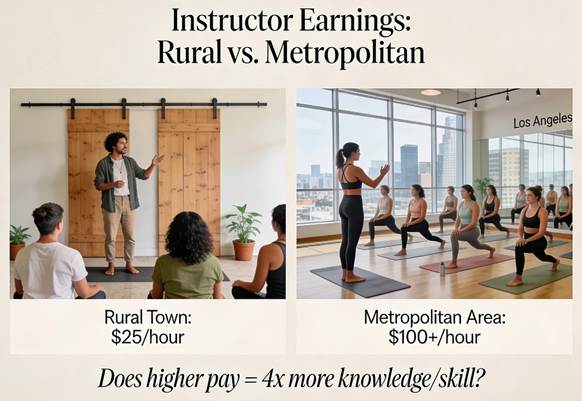
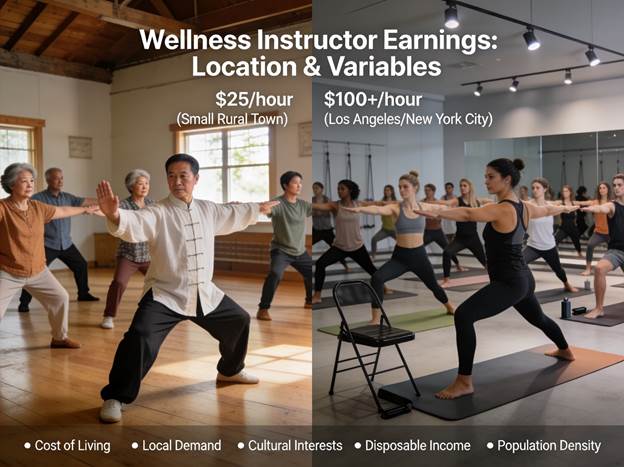
One instructor may earn $25 per hour teaching in a small rural town. Another instructor with similar credentials may earn $100 or more per hour in Los Angeles, New York City, or another affluent metropolitan area. Does this automatically mean the latter instructor is four times more knowledgeable or skilled?

Not necessarily.

Many variables influence earning potential. Cost of living, demographics, local demand, cultural interests, disposable income, and population density all play significant roles. An instructor teaching in a city where wellness and fitness are highly valued may find a much larger audience willing to pay premium prices than someone teaching in a region where such services are viewed as luxuries rather than necessities.

The same principle applies to authors, artists, musicians, consultants, and speakers.

Many talented authors produce exceptional books that sell only a few hundred copies. Meanwhile, celebrities often publish books that immediately become bestsellers despite containing little original insight. The difference is frequently not the quality of the material, but the size and influence of the audience already connected to the author.

In practical terms, visibility often precedes opportunity.
Social Capital: An Invisible Asset

Economists and sociologists often refer to this phenomenon as social capital (Bourdieu, 1986; Putnam, 2000). Social capital refers to the resources available through relationships, trust, reciprocity, and social networks.

Unlike financial capital, social capital cannot be deposited into a bank account. Yet it may be equally valuable.

A recommendation from a trusted colleague can lead to a new career opportunity.

A referral from a satisfied client can produce years of additional business.

A conversation at the right time with the right person can alter the course of an entire life.

Throughout history, communities, guilds, religious organizations, professional associations, and social clubs have all functioned as networks that create opportunities for their members. Human beings are social creatures. We naturally place greater trust in people who are introduced through existing relationships than in complete strangers.

This reality is neither inherently good nor bad. It is simply part of human nature.

The Geography of Opportunity

Location itself can become a form of networking.

Living in a major metropolitan area exposes an individual to vastly different opportunities than living in a small town. The density of businesses, educational institutions, professional organizations, and potential clients creates a richer ecosystem of connections.

A fitness instructor in Manhattan may encounter hundreds of potential clients every week simply because of proximity. A holistic health educator in a smaller community may possess equal or greater expertise but have access to a much smaller audience.

The digital age has changed this dynamic somewhat. Through websites, podcasts, YouTube channels, social media, and online communities, individuals can now build networks that transcend geography. Yet even online, the principle remains the same. Success often depends not only on creating valuable content but also on building meaningful relationships with an audience.

The Psychology of Trust

Another reason networks matter is that people generally do business with those they know, like, and trust.

Psychologists have long recognized that familiarity influences decision-making. Repeated exposure tends to increase perceived trustworthiness, a phenomenon known as the mere exposure effect (Zajonc, 1968).

This helps explain why someone may choose a local instructor they know personally over another instructor who appears more qualified on paper.

Trust often outweighs credentials.

Likewise, a publisher may choose to invest in an author with an established following rather than a more talented unknown writer. The publisher is not merely purchasing a manuscript; they are purchasing access to an audience.

This can seem unfair at times. However, understanding the principle allows us to work with it rather than against it.

Building a Network the Right Way

The concept of networking sometimes receives criticism because people associate it with manipulation, self-promotion, or opportunism. However, authentic networking is not about collecting business cards or accumulating followers. It is about cultivating genuine relationships. The strongest networks are built on mutual benefit, trust, service, and reciprocity. They develop naturally when people consistently contribute value to others.

The martial arts instructor who helps students achieve their goals.

The wellness coach who genuinely cares about clients.

The author who provides meaningful insights.

The speaker who educates and inspires.

These individuals create goodwill that often returns to them through referrals, recommendations, and opportunities.

In this sense, networking becomes less about selling and more about serving.

The Warrior, Scholar, and Sage Perspective

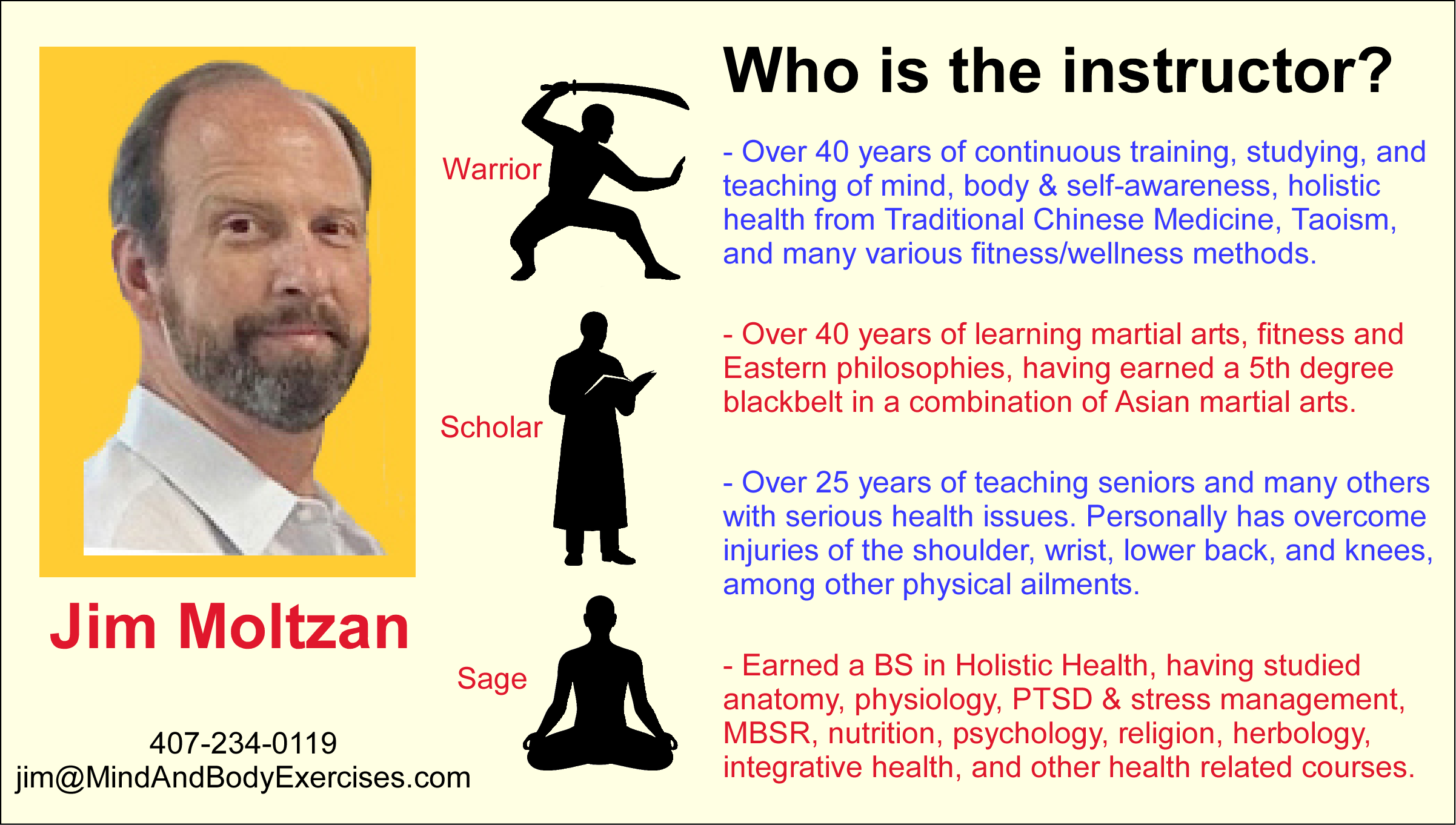
From the perspective of the Warrior, Scholar, and Sage, networking takes on a deeper meaning.

The Warrior develops competence and discipline.

The Scholar develops knowledge and understanding.

The Sage develops relationships, wisdom, and human connection.

Without competence, relationships have limited value. Without relationships, competence may remain largely unnoticed. Success often emerges from the integration of all three.

The Warrior ensures that we possess genuine ability.

The Scholar ensures that we continue learning and growing.

The Sage reminds us that life is ultimately lived through relationships.

Many opportunities arise not because we aggressively seek them, but because others remember our character, our integrity, and the value we have consistently provided over time.

Final Reflections

While knowledge and skill remain essential, they do not exist in a vacuum. Human beings live, work, and thrive within networks of relationships. The old saying, “It’s not what you know, but who you know,” is only partially true. A more accurate statement might be:

“What you know creates your value. Who you know creates your opportunities.”

Both matter. The challenge is not choosing one over the other but cultivating both simultaneously. Invest in your education. Develop your skills. Pursue mastery in your chosen field. But also invest in people. Build trust. Create meaningful relationships. Offer value. Help others succeed.

Over time, you may discover that your network becomes one of the most valuable assets you will ever possess, not merely for financial gain, but for friendship, purpose, growth, and the countless opportunities that arise when human beings genuinely connect.

References

Bourdieu, P. (1986). The forms of capital. In J. Richardson (Ed.), Handbook of theory and research for the sociology of education (pp. 241–258). Greenwood. https://publish.illinois.edu/crittheory/files/2023/01/Bourdieu-The-Forms-of-Capital.pdf

Putnam, R. D. (2000). Bowling alone: The collapse and revival of American community. Simon & Schuster. https://archive.org/details/bowlingalonecoll00putn

Zajonc, R. B. (1968). Attitudinal effects of mere exposure. Journal of Personality and Social Psychology Monograph Supplement, 9(2, Pt. 2), 1–27. https://doi.org/10.1037/h0025848

Ethical Tensions in Direct-to-Consumer (DTC) Pharmaceutical Marketing

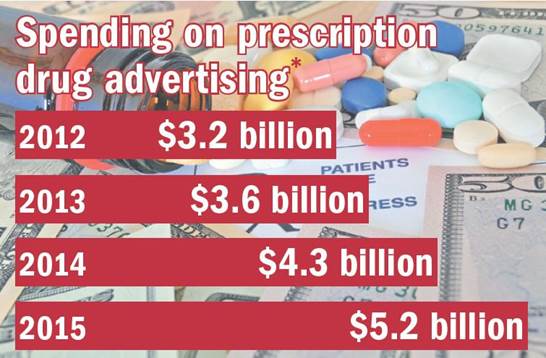
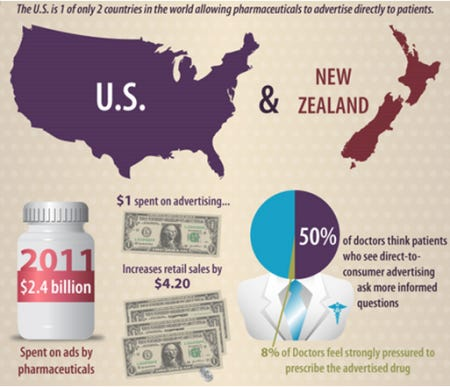
In the pharmaceutical industry, direct-to-consumer (DTC) marketing, often in the form of television ads, online campaigns, or print materials, remains one of the most polarizing strategies. When drug manufacturers communicate directly with patients, bypassing traditional physician-only channels, a complex array of ethical challenges emerges. This article explores those tensions, weighing the potential benefits against the risks, and ultimately arguing that DTC marketing must be tightly constrained if it is to serve public health rather than commercial agendas.

The Promise and Appeal of DTC Marketing in Pharma

Proponents of DTC pharmaceutical marketing often emphasize the following benefits:

  1. Increased patient awareness and empowerment. Many patients are unaware of particular diseases, diagnostic criteria, or emerging therapies. DTC campaigns can spark inquiries and encourage more informed dialogues between patients and clinicians (Weinmeyer, 2013).
  2. Earlier diagnosis or treatment initiation. By raising awareness of symptoms or conditions, DTC advertising may lead patients to seek care that they might otherwise delay (Parekh & Shrank, 2018).
  3. Competitive pressure and innovation. The presence of DTC competition may push firms to invest in better therapies and patient support programs.
  4. Commercial advantage. From the perspective of pharmaceutical firms, DTC enables them to expand market size, solidify brand recognition, and reduce reliance on intermediaries (Kitsis, 2011).

However, each of these advantages also carries potential pitfalls.

1. Overmedicalization and Disease Definition Inflation

One of the most serious critiques is that DTC ads may blur the line between normal variations and medical conditions. By framing everyday symptoms as pathological, campaigns can enlarge the market for treatment (Kitsis, 2011). As Harvard Health put it, DTC marketing may lead individuals to imagine that they “just around the corner … suffer a new deadly or debilitating condition you should hurry to investigate with your doctor.” (Shmerling, 2025).

This inflation of disease definitions burdens the healthcare system and risks encouraging medication use where nonpharmacologic interventions (e.g., lifestyle change, behavioral therapies) might suffice.

2. Distorted Presentation of Risks and Benefits

Balanced depiction of benefits and harms is central to ethical prescription drug communication. Yet in practice, many DTC advertisements emphasize benefits while minimizing or burying risks (Parekh & Shrank, 2018). Ads may focus on “life improvement” stories or visuals while relegating side effects to fine print or “extended disclosure” sources (e.g., websites). The FDA requires a “fair balance,” but enforcement has historically lagged (Office of the Commissioner, 2025).

When patients see only the upside, they may develop unrealistic expectations, placing pressure on clinicians to prescribe drugs that may not align with their clinical profile or preferences (Direct-to-Consumer Advertisements of Prescription Drugs | AMA-Code, n.d.)

3. Patient Autonomy vs. Manipulation

One of the pillars of modern bioethics is autonomy, or the ability of individuals to make informed decisions for themselves. In theory, DTC advertising might enhance autonomy by providing information directly to patients. However, such autonomy is only meaningful when the information is accurate, unbiased, and comprehensible.

Critics argue that DTC ads often use emotional appeal, narrative, or selective framing to influence rather than inform (Nagappan et al., 2024). When patients internalize marketing messages and approach their physician with expectations for certain brand-name drugs, their decision-making might be subtly steered by commercial interests, compromising genuine informed consent.

4. Physician–Patient Relationship and Prescribing Pressure

Physicians are under pressure when patients request specific drugs they saw in ads. Even if a physician believes a different option is better, the patient might feel dissatisfied or mistrustful. The AMA ethics code instructs clinicians to resist undue influence, but real-world constraints exist (Direct-to-Consumer Advertisements of Prescription Drugs | AMA-Code, n.d.).

Moreover, some studies show that DTC exposure is correlated with higher prescribing volume for advertised drugs, even when clinically equivalent alternatives exist (Fain et al., 2014).

5. Cost, Access, and Health Equity

Because DTC tends to target high-margin, brand-name drugs, it can drive higher healthcare spending without commensurate clinical benefit. The Congressional Budget Office estimated that a 10% increase in DTC advertising correlates with a 1–2.3% rise in drug spending. (Assistant Secretary for Public Affairs (ASPA), 2025)

This dynamic can exacerbate disparities: patients with stronger access or more resources receive more targeted messaging, while others may remain uninformed. Also, marketing dollars diverted toward promotion may reduce investments in less glamorous but important areas like preventive care or access in underserved regions.

6. Regulatory Gaps and Oversight Challenges

DTC pharma marketing exists under complex regulatory constraints. In the U.S., the FDA’s Office of Prescription Drug Promotion is charged with reviewing ads, but enforcement has sometimes been lax (Makary, 2025).

The FDA recently announced intensified scrutiny and plans to issue hundreds of cease-and-desist or warning letters to curb deceptive practices. (Office of the Commissioner, 2025)

Still, challenges remain. Digital and social media campaigns fall into gray areas of regulation, where influencer posts, micro-ads, or referral links may evade traditional oversight (Nagappan et al., 2024).

Given the tensions, a complete ban on DTC in pharmaceuticals may be overly blunt—and, indeed, bans are politically and legally fraught given First Amendment protections in the U.S. (Rosenbluth, 2025).  A more viable path lies in rigorous reform grounded in ethical principles:

  1. Transparency and full disclosure. Ads must present balanced, easily understandable information about benefits and risks – not merely in fine print, but in the main message. Regulatory standards should evolve to require “plain language” summaries.
  2. Strict limits on emotional persuasion. The use of fear, idealized narratives, or lifestyle framing that overstates outcomes should be prohibited or tightly regulated.
  3. Mandatory clinician referral and dialogue. Ads should prominently encourage patients to consult qualified physicians and may be required to include “decision aids” or links to reliable sources, rather than simply product websites.
  4. Prior approval and monitoring. Marketing communications should undergo standardized, independent review and audits, especially for digital campaigns. Digital media that permit rapid iteration should be held to the same standard as broadcast ads.
  5. Equitable targeting. DTC campaigns should avoid exclusively targeting privileged demographics. If campaigns aim to reach those at risk (e.g. underserved populations), access must be matched with affordability and support services.
  6. Research and feedback loops. Ongoing studies should assess the real-world impact of DTC marketing on prescribing patterns, health outcomes, and overall system costs. Transparency in such research is crucial.
  7. Stronger sanctions for abuse. Violations, including exaggerated claims or failure to disclose risks, must carry meaningful penalties to deter misconduct.

These principles reflect an attempt to preserve the potential public health benefits of patient engagement, without enabling exploitation or distortion.

DTC marketing in the pharmaceutical industry occupies a morally precarious space between patient empowerment and commercial manipulation. While it can raise awareness and stimulate clinician-patient dialogue, it also risks inflating disease definitions, distorting risk perception, pressuring physicians, and driving unnecessary spending.

If DTC marketing remains permissible, it must be heavily regulated and ethically constrained. The guiding objective should be to support informed, shared medical decision-making, and not to subvert it. Only then can DTC campaigns align with both patient welfare and public trust.

References:

Assistant Secretary for Public Affairs (ASPA). (2025, September 9). Fact Sheet : Ensuring patient Safety through reform of Direct-to-Consumer Pharmaceutical Advertisement Policies. HHS.gov. https://www.hhs.gov/press-room/hhs-fda-drug-ad-transparency-fact-sheet.html?utm_source=chatgpt.com

Companies, C. (2020, September 1). Direct-to-consumer Rx ads: A useful tactic in the age of Covid? NPC Healthbiz Weekly. https://healthbiz.substack.com/p/direct-to-consumer-rx-ads-a-useful

Direct-to-Consumer advertisements of prescription drugs | AMA-Code. (n.d.). https://code-medical-ethics.ama-assn.org/ethics-opinions/direct-consumer-advertisements-prescription-drugs?utm_source=chatgpt.com

Fain, K. M., & Alexander, G. C. (2014). Mind the gap. Medical Care, 52(4), 291–293. https://doi.org/10.1097/mlr.0000000000000126

Harvard Health. (2017, February 14). Do not get sold on drug advertising. https://www.health.harvard.edu/medications/do-not-get-sold-on-drug-advertising

Kitsis, E. A. (2011). The pharmaceutical industry’s role in defining illness. The AMA Journal of Ethic, 13(12), 906–911. https://doi.org/10.1001/virtualmentor.2011.13.12.oped1-1112

Makary, M. A. (2025). The FDA’s overdue crackdown on misleading pharmaceutical advertisements. JAMA. https://doi.org/10.1001/jama.2025.18197

Nagappan, A., Kalokairinou, L., & Wexler, A. (2024). Ethical issues in direct-to-consumer healthcare: A scoping review. PLOS Digital Health, 3(2), e0000452. https://doi.org/10.1371/journal.pdig.0000452

Office of the Commissioner. (2025, September 9). FDA launches crackdown on deceptive drug advertising. U.S. Food And Drug Administration. https://www.fda.gov/news-events/press-announcements/fda-launches-crackdown-deceptive-drug-advertising?utm_source=chatgpt.com

Parekh, N., & Shrank, W. H. (2018). Dangers and Opportunities of Direct-to-Consumer Advertising. Journal of General Internal Medicine, 33(5), 586–587. https://doi.org/10.1007/s11606-018-4342-9

Rosenbluth, H. (2025, March 18). Banning direct-to-consumer drug ads won’t work. STAT. https://www.statnews.com/2025/03/18/direct-to-consumer-drug-ads-ban-rfk-jr-reform/?utm_source=chatgpt.com

Shmerling, R. H., MD. (2025, April 3). Harvard Health Ad Watch: How direct-to-consumer ads hook us. Harvard Health. https://www.health.harvard.edu/blog/harvard-health-ad-watch-how-direct-to-consumer-ads-hook-us-201909201968?utm_source=chatgpt.com

Weinmeyer, R. (2013). Direct-to-Consumer advertising of drugs. The AMA Journal of Ethic, 15(11), 954–958. https://doi.org/10.1001/virtualmentor.2013.15.11.hlaw1-1311

Spiritual Paradoxes: Humility Taught, Materialism Practiced

Across time and cultures, the greatest spiritual teachers have emphasized simplicity, humility, and inner transformation. Yet, paradoxically, the institutions that grow around these teachings often accumulate material wealth, political power, and ego-driven prestige.

Christianity, Buddhism, Hinduism, Islam, all at their core, advocate for the shedding of worldly attachments. Yet many of their largest institutions exhibit the very materialism and hierarchy their founders warned against. In light of today’s cultural unrest, consumerism, and spiritual seeking, these contradictions deserve closer reflection.

A Humble Beginning

Jesus of Nazareth lived with radical humility. His birth in a manger (Luke 2:7, New International Version [NIV]), his itinerant lifestyle (“the Son of Man has no place to lay his head,” Luke 9:58, NIV), and his repeated critiques of religious legalism (Matthew 23:1–28, NIV) demonstrate a clear rejection of material power and ritualized pretense.

He warned against storing up treasures on earth, urging people instead to seek spiritual treasures (Matthew 6:19–21, NIV). His message was direct: inner transformation and compassion mattered more than public ritual or personal gain.

And yet, centuries later, the Roman Catholic Church emerged from the very empire that crucified him, to became one of the wealthiest and most ritualized institutions in human history (MacCulloch, 2011).

A Universal Paradox

This irony is not exclusive to Christianity. It is a universal pattern across major belief systems:

  • Buddhism: Siddhartha Gautama, the Buddha, renounced his royal status to seek enlightenment through simplicity and meditation. His core teaching of the elimination of craving and attachment became institutionalized into monasteries and sects, some of which, over centuries, accumulated wealth, political influence, and hierarchical authority (Lopez, 2001).
  • Hinduism: Early Vedic teachings stressed detachment from material life through paths like Jnana (knowledge) and Bhakti (devotion). Yet, sprawling temple complexes, priestly hierarchies, and caste structures often mirrored societal materialism and status-seeking (Flood, 1996).
  • Islam: The Prophet Muhammad lived simply, called for humility, and emphasized equality among believers. Yet throughout history, caliphates and modern regimes alike have at times entangled faith with vast political and material ambitions (Esposito, 1998).

Again and again, humanity seems to be drawn to codify spiritual simplicity into worldly complexity.

Why Does This Happen?

From a psychological and sociological standpoint, this paradox might stem from natural human tendencies:

  • Desire for Security: Spiritual communities often accumulate resources to protect their teachings and communities from external threats.
  • Institutionalization: Movements grow into organizations, and organizations seek stability, leading to bureaucracy and hierarchy.
  • Human Ego: Even with the best intentions, individuals and groups may seek recognition, authority, and influence, contradicting the original teachings.

As the Tao Te Ching observes, “The higher the structure, the farther from the Way” (Laozi, trans. Mitchell, 1988).

Cultural Relevance Today

Today’s society, riddled with consumerism, curated self-images, and institutional distrust, mirrors these spiritual paradoxes. Many seekers are disillusioned with religious structures not because they reject faith, but because they crave authenticity.

Holistic health practitioners recognize that wellness is found in true balance of mind, body, and spirit, and requires stripping away external noise and realigning with essential truths. It’s not in grandeur but in simplicity that healing often occurs.

The example of figures like Jesus, Buddha, and Muhammad calls us back not to ritualized identity, but to the living essence of humility, compassion, and conscious living.

A Personal Reflection

This reflection isn’t a condemnation of all spiritual institutions. Rather, it is a call to vigilance:

  • Are we aligning with the heart of spiritual wisdom or merely its outer forms?
  • Are we living simply, authentically, and compassionately, or becoming entangled in ego, status, and recognition?

As individuals seeking holistic well-being, we are invited to live in the spirit rather than merely follow the form.

Spiritual maturity requires discernment and choosing the inward journey over external display, whether in religion, health, or daily life.

References

Esposito, J. L. (1998). Islam: The straight path (3rd ed.). Oxford University Press.

Flood, G. (1996). An introduction to Hinduism. Cambridge University Press.

Lopez, D. S., Jr. (2001). THE STORY OF BUDDHISM. HarperSanFrancisco. http://www.chanreads.org/wp-content/uploads/2022/09/The-Story-of-Buddhism-A-Concise-Guide-to-Its-History-Teachings-Donald-S.-Lopez-Jr.-chanreads.org_.pdf

MacCulloch, D. (2011). Christianity: The first three thousand years. Penguin Books.

Mitchell, S. (Trans.). (1988). Tao Te Ching (Lao Tzu). Harper & Row.

The Holy Bible, New International Version. (2011). Biblica, Inc. (Original work published 1978)

Our Own Inner Pharmacy

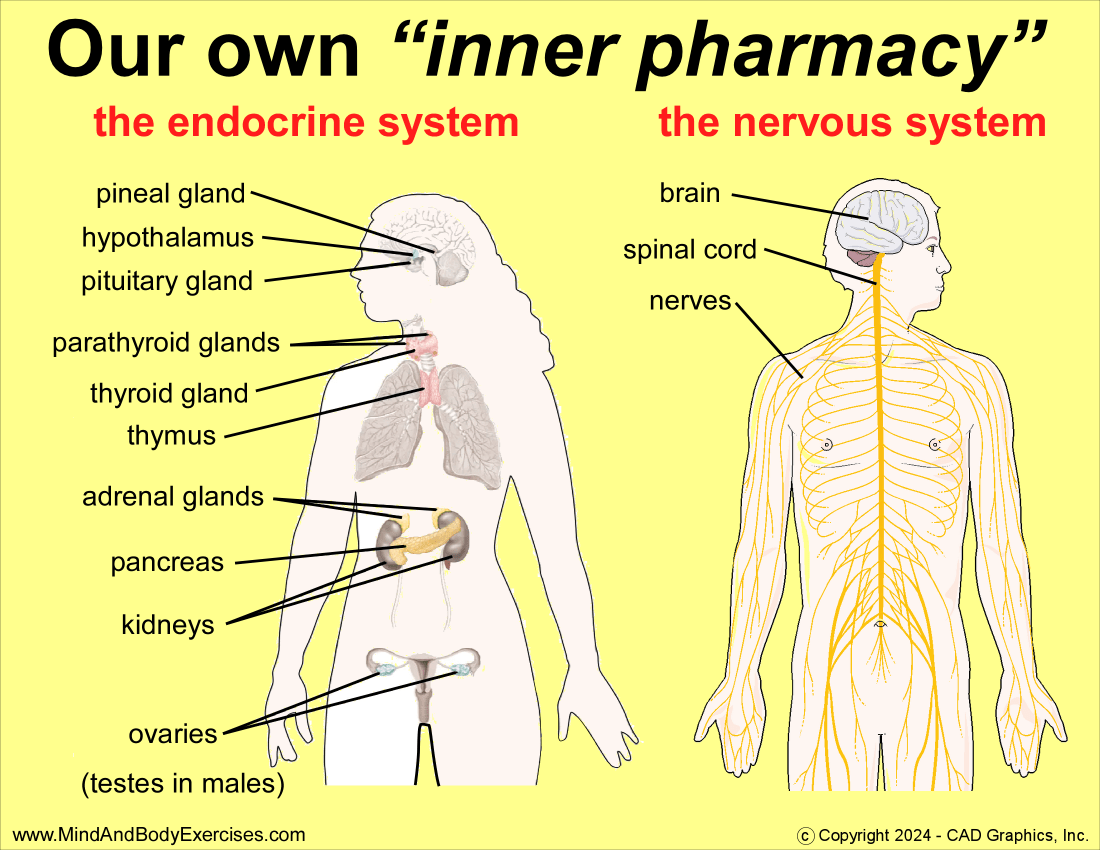
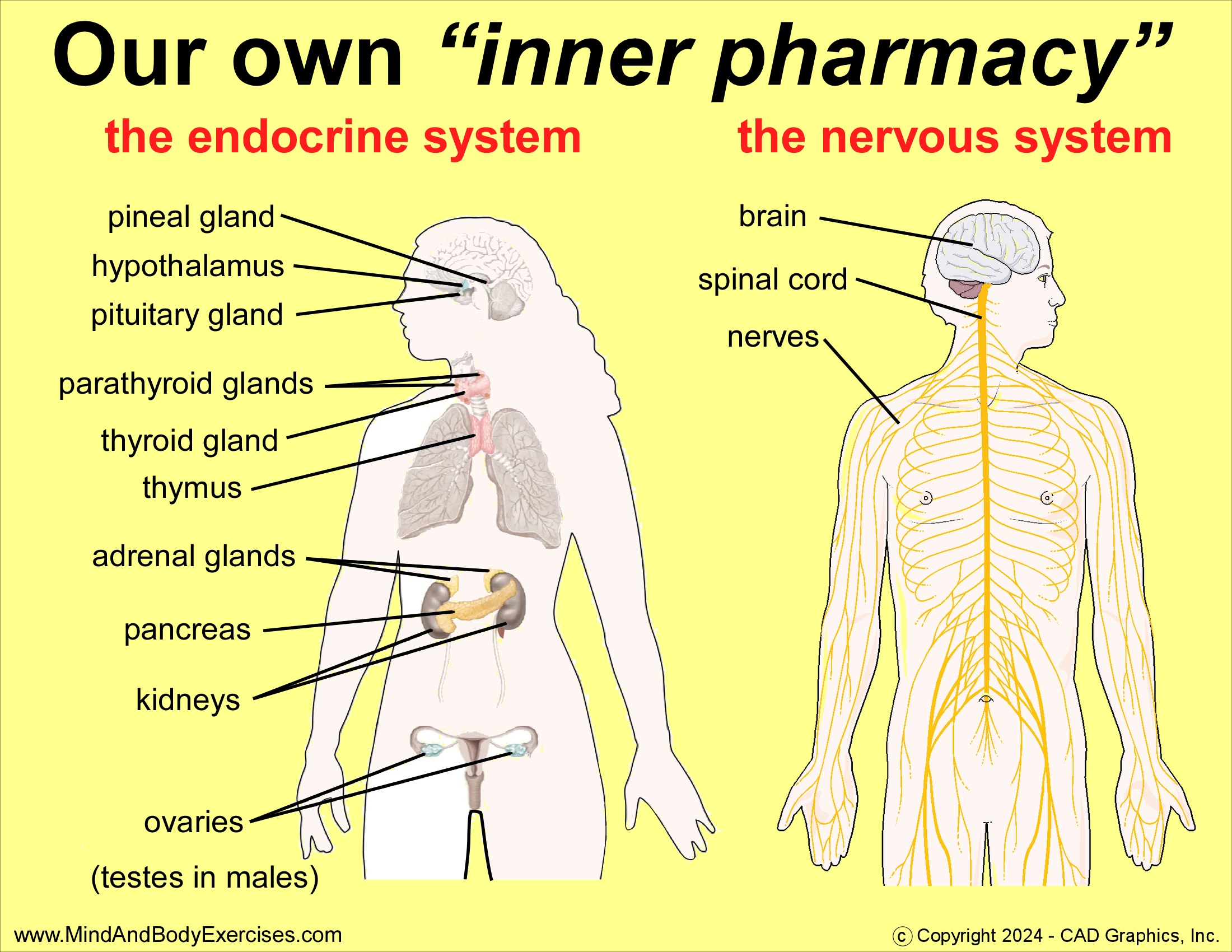
Human beings are not merely passive recipients of external chemicals. We carry within us an extraordinary “inner pharmacy” — a dynamic biochemical laboratory governed largely by the endocrine and nervous systems. At every moment, our bodies produce hormones, neurotransmitters, and signaling molecules that influence mood, energy, immunity, inflammation, motivation, and even perception.

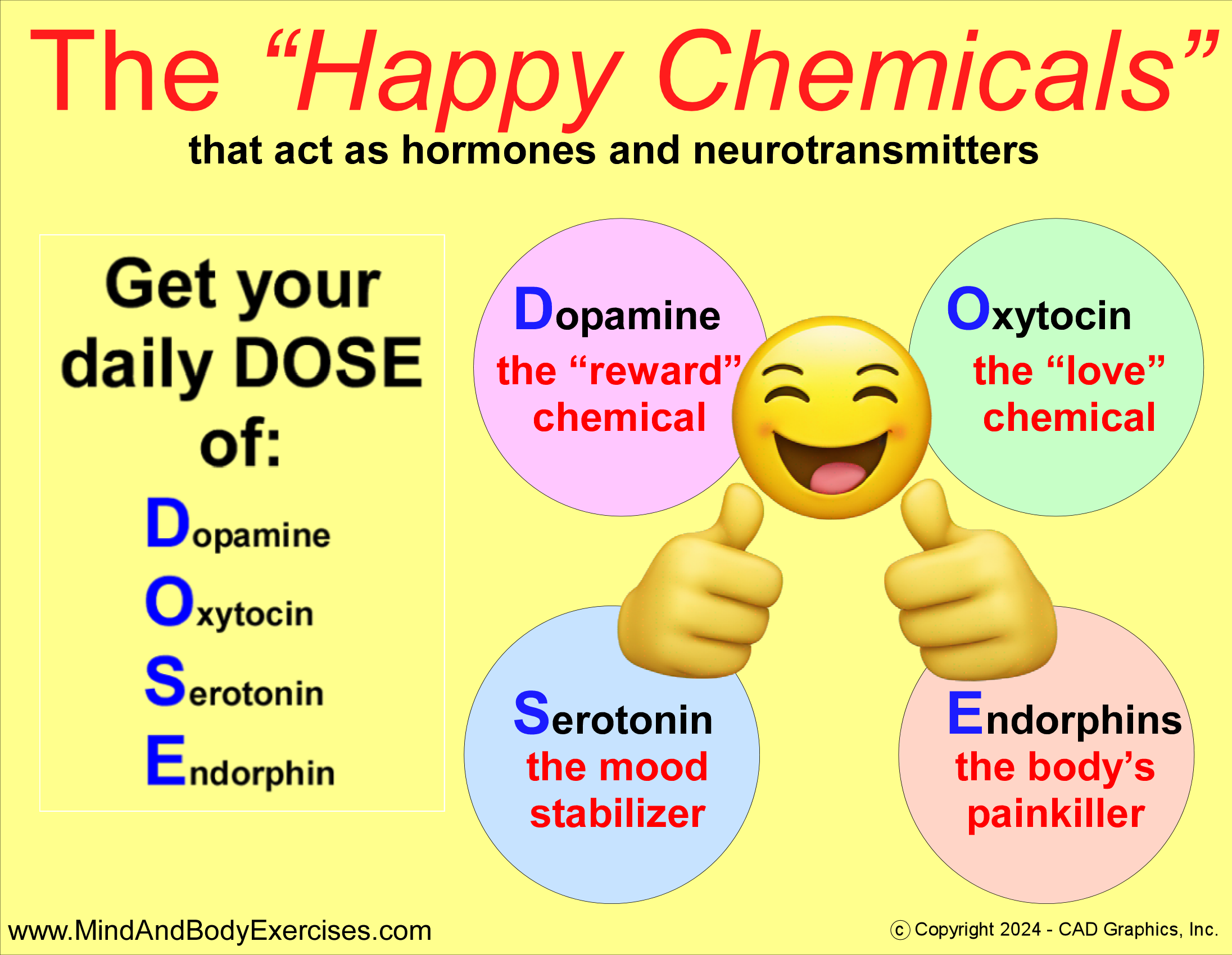
Stress hormones like cortisol and adrenaline can mobilize us for action. Endorphins can reduce pain. Oxytocin can deepen connection. Dopamine can enhance motivation and focus. Serotonin can stabilize mood. These substances are not foreign prescriptions; they are internally generated responses to how we live.

The remarkable reality is that we are not powerless in this process. Diet influences blood sugar stability, micronutrient availability, and hormone balance. Breath regulation can directly shift autonomic tone, moving us from sympathetic “fight-or-flight” dominance toward parasympathetic restoration. Thoughts and emotional patterns affect neurochemical cascades. Chronic rumination reinforces stress chemistry, while deliberate cognitive reframing can reduce it. Physical movement alters endocrine output. Sleep restores hormonal rhythms. Even posture and facial expression feed back into neurophysiology.

This does not mean we can will away disease or replace appropriate medical care. Rather, it means we possess meaningful influence over our internal chemistry. By consciously regulating diet, breathing, attention, emotional responses, and behavior, we participate in directing our own biochemistry.

The “inner pharmacy” is always open. The question is not whether chemicals are being dispensed, but which ones — and under what conditions.

Slow Breathing, why is This Beneficial?

Internal practices like tai chi, qigong, and yoga: how slow, deep breathing can enhance rather than hinder oxygen delivery and energy during physically demanding postures. Let me unpack how this works from a Western physiological perspective, while also nodding to the energetic logic behind these practices.

Physiological Mechanisms at Play

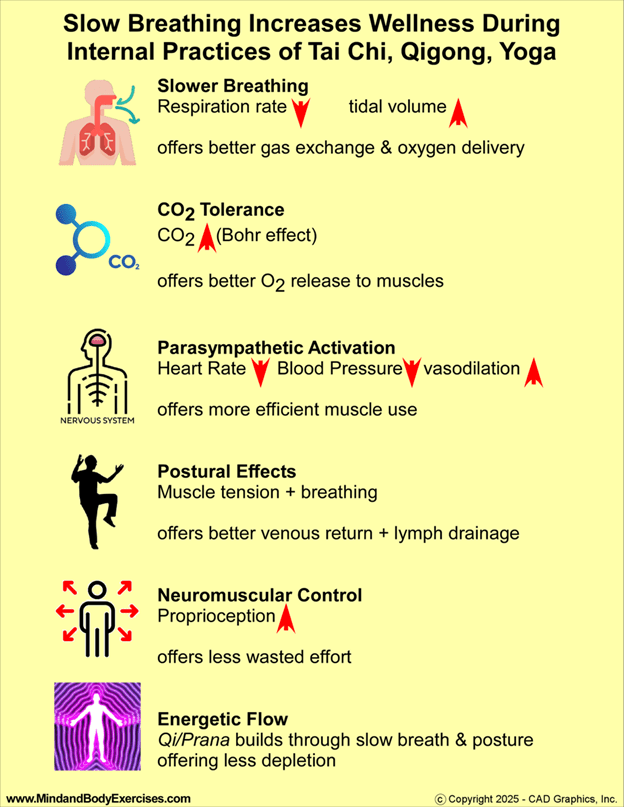
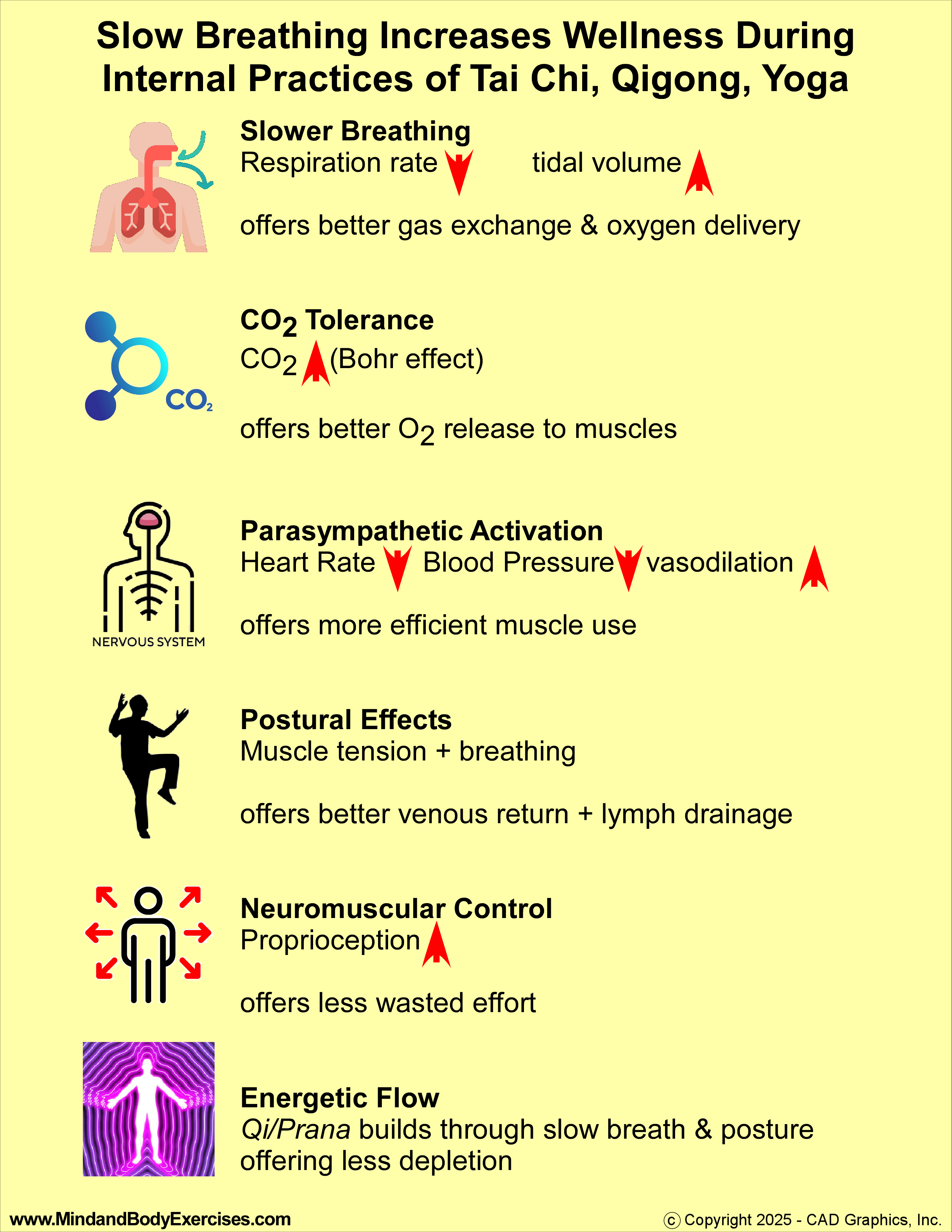
1. Low Breathing Rate ≠ Low Oxygen Intake

  • When breathing frequency is reduced intentionally, it’s usually paired with deeper, more diaphragmatic breaths (also called “belly breathing”).
  • This increases tidal volume (the amount of air per breath), so although you’re breathing fewer times per minute, you may be getting the same or even more oxygen overall.
  • Slower breathing also enhances alveolar gas exchange because air stays in the lungs longer, allowing more thorough oxygen and CO₂ exchange.

Normal respiration rate: ~12 to 15 breaths/min (18 or more BPM when stressed)
In skilled practice: ~4–6 breaths/min (or less), with full exhalation and longer pause phases

2. Parasympathetic Activation and Efficiency

  • Slow, conscious breathing activates the parasympathetic nervous system (rest and digest), which:
    • Slows heart rate
    • Lowers blood pressure
    • Enhances vasodilation (better blood flow to extremities)
  • This reduces physiological tension, allowing the muscles to function more efficiently with less oxygen demand per unit of work.

3. Increased CO₂ Tolerance and Oxygen Utilization

  • Practices that involve breath retention or very slow breathing increase carbon dioxide (CO₂) tolerance.
  • Contrary to popular belief, CO₂ is the key signal for oxygen release via the Bohr effect:
    • Higher CO₂ levels shift hemoglobin to release more O₂ into tissues.
  • So, by tolerating higher CO₂, you actually increase oxygen delivery where it’s needed, especially in muscles under tension.

4. Improved Circulatory and Lymphatic Flow

  • Many postures in tai chi, yoga, and qigong involve dynamic tension, twisting, and limb positioning that:
    • Gently compress and release blood vessels (like a pump)
    • Aid in venous return (blood going back to the heart)
    • Enhance lymphatic drainage, helping with detox and immune function
  • Combined with deep breathing (which changes intra-thoracic pressure), these techniques mimic a second circulatory pump, where the breath and posture work together.

5. Enhanced Proprioception and Motor Control

  • By slowing breath and motion, practitioners become more aware of subtle muscle activation and joint positioning.
  • The cerebellum and somatosensory cortex are engaged more deeply, improving neuromuscular efficiency, so less “effort” is needed for the same or better results.
  • Muscles co-contract (yin-yang balance) with greater harmony, reducing unnecessary energy output.

Energetic and Traditional Viewpoint

From Traditional Chinese Medicine (TCM) or yogic perspectives:

  • Breath (qi/prana) is not just oxygen; it’s vital energy that nourishes tissues.
  • Slower breathing “builds” qi rather than expending it.
  • Holding postures while breathing deeply and slowly opens energy meridians, improves energy flow, and harmonizes internal organs.
  • In yoga, this aligns with pranayama and bandhas (locks), which store and redirect prana rather than dissipating it.

Summary: Why It Works

ChallengePhysiological Adaptation
Low breath rate under tensionIncreased tidal volume, better gas exchange
Increased CO₂Enhanced oxygen delivery via Bohr effect
Muscle demandGreater circulatory efficiency, less waste buildup
Nervous system stressParasympathetic dominance reduces overexertion
Static/dynamic posturesLymphatic drainage, better venous return
Breath–movement harmonyImproved motor control, proprioception, energetic alignment

References

Brown, R. P., & Gerbarg, P. L. (2005). Sudarshan Kriya Yogic Breathing in the Treatment of Stress, Anxiety, and Depression: Part II—Clinical Applications and Guidelines. The Journal of Alternative and Complementary Medicine, 11(4), 711–717. https://doi.org/10.1089/acm.2005.11.711

Jerath, R., Edry, J. W., Barnes, V. A., & Jerath, V. (2006). Physiology of long pranayamic breathing: Neural respiratory elements may provide a mechanism that explains how slow deep breathing shifts the autonomic nervous system. Medical Hypotheses, 67(3), 566–571. https://doi.org/10.1016/j.mehy.2006.02.042

Bernardi, L., Gabutti, A., Porta, C., & Spicuzza, L. (2001).
Slow breathing reduces chemoreflex response to hypoxia and hypercapnia, and increases baroreflex sensitivity.
Journal of Hypertension, 19(12), 2221–2229.
https://doi.org/10.1097/00004872-200112000-00016

Slow breathing reduces chemoreflex response to hypoxia and. . . : Journal of Hypertension. (n.d.). LWW. https://journals.lww.com/jhypertension/abstract/2001/12000/slow_breathing_reduces_chemoreflex_response_to.16.aspx

Streeter, C., Gerbarg, P., Saper, R., Ciraulo, D., & Brown, R. (2012). Effects of yoga on the autonomic nervous system, gamma-aminobutyric-acid, and allostasis in epilepsy, depression, and post-traumatic stress disorder. Medical Hypotheses, 78(5), 571–579. https://doi.org/10.1016/j.mehy.2012.01.021

Lehrer, P. M., & Gevirtz, R. (2014). Heart rate variability biofeedback: how and why does it work? Frontiers in Psychology, 5. https://doi.org/10.3389/fpsyg.2014.00756

I look forward to further sharing more of my message by partnering with hospitals, wellness centers, VA centers, schools on all levels, businesses, and individuals who see the value in building a stronger nation through building a healthier population.

I also have hundreds of FREE education video classes, lectures, and seminars available on my YouTube channel at:

https://www.youtube.com/c/MindandBodyExercises

Many of my publications can be found on Amazon at:

http://www.Amazon.com/author/jimmoltzan

My holistic health blog is available at:

https://mindandbodyexercises.wordpress.com/

http://www.MindAndBodyExercises.com

Mind and Body Exercises on Google: https://posts.gle/aD47Qo

Jim Moltzan

407-234-0119