Remember the Indiana Jones films, when Indiana discovers his father’s diary containing clues to the Holy Grail? The book itself was knowledge. Wisdom came from applying that knowledge through experience. Without knowledge and lived practice, wisdom is difficult to cultivate.
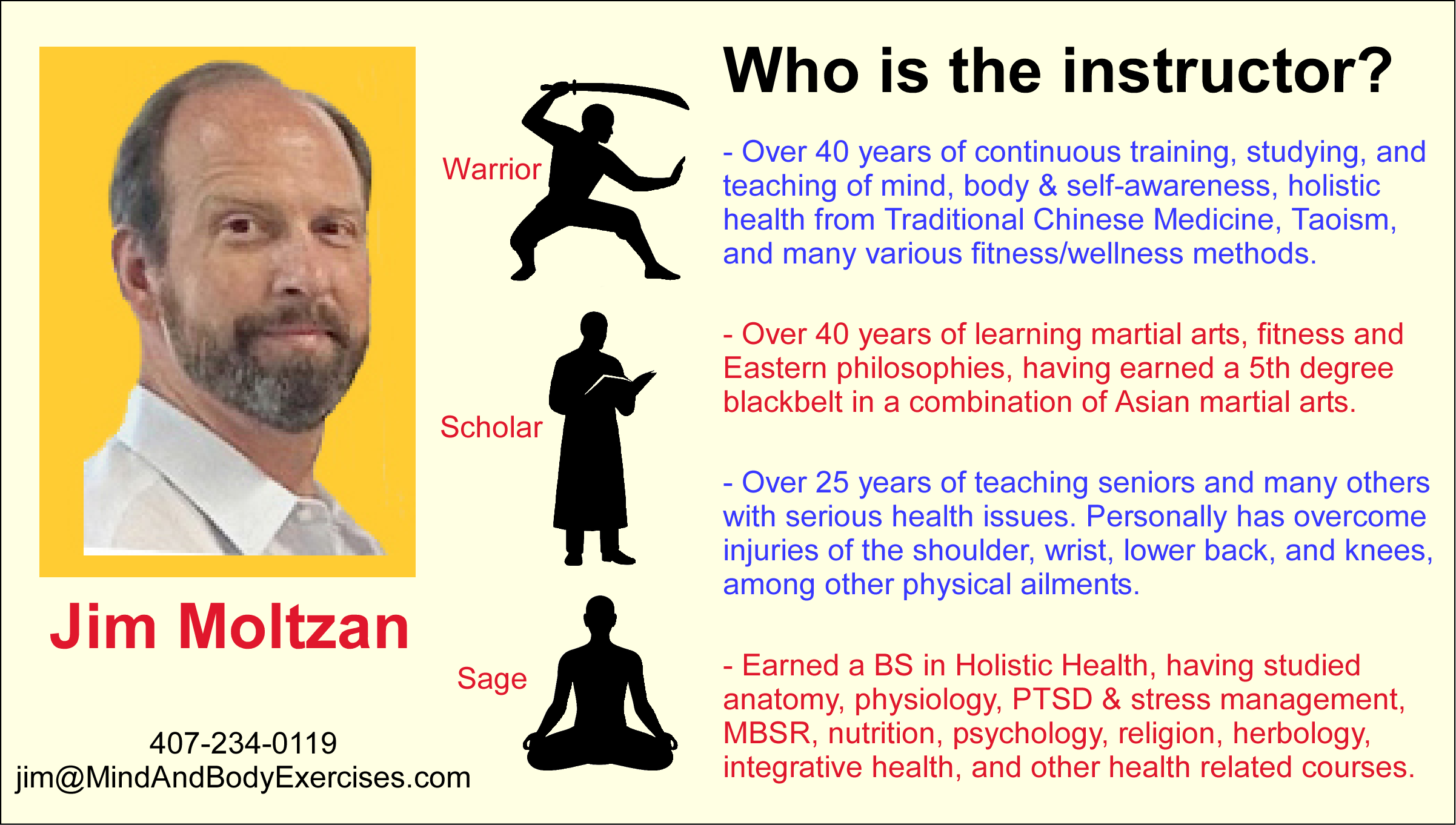
For over 40 years, I have been on my own search for a “Holy Grail” of health, wellness, fitness, and self-awareness. Along that journey, I have created a series of books and study guides that visually and conceptually map what I believe to be the essential components of a healthy, balanced, and meaningful life.
My books are comprehensive, deeply researched, and feature original, full-color illustrations designed to make complex ideas clear and accessible. Each volume reflects decades of firsthand learning, practice, teaching, and illustration across disciplines including holistic health, fitness, psychology, Traditional Chinese Medicine, qigong, martial arts, and yoga philosophy. These are not mass-market publications. They are intentionally crafted for thoughtful readers, practitioners, and lifelong learners who value depth, clarity, and authenticity.
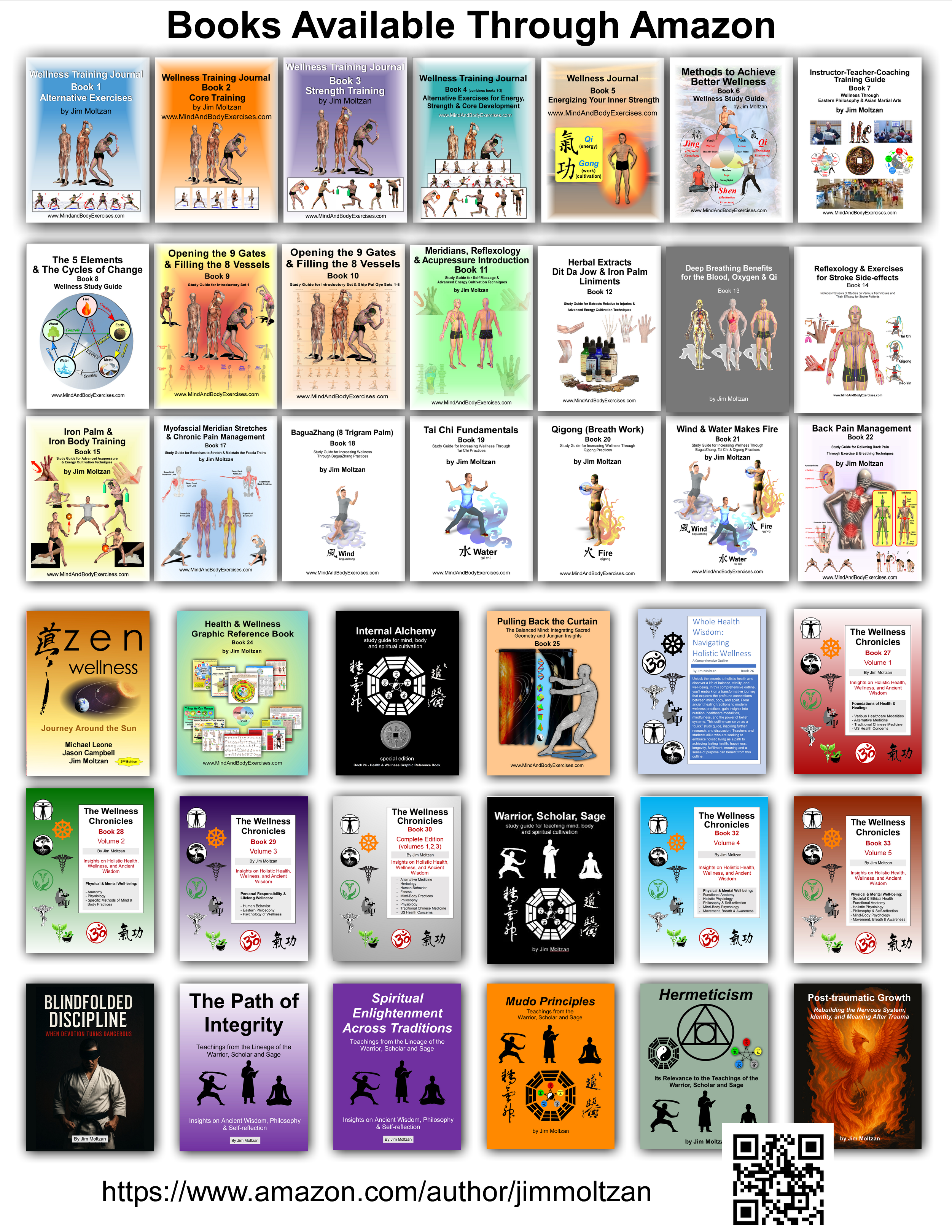
To date, I have published 39 books and study guides on Amazon. Some are primarily visual references that distill complex systems into clear graphic formats. Others explore theories of human development, psychology, movement, breathwork, rehabilitation, longevity, and overall quality of life. Many include practical exercise sets designed to support recovery, resilience, and long-term well-being.
These works represent the summation of more than four decades of training, education, teaching, and public speaking. Much of the qigong and breathing work draws from Chinese Kung Fu and Korean Dong Han medical qigong lineages, alongside extensive study with Traditional Chinese Medicine practitioners and martial arts masters. My background also includes acupressure, acupuncture principles, moxibustion, herbal preparation, and medical qigong, as well as formal academic training culminating in a Bachelor of Science degree in Holistic Health.
Similar in concept to Quick Study or PermaCharts, these guides are designed to “cut to the chase,” minimizing the time spent searching through dense textbooks while preserving the essential root knowledge of each subject. This format serves both beginners seeking a solid foundation and experienced practitioners looking for concise, high-quality reference materials.
If you are looking for a meaningful gift, one that supports health, awareness, and lifelong learning, these books are intended to be resources that grow with the reader over time.
Every comprehensive system of human transformation contains a bridge, one that links the physical body to the invisible dimensions of mind and spirit. In the Eastern traditions this bridge is expressed through Jing (essence), Qi (vital energy), and Shen (consciousness). In the developmental framework I teach, it appears as the Warrior, Scholar, and Sage. In the Western esoteric lineage, the same bridge is known as Hermeticism, a philosophical and spiritual system attributed to Hermes Trismegistus, the “Thrice-Great” master of physical, intellectual, and spiritual wisdom.
These are not parallel systems by coincidence. They are structurally identical expressions of the same universal process of human refinement, or the ascent from embodiment to insight, and from insight to integrated wisdom. Across cultures and centuries, the language changes, but the architecture remains.
Hermeticism arises from Hellenistic Egypt, a fusion of Greek philosophy, Egyptian spirituality, early science, medicine, astronomy, and metaphysics (Copenhaver, 1992; Fowden, 1993). Its core message is simple but profound: reality is mental, patterned, cyclical, lawful, and capable of conscious transformation. The most famous Hermetic maxim from the Emerald Tablet expresses this truth succinctly:
“As above, so below; as within, so without.”
This is not merely poetic symbolism. It is a functional statement of psychospiritual law: what is refined in the body shapes the mind; what is clarified in the mind refines the spirit; what is awakened in the spirit returns to illuminate the body.
The Eight Hermetic Principles and Their Living Expression
Hermetic philosophy is traditionally organized into eight fundamental principles (seven classical principles plus the unifying axiom of Integration & Moral Alignment). These principles are not abstract metaphysics; they describe how transformation actually happens in daily life.
Below is a brief, applied summary of each.
1. Mentalism – “All is Mind.”
Reality originates in consciousness.
Example: Thought hygiene, attention control, emotional regulation, and metacognition all reflect the fact that perception shapes experience. In practice, this is where the Scholar refines Qi through disciplined awareness.
2. Correspondence – “As above, so below; as within, so without.”
Patterns repeat across all levels of existence.
Example: Organ–emotion relationships, archetypal symbolism, and synchronicity reflect this principle. The Sage expresses it through Shen-based integration and purpose.
3. Vibration – “Nothing rests; everything moves.”
All things exist in motion and frequency.
Example: Breath rhythm, posture, nervous system tone, and muscular tension all shape consciousness. This is the foundational work of the Warrior, refining Jing through somatic calibration.
4. Polarity – “Opposites are identical in nature, differing only in degree.”
All dualities exist on a spectrum.
Example: Fear and courage, stress and resilience, pain and growth are not opposites but transformations of the same continuum. This principle governs emotional alchemy and shadow integration.
5. Rhythm – “Everything flows in and out.”
Nature moves in cycles.
Example: Circadian rhythms, seasonal cycles, recovery cycles in training, and emotional tides all operate under rhythmic law. Ignoring rhythm leads to burnout; honoring it leads to longevity.
6. Cause and Effect – “Every cause has its effect.”
Nothing is random.
Example: Consistent practice compounds. Discipline produces capacity. Neglect produces decay. This principle governs training progression, psychological habit formation, and destiny itself.
7. Gender – “Masculine and feminine principles exist in everything.”
All creation arises from active and receptive forces.
Example: Stillness and motion, force and yielding, analysis and intuition are necessary partners. In internal alchemy this corresponds to Kan and Li, or the inner marriage of fire and water.
8. The Unifying Principle – Integration & Moral Alignment
(Implicit throughout the Hermetic texts)
This is the alchemical ascent itself: Matter → Energy → Consciousness → Unity Warrior → Scholar → Sage Jing → Qi → Shen
It describes the return of the fragmented human being to wholeness.
Hermeticism and Eastern Internal Alchemy: One Process, Two Languages
Western Hermeticism and Daoist Neidan (internal alchemy) describe the same three-stage refinement:
The training of the body becomes the furnace of consciousness. The mind becomes the instrument of refinement. The spirit becomes the field of meaning.
Jung and Psychology as Modern Hermetic Science
Carl Jung recognized Western and Eastern alchemy as symbolic maps of individuation, or the integration of the unconscious and conscious psyche (Jung, 1968). He interpreted alchemical stages as:
Shadow purification
Integration of opposites
Inner marriage (coniunctio)
Emergence of the unified Self
This is precisely the Warrior–Scholar–Sage progression expressed in psychological language.
Why Hermeticism Matters Now
Modern culture suffers from a dangerous fragmentation:
The Warrior has been reduced to stress and survival
The Scholar to data without wisdom
The Sage to abstraction without embodiment
Hermeticism restores their unity as a single ascending current of human evolution. It re-establishes the coherence between:
Body and breath
Thought and emotion
Discipline and compassion
Knowledge and service
Identity and purpose
This blog summary introduces the deeper work now fully developed in my newest release:
Book 38 – Hermeticism: Its Relevance to the Teachings of the Warrior, Scholar & Sage
This volume stands at the architectural center of my entire body of work. It reveals:
How the Warrior becomes the Scholar
How the Scholar becomes the Sage
How the Sage returns to unity
And how all three operate simultaneously as a single living process
It is not a theoretical book. It is a map of transformation, as it seeks to integrate Hermetic law, Eastern internal alchemy, Jungian psychology, nervous system science, breathwork, ethics, and the meaning-making process of human life.
Hermeticism is not something to believe. It is something to practice, embody, and become.
As above, so within. As within, so becomes the world.
Life, in many ways, is a recipe, as an ever-evolving mixture of choices, habits, relationships, thoughts, and actions. Just as a baker combines flour, sugar, butter, and eggs to produce a cookie, each of us blends experiences, beliefs, and intentions to create our unique outcomes. The image of imperfect cookies illustrates this beautifully: each variation may have too much flour, too little sugar, or overmixing. This reveals how imbalance, excess, or neglect in one area can affect the entire result. Our bodies, minds, and spirits are the ovens in which this recipe bakes, and the quality of what we put in determines what eventually comes out (Seligman, 2011).
The Ingredients of Life
Every life begins with a set of core ingredients: genetic inheritance, environment, education, relationships, nutrition, movement, and purpose. These are our “flour, sugar, and eggs.” Each represents a dimension of well-being that requires mindful measurement.
Flour might symbolize structure and stability, in the routines, responsibilities, and moral foundations that give life its form. Too little structure leads to chaos; too much, and we become rigid, losing spontaneity. Sugar represents pleasure, creativity, and joy, or the sweetness that makes life enjoyable. Depriving ourselves of it can make us bitter, but too much can lead to dependency or self-indulgence. Butter conveys warmth, compassion, and connection; when it is lacking, life becomes dry and crumbly, devoid of emotional cohesion. And eggs, which bind everything together, mirror our inner consciousness, or the vital essence that integrates all experiences into a unified self (Csikszentmihalyi, 2008).
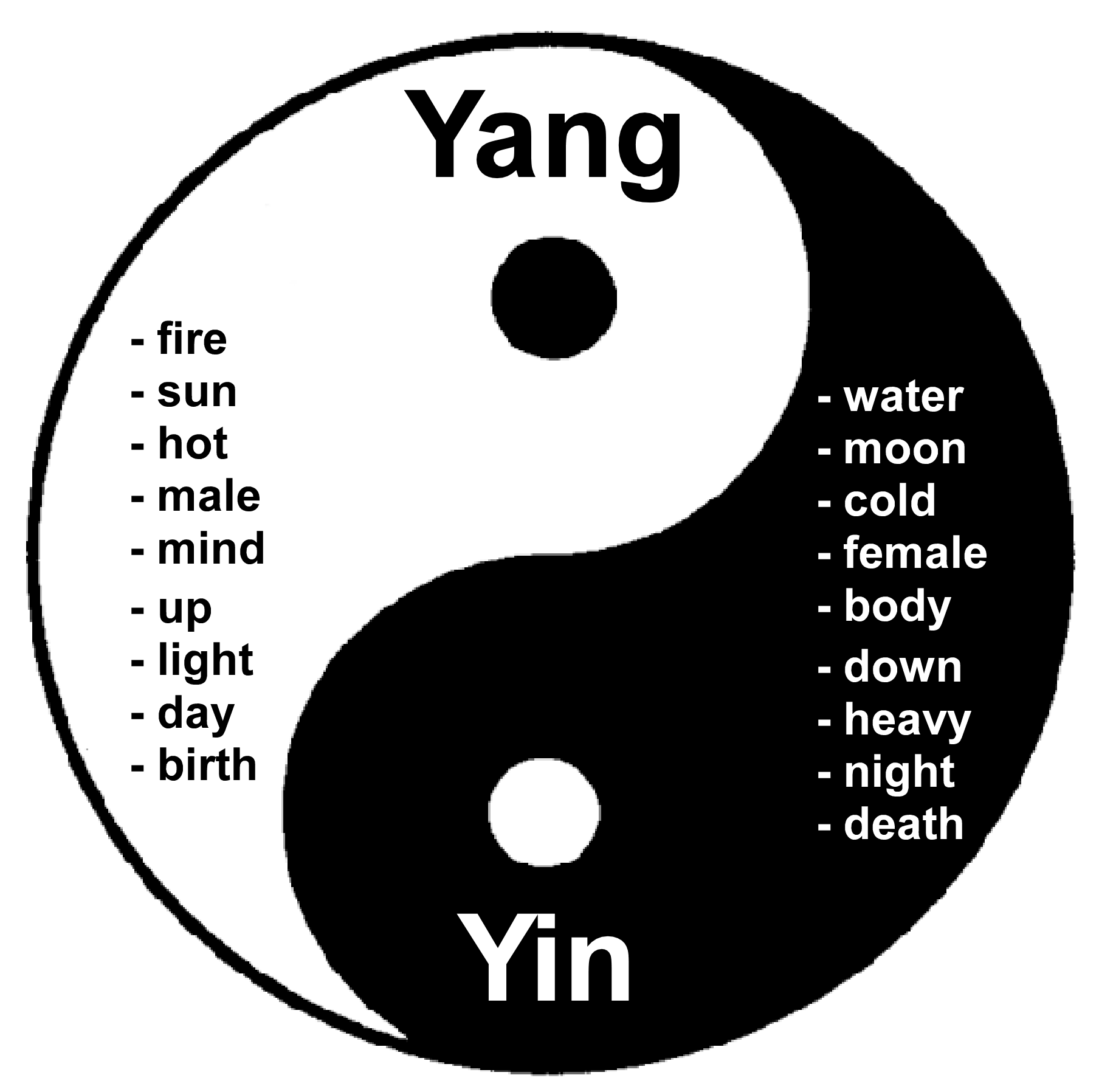
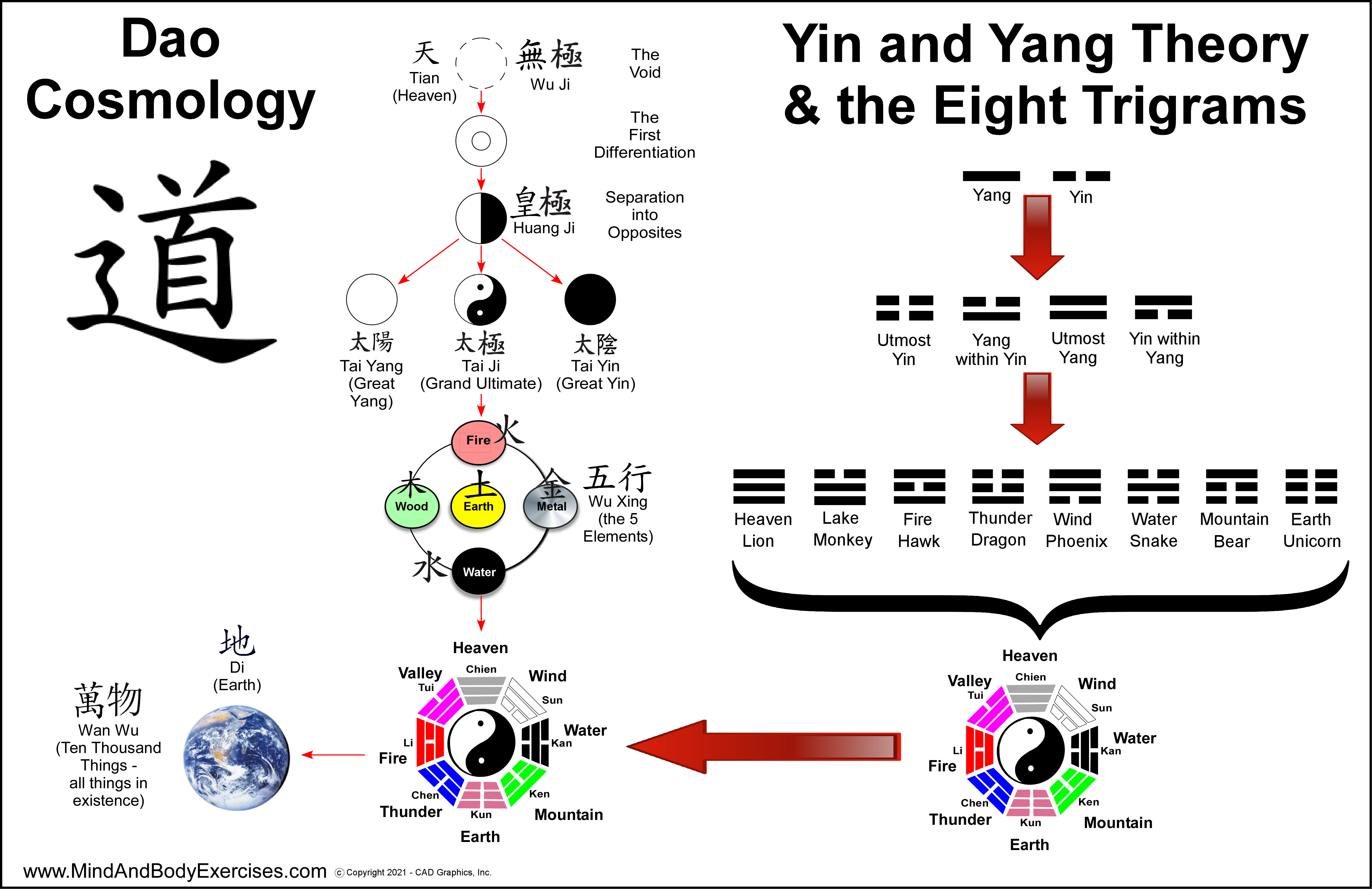
In Traditional Chinese Medicine (TCM), health is sustained through balance among elements such as yin and yang or the Five Elements (wood, fire, earth, metal, water), which interact like ingredients that must be properly harmonized. When one dominates or depletes another, imbalance arises, similar to a recipe gone wrong (Kaptchuk, 2000). Thus, the ingredients of our lives require ongoing awareness, proportion, and calibration.
Mixing the Ingredients: Balance and Awareness
The act of mixing is where mindfulness enters the recipe. Overmixing the batter of life mirrors overthinking and overcontrolling. These are states that psychologists associate with anxiety and emotional exhaustion (Kabat-Zinn, 2013). Undermixing, conversely, reflects inattention, or a lack of integration between body, mind, and purpose.
In Taoist and holistic thought, balance is not about equal measures but appropriate harmony. The Dao De Jing teaches that “to be too rigid is to break, to be too soft is to lose form” (Lao-Tzu, trans. 2006). Similarly, the recipe for a fulfilling life requires constant recalibration. What nourished us at twenty may not suit us at fifty. The wise “cook” observes the body’s responses, the mind’s tendencies, and the spirit’s needs to adjust accordingly.
Just as mindful eating can transform the physiological experience of food (Bays, 2017), mindful living transforms our relationship to every experience. Awareness becomes the spoon that stirs the bowl; it integrates, blends, and unifies the ingredients into a coherent whole.
Cooking: Transformation Through Heat and Pressure
Once ingredients are combined, heat completes the transformation. In the kitchen, heat activates hidden properties and deepens flavor. In life, heat symbolizes challenge or the friction, stress, and adversity that refine our raw experiences into resilience and wisdom (Frankl, 2006).
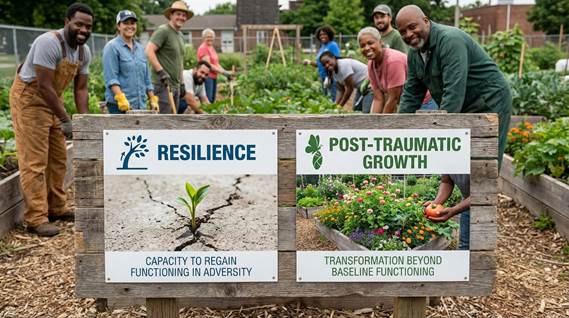
The process parallels the Taoist concept of Nei Dan, or inner alchemy, where the practitioner refines the course into the pure through disciplined effort and patience. Similarly, psychologists describe “post-traumatic growth” as the phenomenon in which adversity fosters new strength, perspective, and appreciation (Tedeschi & Calhoun, 2004).
A life without heat remains underdeveloped; too much heat, however, can scorch the spirit. Practices such as qigong, tai chi, and meditation serve as thermoregulators for the psyche by balancing sympathetic activation with parasympathetic restoration (Wayne & Kaptchuk, 2008). The goal is not to eliminate stress but to transmute it into transformation, just as dough becomes a golden cookie through precisely applied warmth.
Presentation: The Art of Serving Our Lives
When the cookie emerges from the oven, it reflects every decision made along the way. Its color, texture, and taste are records of process and intention. In human terms, this is the stage of expression and legacy. How our inner work manifests in our actions, relationships, and contributions to others.
Some lives are underbaked, never given enough time or courage to fully develop. Others are overdone and burnt by perfectionism, resentment, or the relentless pursuit of approval. Yet even an imperfect cookie can nourish when crafted with sincerity and love. The key lies in presence: being aware of what we are serving to others and what we are ingesting ourselves, be it thoughts, emotions, or energy.
Adjusting the Recipe
The beauty of the metaphor lies in its invitation to adjust. If life tastes too bitter, add sweetness through gratitude and forgiveness. If it feels too dry, soften it with compassion and rest. If it is heavy, add air through breathwork, laughter, or creativity.
This reflects the principle of iterative self-cultivation: continuous refinement through reflection and adaptation. Neuroscience supports this metaphor as habits and behaviors can be reshaped through neuroplasticity, the brain’s capacity to reorganize itself in response to intentional change (Doidge, 2007). Like a baker improving with each batch, we learn to align ingredients and timing more skillfully over time.
The Final Dish of a Life Well-Lived
The image of the imperfect cookies reminds us that every life is an experiment in balance. Some batches fail; others surprise us. With awareness, patience, and courage, we can create a recipe that embodies authenticity and harmony. The ultimate goal is not perfection but nourishment, for ourselves and those we touch.
In the end, we are both the chef and the dish; the baker and the baked. Every thought, emotion, meal, and relationship becomes part of our flavor profile. By tending carefully to the ingredients of life, we ensure that when our final recipe is complete, it will satisfy not only the hunger for happiness but the deeper longing for meaning and wholeness.
References:
Bays, J. C. (2017). Mindful eating: A guide to rediscovering a healthy and joyful relationship with food (2nd ed.). Shambhala Publications.
Tedeschi, R. G., & Calhoun, L. G. (2004). Posttraumatic growth: Conceptual foundations and empirical evidence. Psychological Inquiry, 15(1), 1–18. https://doi.org/10.1207/s15327965pli1501_01
Wayne, P. M., & Kaptchuk, T. J. (2008). Challenges inherent to t’ai chi research: part I–t’ai chi as a complex multicomponent intervention. Journal of alternative and complementary medicine (New York, N.Y.), 14(1), 95–102. https://doi.org/10.1089/acm.2007.7170a
Tempering the Self – Cultivation through Pressure, Refinement and Purpose
In the tradition of martial arts and Taoist self-cultivation, the process of becoming a person of refined character, resilience and integrity is often portrayed metaphorically as a transformation under pressure or through rigorous refinement. Just as coal under intense pressure becomes a diamond, as glass is tempered to strengthen it, or as a sword is heated, hammered and folded until it offers purity, sharpness and endurance, so too does the aspirant put themselves through trials, reflection, disciplined training, and “taking apart” of habitual patterns in order to emerge stronger, clearer, and more whole. This essay explores that metaphorical terrain, linking historic Taoist concepts of cultivation with martial-art training and moral growth.
At the heart of the metaphor is the notion of pressure and refinement. A lump of coal, subjected to geological force over time, becomes a diamond: the original material has been compressed, purified, and transformed into something far harder and more brilliant. In a similar way, a glass object is heated and rapidly cooled (tempered) so that its structure changes, the internal stresses are intentionally introduced, then stabilized and thus the glass becomes more resistant to shattering. A sword likewise must be heated, hammered, folded, quenched, and polished; the metal structure is reorganized so that it can hold an edge, bend without breaking, and serve a purpose. Transposed to human character and training, these metaphors suggest that to become something more than we currently are, we must face pressure (external challenges, internal struggle), go through the restructuring of habit, belief, body and mind, and emerge in a usable state: strong, resilient, sharp of focus, yet tempered by insight.
In essence, this process represents a kind of transmutation, orthe transformation of one’s coarse, unrefined nature into a state of inner clarity and integrity. Just as physical elements change state under heat or pressure, the human psyche and spirit can evolve through disciplined practice and self-reflection. In Taoist internal alchemy, such transmutation marks the transition from density to subtlety, from the crude to the luminous.
In the realm of martial arts, and particularly those influenced by Taoist philosophy, this is not merely a nice poetic image, but an embedded structure of training. The discipline, repetition, discomfort, unlearning of ingrained patterns, and gradual internalization of principles all function like the hammer and heat of the swordsmith. As one trains, one is literally breaking down old neural/structural patterns of body and mind, refining them, and integrating them into something more coherent, more “whole” and more aligned with one’s higher potential.
From the viewpoint of Taoist self-cultivation, this process aligns with the paradigm of internal alchemy (neidan). Internal alchemy is described as a “transformation process that involves changing both body and mind to higher levels of functioning” (Fung Loy Kok Institute of Taoism, 2025). According to Taoist doctrine, one works with the “Three Treasures” (jing → qi → shen: essence, energy, spirit) and seeks gradual refinement of self (Wikipedia contributors, 2025). The aim is to dissolve coarse patterns (the raw coal), to apply “heat” and “pressure” in the sense of rigorous practice, moral confrontation, endurance, discipline, and then to emerge as something sharper, lighter, more refined, aligned with the Tao (道). This dynamic mirrors the alchemical notion of transmutation, in which base material (lead or raw essence) is refined into gold or spiritual purity. Taoist cultivation translates this symbolism into physiological and psychological terms: jing (essence) transmuted into qi (vital energy), and qi into shen (spirit), forming a continuum of self-refinement that bridges body, mind, and consciousness (Needham, 1983; Pregadio, 2019).
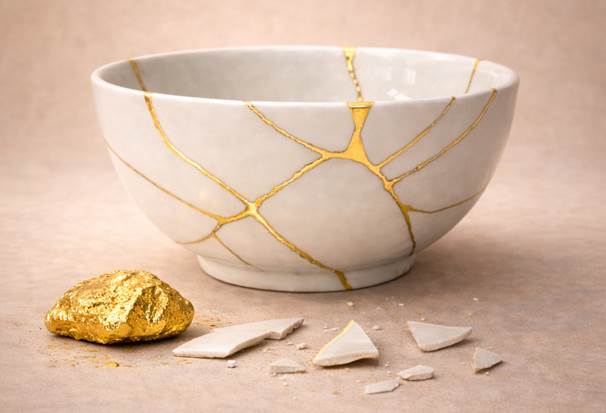
I prefer the metaphor of “if you want to know what is inside something, you squeeze it; if you want to know what something is made of, you take it apart and hopefully put it back together, maybe even better than the original.” In the training context, “squeeze” refers to tests and trials: one’s character is squeezed by adversity, by training drills, by mental stress. That brings to awareness hidden weaknesses of unseen fractures, untempered spots. “Taking apart” refers to the deconstruction of habit, belief, movement, reaction: in the martial arts one often unlearns bad posture, reflexes, tension, and rebuilds structure. Then one reassembles with new alignment, better structure, refined intent. The final state is not merely restored but upgraded, like a sword folded multiple times becomes stronger than the original billet; glass tempered is stronger than annealed glass; coal stressed in pressure becomes diamond.
In ethical or moral self-cultivation this means that facing one’s character under pressure reveals hidden fissures: impulsiveness, reactivity, unresolved fear, habit. Good training (physical, mental, moral) allows one to “see” those fissures, to let them be “heated” (examined, confronted) and “hammered” (repeated disciplined practice, correction) until the structure of self becomes more resilient, more integrated, more responsive rather than reactive. The Taoist culture encourages a kind of return to one’s original nature of goodness (德, de) and compassion, which has been obscured by life’s conditioning (Fung Loy Kok Institute of Taoism, 2025). The “sword” or “diamond” of self-character thus is not about hardness for its own sake, but a resilient clarity, readiness, humility, and refined responsiveness.
Moreover, the metaphor highlights the paradox: we often think that pressure or challenge is purely negative; yet in transformation systems, from geology to metallurgy to glass tempering, pressure and heat are required for refinement. In martial practice, avoidance of stress means never getting the internal re-working that occurs under challenge. In Taoist cultivation, the path is not easy but transformation. Indeed, the Taoist ideal of wú wéi or “effortless action” is often misunderstood; it is not doing nothing, but acting naturally from a well-tempered, integrated being (Wikipedia contributors, 2025). After the hammering, the sword is sharp without forced strength; the tempered glass resists shatter without brittle rigidity; the diamond shines because prior pressure created its internal perfection.
In integrating this into holistic and/or martial arts philosophy (Tai Chi, Bagua, Qigong, etc.), the training forms, the repetitive drills, the internal alignments, the meditations, the stance work, all of these provide the “pressure chamber” in which subtle weaknesses (postural misalignment, mental chatter, emotional reactivity) are exposed. We can “take apart” our default responses by slow mindful repetition, by breaking and rebuilding the body-mind link. Over time we can reassemble into someone who moves from center, aligned in structure, calm in mind, responsive in body, as the sword forged, the diamond formed. That formation is not only for combat or technique but for human character: greater clarity, sharper discernment, stronger resilience, deeper compassion.
Finally, the metaphors of glass and sword and diamond remind us that refinement is not about making something brittle or inflexible. A diamond is hard but also rare and valued; tempered glass remains flexible in the sense of resisting sudden break; a well-forged sword has strength but also resilience, edge but also integrity. The cultivated person is not rigid or inflexible, but resilient and discerning; not hardened by bitterness but refined by purpose. True cultivation (in Taoist terms) is returning to one’s original nature of goodness, clarity and unity with the Tao (Fung Loy Kok Institute of Taoism, 2025). Thus the journey of applying pressure, refining, deconstructing and reconstructing becomes a path to higher humanness.
Expanded Insight – Summary Table
Metaphor
Process in Training / Cultivation
Outcome in Character/Martial Path
Coal → Diamond
Under pressure, inner structure transforms
Resilience, clarity, inner strength
Glass tempered
Heated and rapidly cooled, internal stresses made stable
Flexibility + strength, capacity to absorb without shattering
“Putting back together” corresponds to rebuilding through alignment, mindful movement, meditative awareness, ethical discipline.
The end state is not perfection in the sense of rigidity, but refined flexibility, integrated power, clear purpose.
In summary, the metaphors of coal under pressure producing diamond, glass tempered, sword forged, and the squeeze/deconstruction/reconstruction process, are profoundly apt for describing a martial-art and Taoist vision of self-cultivation. They reflect an understanding that becoming a person of refined humanness involves more than mere physical technique: it demands pressure (challenge), refinement (attention, repetition, unlearning), rebuilding (integration of mind/body/spirit), and emergence into a state of character and ability that is both strong and flexible, sharp and compassionate.
In this sense, all of these metaphors of coal, glass, sword, and the squeeze, describe not only refinement but transmutation: the intentional evolution of the inner substance of the self through sustained practice, ethical tempering, and conscious transformation. In the Taoist tradition of internal alchemy, we see this very schema: transforming the body-mind through disciplined practice until one returns to original nature or emerges into a new, refined state (Fung Loy Kok Institute of Taoism, 2025; Komjathy & The Yuen Yuen Institute, 2008). These metaphors explicitly embody the concept of the Warrior, Scholar & Sage, as principles that connect physical technique with inner alchemical transformation, so that practitioners understand that the pressure in training is not incidental, but rather it is intrinsic to the forging and cultivation of their character.
Needham, J. (1983). Science and Civilisation in China: Vol. 5. Chemistry and Chemical Technology, Part V: Spagyrical Discovery and Invention: Physiological Alchemy. Cambridge University Press.