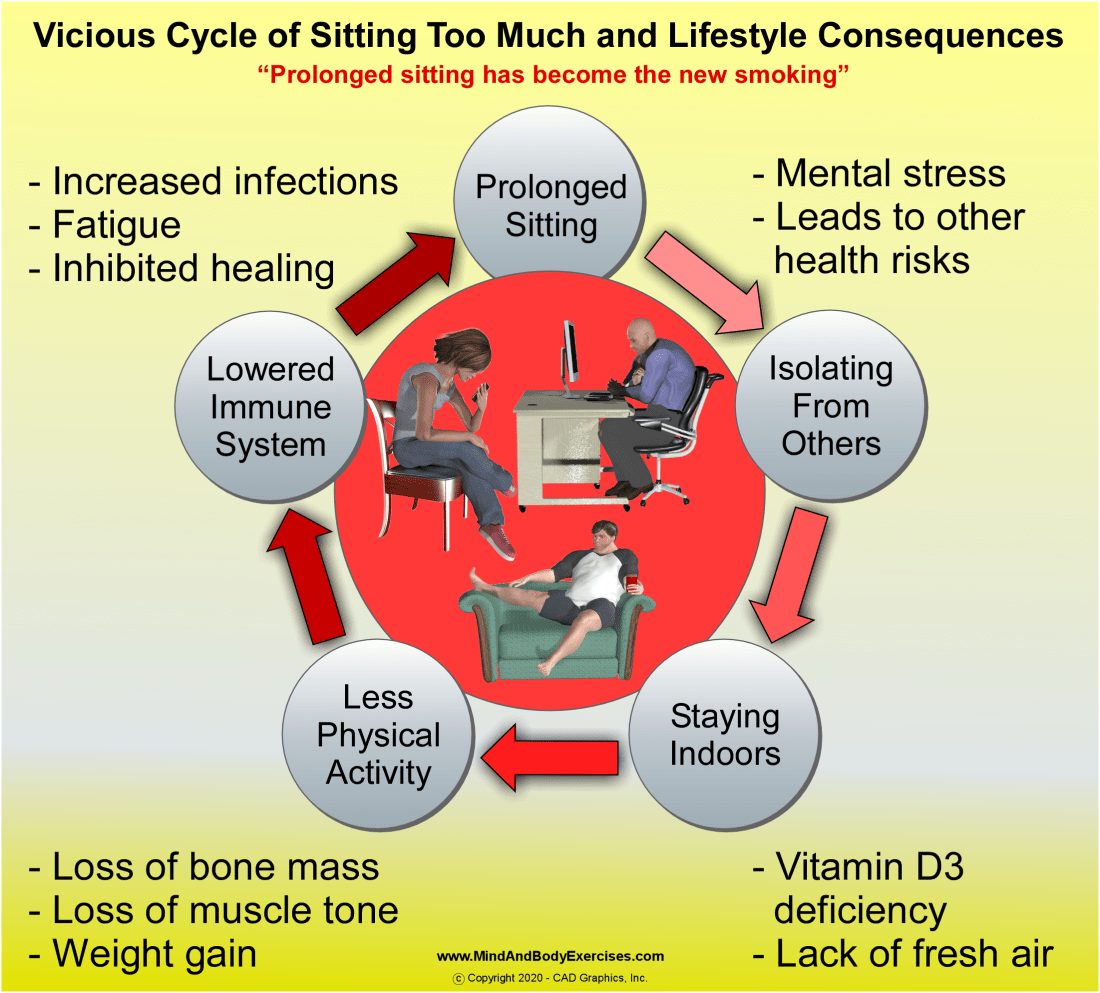
View my recent discussion on the detrimental effects of prolonged sitting. I detail the health risks associated with prolonged sitting, such as heart disease, diabetes, and cancer. I also talked about the importance of finding activities that you enjoy and that will help you to stay active.
Health risks associated with prolonged sitting:
Heart disease: Prolonged sitting can lead to several cardiovascular problems, including high blood pressure, high cholesterol, and heart disease.
Diabetes: Prolonged sitting can increase your risk of developing type 2 diabetes.
Cancer: Prolonged sitting has been linked to an increased risk of several types of cancer, including colon cancer and breast cancer.
Prolonged sitting can also lead to several other health problems, such as obesity, back pain, and depression.
I suggest several activities, such as walking, biking, swimming, tai chi, qigong, and yoga. I also emphasize the importance of finding activities that are appropriate for your fitness level and that you can do regularly.
Finally, I offered some tips on how to reduce the amount of time you spend sitting. These tips include getting up and moving around every 30 minutes, taking the stairs instead of the elevator, and using a standing desk.
I teach and offer lectures about holistic health, physical fitness, stress management, human behavior, meditation, phytotherapy (herbs), music for healing, self-massage (acupressure), Daoyin (yoga), qigong, tai chi, and baguazhang.
Please contact me if you, your business, organization, or group, might be interested in hosting me to speak on a wide spectrum of topics relative to better health, fitness, and well-being.
I look forward to further sharing more of my message by partnering with hospitals, wellness centers, VA centers, schools on all levels, businesses, and individuals who see the value in building a stronger nation through building a healthier population.
I also have hundreds of FREE education video classes, lectures, and seminars available on my YouTube channel at:
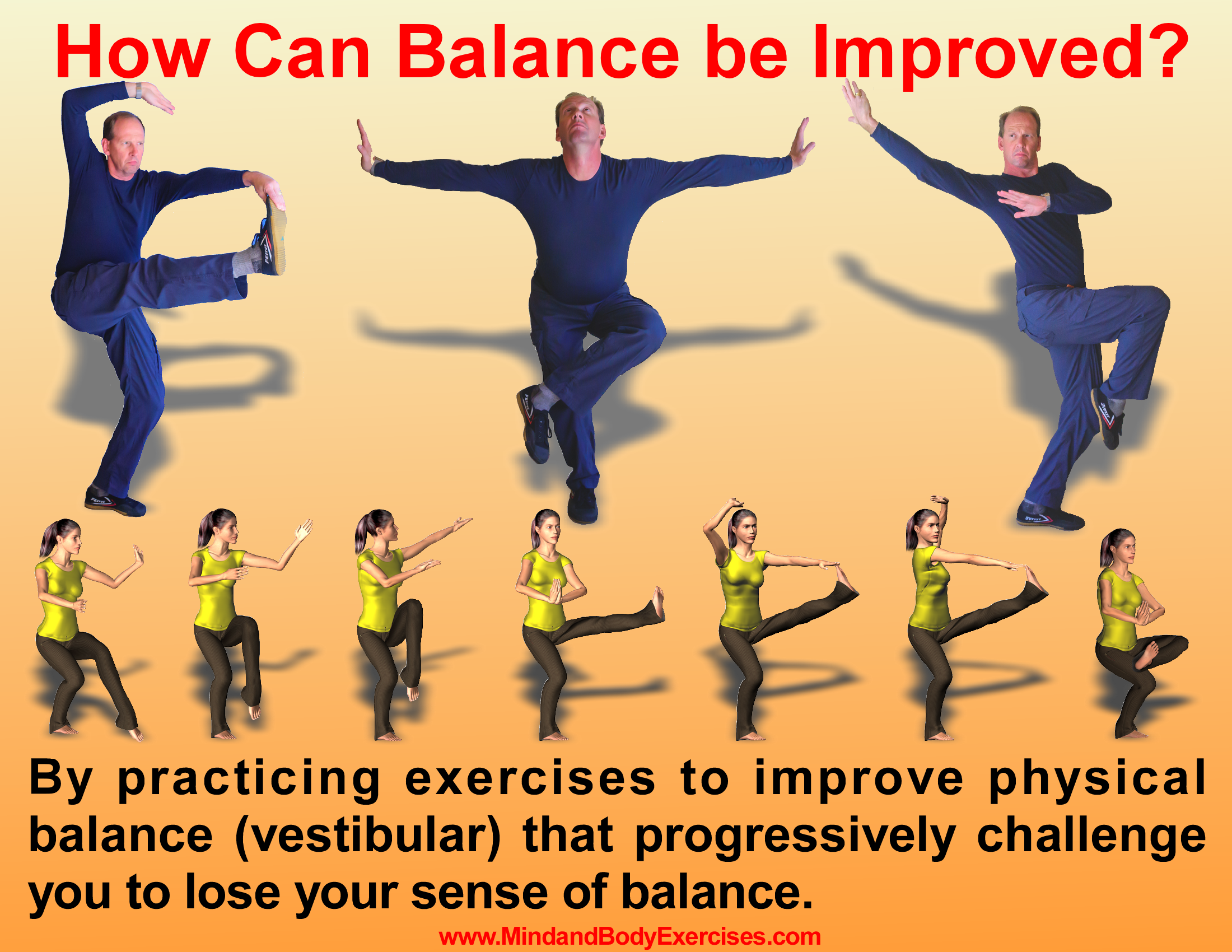
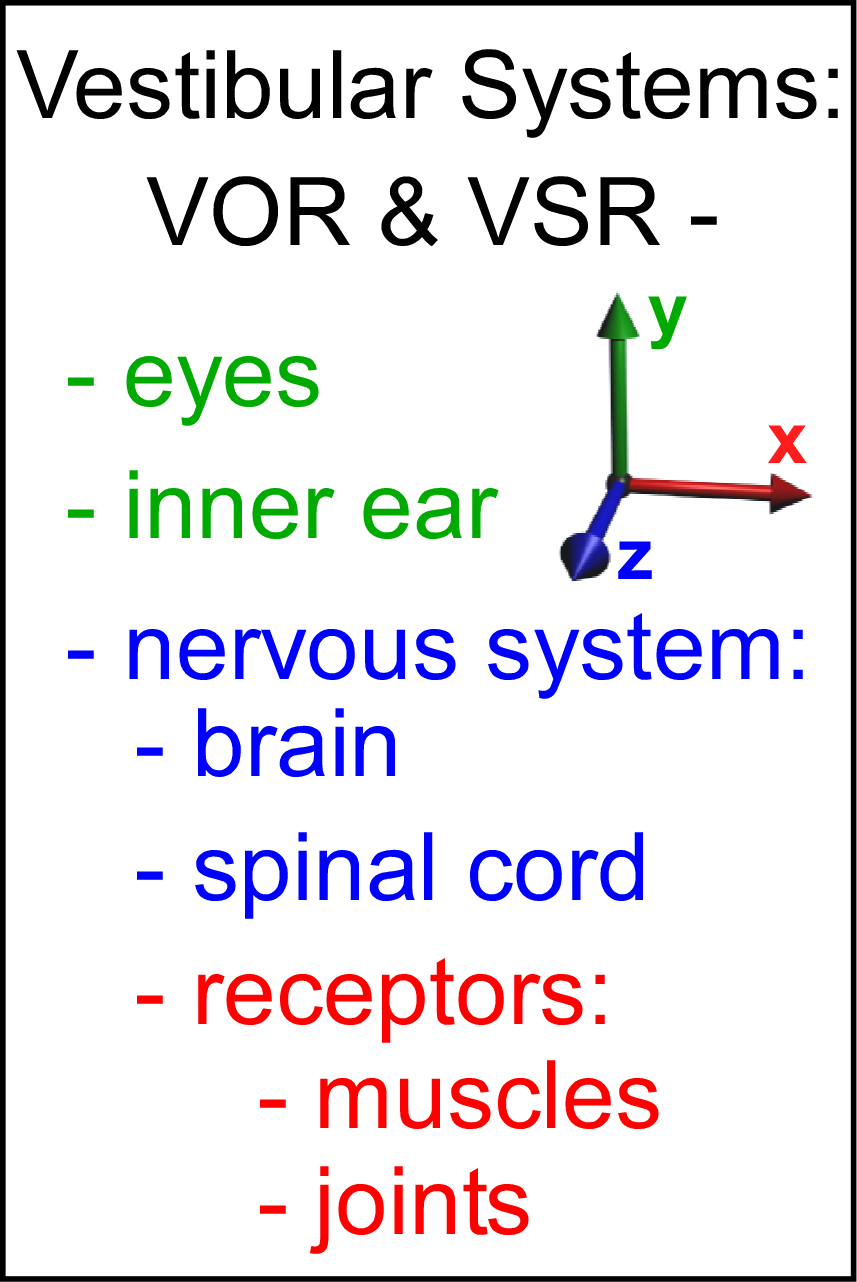
This is a graphical summary of my recent public discussion emphasizing the interconnectedness of physical, mental, and spiritual health in maintaining balance. A large portion of my discussion touched upon vestibular balance and how to prevent falls not just by cleaning up your walkways, but by increasing one’s ability to manage their center of gravity, increase leg strength, improving range of motion and the need to become more self-aware of one’s attention, one’s physical body as well as surrounding envirnment.
The role of knowledge, intelligence, and cognitive processes in balance.
The connection between beliefs, morals, values, and spiritual awareness.
The impact of mental health and emotional well-being on balance.
The concept of “deep roots” and their connection to physical balance.
The influence of diet, medications, and lifestyle choices on balance.
The potential negative effects of recreational drug use.
The importance of environmental factors and injury prevention.
The relationship between the feet and overall health, including the concept of “death begins in the big toe.”
The importance of sleep hygiene and quality sleep for overall health.
The use of technology, such as LED lights, and its potential impact on sleep and well-being.
The role of the feet in overall balance and stability.
The impact of injuries and falls on balance, particularly the “fracture cascade.”
The importance of maintaining physical fitness and strength for balance.
Engaging in regular physical activity, such as tai chi or yoga.
Improving posture and body alignment.
Being mindful of surroundings and potential hazards.
Practicing deep breathing exercises to regulate the nervous system.
Use “3 points of contact” when standing, sitting, climbing, hiking, etc. for a more stable structure.
Understand that the human body is very similar to a tree with roots (lower body), trunk (middle or core), and branches and leaves (arms and hands).
Become more self-aware that you have a purpose, a calling, bliss or “ikigai,” a Japanese term for a sense of purpose and meaning that can affect others beyond the self.
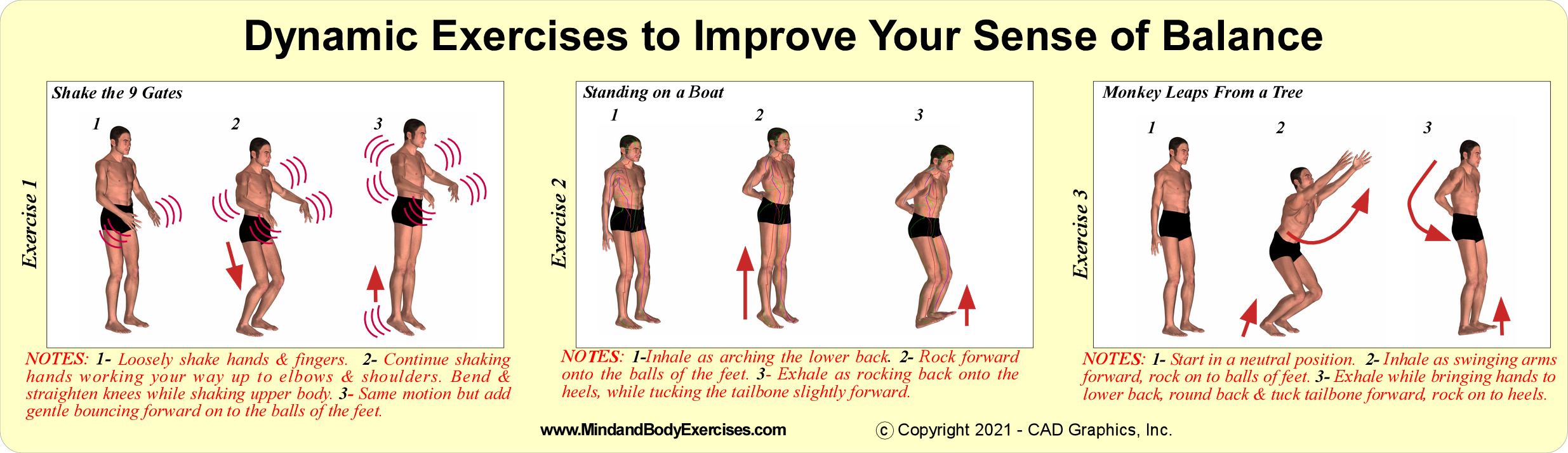
One has to put in the time and effort to achieve anything of value. One can be non-active, proactive, or reactive, depending upon their attitude, goals, and resources. Physical exercises to improve balance can consist of a combination of static, dynamic, and locomotive movements and methods.
I teach and offer lectures about holistic health, physical fitness, stress management, human behavior, meditation, phytotherapy (herbs), music for healing, self-massage (acupressure), Daoyin (yoga), qigong, tai chi, and baguazhang.
Please contact me if you, your business, organization, or group, might be interested in hosting me to speak on a wide spectrum of topics relative to better health, fitness, and well-being.
I look forward to further sharing more of my message by partnering with hospitals, wellness centers, VA centers, schools on all levels, businesses, and individuals who see the value in building a stronger nation through building a healthier population.
I also have hundreds of FREE education video classes, lectures, and seminars available on my YouTube channel at:
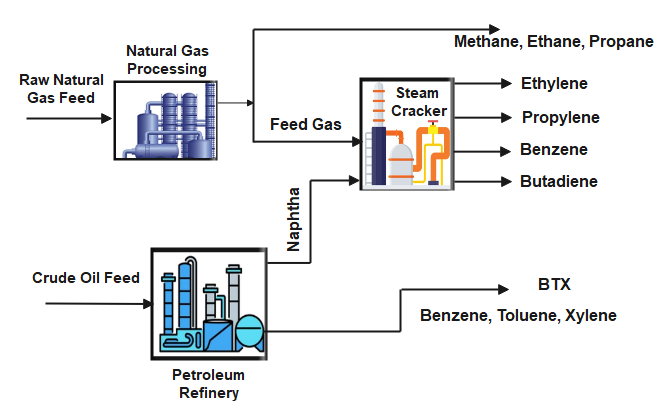
Americans love their vehicles and the independence they offer to go wherever and whenever they please. Americans also enjoy their use of pharmaceuticals with “a pill for every ill” mentality. Some people think that we should eliminate or reduce our dependence on both petroleum and pharmaceuticals, while others embrace the need for more. Ironically, petroleum-based chemical compounds are essential in the synthesis of many pharmaceuticals that milions of Americans rely upon for daily life. Many medicinal compounds are derived from petrochemicals, which are produced from the refining of crude oil and natural gas. Most of these chemicals are toxic and/or poisonous depending upon the concentration. As in many things, too much or too little can be dangerous. Even drinking too much water (water intoxication) or breathing too much oxygen (hyperventilation syndrome) can have detrimental side effects. So while many people may support reduction or even elimination of petroleum, ironically some people’s lives may actually depend upon the petroleum industries’ continued usage to produce pharmaceuticals.
Here are some examples of the most common petroleum-based chemical compounds and their usage in the synthesis of pharmaceuticals:
1. Benzene Derivatives
Benzene is a fundamental building block in the production of numerous pharmaceutical compounds.
Uses: Benzene derivatives are used to produce analgesics, antihistamines, and other drugs. For example:
Aspirin (acetylsalicylic acid) production involves benzene derivatives as starting materials.
Phenylbutazone, a non-steroidal anti-inflammatory drug (NSAID), is derived from benzene.
Intermediate Compounds:
Aniline: A benzene derivative used in the production of paracetamol (acetaminophen).
Phenol: Often used in the synthesis of antiseptics and disinfectants, phenol is also a precursor in the production of various pharmaceuticals.
2. Ethylene and Propylene Derivatives
Ethylene and propylene are the simplest alkenes and are derived from petroleum cracking.
Uses: These compounds are used to create solvents, intermediates, and active pharmaceutical ingredients (APIs). For example:
Polyethylene glycol (PEG): Widely used as a solvent and stabilizer in pharmaceuticals.
Ethylene oxide: Used in the production of antibiotics, including azithromycin.
Intermediate Compounds:
Ethylene glycol: Used in the synthesis of certain antibiotics and antifreeze proteins.
Propylene glycol: Used as a solvent in oral, injectable, and topical pharmaceutical formulations.
3. Toluene Derivatives
Toluene, like benzene, is an aromatic hydrocarbon derived from petroleum.
Uses: Toluene derivatives are key in synthesizing a wide range of pharmaceuticals, including antiseptics, sedatives, and analgesics.
Synthesis of diazepam (Valium), a benzodiazepine used for anxiety and seizures, involves toluene-based intermediates.
Intermediate Compounds:
Benzaldehyde: Used in the synthesis of sedatives and antipsychotics.
Benzoic acid: A precursor for numerous drugs, including antimicrobial agents and antifungals.
4. Xylene Derivatives
Xylene is an aromatic hydrocarbon derived from petroleum refining.
Uses: Xylene is used in the manufacture of a variety of drugs, especially in the creation of pharmaceutical intermediates and solvents.
Phthalic anhydride, a derivative of xylene, is used in the production of certain plasticizers and pharmaceutical excipients.
5. Methanol
Methanol, often derived from methane, is a component of natural gas, and is a crucial feedstock in the pharmaceutical industry.
Uses: Methanol is a precursor to formaldehyde, which is used in the synthesis of various antibiotics, vaccines, and vitamins.
Vitamin A and E production often require methanol as a solvent.
Intermediate Compounds:
Formaldehyde: Used in vaccines and sterilization processes, as well as in the synthesis of many organic compounds.
6. Alkylating Agents
Ethylene oxide and propylene oxide, are both derived from petrochemical processes and are used as alkylating agents.
Uses: These compounds are fundamental for creating certain antibiotics, chemotherapeutic agents, and other therapeutic drugs.
Cyclophosphamide and chlorambucil, both chemotherapy drugs, are synthesized using alkylating agents.
7. Isoprene Derivatives
Isoprene, a component of natural rubber, can be synthesized from petrochemical processes.
Uses: Isoprene derivatives are used in the production of various drugs, including cardiovascular medications and biologics.
Digoxin, a drug used to treat heart conditions, requires isoprene-based chemistry.
8. Acetylene Derivatives
Acetylene, refined from petrochemicals, is used in the synthesis of various pharmaceuticals.
Uses: Acetylene-based compounds are critical in creating anesthetics and certain antibiotics.
Local anesthetics such as lidocaine are produced from acetylene derivatives.
9. Petroleum-based Alcohols
Isopropanol (isopropyl alcohol) is a petroleum-derived solvent used extensively in the pharmaceutical industry as well as in the consumer market.
Uses: It is used in drug formulations, as a sterilization agent, and as a solvent in the production of active ingredients.
10. Paraffins and Paraffin Derivatives
Paraffins (alkanes), derived from petroleum refining, are used in ointments, creams, and as bases in many topical pharmaceuticals.
Uses: They serve as carriers for active ingredients and stabilizers in various medicinal formulations.
Conclusion
Petroleum-based chemical compounds, including benzene derivatives, toluene, xylene, ethylene, propylene, and various alcohols and solvents, are crucial in the synthesis, formulation, and production of many pharmaceuticals despite being toxic and poisonous chemicals. These compounds not only provide the raw materials needed for drug development but also enable the mass production of medications that are viewed by many as essential for modern healthcare. I provide this information so that people can hopefully be better informed as to what they are putting into their bodies. Whether these compounds and their potential risks may be argued as acceptible or detrimental is up to the individual to determine.
References:
Benzene Derivatives
Ghatak, S. (2019). Pharmaceutical Chemistry: Therapeutic Aspects of Biomacromolecules. This book covers benzene’s role as a key starting material in the synthesis of drugs like aspirin and acetaminophen.
Goldman, L., & Schafer, A. I. (2015). Goldman-Cecil Medicine (25th ed.). This reference discusses benzene derivatives in the context of analgesics, such as aspirin and phenylbutazone.
Ethylene and Propylene Derivatives
Miller, R. W., & Freund, H. A. (1999). “Ethylene and Propylene in Pharmaceutical Production.” Journal of Industrial Chemistry. This paper explores how ethylene and propylene are used in pharmaceutical solvents like polyethylene glycol.
The Merck Index: An Encyclopedia of Chemicals, Drugs, and Biologicals. The entry on polyethylene glycol and propylene glycol confirms their roles as solvents and excipients.
Toluene Derivatives
Clarke, E. C. W., & Amador, R. V. (2010). Introduction to Pharmaceutical Chemical Synthesis. This book highlights the role of toluene in synthesizing diazepam and other benzodiazepines.
Kirk-Othmer Encyclopedia of Chemical Technology. The entry on toluene discusses its use in producing pharmaceutical intermediates like benzoic acid and benzaldehyde.
Xylene Derivatives
Pavia, D. L., Lampman, G. M., & Kriz, G. S. (2015). Introduction to Organic Laboratory Techniques: A Microscale Approach. This book mentions xylene’s role in pharmaceutical chemistry, including phthalic anhydride’s use as an intermediate.
Morrison, R. T., & Boyd, R. N. (2011). Organic Chemistry. This textbook explores xylene derivatives used in pharmaceutical synthesis.
Methanol
Lichtenthaler, F. W. (2006). “Carbohydrates as Organic Raw Materials.” Carbohydrate Research. This article discusses the importance of methanol in pharmaceutical synthesis, especially for vitamin production.
Ansell, M. F. (2005). Comprehensive Organic Synthesis (Vol. 1)*. This text includes the role of methanol as a solvent and its derivation from petrochemical sources.
Alkylating Agents
Roberts, J. D., & Caserio, M. C. (1977). Basic Principles of Organic Chemistry. This foundational textbook discusses the use of ethylene oxide and propylene oxide as alkylating agents in chemotherapy drug production.
Weiss, R. B., & Harlow, G. J. (2000). Alkylating Agents in Cancer Treatment. This article focuses on how alkylating agents derived from petrochemicals are crucial for drugs like cyclophosphamide.
Isoprene Derivatives
Saito, S., & Ohyama, T. (1995). “Isoprene and Its Applications.” Advanced Materials Research. This article highlights the use of isoprene derivatives in cardiovascular drugs such as digoxin.
Kirk-Othmer Encyclopedia of Chemical Technology. The entry on isoprene explains its importance in the production of pharmaceuticals and biologics.
Acetylene Derivatives
Sundberg, R. J. (1996). Comprehensive Heterocyclic Chemistry III. This reference provides detailed information about acetylene’s use in producing local anesthetics like lidocaine.
Hoch, F. L. (2003). “Acetylene Chemistry: Synthesis and Applications.” Journal of Chemical Education. This paper explains how acetylene derivatives are employed in synthesizing anesthetics.
Petroleum-based Alcohols
Knox, S. (2011). Solvents and Cosolvents in Pharmaceutical Applications. This book covers the role of isopropyl alcohol as a solvent and sterilization agent in pharmaceutical production.
Dunn, W. (2005). Handbook of Solvents in Pharmaceutical Chemistry. This text includes isopropanol and its derivation from petrochemical sources for drug formulation.
Paraffins and Paraffin Derivatives
Gennaro, A. R. (2000). Remington: The Science and Practice of Pharmacy (20th ed.). This reference discusses the use of paraffins in topical formulations and as carriers for active ingredients.
Kirk-Othmer Encyclopedia of Chemical Technology. The section on paraffins details their role in pharmaceutical ointments and creams.
I teach and offer lectures about holistic health, physical fitness, stress management, human behavior, meditation, phytotherapy (herbs), music for healing, self-massage (acupressure), Daoyin (yoga), qigong, tai chi, and baguazhang.
Please contact me if you, your business, organization, or group, might be interested in hosting me to speak on a wide spectrum of topics relative to better health, fitness, and well-being.
I look forward to further sharing more of my message by partnering with hospitals, wellness centers, VA centers, schools on all levels, businesses, and individuals who see the value in building a stronger nation through building a healthier population.
I also have hundreds of FREE education video classes, lectures, and seminars available on my YouTube channel at:
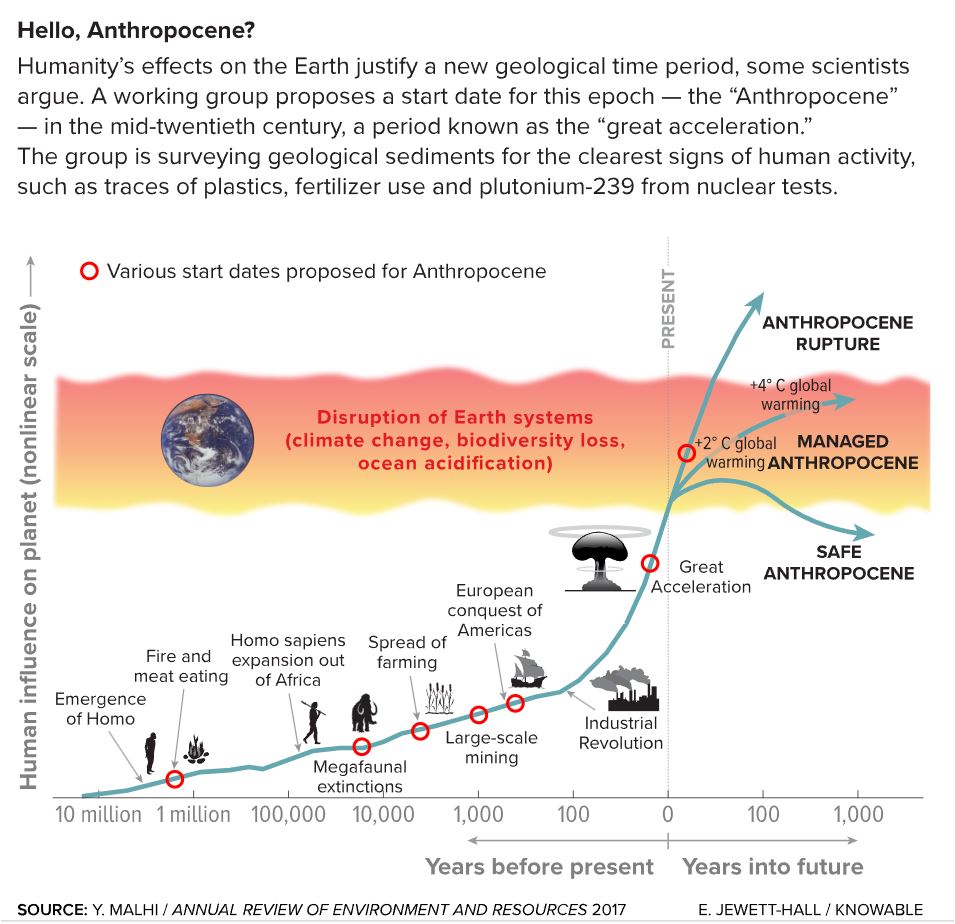
The Anthropocene is a term for a geological epoch following the Holocene, dating from the starting point of significant human impact on Earth up to the present day. Some people may see this as having begun with the colonization of the Americas around 1610 or with the years of the Industrial Revolution around 1760-1840. The 1940s and 1950s brought the “Great Acceleration” with major technological advances with nuclear weapons and the use of petroleum products.
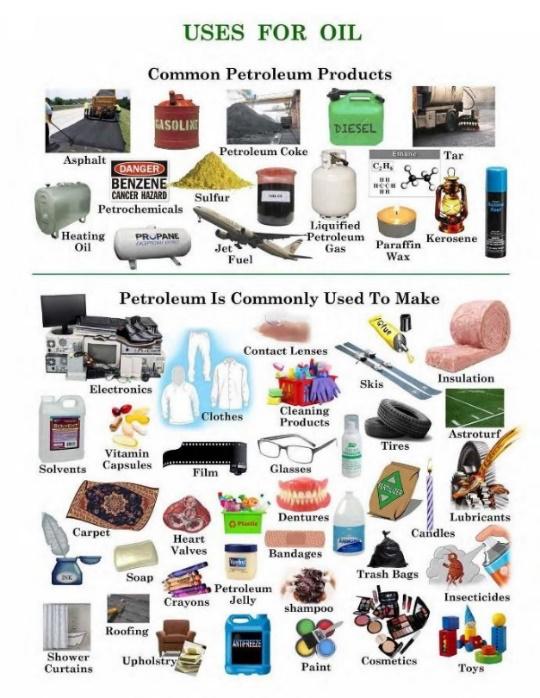
Do you have a smartphone, iPad, computer, or other electronic devices?
Wear apparel like clothes and shoes that are made of polyester, nylon, or spandex?
Enjoy driving on paved roads?
Use cosmetics, eyeglasses, pharmaceuticals?
Live with the convenience of plastic products and packaging of items from the grocery store?
Use electricity, plumbing, and air conditioning in your car, home, or office?
How many of the former are you willing to give up to reduce the impact on the environment?
In recent years, there has been an increased interest among Americans to reduce the use of petroleum-based products. A desire to minimize climate change and other environmental concerns has driven this shift. Many concerned citizens, activists, and politicians, advocate for reducing the nation’s dependence on petroleum, looking for a future where alternative sources of energy may replace fossil fuels. While this goal is commendable, it often ignores the deeply embedded role that petroleum and its based products play in almost every aspect of daily life. Way beyond fueling combustion vehicles and equipment of many types, petroleum is fundamental to the production of countless products that Americans and the rest of the world use daily. Consequently, reducing petroleum use is more complex than it appears, and to ignore this reality may be, in many ways, delusional.
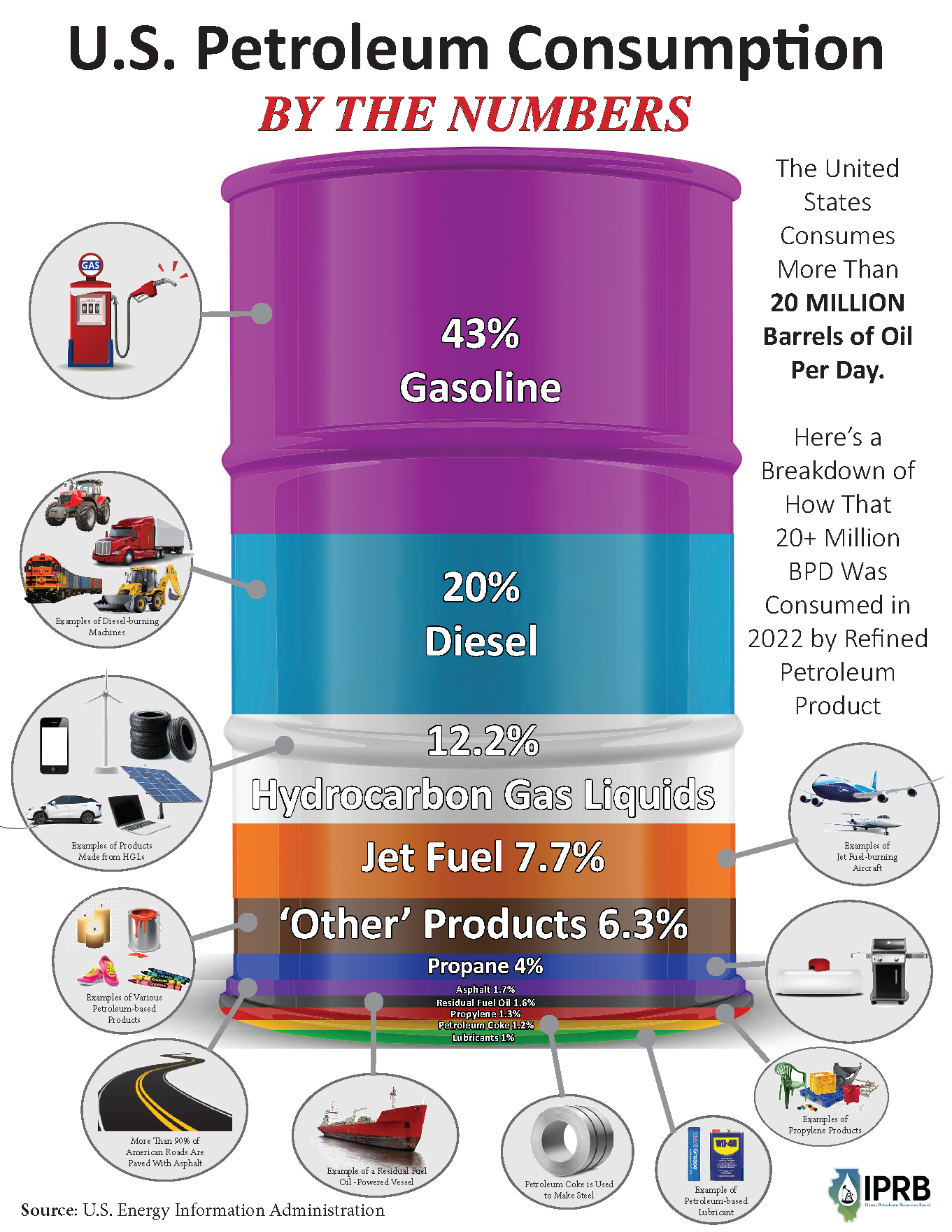
One of the most commonly seen and experienced uses of petroleum is in transportation. Gasoline and diesel power are still the majority of vehicles on the road despite the rise of electric cars and hybrid vehicles. Gas combustion engines remain the primary method of transportation for most Americans. The infrastructure supporting these gas vehicles is also dependent upon petroleum. Roads are paved with asphalt, which is a petroleum byproduct, as vehicles themselves run on tires made from petroleum-derived materials. Even with a focused push toward electric transportation, roads, and tires remain essential to everyday living, along with countless other petroleum-based components.
Beyond transportation, petroleum’s contribution to consumer goods is far-reaching. Many Americans might not know that much of the clothing they wear consists of synthetic fabrics like polyester and nylon, which are both made from petroleum. The decades-old popularity of athletic and leisurewear, known for its comfort and durability, further binds the average consumer to petroleum-based products. The dependency doesn’t end there. Plastic packaging, found in almost every store, business, office, and household, is made from petroleum. From food containers to household and industrial cleaning supplies, petroleum-based plastics make daily life more convenient, despite their environmental impact. Single-use plastics such as grocery bags, fast-food containers, and water bottles are common examples of how petroleum has become embedded into our daily routines.
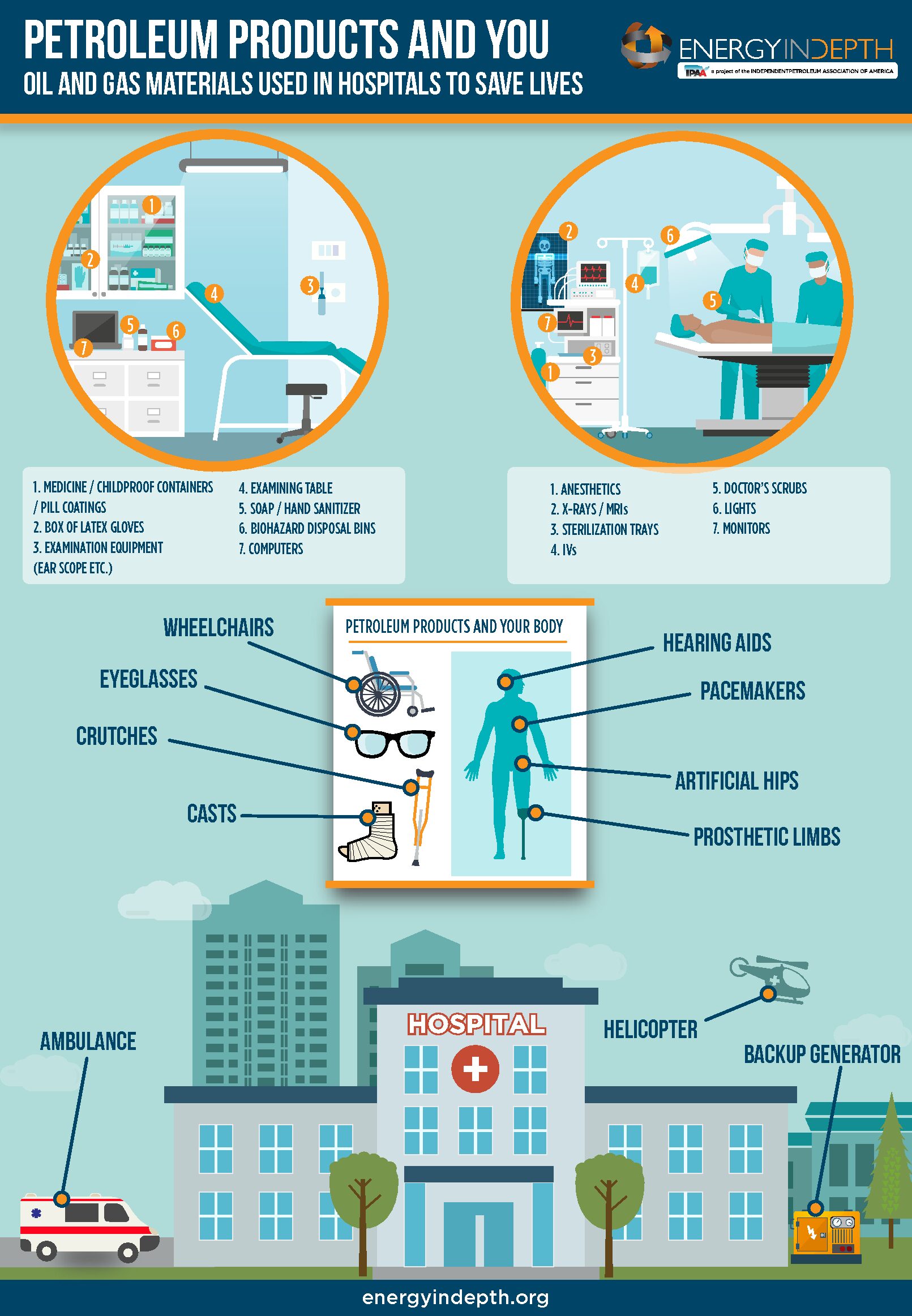
Petroleum is also vital to the healthcare and pharmaceutical industries. Plastics are fundamental for the packaging of healthcare products, cosmetics, pharmaceuticals, and medical devices. Various synthetic drugs depend on petrochemicals for their production, and plastic-based medical equipment and instruments are vital to maintaining sterile environments in hospitals and clinics. Healthcare as we know it, would not exist without the use of petroleum-based products. American society’s dependency on this resource is far more complex than simply putting gas in a car.
Petroleum’s importance also extends into the technology sector. From smartphones to computers, electronics are filled with various components made from petroleum-based plastics. Household and office wiring use insulation materials, necessary for transmitting electricity and data, which also come from petroleum. This technology in electronics is used by activists to spread awareness about climate change, ironically using petroleum products in their design and functionality. This creates quite a paradox where there is a desire to eliminate petroleum use, but where one of the fastest-growing sectors of the economy, technology, remains deeply intertwined with it.
Understanding this complex network of petroleum dependencies, the ongoing demonization of petroleum companies by some individuals, activists, and politicians seems somewhat disconnected from reality. Petroleum extraction and its usage indeed have significant environmental consequences. However, the idea that we can simply eliminate petroleum from our lives without enduring major disruptions and/or changes to our daily routines, technological advancements, and healthcare systems is quite unrealistic. The thrust to demonize petroleum companies often disregards the benefits petroleum provides in many various sectors of society, extending well beyond just transportation and energy.
Renewable energy sources have increased and hopefully will continue to grow, however, the transition away from petroleum will be a long and expensive evolution. Actions that will reduce petroleum use should be based on valid information and on the reality that petroleum plays an irreplaceable role in many critical industries. Instead of focusing only on eliminating petroleum, perhaps a more balanced approach is needed. Advocacy actions should bring to light the need to reduce unnecessary wasteful petroleum consumption while also acknowledging its key applications in areas like public healthcare and technology.
To completely abandon petroleum is somewhat delusional. The transition toward a more sustainable future will require significant changes in habits, infrastructure, manufacturing, and attitudes. It will also require a more broad view of petroleum, where its environmental impacts are managed through logic, innovation, and compromise. Instead of demonizing petroleum in its entirety, actions should focus on lessening the environmental footprint of its extraction and use, while simultaneously encouraging the development of realistic alternatives.
In conclusion, the push to reduce petroleum use in America is understandable and necessary for addressing climate change as well as other environmental concerns. However, the reality is that petroleum is deeply rooted in the fabric of modern life. From the vehicle we drive to the clothes and shoes we wear, the healthcare we receive, and the technology we are reliant on and often addicted to, petroleum touches almost every aspect of society. Moving away from petroleum will be a very complicated and gradual evolutionary process, requiring foresight, logic, innovation, balance, and a realistic understanding of its current function in our daily lives. The path to a sustainable future must address both the need for change and the reality of our current dependence on petroleum.
I teach and offer lectures about holistic health, physical fitness, stress management, human behavior, meditation, phytotherapy (herbs), music for healing, self-massage (acupressure), Daoyin (yoga), qigong, tai chi, and baguazhang.
Please contact me if you, your business, organization, or group, might be interested in hosting me to speak on a wide spectrum of topics relative to better health, fitness, and well-being.
I look forward to further sharing more of my message by partnering with hospitals, wellness centers, VA centers, schools on all levels, businesses, and individuals who see the value in building a stronger nation through building a healthier population.
I also have hundreds of FREE education video classes, lectures, and seminars available on my YouTube channel at:
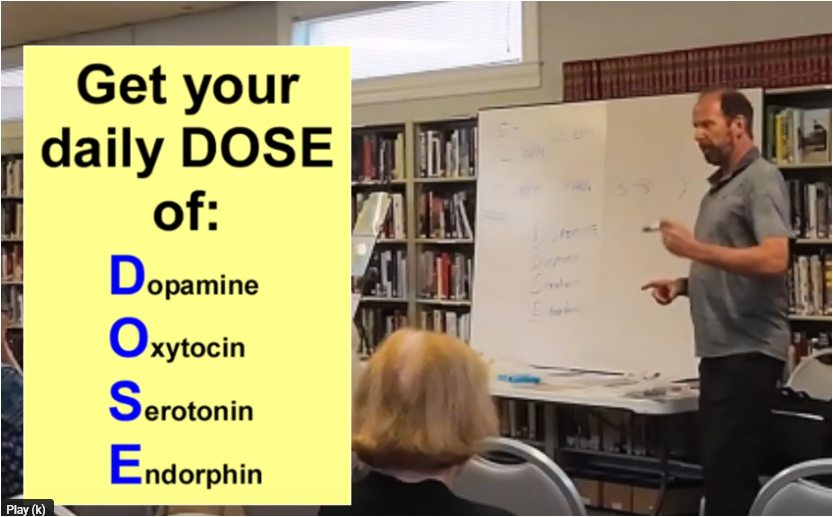
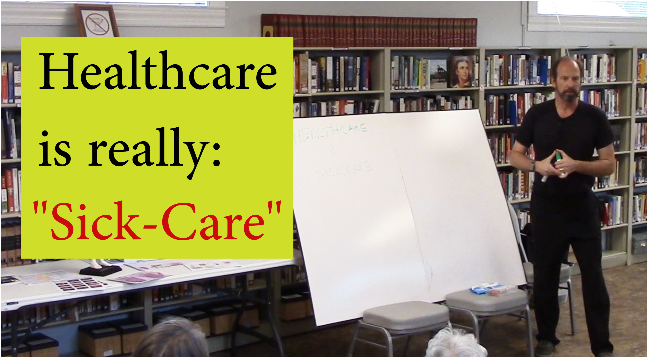
Last week I led a discussion on improving balance (mental, physical, and spiritual awareness) at the University Club of Winter Park, I would gladly speak again at other locations if anyone cares to reach out to me. Below is a brief summary of the topics that were discussed.
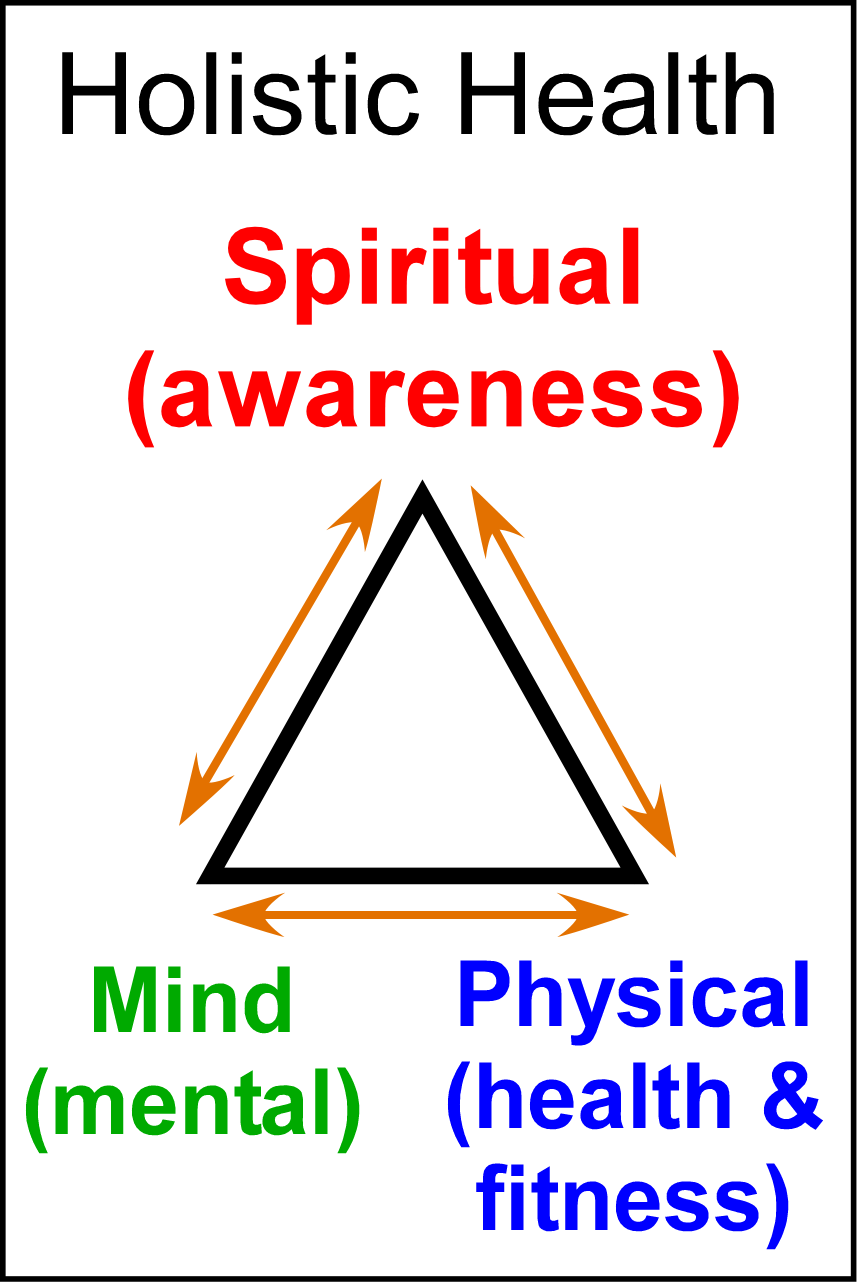
This video was a discussion about holistic health, which is a way of looking at the whole person, including the physical, mental, and spiritual aspects. Harmony is achieved when the physical, mental, and spiritual aspects are in balance. These components are all deeply interconnected. If you are physically balanced, you are more likely to feel mentally balanced. If you are mentally balanced, you are more likely to be able to connect with your spirituality.
The following main components of balance:
Physical balance: This refers to the ability to maintain your equilibrium. It is important for many activities, such as walking, running, and playing sports.
Mental balance: This refers to the ability to manage your thoughts and emotions. It is important for your overall well-being and for your ability to cope with stress.
Spiritual balance: This refers to your sense of connection to something larger than yourself. It can be a connection to nature, to other people, or to a higher power.
I offered some tips on how to improve balance. These tips include:
Doing balance exercises regularly. There are many different balance exercises that you can do, such as practicing tai chi, qigong, yoga, pilates, standing on one leg, or even walking on uneven surfaces.
Practicing mindfulness. Mindfulness is the practice of paying attention to the present moment without judgment. It can help you to reduce stress and improve your mental balance.
____________
I teach and offer lectures about holistic health, physical fitness, stress management, human behavior, meditation, phytotherapy (herbs), music for healing, self-massage (acupressure), Daoyin (yoga), qigong, tai chi, and baguazhang.
Please contact me if you, your business, organization, or group, might be interested in hosting me to speak on a wide spectrum of topics relative to better health, fitness, and well-being.
I look forward to further sharing more of my message by partnering with hospitals, wellness centers, VA centers, schools on all levels, businesses, and individuals who see the value in building a stronger nation through building a healthier population.
I also have hundreds of FREE education video classes, lectures, and seminars available on my YouTube channel at:











 United Martial Arts Association