Every day we face choices, big and small. Avoiding decisions or “sitting on the fence” might feel safe, but it’s actually a form of failure. If you don’t choose, life chooses for you and that often leads to regret. Whether in business, relationships, or personal goals, progress only happens when you commit to a direction.
Example: In business, waiting too long to act on an opportunity out of fear or indecision can mean losing ground to competitors.
2. Balance Visible and Invisible Success
It’s easy to measure success by visible achievements such as money, titles, and recognition. But these are only part of the story. Invisible success is equally important: having integrity, living by values, and maintaining peace of mind. Without these, material gains feel hollow.
Example: An executive with wealth but no work-life balance, health, or ethical grounding isn’t truly successful. Real success blends external achievement with inner fulfillment.
3. Avoid the Trap of Self-Bias
Our own judgment often leans toward what feels convenient or self-serving. But right and wrong aren’t just about personal opinion, they’re tied to principles that exist beyond us. Checking decisions against values like honesty, fairness, and responsibility keeps us from rationalizing bad choices.
Example: Cutting corners for short-term profit might seem beneficial now, but long-term damage to reputation and trust will outweigh the gain.
4. Be Accountable
You can fool others with appearances, but not yourself. Guilt, stress, and dissatisfaction linger when actions don’t align with your values. Owning your choices, whether good or bad is what builds integrity.
Example: A manager might hide mistakes from their team, but the weight of dishonesty erodes confidence and effectiveness over time. Admitting the mistake early fosters trust and growth.
5. Master Yourself First
The biggest battle is internal. Self-doubt, ego, fear, and procrastination are often greater obstacles than outside competition. True success means overcoming your own limitations, staying disciplined, and not letting emotions or outside influences cloud your judgment.
Example: An athlete may win against others, but if they lack discipline in training or integrity off the field, their success is incomplete.
6. The Real Loss
Losing connection to your true self, by conforming blindly, chasing only money, or being swayed by others, is the greatest failure. Material setbacks can be rebuilt, but losing authenticity and self-respect is harder to recover.
Example: A professional who compromises values to fit into a toxic workplace might later find success elsewhere, but regaining trust in themselves can be a long process.
7. Victory vs. Success
Defeating others is external victory. But lasting fulfillment comes from internal success in discipline, self-awareness, and growth. The ultimate win is not over others but over your own weaknesses.
Example: In leadership, the best outcome isn’t outshining your colleagues but growing the whole team and developing yourself along the way.
Modern Common Sense in One Line: Success isn’t just about what you achieve outside, but about the choices you make daily to stay true to your values, overcome yourself, and live a balanced, meaningful life.
Reinventing Religious Identity in Korea After Liberation
During Japan’s colonization of Korea (1910–1945), State Shintō was forcibly introduced through the establishment of shrines and enforced participation in rituals, particularly by students and government workers (Grayson; Chōsen Shrine required attendance as a political act). This widespread imposition made Shintō highly associated with colonial authority and ideological control. In contrast, Buddhism had been part of Korean heritage for centuries and carried no stigma of foreign imposition.
After liberation in 1945, Shintō was widely rejected in Korea, while Buddhism was viewed as part of the national cultural and religious identity.
Political and Social Pressures
Shintō clergy or anyone linked to Shintō were at risk of being labeled collaborators with the Japanese colonial regime. Such stigma could lead to social ostracism or worse. By contrast, those associated with Buddhism were viewed as culturally legitimate and spiritually benevolent, making Buddhist identity a favorable alternative.
Cultural Perception and Misidentification
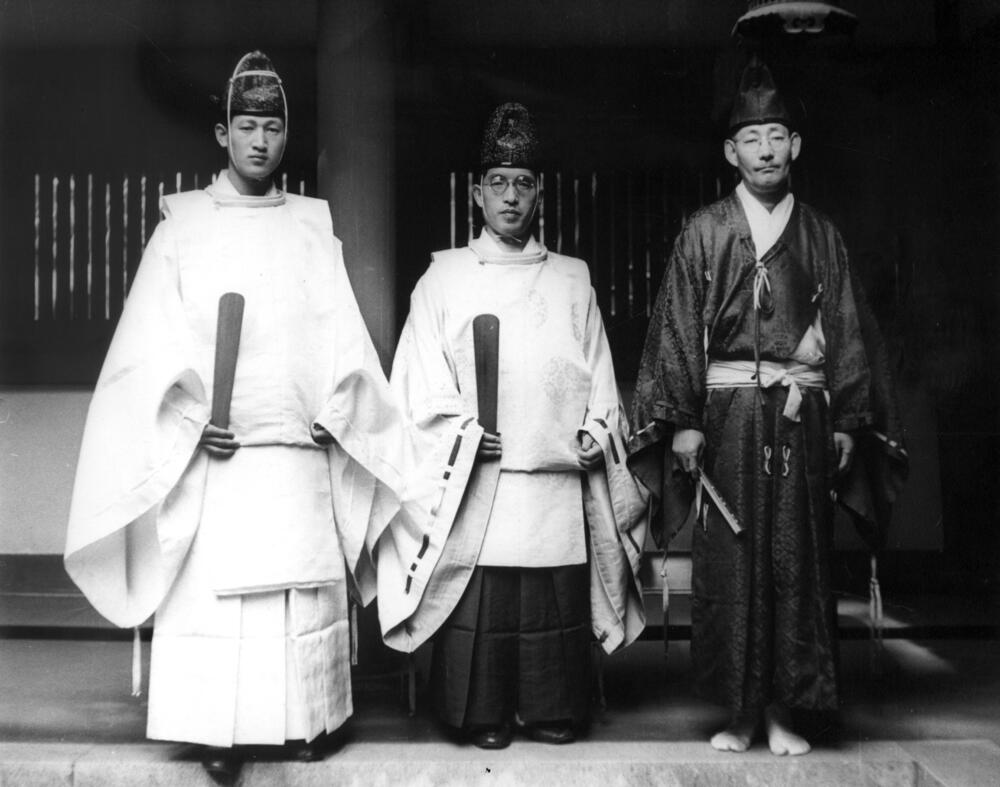
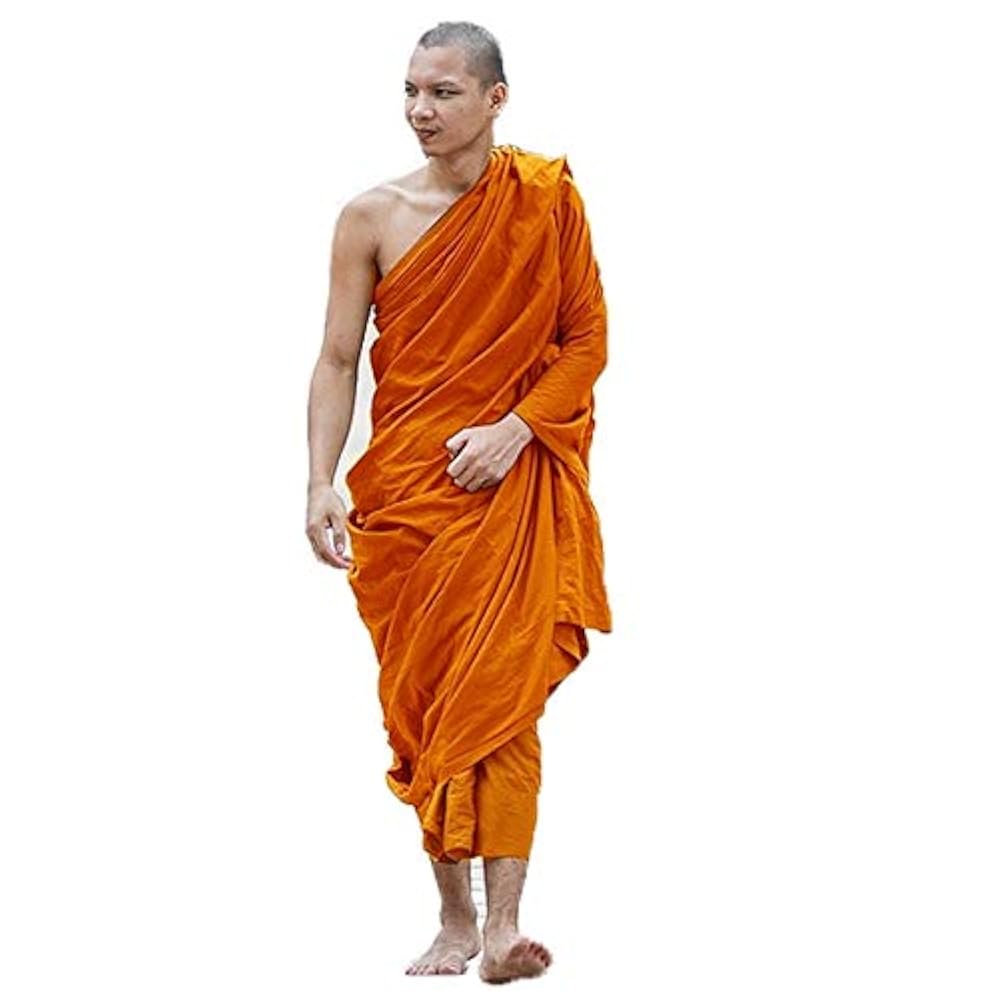
To the general public unfamiliar with Japanese religious garb, the distinction between Shintō ceremonial attire and Buddhist robes might have been unclear. Therefore, presenting oneself as a Buddhist monk was a practical way to avoid the stigma attached to Shintō affiliation, especially in a period when religious symbols had strong political meanings.
Strategic Reinvention
In post-war Korea’s rapidly changing climate, recasting one’s religious identity was a means of social survival. Claiming Buddhist identity provided continued spiritual or communal authority without colonial taint. It was both a personal and political strategy to remain relevant and respected.
Comparative Tables
Table 1: Public Perception in Post-War Korea (circa 1945–1950)
Aspect
Shintō Priest
Buddhist Monk
Political Association
Linked to Japanese colonialism
Rooted in Korean tradition
Public Reputation
Viewed as collaborator
Respected spiritual figure
Cultural Legitimacy
Foreign-imposed, often rejected
Indigenous, normative
Social Risk
High (stigmatized)
Low (broad acceptance)
Opportunities
Severely limited
Available through religious leadership
Table 2: Religious Signifiers and Public Perception
Feature
Shintō Priest
Buddhist Monk
Attire
Layered robes with formal pattern or cut
Plain, functionally simple robes
Headgear
Black cap or crown
Shaved head (no headwear)
Ritual Objects
Wooden baton (shaku), paper streamers
Prayer beads, staff, sutra scroll
Symbolic Setting
Shrine with sacred rope, torii gates
Temple with Buddha statues, incense
Cultural Role
Representative of Japanese ideology
Spiritual and moral guide within Korean tradition
Conclusion
After Korea’s liberation, religious identity was both symbolic and strategic. In a time when Shintō was equated with colonial oppression, claiming to be a Buddhist monk offered not just spiritual cover but also cultural rehabilitation. This reframing allowed individuals to retain authority, social standing, and moral legitimacy in a society eager to distance itself from Japan’s colonial legacy.
References:
Kim, Y. T. (2025). The common ground between Japanese and Korean Buddhism in the early modern period: changes in the perception of the mechanism of the State–Buddhist relationship. Religions, 16(4), 419. https://doi.org/10.3390/rel16040419
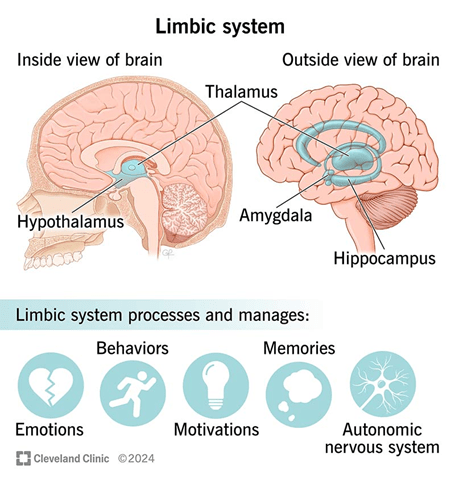
Pain is not solely a sensory experience. It is also deeply emotional, influenced by context, memory, expectation, and mood. While the somatosensory cortex processes the discriminative (sensory) aspects of pain, such as location, intensity, and duration, the limbic system, particularly the amygdala and the anterior cingulate cortex (ACC), mediates its affective (emotional) and motivational components (Apkarian et al., 2005; Leknes & Tracey, 2008).
1. The Amygdala: Fear, Salience, and Emotional Memory
The amygdala is a central structure in emotional processing, especially in the encoding and recall of fear and threat-related memories. It plays a critical role in the emotional coloring of pain and how we anticipate and respond to it.
The amygdala receives nociceptive input via the spino-parabrachial pathway and from higher-order cortical areas, allowing it to influence both immediate emotional reactions to pain and pain-related memory (Neugebauer et al., 2004).
It activates autonomic and behavioral responses to pain (e.g., anxiety, avoidance), especially when pain is perceived as threatening or unpredictable.
Amygdala hyperactivity has been linked with chronic pain conditions, where emotional reactivity and threat perception become amplified (Simons et al., 2014).
In other words, the amygdala adds emotional salience to nociceptive stimuli, transforming a mere sensory signal into a subjectively distressing experience.
2. The Anterior Cingulate Cortex (ACC): The Distress and Motivation Circuit
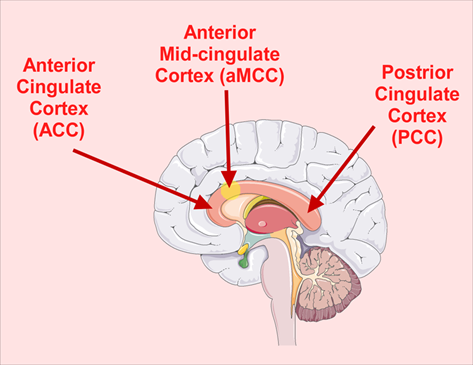
The ACC, particularly its rostral and dorsal regions, plays a central role in pain unpleasantness, emotional suffering, and motivational drive to escape or alleviate pain.
Studies show that ACC activation correlates with subjective pain unpleasantness, even when the physical intensity of pain is constant (Rainville et al., 1997).
The ACC is richly interconnected with limbic (amygdala, hippocampus), cognitive (prefrontal cortex), and motor systems, enabling it to integrate affective, attentional, and behavioral responses to pain (Shackman et al., 2011).
The ACC is involved in pain anticipation, which can amplify emotional distress even before the pain occurs (Koyama et al., 2005).
Chronic pain patients often show structural and functional changes in the ACC, suggesting a maladaptive feedback loop that reinforces pain-related suffering (Baliki et al., 2006).
Thus, the ACC is not responsible for detecting pain, but for how unpleasant and distressing it feels, and for driving the motivational state to take action.
3. Limbic Modulation and Homeostasis
Leknes & Tracey (2008) propose a framework for understanding how pain and pleasure share overlapping neurobiological systems, particularly in limbic circuits. They note that context, expectation, and emotional state can either amplify or dampen pain via top-down modulation of limbic and brainstem structures.
The ACC and amygdala are sensitive to emotional reappraisal, social support, and placebo analgesia, demonstrating that the emotional meaning of pain can drastically change the experience (Wager et al., 2004).
Pain that is interpreted as meaningful or self-chosen (e.g., in rituals or athletic endurance) can be experienced as less unpleasant, implicating limbic regulation of pain perception (Leknes & Tracey, 2008).
This suggests that the limbic system is central in determining whether pain is perceived as threatening and intolerable or manageable and meaningful.
4. Summary of Functional Roles
Region
Role in Pain Processing
Amygdala
Assigns emotional salience; fear, anxiety, memory of pain; enhances pain when perceived as threatening.
ACC
Encodes pain unpleasantness; mediates suffering, motivation to escape pain; modulated by expectation, attention, and emotional context.
Clinical Relevance
Chronic pain syndromes (e.g., fibromyalgia, neuropathic pain) often involve heightened activity in the amygdala and ACC, contributing to emotional suffering, catastrophizing, and avoidance behavior (Hashmi et al., 2013).
Cognitive-behavioral therapy (CBT), mindfulness, and biofeedback target these limbic circuits to reframe pain perception, reduce suffering, and restore functional coping.
The limbic-emotional dimension of pain underscores the importance of holistic and biopsychosocial models in treatment.
References:
Apkarian, A. V., Bushnell, M. C., Treede, R. D., & Zubieta, J. K. (2005). Human brain mechanisms of pain perception and regulation in health and disease. European Journal of Pain, 9(4), 463–484. https://doi.org/10.1016/j.ejpain.2004.11.001
Baliki, M. N., Geha, P. Y., Apkarian, A. V., & Chialvo, D. R. (2006). Beyond feeling: chronic pain hurts the brain, disrupting the default-mode network dynamics. Journal of Neuroscience, 28(6), 1398–1403. https://doi.org/10.1523/JNEUROSCI.4123-07.2008
Hashmi, J. A., Baliki, M. N., Huang, L., Baria, A. T., Torbey, S., Hermann, K. M., … & Apkarian, A. V. (2013). Shape shifting pain: chronification of back pain shifts brain representation from nociceptive to emotional circuits. Brain, 136(9), 2751–2768. https://doi.org/10.1093/brain/awt211
Koyama, T., McHaffie, J. G., Laurienti, P. J., & Coghill, R. C. (2005). The subjective experience of pain: Where expectations become reality. Proceedings of the National Academy of Sciences of the United States of America, 102(36), 12950–12955. https://doi.org/10.1073/pnas.0408576102
Leknes, S., & Tracey, I. (2008). A common neurobiology for pain and pleasure. Nature Reviews Neuroscience, 9(4), 314–320. https://doi.org/10.1038/nrn2333
Rainville, P., Duncan, G. H., Price, D. D., Carrier, B., & Bushnell, M. C. (1997). Pain affect encoded in human anterior cingulate but not somatosensory cortex. Science, 277(5328), 968–971. https://doi.org/10.1126/science.277.5328.968
Shackman, A. J., Salomons, T. V., Slagter, H. A., Fox, A. S., Winter, J. J., & Davidson, R. J. (2011). The integration of negative affect, pain and cognitive control in the cingulate cortex. Nature Reviews Neuroscience, 12(3), 154–167. https://doi.org/10.1038/nrn2994
Simons, L. E., Elman, I., & Borsook, D. (2014). Psychological processing in chronic pain: a neural systems approach. Neuroscience & Biobehavioral Reviews, 39, 61–78. https://doi.org/10.1016/j.neubiorev.2013.12.006
Wager, T. D., Rilling, J. K., Smith, E. E., Sokolik, A., Casey, K. L., Davidson, R. J., … & Cohen, J. D. (2004). Placebo-induced changes in FMRI in the anticipation and experience of pain. Science, 303(5661), 1162–1167. https://doi.org/10.1126/science.1093065
Trauma rarely arrives by invitation. For most people, it enters life unexpectedly, through loss, betrayal, illness, accidents, violence, neglect, coercion, or prolonged stress. Very few individuals seek out traumatic experiences, and just as rarely do most people consciously intend to harm or traumatize others. And yet, despite intent, all actions carry consequences. Words spoken in anger, choices made in fear, systems built on imbalance, and moments of inattention can send ripple effects outward for years, sometimes for generations. Trauma often lives in these ripples.
Long after the original event has passed, many people continue to feel unsettled inside, anxious, guarded, emotionally numb, reactive, ashamed, or unsure of who they have become. These experiences are not signs of weakness or personal failure. They are the natural imprint of overwhelming stress on the nervous system, identity, and relational trust. Trauma changes how the body responds to threat, how the mind interprets reality, how the self is organized, and how relationships are navigated.
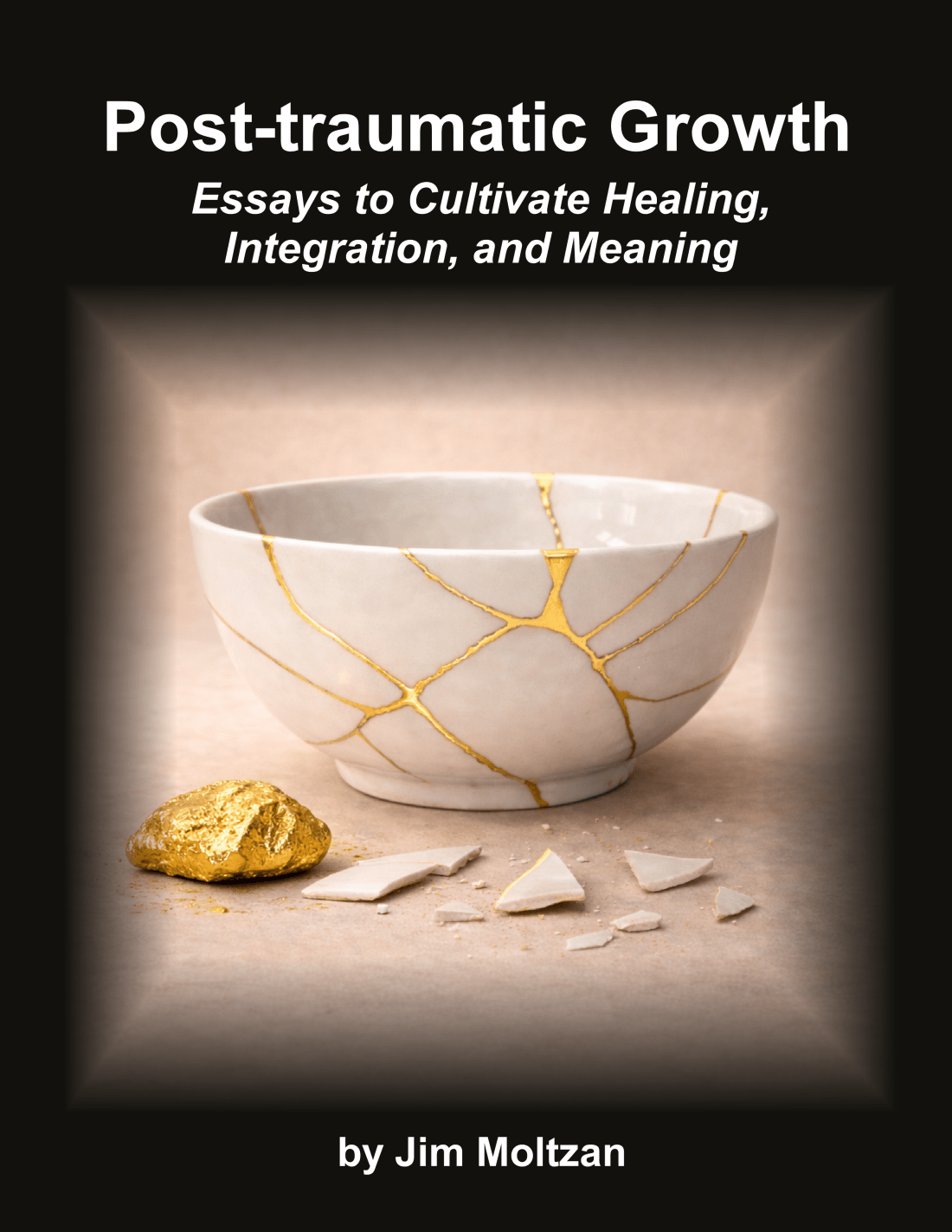
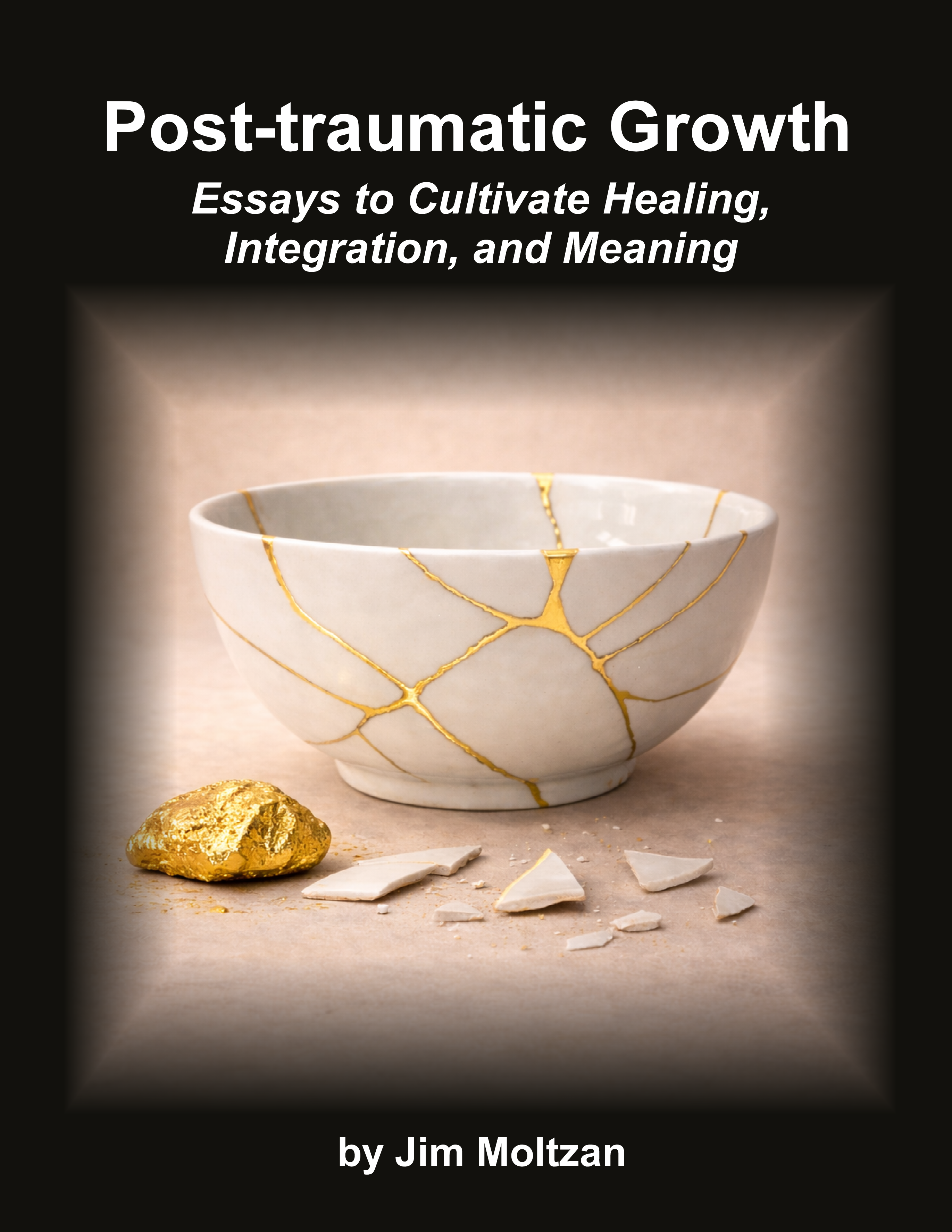
My book Post-traumatic Growth – Essays to Cultivate Healing, Integration, and Meaning was written for those who have survived difficult experiences and now find themselves asking deeper questions, not only how to cope, but how to truly grow beyond survival. The gradual cultivation of healing and growth does not mean that trauma was good, necessary, deserved, or spiritually justified. It does not minimize suffering or attempt to frame pain as a gift. Rather, it acknowledges a well-documented truth: human beings possess a powerful capacity to adapt, integrate, mature, and rebuild their lives when safety, awareness, and agency are gradually restored.
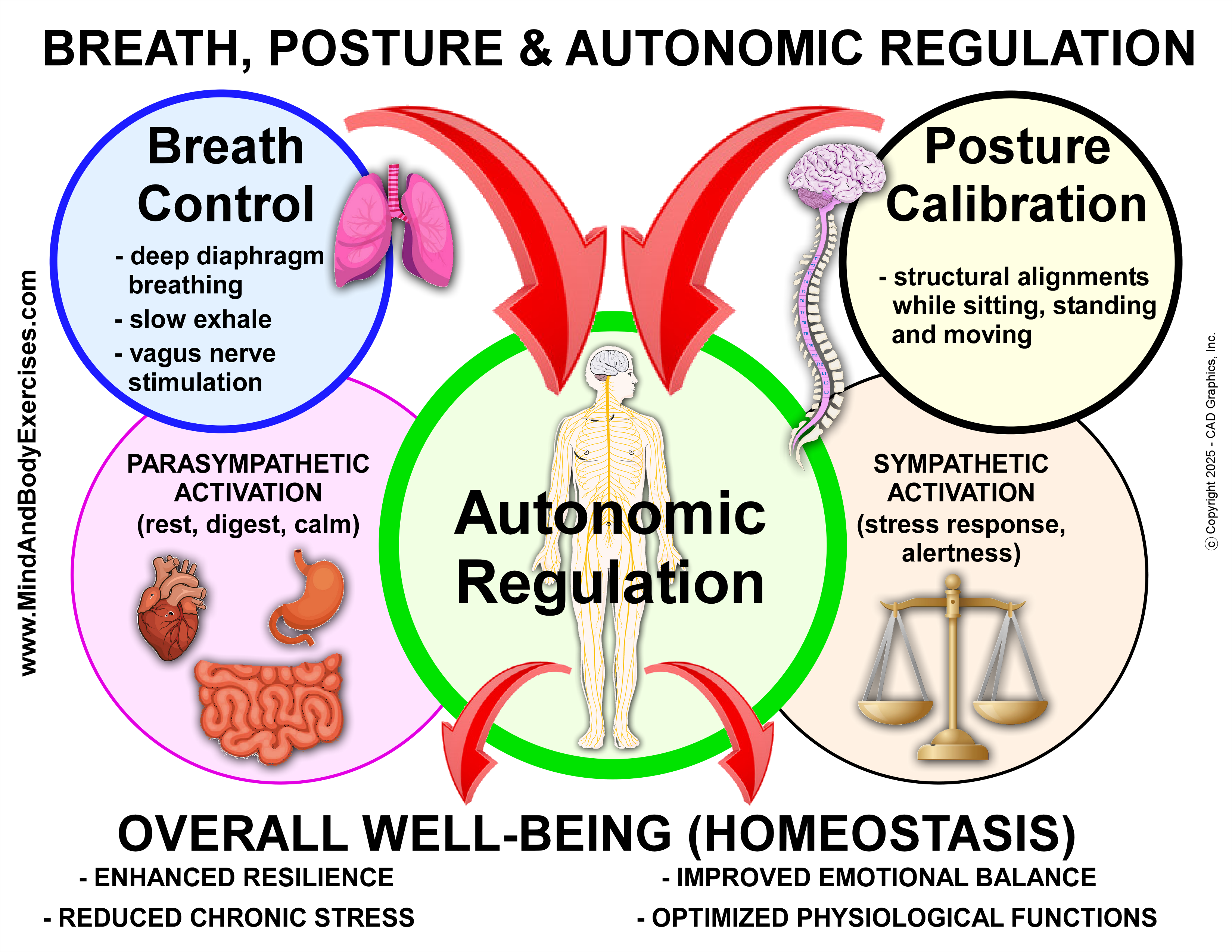
For decades, my work has focused on the relationship between stress physiology, emotional regulation, behavior, identity, and resilience. Again and again, I have seen that trauma recovery is not only psychological. It is neurological. It is relational. It is embodied. Insight alone is not enough. Healing requires the reorganization of the nervous system, the development of emotional maturity, the rebuilding of boundaries, the restoration of agency, and the reconstruction of meaning.
This book follows the full arc of transformation. It begins with how trauma disrupts regulation, perception, and identity. It then moves into the practical foundations of recovery by using breath, posture, emotional regulation, and stress resilience. From there, it addresses the deeper psychological work of boundaries, meaning-making, emotional maturity, and agency. Finally, it turns outward toward contribution, service, and the lifelong process of integration and wholeness.
If you are reading this, it is likely because some part of your life has been shaped by adversity, sudden or prolonged, visible or hidden. This book does not offer shortcuts. It offers something more enduring: a grounded path toward rebuilding stability, identity, agency, and meaning over time. These essays are not meant to be rushed or consumed linearly, but revisited as one’s capacity for regulation, reflection, and integration deepens. Growth does not erase the past. It allows you to live no longer defined by it.
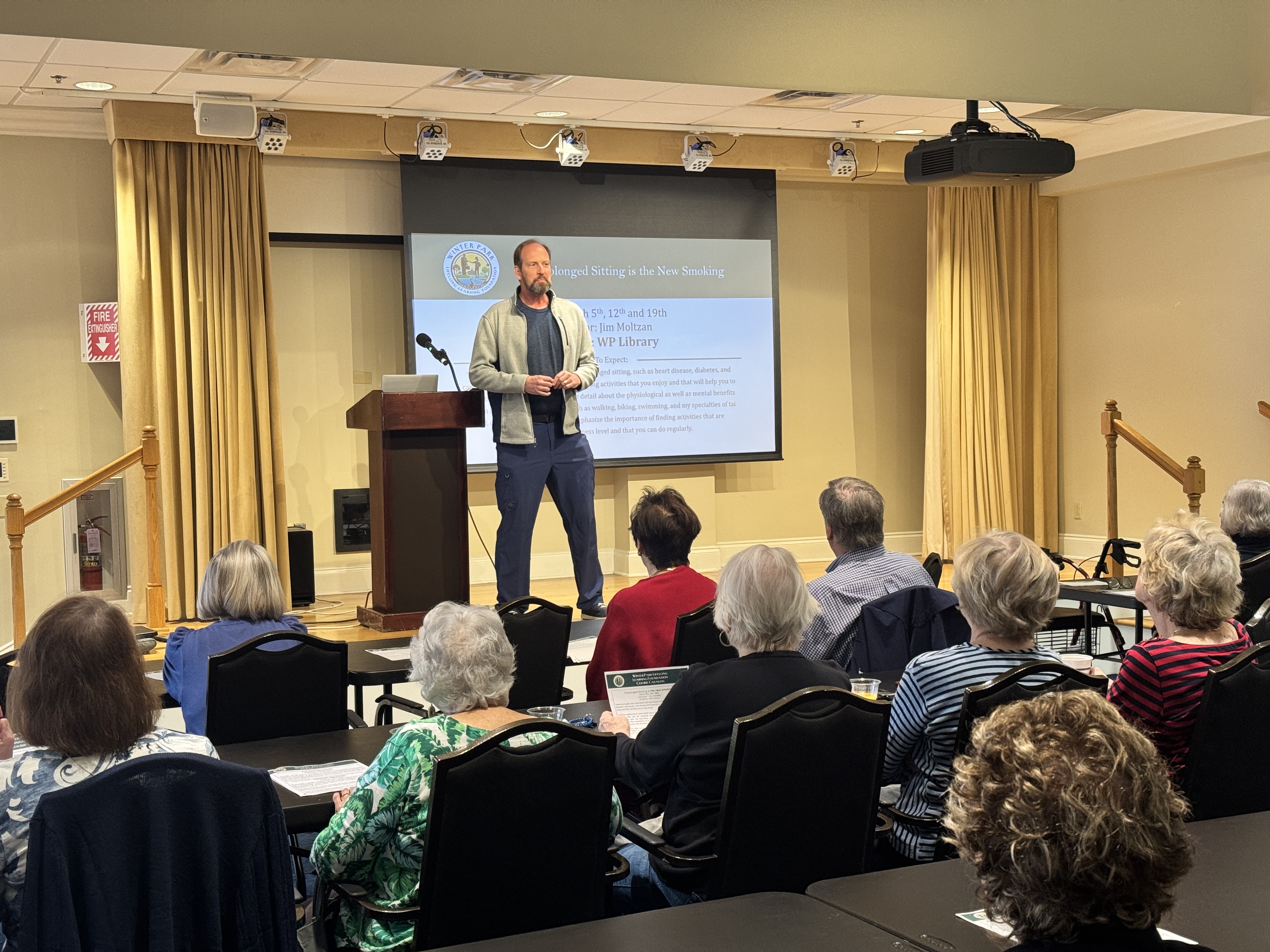
Now in my sixties, I find myself reflecting on observations that began much earlier in life. Since my teenage years, I have paid close attention to how people behave, how they relate to themselves, and how they interact with others. Over time, certain patterns become difficult to ignore. Pain and suffering, both physical and psychological, are not rare events that suddenly appear in old age. They are present throughout life. I witnessed them early on among relatives, friends, and associates struggling with health issues, emotional burdens, addiction, isolation, and loss.
What strikes me most now is that, as I enter what society often calls the “golden years,” I see many of the very same issues playing out again. They are now appearing not only in those around me, but also within my own body, my own relationships, and my own reflections. Aging does not introduce suffering so much as it reveals what has been quietly accumulating all along.
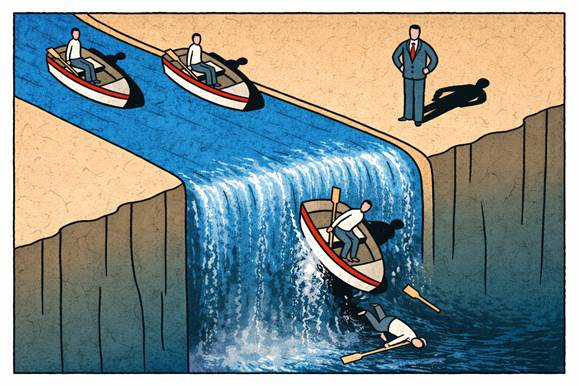
A metaphor that often comes to mind is that of individual boats floating on a river. Each of us is in our own vessel, shaped by our experiences, injuries, beliefs, habits, and fears. And yet we are all on the same river. We know where it leads. The waterfall at the end is not a secret. Mortality is not the surprise. What is surprising is how passively many of us drift toward it, aware of the direction, yet doing little to slow, redirect, or meaningfully engage with the journey itself.
Through decades of study and practice in martial arts, fitness, wellness, and character development, I have seen that much physical pain and mental suffering are not inevitable in the way we often assume. Aging brings change, yes, but deterioration is frequently accelerated by inactivity, isolation, and disengagement. This is where frustration sometimes arises for me. Not because people suffer, but because so many appear unwilling or unable to consider ways of reducing that suffering, even when those ways are accessible and humane.
To engage in practices that promote health, connection, or growth quietly implies that something can be done. Psychological research helps explain why this implication can feel empowering to some and threatening to others. Self-efficacy theory emphasizes the importance of a person’s belief in their ability to influence outcomes through their own actions (Bandura, 1997). When individuals no longer believe that their efforts will make a difference, withdrawal, avoidance, and resignation become understandable responses. From this perspective, resistance to change is not stubbornness or apathy, but a protective response to the fear that trying will only confirm one’s limitations.
This resistance is rarely about a dislike of movement, wellness, or community. More often, it reflects years of diminished confidence, repeated disappointment, or environments that subtly reinforce helplessness. When effort feels futile, suffering becomes something to endure rather than address. Familiar discomfort can begin to feel safer than uncertain improvement.
At the same time, I recognize a tension within myself. When I speak openly about movement, connection, and intentional living, I worry about coming across as preachy, mystical, or overly insistent. I am not a pastor. I am not promoting religion, nor am I suggesting that people join a cult or subscribe to a belief system. I am not even saying that everyone should practice tai chi, qigong, or martial arts. When I refrain from speaking, however, I feel that I am withholding something valuable. I feel that I am not fully honoring the experiences, insights, and responsibilities that come with a lifetime of observation and practice.
This tension is not about convincing or converting others. It is about witnessing. With time, some people naturally step into the role of observer, elder, or quiet guide. Not because they have all the answers, but because they have watched patterns repeat long enough to recognize their consequences. The challenge is learning how to share those observations without turning them into judgements or prescriptions.
One thing I have come to believe deeply is that human beings are not meant to regulate, heal, or make meaning entirely on their own. Loneliness is not simply an emotional state. It is a physiological stressor that affects mood, immune function, and overall health. Prolonged inactivity is not merely a lack of motivation. It contributes to neurological, metabolic, and emotional decline. These are not moral failings. They are relational failures, often reinforced by cultural norms that normalize isolation and passivity, especially in later life.
As people grow older, many intuitively sense the importance of connection, yet they often seek it in indirect or diluted ways. Simply getting out of the house becomes a strategy in itself. Some look for brief interactions at grocery stores, shopping malls, parks, or other public places. Others join social gatherings at churches, recreation centers, or community programs, playing chess, cards, or other games. Many find comfort and companionship in caring for pets, which offer unconditional presence and emotional soothing. These choices are understandable, and they can provide genuine relief from isolation.
However, an important question remains. While these activities offer contact, do they consistently provide the depth of connection and sense of purpose that many people seek as they age? Casual interactions, routine social exposure, or even well-intentioned group activities can still leave an underlying sense of emptiness if they lack shared meaning, mutual growth, or authentic engagement. Being around people is not the same as being with people in a way that nourishes identity, contribution, and belonging.
From a psychological perspective, this distinction matters. Self-determination theory emphasizes that relatedness is not simply about proximity to others, but about experiencing connection that feels mutual, valued, and purposeful (Deci & Ryan, 2000). Likewise, self-efficacy is strengthened not merely through activity, but through participation that allows individuals to feel useful, capable, and seen (Bandura, 1997). Without these elements, social contact can become another form of distraction rather than a source of restoration.
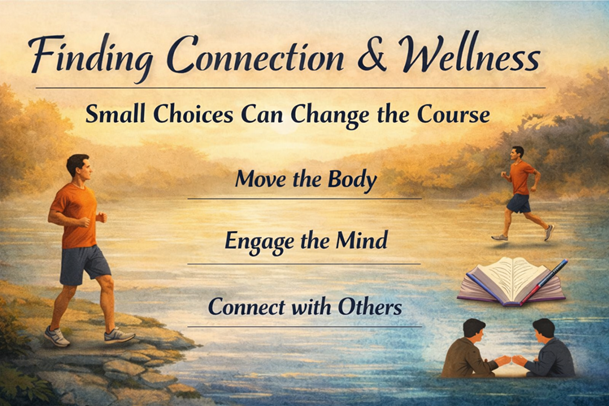
Meaningful connection often emerges where people share interests, challenges, values, or practices that invite participation rather than passive attendance. Whether through movement, learning, service, discussion, or creative expression, deeper connection tends to form when individuals feel they are contributing to something larger than themselves, while still being accepted as they are. In this way, connection becomes not just a buffer against loneliness, but a pathway toward purpose, resilience, and continued growth later in life.
Self-determination theory offers further insight into this pattern by identifying three basic psychological needs that support motivation and well-being: autonomy, competence, and relatedness (Deci & Ryan, 2000). When people feel they have little choice over their circumstances, when they no longer feel capable in their bodies or minds, and when meaningful social connection fades, motivation naturally erodes. In such conditions, disengagement is not a character flaw. It is an adaptive response to unmet psychological needs.
I see far too many people sitting alone in front of their televisions, day after day, in physical pain from lack of movement and mental suffering from loneliness. Many of them do not describe themselves as lonely. They describe themselves as introverted, tired, bored, anxious, or resigned. Yet beneath these labels is often a quiet grief and a sense of disconnection that no amount of passive entertainment can resolve.
Life is remarkably short. This truth is easy to intellectualize and difficult to feel until much later than we would like. By the time many people recognize the cost of years spent disengaged, rebuilding strength, relationships, and purpose, it all feels overwhelming. And so, the river carries them onward.
Despite our separate boats, we are not truly alone on this river. We move together, influenced by the same currents of aging, cultural distraction, and social fragmentation. This is why individual solutions, while important, are not sufficient on their own. Exercise matters, but so does shared experience. Reflection matters, but so does conversation. Discipline matters, but so does belonging. Environments that emphasize choice, encouragement, and shared participation help restore both self-efficacy and intrinsic motivation by allowing people to experience small successes within supportive social contexts (Bandura, 1997; Deci & Ryan, 2000).
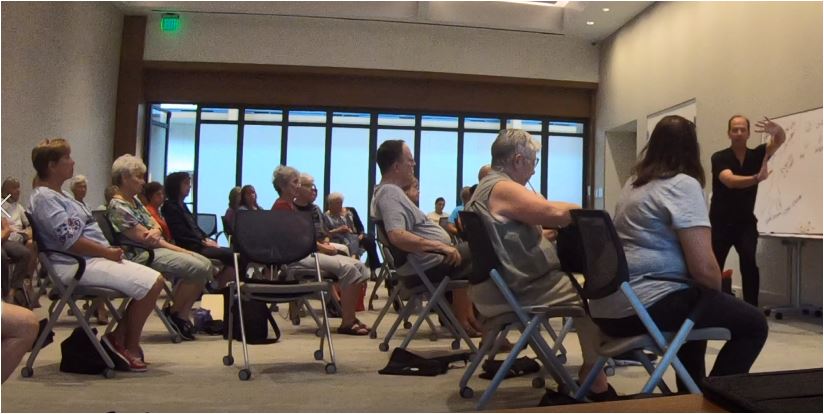
When I speak about wellness, connection, and engagement, I try to do so from observation rather than instruction. I speak from my own struggles, not from a place of authority. I talk about what has helped me manage pain, stress, and meaning, rather than what others should do. I ask questions instead of offering conclusions. I trust that those who are ready will hear what resonates and leave the rest.
I have also come to accept a sobering but liberating truth. Not everyone wants to reduce their suffering. And that is not something I can change. But those who do want to suffer less are often quietly searching for examples, not sermons. They are looking for people who embody coherence, engagement, and a willingness to remain active in life, physically and relationally.
Perhaps the most honest role I can play is not that of teacher or promoter, but of a participant. Someone who keeps paddling, not frantically, but deliberately. Someone who remains available, curious, and open to connection. Someone who extends invitations rather than demands. Whether that invitation takes the form of a class, a walk, a conversation, or a shared interest matters less than the spirit in which it is offered.
If tai chi or qigong resonates, wonderful. If not, there are countless other ways to engage. Art, music, volunteering, discussion groups, gardening, learning, mentoring, movement of any kind. What matters is not the activity itself, but the willingness to participate in life rather than observe it from the sidelines.
We are all on the same river. The current is real. The waterfall is inevitable. But how we travel, whom we travel with, and whether we choose to paddle at all remain within our influence. If sharing that perspective helps even a few people lift their eyes from the screen, move their bodies, or reach out to another human being, then speaking is not preaching. It is simply responding, honestly, to what a lifetime of observation has revealed.
As we age, the question often shifts from how to stay occupied to how to stay meaningfully engaged, with ourselves, with others, and with life itself.
If these reflections resonate with you, you are not alone. Meaningful connection often begins simply by reaching out. I welcome conversations about creating small, supportive gatherings, whether through discussion, movement, shared practice, or reflection, that explore mind, body, and consciousness as integrated aspects of human life. Sometimes the most important step is just finding others willing to paddle alongside us.
References:
Bandura, A. (1997). Self-efficacy: The exercise of control. W. H. Freeman and Company.
Deci, E. L., & Ryan, R. M. (2000). The “what” and “why” of goal pursuits: Human needs and the self-determination of behavior. Psychological Inquiry, 11(4), 227–268. https://doi.org/10.1207/S15327965PLI1104_01











 United Martial Arts Association