Science, Faith, and the Nature of Miracles

Reframing the Ancient and the Modern

We often hear the phrase, “trust the science,” particularly in matters of health, medicine, and public policy. At the same time, billions of people across the world continue to hold religious and spiritual beliefs that include miracles, or events that appear to defy natural explanation. This creates an apparent tension: if science explains the world through observable and repeatable processes, where do miracles fit?

This question becomes even more intriguing when we consider that miraculous events, such as the resurrection of Christ, the parting of the Red Sea, or the “burning bush,” are described as miracles, where miracles were relatively common in ancient texts, yet seem absent or highly disputed in modern times. Has something changed in reality itself, or has the change occurred within human perception and interpretation?

The Scope and Limits of Science

Science is a powerful and reliable method for understanding the natural world. It is based on systematic observation, measurement, and replication (Popper, 2002). Through this process, science has explained countless phenomena once considered mysterious or divine, including disease processes, weather patterns, and neurological conditions.

However, science operates within specific boundaries:

  • It studies repeatable and observable phenomena
  • It relies on empirical evidence and falsifiability
  • It does not address one-time, unrepeatable events effectively

By definition, miracles are:

  • Singular
  • Non-repeatable
  • Often tied to subjective or spiritual meaning

Thus, science does not necessarily disprove miracles, it simply lacks the tools to evaluate them within its framework.

Ancient Interpretations of Extraordinary Events

In ancient times, the absence of scientific understanding often led to supernatural interpretations of natural events. For example:

  • Seizures or altered states may have been viewed as spiritual possession or divine encounter
  • Sudden recovery from illness may have been interpreted as miraculous healing
  • Unusual environmental events could be attributed to divine intervention

This does not imply that all ancient accounts are false, but rather that interpretation was shaped by available knowledge and cultural worldview (Ehrman, 2014).

Additionally, many ancient narratives were transmitted orally before being recorded in written form. Oral traditions often emphasize meaning, symbolism, and moral teaching, which can lead to amplification or stylization over time (Vansina, 1985).

Revisiting Biblical Miracles Through a Modern Lens

Scholars have proposed natural explanations for some biblical events:

  • The parting of the Red Sea may reflect wind-driven water displacement or tidal phenomena (Drews & Han, 2010)
  • The burning bush could represent a natural flame or symbolic narrative
  • Reports of healing may involve spontaneous remission or psychosomatic effects

The resurrection of Christ, however, remains a unique case. Interpretations vary widely:

  1. A literal supernatural event (faith-based view)
  2. Misinterpretation of death (e.g., premature burial)
  3. Visionary or psychological experiences among followers
  4. A symbolic theological narrative

From a scientific standpoint, the resurrection cannot be verified or falsified due to its historical and non-repeatable nature. It exists primarily within the domains of theology, philosophy, and historical interpretation (Licona, 2010).

Why Miracles Seem Absent Today

Several factors contribute to the perceived decline in miracles:

1. Increased Scientific Knowledge

Modern science explains many phenomena that were once mysterious. As understanding grows, fewer events are classified as supernatural.

2. Higher Standards of Evidence

Today’s claims are evaluated through:

  • Documentation
  • Video recording
  • Independent verification

Extraordinary claims now require substantial evidence (Sagan, 1996).

3. Cultural Skepticism

Modern society emphasizes critical thinking and empirical validation. Claims of miracles are often met with scrutiny or psychological interpretation.

Bridging Science and Spirituality

Rather than viewing science and faith as opposing forces, they can be understood as addressing different aspects of human experience:

  • Science explores mechanisms and processes
  • Philosophy examines meaning and reasoning
  • Spirituality engages with purpose, connection, and transcendence

For example, meditation has been shown to influence brain function and emotional regulation (Davidson & McEwen, 2012), while also producing subjective experiences of insight and transformation. Both perspectives offer valid, complementary insights.

A Holistic Interpretation of Miracles

From a holistic standpoint, miracles may be reframed as:

  • Events that lie at the edge of current understanding
  • Experiences that carry profound personal or collective meaning
  • Interpretations shaped by cultural, psychological, and spiritual frameworks

In this view, the question is not simply whether miracles are “real” or “not real,” but how humans interpret and assign meaning to extraordinary experiences.

The apparent divide between science and miracles may not reflect a change in reality, but rather a transformation in human perception. Ancient people interpreted the unknown through a spiritual lens, while modern society relies on scientific frameworks to explain the same phenomena.

Both approaches seek to understand existence, one through measurement, the other through meaning. Perhaps the most balanced perspective is not to choose between science and faith, but to recognize their respective roles. Science explains how the world works, while spirituality explores why it matters.

References

Davidson, R. J., & McEwen, B. S. (2012). Social influences on neuroplasticity: Stress and interventions to promote well-being. Nature Neuroscience, 15(5), 689–695. https://doi.org/10.1038/nn.3093

Drews, C., & Han, W. (2010). Dynamics of wind setdown at Suez and the Eastern Nile Delta. PLoS ONE, 5(8), e12481. https://doi.org/10.1371/journal.pone.0012481

Ehrman, B. D. (2014). How Jesus became God: The exaltation of a Jewish preacher from Galilee. HarperOne.

Licona, M. R. (2010). The resurrection of Jesus: A new historiographical approach. IVP Academic.

Popper, K. (2002). The logic of scientific discovery. Routledge.

Sagan, C. (1996). The demon-haunted world: Science as a candle in the dark. Ballantine Books.

Vansina, J. (1985). Oral tradition as history. University of Wisconsin Press.

Energy Flow Within the Body

Energy Flow as Organ-to-Organ Transmission: Traditional Chinese Medicine (TCM) teaches that energy or “Qi” flows through the body in interconnected organ-to-organ patterns rather than simply circulating from the heart through the bloodstream. This insight reframes how we understand health and movement, emphasizing harmony and balance over mere exertion. This nuanced insight shifts the understanding of physical health from a single focal point to an interconnected system, encouraging movements designed to stimulate this flow comprehensively. This has profound implications for exercise design, rehabilitation, and even stress management, as it integrates bodily systems rather than isolating them.

Asymmetry Designed for Functionality: Unlike common exercise patterns that often emphasize symmetrical movement for balance, the asymmetrical nature of these movements mimics biological energy pathways and ensures each part of the body receives appropriate stimulation and energy transfer. This ergonomic approach enhances efficiency and may reduce the chance of injury or overuse affecting one side more than the other.

Breath Control and Relaxation Enable Deeper Energy Work: The synchronized breathing with physical movements, breathing in through the nose, out through the nose or mouth, and coordinating the tongue’s position, helps extend breath hold times, deepen relaxation, and conserve energy. The concept that tension reduces breath-holding capacity underscores the importance of mental calmness in physical performance and recovery, highlighting a mind-body connection often overlooked in Western fitness paradigms.

Joint Mobility and Energy Flow are Interlinked: The closing set’s focus on gently bending and releasing the major joints (shoulders, elbows, wrists, hips, knees, ankles) points to the joints as critical nodes for energy flow, not merely as mechanical hinges. This combined physical and energetic approach maintains joint flexibility and promotes a harmonious rhythm throughout the body, potentially preventing stiffness, spasms, and cramping after exercise.

Energy ‘Bank Account’ Metaphor Offers Sustainable Health Insight: By likening the body’s core energy center to a bank account, the practice teaches the value of replenishing energy rather than depleting it exclusively by movement. This metaphor aligns with modern concepts of energy management, self-care, and sustainability, emphasizing rest and recovery as essential for long-term health benefits, key for athletes, seniors, and anyone seeking balanced vitality.

Cultural Philosophy Enriches Physical Practice: The inclusion of the “Bagua,” concept of the figure 8 symbol, at the end of the session introduces a philosophical dimension, uniting physical movement with symbolic meaning. This connection elevates the practice beyond exercise, fostering a deeper sense of continuity, timelessness, and community among participants. It also implies that practice is not just a physical routine but a lifelong commitment to health and awareness.

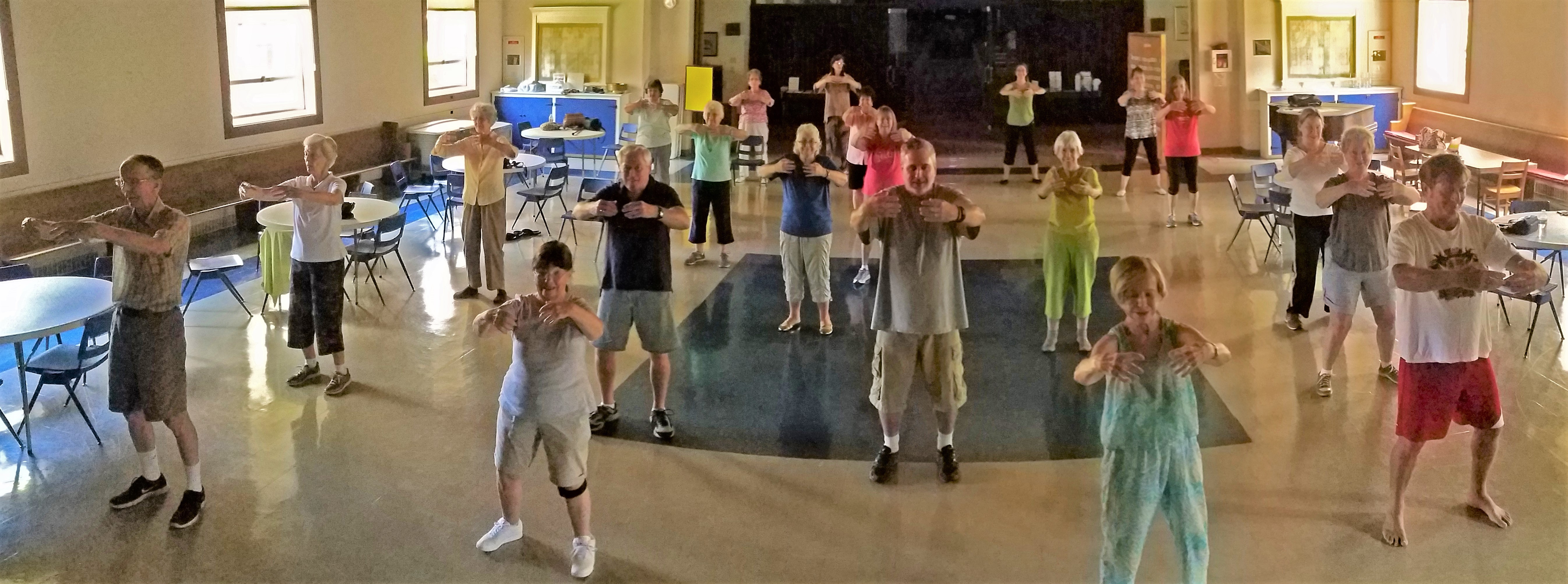
Longevity and Community Consistency Demonstrate Effectiveness: The fact that this class has been ongoing since 1997 illustrates the adaptability and effectiveness of these principles, as well as the strong community bonds formed among practitioners. The longevity also suggests that such practices can be sustainable and valuable throughout the decades, accommodating newcomers while preserving foundational wisdom. This longevity is a testament to the alignment of tradition with evolving modern health needs.

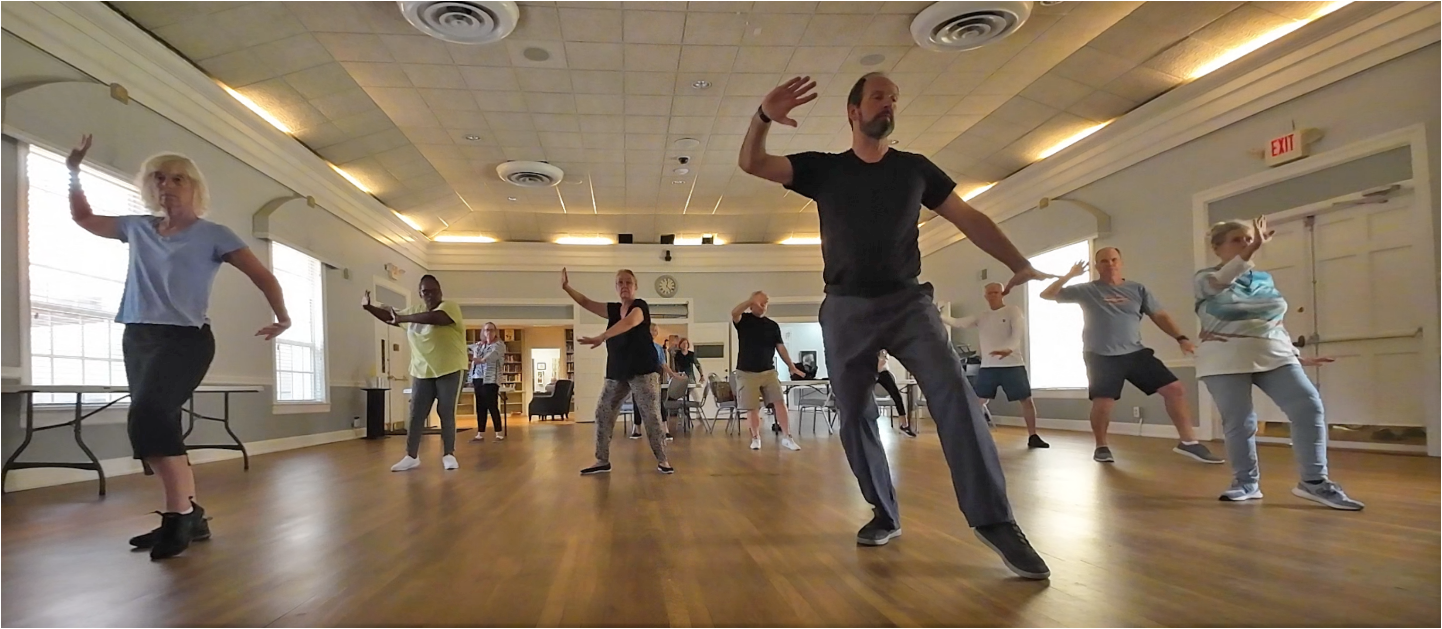
The video discusses a holistic approach to energy flow in the body, rooted in traditional Chinese medicine and similar philosophies. Unlike typical Western exercise which focuses primarily on cardiovascular activity and the heart, the practice highlighted here emphasizes the flow of energy through a sequence of organs and body parts, following natural patterns rather than symmetrical movements. This method promotes balanced and harmonious movement of energy and blood circulation throughout the body, providing greater overall health benefits.

I guided participants through a closing set of movements designed to relax the major joints of the shoulders, elbows, wrists, hips, knees, ankles, while synchronizing breathing with mindful body awareness. This gradual cool-down process helps prevent muscle cramps and spasms common after mild or intense physical activity by gently bringing energy back to the body’s core “battery” or “bank account.” The collective movement and breath control encourage relaxation and prolonged breath holding through deliberate tension and release.

This holistic system blends ancient philosophy, breath work, energy theory, and joint mobility into one integrated practice. Rather than isolating fitness goals, it cultivates harmony between body and mind, reflecting the essence of Traditional Chinese Medicine: balanced energy, sustained vitality, and conscious movement.

Better Breathing – University Club Holistic Health Discussion 11-14-2024

This video presents an in-depth discussion about the significance of breathing, particularly mindful and diaphragmatic breathing, as taught through martial arts practices such as Tai Chi and Qigong (chi gong). As an experienced martial arts and qigong instructor, I explained how breathing influences both physiological functions and mental states, emphasizing stress management and overall health.

Throughout the talk, the connection between breathing techniques and various health aspects like nervous system regulation, emotional balance, and physical fitness are explored. Practical guidance on how to breathe properly through the nose, from the diaphragm, and at a slower rate, is provided, alongside explanations of physiological responses to stress and relaxation. I integrate traditional Eastern perspectives like Traditional Chinese Medicine and Indian pranayama with Western science, offering a holistic view of breath as life force and energy circulation.

Various breathing exercises, including the well-known “box breathing” technique popularized by Navy SEALs, are demonstrated. The talk also covers how body posture, muscle engagement, and even acupressure points on the wrist can enhance the effectiveness of breathing techniques for reducing stress. The benefits of breath control extend beyond physical health to include emotional well-being by triggering the release of positive neurochemicals such as dopamine, serotonin, oxytocin, and endorphins.

Viewers and attendees are encouraged to incorporate these breathing habits into daily life, regardless of age or mobility, for gradual but significant health improvements. The presentation references follow-up classes on topics such as bone health, balance, and mental awareness, underscoring the integrated approach to holistic wellness.

Breathing as a Gateway to Nervous System Regulation: The way we breathe directly influences the autonomic nervous system, shifting the balance between sympathetic (stress/fight or flight) and parasympathetic (relaxation/rest and digest) responses. Deep, slow, diaphragmatic breathing promotes parasympathetic dominance, effectively calming the heart rate and reducing cortisol and adrenaline production. This “biohack” empowers individuals to consciously modulate stress rather than passively endure it.

Diaphragmatic Breathing Optimizes Lung Capacity and Oxygenation: Breathing from the diaphragm rather than shallow chest breathing utilizes more of the lung’s capacity, encouraging better oxygen exchange and carbon dioxide elimination. This improves cellular respiration efficiency and energy production. Additionally, diaphragmatic breathing activates muscles beyond the diaphragm, including neck and rib muscles, enhancing lung expansion and circulation.

Nasal Breathing is Superior to Mouth Breathing: Breathing through the nose warms and filters air, increases nitric oxide production (a vasodilator improving blood flow), and supports moistening the airways. Mouth breathing tends to be shallow and less efficient, leading to dry mouth and potentially altered facial structure in children over time. Nasal breathing contributes to a slower, deeper breath pattern, essential for effective stress management and respiratory health.

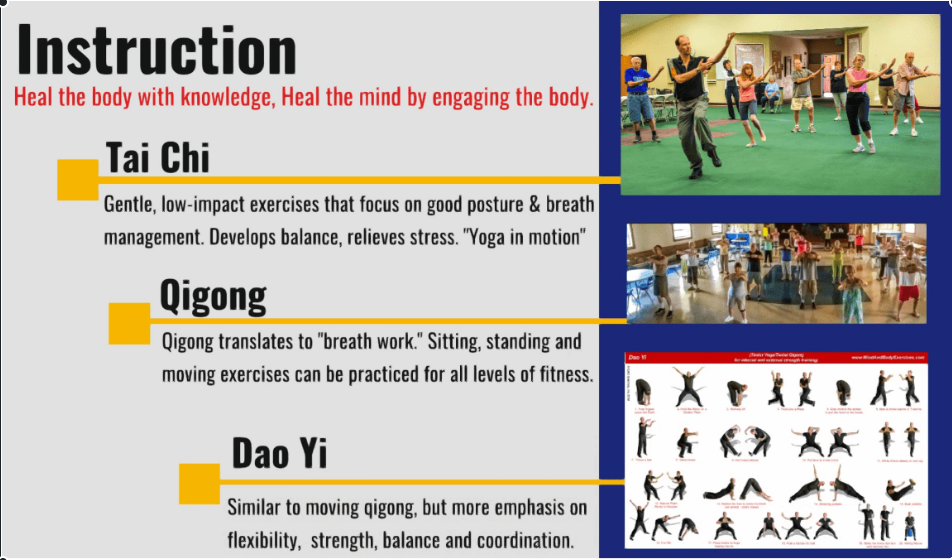
Integration of Eastern Medicine and Western Physiology: The talk bridges traditional Chinese medicine’s concept of Qi (life force) and acupuncture meridians with scientific understandings of respiratory function and neurochemistry. This integrative view enriches the appreciation of breathing not just as a mechanical act, but as a method of modulating energy flow, emotional state, and health outcomes. Practices such as Tai Chi harness these ideas physically and mentally through movement and breath synchronization.

Box Breathing as a Mental and Physiological Tool: The “box breathing” technique engages both the breath and the mind to create a focused, rhythmic pattern that promotes relaxation and mental clarity. It is effective for reducing anxiety in high-stress professions (e.g., Navy SEALs) and can be adapted for everyday use. By focusing attention on the breath cycle, it breaks negative thought loops, anchors the mind, and physically signals the nervous system to shift towards calmness.

Physical Posture and Movement Enhance Breath Quality: Posture, spinal flexibility, and full-body engagement support deeper breathing. Twisting movements improve the elasticity of costal and vertebral joints, enhancing lung expansion capacity. Similarly, maintaining proper seated posture (e.g., sitting toward the edge of a chair with feet flat and relaxed shoulders) facilitates diaphragmatic breathing. Incorporating movements from disciplines like Tai Chi or yoga fosters holistic respiratory function.

Age and Breathing: Practical Benefits at Any Stage of Life: While lung and muscular function naturally decline with age, adopting breathing practices can slow that decline and improve quality of life at any age. Even individuals in their 60s and beyond can see meaningful improvements in stress reduction, oxygenation, and mental clarity by practicing mindful breathing consistently. The talk underscores lifelong learning and self-awareness as keys to ongoing health optimization.

Highlights

  • Daily mindful breathing through the nose and diaphragm improves physical and mental health.
  • Proper breathing slows down heart rate, calms the nervous system, and reduces stress hormones.
  • Box breathing (4 seconds inhale, hold, exhale, hold) helps anchor thoughts and manage anxiety.
  • Breathing influences brain chemistry, promoting dopamine, serotonin, oxytocin, and endorphins.
  • Wrist acupressure combined with breathing techniques can relieve anxiety and promote circulation.
  • Eastern traditions like Tai Chi and Qigong emphasize breath as vital energy or life force.
  • It’s never too late to benefit from improved breathing for longevity and well-being at any age.

The video provides a comprehensive foundation on how mindful breathing practices can be used as a simple yet powerful tool to enhance physical health, mental well-being, and emotional balance, drawing from traditional and modern knowledge systems. It encourages self-awareness, consistent practice, and integration of breath work into everyday life for lasting benefits.

The Interconnectedness of Physical Fitness Aspects

The many facets of fitness can be prioritized depending on individual goals and needs. Below is a list of key fitness components, with explanations of how and why each is important, and their order of prioritization based on general health, athletic performance, and functional movement.

  • How: The ability of muscles to exert force. Strength is developed through resistance training, such as weightlifting or bodyweight exercises.
  • Why: Strength forms the foundation for most physical activities. It supports bone health, maintains muscle mass, aids in balance, and helps prevent injury by stabilizing joints and improving posture.
  • How: The range of motion around a joint or group of joints. Flexibility is improved through stretching exercises (static, dynamic, or PNF (Proprioceptive Neuromuscular Facilitation).
  • Why: Flexibility helps prevent injury by allowing muscles to move more freely. It supports overall mobility, reduces muscle stiffness, and aids in the recovery process. It’s essential for maintaining functional movement, especially as we age.
  • How: The ability to synchronize multiple body movements smoothly and efficiently. Coordination can be developed through balance exercises, agility drills, or sports.
  • Why: Coordination is crucial for functional fitness, sports performance, and injury prevention. It allows for fluid movements and better control of the body in daily activities.
  • How: The ability of the heart and lungs to deliver oxygen to working muscles during sustained physical activity. It’s improved through aerobic exercises like running, swimming, or cycling.
  • Why: Cardiovascular endurance is vital for overall health. It helps lower the risk of heart disease, boosts energy levels, and enhances the body’s ability to perform sustained tasks with less fatigue.
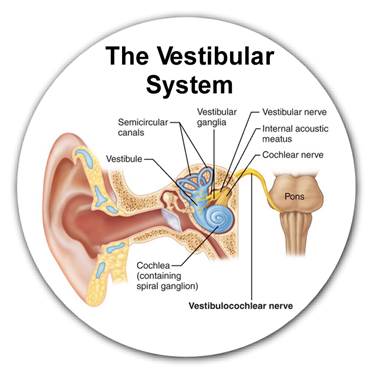
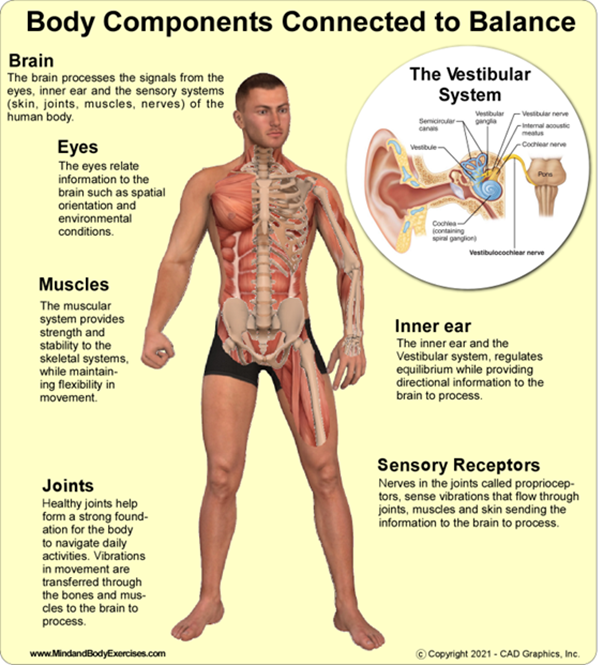
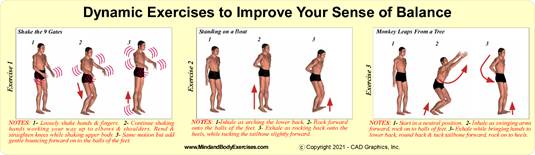
  • How: The ability to maintain body position while standing still or moving. Balance training includes exercises like yoga, Tai Chi, or standing on one leg.
  • Why: Balance is especially important for functional fitness and preventing falls, particularly as we age. It also supports better posture and coordination.
  • How: The ability to exert a maximal amount of force in the shortest possible time (a combination of strength and speed). Power is developed through plyometrics, Olympic lifts, and explosive body movements.
  • Why: Power is crucial for activities requiring quick, explosive movements such as sprinting or jumping. It’s key for athletes but also benefits functional movement by improving reaction time and performance in high-intensity tasks.
  • How: The ability to move quickly in a specific direction. Speed can be enhanced through sprint training, interval workouts, and agility drills.
  • Why: Speed is critical for athletic performance but also useful in daily life for tasks that require quick movement or reaction, such as running after a bus or responding to emergencies.
  • How: The ability to change direction quickly and efficiently. Agility training often involves cone drills, ladder drills, and quick lateral movements.
  • Why: Agility is essential for athletes in sports that require fast directional changes. It also benefits non-athletes by improving body control and reducing injury risks during dynamic activities.
  • How: The ability to move or react at the right moment. Timing is often developed through sports, reaction drills, or coordination exercises.
  • Why: Good timing enhances coordination and athletic performance, particularly in sports like tennis, boxing, or baseball where precision is key.
  • How: The ability to regulate and maintain body position and movement. Control is improved through strength, balance, and proprioception exercises.
  • Why: Control is necessary for mastering technique in physical activities. It enhances precision, reduces the risk of injury, and helps in maintaining stability and proper form during movements.
  • How: The speed at which an individual can respond to a stimulus. Reaction time can be improved through drills involving quick decision-making or unexpected changes.
  • Why: Faster reaction time is beneficial for safety and athletic performance, allowing a quicker response to environmental changes or dynamic sports scenarios.
  1. For General Health and Longevity:
    • Strength, Flexibility, Endurance, Balance
      • These components promote muscle and bone health, reduce injury risk, and improve heart health and mobility, all crucial for everyday functionality.
  2. For Athletic Performance:
    • Power, Speed, Agility, Coordination, Endurance
      • Athletes benefit most from power and agility to enhance performance in sports, where explosive movements and quick reactions are needed.
  3. For Functional Fitness and Injury Prevention:
    • Balance, Coordination, Strength, Control, Timing
      • These aspects ensure better stability, posture, and fluid movements, which are essential for performing daily tasks and preventing accidents.

Each component of fitness is interrelated and essential for a well-rounded approach to health and performance. Prioritization should be tailored to personal goals, whether that’s improving overall health, preparing for sports, or maintaining functional mobility as we age. We really can’t state that one aspect is most important, such as balance, which, if someone has none, cannot achieve the others. Or without coordination, one cannot develop more strength or more flexibility, correct? Or without strength, there is no balance to stabilize? All are important and cannot be under-prioritized, correct?

The various facets of fitness are interconnected, and it’s difficult to isolate one as the most important because they all support and influence each other.

  • Balance is essential for safe and effective movement, but it often requires a certain amount of strength and coordination to maintain.
  • Strength helps with balance and supports mobility, but flexibility is needed to allow the muscles and joints to move freely.
  • Coordination is necessary to execute movements smoothly, but strength and timing also influence how well we can control those movements.

In essence, none of these components can be fully developed in isolation. Each contributes to overall fitness and functional capacity, so under-prioritizing any one of them could limit progress in other areas. It’s important to approach fitness in a holistic way, ensuring that all aspects are integrated and developed according to personal goals and needs.

I look forward to further sharing more of my message by partnering with hospitals, wellness centers, VA centers, schools on all levels, businesses, and individuals who see the value in building a stronger nation through building a healthier population.

I also have hundreds of FREE education video classes, lectures, and seminars available on my YouTube channel at:

https://www.youtube.com/c/MindandBodyExercises

Many of my publications can be found on Amazon at:

http://www.Amazon.com/author/jimmoltzan

My holistic health blog is available at:

https://mindandbodyexercises.wordpress.com/

http://www.MindAndBodyExercises.com

Mind and Body Exercises on Google: https://posts.gle/aD47Qo

Jim Moltzan

407-234-0119

The Cracked Stone Revealing Gold

Kintsugi as a Metaphor for Rebirth, Resilience, and Post Traumatic Growth

Across cultures and eras, humans have sought metaphors capable of explaining how suffering can coexist with strength, and how rupture can give rise to renewal. One of the most enduring and elegant metaphors for this process is Kintsugi, the Japanese art of repairing broken pottery with lacquer mixed with powdered gold. Rather than concealing fractures, Kintsugi highlights them, transforming damage into a defining feature of the object’s beauty and value. This practice offers a powerful symbolic lens through which to examine rebirth, resilience, and post traumatic growth (PTG).

Unlike narratives that portray healing as a return to an unbroken state, Kintsugi asserts that transformation occurs because of breakage, not in spite of it. When applied to human development, this metaphor challenges deficit-based models of trauma recovery and invites a reframing of adversity as a potential catalyst for meaning, integration, and psychological maturation (Tedeschi & Calhoun, 2004).

Kintsugi and the Philosophy of Visible Repair

At its core, Kintsugi is rooted in wabi-sabi, a Japanese aesthetic philosophy that honors impermanence, imperfection, and incompleteness. Rather than valuing symmetry or flawlessness, wabi-sabi recognizes authenticity as emerging through wear, age, and use. In Kintsugi, the repaired object does not attempt to mimic its former state. The break is acknowledged, traced, and sealed with care.

This philosophical orientation mirrors contemporary trauma psychology, which increasingly recognizes that healing does not involve erasing traumatic experience, but integrating it into a broader and more coherent life narrative (Joseph & Linley, 2006). The repaired vessel becomes stronger at the site of repair, not because it avoided damage, but because it was attended to with intention, patience, and skill.

The Cracked Stone as a Universal Symbol

The image of a cracked stone revealing gold extends the Kintsugi metaphor beyond pottery into the natural and existential realm. Stone is typically associated with permanence, durability, and resistance. When stone fractures, it violates expectations of stability, much as trauma disrupts assumptions about safety, identity, and predictability (Janoff-Bulman, 1992). Yet within geological processes, fractures often expose veins of mineral wealth. Pressure, heat, and tectonic stress are precisely the forces that allow gold to form and surface.

This parallel aligns closely with hormetic models of adaptation, in which controlled stress promotes strength and refinement, while unregulated stress overwhelms biological and psychological systems (Mattson, 2008). In both geology and human development, transformation requires force, but also time, containment, and structure.

Trauma as Rupture of Meaning

Psychological trauma is not defined solely by exposure to stress or adversity, but by the shattering of meaning structures that organize perception and identity (Park, 2010). Core beliefs about fairness, safety, autonomy, and continuity are disrupted. This rupture is often experienced as fragmentation, emotional dysregulation, and loss of coherence.

From a Kintsugi perspective, trauma represents the moment of breakage. However, breakage alone does not determine outcome. Without repair, cracks propagate. With skillful integration, they become lines of strength. Post traumatic growth does not deny pain or minimize suffering. Instead, it acknowledges that the reconstruction of meaning can lead to new values, deeper relationships, and an expanded sense of purpose (Tedeschi & Calhoun, 2004).

Gold as Meaning, Not Positivity

In Kintsugi, gold does not symbolize denial or forced optimism. It represents investment. Gold is rare, costly, and deliberately applied. Similarly, psychological integration requires effort, reflection, and often guidance. Meaning is not automatically extracted from trauma. It is forged through conscious engagement with suffering, supported by regulation, social connection, and narrative reconstruction (Park, 2010).

This distinction is critical. Superficial positivity can invalidate lived experience and impede recovery. The gold of Kintsugi does not erase the crack. It honors it. In PTG research, growth is associated with deliberate meaning making, not with avoidance or suppression of distress (Joseph & Linley, 2006).

Resilience Versus Post Traumatic Growth

Resilience and post traumatic growth are often conflated, but they represent distinct processes. Resilience refers to the capacity to maintain or regain functioning in the face of adversity. Post traumatic growth refers to transformation beyond baseline functioning (Southwick et al., 2014).

In metaphorical terms, resilience preserves the vessel. Post traumatic growth reshapes it. The cracked stone repaired with gold does not return to its prior state. It becomes something new, marked by experience and enriched by integration. This distinction reframes trauma recovery as a developmental process rather than a corrective one.

The Role of Time and Patience

Kintsugi is not a rapid repair. The process requires drying, curing, and careful layering. Similarly, psychological integration unfolds over time. Neurobiological recovery, emotional regulation, and identity reconstruction are gradual processes shaped by repetition and consistency (van der Kolk, 2014).

Time alone does not heal trauma. However, time combined with regulated exposure, embodied practices, and supportive relationships allows the nervous system to recalibrate and the mind to reorganize experience (Porges, 2011). The cracked stone does not reveal gold immediately. It does so through sustained engagement with pressure and care.

Embodiment and the Materiality of Healing

Kintsugi is a tactile art. It involves hands, materials, and physical presence. This embodied dimension parallels somatic approaches to trauma recovery, which recognize that traumatic memory is stored not only cognitively but physiologically (van der Kolk, 2014). Repair occurs not solely through insight, but through restoring a sense of safety, agency, and bodily coherence.

Practices that involve posture, breath, movement, and sensory awareness serve as modern equivalents of the craftsman’s work. They provide structure to contain experience and facilitate integration, allowing psychological gold to be laid into somatic cracks.

Rebirth as Integration, Not Replacement

The concept of rebirth is often misunderstood as starting over. The Kintsugi metaphor rejects this notion. Rebirth does not mean discarding the past but incorporating it into a renewed whole. The vessel remembers its fracture. The stone retains its fault lines.

Post traumatic growth reflects this integrated rebirth. Individuals report increased appreciation for life, clarified priorities, enhanced relational depth, and a more grounded sense of self (Tedeschi & Calhoun, 2004). These outcomes do not emerge despite trauma, but through its conscious integration.

Cultural and Ethical Implications

The Kintsugi metaphor carries ethical weight. It challenges cultures that stigmatize vulnerability or equate worth with flawlessness. By highlighting repair rather than concealment, it affirms the dignity of lived experience and reframes suffering as a potential source of wisdom.

In therapeutic, educational, and communal contexts, this metaphor supports trauma-informed approaches that emphasize agency, respect, and long-term development rather than symptom suppression. It invites systems to ask not how to hide cracks, but how to support meaningful repair.

The cracked stone revealing gold offers a profound metaphor for rebirth, resilience, and post traumatic growth. It affirms that damage does not negate value, that fracture does not preclude strength, and that transformation is not a return to innocence but a movement toward integration.

Kintsugi teaches that what has been broken can become more meaningful, not because suffering is desirable, but because repair, when undertaken with care and intention, reveals capacities that would otherwise remain hidden. In this sense, post traumatic growth is not an exception to human development. It is one of its deepest expressions.

References:

Janoff-Bulman, R. (1992). Shattered assumptions: Toward a new psychology of trauma. Free Press.

Joseph, S., & Linley, P. A. (2006). Growth following adversity: Theoretical perspectives and implications for clinical practice. Clinical Psychology Review, 26(8), 1041–1053. https://doi.org/10.1016/j.cpr.2005.12.006

Mattson, M. P. (2008). Hormesis defined. Ageing Research Reviews, 7(1), 1–7. https://doi.org/10.1016/j.arr.2007.08.007

Park, C. L. (2010). Making sense of the meaning literature: An integrative review of meaning making and its effects on adjustment to stressful life events. Psychological Bulletin, 136(2), 257–301. https://doi.org/10.1037/a0018301

Porges, S. W. (2011). The polyvagal theory: Neurophysiological foundations of emotions, attachment, communication, and self regulation. W. W. Norton.

Southwick, S. M., Bonanno, G. A., Masten, A. S., Panter-Brick, C., & Yehuda, R. (2014). Resilience definitions, theory, and challenges. European Journal of Psychotraumatology, 5, 25338. https://doi.org/10.3402/ejpt.v5.25338

Tedeschi, R. G., & Calhoun, L. G. (2004). Post traumatic growth: Conceptual foundations and empirical evidence. Psychological Inquiry, 15(1), 1–18. https://doi.org/10.1207/s15327965pli1501_01

van der Kolk, B. A. (2014). The body keeps the score: Brain, mind, and body in the healing of trauma. Viking.