Holistic Health & Wellness Discussions

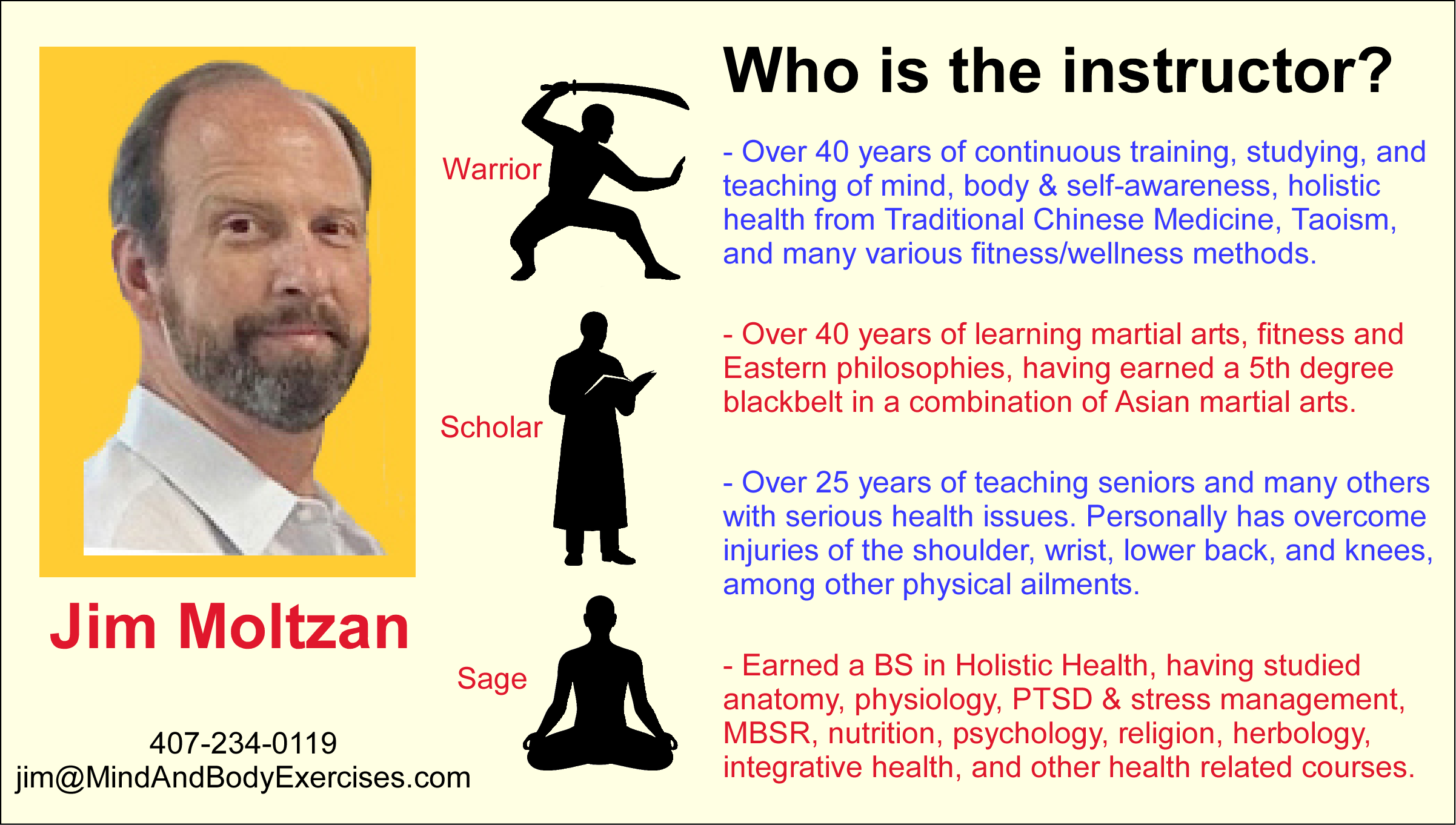
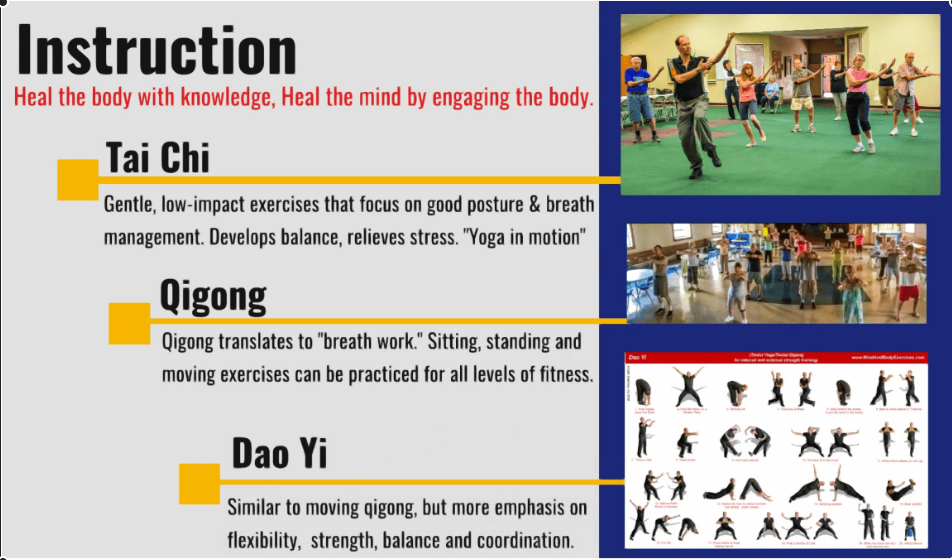
I have been learning, practicing and studying health and wellness for 45 years, teaching and sharing for 42 years. I feel that I have a lot to share that can benefit the mind, body & spirit. Watch my video of various venues that I have held holistic health discussions.

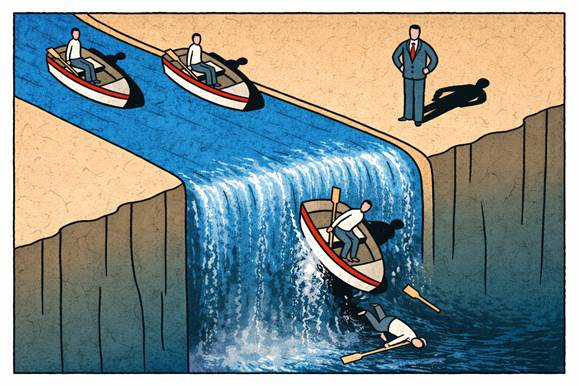
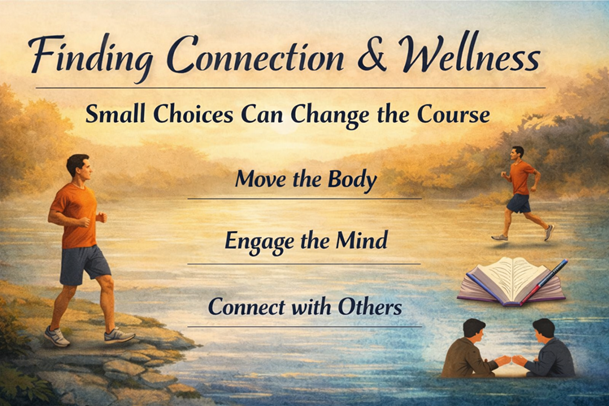
Contact me to discuss options for you, your business, your group, etc. Good health and wellness are a journey that doesn’t happen overnight. We will all experience some pain and suffering throughout our lives. Learn how to manage it before it comes it comes knocking at your door.

Jim Moltzan – 407-234-0119 or info@MindAndBodyExercises.com

“Do-chi” and Delusion

A Cross-Cultural and Linguistic Analysis

Language encodes cultural experience, shaping the ways in which human emotion, perception, and cognition are described and interpreted. The Korean term do-chi or dochwi offers a compelling example of how metaphorical language conveys emotional states. Typically translated as “intoxication” or “to be drunk on,” the word describes a form of deep emotional or aesthetic absorption. In contrast, the English term delusion signifies a fixed, pathological belief that diverges from reality and resists correction (American Psychiatric Association [APA], 2013). Though both terms involve altered perception, they represent profoundly different cultural and psychological concepts. This essay explores the meaning of do-chi, contrasts it with the clinical construct of delusion, and considers their nuanced intersection in terms of distorted perception.

The Korean Concept of Do-chi

The term Do-chi derives from Sino-Korean roots: to, meaning pottery or transformation, and chwi, meaning intoxication. Its metaphorical sense emphasizes being “intoxicated” or “enraptured” by something positive, such as music, art, beauty, or triumph. In everyday Korean usage, one might hear “to be intoxicated by victory,” or “to be drunk on nature.” In both cases, the speaker describes an overwhelming emotional or sensory experience that elevates one’s state of being.

Importantly, do-chi is not regarded as pathological. Instead, it is often framed positively as immersion, joy, or aesthetic rapture. While the metaphor of intoxication implies a temporary loosening of rational control, the concept remains firmly grounded in human experience and emotional expression. Korean poetry and literature frequently employ do-chi to describe states of heightened awareness, creativity, or transcendence. Thus, the term embodies a culturally sanctioned and even celebrated condition of altered perception.

The English Concept of Delusion

By contrast, delusion is a term situated within psychiatry and clinical psychology. According to the Diagnostic and Statistical Manual of Mental Disorders (DSM-5), a delusion is defined as a “fixed belief that is not amenable to change in light of conflicting evidence” (2013, p. 87). Classical psychiatrist Karl Jaspers (1963) emphasized three criteria for delusions: (1) absolute certainty, (2) incorrigibility, and (3) falsity. Unlike do-chi, which describes temporary and often beneficial immersion, delusions are pathological, interfering with functioning and perception of reality.

Delusions occur across a spectrum of psychiatric disorders, including schizophrenia, delusional disorders, and mood disorders with psychotic features (Freeman, 2007). They can take many forms, such as persecutory delusions (“I am being watched”), grandiose delusions (“I am a prophet”), or somatic delusions (“My organs are rotting”). In every case, the defining element is a belief system disconnected from reality, impervious to logical refutation, and often impairing to social or occupational functioning.

Comparing Do-chi and Delusion

Although both do-chi and delusion involve altered states of perception, their similarities are superficial. Do-chi represents a metaphorical intoxication, a poetic description of being overwhelmed by positive effects. Delusion, in contrast, represents a clinical disorder of cognition, characterized by irrationality and resistance to evidence. The following table highlights these distinctions:

FeatureDo-chiDelusion
NatureMetaphorical, emotional intoxicationClinical, pathological false belief
Relation to realityGrounded in heightened but real experiencesDetached from reality, impervious to logic
DurationTemporary, situationalPersistent, often chronic
ValencePositive, celebratory, aestheticNegative, impairing, or distressing
Cultural contextPoetic, every day, literaryMedical, psychiatric, diagnostic

This comparison underscores the cultural gap between the terms. In Korean, do-chi enriches emotional vocabulary by describing states of absorption that bring joy and meaning. In English, delusion restricts the term to pathology, connoting impairment and danger.

Points of Convergence: Distorted Perception

Despite their differences, both terms share a loose thematic connection: the alteration of normal perception. To be do-chi is to lose oneself in joy, art, or triumph, such that ordinary reality fades into the background. Similarly, delusion involves the loss of alignment with consensual reality, though in a maladaptive way. Both reflect the human susceptibility to experiences that reshape perception and cognition. The divergence lies in whether this alteration is culturally celebrated (do-chi) or clinically condemned (delusion).

Conclusion

I have personally known and participated in groups that could be perceived as immersed in their own version of do-chi, intoxicated by their ideals to the point of losing touch with reality. Within such circles, members often became tone-deaf not only to the experiences of those inside the group but also to the perspectives of the wider public. In some cases, these groups even sought to rewrite history, clinging to their own narratives as though they were unassailable truths (Hobsbawm & Ranger, 1983; Janis, 1982). Yet, just because a group collectively sustains a belief does not require others to accept it as fact, especially when credible evidence proves otherwise.

The Korean term do-chi and the English concept of delusion illuminate how language and culture frame altered states of perception. Do-chi signifies a positive, aesthetic intoxication, celebrated in literature and daily speech as evidence of deep human feelings. Delusion, by contrast, describes a psychiatric symptom of false, fixed beliefs that resist correction and impairs functioning. While both terms capture the human capacity to move beyond ordinary perception, their meanings diverge sharply in cultural value and psychological consequence. Understanding these differences underscores the importance of cultural and linguistic nuance in interpreting states of mind across traditions.

References:

American Psychiatric Association, DSM-5 Task Force. (2013). Diagnostic and statistical manual of mental disorders: DSM-5™ (5th ed.). American Psychiatric Publishing, Inc.. https://doi.org/10.1176/appi.books.9780890425596

Freeman, D. (2007). Suspicious minds: The psychology of persecutory delusions. Clinical Psychology Review, 27(4), 425–457. https://doi.org/10.1016/j.cpr.2006.10.004

Hobsbawm E, Ranger T, eds. The Invention of Tradition. Cambridge University Press; 2012.

Janis, I. L. (1982). Groupthink Psychological Studies of Policy Decisions and Fiascos. Boston Houghton Mifflin. – References – Scientific Research Publishing. (n.d.). https://www.scirp.org/reference/referencespapers?referenceid=2122583

Jaspers, K. (1963). General psychopathology (J. Hoenig & M. W. Hamilton, Trans.). University of Chicago Press. (Original work published 1913). https://archive.org/details/generalpsychopat0000unse/page/n7/mode/2up

National Institute of Korean Language (국립국어원). (n.d.). Korean-English Learners’ Dictionary. Retrieved from https://krdict.korean.go.kr/eng/

Training Methods Of 72 Arts Of Shaolin

Training Methods Of 72 Arts Of Shaolin by Jin Jing Zhong (1934) is a window into how some traditional lineages of martial arts training used to be practice in years past. Many decades ago, practitioners could and would devote many hours, for many days and over many years, even decades to develop and perfect their skills. Many of the methods explained throughout this book seem impossible with today’s hectic modern schedule, where most people find it difficult to carve out 1-2 hours to exercise, a few days per week.

The text is an extensive and detailed manual on the 72 Arts of Shaolin Kung Fu, compiled and translated from early 20th-century Chinese martial arts manuscripts. It presents a comprehensive guide to Shaolin training methods, theoretical principles, and practical exercises essential for mastering both internal (soft, spiritual, energy-based) and external (hard, physical, muscular) martial arts skills. The text includes biographies of key figures such as Jin Jing Zhong and Reverend Miao Xing, highlighting their dedication and contributions to preserving Shaolin traditions. It emphasizes the cultivation of Qi (internal energy), balance of Yin and Yang forces, and the importance of moral character and perseverance in training.

The manual systematically categorizes the 72 arts into hard and soft, internal and external skills, linking each to physical health, spiritual development, and combat effectiveness. Detailed instructions on foundational exercises (e.g., striking wooden dummies, suspending coins, kicking flying meteors), and advanced techniques (e.g., Diamond Finger, Iron Shirt, Luohan’s Night Vision, Skill of Light Body) are provided. The text stresses the need for gradual, persistent training, avoidance of harmful habits, and the ethical use of martial arts. It also includes unique Shaolin training methods such as walking on poles, swimming skills, and acrobatic movements, demonstrating the holistic nature of Shaolin Kung Fu as both a martial and health practice.

The manual concludes with a tribute to Lam Sai Wing, a renowned master of Southern Shaolin Hung Gar, whose writings similarly blend combat techniques and internal cultivation methods, affirming the enduring legacy of Shaolin martial arts.

Highlights

  • Comprehensive guide to the 72 Arts of Shaolin Kung Fu, covering theory and practice.
  • Emphasis on balancing internal energy (Qi), Yin-Yang forces, and moral development.
  • Detailed hard and soft training methods for physical and spiritual mastery.
  • Shaolin exercises improve health, resilience, and combat skills simultaneously.
  • Training principles stress persistence, patience, and ethical martial arts use.
  • Unique skills include walking on poles, swimming techniques, and acrobatic jumps.
  • Biographies of key Shaolin masters and their contributions to preserving martial traditions.

Key Insights

  • Integration of Internal and External Skills: The text highlights that Shaolin mastery requires the harmonious development of both internal energy cultivation (soft Gong Fu) and external physical power (hard Gong Fu). This dual approach ensures not only effective combat skills but also long-term health and spiritual well-being. The internal force Qi, when properly nurtured, fortifies the body against injury and disease, while external techniques develop strength, precision, and resilience.
  • Qi as the Core Vital Force: Qi is portrayed as the fundamental life energy governing health, strength, and spirit. The manual provides numerous exercises for cultivating, circulating, and concentrating Qi throughout the body. The practice of controlling Qi leads to improved blood circulation, organ function, mental clarity, and emotional stability. This understanding aligns with traditional Chinese medicine and Taoist philosophy, reinforcing Shaolin’s holistic approach.
  • Moral and Psychological Foundations of Martial Arts: The text stresses that mastery is not merely physical but deeply rooted in cultivating virtues such as humility, patience, courage, and self-control. The reverence for tutors, avoidance of arrogance, and ethical restraint in the use of force are repeatedly emphasized. This moral framework ensures that martial power is used responsibly and contributes to personal and social harmony.
  • Progressive and Systematic Training: The 72 Arts are organized to accommodate practitioners of all ages and skill levels, with clear stages of difficulty and gradual increase in intensity. Foundational exercises such as Four-Part Exercise and base conditioning prepare the body and mind for advanced techniques. The text warns against impatience and irregular practice, advocating steady, daily training for years or decades to achieve true mastery.
  • Specialized Combat Techniques and Conditioning: The manual describes a wide range of sophisticated methods that condition specific body parts (e.g., Iron Head, Iron Knees, Diamond Finger) and develop unique combat skills (e.g., One Finger Chan Meditation, Eagle’s Claws, Mantis Claws). These techniques show the detailed craftsmanship in Shaolin arts, combining physical toughness with precision targeting of acupoints and energy pathways.
  • Health Benefits and Longevity: Many exercises are designed not only for fighting but also for therapeutic effects, strengthening internal organs, improving circulation, enhancing sensory functions (night vision, keen hearing), and preventing age-related decline. The text acknowledges adaptations for children, adults, and the elderly, emphasizing that Shaolin is as much a health cultivation system as a martial discipline.
  • Practical Application in Combat and Life: The manual balances philosophical depth with direct combat pragmatism. It includes guidance on using softness to overcome hardness, redirecting opponent’s force, and applying “deadly” but hidden techniques. It also teaches survival skills like swimming, diving, and agile movement, showing Shaolin’s comprehensive training for real-world challenges.

This text is a foundational document for understanding traditional Shaolin martial arts, blending philosophy, health sciences, and combat techniques into a unified training system. It underscores the cultural, spiritual, and practical significance of the 72 Arts, offering an authentic window into the Shaolin legacy that continues to influence martial arts worldwide.

Reference:

Training Methods of 72 Arts of Shaolin by Jin Jing Zhong 1934 : Jin Jing Zhong : free download, borrow, and streaming : Internet Archive. (1934). Internet Archive. https://archive.org/details/trainingmethodsof72artsofshaolinbyjinjingzhong1934

Beyond Critical Thinking: The True, Right, and Correct Framework

In an age dominated by speed, data, and polarization, the need for wise decision-making has never been greater. While traditional critical thinking focuses on logic and evidence, it often omits other dimensions of human understanding, such as authenticity, ethics, and contextual appropriateness. The “True, Right, Correct” framework expands critical thinking into a multidimensional model that integrates intellectual rigor with moral clarity and practical wisdom.

This model draws from philosophical reasoning, spiritual awareness, and functional discernment to offer a more holistic approach to evaluating choices, actions, and beliefs.

Expanding Critical Thinking: A Holistic Triad

Critical thinking is often defined as the ability to analyze, evaluate, and synthesize information in order to form reasoned judgments. It relies on logic, evidence, skepticism, and reasoning. However, while these tools are necessary, they are not always sufficient.

The “True, Right, Correct” framework offers a layered upgrade to conventional critical thinking:

AspectConventional Critical ThinkingTrue-Right-Correct Framework
LogicEssentialIntegrated within “Right”
EthicsOptional or minimalCentral under “True”
AuthenticityRarely addressedEssential under “True”
Intuition/ConscienceOften ignoredEmbraced within “True” and “Right”
Functional AptnessSometimes includedCore under “Correct”

Overview of the Two-lens Model

The framework is visualized as a Venn diagram with two intersecting circles and the portion that overlaps to form a third zone:

  • TRUE – Inner authenticity and alignment with reality
  • RIGHT – Moral integrity and ethical discernment
  • CORRECT – Balance of technical soundness and contextual precision

Where these two elements intersect is the “zone of wise action.”

1. TRUE: Alignment with Reality and Authenticity

  • Definition: What aligns with one’s inner values, lived experience, or observable truth
  • Includes: Self-awareness, factual clarity, personal integrity, intuitive knowing
  • Example: Expressing a difficult truth even when it’s unpopular

Critical Thinking Link: Encourages self-honesty and questions personal assumptions

Reflection Questions:

  • Am I being honest with myself and others?
  • Is this based on what is real or what is assumed?
  • Does this reflect my core values and lived experiences?

2. RIGHT: Moral and Ethical Discernment

  • Definition: What is just, compassionate, and beneficial from a moral perspective
  • Includes: Fairness, empathy, justice, long-term benefit to others
  • Example: Choosing not to exploit a legal loophole because it harms others

Critical Thinking Link: Adds an ethical filter to decisions that might otherwise be purely strategic

Reflection Questions:

  • Is this action fair and just?
  • Would I consider this acceptable if done to me?
  • Does this honor both the letter and spirit of the greater good?

3. CORRECT: The Balance of Functional Precision and Situational Appropriateness

  • Definition: What is technically accurate, logically coherent, and situationally effective
  • Includes: Evidence-based reasoning, timing, execution, contextual fit
  • Example: Using the correct communication method for sensitive feedback

Critical Thinking Link: Embeds the core tools of analysis, logic, and evidence evaluation

Reflection Questions:

  • Is this the best balance between true and right, that can serve the most involved?
  • Is this method sound and supported by facts?
  • Am I choosing the most effective way to act or express this?
  • Is it appropriate for this time, place, and audience?

Applications in Teaching and Practice This framework serves as a compass for ethical leadership, personal reflection, and integrative education:

  • In classrooms: Pairing logic with ethics and introspection
  • In leadership: Building trust through aligned, values-driven decisions
  • In personal growth: Assessing decisions using a whole-self model
  • In debate and conflict: Seeking understanding through multiple lenses

Teaching Module Activities

  1. Case Study Analysis – Analyze real-world dilemmas from all three perspectives
  2. Personal Journaling – Reflect on a difficult decision using the lens of true, right, and correct
  3. Group Debates – Discuss how outcomes shift when one element is missing
  4. Visual Mapping – Place actions on a Venn diagram to assess alignment

Conclusion The “True, Right, Correct” framework expands critical thinking into a richer, more human-centered process. It challenges individuals not just to think better, but to live and act more wisely through authenticity, ethical clarity, and contextual intelligence. In doing so, it reclaims critical thinking not only as a cognitive skill, but as a moral and spiritual practice.

“Man Divides Heaven and Earth”

The concept of “Man divides Heaven and Earth” is a fundamental idea in Chinese philosophy, particularly in Daoism and Confucian thought. It relates to the idea that humanity serves as a bridge between Heaven (天, Tiān) and Earth (地, Dì)—two fundamental cosmic forces.

Key Aspects of the Concept:

  1. The Triad of Heaven, Earth, and Man
    • Heaven represents the formless, the celestial, the spiritual, and the governing natural laws.
    • Earth represents the material, the manifested, the physical world, and stability.
    • Man is the mediator, possessing both spiritual (Heaven) and physical (Earth) aspects.
    • Humans impose order, create divisions, and establish structures to align with the Dao.
  2. Humanity as the Harmonizer
    • Humans have the unique ability to observe natural rhythms (from Heaven) and adapt them to earthly existence.
    • Through philosophy, morality, and governance, humans bring order, such as dividing time into calendars, measuring space, and establishing social structures.
  3. Yin-Yang and Five Elements Influence
    • This idea ties into yin-yang theory because man, in the middle, balances opposing forces.
    • It also aligns with the Five Elements (or Phases) (Wu Xing) since humans categorize and interact with nature based on these elemental relationships.
  4. Practical Applications
    • In Confucianism, it applies to ethics, social roles, and proper conduct.
    • In Daoism, it relates to aligning human actions with the Dao and achieving balance.
    • In traditional Chinese medicine (TCM), it explains the body’s role as a microcosm of the universe.

I look forward to further sharing more of my message by partnering with hospitals, wellness centers, VA centers, schools on all levels, businesses, and individuals who see the value in building a stronger nation through building a healthier population.

I also have hundreds of FREE education video classes, lectures, and seminars available on my YouTube channel at:

https://www.youtube.com/c/MindandBodyExercises

Many of my publications can be found on Amazon at:

http://www.Amazon.com/author/jimmoltzan

My holistic health blog is available at:

https://mindandbodyexercises.wordpress.com/

http://www.MindAndBodyExercises.com

Mind and Body Exercises on Google: https://posts.gle/aD47Qo

Jim Moltzan

407-234-0119