Across time and cultures, the greatest spiritual teachers have emphasized simplicity, humility, and inner transformation. Yet, paradoxically, the institutions that grow around these teachings often accumulate material wealth, political power, and ego-driven prestige.
Christianity, Buddhism, Hinduism, Islam, all at their core, advocate for the shedding of worldly attachments. Yet many of their largest institutions exhibit the very materialism and hierarchy their founders warned against. In light of today’s cultural unrest, consumerism, and spiritual seeking, these contradictions deserve closer reflection.
A Humble Beginning
Jesus of Nazareth lived with radical humility. His birth in a manger (Luke 2:7, New International Version [NIV]), his itinerant lifestyle (“the Son of Man has no place to lay his head,” Luke 9:58, NIV), and his repeated critiques of religious legalism (Matthew 23:1–28, NIV) demonstrate a clear rejection of material power and ritualized pretense.
He warned against storing up treasures on earth, urging people instead to seek spiritual treasures (Matthew 6:19–21, NIV). His message was direct: inner transformation and compassion mattered more than public ritual or personal gain.
And yet, centuries later, the Roman Catholic Church emerged from the very empire that crucified him, to became one of the wealthiest and most ritualized institutions in human history (MacCulloch, 2011).
A Universal Paradox
This irony is not exclusive to Christianity. It is a universal pattern across major belief systems:
Buddhism: Siddhartha Gautama, the Buddha, renounced his royal status to seek enlightenment through simplicity and meditation. His core teaching of the elimination of craving and attachment became institutionalized into monasteries and sects, some of which, over centuries, accumulated wealth, political influence, and hierarchical authority (Lopez, 2001).
Hinduism: Early Vedic teachings stressed detachment from material life through paths like Jnana (knowledge) and Bhakti (devotion). Yet, sprawling temple complexes, priestly hierarchies, and caste structures often mirrored societal materialism and status-seeking (Flood, 1996).
Islam: The Prophet Muhammad lived simply, called for humility, and emphasized equality among believers. Yet throughout history, caliphates and modern regimes alike have at times entangled faith with vast political and material ambitions (Esposito, 1998).
Again and again, humanity seems to be drawn to codify spiritual simplicity into worldly complexity.
Why Does This Happen?
From a psychological and sociological standpoint, this paradox might stem from natural human tendencies:
Desire for Security: Spiritual communities often accumulate resources to protect their teachings and communities from external threats.
Institutionalization: Movements grow into organizations, and organizations seek stability, leading to bureaucracy and hierarchy.
Human Ego: Even with the best intentions, individuals and groups may seek recognition, authority, and influence, contradicting the original teachings.
As the Tao Te Ching observes, “The higher the structure, the farther from the Way” (Laozi, trans. Mitchell, 1988).
Cultural Relevance Today
Today’s society, riddled with consumerism, curated self-images, and institutional distrust, mirrors these spiritual paradoxes. Many seekers are disillusioned with religious structures not because they reject faith, but because they crave authenticity.
Holistic health practitioners recognize that wellness is found in true balance of mind, body, and spirit, and requires stripping away external noise and realigning with essential truths. It’s not in grandeur but in simplicity that healing often occurs.
The example of figures like Jesus, Buddha, and Muhammad calls us back not to ritualized identity, but to the living essence of humility, compassion, and conscious living.
A Personal Reflection
This reflection isn’t a condemnation of all spiritual institutions. Rather, it is a call to vigilance:
Are we aligning with the heart of spiritual wisdom or merely its outer forms?
Are we living simply, authentically, and compassionately, or becoming entangled in ego, status, and recognition?
As individuals seeking holistic well-being, we are invited to live in the spirit rather than merely follow the form.
Spiritual maturity requires discernment and choosing the inward journey over external display, whether in religion, health, or daily life.
References
Esposito, J. L. (1998). Islam: The straight path (3rd ed.). Oxford University Press.
Flood, G. (1996). An introduction to Hinduism. Cambridge University Press.
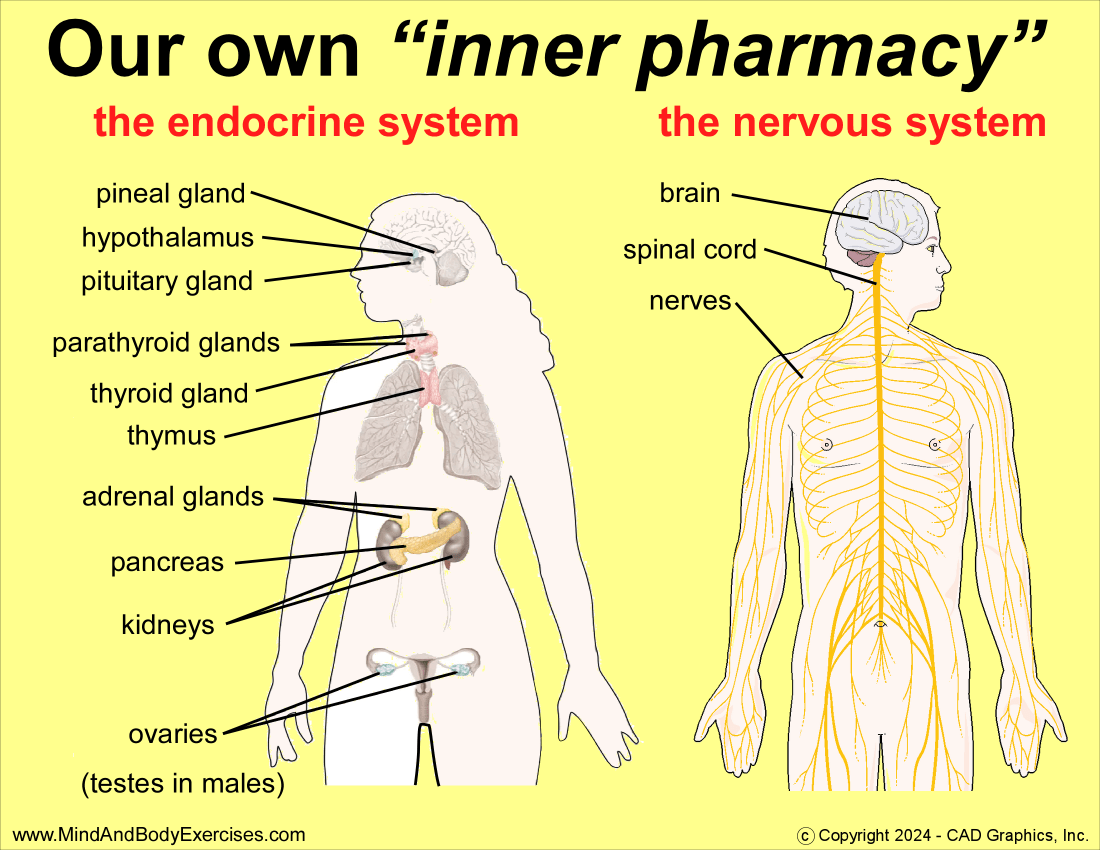
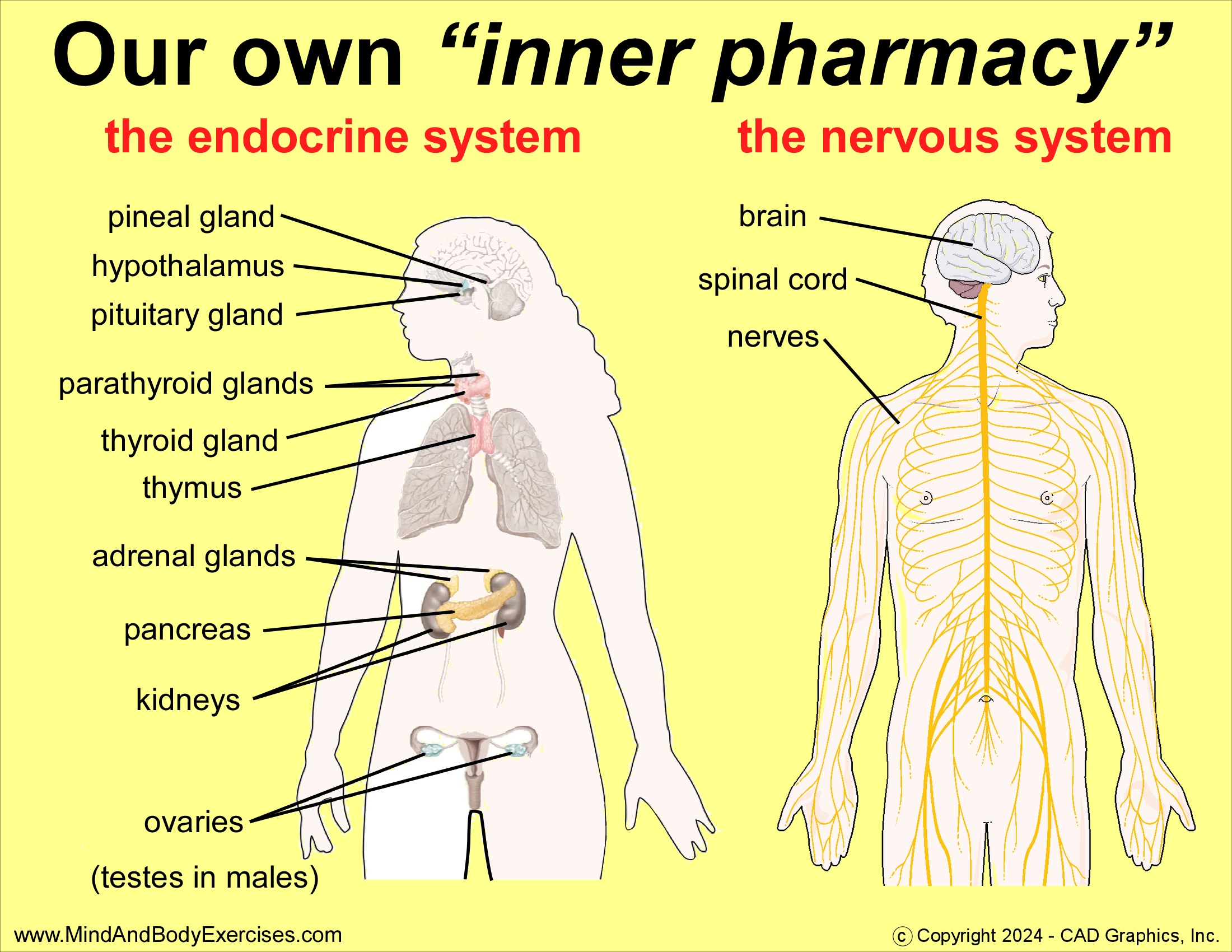
Human beings are not merely passive recipients of external chemicals. We carry within us an extraordinary “inner pharmacy” — a dynamic biochemical laboratory governed largely by the endocrine and nervous systems. At every moment, our bodies produce hormones, neurotransmitters, and signaling molecules that influence mood, energy, immunity, inflammation, motivation, and even perception.
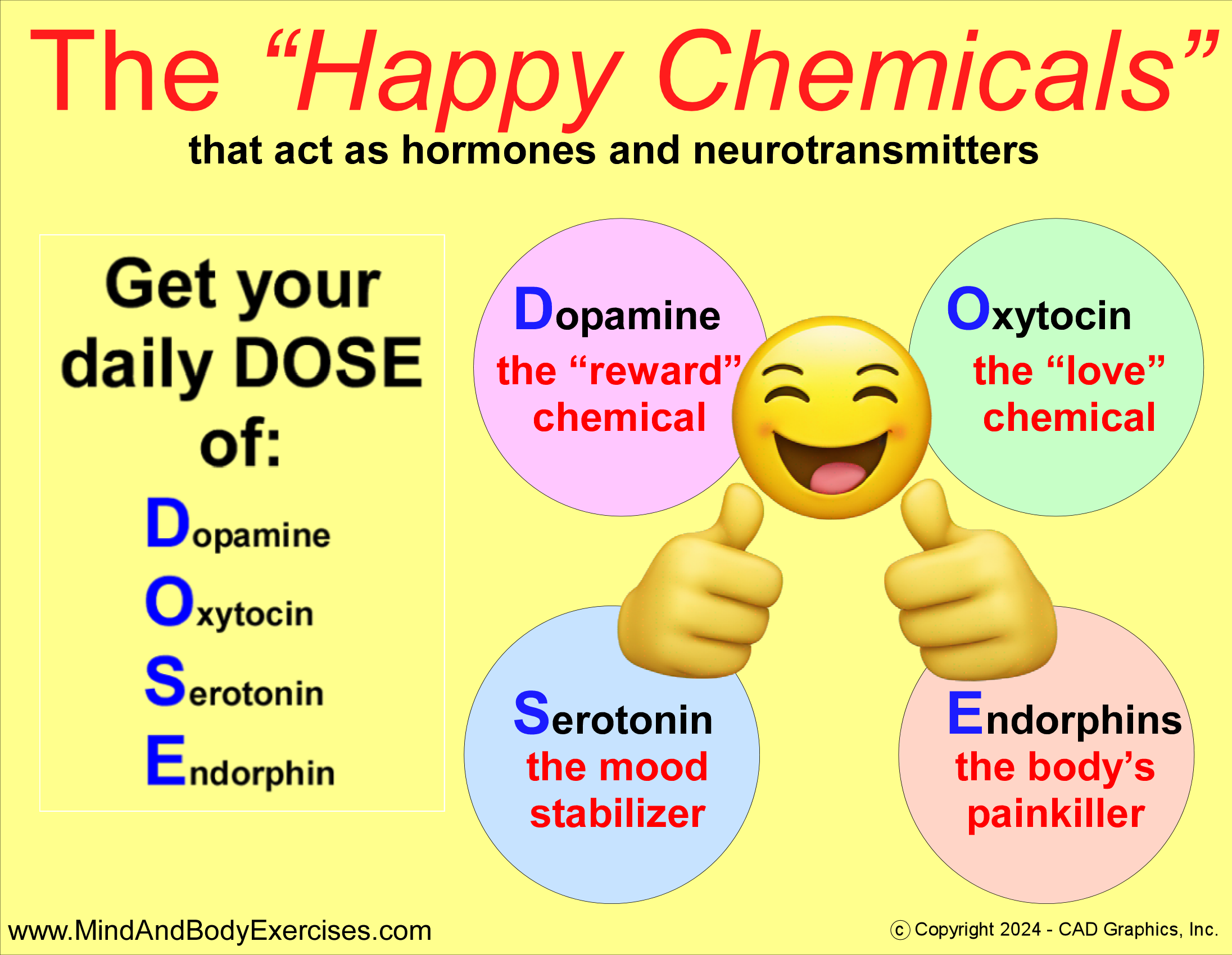
Stress hormones like cortisol and adrenaline can mobilize us for action. Endorphins can reduce pain. Oxytocin can deepen connection. Dopamine can enhance motivation and focus. Serotonin can stabilize mood. These substances are not foreign prescriptions; they are internally generated responses to how we live.
The remarkable reality is that we are not powerless in this process. Diet influences blood sugar stability, micronutrient availability, and hormone balance. Breath regulation can directly shift autonomic tone, moving us from sympathetic “fight-or-flight” dominance toward parasympathetic restoration. Thoughts and emotional patterns affect neurochemical cascades. Chronic rumination reinforces stress chemistry, while deliberate cognitive reframing can reduce it. Physical movement alters endocrine output. Sleep restores hormonal rhythms. Even posture and facial expression feed back into neurophysiology.
This does not mean we can will away disease or replace appropriate medical care. Rather, it means we possess meaningful influence over our internal chemistry. By consciously regulating diet, breathing, attention, emotional responses, and behavior, we participate in directing our own biochemistry.
The “inner pharmacy” is always open. The question is not whether chemicals are being dispensed, but which ones — and under what conditions.
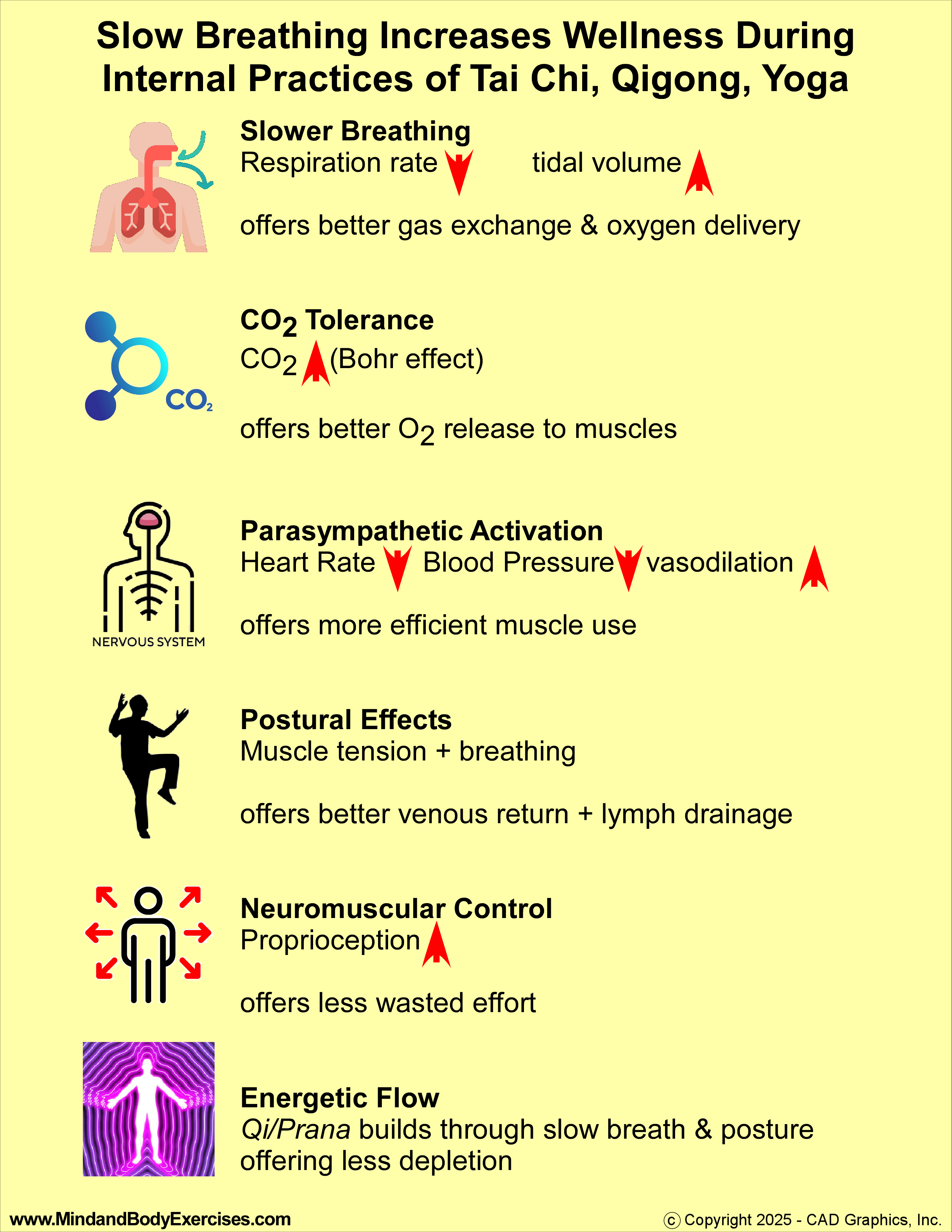
Internal practices like tai chi, qigong, and yoga: how slow, deep breathing can enhance rather than hinder oxygen delivery and energy during physically demanding postures. Let me unpack how this works from a Western physiological perspective, while also nodding to the energetic logic behind these practices.
Physiological Mechanisms at Play
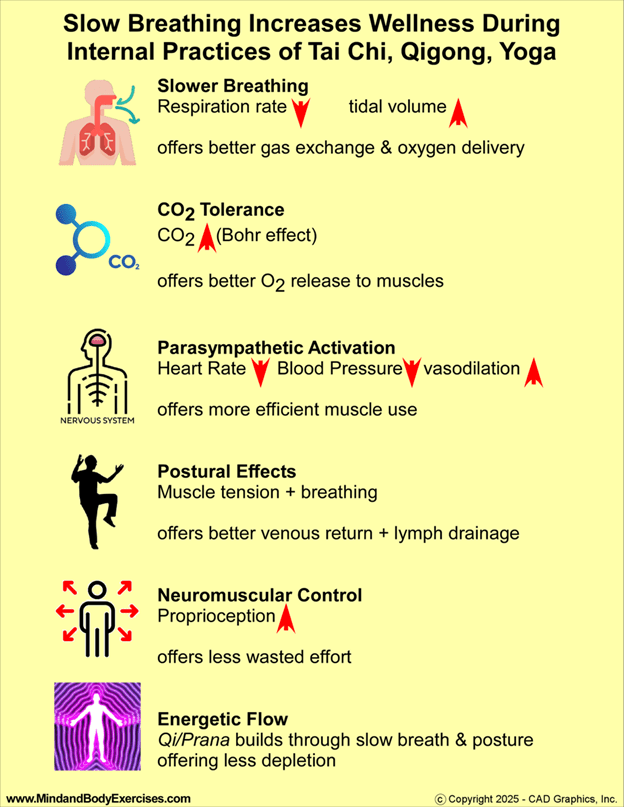
1. Low Breathing Rate ≠ Low Oxygen Intake
When breathing frequency is reduced intentionally, it’s usually paired with deeper, more diaphragmatic breaths (also called “belly breathing”).
This increases tidal volume (the amount of air per breath), so although you’re breathing fewer times per minute, you may be getting the same or even more oxygen overall.
Slower breathing also enhances alveolar gas exchange because air stays in the lungs longer, allowing more thorough oxygen and CO₂ exchange.
Normal respiration rate: ~12 to 15 breaths/min (18 or more BPM when stressed) In skilled practice: ~4–6 breaths/min (or less), with full exhalation and longer pause phases
2. Parasympathetic Activation and Efficiency
Slow, conscious breathing activates the parasympathetic nervous system (rest and digest), which:
Slows heart rate
Lowers blood pressure
Enhances vasodilation (better blood flow to extremities)
This reduces physiological tension, allowing the muscles to function more efficiently with less oxygen demand per unit of work.
3. Increased CO₂ Tolerance and Oxygen Utilization
Practices that involve breath retention or very slow breathing increase carbon dioxide (CO₂) tolerance.
Contrary to popular belief, CO₂ is the key signal for oxygen release via the Bohr effect:
Higher CO₂ levels shift hemoglobin to release more O₂ into tissues.
So, by tolerating higher CO₂, you actually increase oxygen delivery where it’s needed, especially in muscles under tension.
4. Improved Circulatory and Lymphatic Flow
Many postures in tai chi, yoga, and qigong involve dynamic tension, twisting, and limb positioning that:
Gently compress and release blood vessels (like a pump)
Aid in venous return (blood going back to the heart)
Enhance lymphatic drainage, helping with detox and immune function
Combined with deep breathing (which changes intra-thoracic pressure), these techniques mimic a second circulatory pump, where the breath and posture work together.
5. Enhanced Proprioception and Motor Control
By slowing breath and motion, practitioners become more aware of subtle muscle activation and joint positioning.
The cerebellum and somatosensory cortex are engaged more deeply, improving neuromuscular efficiency, so less “effort” is needed for the same or better results.
Muscles co-contract (yin-yang balance) with greater harmony, reducing unnecessary energy output.
Energetic and Traditional Viewpoint
From Traditional Chinese Medicine (TCM) or yogic perspectives:
Breath (qi/prana) is not just oxygen; it’s vital energy that nourishes tissues.
Slower breathing “builds” qi rather than expending it.
Holding postures while breathing deeply and slowly opens energy meridians, improves energy flow, and harmonizes internal organs.
In yoga, this aligns with pranayama and bandhas (locks), which store and redirect prana rather than dissipating it.
Summary: Why It Works
Challenge
Physiological Adaptation
Low breath rate under tension
Increased tidal volume, better gas exchange
Increased CO₂
Enhanced oxygen delivery via Bohr effect
Muscle demand
Greater circulatory efficiency, less waste buildup
Nervous system stress
Parasympathetic dominance reduces overexertion
Static/dynamic postures
Lymphatic drainage, better venous return
Breath–movement harmony
Improved motor control, proprioception, energetic alignment
References
Brown, R. P., & Gerbarg, P. L. (2005). Sudarshan Kriya Yogic Breathing in the Treatment of Stress, Anxiety, and Depression: Part II—Clinical Applications and Guidelines. The Journal of Alternative and Complementary Medicine, 11(4), 711–717. https://doi.org/10.1089/acm.2005.11.711
Jerath, R., Edry, J. W., Barnes, V. A., & Jerath, V. (2006). Physiology of long pranayamic breathing: Neural respiratory elements may provide a mechanism that explains how slow deep breathing shifts the autonomic nervous system. Medical Hypotheses, 67(3), 566–571. https://doi.org/10.1016/j.mehy.2006.02.042
Bernardi, L., Gabutti, A., Porta, C., & Spicuzza, L. (2001). Slow breathing reduces chemoreflex response to hypoxia and hypercapnia, and increases baroreflex sensitivity. Journal of Hypertension, 19(12), 2221–2229. https://doi.org/10.1097/00004872-200112000-00016
Streeter, C., Gerbarg, P., Saper, R., Ciraulo, D., & Brown, R. (2012). Effects of yoga on the autonomic nervous system, gamma-aminobutyric-acid, and allostasis in epilepsy, depression, and post-traumatic stress disorder. Medical Hypotheses, 78(5), 571–579. https://doi.org/10.1016/j.mehy.2012.01.021
Lehrer, P. M., & Gevirtz, R. (2014). Heart rate variability biofeedback: how and why does it work? Frontiers in Psychology, 5. https://doi.org/10.3389/fpsyg.2014.00756
I look forward to further sharing more of my message by partnering with hospitals, wellness centers, VA centers, schools on all levels, businesses, and individuals who see the value in building a stronger nation through building a healthier population.
I also have hundreds of FREE education video classes, lectures, and seminars available on my YouTube channel at:
In much of Christian theology, humans are uniquely imago Dei, or made “in the image of God” with dominion over other creatures (Genesis 1:26–28; Psalm 8:4–8; cf. Heb 2:7–8). Contemporary Christian environmental thought often reframes dominion as stewardship or “servant leadership,” emphasizing care and restraint rather than exploitation (Francis, 2015). Still, the structure remains anthropocentric: nonhuman nature tends to be valued in relation to human purposes and a theistic teleology (White, 1967; Francis, 2015).
Ethical implication: Duties toward animals and ecosystems are real, but typically derivative of humanity’s special role (Genesis 2:15; Francis, 2015).
2) Eastern and Indigenous alternatives: interdependence, not rank
Taoism treats humans, animals, and plants as natural expressions of the Dao; forcing order upon nature violates ziran (“self-so-ing/naturalness”) and wu-wei (non-coercive action) (Laozi, trans. 2003; Ames & Hall, 2003).
Buddhism grounds ethics in universal suffering and interdependence; compassion (karuṇā) extends to all sentient beings, often motivating non-harm (ahimsa) and vegetarian practice (Harvey, 2000).
Indigenous traditions frequently articulate kinship ethics, “all my relations” where rivers, mountains, animals, and plants are relatives to whom humans owe reciprocity (Kimmerer, 2013).
Ethical implication: Nature has intrinsic (not merely instrumental) value, and human flourishing is inseparable from the flourishing of other beings (Harvey, 2000; Kimmerer, 2013).
3) Modern ecological philosophies: intrinsic value and systems thinking
Deep ecology (Næss, 1973) argues that all beings possess intrinsic worth independent of usefulness to humans. Land-ethic thinking (Leopold, 1949) expands the moral community to “soils, waters, plants, and animals, or collectively: the land.” Gaia theory (Lovelock, 1979/2000) models Earth as a self-regulating system, underscoring the fragility of human-centric control.
Ethical implication: Policies should protect ecological integrity even when short-term human interests would benefit from extraction (Leopold, 1949; Næss, 1973).
4) Practical consequences for law, policy, and everyday ethics
Animal ethics
Anthropocentric stewardship: Emphasizes humane treatment but often permits intensive animal agriculture if human benefits are high.
Biocentric/rights-based approaches: Argue certain animals possess rights or strong interests that humans must not override (Regan, 1983; Singer, 1975).
Conservation and land use
Stewardship model: Conservation is prudent management of resources for human and intergenerational benefit.
Ecocentric model: Prioritizes ecosystem health and biodiversity for their own sake; restoration and rewilding become moral imperatives (Leopold, 1949).
Law and “standing”
Anthropocentric legal systems: Traditionally require human victims to claim harm.
Innovations influenced by ecocentrism: Proposals that forests, rivers, or ecosystems have legal standing (Stone, 1972/2010) reflect a shift toward recognizing nature as a rights-bearing subject, not merely a resource.
5) Is reconciliation possible?
Some Christian thinkers integrate stewardship with integral ecology, arguing that dominion rightly understood forbids domination and demands solidarity with nonhuman creation (Francis, 2015). Critics respond that even reinterpreted, the underlying hierarchy keeps human interests central in ways that can subtly re-authorize extractive patterns (White, 1967; Callicott, 1989).
Bottom line: Yes, there is real philosophical conflict. The biblical hierarchy, softened by stewardship, remains anthropocentric; many Eastern, Indigenous, and ecological philosophies are biocentric/ecocentric, grounding dignity and moral considerability in interdependence and intrinsic value. Those starting points reliably produce different judgments about animal agriculture, wildlife protection, climate policy, and the legal status of nature.
References:
Ames, R. T., & Hall, D. L. (2003). Dao De Jing: A philosophical translation. Ballantine.
Singer, P. (1975). Animal liberation. HarperCollins.
Stone, C. D. (2010). Should trees have standing? Law, morality, and the environment (3rd ed.). Oxford University Press. (Original essay published 1972) https://archive.org/details/shouldtreeshaves00ston
Closed Social Systems, Psychological Safety, and the Cost of Questioning
Many organizations, communities, workplaces, and social groups proudly promote the concept of “open communication.” On the surface, this sounds healthy, progressive, and emotionally mature. Members often hear phrases such as “You can ask anything,” “We are family,” “Transparency matters,” or “We encourage honest dialogue.” However, in some environments, openness exists more as an idealized slogan than an actual practice.
Over the years, I have personally experienced this dynamic within a highly structured social construct in which I was a willing participant for many years. I do not view myself merely as a victim of manipulation or coercion. Like many people who become deeply involved in organizations, I joined voluntarily because I believed in the values, purpose, community, and opportunities for growth that the group appeared to offer. There were many positive experiences, meaningful friendships, and valuable life lessons that emerged from that involvement. Yet over time, deeper patterns became increasingly apparent.
The group outwardly encouraged “open communication,” but only within carefully defined boundaries. Certain questions were welcomed, while others were heavily discouraged. Asking seemingly reasonable questions regarding organizational history, specific events, leadership behavior, financial matters, inconsistencies, or the character and conduct of certain authority figures was often frowned upon if not outright forbidden.
The issue was not always explicit censorship. More often, the pressure was subtle, psychological, and social.
People quickly learned which questions created discomfort and which subjects were considered off-limits. Eventually, members often begin censoring themselves long before direct punishment becomes necessary. This phenomenon reflects what psychologists refer to as normative social influence, whereby individuals conform to group expectations in order to gain acceptance and avoid rejection (Cialdini & Goldstein, 2004).
Over time, communication in closed systems can become increasingly performative rather than authentic. Individuals learn to say what is expected rather than what they genuinely think or feel. Independent inquiry may gradually become interpreted as negativity, ego, disloyalty, or a lack of commitment. In these environments, preserving the image and stability of the system often becomes more important than the honest pursuit of truth.
Importantly, I eventually realized that this phenomenon was not isolated to one organization. I have witnessed remarkably similar communication dynamics in toxic workplaces, dysfunctional social groups, political movements, religious organizations, educational institutions, and even certain healthcare environments. While the severity may differ, the underlying psychological mechanisms are often surprisingly similar.
Many workplaces, for example, claim to encourage feedback and collaboration. Employees are told their opinions matter and that leadership welcomes honest discussion. Yet workers may quickly discover that questioning management decisions, exposing inefficiencies, or discussing ethical concerns can carry social or professional consequences. Promotions, inclusion, reputation, and job security may become tied to conformity rather than competence or integrity.
This creates what organizational psychologists call low psychological safety. Psychological safety refers to an environment where individuals feel safe enough to ask questions, express concerns, admit mistakes, and offer feedback without fear of humiliation or punishment (Edmondson & Lei, 2014). When psychological safety is absent, communication narrows, innovation declines, stress increases, and groupthink becomes more prevalent.
Groupthink itself is a well-documented phenomenon in which the desire for harmony and conformity overrides critical thinking and realistic evaluation of alternatives (Janis, 1972). Within closed social systems, maintaining cohesion often becomes more important than seeking objective truth. Members may gradually lose the ability to distinguish independent thinking from disloyalty.
From a physiological perspective, environments lacking authentic communication can place individuals into chronic states of sympathetic nervous system activation. People become hypervigilant regarding what they say, how they say it, and who may be listening. This ongoing stress burden can influence sleep quality, cognition, mood regulation, emotional resilience, and physical health. Human beings communicate most effectively when they feel safe enough to socially engage rather than constantly defend themselves (Porges, 2011).
Ironically, many closed systems initially attract sincere, idealistic, and highly motivated individuals. People naturally seek meaning, purpose, structure, mentorship, belonging, and personal growth. According to self-determination theory, individuals flourish when they experience autonomy, competence, and relatedness (Deci & Ryan, 2000). Closed systems frequently offer the appearance of these needs being fulfilled while simultaneously restricting true autonomy and authentic self-expression.
However, another realization eventually emerged. Open communication and right communication are not necessarily the same thing. Many people hear the phrase “open communication” and interpret it as the freedom to say whatever they want, whenever they want, however they want. Yet unrestricted expression alone does not automatically create healthy communication.
A room filled with gossip, hostility, emotional outbursts, endless complaints, and personal attacks may technically be open, but it is hardly constructive.
Open communication primarily concerns access. It asks:
Can questions be asked?
Can concerns be raised?
Can disagreement be expressed?
Can information flow freely?
Can inquiry occur without fear?
These are important questions because without openness, truth becomes difficult to discover.
Yet openness alone is insufficient.
What might be called “right communication” addresses not only whether people can speak, but how, why, and when communication occurs.
The concept appears throughout many philosophical and spiritual traditions. In Buddhism, Right Speech asks whether communication is truthful, beneficial, timely, and compassionate. Stoicism emphasizes wisdom, restraint, and self-mastery. Confucian philosophy highlights responsibility, virtue, and social harmony. Though these traditions differ, they share a common insight: communication should serve growth, understanding, and truth rather than ego, impulse, or division.
In this sense, communication can be viewed through four possibilities:
Open and Right: Healthy dialogue and mutual growth.
Open but Wrong: Chaos, hostility, gossip, and noise.
Closed but Well-Intentioned: Respectful yet overly constrained.
Closed and Wrong: Manipulation, censorship, fear, and control.
The goal is not merely openness.
The goal is openness guided by wisdom.
This distinction aligns closely with my framework of the Warrior, Scholar, and Sage.
The Warrior asks:
“Do I have the courage to speak the truth?”
Without courage, important issues remain hidden.
The Scholar asks:
“Is what I am saying accurate?”
Without inquiry and evidence, communication devolves into opinion masquerading as fact.
The Sage asks:
“Is this the right time, place, and manner?”
Without wisdom, even truth can become a weapon rather than a tool for growth.
When all three dimensions are present, communication becomes honest, thoughtful, respectful, and transformational.
From an Eastern philosophical perspective, communication itself reflects yin and yang dynamics. Open communication possesses a more yang quality. It expresses, questions, reveals, and engages. Right communication incorporates both yin and yang. Speaking is the yang aspect. Listening, reflecting, exercising restraint, and choosing the proper timing represent the yin aspect.
Many people learn how to talk. Far fewer learn how to listen.
Likewise, many organizations learn how to advertise openness while quietly discouraging inquiry. Others encourage unrestricted expression without responsibility or discernment. Both extremes miss the mark.
One suppresses truth.
The other drowns truth in noise.
Healthy communication occupies the middle path.
It is open enough to allow truth to emerge, yet disciplined enough to ensure that truth is expressed with integrity, respect, and purpose.
One of the most important lessons I have learned is that truth does not fear honest examination. Healthy individuals, healthy organizations, and healthy communities should be capable of tolerating respectful inquiry without perceiving every difficult question as a threat. In the end, the quality of communication within a group often reveals the true nature of the group itself.
Open communication asks whether people are allowed to speak. Right communication asks whether what is spoken serves truth, understanding, and growth.
Healthy systems require both. Without openness, truth is suppressed. Without wisdom, truth becomes noise. The goal is not merely freedom of speech, but freedom guided by courage, discernment, and responsibility.
Deci, E. L., & Ryan, R. M. (2000). The “what” and “why” of goal pursuits: Human needs and the self-determination of behavior. Psychological Inquiry, 11(4), 227–268. https://doi.org/10.1207/S15327965PLI1104_01
Edmondson, A. C., & Lei, Z. (2014). Psychological safety: The history, renaissance, and future of an interpersonal construct. Annual Review of Organizational Psychology and Organizational Behavior, 1, 23–43. https://doi.org/10.1146/annurev-orgpsych-031413-091305
Porges, S. W. (2011). The polyvagal theory: Neurophysiological foundations of emotions, attachment, communication, and self-regulation. W. W. Norton & Company. https://archive.org/details/polyvagaltheoryn0000porg












 United Martial Arts Association