Managing High Blood Pressure Using Qigong Practices

Managing High Blood Pressure Using Qigong Practices

High blood pressure or hypertension (HTN) is a major public health issue affecting almost a billion people worldwide. HTN is often called a “silent killer” because while it has no obvious symptoms, untreated HTN can often lead to strokes, heart attacks and other health issues. As of 2015, an estimated 75 million adults in the U.S. had HTN.

Management of hypertension is typically addressed through lifestyle changes, diet and antihypertensive medications. A diet high in vegetables, fruits, and low-fat dairy type foods can help lower blood pressure among people having hypertension, as well as those without. Also, a diet low in sodium can also help to lower blood pressure across age, gender, race, weight, and physical activity subgroups. Other methods for lowering high blood pressure can include weight reduction if overweight or obese, increasing physical activity, and moderate alcohol consumption.1

High blood pressure or hypertension is a disease in itself but also a major risk factor for other diseases. Normal blood pressure is typically 120 systolic (maximum pressure during one heartbeat) over 80 diastolic (minimum pressure between two heartbeats). Systolic blood pressure over 115 mmHg is usually considered as higher than normal. An average and sustained blood pressure of 140/90 would be defined as hypertension and considered to put an individual at risk of specific health issues. Medical studies have shown that an increase of hypertension is connected to an increasing rate of cardiovascular issues such as heart failure, atrial fibrillation, stroke, myocardial infarction, and premature mortality.
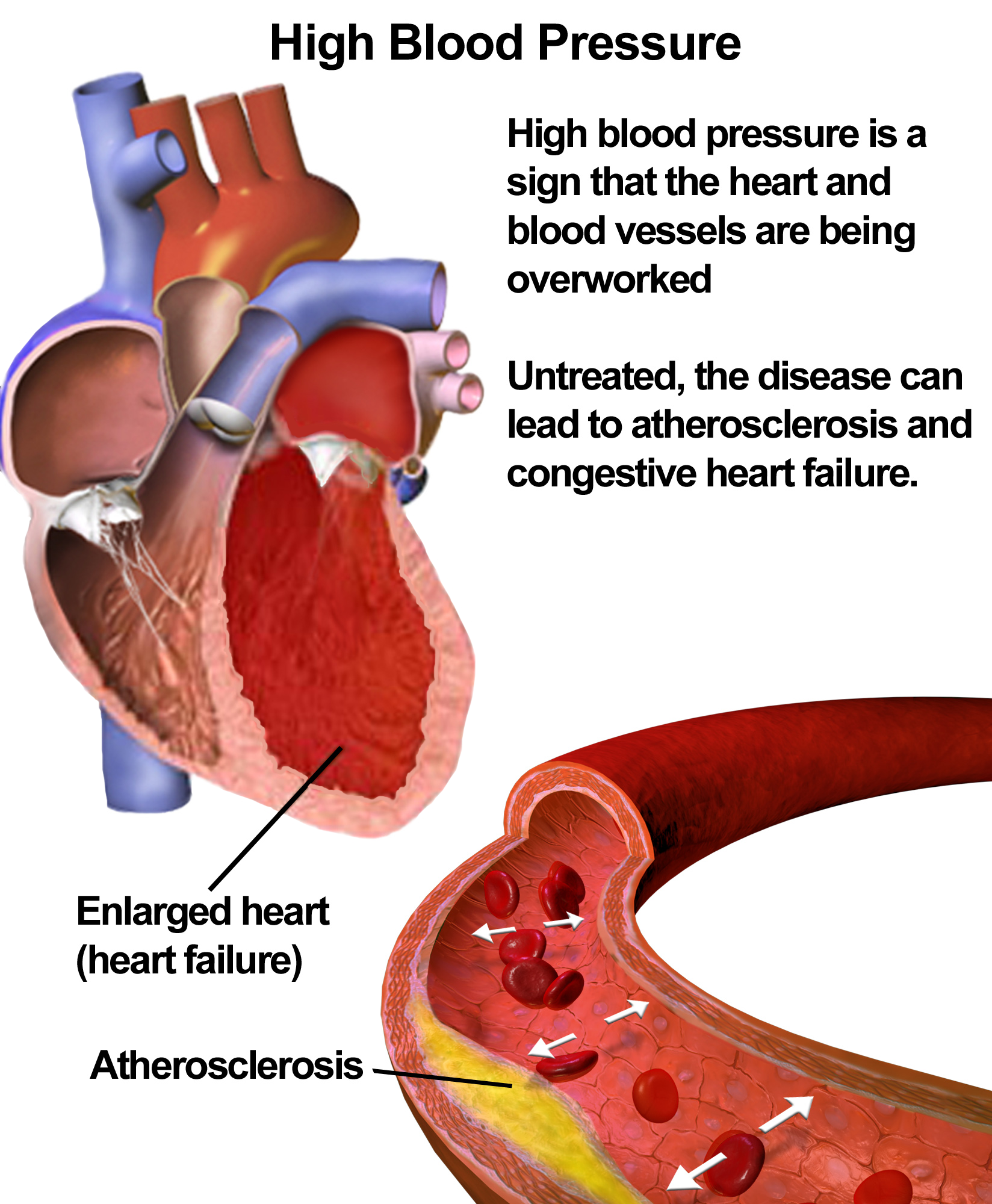
Blood pressure over 180/110 mmHg, if left untreated can overcome normal microvascular autoregulation. This can often lead to severe damage to the body’s blood circulation within the smallest blood vessels (microcirculation) resulting in a syndrome of accelerated or malignant hypertension and possibly cerebral hemorrhage where there is bleeding in or around the brain, which can be immediate threats to one’s life.2

information from the Mayo Clinic lists various factors that can put someone at a higher risk of experiencing hypertension and its relative ailments:

  • Age. As people grow older, the risk of high blood pressure increases. Up until around age 64, hypertension is more common with men. Women after age 65, are at higher risk of having high blood pressure.
  • Race. Those of African heritage often acquire high blood pressure earlier in life and more often than other ethnicities. Serious complications related to hypertension such as heart attack, kidney failure and stroke are more common in those of African heritage.
  • Family history. High blood pressure has a tendency to be hereditary.
  • Obesity and overweight. The more someone weighs, the more oxygen and nutrients are needed to be transported through the blood to tissues. Increased blood flow increases the pressure on the blood vessel walls throughout the body.
  • Lack of physical activity. People who are more sedentary often have higher heart rates making the heart having to work more with each contraction. Less physical activity also contributes to the risk of being overweight or obese.
  • Smoking and tobacco use. Smoking or chewing tobacco can immediately raise blood pressure temporarily, while the chemicals in tobacco may cause damage to the lining of the artery walls.
  •  High salt (sodium) diet. High sodium in your diet may cause the body to retain fluid, which leads to an increase in blood pressure.
  • Low potassium diet. Potassium helps keep the balance of the amount of sodium in the cells of our body. If there is not enough potassium in our diet, sodium can build up in the blood.
  • Excess alcohol consumption. Excessive drinking can cause damage to the heart. More than one drink per day for women and more than two drinks per day for men can affect blood pressure.
  • Stress. Stress left unchecked can cause a temporary increase in blood pressure. Habits related to stress like binge eating, tobacco use and excess alcohol can lead to further increases of blood pressure.
  • Chronic conditions. Certain chronic conditions can also increase risk of high blood pressure. These would include diabetes, kidney disease and sleep apnea.3

In recent years, news and media outlets have brought some attention to complementary alternative medicine (CAM) as options to use with or without pharmaceutical approaches to manage high blood pressure. Among these methods would be meditation, tai chi, qigong and its root origin of yoga. A research study conducted in 2015 titled Qigong for Hypertension: A Systematic Review, investigated the use of qigong practices for hypertension. It was widely distributed through various internet outlets such as PubMed, NCBI, Medicine, ResearchGate, Harvard Library and others.

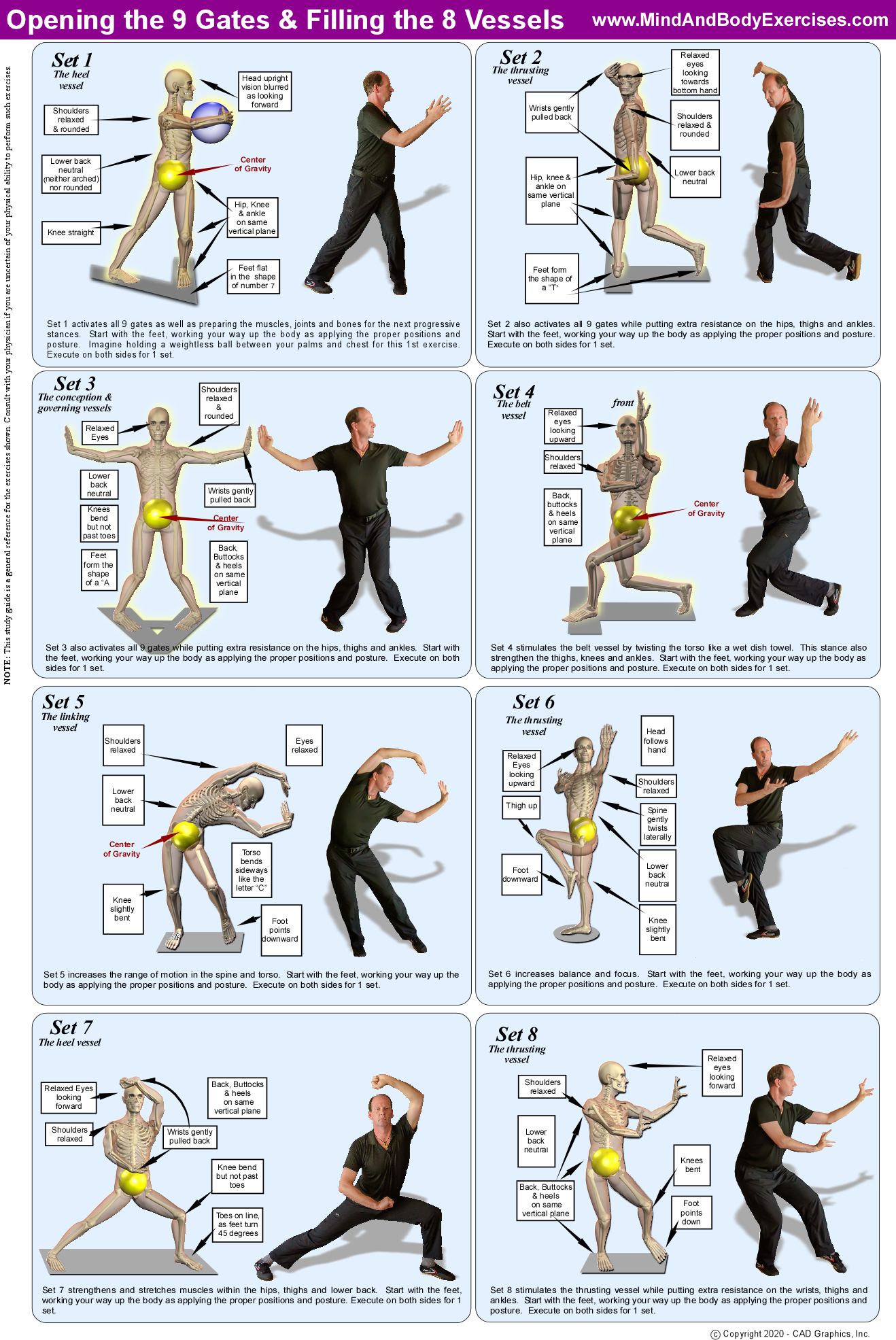
Qigong has its root origin in yoga. Tai chi and daoyin are types of qigong (or basically yoga) where the body is trained to perform “yoga in motion” where exercises are linked together to form sets of movements.  While all of these methods have quite different names, they all share the same Eastern Indian origins and similar philosophy. All of these types of exercise use mindful breathing with deliberate body positioning. The mind is focused inward on one’s thoughts, breathing and posture. All have elements for mind, body & spiritual (or higher consciousness) development. These practices have been practiced for thousands of years (origins between 5000-1500 BC), and Tai Chi originated in the 12th century. The following is a basic translation of these methods:

  • Qi, chi or gi = air, energy, or breath
  • Gong or kung = work or effort
  • Qigong = energy or breath work
  • Daoyin = guide the qi, stretch the body (sometimes referred to as Taoist yoga)
  • Tai chi, taiji, tai chi chuan = supreme ultimate fist
  • Yoga = to join or unite

The systematic review of this study was conducted in coherence with the Preferred Reporting Items for Systematic Reviews and Meta-Analyses guidelines. Only RCTs investigating the effects of qigong on high blood pressure (hypertension) were included. The results from this meta-analysis study suggests that qigong is an effective therapy for hypertension.

At the time of this study in 2015, China had roughly 5% of its 1.3 billion population practicing qigong on a regular basis. They believe qigong to improve health, prevent illness, and extend life by addressing a wide range of ailments and conditions. These ailments would include hypertension, chronic pain, fatigue, stress, movement disorders, cancer, depression, anxiety, heart failure, coronary heart disease, cardiac rehabilitation, diabetes, metabolic syndrome, chronic obstructive pulmonary disease, immune function and to enhance the overall quality of life (QOL). Qigong here is widely practiced by middle-aged and elderly people, many who cannot engage in moderate-to-vigorous–intensity aerobic exercise. This makes qigong more appropriate for elderly patients, being a gentle alternative to intense physical activities. Static (non-moving) qigong can be practiced which has even lower physical demands.

The results from this meta-analysis study suggests that qigong is an effective therapy for hypertension. Qigong is better than no intervention but with antihypertensive drugs. However, it was found that qigong was inferior to exercise in lowering high blood pressure. Additionally, qigong used as a supplemental therapy to antihypertensive drugs, can significantly lower hypertension. Qigong could be recommended as a complementary intervention for hypertensive patients.

If other well-designed RCTs were to offer a high quality of methodology confirming that qigong is beneficial, it could be used as a recommended evidence-based complementary or alternative therapy for the management of high blood pressure on a global scale.

Due to inferior systematic quality of some of the included studies, further RCTs with strictly designed methods need to be pursued along with long-term follow-up focusing on definitive clinical outcomes are required in order to confirm the results. From here, a higher level of evidence could support qigong as an alternative to regular conventional exercise for elderly patients. In contrast, negative outcomes can challenge the clinical evidence supporting qigong.

A methodical search for literature was executed from 7 databases, from their respective inceptions up until April of 2014. These databases included PubMed, the Chinese National Knowledge Infrastructure, the Chinese Scientific Journal Database, the Cochrane Library, EMBASE, the Chinese Biomedical Literature Database, and the Wanfang database. Randomized controlled trials were a mixture identifying interventions of qigong as either practice alone (monotherapy) or adjunctive therapy with antihypertensive (high blood pressure lowering) drugs versus no intervention, exercise, or antihypertensive drugs for hypertension.

The controls included wait-list control, jogging, conventional exercises, no exercise, oryzanol, or antihypertensive drugs. Participants in the treatment group were given the same type and dosage of antihypertensive drugs, and with the same standard that was used for the control group. All studies were parallel-designed and single-centered.

A total of 2349 patients with hypertension were evaluated. Participants were of any age, gender, and ethnic origin, being clinically diagnosed as hypertensive in any stage, with at least 1 of the current or past guidelines or definitions of hypertension. Of the trials, 18 were held in China and 2 trials were conducted in South Korea. From data presented in the study, participant ages ranged from as young as 21 and as old as 84. The average age appeared to be in the mid 50’s. The data compiled in this study spanned from as early as 1959 up until 2014. The duration of qigong treatments ranged from 8 weeks to 12 months.

All studies showed qigong as either monotherapy or supplemental therapy to hypertension drugs in the treatment group. Two of the trials had a 3-group study design with 1 trial including jogging, qigong, and antihypertensive drugs groups, while the other trial included qigong plus antihypertensive drugs groups. Practice sessions for that practicing qigong, were usually at least 15 minutes long and sometimes up to 60 minutes. 1-2 practice sessions per day were reported in the data.4

I find it quite commendable that there was data compiled from over such a long period of time for this study. Qigong is so embedded within Asian culture for thousands of years, where in the United States it is relatively new to our country. I have found as usual with many of these medical studies regarding ancient Eastern methods, the researchers are careful to say that more research and investigation is required. Regardless of the research, these methods have been used for thousands of years by other cultures that look beyond the scientific data and see a strong correlation between the mind, body and spiritual connection affecting health and well-being.

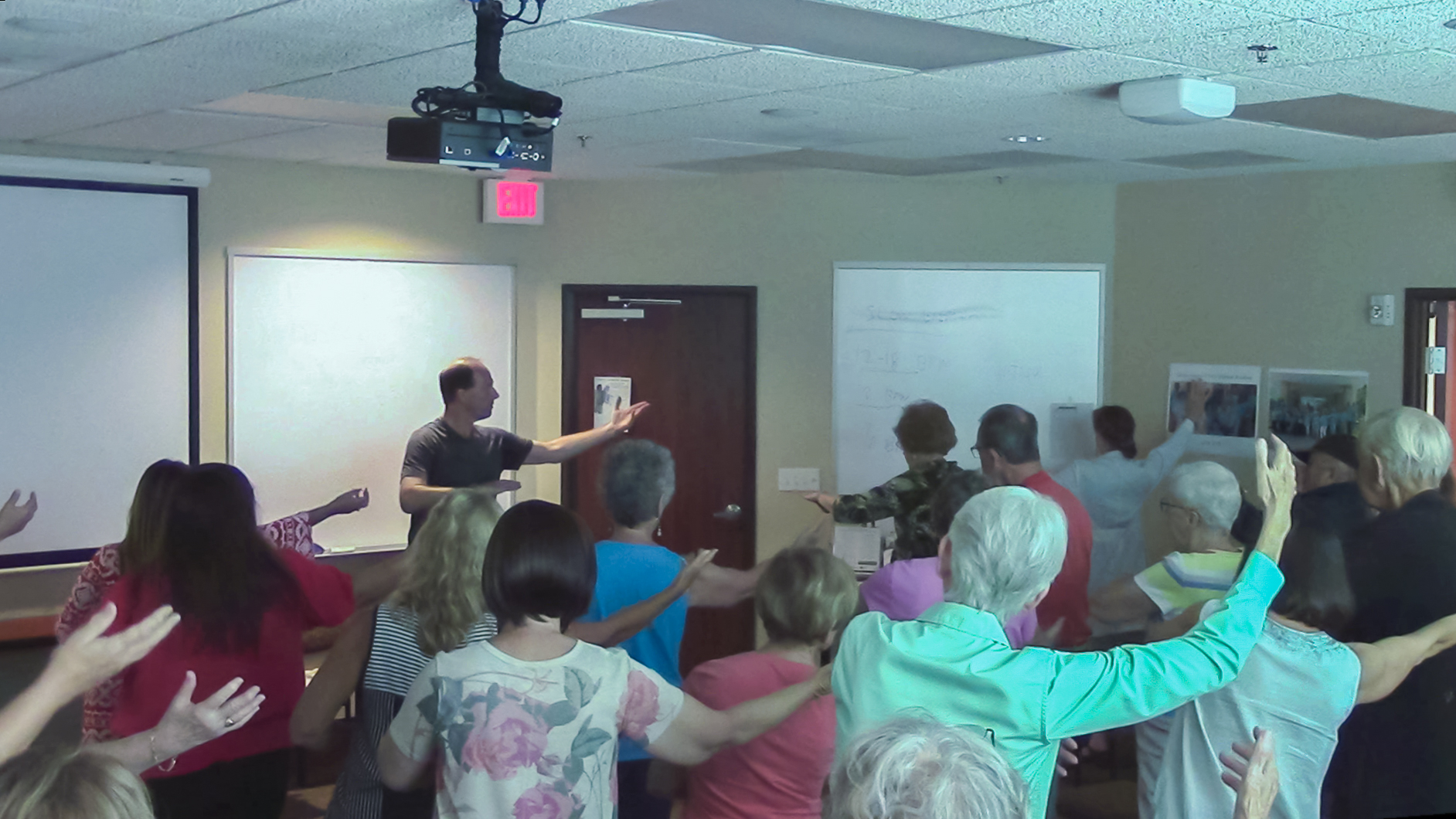
I feel that qigong is a great method to reduce hypertension, having worked with hundreds of individuals over my 40 years of teaching these methods. Any methods that encourage mindful regulation of one’s breathing patterns, can have a profound positive effect on their autonomic nervous system. Management of the “fight or flight” response of the sympathetic nervous system or “rest and digest” response of the parasympathetic nervous system, is directly connected to the body’s autoregulation of the cardiovascular system and consequently high blood pressure.

References

1 Langford, A. T., Solid, C. A., Gann, L. C., Rabinowitz, E. P., Williams, S. K., & Seixas, A. A. (2018). Beliefs about the causes of hypertension and associations with pro-health behaviors. Health Psychology37(12), 1092–1101. https://doi-org.northernvermont.idm.oclc.org/10.1037/hea0000687

2 Gabb, G. (2020). What is hypertension? Australian Prescriber43(4), 108–109. https://doi-org.northernvermont.idm.oclc.org/10.18773/austprescr.2020.025

3 High blood pressure (hypertension). (n.d.). Www.Mayoclinic.Org. Retrieved July 18, 2021, from https://www.mayoclinic.org/diseases-conditions/high-blood-pressure/symptoms-causes/syc-20373410

4 Xiong, X., Wang, P., Li, X., & Zhang, Y. (2015). Qigong for hypertension: a systematic review. Medicine94(1), e352. https://doi-org.northernvermont.idm.oclc.org/10.1097/MD.0000000000000352

____________________

I offer instruction, lectures and seminars on qigong, Taoist yoga, tai chi, martial arts, ship pal gye, hapkido, fitness, wellness and many other avenues to improve health and well-being.

I am currently accepting new clients for group, small group & private instruction.

Mind and Body Exercises on Google: https://posts.gle/aD47Qo

Be well!

Jim Moltzan

407-234-0119

www.MindAndBodyExercises.com

https://www.facebook.com/MindAndBodyExercises/

https://www.youtube.com/c/MindandBodyExercises

https://mindandbodyexercises.wordpress.com/

https://umareg.com/masters-council/

Music & Sound Can Affect Health

Mantras when practiced with transcendental meditation are repeated in our inner dialogue, but can be practiced with or without background music or sounds. I have some information that a few musically inclined qigong friends and I wrote about in a book we co-authored a few years ago. Whether it is singing bowls, drumming, chanting, or other musical instruments and sounds, it is basically the same concepts. 

Masaru Emoto, in his book The Hidden Messages in Water, showed that music has a direct effect on water. By playing a certain piece of music, and then looking at water molecules under a high-powered microscope, he saw that when soothing music was played, the water organized itself with symmetry and beautiful designs. When turbid music was played, such as heavy metal, the water looked putrid and disorganized.  The human body is 60 to 80 percent water.  Music, whether positive or negative, has a profound effect on us. It can focus us, or it can distract us, it can make us happy or sad, bringing out a wide range of emotions.

Children exposed to music develop better listening skills. They do better in subjects such as math, language, and reading. Music also helps the brain’s plasticity and capacity to change and grow.
 
Studies have shown that when people have listened to music labeled “happy”, their creativity went up, and when your favorite song comes on unexpectedly, you get a small boost of dopamine. Numerous studies have also shown music can help with anxiety, depression, insomnia, ADHD, PTSD, and schizophrenia.

Music is uniquely human. Animals, with the occasional exception of some birds, can’t process music or feel rhythm in the same way that humans can. Studies have shown that when an animal is dancing to music, they are imitating the owner and not moving to the beat. Historically, music has played an important role in every culture. 

Nearly 40,000 years ago, early humans used carved bones with animal skins over tree stumps to make basic instruments. Bone flutes have also been discovered and dated back to 40,000 to 80,000 years ago. Even the early Torah was set to music so people could remember it before they would write it down. People have always used music to remember things.

I have learned also that for thousands of years, chanting as a form of music has been used as a vehicle to create a deeper spiritual connection. The sound of OM, is said to be the universal sound that contains all other sounds. A study revealed that chanting the word OM triggered the area of the brain that is associated with calmness and a sense of inner peace. The syllable OM was found to trigger that more than any other syllable.

Om Mani Padme Hum
It has been said over the centuries that all of the teachings of the Buddha are contained in the simple mantra of Om Mani Padme Hum. This can be roughly translated as “The jewel of the lotus.” Below is a hidden 5 element meaning of the mantra, from the album “The 5 Elements of Om Mani Padme Hum”

Om: Wood element: rising, spring time, sprouting upwards. The color is green. 

Ma: Fire element: rising and dispersing. Picture flames flickering and dancing. The color is red. 

Ni: Earth element: centered and sweet. It does not rise or fall much, always returning to the center. The colors are yellow and gold. 

Pad: Qi: sometimes referred to as the 6th energy. Similar to fire, this energy dances both upward and downward. The color is purple.

Me: Metal element: splitting and falling. The season is autumn, and there is grief in the metal element. The colors are white and silver. 

Hum: Water element: flowing, building up and dispersing. The season is winter. The colors are blue and black. 

Reference:

Leone M., Campbell J., Moltzan J., (2019), Journey Around the Sun

___________

I write often about topics that affect our health and well-being. Additionally, I teach and offer lecture about qigong, tai chi, baguazhang, and yoga. For more info, contact Jim Moltzan at info@mindandbodyexercises.com, 407-234-0119 or through my site at http://www.mindandbodyexercises.com

History of Modern Medicine’s Monopoly in US Healthcare

Modern medicine, also referred to as Western, allopathic or biomedicine, has roots in the US starting in the late 1800’s. Many people are not as familiar with naturopathy, osteopathy, homeopathy and chiropractic as these practices were basically discredited by the American Medical Association (AMA) as legitimate healthcare modalities in the earlier years of the 20th century. This was proven in court, that the AMA systematically sought to destroy healthcare competition, rather than be concerned with safety or efficacy of alternative medical options. Many beneficial treatments have come from modern medicine, especially for trauma injuries and illness. However, many other methods, proven safe and effective for over hundreds or thousands of years with empirical evidence, have been suppressed or classified as unscientific or quackery. Do your own research for your own health and well-being. Become informed and more knowledgeable.

The following excerpt is from Marc Micozzi’s Fundamentals of Complementary, Alternative, and Integrative Medicine:

In 1847, partially in response to the acceptance and success of homeopathy, and after prior attempts, a group of regular physicians founded an organization to serve as the unifying body for orthodox medical practitioners. The American Medical Association (AMA), initially under Nathaniel Chapman, was founded in Philadelphia. Physicians who belonged to the AMA considered themselves regular practitioners and adhered to therapeutics termed heroic medicine (Rutkow and Rutkow, 2004). Their invasive treatments distinguished these regular doctors to their patients. They often consisted of bleeding and blistering in addition to administering harsh concoctions to induce vomiting and purging. These treatments at the time were considered state of the art.

The justification behind such harsh treatments was a commitment to a scientific materialist medical theory, actually moving away from empirically based, “rational” medicine. Regular doctors did not share belief in the concept of the healing power of nature (the vis medicatrix naturae), and felt that a physician’s duty was to provide active, “heroic” intervention. Despite this attitude, patients recovered notwithstanding their treatments. This reality had the ironic effect of encouraging both regular doctors’ belief in heroic treatments and natural doctors’ belief in the inborn capacity for self-healing, despite the further injuries caused by many regular treatments. Much like physicians today are pressured to provide an active treatment that may sometimes be unnecessary (such as prescribing an antibiotic for a viral infection), regular doctors of the 1800s also felt pressure to give the heroic treatments for which they were known. James Whorton (2002) wrotes, “it was only natural for MDs to close ranks and cling more tightly to that tradition as a badge of professional identity, making depletive therapy the core of their self-image as medical orthodoxy.”

Although the AMA initially held no legal authority (like the multiplying medical subspecialty practice associations of today), it began a major push during the second half of the nineteenth century to create legislation and standards of medical education and competency. This process culminated in 1910 with the publication of Medical Education in the United States and Canada, compiled by Abraham Flexner also known as the Flexner Report. It has been described as “a bombshell that rattled medical and political forces throughout the country” (Petrina, 2008). It criticized the medical education of its era as a loose and poorly structured apprenticeship system that generally lacked any defined standards or goals beyond commercialism (Ober, 1997). In some of his specific accounts, Flexner described medical institutions as “utterly wretched … without a redeeming feature” and as “a hopeless affair” (Whorton, 2002). Many regular medical institutions were rated poorly, and most of the irregular “alternative” schools fared the worst. After this report, nearly half of the medical schools in the country closed, and by 1930 the remaining schools had 4-year programs of rigorous “scientific medicine.”

Following the Flexner Report, a tremendous restructuring of medical education and practice occurred. The remaining medical schools experienced enormous growth: in 1910 a leading school might have had a budget of $ 100,000; by 1965 it was $ 20 million, and by 1990 it would have been $ 200 million or more (Ludmerer, 1999). Faculty were now called on to engage in original research, and students not only studied a curriculum with a heavy emphasis on science, but also engaged in active learning by participating in real clinical work with responsibility for patients. Hospitals became the locus for clinical instruction. As scientific discovery began to accelerate, these higher educational standards helped to bridge the gap between what was known and what was put into practice. More stringent licensing and independent testing provided a greater degree of confidence in the competence of the nation’s doctors. During this same time period, the suppression and decline of alternative schools of health care occurred, as both public and political pressure increased.

The 1910 Flexner Report, sponsored by the Carnegie Foundation, compared all American medical schools against a standard represented by the new Johns Hopkins University School of Medicine, which had been founded in 1888. Criticism was so devastating that about three-quarters of American medical schools closed, including many osteopathic medical schools.

Bernarr Macfadden, founded the “physical culture” school of health and healing, also known as physcultopathy. This school of healing gave birth across the United States to gymnasiums where exercise programs were designed and taught to allow individual men and women to establish and maintain optimal physical health. Although so strongly based on common sense and observation, many theories exist to explain the rapid dissolution of these diverse healing arts. The practitioners at one time made up more than 25% of all U.S. health care practitioners in the early part of the twentieth century. Low ratings in the infamous Flexner Report (which ranked all these schools of medical thought among the lowest), allopathic medicine’s anointing of itself with the blessing “scientific,” and the growing political sophistication of the AMA clearly played significant roles. Of course, the acceptance of the germ theory of disease and development of effective antibiotics for the first time provided a strong rationale for the new, “scientific,” regular medicine.

References:

Micozzi, Marc S.. Fundamentals of Complementary, Alternative, and Integrative Medicine – E-Book (p. 644). Elsevier Health Sciences. Kindle Edition.

https://fee.org/articles/the-medical-cartel-is-keeping-health-care-costs-high/

Qigong, tai chi, baguazhang, and yoga are not the only methods that can be used within this formula but have proven the test of time as methods to cultivate harmony of the mind, body and spirit. These exercise practices offer a wide spectrum of physical wellness benefits, stress relief as well as means of self-awareness.  Not all teachers nor students practice these for the same goals. For more info, contact Jim Moltzan at info@mindandbodyexercises.com, 407-234-0119 or through my site at http://www.mindandbodyexercises.com

Who Does the FDA Really Work For?

Why do food companies seem to have more rights than consumers, when it comes to disclosing what ingredients are in particular foods? The FDA loosened food labeling requirements mid-2020, with the stated goal of providing regulatory flexibility, to lessen the impact of supply chain disruptions of product availability related to the current COVID-19 pandemic.

Why Does the FDA Get Nearly Half Its Funding From the Companies It  Regulates? • Children's Health Defense

Reports show that the FDA is actually partially funded by the same companies that they are tasked with regulating, raising concerns with conflicts of interest. It is almost always best to do the due diligence and find where this information is coming from and find reputable sources as there is so much information available to the public today that can and will support whatever ones beliefs and viewpoints tend to lean towards.

The US government at its relative public health agencies, save severely lost the trust of the American people. Medical experts that have an audience, can start to rebuild trust, by just putting themselves out there with some transparency, honesty, humility, and empathy regarding these topics at hand. For example, if a scientist is interviewed as an expert on a particular topic, have them tell their story of being a director for the FDA and now being a board member for Pfizer, instead of people Googling this fact, seeing it maybe as a conflict of interest and then formulating their own conspiracy theory from it. Similarly, if the FDA is going to report that they took 108 days to review documents for licensing of the Pfizer covid19 vaccine and will honor a Freedom of Information Act (FOIA) request, don’t take 55 years to fully release the information to the group of scientists that made the request. Leaders and experts need to stop creating the perfect storm of events that will undoubtedly lead to conspiracy theories and consequently, more vaccine resistance.

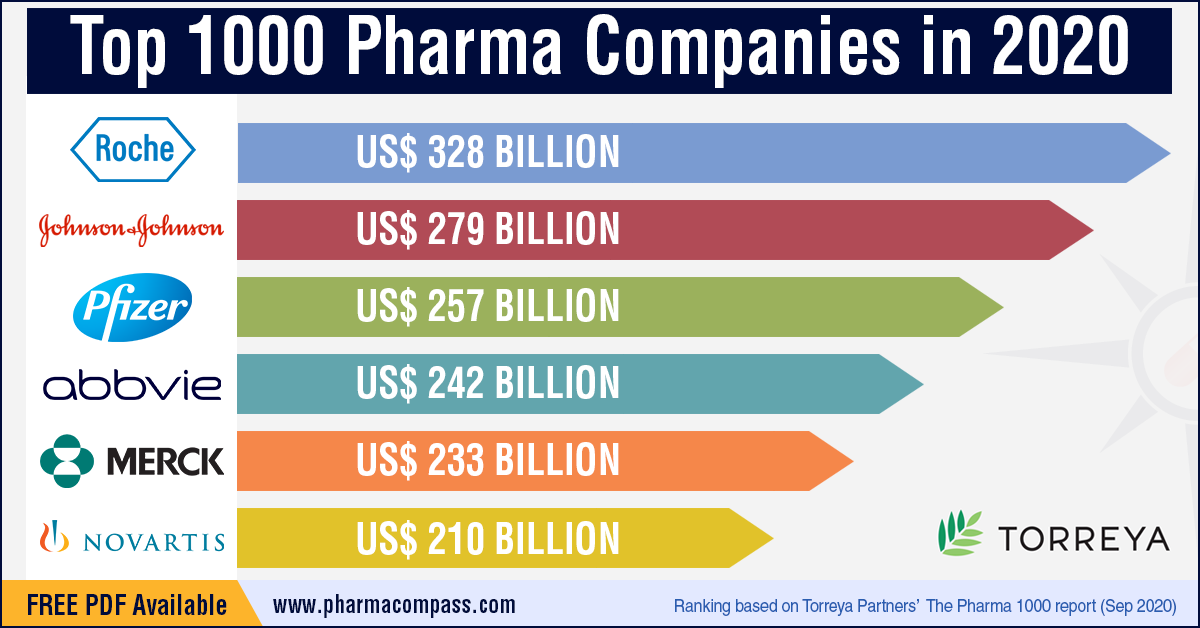
Top 1000 Pharma Companies in 2020 - Pharma Excipients

References:

http://www.childrenshealthdefense.org/defender/fda-nearly-half-funding-companies-it-regulates/

https://www.fda.gov/food/cfsan-constituent-updates/fda-announces-temporary-flexibility-policy-regarding-certain-labeling-requirements-foods-humansLinks to an external site.

https://today.uconn.edu/2021/05/why-is-the-fda-funded-in-part-by-the-companies-it-regulates-2/Links to an external site.

https://www.usatoday.com/story/news/factcheck/2021/08/27/fact-check-some-fdas-budget-does-come-industry-funding/5572076001/

Former FDA Commissioner Gottlieb defends decision to join Pfizer board (cnbc.com)

Elizabeth Warren tells Scott Gottlieb to resign from Pfizer board (usatoday.com) (Links to an external site.)

Soechtig, Stephanie, and Jason Lindsey. “Tapped.” YouTube, YouTube, 17 June 2021, https://www.youtube.com/watch?v=jeAtHj9L38o.


Be well, get healthy, be wise.

I am currently available for health and wellness lectures and classes for group, & private instruction in the Orlando, Florida area. Mind and Body Exercises on Google: https://posts.gle/aD47Qo

Jim Moltzan

407-234-0119

www.MindAndBodyExercises.com

https://www.facebook.com/MindAndBodyExercises/

https://www.youtube.com/c/MindandBodyExercises

https://mindandbodyexercises.wordpress.com/

https://umareg.com/masters-council/
You can only give out what you yourself have an abundance of.

I have learned a bit about energetics over the years from my massage therapists as well as my martial arts/qigong teachers. During a massage, energy is depleted by the practitioner from the physical effort as well as the mental energy in trying to help and often heal the patient. This is very similar to emergency room doctors, nurses and others that can find themselves very run down or ill, while attempting to treat others. My understanding is that you can only give out what you yourself have an abundance of. If massage therapists and various other health-related professionals continue to draw from their well (life force, qi, prana) but fail to replenish it, they will soon have their own health issues. Exercise, diet and lifestyle choices all affect the practitioners’ own well-being to replenish or retain their innate life force.

My understanding is that it really comes down to any occupation or activity that one individual loses some level of energy while trying to help another.  It can be a parent taking care of a child; caretaker of a parent, teachers, etc. It is all about intent and energy expelled and received.  This can lead to the topic of energy vampires and energy suns. We have probably all meet people who when walking into a room, drain the energy of all in their company. Or conversely, the person who comes in and brings up everyone energy and puts a smile on everyone’s’ face. Yin and yang in all things!

_______________________________

Be well, get healthy, be wise.

I am currently available for health and wellness lectures and classes for group, & private instruction in the Orlando, Florida area. Mind and Body Exercises on Google: https://posts.gle/aD47Qo

Jim Moltzan

407-234-0119

www.MindAndBodyExercises.com

https://www.facebook.com/MindAndBodyExercises/

https://www.youtube.com/c/MindandBodyExercises

https://mindandbodyexercises.wordpress.com/

http://www.umareg.com/masters-council/