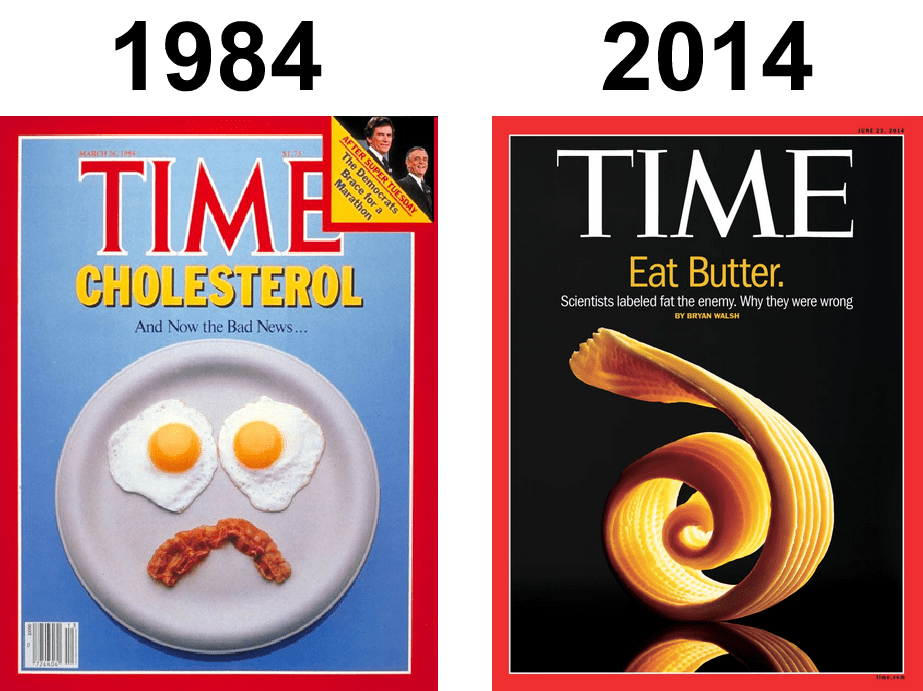
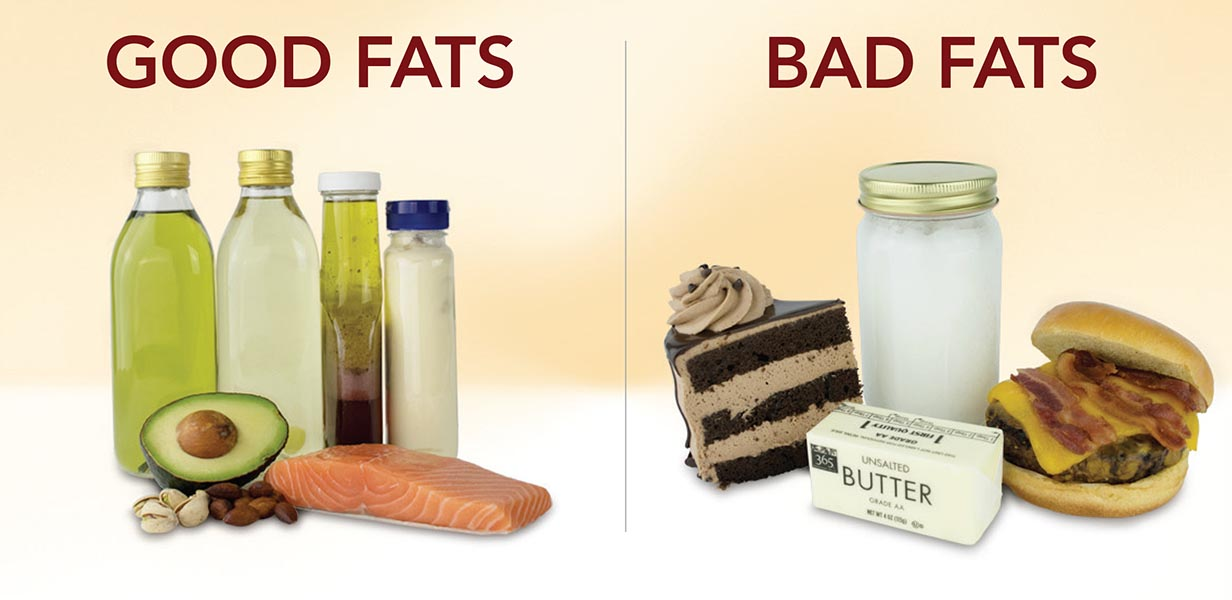
Nutritional information has been evolving and accessible for decades, but we need to look to many diverse sources to find the most accurate information for any particular topic. Particular fats such as saturated, mono-saturated and polyunsaturated fats, all have specific health benefits when consumed in moderation. Saturated fats contain cholesterol that the cells within our bodies rely upon for structure and barriers.1 Over the last few decades, trans fats have been known to mostly have little or no positive health benefits.
I think it so very important that we seek education in our personal nutrition as to become more aware of exactly what we are putting into our bodies. Over the last decades, consumers have relied upon the scientific and medical industries to inform the general public about what is healthy or unhealthy to consume. Depending on the source of the information, fat and consequently cholesterol are possibly the source of all of our health-related issues or the cure to all that ails us.1 Perhaps the truth lies somewhere in between and realizing that we as humans do need specific fats in our diet, albeit in moderation. Additionally, what may be deemed as healthy or beneficial for someone, may not be for another. Everyone has their own health constitution relative to genetics, lifestyle, environment, and maybe other components.
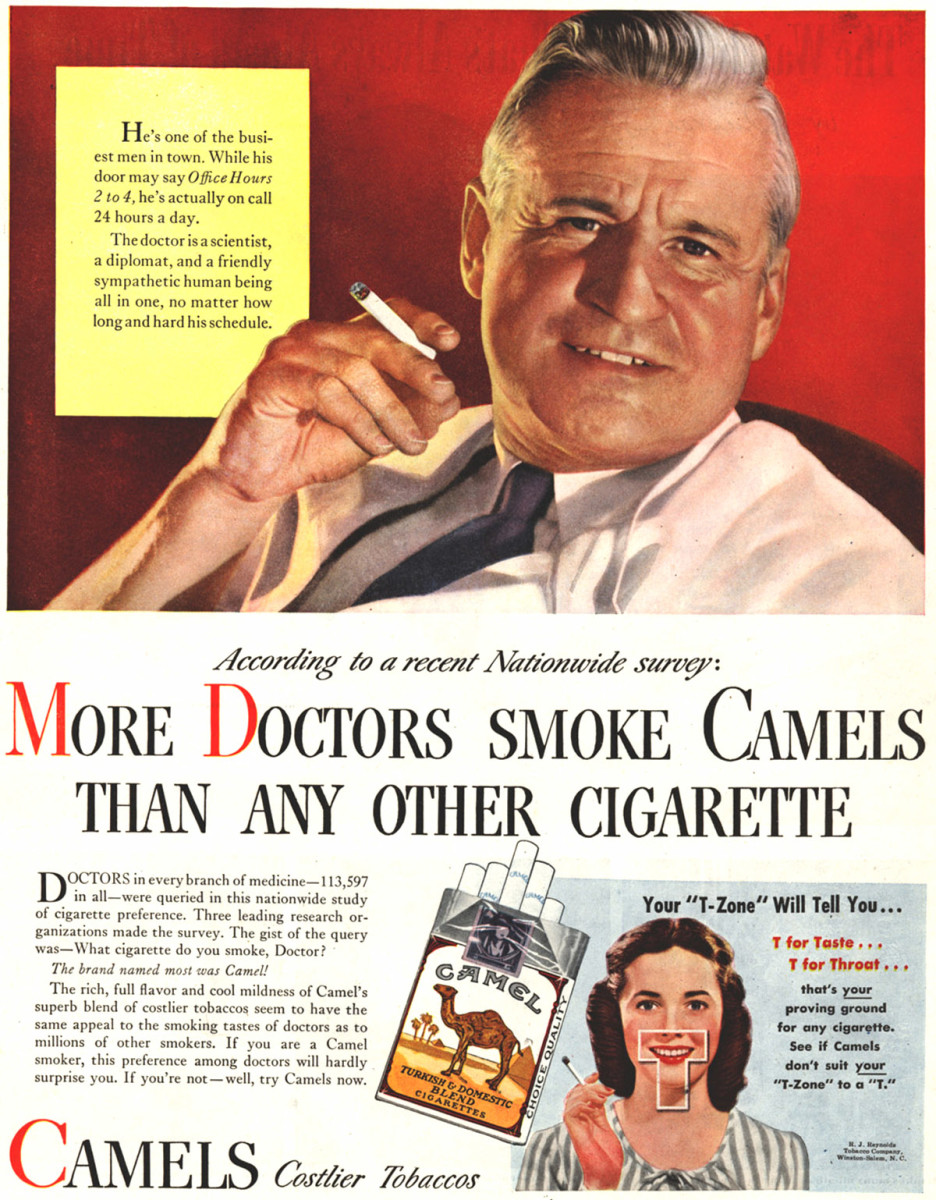
We have seen phases or trends in US health culture evolve over time. We can rationalize this by realizing that science has continuously been evolving and data has become more accurate due to many technological advances since the early part of the 20th century. Unfortunately, many of the trends have been affected by big corporations and associations that have the vast resources to sway not only the medical and science communities but also the public as well. Cigarettes were promoted by doctors, then they were not but the FDA still regulates and allows their detrimental usage.2 Coffee and its ingredient of caffeine seems to ebb and flow ever year between being good or bad for us. 3 A few decades ago, eggs and beef where demonized as having little positive health benefits to outweigh their negative effects such as high cholesterol and relative higher risk of heart disease from high consumption.
In the 70’s a diet filled with eggs, bacon, beef, salt and sugar was desired as it was a symbol of social status to be able to afford these items and provide for one’s family. I think this was a side effect of my parent’s having grown up during the Great Depression, where jobs and food were somewhat limited. When I was a teen back in the 80’s, I saw the beginning of the shift from the eggs, bacon and pancake breakfast and steak and potatoes dinners to an awareness that these foods were high in fat and relative cholesterol. With my own pursuit of better health and well-being, I have found that nutrition is highly relative to the individual’s lifestyle choices and awareness that even seemingly healthy foods may not be so much, especially if they have been heavily processed, have pesticides or other chemicals added to them. So I read labels more and consume in moderation.
Be more active, eat healthier, sleep better, stress less these are the key components to maintaining a strong immune system.
I am currently offering lectures and classes for group, small group & private instruction in Wekiva, Longwood and Winter Park.Mind and Body Exercises on Google: https://posts.gle/aD47Qo
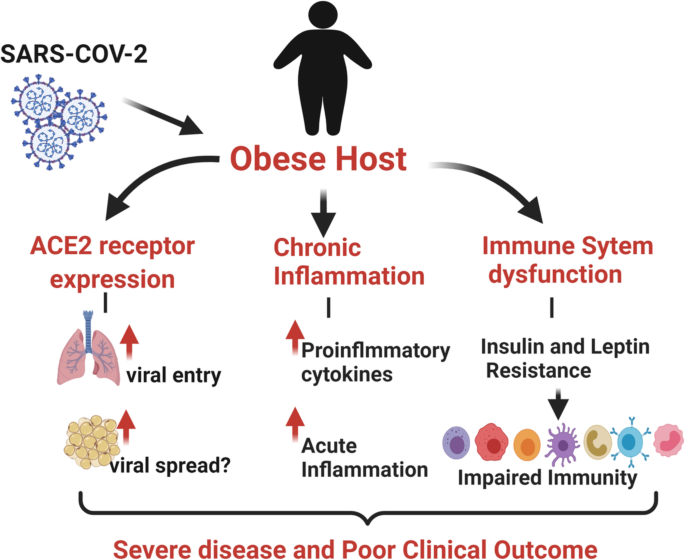
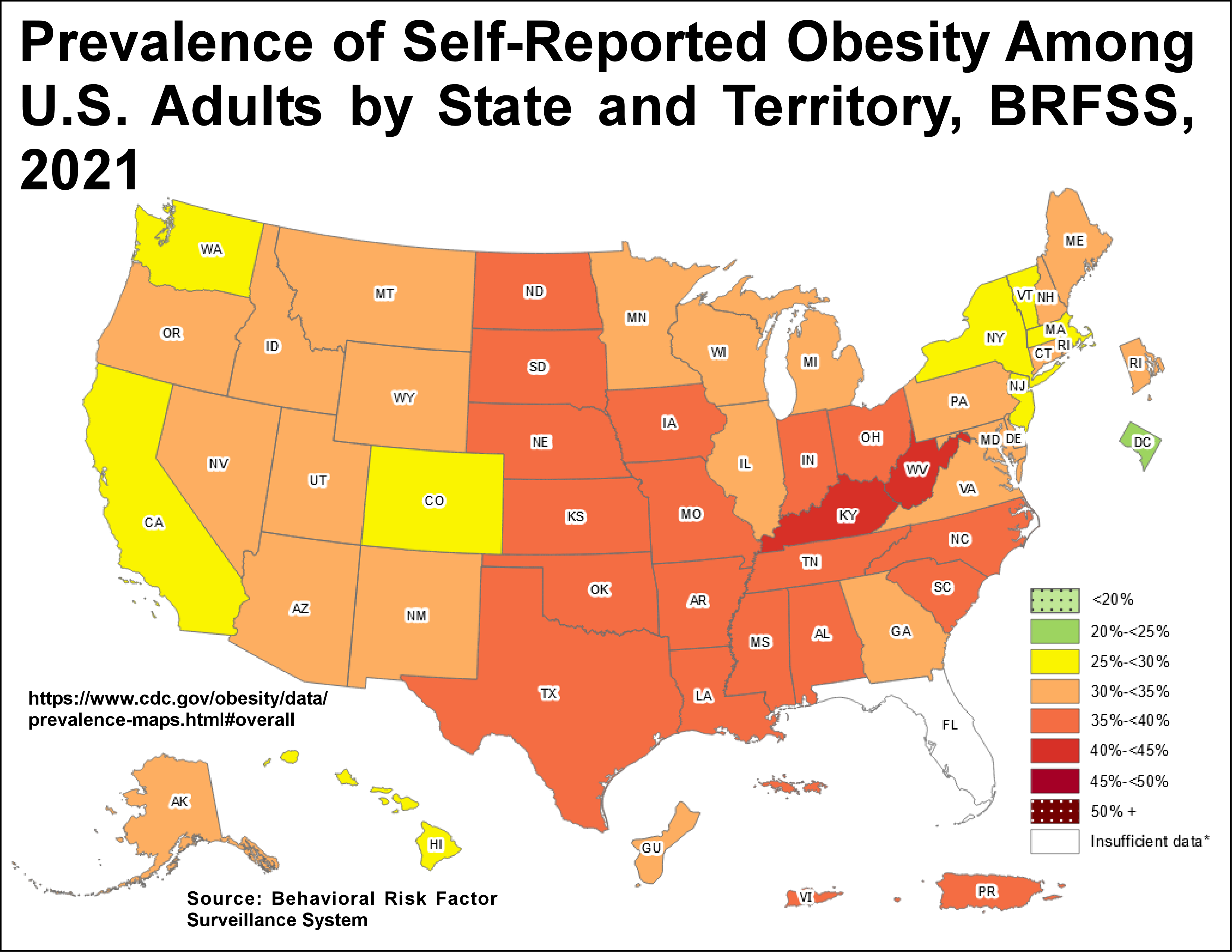
Many months have gone by with the world and the United States dealing with the COVID-19 pandemic. Much has been learned as more data has been compiled to determine patterns of who has been infected. This data is of utmost importance in finding solutions to contain and diminish this severe contagion. In order to produce effective prophylactic and therapeutic strategies, future research needs to understand the sources of severity and complications.What has been determined is that specific demographics of people seem to have been affected much more than other groups. Certain factors such as individuals with comorbidities (multiple chronic illnesses), specific ethnic backgrounds and older aged people have had a greater risk of contracting the disease. Being obese puts someone more at risk for many serious chronic diseases. Over the last 3 years, obesity is one of the issues that has trended towards making an individual most susceptible to becoming affected by COVID-19 (Mal, et al., 2022).
There is much scientific data that supports why biological and physiological mechanisms that fight off disease and illness become compromised due to the various health issues associated with obesity. COVID-19 and its relevance to adiposity are major predictors of severe disease and illness. Hypercytokinemia, immunological, endothelial dysfunction, dysregulation, and cardiovascular impairments are all possible mechanisms, where excess adipose tissue can increase an acute hyper-inflammatory state. This condition is typical of major SARSCoV-2 infections and relative negative symptoms. Increased levels of the pro-inflammatory adipokine leptin, in combination with the anti-inflammatory-acting ACE2 receptors in the lung epithelium of infected individuals, inhibit the innate immune response from being cleared, resulting in a ripple effect of tragic consequences for patients. When adipose tissue and associated immune cells increased cytokine secretion, the immune system can potentially overcompensate as a side-effect of pro-inflammatory “priming,” resulting in a cytokine storm. As a consequence of the immune system’s inability to produce a sufficient immunological response, virus clearance is compromised. High-risk patients that are at an advance age and/or those with obesity, may be more affected from a less robust immune system response and a lower lasting immunological memory, resulting in limited vaccine effectiveness (Mal, et al., 2022).
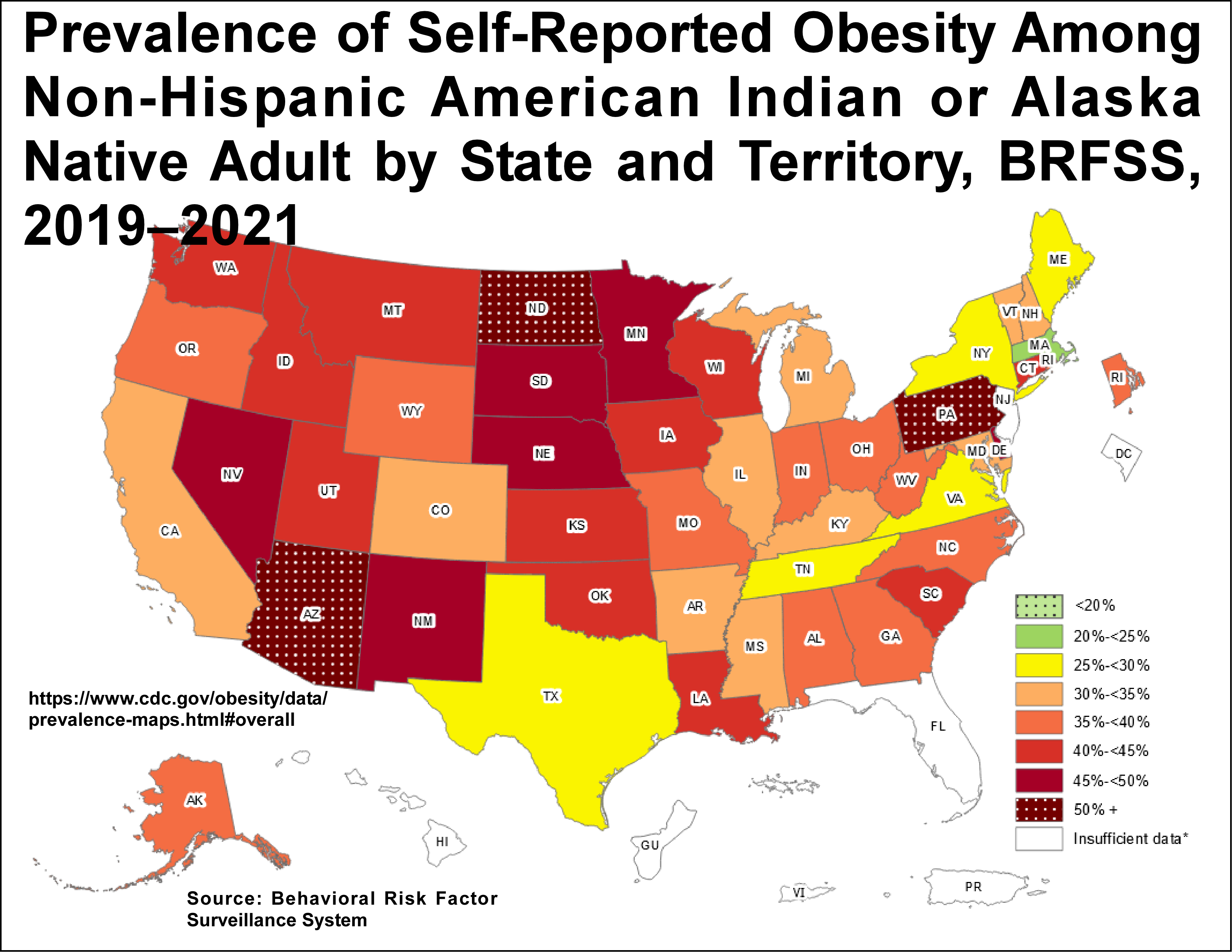
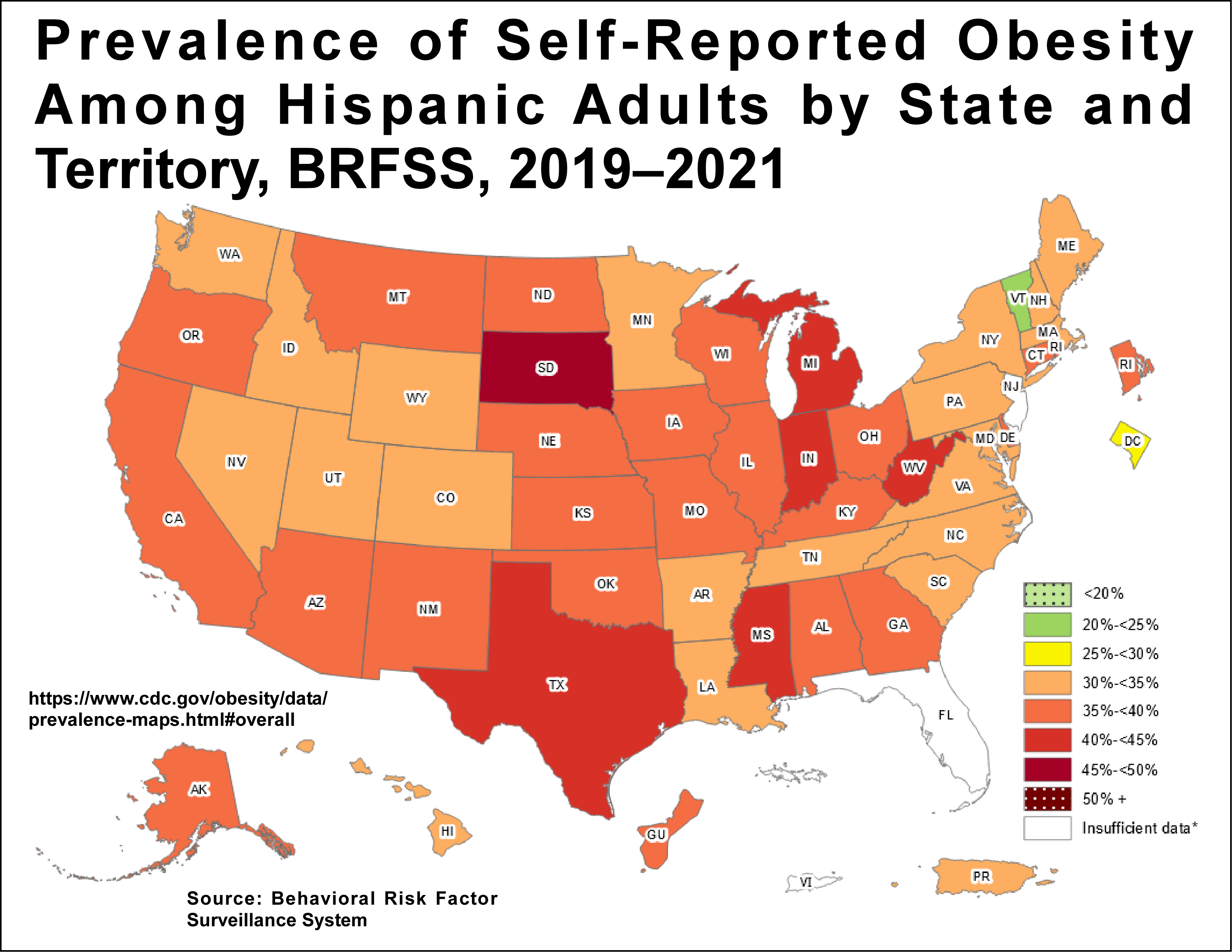
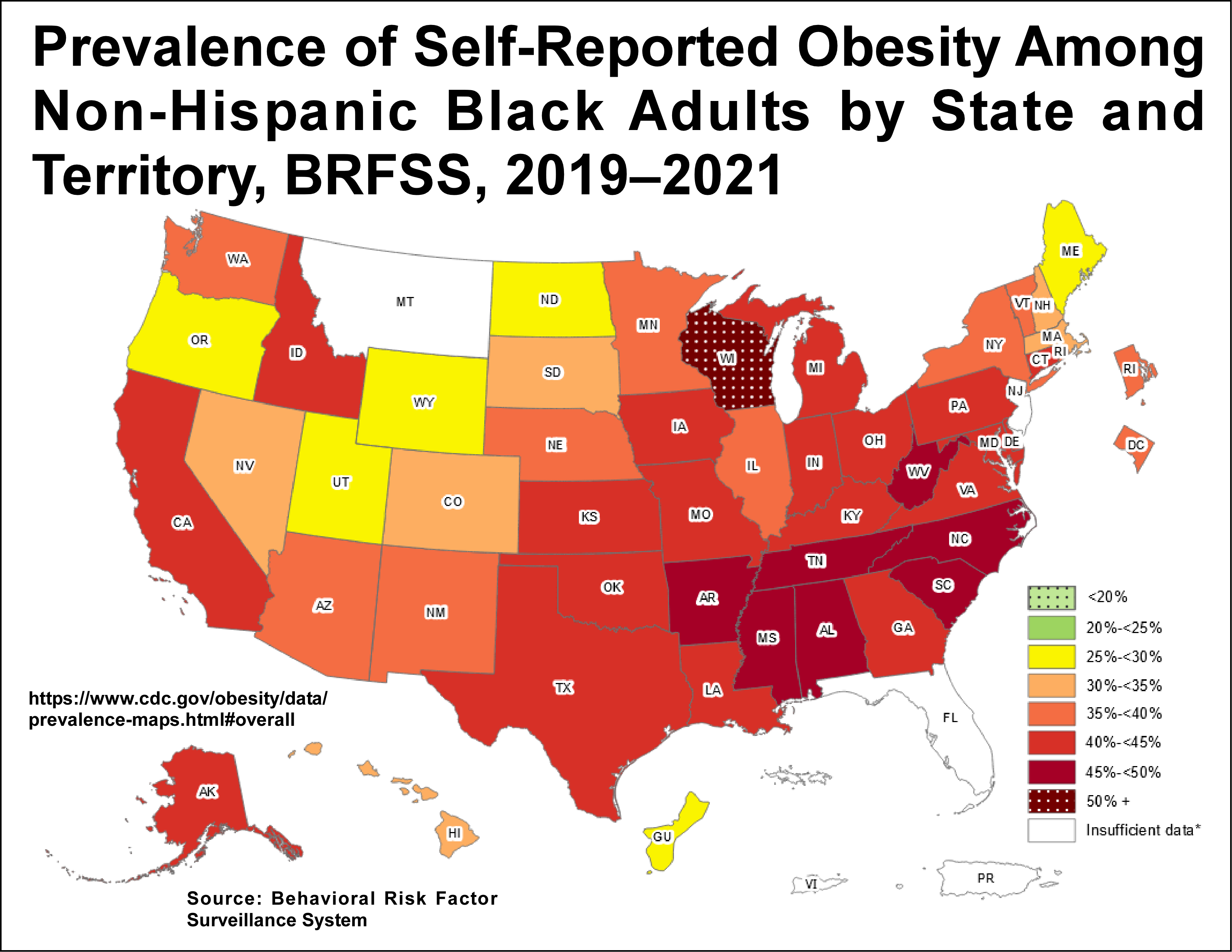
The CDC has stated “Hispanic, non-Hispanic Black, and Native American adults have a higher prevalence of obesity and are more likely to suffer worse outcomes from COVID-19. Racial and ethnic minority groups have historically not had broad opportunities for economic, physical, and emotional health, and these inequities have increased the risk of getting sick and dying from COVID-19 for some groups. Many of these same factors are contributing to the higher level of obesity in some racial and ethnic minority groups.”
The pursuit of a healthy lifestyle that can impact the trajectory of COVID-19 disease, has been one of the most important insights reaped from this catastrophe. Hopefully, this insight will not be squandered until the next public health crisis. Government and political leaders stress that everyone should take action to slow the spread of COVID-19, for the benefit of all. We seem to have major public health issues occurring every few years. Personal accountability for ones own health, is indeed a way to change our current “sickcare” system to more of a “selfcare” system where people don’t wait to become sick before adopting a healthy lifestyle.
Systemic change does not happen overnight. Long-term weight loss is a work in progress. Some immediate steps that individuals can do to help protect themselves as well as their families during a pandemic are:
Eat a healthy diet
Use supplements as necessary and not as a substitute
Become more active
Execute regular physical activity
Get adequate sleep
Learn how to cope better with stress
Get adequate sun exposure to promote vitamin D production and natural immunity
These actions can help most individuals with obesity by improving their overall health. These actions can help to lower blood pressure, lower blood cholesterol, and lower blood sugars. With a lower body mass index or BMI, the risk of severe illnesses contributing to contracting COVID-19, as well as many other common diseases and illness can be reduced.
Mal, P., Mukherjee, T., Upadhyay, A. K., Mohanty, S., & Pattnaik, A. K. (2022). Connecting the dots between inflammatory cascades of obesity and COVID-19 in light of mortal consequences-a review. Environmental science and pollution research international, 29(38), 57040–57053. https://doi.org/10.1007/s11356-022-21461-x
Mohammad, S., Aziz, R., Al Mahri, S. et al. Obesity and COVID-19: what makes obese host so vulnerable?. Immun Ageing18, 1 (2021). https://doi.org/10.1186/s12979-020-00212-x
_______________
Be more active, eat healthier, sleep better, stress less these are the key components to maintaining a strong immune system.
I am currently offering lectures and classes for group, small group & private instruction in Wekiva, Longwood and Winter Park.Mind and Body Exercises on Google: https://posts.gle/aD47Qo
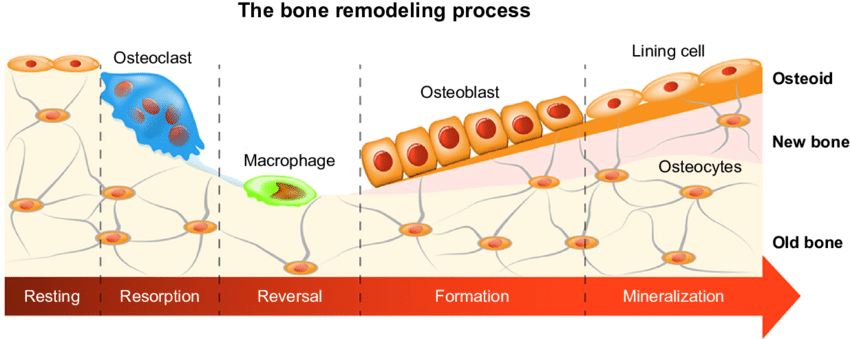
Last years of 2020 & 2021 were pretty rough year for most of the world population regarding health and wellness. While some people fared ok, many took many steps backward in being healthy and well. The exact measures many people have been taking to stay safe, have actually been contributing to them becoming less healthy. Staying inside dramatically affected positive social interactions, options to exercise and staying active, fresh air intake as well as less sunlight on the skin to help synthesize vitamin D. Vitamin D is a key component to maintaining innate (natural immunity) and bone health. This issue alone, will contribute to an increase in osteoporosis.
Osteoporosis or low bone mass, is a disease that causes bones to become thin, brittle and weak, making bones more likely to break, most often from a minor fall. The most common bones that are affected are the spine, wrist or hip. Osteoporosis is often called a “silent disease.” You can’t feel or see your bones getting thinner. Many people do not even know that they have thin bones until a bone breaks. Most people with this issue don’t die from osteoporosis, but rather from complications that follow from falling or breaking brittle bones while out and about.
Osteoporosis is a major public health issue with an estimated 44 million Americans, or for more than half of those 50 or older. In the United States, almost 1 out of 2 Caucasian or Asian women over 50 will experience a broken bone due to osteoporosis. 24 percent of hip fracture patients age 50 and over die in the year following the fracture. Six months after a hip fracture, only 15 percent of patients can walk across a room unaided.
Things you can do to prevent loss of bone mass:
A bone mineral density (BMD) test can diagnose osteoporosis.
Eat a variety of healthy (nutrient-rich) foods every day.
Get the calcium you need.
Get the recommended amount of vitamin D.
Get some sunlight on your body everyday (helps the body synthesize vitamin D)
Don’t smoke
Limit alcohol.
Take action to prevent falls
Exercise regularly with appropriate methods for your personal situation, limits and expectations
Being physically active can help prevent bone loss leading to osteoporosis. Your bones get stronger and denser when you make them work. Walking, climbing stairs, and dancing are impact (or weight-bearing) exercises that strengthen your bones by moving your body against gravity when you are upright. Resistance exercises, such as lifting weights or using exercise bands, strengthen your bones as well as your muscles.
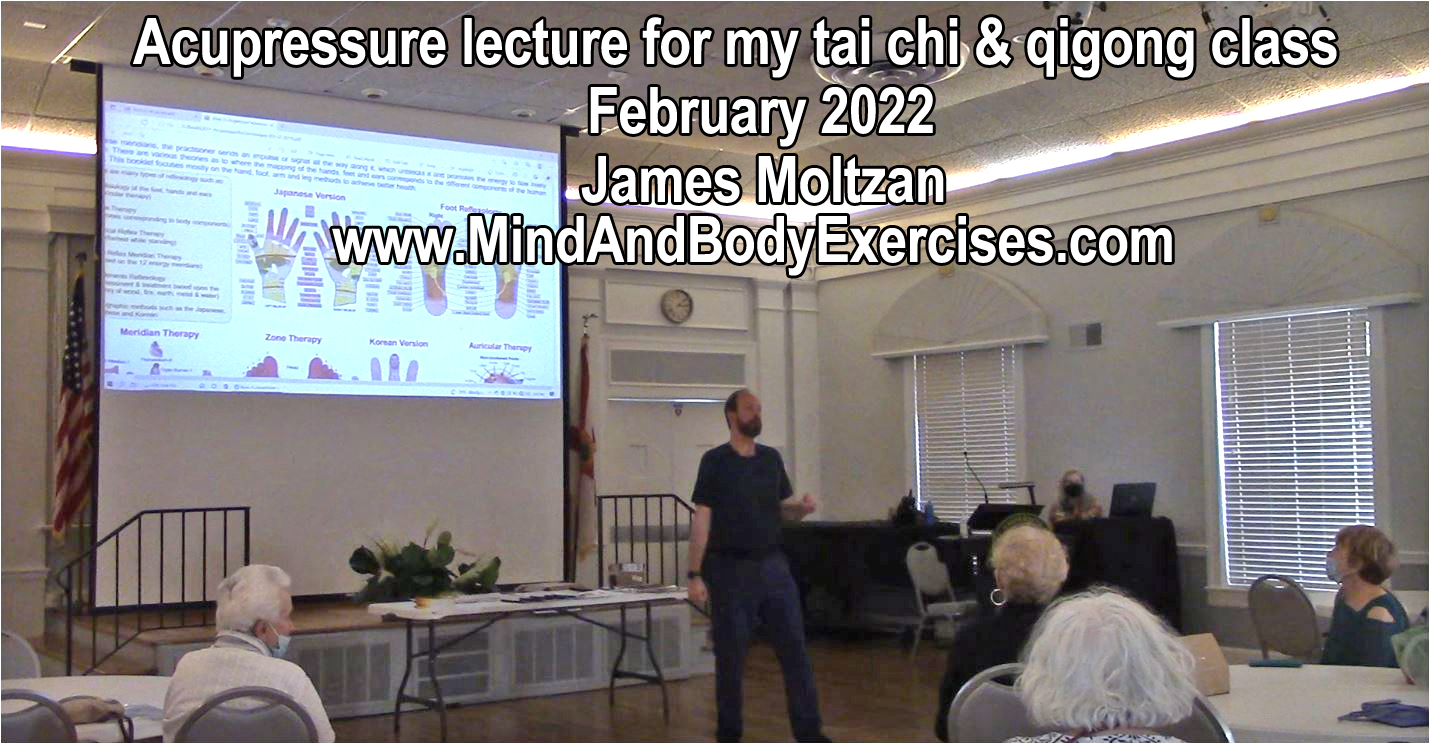
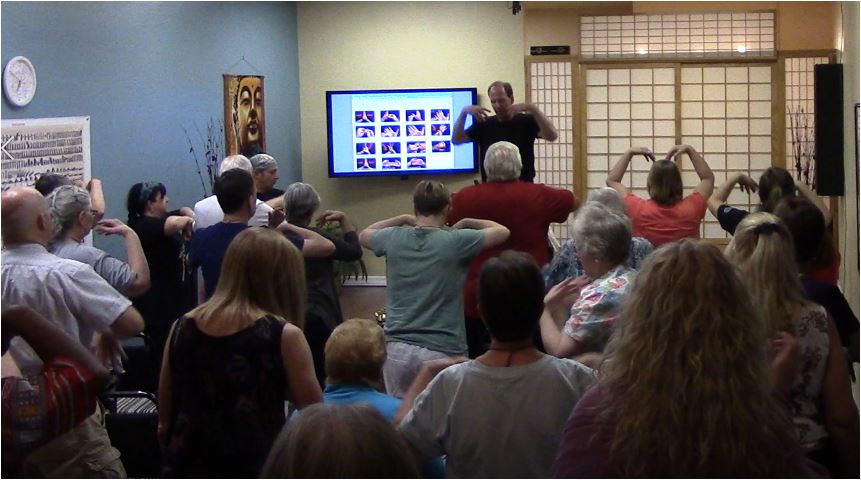
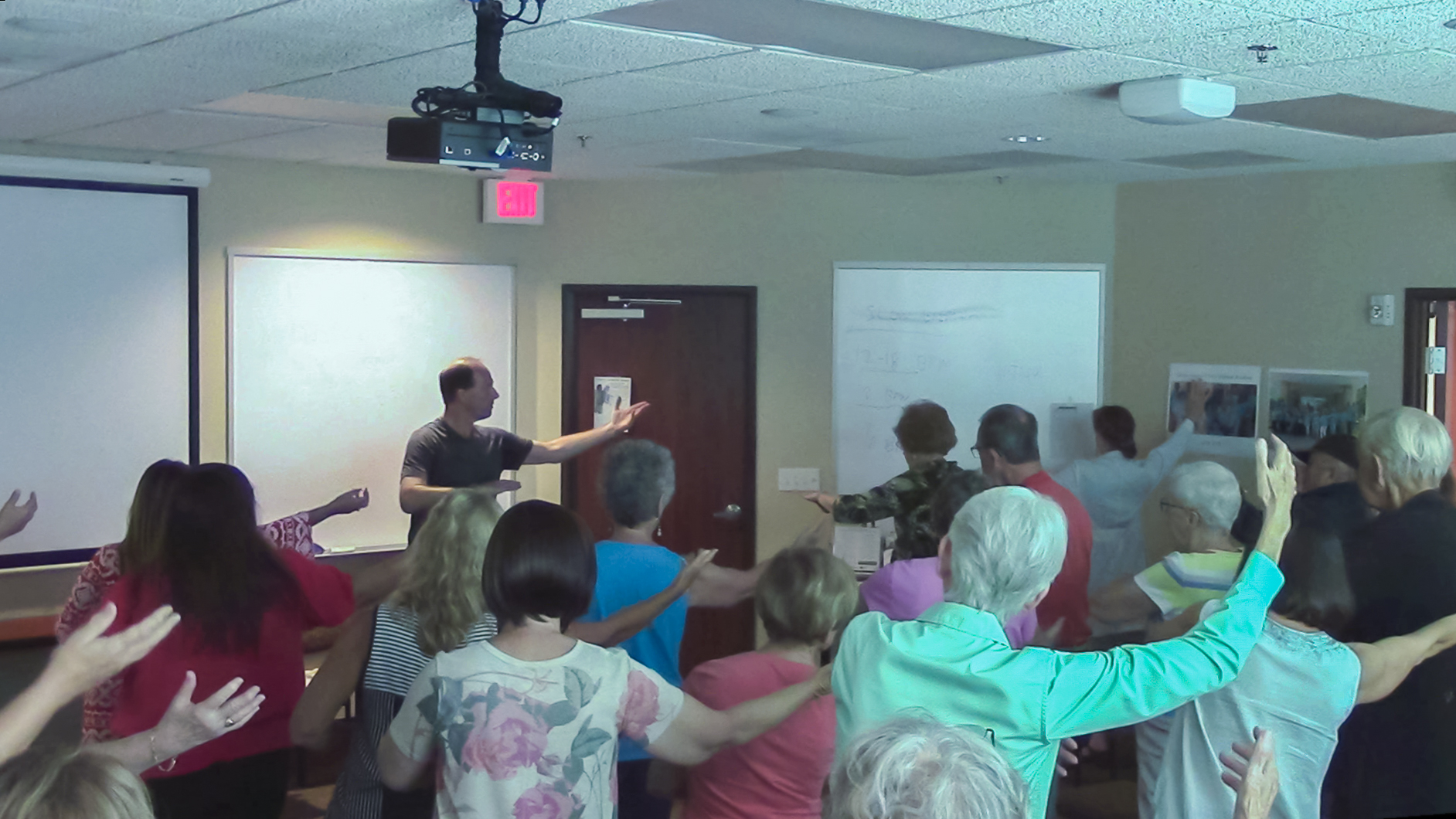
Tai Chi and qigong like in this video are perfect examples of physical activity that improves posture and balance to help decrease your risk for falls and fractures. Tai chi can also strengthen the bones themselves by reacting to the tension that exercise puts on the muscles and consequently the bones. If the bones are not engaged in everyday use, osteoporosis can find its way into the body. Exercise can be easy; try 10 minutes at a time, adding up the minutes to reach your goal.
I offer instruction in qigong, Taoist yoga, tai chi, martial arts, ship pal gye, hapkido, fitness, wellness and many other avenues to improve health and well-being.
I am currently accepting new clients for group, small group & private instruction.
Managing High Blood Pressure Using Qigong Practices
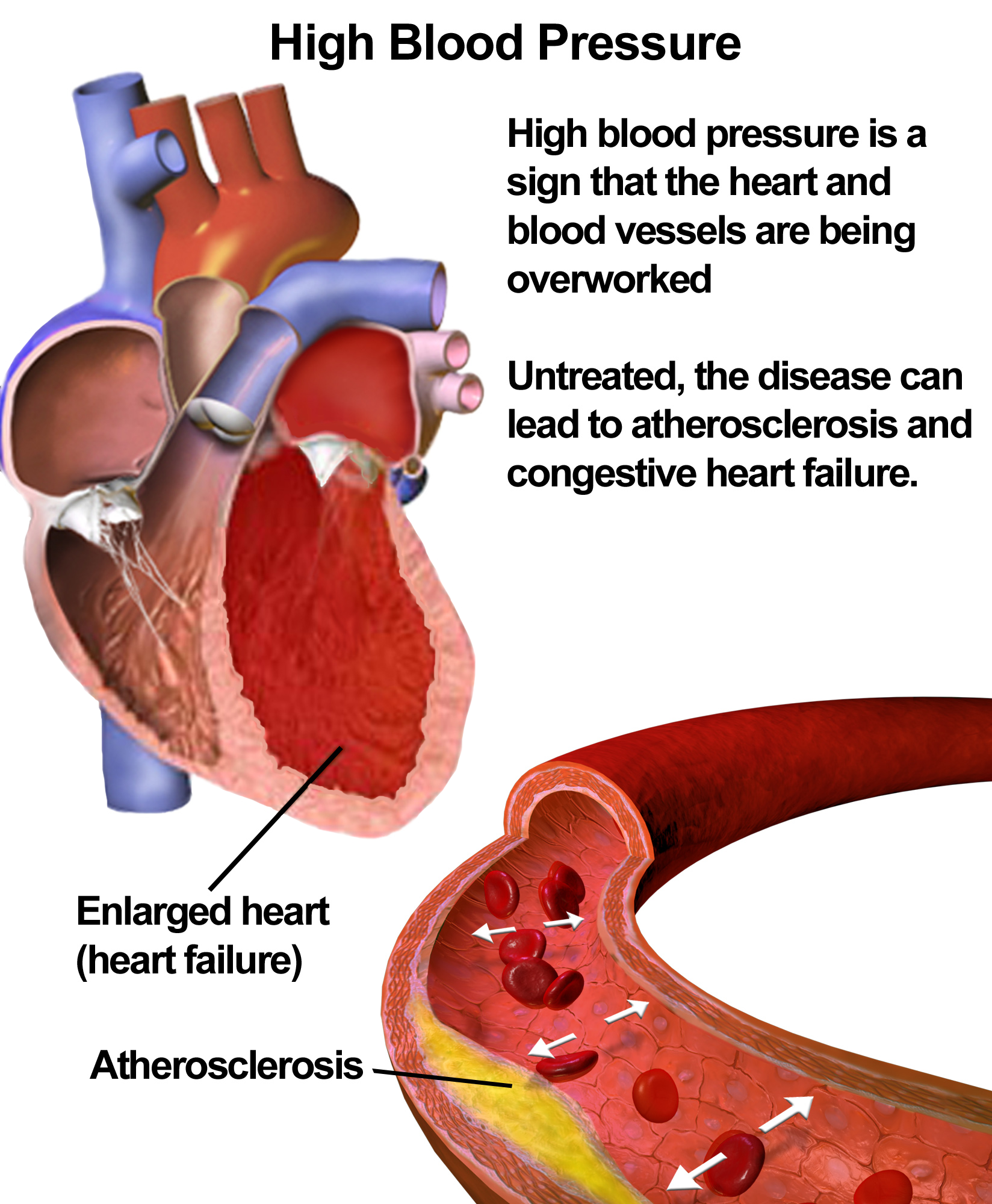
High blood pressure or hypertension (HTN) is a major public health issue affecting almost a billion people worldwide. HTN is often called a “silent killer” because while it has no obvious symptoms, untreated HTN can often lead to strokes, heart attacks and other health issues. As of 2015, an estimated 75 million adults in the U.S. had HTN.
Management of hypertension is typically addressed through lifestyle changes, diet and antihypertensive medications. A diet high in vegetables, fruits, and low-fat dairy type foods can help lower blood pressure among people having hypertension, as well as those without. Also, a diet low in sodium can also help to lower blood pressure across age, gender, race, weight, and physical activity subgroups. Other methods for lowering high blood pressure can include weight reduction if overweight or obese, increasing physical activity, and moderate alcohol consumption.1
High blood pressure or hypertension is a disease in itself but also a major risk factor for other diseases. Normal blood pressure is typically 120 systolic (maximum pressure during one heartbeat) over 80 diastolic (minimum pressure between two heartbeats). Systolic blood pressure over 115 mmHg is usually considered as higher than normal. An average and sustained blood pressure of 140/90 would be defined as hypertension and considered to put an individual at risk of specific health issues. Medical studies have shown that an increase of hypertension is connected to an increasing rate of cardiovascular issues such as heart failure, atrial fibrillation, stroke, myocardial infarction, and premature mortality.
Blood pressure over 180/110 mmHg, if left untreated can overcome normal microvascular autoregulation. This can often lead to severe damage to the body’s blood circulation within the smallest blood vessels (microcirculation) resulting in a syndrome of accelerated or malignant hypertension and possibly cerebral hemorrhage where there is bleeding in or around the brain, which can be immediate threats to one’s life.2
information from the Mayo Clinic lists various factors that can put someone at a higher risk of experiencing hypertension and its relative ailments:
Age. As people grow older, the risk of high blood pressure increases. Up until around age 64, hypertension is more common with men. Women after age 65, are at higher risk of having high blood pressure.
Race. Those of African heritage often acquire high blood pressure earlier in life and more often than other ethnicities. Serious complications related to hypertension such as heart attack, kidney failure and stroke are more common in those of African heritage.
Family history. High blood pressure has a tendency to be hereditary.
Obesity and overweight. The more someone weighs, the more oxygen and nutrients are needed to be transported through the blood to tissues. Increased blood flow increases the pressure on the blood vessel walls throughout the body.
Lack of physical activity. People who are more sedentary often have higher heart rates making the heart having to work more with each contraction. Less physical activity also contributes to the risk of being overweight or obese.
Smoking and tobacco use. Smoking or chewing tobacco can immediately raise blood pressure temporarily, while the chemicals in tobacco may cause damage to the lining of the artery walls.
High salt (sodium) diet. High sodium in your diet may cause the body to retain fluid, which leads to an increase in blood pressure.
Low potassium diet. Potassium helps keep the balance of the amount of sodium in the cells of our body. If there is not enough potassium in our diet, sodium can build up in the blood.
Excess alcohol consumption. Excessive drinking can cause damage to the heart. More than one drink per day for women and more than two drinks per day for men can affect blood pressure.
Stress. Stress left unchecked can cause a temporary increase in blood pressure. Habits related to stress like binge eating, tobacco use and excess alcohol can lead to further increases of blood pressure.
Chronic conditions. Certain chronic conditions can also increase risk of high blood pressure. These would include diabetes, kidney disease and sleep apnea.3
In recent years, news and media outlets have brought some attention to complementary alternative medicine (CAM) as options to use with or without pharmaceutical approaches to manage high blood pressure. Among these methods would be meditation, tai chi, qigong and its root origin of yoga. A research study conducted in 2015 titled Qigong for Hypertension: A Systematic Review, investigated the use of qigong practices for hypertension. It was widely distributed through various internet outlets such as PubMed, NCBI, Medicine, ResearchGate, Harvard Library and others.
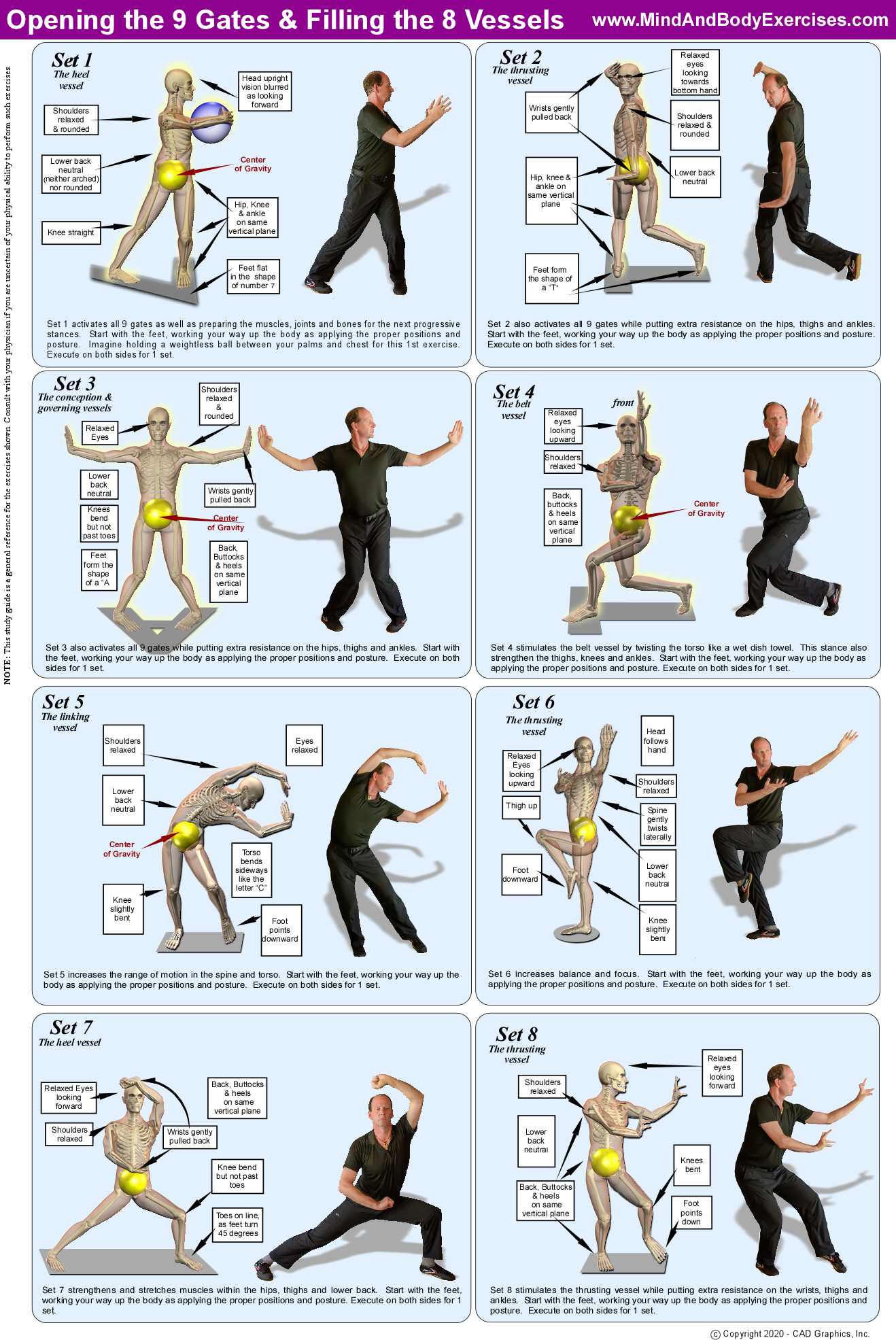
Qigong has its root origin in yoga. Tai chi and daoyin are types of qigong (or basically yoga) where the body is trained to perform “yoga in motion” where exercises are linked together to form sets of movements. While all of these methods have quite different names, they all share the same Eastern Indian origins and similar philosophy. All of these types of exercise use mindful breathing with deliberate body positioning. The mind is focused inward on one’s thoughts, breathing and posture. All have elements for mind, body & spiritual (or higher consciousness) development. These practices have been practiced for thousands of years (origins between 5000-1500 BC), and Tai Chi originated in the 12th century. The following is a basic translation of these methods:
Qi, chi or gi = air, energy, or breath
Gong or kung = work or effort
Qigong = energy or breath work
Daoyin = guide the qi, stretch the body (sometimes referred to as Taoist yoga)
Tai chi, taiji, tai chi chuan = supreme ultimate fist
Yoga = to join or unite
The systematic review of this study was conducted in coherence with the Preferred Reporting Items for Systematic Reviews and Meta-Analyses guidelines. Only RCTs investigating the effects of qigong on high blood pressure (hypertension) were included. The results from this meta-analysis study suggests that qigong is an effective therapy for hypertension.
At the time of this study in 2015, China had roughly 5% of its 1.3 billion population practicing qigong on a regular basis. They believe qigong to improve health, prevent illness, and extend life by addressing a wide range of ailments and conditions. These ailments would include hypertension, chronic pain, fatigue, stress, movement disorders, cancer, depression, anxiety, heart failure, coronary heart disease, cardiac rehabilitation, diabetes, metabolic syndrome, chronic obstructive pulmonary disease, immune function and to enhance the overall quality of life (QOL). Qigong here is widely practiced by middle-aged and elderly people, many who cannot engage in moderate-to-vigorous–intensity aerobic exercise. This makes qigong more appropriate for elderly patients, being a gentle alternative to intense physical activities. Static (non-moving) qigong can be practiced which has even lower physical demands.
The results from this meta-analysis study suggests that qigong is an effective therapy for hypertension. Qigong is better than no intervention but with antihypertensive drugs. However, it was found that qigong was inferior to exercise in lowering high blood pressure. Additionally, qigong used as a supplemental therapy to antihypertensive drugs, can significantly lower hypertension. Qigong could be recommended as a complementary intervention for hypertensive patients.
If other well-designed RCTs were to offer a high quality of methodology confirming that qigong is beneficial, it could be used as a recommended evidence-based complementary or alternative therapy for the management of high blood pressure on a global scale.
Due to inferior systematic quality of some of the included studies, further RCTs with strictly designed methods need to be pursued along with long-term follow-up focusing on definitive clinical outcomes are required in order to confirm the results. From here, a higher level of evidence could support qigong as an alternative to regular conventional exercise for elderly patients. In contrast, negative outcomes can challenge the clinical evidence supporting qigong.
A methodical search for literature was executed from 7 databases, from their respective inceptions up until April of 2014. These databases included PubMed, the Chinese National Knowledge Infrastructure, the Chinese Scientific Journal Database, the Cochrane Library, EMBASE, the Chinese Biomedical Literature Database, and the Wanfang database. Randomized controlled trials were a mixture identifying interventions of qigong as either practice alone (monotherapy) or adjunctive therapy with antihypertensive (high blood pressure lowering) drugs versus no intervention, exercise, or antihypertensive drugs for hypertension.
The controls included wait-list control, jogging, conventional exercises, no exercise, oryzanol, or antihypertensive drugs. Participants in the treatment group were given the same type and dosage of antihypertensive drugs, and with the same standard that was used for the control group. All studies were parallel-designed and single-centered.
A total of 2349 patients with hypertension were evaluated. Participants were of any age, gender, and ethnic origin, being clinically diagnosed as hypertensive in any stage, with at least 1 of the current or past guidelines or definitions of hypertension. Of the trials, 18 were held in China and 2 trials were conducted in South Korea. From data presented in the study, participant ages ranged from as young as 21 and as old as 84. The average age appeared to be in the mid 50’s. The data compiled in this study spanned from as early as 1959 up until 2014. The duration of qigong treatments ranged from 8 weeks to 12 months.
All studies showed qigong as either monotherapy or supplemental therapy to hypertension drugs in the treatment group. Two of the trials had a 3-group study design with 1 trial including jogging, qigong, and antihypertensive drugs groups, while the other trial included qigong plus antihypertensive drugs groups. Practice sessions for that practicing qigong, were usually at least 15 minutes long and sometimes up to 60 minutes. 1-2 practice sessions per day were reported in the data.4
I find it quite commendable that there was data compiled from over such a long period of time for this study. Qigong is so embedded within Asian culture for thousands of years, where in the United States it is relatively new to our country. I have found as usual with many of these medical studies regarding ancient Eastern methods, the researchers are careful to say that more research and investigation is required. Regardless of the research, these methods have been used for thousands of years by other cultures that look beyond the scientific data and see a strong correlation between the mind, body and spiritual connection affecting health and well-being.
I feel that qigong is a great method to reduce hypertension, having worked with hundreds of individuals over my 40 years of teaching these methods. Any methods that encourage mindful regulation of one’s breathing patterns, can have a profound positive effect on their autonomic nervous system. Management of the “fight or flight” response of the sympathetic nervous system or “rest and digest” response of the parasympathetic nervous system, is directly connected to the body’s autoregulation of the cardiovascular system and consequently high blood pressure.
References
1 Langford, A. T., Solid, C. A., Gann, L. C., Rabinowitz, E. P., Williams, S. K., & Seixas, A. A. (2018). Beliefs about the causes of hypertension and associations with pro-health behaviors. Health Psychology, 37(12), 1092–1101. https://doi-org.northernvermont.idm.oclc.org/10.1037/hea0000687
I offer instruction, lectures and seminars on qigong, Taoist yoga, tai chi, martial arts, ship pal gye, hapkido, fitness, wellness and many other avenues to improve health and well-being.
I am currently accepting new clients for group, small group & private instruction.
Mantras when practiced with transcendental meditation are repeated in our inner dialogue, but can be practiced with or without background music or sounds. I have some information that a few musically inclined qigong friends and I wrote about in a book we co-authored a few years ago. Whether it is singing bowls, drumming, chanting, or other musical instruments and sounds, it is basically the same concepts.
Masaru Emoto, in his book The Hidden Messages in Water, showed that music has a direct effect on water. By playing a certain piece of music, and then looking at water molecules under a high-powered microscope, he saw that when soothing music was played, the water organized itself with symmetry and beautiful designs. When turbid music was played, such as heavy metal, the water looked putrid and disorganized. The human body is 60 to 80 percent water. Music, whether positive or negative, has a profound effect on us. It can focus us, or it can distract us, it can make us happy or sad, bringing out a wide range of emotions.
Children exposed to music develop better listening skills. They do better in subjects such as math, language, and reading. Music also helps the brain’s plasticity and capacity to change and grow.
Studies have shown that when people have listened to music labeled “happy”, their creativity went up, and when your favorite song comes on unexpectedly, you get a small boost of dopamine. Numerous studies have also shown music can help with anxiety, depression, insomnia, ADHD, PTSD, and schizophrenia.
Music is uniquely human. Animals, with the occasional exception of some birds, can’t process music or feel rhythm in the same way that humans can. Studies have shown that when an animal is dancing to music, they are imitating the owner and not moving to the beat. Historically, music has played an important role in every culture.
Nearly 40,000 years ago, early humans used carved bones with animal skins over tree stumps to make basic instruments. Bone flutes have also been discovered and dated back to 40,000 to 80,000 years ago. Even the early Torah was set to music so people could remember it before they would write it down. People have always used music to remember things.
I have learned also that for thousands of years, chanting as a form of music has been used as a vehicle to create a deeper spiritual connection. The sound of OM, is said to be the universal sound that contains all other sounds. A study revealed that chanting the word OM triggered the area of the brain that is associated with calmness and a sense of inner peace. The syllable OM was found to trigger that more than any other syllable.
Om Mani Padme Hum It has been said over the centuries that all of the teachings of the Buddha are contained in the simple mantra of Om Mani Padme Hum. This can be roughly translated as “The jewel of the lotus.” Below is a hidden 5 element meaning of the mantra, from the album “The 5 Elements of Om Mani Padme Hum”
Om: Wood element: rising, spring time, sprouting upwards. The color is green.
Ma: Fire element: rising and dispersing. Picture flames flickering and dancing. The color is red.
Ni: Earth element: centered and sweet. It does not rise or fall much, always returning to the center. The colors are yellow and gold.
Pad: Qi: sometimes referred to as the 6th energy. Similar to fire, this energy dances both upward and downward. The color is purple.
Me: Metal element: splitting and falling. The season is autumn, and there is grief in the metal element. The colors are white and silver.
Hum: Water element: flowing, building up and dispersing. The season is winter. The colors are blue and black.
Reference:
Leone M., Campbell J., Moltzan J., (2019), Journey Around the Sun
___________
I write often about topics that affect our health and well-being. Additionally, I teach and offer lecture about qigong, tai chi, baguazhang, and yoga. For more info, contact Jim Moltzan at info@mindandbodyexercises.com, 407-234-0119 or through my site at http://www.mindandbodyexercises.com