Choices – we almost always have choices. However, we usually don’t like the options.
– junk & fast food vs. healthy unprocessed foods
– elevators vs. stairs
– responsible alcohol consumption vs. drinking to become drunk
– smoking tobacco vs. never even starting
– drive vs. walk
– sit vs. stand
– lounge vs. exercise or activity
– smartphone vs. face-to-face interactions
– watching news or other disturbing info vs. turning it off
– becoming aggravated over things which we have no control vs. controlling what we actually can affect
We know these issues to be true, but many don’t have the will power (in the moment) or self-discipline (structured and consistent). Some people innately have self-discipline, while others need to learn and cultivate it. Control the body with the mind. Manage the mind by disciplining the body, through physical activity. Learn to be more active, eat healthier, sleep better, stress less – these are the key components to maintaining a strong mind, body, immune system, and outlook on life.
I am currently offering wellness lectures and classes for group, small group & private instruction in Wekiva, Longwood and Winter Park.
Our Breath is the Link to the Mind-Body Connection
Our mental, physical and spiritual health – all comes down to the quality of our breath. Most people see their breath as an involuntary physiological process that they have little or no control over. While it is the first thing our bodies do when we are born and the last action before our physical body dies, there is a whole life of breathing in between. Every emotion affects the breath, just as managing breaths can affect the emotions, yin and yang in all things. Every respiration affects the body chemistry with hormones that are regulated by the “fight or flight” (sympathetic nervous system) and “rest and digest” (parasympathetic nervous system) mechanisms. Spending too much time in one zone or the other affects the balance of the nervous system, which affects organ functions, affecting the quality of life. Life is all about the breath and quality of it.
“Breath-work” is the new buzzword for mindful management of the breathing mechanism. Actually, breath-work has been practiced for thousands of years in methods from Yoga as Pranayama and its branches of qigong, as practiced through Traditional Chinese Medicine, tai chi and other martial arts.
Yogis and Buddhist practitioners of pranayama have long understood that our breath is an especially appropriate object of focus for meditation. The usage of the breath over other possible options came about, presumably because respiration offers a readily available object to focus upon. Additionally, specific aspects of respiration can be observed as the breath adjusts in particular ways relative to emotions and attention (Wager & Cox, 2009). There are various types of Yogic breathing techniques of Pranayama, each offering differing benefits and goals. A few types would include long deep breathing, individual/alternating nostril breathing, and fast breathing.
With managed and regulated breathing practices (such as pranayama, qigong and others), there is evidence that these practices creates air oscillations which can increase nitric oxide (NO) through the rise in exchange of air between the nasal cavity and the paranasal sinuses. The paranasal sinuses can then produce larger amounts of nitric oxide which increase oxygen uptake. Nitric oxide aids in nonspecific host defense against infections stemming from bacteria, viruses, fungi, and parasites (Trivedi & Saboo, 2021). Nitric oxide was discovered in 1998 by Dr Robert F. Furchgott, Louis J. Ignarro and Ferid Murad for which they were awarded a Nobel prize. Nitric Oxide (NO) is a molecule that is produced in the nose naturally, as well as throughout the human body. NO has anti-inflammatory, antiviral, antibacterial effects. NO is a very strong vasodilator that causes blood vessels to dilate (widen) while also stimulating the certain hormones to be released, such as human growth hormone and insulin. Nitric oxide is also used as a pharmacological inhalant as well for various other ailments (India, 2020).
Our breath is the driving force of the spirit. People get caught up on the word “spirit” and often gravitate towards it being religious in its meaning. I understand (and teach) spirit as being ones self-awareness and further, the awareness that we are not our thoughts but rather the observer to our thoughts. Monitoring and observing our breath allows the individual into the window of their thoughts. Often people will say that they are mad, sad, happy or other emotional states. Really, they are none of these things but rather experiencing anger, sadness, happiness, etc. An example would be when we see something disturbing come about and we can take a few slow deep breaths and then consciously engage our thoughts to think, “NO I’m not going to engage in negative thoughts.” Maybe we change up the environment or conversation thereby making it upbeat and positive. We can consciously change are thought patterns.
The breathwork can be addressed on the physiology level too, to get the conversation away from the religious or metaphysical aspects of being spiritual. In this narrative we can understand that the monitoring and regulating of the breath affects the thoughts which can affect our emotions, which affects the autonomic nervous system and thereby adjusts the blood chemistry and internal organs and their functions, which circles back to affecting our moods and thoughts once again. So really spirit (or self-awareness) can come down to chemistry and how we can use it as a tool to reach our goals, whether of physical, mental or spiritually based.
References:
Wager, K., & Cox, S. (2009). Auricular Acupuncture and Addiction. Elsevier Gezondheidszorg.
Trivedi, G. Y., & Saboo, B. (2021). Bhramari Pranayama – A simple lifestyle intervention to reduce heart rate, enhance the lung function and immunity. Journal of Ayurveda and Integrative Medicine, 12(3), 562–564. https://doi-org.northernvermont.idm.oclc.org/10.1016/j.jaim.2021.07.004
Chiropractic and Naturopathic Medicine – a basic summary
In 1895 Daniel David Palmer founded chiropractic healthcare based primarily on the importance of the physical structure of the human body and its effects on the vascular system. Also, chiropractic was to have emphasis on the manipulation of the spine due to subluxations or misalignments of the vertebrae (Micozzi, 2018). Chiropractors believe that the nervous system’s signals are transmitted through autonomic pathways to the muscles and internal organs. These signals can cause pain throughout the body and consequently should be able to reduce pain by way of spinal manipulation. Chiropractic draws upon other cultures’ ancient “bonesetting” techniques.The allopathic profession was also becoming stronger in the early 1900’s in establishing a monopoly on medical training and licensure. Allopathic practitioners and the American Medical Association began to forcefully oppose the new chiropractic professions well into the 2nd half of the 20th century (Micozzi, 2018). Chiropractic practitioners’ focus has been mostly to treat neuromusculoskeletal issues, including but not limited to pain in the back, neck, and in the joints of the arms or legs. The main philosophies of using drug free methods of manipulation as a means to promote whole body healing has not changed for chiropractors.
The naturopathy healthcare modality formed in the United States around the early 1900’s, with emphasis on disease prevention and treatment by way of pursuing a healthy lifestyle with the body’s own innate healing abilities. Naturopathic medicine seeks to diagnosis and treat the root cause of the patient as a whole being, rather than treating the pieces and parts of the person (Millstone, 2019).
Naturopathic doctors may use a variety of therapy methods such as:
Management of diet through nutritional supplements and medicinal herbs
Acupuncture
Physical therapies (heat or cold therapy, ultrasonography, and massage)
Hydrotherapy (warm-water or cold-water applications)
Mind-body therapies
Exercise therapy (Millstone, 2019)
Naturopathy also follows a Natural Order of Appropriate Therapeutic Intervention, where:
1. Reestablish the basis for health:
Remove obstacles to healing.
Establish a healthy environment.
Address inborn susceptibility.
2. Stimulate the healing power of nature.
3. Tonify and nourish weakened systems.
4. Correct deficiencies in structural integrity.
5. Prescribe specific substances and modalities for specific conditions and biochemical pathways (e.g., botanicals, nutrients, acupuncture, homeopathy, hydrotherapy, counseling).
6. Prescribe pharmaceutical substances.
7. Use radiation, chemotherapy, and surgery (Micozzi, 2018).
Be well!
References:
Micozzi, M. S. (2018). Fundamentals of complementary and alternative medicine (6th ed.). Philadelphia: Saunders.
The American people have lost their trust (based on what can be seen from actions) in our leaders and experts. Many have lost their faith (beliefs that can not be physically seen) in people having a moral compass.
Dictionary.com defines ‘trust’ as:
Reliance on the integrity, strength, ability, surety, etc., of a person or thing; confidence
Confident expectation of something; hope
Confidence in the certainty of future payment for property or goods received; credit: to sell merchandise on trust
A person on whom or thing on which one relies: God is my trust
The condition of one to whom something has been entrusted
Dictionary.com defines ‘faith’ as:
Confidence or trust in a person or thing
Belief that is not based on proof
Belief in God or in the doctrines or teachings of religion
A system of religious belief
I often see the daily news, on TV or in print and other specials on the current health crisis, but very few report why people view things a particular way. For example, why are there a significant number of health care and law enforcement workers refusing to be vaccinated and consequently resigning, retiring early or risk being fired? Reports may say that they have lost trust in government or the medical community, but why is this so? Why are licensed and long-experienced doctors opposing vaccine mandates, risking their livelihoods and reputations? One answer is long-term effects cannot be determined in the short-term.
If people are to move in a particular direction that affects the health and well-being of themselves and their loved ones, professionals and leaders need to stop doing things that make some people question these actions. If there is no medical data available yet to support long-term effects of the Covid19 virus nor the relative vaccines, let the public know this and not assume the attitude that people will believe experts if no accurate data is available. I think people would prefer to know the truth even if not good or definitive, rather than feel like the goal post keeps being moved back.
Professionals that have an audience, can start by just putting themselves out there with some transparency, honesty, humility, and empathy regarding these topics at hand. If a physician (Scott Gotlieb) is interviewed as an expert on a particular topic (appearing almost weekly on CBS’s Face the Nation), have them tell their story of being a director for the FDA and now being a board member for Pfizer, instead of people Googling this fact, seeing it maybe as a conflict of interest and then formulating their own conspiracy theory from it. Per the Pfizer investors’ site, Pfizer reported 2021 second quarter revenues of $19.0 billion, and an operational growth of 86%. For those who think that the vaccines were made free to the public, don’t quite understand that Pfizer billed the US government, who then taxes the citizens, who actually paid the $19.0 billion through taxes and loss of other potential investment or purchases.
It is worth noting that Pfizer is a sponsor for the following news media:
Good Morning America
CBS Health Watch
Anderson Cooper 360
ABC News Nightline
Making A Difference
CNN Tonight
Early Start
Erin Burnett Out Front
ABC’s This Week With George Stephanopoulos
Good Morning America’s Weather Report
Today’s Countdown to the Royal Wedding
CBS Sports Update
Meet The Press
CBS This Morning
60 Minutes
Pfizer can be seen as possibly influencing the objectivity of these news outlets, as journalists and reporters might not be as likely to be critical of Pfizer when such powerful companies are spending millions of dollars on advertising during these news shows.
Similarly, if the FDA is going to report that they took 108 days to review documents for licensing of the Pfizer covid19 vaccine and will honor a Freedom of Information Act (FOIA) request, don’t take 55 years to fully release the information to the group of scientists that made the request. Stop creating the perfect storm of events that will undoubtedly lead to more conspiracy theories and consequently, more of a lack of trust and faith in leaders and experts having a moral compass.
I think the best way that political leaders as well as medical experts can help, is by performing any actions that can help rebuild the trust towards the medical community. Interviews, documentaries, news articles, mailing, or whatever mode of information distribution is embraced, do so with transparency, honesty, humility, and empathy.
Our next healthcare crisis is not that far in the future. I would hope that some have a moral compass that would point towards encouraging people to become healthy and maintain their own well-being before another crisis occurs.
Ayurveda and Traditional Chinese Medicine (TCM) are probably the two oldest systems of healthcare practiced throughout the world. Ayurveda has its origins in the Hindu religion within India from 5000 years ago. Traditional Chinese Medicine also has origins from thousands of years ago (475–221 BC) but in China. Both systems have been practiced widely throughout the world, with seemingly very little interest in the US when compared to Western allopathic or biomedicine practices. However, TCM has seemed to have gained more popularity in recent years in the US, maybe starting when President Nixon visited China back 1972.
Ayurveda and TCM philosophies believe that all things alive or not, are interconnected and have relationships on various levels with one another. When these relationships become out of balance disease can occur.
Ayurveda is based upon the 5 fundamental elements of space, air, fire, water and earth. Both of these systems use this understanding of the elements as a way to diagnose and treat disease and illness. Ayurveda uses the physical and well-being constitutions of vata, piita and kapha. Similarly, TCM has 5 constitutions of wood, fire, earth, metal and water. The human life force or breath is expressed as prana in Ayurveda and as qi in TCM. Both prana or qi flow within the body, are a key component in maintaining balance of the elements and an individual’s health in regard to their mind, body and spirit.
Both systems have components that include herbs, massage, and exercise in order to balance harmony of the mind, body and spirit.
I have and will continue to use TCM treatments and methods to help treat ailments as well as maintain better health and wellness. Less invasive methods as well as more natural ingredients are my main reasons for pursuing TCM methods. I am not opposed to Ayurveda if I had a condition that could be better treated through those methods.
Having a strong background in Korean and Chinese martial arts, which are deeply connected with TCM, I have been exposed to an education that has deep roots in thousands of years in Asian culture, science and practical practice. While some people may look at TCM as an alternative or new age approach to maintaining health, I see a time-proven system that has been practiced by probably millions of people over a very long period of time. When studied and researched thoroughly, I find the methods from TCM of acupuncture, cupping, tuina, qigong, auriculotherapy, herbology and others to make logical sense as to why these options are so beneficial. When looked at from a physiological perspective, I have found the following:
Acupuncture & Auriculotherapy – stimulates the healing response through regulation of the nervous system.
Qigong – regulates the autonomic nervous system through deliberate deep breathing patterns, as well as some styles offering flexibility, strengthening and vestibular balance exercises.
Herbology – helps to manage systemic organ function through naturally occur plants without use of pharmaceuticals.
Be well!
References:
“What is Ayurvedic Medicine?” National Center for Complementary and Alternative Medicine (2007). 30 August 2021.
Diamond, M.D., J. W. (2001). The Clinical Practice of Complementary, Alternative, and Western Medicine [E-book]. CRC Press.
____________
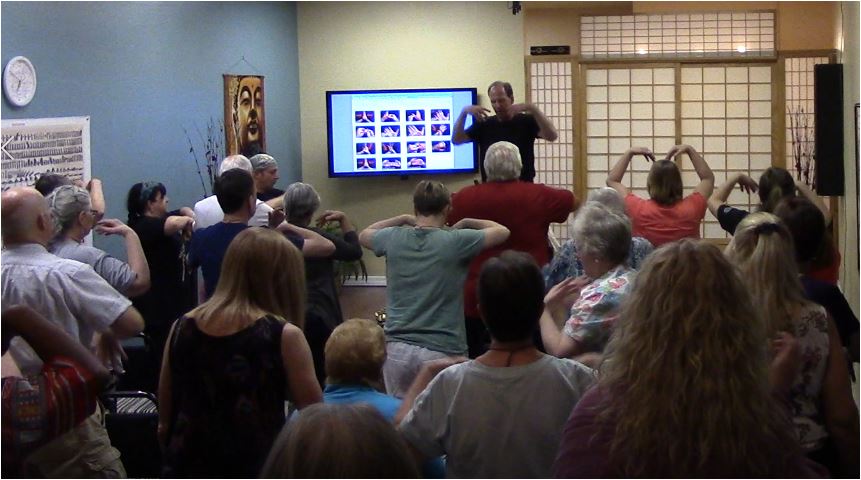
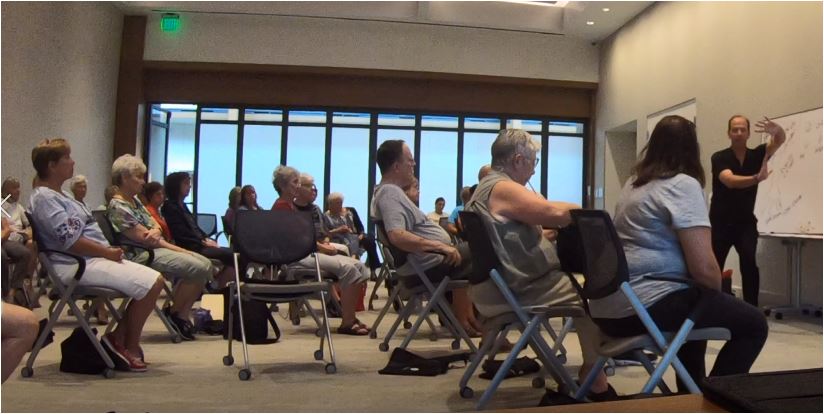
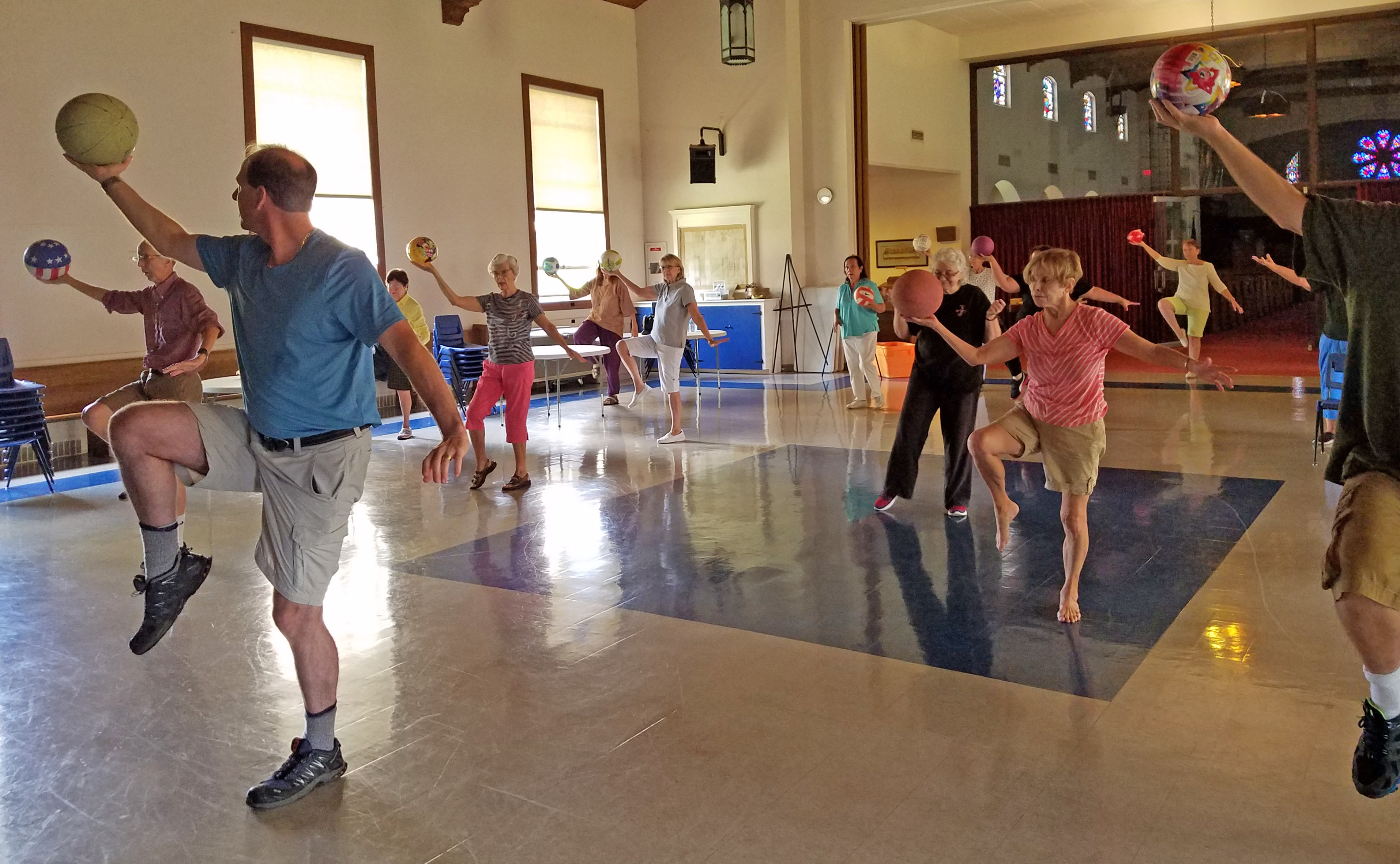
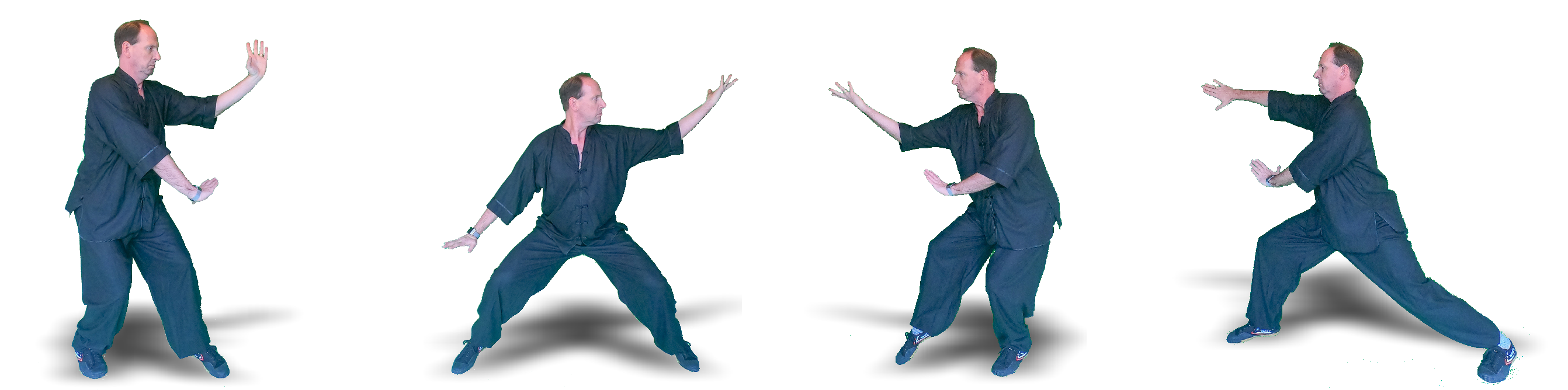
I write often about topics that affect our health and well-being. Additionally, I teach and offer lecture about qigong, tai chi, baguazhang, and yoga.







 United Martial Arts Association