
Why Exercise Your Whole Body?
“I run everyday, but my knees and back always ache.”
“Stretching is great for my hamstrings and back, but I get winded walking up 2 flights of stairs”
“My muscles look strong and athletic but I can’t touch my toes and my stomach is always bloated or uncomfortable”
“I workout at the gym everyday but still trip walking up or down stairs”
“Staying active is so important to me, but I don’t have time to learn about how my body works”
People walk, run, swim, stretch and many other methods to stay healthy. In the US Only 23.2% of U.S. adults 18 to 64 met the 2018 CDC guidelines for both aerobic and muscle-strengthening exercise. Most people that do exercise, do so with the intention that by increasing their heart rate, strengthening the main muscles groups and breaking a sweat, that they will maintain a greater level of overall fitness and/or wellness. These actions don’t always provide whole body wellness.
Does anybody really exercise with specific goals of maintaining joint strength, bone density, spinal flexibility, range of motion, balance, control, eye-hand coordination, lung capacity, stress relief or health of all of the internal organs? Maybe.
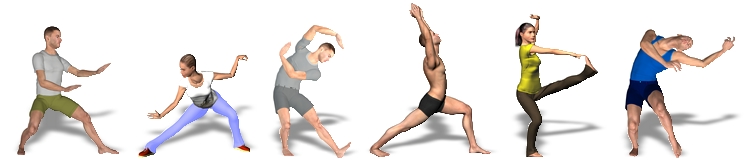
Those that are knowledgeable in their practices of yoga, qigong, Pilates, Tai Chi and other martial arts, often exercise specifically to engage the whole body and mind with every exercise. They don’t wait to have arthritis in their body to strengthen the joints. Or begin to stumble and lose balance to realize that vestibular balance diminishes as we age with muscles weakening and stiffening. These practices inherently provide benefits that most conventional exercises (walking, running, swimming, weight lifting, cycling, etc.) offer at limited amounts or are somewhat geared towards younger or more fit individuals.
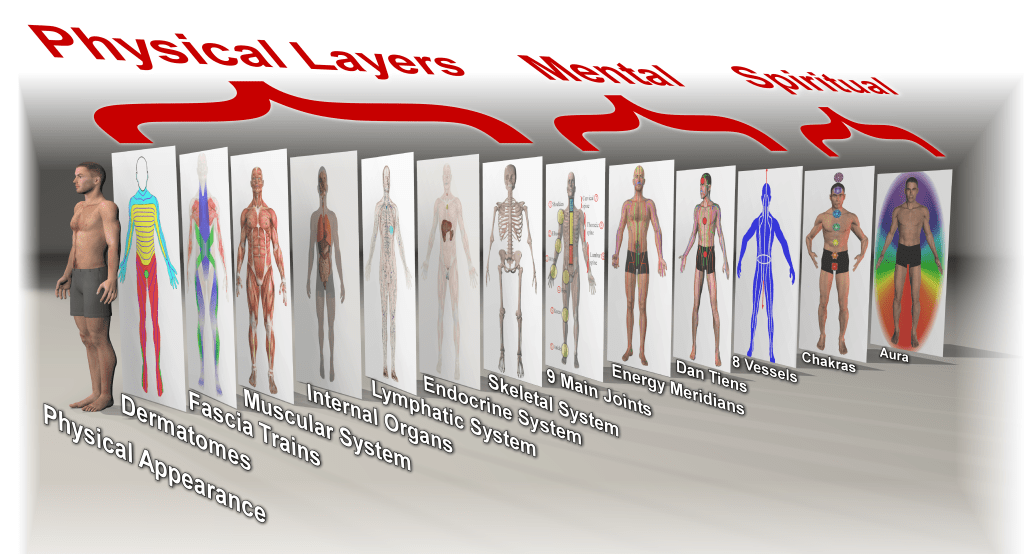
For example, will running strengthen the joints, provide flexibility in the spine or improve digestion? Does weight training help prevent arthritis in the toes and fingers or strengthen the immune and lymphatic systems? Does swimming increase bone density or balance? Each method has its own set of pros and cons.
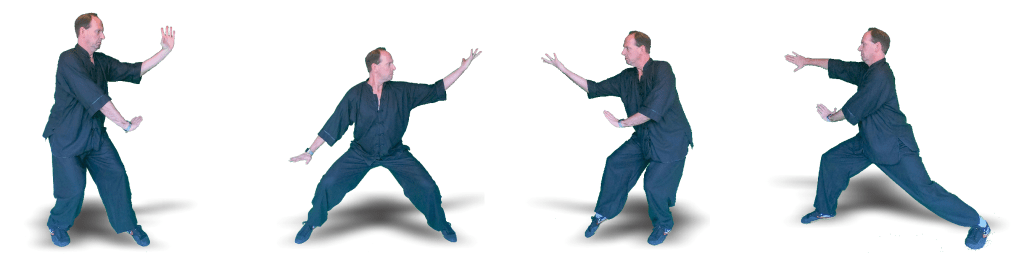
So if want to increase your lung capacity, practice exercises that can offer deliberate and deeper breathing. If you have a stiff or injured lower back, practice methods that stretch and strengthen the muscles, tendons and ligaments relative to the spine. If your bones are weak, weight bearing exercises are needed. Yoga, qigong and tai chi provide all of the the prior benefits and many more, all within their respective curriculums.
Learn how this all works from private, small or group instruction.
Be well!
Jim Moltzan 407-234-0119
https://www.facebook.comMindAndBodyExercises
https://www.youtube.com/c/MindandBodyExercises
 United Martial Arts Association