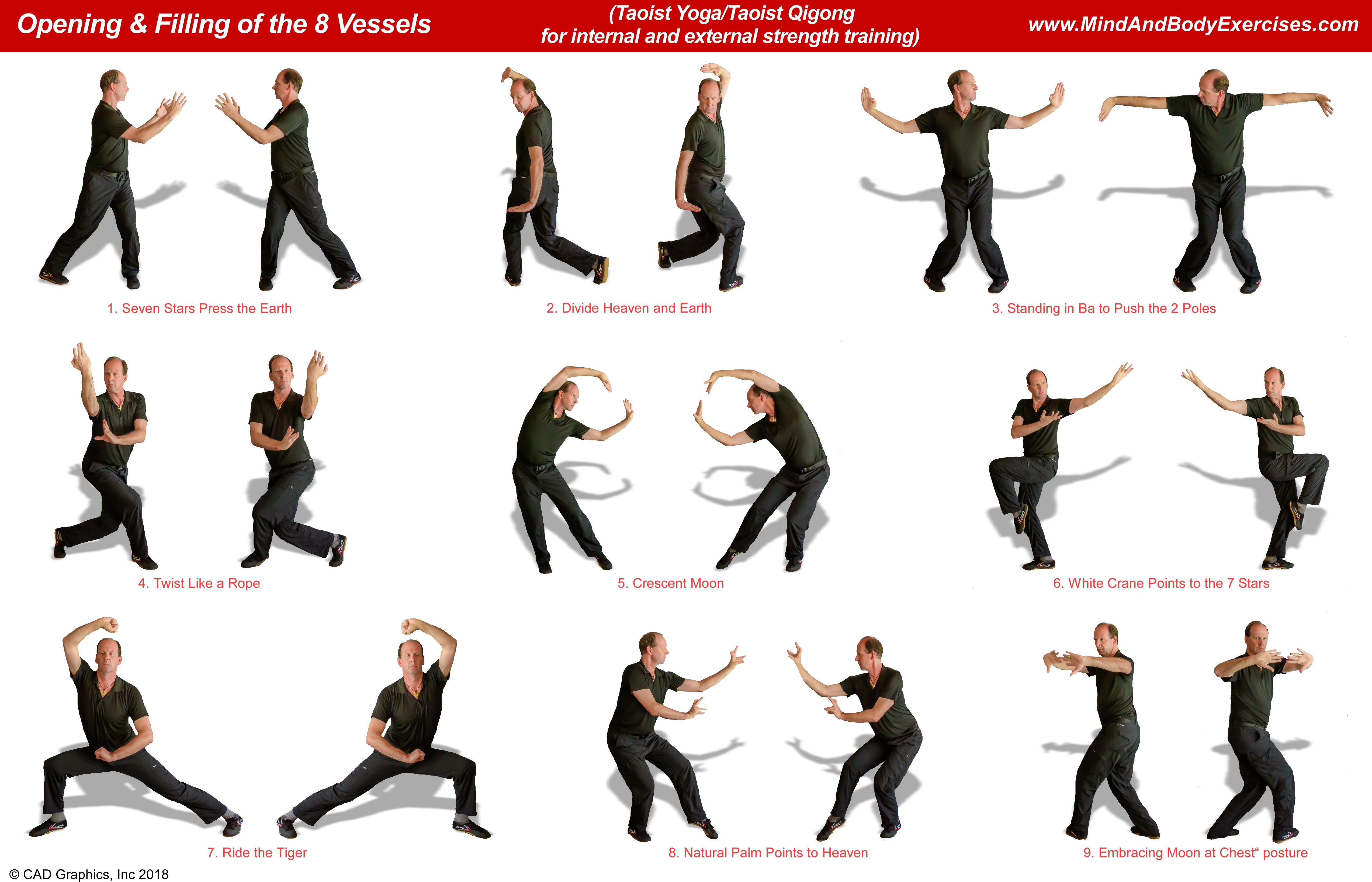
Looking Back at “Tai Chi Chung”

The term Tai Chi Chung can be confusing, especially for practitioners who encountered it within Korean martial arts organizations. At first glance, it appears related to Tai Chi Chuan, the older Wade-Giles spelling of Taijiquan, the traditional Chinese martial art often translated as “Supreme Ultimate Fist.” However, a closer look suggests that Tai Chi Chung, at least as I encountered it, was not traditional Chinese Taijiquan. Rather, it appears to have been a Korean martial arts form that borrowed certain slow, flowing, meditative, and balance-oriented qualities commonly associated with Tai Chi, while lacking many of the deeper structural and historical features of authentic Taijiquan.

The etymology matters. In Chinese, Taiji refers to the Supreme Ultimate, the dynamic polarity expressed through yin and yang. Quan or Chuan means fist, boxing, or martial art. Thus, Taijiquan means “Supreme Ultimate Fist,” a martial system rooted in Chinese cosmology, internal mechanics, and combat principles. The term Tai Chi Chuan is simply an older Romanization of the same name. By contrast, Tai Chi Chung does not appear to be a recognized name for one of the traditional Chinese Taijiquan family systems, such as Chen, Yang, Wu, Wu/Hao, or Sun style.

Watch the video here: https://youtu.be/stBZ8aiQy3E?si=R-gsaEIIETjr7tAq

In the Korean martial arts context, the related term Chung Moo Soo Hyung deserves its own explanation. Hyung means form or pattern. Soo often means hand or empty-hand method. Moo may refer to martial practice, but depending on the character and interpretation, it may also carry broader philosophical implications. I was taught that Chung could be interpreted as mind and Moo as body, giving the phrase a meaning something like “mind and body empty-hand form.” Whether this is a literal linguistic translation or a lineage-specific philosophical interpretation, it reflects a common martial arts teaching theme: the harmonization of mind, body, breath, and movement.

This interpretation has value. A form designed to integrate mind and body can serve as a meaningful tool for concentration, balance, self-regulation, and internal awareness. In that sense, Tai Chi Chung or Chung Moo Soo Hyung may have functioned as a Korean internal-development hyung rather than an authentic Chinese Taijiquan form.

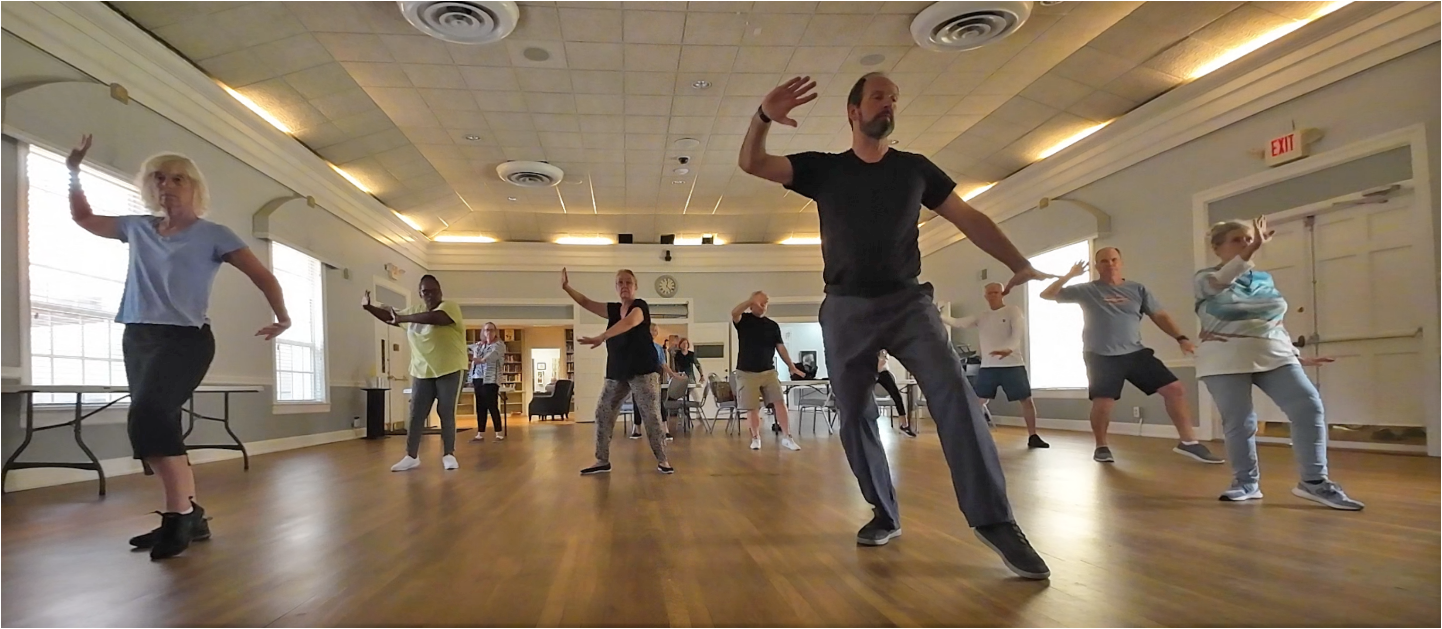
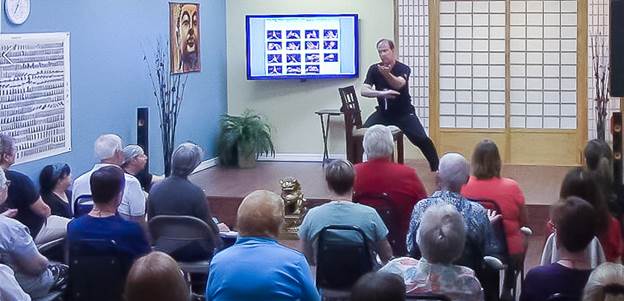
The video I recently reviewed shows me performing this form some years ago. At that time, I wore the stripes, patches, and organizational markings that recognized my rank, skill, dedication, and responsibilities within that martial arts system. Those visible symbols represented achievement and ability within that particular organization. When I left that particular system to pursue other interests, I was immediately demoted in rank and position. At that stage of life, such recognition mattered to me. Like many younger martial artists, I placed significant value on approval from instructors, organizations, and peers.

With time, however, I came to understand martial arts differently. Recognition from others may encourage us, but it is not the same as self-mastery. Rank is not the same as wisdom. Patches are not the same as inner refinement. When we are young, naïve, and highly impressionable, we often trust others more than we trust ourselves. We assume that those in authority possess superior knowledge, deeper insight, and unquestionable legitimacy. Sometimes they do. Sometimes they do not. Maturity requires learning the difference.

Technically, the form in the video has many positive qualities. It develops balance, controlled weight shifting, leg strength, coordination, mindfulness, and proprioception. The slow pace encourages concentration rather than speed. The low postures challenge endurance. The crane-like stances and single-leg transitions develop stability and awareness of center of gravity. The circular arm motions create a sense of flow and continuity that differs from the more linear movements often seen in karate-derived Korean forms.

From a health and training perspective, these are worthwhile benefits. The form can help cultivate patience, breath awareness, physical control, and mental focus. It may be useful as a bridge between external martial training and more meditative internal practice.

However, this does not make it authentic Tai Chi.

Anyone who has seriously practiced and studied legitimate and authentic styles of Taijiquan would likely recognize that this form, while beneficial, does not express the core mechanics of traditional Chinese Tai Chi. It does not clearly demonstrate the continuous whole-body connection, silk-reeling energy, refined dantian-driven movement, peng structure, or the systematic expression of the Eight Energies: peng, lu, ji, an, cai, lie, zhou, and kao. It appears more segmented than integrated, more like a Korean internal-development hyung than a traditional Chinese internal martial art.

Authentic Taijiquan is not merely slow movement. It is not simply relaxation, balance, or graceful motion. It is a sophisticated martial art rooted in Chinese philosophy, body mechanics, internal power development, combat application, and centuries of transmitted practice. Its movements are shaped by yin and yang theory, the Five Elements, the Eight Energies, intent, structure, rooting, spiraling, and whole-body integration. Without these foundations, a form may still be good exercise, qigong-like movement, or meditative martial training, but it becomes difficult to honestly classify it as Tai Chi.

This distinction is important because mislabeling martial arts can mislead students. When any martial arts organization presents a form as “Tai Chi” without preserving the history, principles, mechanics, or cultural roots of Taijiquan, it risks distorting the art. In some cases, this may even approach cultural appropriation: borrowing the name or appearance of another culture’s tradition without sufficient understanding, acknowledgment, or respect.

Most martial arts systems claim to uphold moral codes such as honesty, humility, respect, discipline, and integrity. Passing off a non-Taijiquan form as Tai Chi conflicts with those values. It may serve organizational branding, marketing, or curriculum expansion, but it does not serve truth.

Looking back, I do not reject the form. I can still appreciate what it gave me. It helped develop balance, concentration, discipline, coordination, and body awareness. The younger version of myself in that video was sincere. He trained hard, believed what he was taught, and sought to improve. There is value in that.

But I now see the form through a more discerning lens. It was useful, but it was not authentic Taijiquan. It was beneficial, but it was not what it was presented to be. That distinction represents an important lesson in the martial path.

The Warrior trains the body. The Scholar investigates truth. The Sage learns to distinguish appearance from essence.

In youth, we may seek rank, recognition, patches, titles, and approval. With maturity, we learn that the deeper purpose of martial arts is self-cultivation. The real measure of practice is not how others decorate us, but how we honestly refine and define ourselves.

True martial arts should lead us toward clarity, humility, integrity, and self-mastery. When they do, they become more than physical systems. They become pathways of transformation.

That lesson, unlike any patch or rank, is one that remains with us for life.

Your Network and Your Net Worth – The Hidden Currency of Human Connection

For many years I heard the phrase, “It’s not what you know, but who you know.” Like many clichés, it can sound overly simplistic at first. After all, knowledge, skill, experience, and competence certainly matter. A surgeon must know surgery. A pilot must know how to fly. A teacher must know their subject. Yet as I have grown older and observed the world around me, I have come to realize that who we know often determines whether our knowledge and abilities ever have the opportunity to be seen.

There is a reason another modern expression has become popular: “Your network determines your net worth.” While money is only one measure of worth, there is undeniable truth in the idea that our relationships, associations, and social circles influence our opportunities, income, and influence.

Skill Alone Is Not Enough

Consider the example of a Tai Chi instructor, yoga teacher, personal trainer, or holistic health educator.

One instructor may earn $25 per hour teaching in a small rural town. Another instructor with similar credentials may earn $100 or more per hour in Los Angeles, New York City, or another affluent metropolitan area. Does this automatically mean the latter instructor is four times more knowledgeable or skilled?

Not necessarily.

Many variables influence earning potential. Cost of living, demographics, local demand, cultural interests, disposable income, and population density all play significant roles. An instructor teaching in a city where wellness and fitness are highly valued may find a much larger audience willing to pay premium prices than someone teaching in a region where such services are viewed as luxuries rather than necessities.

The same principle applies to authors, artists, musicians, consultants, and speakers.

Many talented authors produce exceptional books that sell only a few hundred copies. Meanwhile, celebrities often publish books that immediately become bestsellers despite containing little original insight. The difference is frequently not the quality of the material, but the size and influence of the audience already connected to the author.

In practical terms, visibility often precedes opportunity.

Social Capital: An Invisible Asset

Economists and sociologists often refer to this phenomenon as social capital (Bourdieu, 1986; Putnam, 2000). Social capital refers to the resources available through relationships, trust, reciprocity, and social networks.

Unlike financial capital, social capital cannot be deposited into a bank account. Yet it may be equally valuable.

A recommendation from a trusted colleague can lead to a new career opportunity.

A referral from a satisfied client can produce years of additional business.

A conversation at the right time with the right person can alter the course of an entire life.

Throughout history, communities, guilds, religious organizations, professional associations, and social clubs have all functioned as networks that create opportunities for their members. Human beings are social creatures. We naturally place greater trust in people who are introduced through existing relationships than in complete strangers.

This reality is neither inherently good nor bad. It is simply part of human nature.

The Geography of Opportunity

Location itself can become a form of networking.

Living in a major metropolitan area exposes an individual to vastly different opportunities than living in a small town. The density of businesses, educational institutions, professional organizations, and potential clients creates a richer ecosystem of connections.

A fitness instructor in Manhattan may encounter hundreds of potential clients every week simply because of proximity. A holistic health educator in a smaller community may possess equal or greater expertise but have access to a much smaller audience.

The digital age has changed this dynamic somewhat. Through websites, podcasts, YouTube channels, social media, and online communities, individuals can now build networks that transcend geography. Yet even online, the principle remains the same. Success often depends not only on creating valuable content but also on building meaningful relationships with an audience.

The Psychology of Trust

Another reason networks matter is that people generally do business with those they know, like, and trust.

Psychologists have long recognized that familiarity influences decision-making. Repeated exposure tends to increase perceived trustworthiness, a phenomenon known as the mere exposure effect (Zajonc, 1968).

This helps explain why someone may choose a local instructor they know personally over another instructor who appears more qualified on paper.

Trust often outweighs credentials.

Likewise, a publisher may choose to invest in an author with an established following rather than a more talented unknown writer. The publisher is not merely purchasing a manuscript; they are purchasing access to an audience.

This can seem unfair at times. However, understanding the principle allows us to work with it rather than against it.

Building a Network the Right Way

The concept of networking sometimes receives criticism because people associate it with manipulation, self-promotion, or opportunism. However, authentic networking is not about collecting business cards or accumulating followers. It is about cultivating genuine relationships. The strongest networks are built on mutual benefit, trust, service, and reciprocity. They develop naturally when people consistently contribute value to others.

The martial arts instructor who helps students achieve their goals.

The wellness coach who genuinely cares about clients.

The author who provides meaningful insights.

The speaker who educates and inspires.

These individuals create goodwill that often returns to them through referrals, recommendations, and opportunities.

In this sense, networking becomes less about selling and more about serving.

The Warrior, Scholar, and Sage Perspective

From the perspective of the Warrior, Scholar, and Sage, networking takes on a deeper meaning.

The Warrior develops competence and discipline.

The Scholar develops knowledge and understanding.

The Sage develops relationships, wisdom, and human connection.

Without competence, relationships have limited value. Without relationships, competence may remain largely unnoticed. Success often emerges from the integration of all three.

The Warrior ensures that we possess genuine ability.

The Scholar ensures that we continue learning and growing.

The Sage reminds us that life is ultimately lived through relationships.

Many opportunities arise not because we aggressively seek them, but because others remember our character, our integrity, and the value we have consistently provided over time.

Final Reflections

While knowledge and skill remain essential, they do not exist in a vacuum. Human beings live, work, and thrive within networks of relationships. The old saying, “It’s not what you know, but who you know,” is only partially true. A more accurate statement might be:

“What you know creates your value. Who you know creates your opportunities.”

Both matter. The challenge is not choosing one over the other but cultivating both simultaneously. Invest in your education. Develop your skills. Pursue mastery in your chosen field. But also invest in people. Build trust. Create meaningful relationships. Offer value. Help others succeed.

Over time, you may discover that your network becomes one of the most valuable assets you will ever possess, not merely for financial gain, but for friendship, purpose, growth, and the countless opportunities that arise when human beings genuinely connect.

References

Bourdieu, P. (1986). The forms of capital. In J. Richardson (Ed.), Handbook of theory and research for the sociology of education (pp. 241–258). Greenwood. https://publish.illinois.edu/crittheory/files/2023/01/Bourdieu-The-Forms-of-Capital.pdf

Putnam, R. D. (2000). Bowling alone: The collapse and revival of American community. Simon & Schuster. https://archive.org/details/bowlingalonecoll00putn

Zajonc, R. B. (1968). Attitudinal effects of mere exposure. Journal of Personality and Social Psychology Monograph Supplement, 9(2, Pt. 2), 1–27. https://doi.org/10.1037/h0025848

Ethical Tensions in Direct-to-Consumer (DTC) Pharmaceutical Marketing

In the pharmaceutical industry, direct-to-consumer (DTC) marketing, often in the form of television ads, online campaigns, or print materials, remains one of the most polarizing strategies. When drug manufacturers communicate directly with patients, bypassing traditional physician-only channels, a complex array of ethical challenges emerges. This article explores those tensions, weighing the potential benefits against the risks, and ultimately arguing that DTC marketing must be tightly constrained if it is to serve public health rather than commercial agendas.

The Promise and Appeal of DTC Marketing in Pharma

Proponents of DTC pharmaceutical marketing often emphasize the following benefits:

  1. Increased patient awareness and empowerment. Many patients are unaware of particular diseases, diagnostic criteria, or emerging therapies. DTC campaigns can spark inquiries and encourage more informed dialogues between patients and clinicians (Weinmeyer, 2013).
  2. Earlier diagnosis or treatment initiation. By raising awareness of symptoms or conditions, DTC advertising may lead patients to seek care that they might otherwise delay (Parekh & Shrank, 2018).
  3. Competitive pressure and innovation. The presence of DTC competition may push firms to invest in better therapies and patient support programs.
  4. Commercial advantage. From the perspective of pharmaceutical firms, DTC enables them to expand market size, solidify brand recognition, and reduce reliance on intermediaries (Kitsis, 2011).

However, each of these advantages also carries potential pitfalls.

1. Overmedicalization and Disease Definition Inflation

One of the most serious critiques is that DTC ads may blur the line between normal variations and medical conditions. By framing everyday symptoms as pathological, campaigns can enlarge the market for treatment (Kitsis, 2011). As Harvard Health put it, DTC marketing may lead individuals to imagine that they “just around the corner … suffer a new deadly or debilitating condition you should hurry to investigate with your doctor.” (Shmerling, 2025).

This inflation of disease definitions burdens the healthcare system and risks encouraging medication use where nonpharmacologic interventions (e.g., lifestyle change, behavioral therapies) might suffice.

2. Distorted Presentation of Risks and Benefits

Balanced depiction of benefits and harms is central to ethical prescription drug communication. Yet in practice, many DTC advertisements emphasize benefits while minimizing or burying risks (Parekh & Shrank, 2018). Ads may focus on “life improvement” stories or visuals while relegating side effects to fine print or “extended disclosure” sources (e.g., websites). The FDA requires a “fair balance,” but enforcement has historically lagged (Office of the Commissioner, 2025).

When patients see only the upside, they may develop unrealistic expectations, placing pressure on clinicians to prescribe drugs that may not align with their clinical profile or preferences (Direct-to-Consumer Advertisements of Prescription Drugs | AMA-Code, n.d.)

3. Patient Autonomy vs. Manipulation

One of the pillars of modern bioethics is autonomy, or the ability of individuals to make informed decisions for themselves. In theory, DTC advertising might enhance autonomy by providing information directly to patients. However, such autonomy is only meaningful when the information is accurate, unbiased, and comprehensible.

Critics argue that DTC ads often use emotional appeal, narrative, or selective framing to influence rather than inform (Nagappan et al., 2024). When patients internalize marketing messages and approach their physician with expectations for certain brand-name drugs, their decision-making might be subtly steered by commercial interests, compromising genuine informed consent.

4. Physician–Patient Relationship and Prescribing Pressure

Physicians are under pressure when patients request specific drugs they saw in ads. Even if a physician believes a different option is better, the patient might feel dissatisfied or mistrustful. The AMA ethics code instructs clinicians to resist undue influence, but real-world constraints exist (Direct-to-Consumer Advertisements of Prescription Drugs | AMA-Code, n.d.).

Moreover, some studies show that DTC exposure is correlated with higher prescribing volume for advertised drugs, even when clinically equivalent alternatives exist (Fain et al., 2014).

5. Cost, Access, and Health Equity

Because DTC tends to target high-margin, brand-name drugs, it can drive higher healthcare spending without commensurate clinical benefit. The Congressional Budget Office estimated that a 10% increase in DTC advertising correlates with a 1–2.3% rise in drug spending. (Assistant Secretary for Public Affairs (ASPA), 2025)

This dynamic can exacerbate disparities: patients with stronger access or more resources receive more targeted messaging, while others may remain uninformed. Also, marketing dollars diverted toward promotion may reduce investments in less glamorous but important areas like preventive care or access in underserved regions.

6. Regulatory Gaps and Oversight Challenges

DTC pharma marketing exists under complex regulatory constraints. In the U.S., the FDA’s Office of Prescription Drug Promotion is charged with reviewing ads, but enforcement has sometimes been lax (Makary, 2025).

The FDA recently announced intensified scrutiny and plans to issue hundreds of cease-and-desist or warning letters to curb deceptive practices. (Office of the Commissioner, 2025)

Still, challenges remain. Digital and social media campaigns fall into gray areas of regulation, where influencer posts, micro-ads, or referral links may evade traditional oversight (Nagappan et al., 2024).

Given the tensions, a complete ban on DTC in pharmaceuticals may be overly blunt—and, indeed, bans are politically and legally fraught given First Amendment protections in the U.S. (Rosenbluth, 2025).  A more viable path lies in rigorous reform grounded in ethical principles:

  1. Transparency and full disclosure. Ads must present balanced, easily understandable information about benefits and risks – not merely in fine print, but in the main message. Regulatory standards should evolve to require “plain language” summaries.
  2. Strict limits on emotional persuasion. The use of fear, idealized narratives, or lifestyle framing that overstates outcomes should be prohibited or tightly regulated.
  3. Mandatory clinician referral and dialogue. Ads should prominently encourage patients to consult qualified physicians and may be required to include “decision aids” or links to reliable sources, rather than simply product websites.
  4. Prior approval and monitoring. Marketing communications should undergo standardized, independent review and audits, especially for digital campaigns. Digital media that permit rapid iteration should be held to the same standard as broadcast ads.
  5. Equitable targeting. DTC campaigns should avoid exclusively targeting privileged demographics. If campaigns aim to reach those at risk (e.g. underserved populations), access must be matched with affordability and support services.
  6. Research and feedback loops. Ongoing studies should assess the real-world impact of DTC marketing on prescribing patterns, health outcomes, and overall system costs. Transparency in such research is crucial.
  7. Stronger sanctions for abuse. Violations, including exaggerated claims or failure to disclose risks, must carry meaningful penalties to deter misconduct.

These principles reflect an attempt to preserve the potential public health benefits of patient engagement, without enabling exploitation or distortion.

DTC marketing in the pharmaceutical industry occupies a morally precarious space between patient empowerment and commercial manipulation. While it can raise awareness and stimulate clinician-patient dialogue, it also risks inflating disease definitions, distorting risk perception, pressuring physicians, and driving unnecessary spending.

If DTC marketing remains permissible, it must be heavily regulated and ethically constrained. The guiding objective should be to support informed, shared medical decision-making, and not to subvert it. Only then can DTC campaigns align with both patient welfare and public trust.

References:

Assistant Secretary for Public Affairs (ASPA). (2025, September 9). Fact Sheet : Ensuring patient Safety through reform of Direct-to-Consumer Pharmaceutical Advertisement Policies. HHS.gov. https://www.hhs.gov/press-room/hhs-fda-drug-ad-transparency-fact-sheet.html?utm_source=chatgpt.com

Companies, C. (2020, September 1). Direct-to-consumer Rx ads: A useful tactic in the age of Covid? NPC Healthbiz Weekly. https://healthbiz.substack.com/p/direct-to-consumer-rx-ads-a-useful

Direct-to-Consumer advertisements of prescription drugs | AMA-Code. (n.d.). https://code-medical-ethics.ama-assn.org/ethics-opinions/direct-consumer-advertisements-prescription-drugs?utm_source=chatgpt.com

Fain, K. M., & Alexander, G. C. (2014). Mind the gap. Medical Care, 52(4), 291–293. https://doi.org/10.1097/mlr.0000000000000126

Harvard Health. (2017, February 14). Do not get sold on drug advertising. https://www.health.harvard.edu/medications/do-not-get-sold-on-drug-advertising

Kitsis, E. A. (2011). The pharmaceutical industry’s role in defining illness. The AMA Journal of Ethic, 13(12), 906–911. https://doi.org/10.1001/virtualmentor.2011.13.12.oped1-1112

Makary, M. A. (2025). The FDA’s overdue crackdown on misleading pharmaceutical advertisements. JAMA. https://doi.org/10.1001/jama.2025.18197

Nagappan, A., Kalokairinou, L., & Wexler, A. (2024). Ethical issues in direct-to-consumer healthcare: A scoping review. PLOS Digital Health, 3(2), e0000452. https://doi.org/10.1371/journal.pdig.0000452

Office of the Commissioner. (2025, September 9). FDA launches crackdown on deceptive drug advertising. U.S. Food And Drug Administration. https://www.fda.gov/news-events/press-announcements/fda-launches-crackdown-deceptive-drug-advertising?utm_source=chatgpt.com

Parekh, N., & Shrank, W. H. (2018). Dangers and Opportunities of Direct-to-Consumer Advertising. Journal of General Internal Medicine, 33(5), 586–587. https://doi.org/10.1007/s11606-018-4342-9

Rosenbluth, H. (2025, March 18). Banning direct-to-consumer drug ads won’t work. STAT. https://www.statnews.com/2025/03/18/direct-to-consumer-drug-ads-ban-rfk-jr-reform/?utm_source=chatgpt.com

Shmerling, R. H., MD. (2025, April 3). Harvard Health Ad Watch: How direct-to-consumer ads hook us. Harvard Health. https://www.health.harvard.edu/blog/harvard-health-ad-watch-how-direct-to-consumer-ads-hook-us-201909201968?utm_source=chatgpt.com

Weinmeyer, R. (2013). Direct-to-Consumer advertising of drugs. The AMA Journal of Ethic, 15(11), 954–958. https://doi.org/10.1001/virtualmentor.2013.15.11.hlaw1-1311

“Mind Over Ring – How Unwanted Calls Disrupt Focus and Increase Anxiety”

A Holistic Health Perspective on Modern Stressors

In today’s hyperconnected world, one of the subtle but pervasive intrusions into our daily life comes through an object we carry everywhere: our phone. Many of us experience a steady stream of unwanted robocalls, scam calls, and telemarketing pitches. The National Do Not Call Registry was designed to protect consumers from such interruptions, but does it still work? More importantly, from a holistic health perspective, how does this constant digital harassment affect our mental well-being?

In this article, I explore both the current relevance of the Do Not Call list and the broader implications for mental hygiene, stress, and emotional resilience.

The Do Not Call Registry: Then and Now

The National Do Not Call Registry was established by the Federal Trade Commission (FTC) in 2003, allowing U.S. consumers to opt out of unwanted sales calls (Federal Trade Commission, 2024). Initially, the list proved effective: legitimate companies respected it, and consumers reported fewer unsolicited calls.

However, technological shifts soon outpaced the list’s protective power:

  • Robocalls now dominate the spam landscape. In 2023 alone, U.S. consumers received over 50 billion robocalls, with a large percentage coming from scam operations that do not adhere to U.S. regulations (YouMail, 2024).
  • Caller ID spoofing makes scam calls appear local or even governmental, increasing the likelihood of response (Allen, 2024).
  • Digital marketing (via text, email, and social platforms) circumvents traditional telemarketing rules entirely.

Today, while the Do Not Call list still reduces calls from legitimate U.S. businesses, it offers little protection against the global flood of scam calls and robocalls.

The Mental Health Impact of Persistent Phone Intrusions

You may wonder: Why is this issue relevant to holistic health and wellness?

The answer lies in the connection between mental clutter, stress physiology, and emotional well-being.

1. Elevated Stress and Cortisol

Research shows that frequent, unpredictable interruptions trigger spikes in cortisol, the body’s primary stress hormone (Mark et al., 2008). Even minor interruptions, such as a ringing phone can disrupt autonomic balance, contributing to chronic low-level stress.

2. Loss of Flow and Focus

The concept of “flow” describes a state of deep focus and optimal performance. Yet digital interruptions are one of the main obstacles to maintaining flow states (Csikszentmihalyi, 1990). Each unexpected call breaks concentration and requires cognitive effort to reorient.

3. Anxiety and Fear in Vulnerable Populations

Scam calls are often designed to provoke fear (“your bank account is frozen,” “your Social Security number is compromised”) or urgency. For older adults, this can trigger anxiety, confusion, and emotional distress (Lichtenberg et al., 2016). In some cases, repeated scam targeting may even contribute to depressive symptoms.

4. Erosion of Personal Boundaries

Holistic health emphasizes the importance of personal boundaries and control over one’s environment. Constant interruptions from unknown callers create a sense of helplessness and erode the autonomy we seek to cultivate in daily life (Rosen et al., 2019).

Holistic Solutions for Digital Boundaries

While the Do Not Call list is no longer sufficient on its own, several practices can help safeguard your mental hygiene:

  • Use call filtering apps (Nomorobo, Hiya, RoboKiller) to block known spam numbers.
  • Activate carrier-level protections (AT&T ActiveArmor, Verizon Call Filter, T-Mobile Scam Shield).
  • Practice intentional phone hygiene: silence calls during work or meditation; check voicemail instead of answering unknown numbers.
  • Report violations to the FTC, while imperfect, enforcement efforts rely on consumer reports.
  • Educate older relatives about common scam tactics to reduce their risk of emotional harm.

Mental Hygiene in a Digital Age

The Do Not Call list, while originally a valuable tool, now functions as a symbolic baseline rather than an effective shield. Yet the issue of persistent phone interruptions is not simply technologically, it is a modern stressor that affects mental clarity, emotional balance, and personal empowerment.

In holistic health, we teach that maintaining a clean and supportive mental environment is as important as caring for the body. Taking deliberate steps to reduce unnecessary digital noise is a powerful act of self-care in an overstimulated world.

References:

Allen, G. (2024, May 20). Robocalling Fraud: The 6 biggest Scams to watch in 2024. Juniper Research Ltd. https://www.juniperresearch.com/resources/infographics/robocalling-fraud-the-6-biggest-scams-to-watch-in-2024/?utm_source=chatgpt.com

Csikszentmihalyi, M. (1990). Flow: The psychology of optimal experience. Harper & Row. https://archive.org/details/flowpsychologyof00csik

Federal Trade Commission. (2024). National Do Not Call Registry FAQs. https://www.consumer.ftc.gov/articles/national-do-not-call-registry-faqs

Lichtenberg, P. A., Stickney, L., & Paulson, D. (2016). Financial exploitation and psychological distress in older adults: A population-based study. Journal of Elder Abuse & Neglect, 28(2), 141–152. https://doi.org/10.1080/08946566.2016.1168330

Mark, G., Gudith, D., & Klocke, U. (2008). The cost of interrupted work: More speed and stress. Proceedings of the SIGCHI Conference on Human Factors in Computing Systems, 107–110. https://doi.org/10.1145/1357054.1357072

Rosen, L. D., Carrier, L. M., & Cheever, N. A. (2019). The distracted mind: Ancient brains in a high-tech world. MIT Press.

YouMail Robocall Index: September 2025 Nationwide Robocall data. (n.d.). https://robocallindex.com/

Spiritual Paradoxes: Humility Taught, Materialism Practiced

Across time and cultures, the greatest spiritual teachers have emphasized simplicity, humility, and inner transformation. Yet, paradoxically, the institutions that grow around these teachings often accumulate material wealth, political power, and ego-driven prestige.

Christianity, Buddhism, Hinduism, Islam, all at their core, advocate for the shedding of worldly attachments. Yet many of their largest institutions exhibit the very materialism and hierarchy their founders warned against. In light of today’s cultural unrest, consumerism, and spiritual seeking, these contradictions deserve closer reflection.

A Humble Beginning

Jesus of Nazareth lived with radical humility. His birth in a manger (Luke 2:7, New International Version [NIV]), his itinerant lifestyle (“the Son of Man has no place to lay his head,” Luke 9:58, NIV), and his repeated critiques of religious legalism (Matthew 23:1–28, NIV) demonstrate a clear rejection of material power and ritualized pretense.

He warned against storing up treasures on earth, urging people instead to seek spiritual treasures (Matthew 6:19–21, NIV). His message was direct: inner transformation and compassion mattered more than public ritual or personal gain.

And yet, centuries later, the Roman Catholic Church emerged from the very empire that crucified him, to became one of the wealthiest and most ritualized institutions in human history (MacCulloch, 2011).

A Universal Paradox

This irony is not exclusive to Christianity. It is a universal pattern across major belief systems:

  • Buddhism: Siddhartha Gautama, the Buddha, renounced his royal status to seek enlightenment through simplicity and meditation. His core teaching of the elimination of craving and attachment became institutionalized into monasteries and sects, some of which, over centuries, accumulated wealth, political influence, and hierarchical authority (Lopez, 2001).
  • Hinduism: Early Vedic teachings stressed detachment from material life through paths like Jnana (knowledge) and Bhakti (devotion). Yet, sprawling temple complexes, priestly hierarchies, and caste structures often mirrored societal materialism and status-seeking (Flood, 1996).
  • Islam: The Prophet Muhammad lived simply, called for humility, and emphasized equality among believers. Yet throughout history, caliphates and modern regimes alike have at times entangled faith with vast political and material ambitions (Esposito, 1998).

Again and again, humanity seems to be drawn to codify spiritual simplicity into worldly complexity.

Why Does This Happen?

From a psychological and sociological standpoint, this paradox might stem from natural human tendencies:

  • Desire for Security: Spiritual communities often accumulate resources to protect their teachings and communities from external threats.
  • Institutionalization: Movements grow into organizations, and organizations seek stability, leading to bureaucracy and hierarchy.
  • Human Ego: Even with the best intentions, individuals and groups may seek recognition, authority, and influence, contradicting the original teachings.

As the Tao Te Ching observes, “The higher the structure, the farther from the Way” (Laozi, trans. Mitchell, 1988).

Cultural Relevance Today

Today’s society, riddled with consumerism, curated self-images, and institutional distrust, mirrors these spiritual paradoxes. Many seekers are disillusioned with religious structures not because they reject faith, but because they crave authenticity.

Holistic health practitioners recognize that wellness is found in true balance of mind, body, and spirit, and requires stripping away external noise and realigning with essential truths. It’s not in grandeur but in simplicity that healing often occurs.

The example of figures like Jesus, Buddha, and Muhammad calls us back not to ritualized identity, but to the living essence of humility, compassion, and conscious living.

A Personal Reflection

This reflection isn’t a condemnation of all spiritual institutions. Rather, it is a call to vigilance:

  • Are we aligning with the heart of spiritual wisdom or merely its outer forms?
  • Are we living simply, authentically, and compassionately, or becoming entangled in ego, status, and recognition?

As individuals seeking holistic well-being, we are invited to live in the spirit rather than merely follow the form.

Spiritual maturity requires discernment and choosing the inward journey over external display, whether in religion, health, or daily life.

References

Esposito, J. L. (1998). Islam: The straight path (3rd ed.). Oxford University Press.

Flood, G. (1996). An introduction to Hinduism. Cambridge University Press.

Lopez, D. S., Jr. (2001). THE STORY OF BUDDHISM. HarperSanFrancisco. http://www.chanreads.org/wp-content/uploads/2022/09/The-Story-of-Buddhism-A-Concise-Guide-to-Its-History-Teachings-Donald-S.-Lopez-Jr.-chanreads.org_.pdf

MacCulloch, D. (2011). Christianity: The first three thousand years. Penguin Books.

Mitchell, S. (Trans.). (1988). Tao Te Ching (Lao Tzu). Harper & Row.

The Holy Bible, New International Version. (2011). Biblica, Inc. (Original work published 1978)