
Ayurveda and Traditional Chinese Medicine (TCM) are probably the two oldest systems of healthcare practiced throughout the world. Ayurveda has its origins in the Hindu religion within India from 5000 years ago. Traditional Chinese Medicine also has origins from thousands of years ago (475–221 BC) but in China. Both systems have been practiced widely throughout the world, with seemingly very little interest in the US when compared to Western allopathic or biomedicine practices. However, TCM has seemed to have gained more popularity in recent years in the US, maybe starting when President Nixon visited China back 1972.
Ayurveda and TCM philosophies believe that all things alive or not, are interconnected and have relationships on various levels with one another. When these relationships become out of balance disease can occur.
Ayurveda is based upon the 5 fundamental elements of space, air, fire, water and earth. Both of these systems use this understanding of the elements as a way to diagnose and treat disease and illness. Ayurveda uses the physical and well-being constitutions of vata, piita and kapha. Similarly, TCM has 5 constitutions of wood, fire, earth, metal and water. The human life force or breath is expressed as prana in Ayurveda and as qi in TCM. Both prana or qi flow within the body, are a key component in maintaining balance of the elements and an individual’s health in regard to their mind, body and spirit.

Both systems have components that include herbs, massage, and exercise in order to balance harmony of the mind, body and spirit.
I have and will continue to use TCM treatments and methods to help treat ailments as well as maintain better health and wellness. Less invasive methods as well as more natural ingredients are my main reasons for pursuing TCM methods. I am not opposed to Ayurveda if I had a condition that could be better treated through those methods.
Having a strong background in Korean and Chinese martial arts, which are deeply connected with TCM, I have been exposed to an education that has deep roots in thousands of years in Asian culture, science and practical practice. While some people may look at TCM as an alternative or new age approach to maintaining health, I see a time-proven system that has been practiced by probably millions of people over a very long period of time. When studied and researched thoroughly, I find the methods from TCM of acupuncture, cupping, tuina, qigong, auriculotherapy, herbology and others to make logical sense as to why these options are so beneficial. When looked at from a physiological perspective, I have found the following:
Acupuncture & Auriculotherapy – stimulates the healing response through regulation of the nervous system.

Cupping – increases blood and lymph circulation in localized areas.

Tuina – increases blood, lymph circulation and disperses adhesions in the fascia.

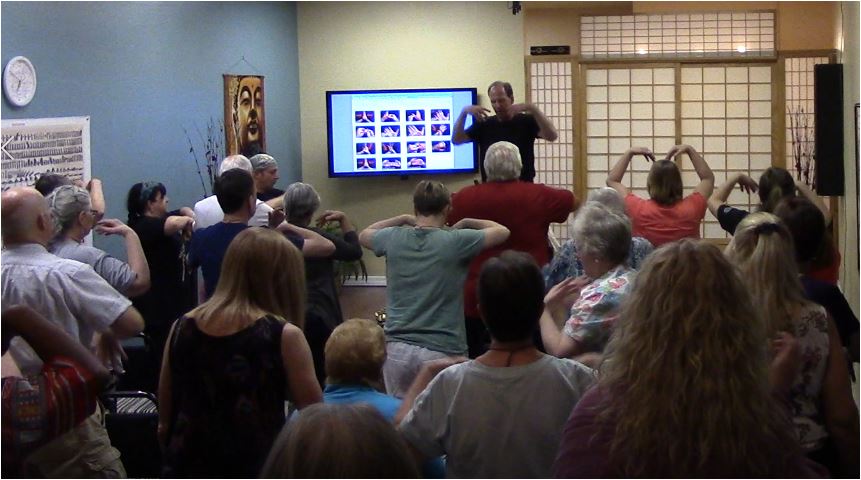
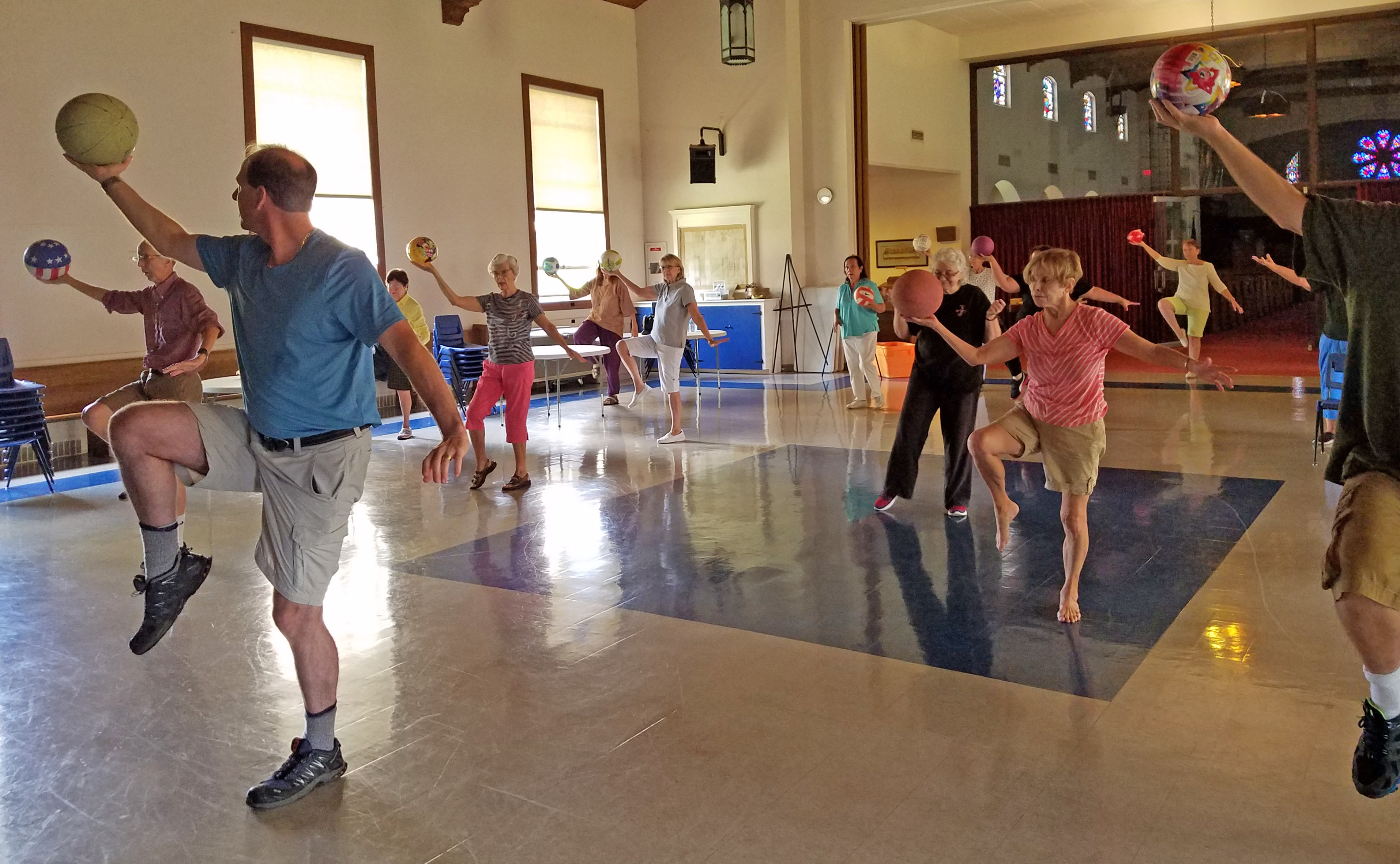
Qigong – regulates the autonomic nervous system through deliberate deep breathing patterns, as well as some styles offering flexibility, strengthening and vestibular balance exercises.
Herbology – helps to manage systemic organ function through naturally occur plants without use of pharmaceuticals.

Be well!
References:
“What is Ayurvedic Medicine?” National Center for Complementary and Alternative Medicine (2007). 30 August 2021.
Diamond, M.D., J. W. (2001). The Clinical Practice of Complementary, Alternative, and Western Medicine [E-book]. CRC Press.
____________
I write often about topics that affect our health and well-being. Additionally, I teach and offer lecture about qigong, tai chi, baguazhang, and yoga.
For more info, contact Jim Moltzan at info@mindandbodyexercises.com, 407-234-0119 or through my site at http://www.mindandbodyexercises.com

 United Martial Arts Association