
Relieving Chronic Lower Back Pain
Most people in the United States will experience back pain at some time in their lives. Some find relief through options like rest, medications, exercise, stretching, chiropractic, acupuncture, physical therapy and sometimes surgery. Most pain goes away within a few days or weeks only to return at a later date. In many cases, the root cause of back pain is tight hamstring muscles. Excessive sitting or standing can tighten these muscles, as well as lack of proper stretching on a regular basis. Other root causes of back pain are many ranging from poor posture, heavy lifting, sports injuries, career, lack of exercise, congenital and others. Unless the root cause is found and addressed, most treatments only offer temporary relief.
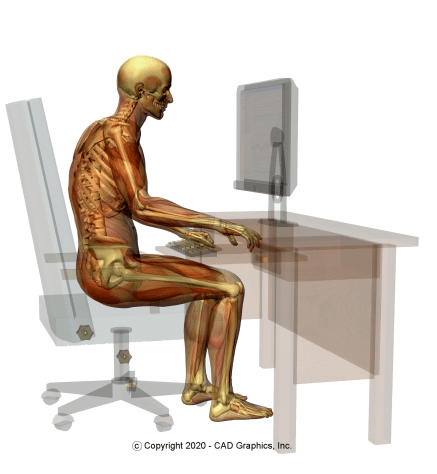
Poor posture, combined with long hours sitting stagnant in a chair cause muscles within the legs to shorten and tighten over time. These muscles, specifically the hamstrings, cause the pelvis to tilt the tailbone forward.
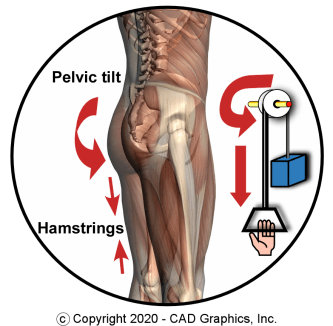
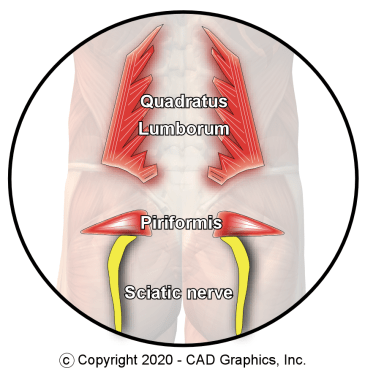
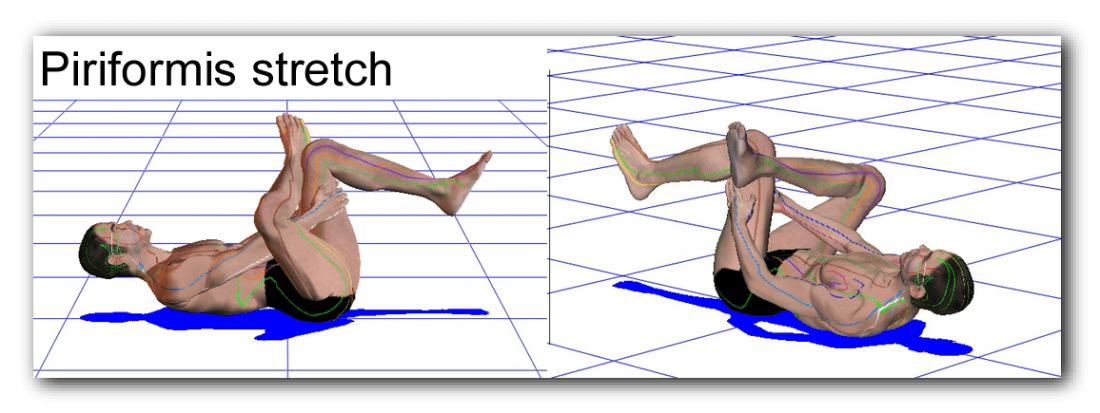
Pelvic tilt also puts strain on the lower back muscles such as the quadratus lumborum. Spasms can occur as the muscles tighten even more to protect the spine from excessive movement. The piriformis muscle attaches the head of the femur to the base of the pelvis. The piriformis can become irritated or tense causing pain to the nearby sciatic nerve. Sciatica can cause pain and numbness down the back of the legs to the heels and toes.
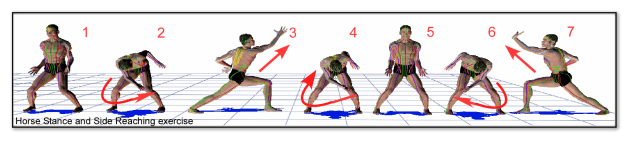
The below set of exercises develop strength and flexibility which can improve posture. Good health of the lower back starts with good posture. Strength in the back, hips and abdomen provide a strong cage that houses the internal organs. Flexibility in these areas helps to maintain good blood circulation to the organs and lower body. Lengthening of the spine while exercising reduces stress and tension on the nervous system. Relax the body into the positions in spite of any tension in the muscles. Deep and relaxed breathing is essential while performing these exercises.
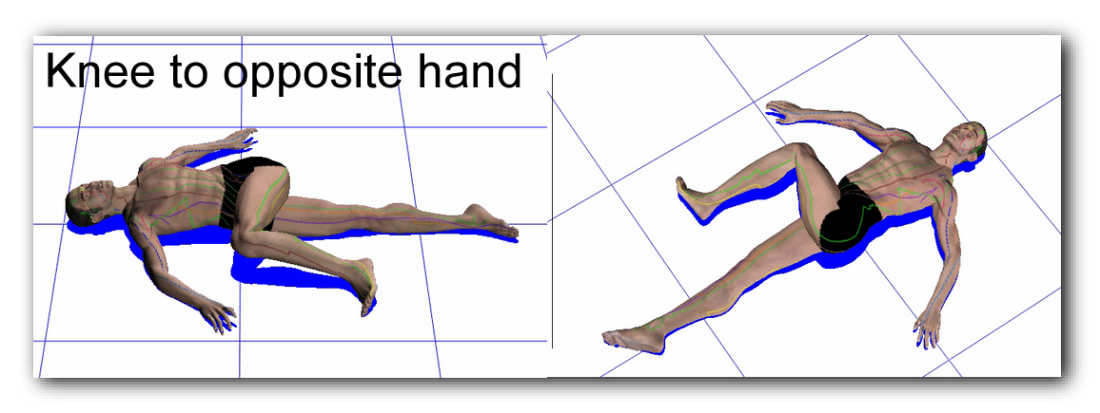
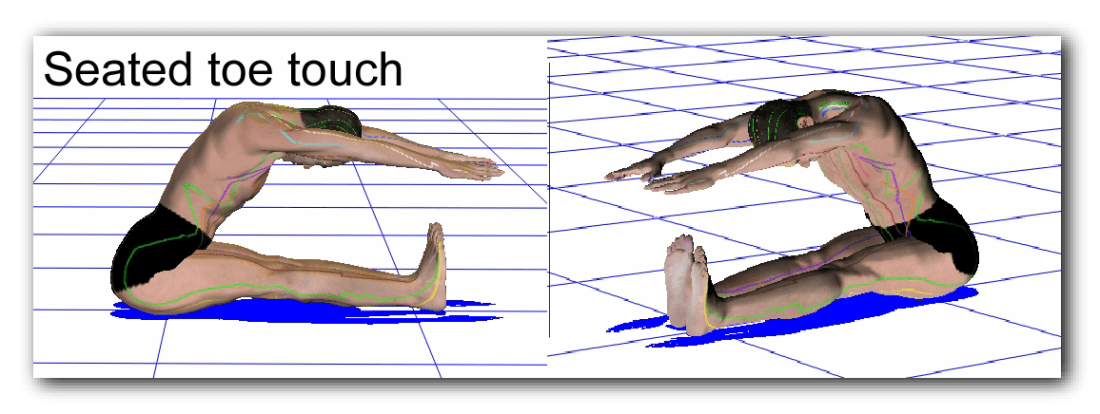
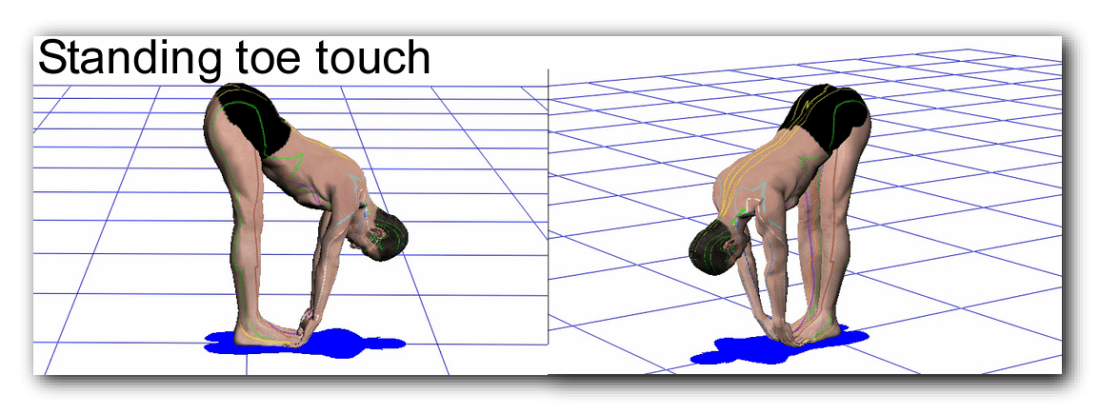
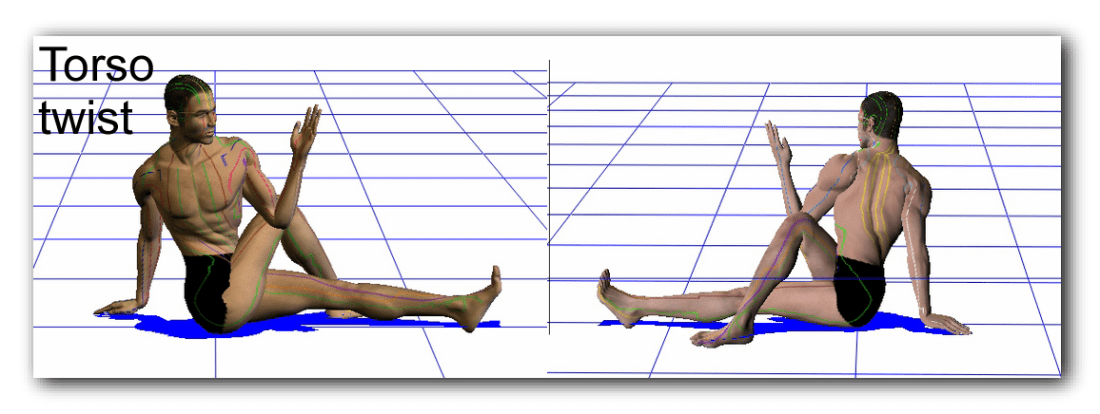
Try to match your body position similar to those as shown below. Don’t be discouraged by not being able to achieve these stretches but rather do what your body is capable of. Stretches can be performed on the floor, on a mattress or even in a swimming pool or hot tub. Try for a few seconds in each position for a total of a few minutes. As your flexibility increases in the hamstrings, less tension will be placed on the lower back muscles. Try to do some of the exercises everyday for at least a few days in a row. As the pain is relieved, try to add more time for each exercise working up to a total of a half-hour or full hour. As less pain is present, try to maintain a regular schedule of performing these exercises to keep the problem from reoccurring. All stretches should be performed on both sides.
_______________
For more info, contact Jim Moltzan at info@mindandbodyexercises.com, 407-234-0119 or through my site at http://www.mindandbodyexercises.com

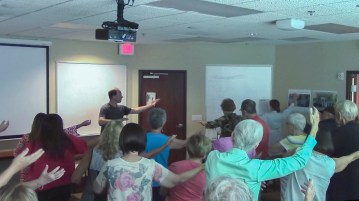

Jim Moltzan started his martial arts training at the age of 16, starting with Korean martial arts and evolving into BaguaZhang, Tai Chi, and Qigong. Jim has been training, studying and teaching for almost 40 years effectively educating hundreds of students.
Master Instructor Jim Moltzan has trained with a diverse group of masters and high-level martial arts teachers of many different disciplines. Jim’s specialty is teaching exercises to improve chronic conditions, working with people of all ages, especially senior adults. Offering guidance and instruction, Jim has also worked with Parkinson Disease patients through Florida Hospital. Jim gives regular lectures as requested by AdventHealth (Florida Hospital) regarding the benefits of Eastern practices.
He is the author and graphic artist of numerous journals, graphic charts and study guides relative to the mind and body connection and how it relates to martial arts, fitness and self-improvement.
Jim continues his training and teaching in the Orlando, Florida area conducting classes, seminars and lectures as his schedule allows. He balances his teachings and businesses with his own personal cultivation and time spent with his wife and two college-age kids.
 United Martial Arts Association