
Our Breath is the Link to the Mind-Body Connection
Our mental, physical and spiritual health – all comes down to the quality of our breath. Most people see their breath as an involuntary physiological process that they have little or no control over. While it is the first thing our bodies do when we are born and the last action before our physical body dies, there is a whole life of breathing in between. Every emotion affects the breath, just as managing breaths can affect the emotions, yin and yang in all things. Every respiration affects the body chemistry with hormones that are regulated by the “fight or flight” (sympathetic nervous system) and “rest and digest” (parasympathetic nervous system) mechanisms. Spending too much time in one zone or the other affects the balance of the nervous system, which affects organ functions, affecting the quality of life. Life is all about the breath and quality of it.
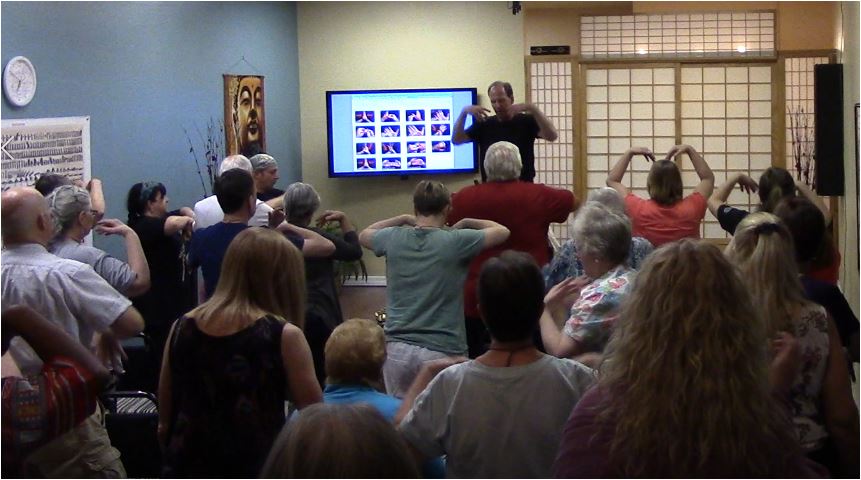
“Breath-work” is the new buzzword for mindful management of the breathing mechanism. Actually, breath-work has been practiced for thousands of years in methods from Yoga as Pranayama and its branches of qigong, as practiced through Traditional Chinese Medicine, tai chi and other martial arts.
Yogis and Buddhist practitioners of pranayama have long understood that our breath is an especially appropriate object of focus for meditation. The usage of the breath over other possible options came about, presumably because respiration offers a readily available object to focus upon. Additionally, specific aspects of respiration can be observed as the breath adjusts in particular ways relative to emotions and attention (Wager & Cox, 2009). There are various types of Yogic breathing techniques of Pranayama, each offering differing benefits and goals. A few types would include long deep breathing, individual/alternating nostril breathing, and fast breathing.


With managed and regulated breathing practices (such as pranayama, qigong and others), there is evidence that these practices creates air oscillations which can increase nitric oxide (NO) through the rise in exchange of air between the nasal cavity and the paranasal sinuses. The paranasal sinuses can then produce larger amounts of nitric oxide which increase oxygen uptake. Nitric oxide aids in nonspecific host defense against infections stemming from bacteria, viruses, fungi, and parasites (Trivedi & Saboo, 2021). Nitric oxide was discovered in 1998 by Dr Robert F. Furchgott, Louis J. Ignarro and Ferid Murad for which they were awarded a Nobel prize. Nitric Oxide (NO) is a molecule that is produced in the nose naturally, as well as throughout the human body. NO has anti-inflammatory, antiviral, antibacterial effects. NO is a very strong vasodilator that causes blood vessels to dilate (widen) while also stimulating the certain hormones to be released, such as human growth hormone and insulin. Nitric oxide is also used as a pharmacological inhalant as well for various other ailments (India, 2020).

Our breath is the driving force of the spirit. People get caught up on the word “spirit” and often gravitate towards it being religious in its meaning. I understand (and teach) spirit as being ones self-awareness and further, the awareness that we are not our thoughts but rather the observer to our thoughts. Monitoring and observing our breath allows the individual into the window of their thoughts. Often people will say that they are mad, sad, happy or other emotional states. Really, they are none of these things but rather experiencing anger, sadness, happiness, etc. An example would be when we see something disturbing come about and we can take a few slow deep breaths and then consciously engage our thoughts to think, “NO I’m not going to engage in negative thoughts.” Maybe we change up the environment or conversation thereby making it upbeat and positive. We can consciously change are thought patterns.

The breathwork can be addressed on the physiology level too, to get the conversation away from the religious or metaphysical aspects of being spiritual. In this narrative we can understand that the monitoring and regulating of the breath affects the thoughts which can affect our emotions, which affects the autonomic nervous system and thereby adjusts the blood chemistry and internal organs and their functions, which circles back to affecting our moods and thoughts once again. So really spirit (or self-awareness) can come down to chemistry and how we can use it as a tool to reach our goals, whether of physical, mental or spiritually based.

References:
Wager, K., & Cox, S. (2009). Auricular Acupuncture and Addiction. Elsevier Gezondheidszorg.
Trivedi, G. Y., & Saboo, B. (2021). Bhramari Pranayama – A simple lifestyle intervention to reduce heart rate, enhance the lung function and immunity. Journal of Ayurveda and Integrative Medicine, 12(3), 562–564. https://doi-org.northernvermont.idm.oclc.org/10.1016/j.jaim.2021.07.004
India, D. T. (2020, October 29). Nitric Oxide- the Nobel prize winning molecule, can play . . . Dental Tribune India. https://in.dental-tribune.com/news/nitric-oxide-the-nobel-prize-winning-molecule-can-play-a-critical-role-in-the-covid-19-cure-2/
_______________
I write often about topics that affect our health and well-being. Additionally, I teach and offer lecture about qigong, tai chi, baguazhang, and yoga.
For more info, contact Jim Moltzan at info@mindandbodyexercises.com, 407-234-0119 or through my site at http://www.mindandbodyexercises.com


 United Martial Arts Association