
There needs to be a mental intention behind whatever practice one chooses to pursue. Sometimes people get so hung up with just the word of “meditation” and thinking that to meditate one needs to become more spiritual, metaphysical or adopt some form of religion. I have taught literally hundreds of tai chi and qigong classes where at the end I explain about it being a moving meditation as well as vipassana and body scan meditations all in one. Occasionally, someone will be quite shocked and state something like “I didn’t know this was a religion; I am not interested in changing or doing your religion.” Pretty hard to try to convince someone at this point, being that they felt great while doing the exercises. However, due to some narrow-mindedness or lack of knowledge on the subject, they now feel indifferent towards the techniques. For those still open to learn, I will ask how many enjoy cooking, walking, photography, listening to music, gardening, etc. seeing that these can all be used as various forms of creative or moving meditations. Meditation is not a religion but rather a method to become more self-aware.
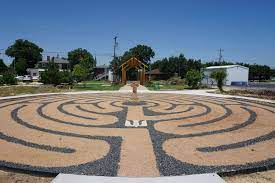
Creative meditation requires alert and active engagement of the consciousness, often with the goal of providing an environmental for an inner dialogue within one’s thoughts as opposed to a passive acceptance of whatever thoughts may arise. Creative practices often have a physical element involved that links the body and mind together, such as sketching, journaling, gardening, tai chi, yoga, and others.
This is somewhat different from methods like vipassana or loving kindness meditation methods, where the inner dialogue is mostly isolated from physical movements or engagements. On the other hand, creative meditations can be similar to drumming or ritual body postures in that the practitioner still needs to have an awareness of their physical being holding its space in the 3-dimensional world whether holding a yoga-like posture or a paintbrush in hand.
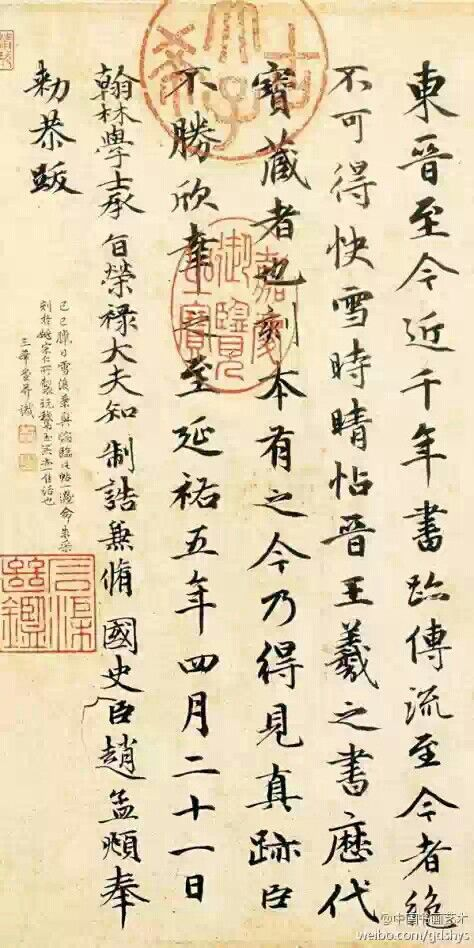
Another form of creative meditation that I have encountered is that of calligraphy qigong. Qigong is roughly translated to “breath work” and calligraphy is a visual art form of writing. When qigong and calligraphy are combined, practitioners develop their own qi (energy or lifeforce) resources by receiving, circulating, and storing qi while performing each brush stroke of a particular pictogram.
From my own experiences, all of these practices are neither good nor bad, nor absolute but rather fluid and able to be adjusted to an individual’s goals, perspectives and perhaps the mindset towards particular practices. Similarly, to the chef in the kitchen, who can make whatever meal they care to produce because they are in charge of all of their tools and ingredients within their cooking space, the meditator can pick and choose what suits their objectives.
References:
Monaghan, Patricia; Viereck, Eleanor G. (2011) Meditation: The Complete Guide (p. 266). New World Library. Kindle Edition.
Calligraphy Qi Gong | Calligraphy HealthLinks to an external site.
_______________
I write often about topics that affect our health and well-being. Additionally, I teach and offer lectures about qigong, tai chi, baguazhang, and yoga.
For more info, contact Jim Moltzan at info@mindandbodyexercises.com, 407-234-0119 or through my site at http://www.mindandbodyexercises.com

 United Martial Arts Association