
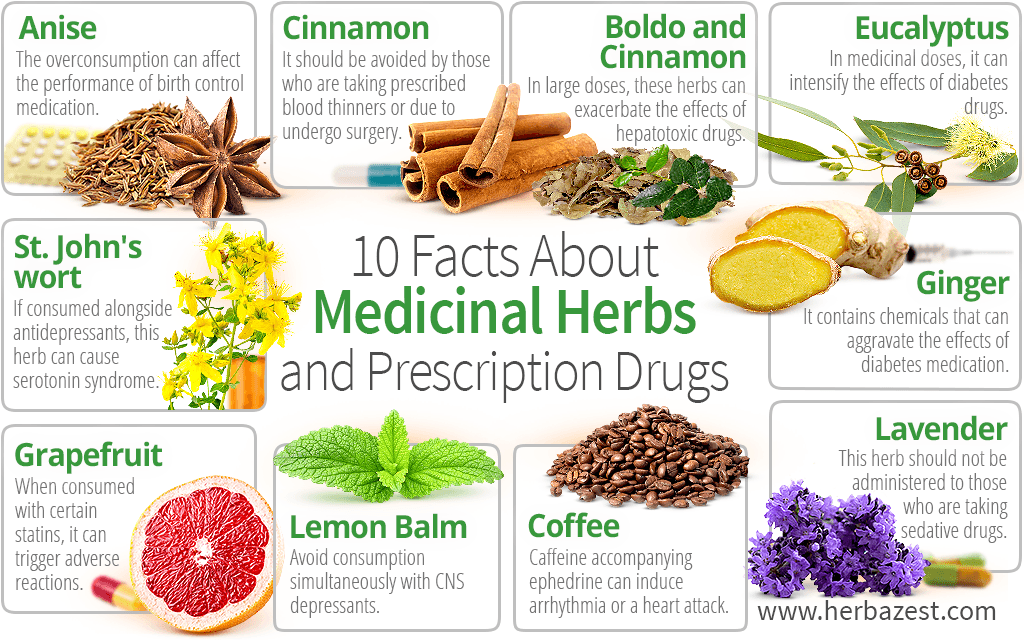
I have previously discussed herbs and some of the ways that people self-prescribe with no real education in herbs, or their consumption based upon individual constitution rather than general acceptance of an herb as being healthy for all. I see this as taking the sweet of the benefits from these herbs, but not taking the sour or learning the background or implications of using particular herbs. Basically, taking the culture at a superficial level for personal gain – cultural appropriation.
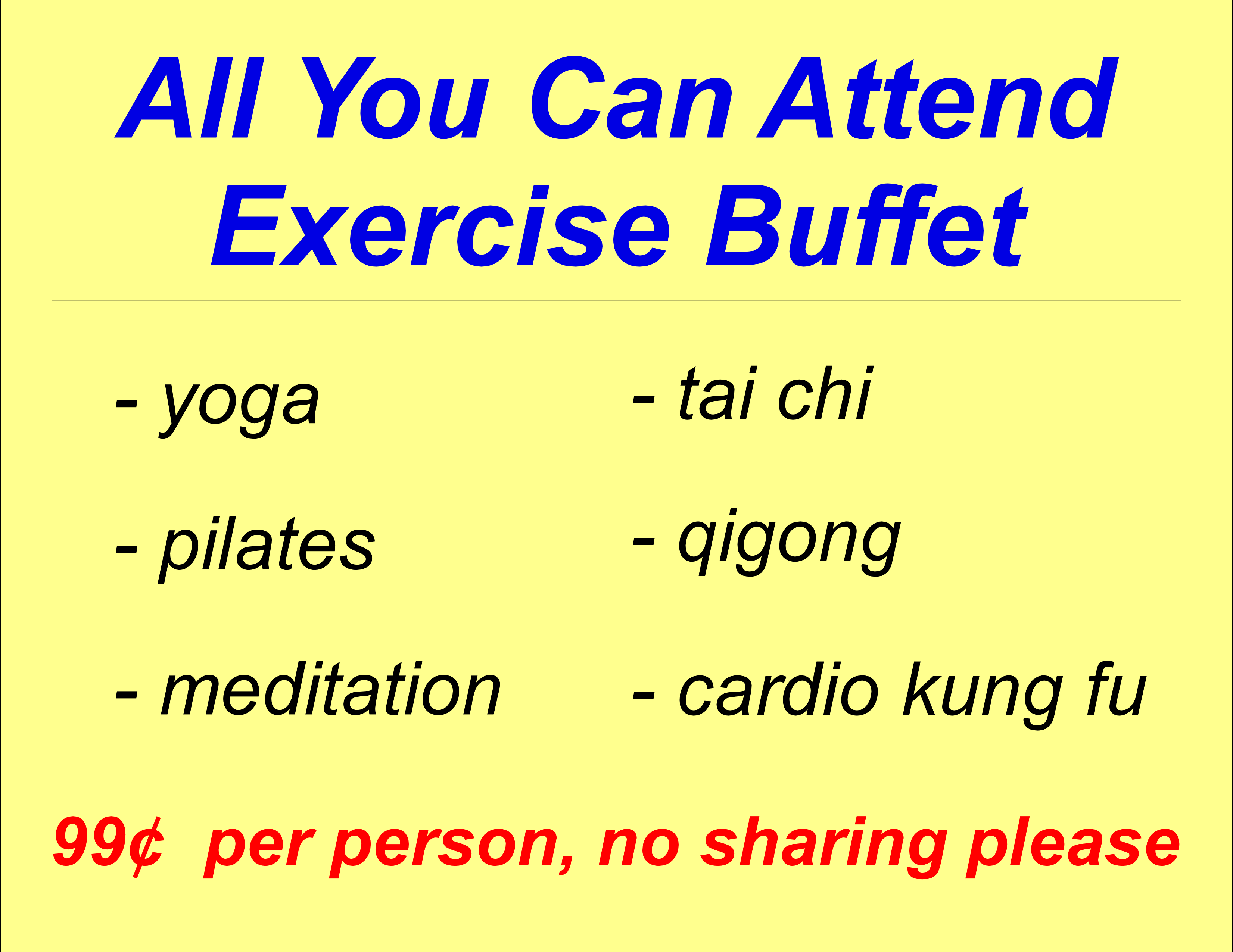
Watering-down or cultural exploitation of yoga is an easy target as a big player in this controversial topic. Meditation practices have become diluted from spiritual or self-awareness practices from yoga and its relative qigong counterpart. With more attention towards stress management through mindfulness and mindful breathing or breathwork, many will have an attraction towards these practices without having any spiritual connection to these methods.
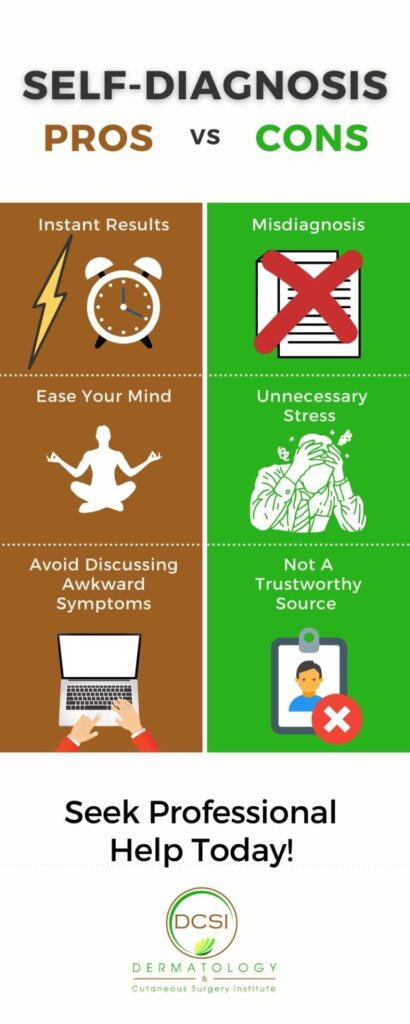
Living in this time of great technology advances and access to an almost unlimited supply of online information for healthcare and almost every other topic, has its own issues of pros and cons. With great knowledge, comes great responsibility or a similar cliché from pop-culture. A large percentage of people in the US have access to watch YouTube or other online outlets to view and learn about acupuncture and other Traditional Chinese Medicine methods, massage, yoga, Ayurveda and many other worldwide traditional mind and body practices.

With this access many can not only become more knowledgeable but can also often self-prescribe, self-diagnose, and self-administer many of these methods with no real academic nor clinical education. Where we may enjoy the benefits of this access, we must realize that some will abuse this knowledge or interpret it incorrectly and use it themselves or pass it on to others, in the hope of helping others or profiting for their own benefit. If qualified, educated people post this knowledge and information for others to view and/or study, how can some people complain that others are then using this knowledge as cultural appropriation? With most freedoms, there is a cost in order to have and maintain them.
References:
Eichhorn, T., Greten, H. J., & Efferth, T. (2011). Self-medication with nutritional supplements and herbal over-thecounter products. Natural Products and Bioprospecting, 1(2), 62–70. https://doi.org/10.1007/s13659-011-0029-1
https://www.ayurvedanama.org/articles/2021/3/18/the-dangers-of-self-medicating-with-herbs
https://www.herbazest.com/wellness-articles/10-facts-about-medicinal-herbs-and-prescription-drugs
_______________________
I write often about topics that affect our health and well-being. Additionally, I teach and offer lecture about qigong, tai chi, baguazhang, and yoga.
For more info, contact Jim Moltzan at info@mindandbodyexercises.com, 407-234-0119 or through my site at http://www.mindandbodyexercises.com
 United Martial Arts Association