
How do you deal with stress?
- take a few deep breaths
- drink a few alcoholic beverages
- take pharmaceuticals
- consume some form of Marijuana, hallucinogen, or psychedelic
- physical exercise
- listen to soothing music
- do nothing
In order to better manage stress, wouldn’t it help to better understand what stress is, and how it affects our bodies physiologically? Do we truly manage our stressors or just go with the “band-aid” approach of treating symptoms rather than addressing root causes?

Life and the experiences that it offers, is constantly changing and evolving for all that exist. Our senses are continuously receiving and interpreting stimulus to determine what is good or bad for our survival. Consequently, this input often manifests into what we call stress. We deal with stress through our thoughts and emotions. Our emotions directly affect how our brain processes information that affects all of our physiological mechanism and organ functions through the autonomic nervous and endocrine systems. Basically, thoughts and emotions affect our health and well-being whether with positive or negative outcomes.

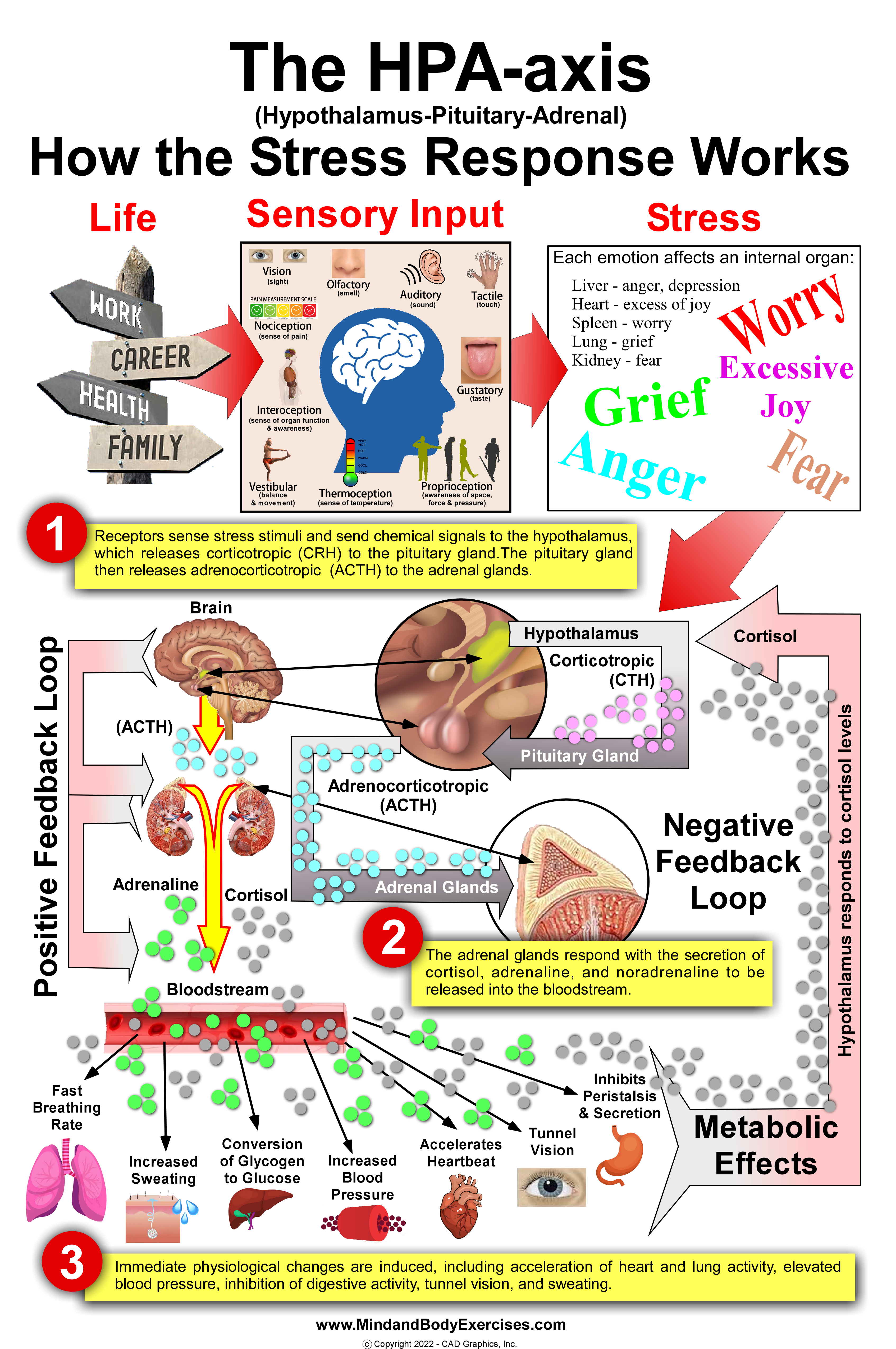
The HPA-Axis is the physiological mechanism for how the mind and body respond to stress.
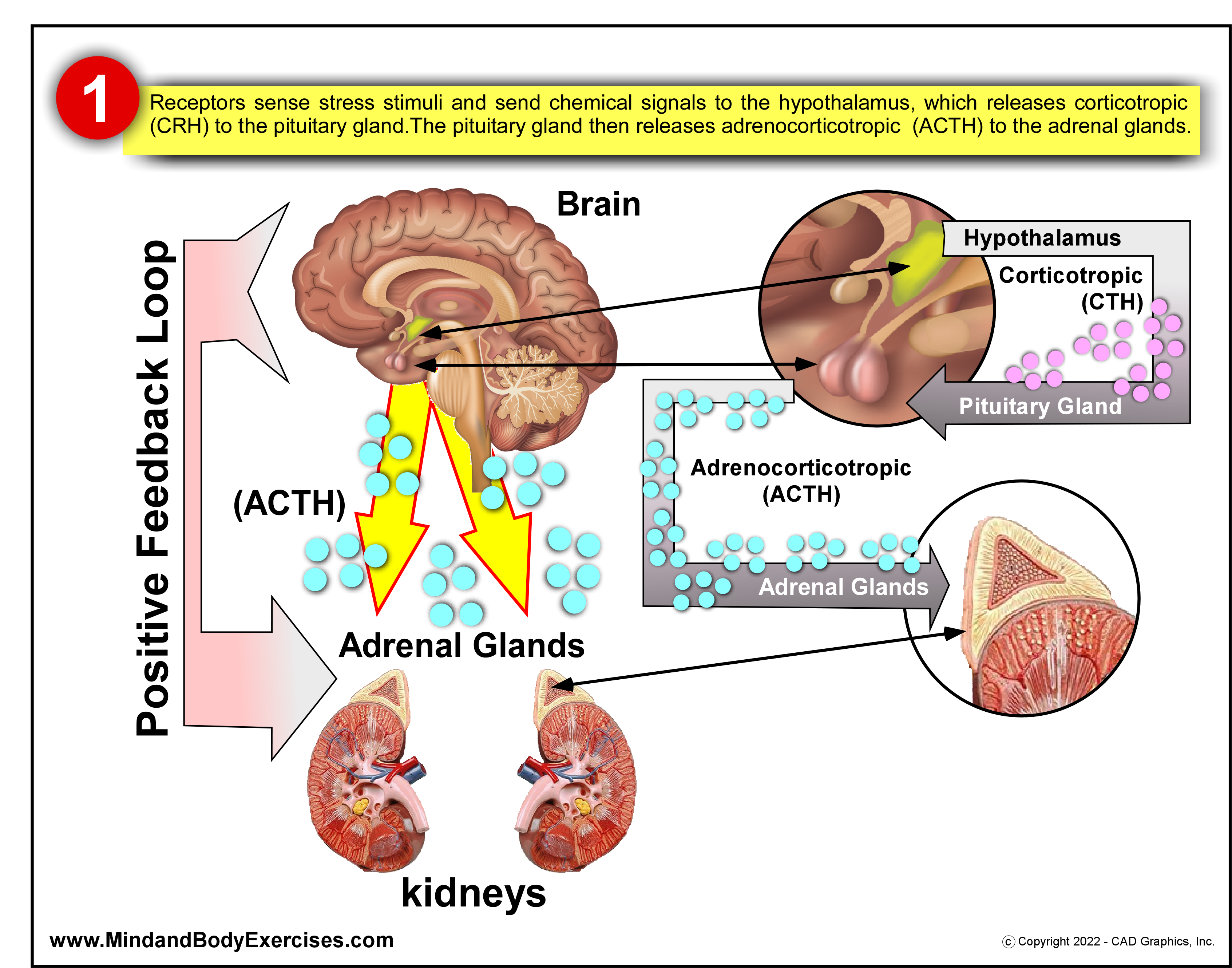
1 – Receptors sense stress stimuli and send chemical signals to the hypothalamus, which releases corticotropic (CRH) to the pituitary gland. The pituitary gland then releases adrenocorticotropic (ACTH) to the adrenal glands.
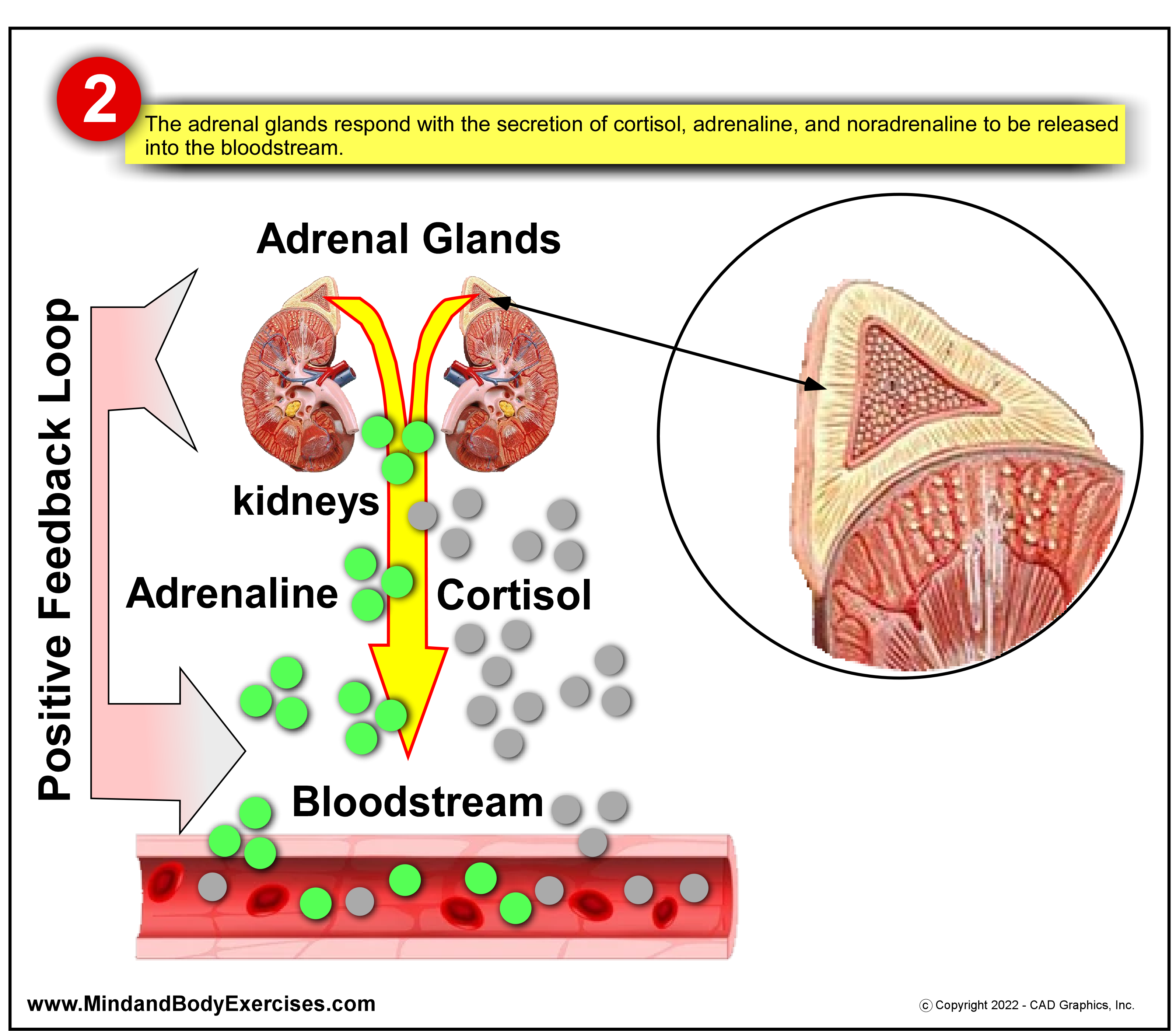
2 – The adrenal glands respond with the secretion of cortisol, adrenaline, and noradrenaline to be released into the bloodstream.
3 – Immediate physiological changes are induced, including acceleration of heart and lung activity, elevated blood pressure, inhibition of digestive activity, tunnel vision, and sweating. Cortisol levels are then reported back to the hypothalamus completing a negative feedback loop to repeat the whole process as necessary.

Why is this important to understand? Because when cortisol levels are too high for prolonged periods of time, other physiological mechanisms become impaired. When levels are balanced cortisol plays in important role in regulating blood chemistry:
- Increases gluconeogenesis
- Mobilizes fatty acids from adipose
- Breaks down stored proteins
- Enhances SNS response
- Puts brakes on inflammation/immune response
Negative effects would include:
- Increased insulin resistance
- Altered perception & emotion in the central nervous system
- Suppressed GH release
- Suppressed TSH and inhibits peripheral activation of T4 into T3
- Inhibited bone remodeling
- Suppressed reproductive function
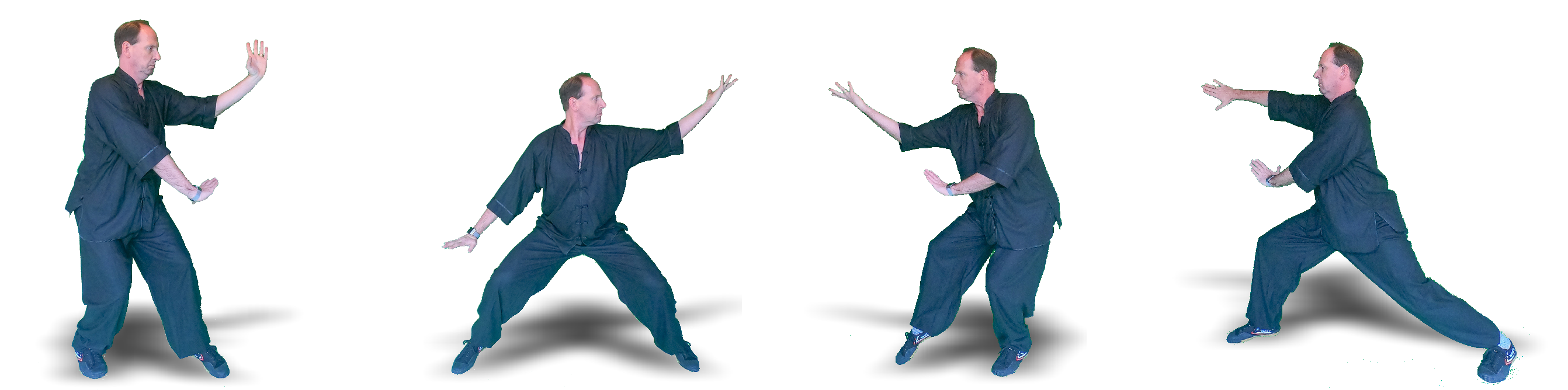
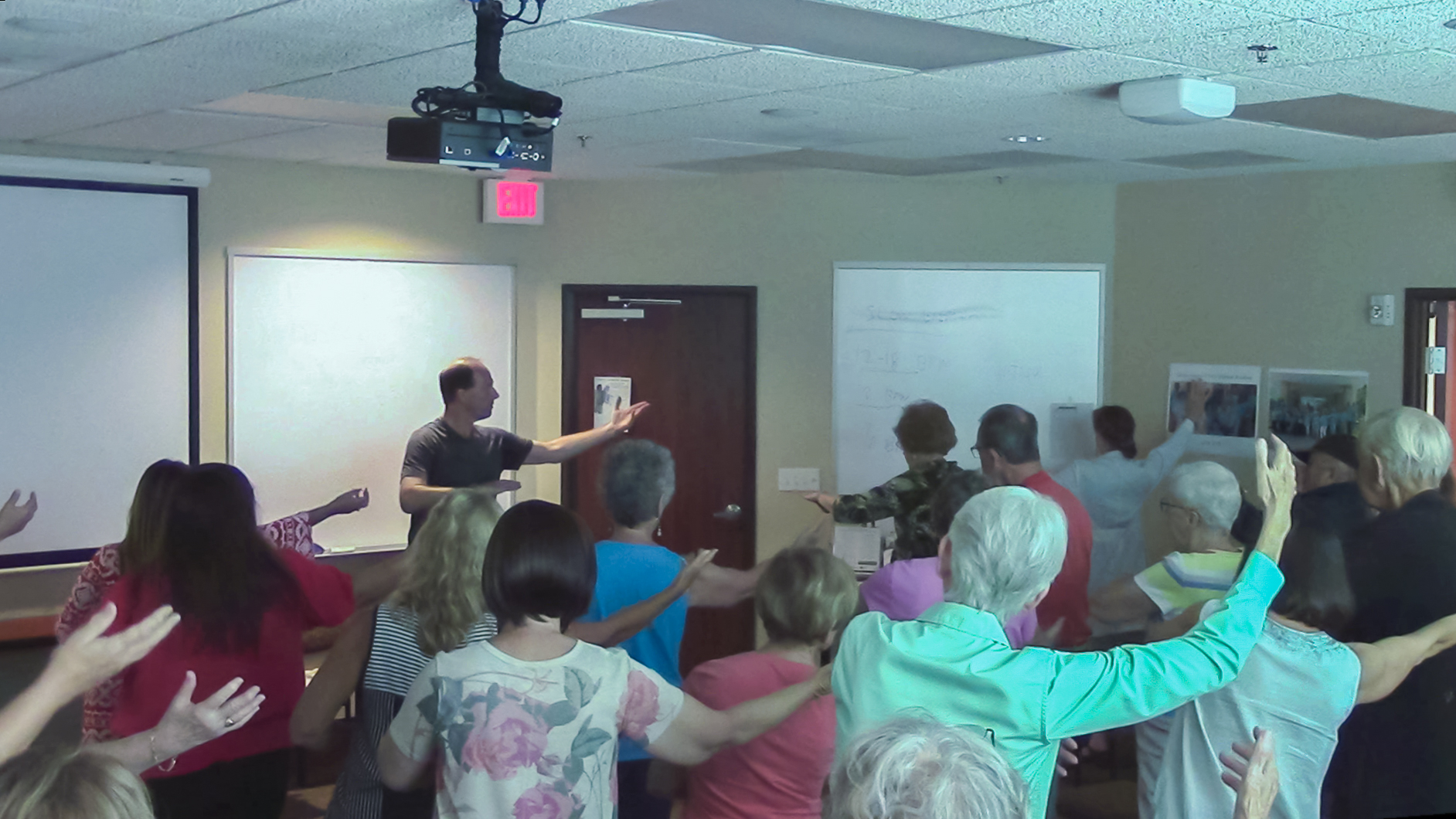
We do have the ability to consciously control and manage our stress whether through lifestyle choices, diet & nutrition, physical activity and attitude. A key component of managing stress is managing the parasympathetic (rest & digest) and sympathetic (fight or flight) nervous system through consistent regulation of our breathing frequency and relative volume of each breath. This is a topic addressed in many of my other posts. Yoga, tai chi, qigong, meditation, martial arts and other methods have been proven to help to proactively manage stress and relative cortisol levels.
________________
I write often about topics that affect our health and well-being. Additionally, I teach and offer lecture about qigong, tai chi, baguazhang, and yoga.
For more info, contact Jim Moltzan at info@mindandbodyexercises.com, 407-234-0119 or through my site at http://www.mindandbodyexercises.com
www.Amazon.com/author/jimmoltzan
 United Martial Arts Association