
I find it very interesting how there are so many herbs, that we as humans push the limits of their benefits versus their toxicity. I feel that herbs do sometimes get a bad reputation for this fact, but allopathic pharmaceuticals have been in this same position for the last century.. Too much or too little of any particular herb or pharmaceutical can have devastating side effects or even death.
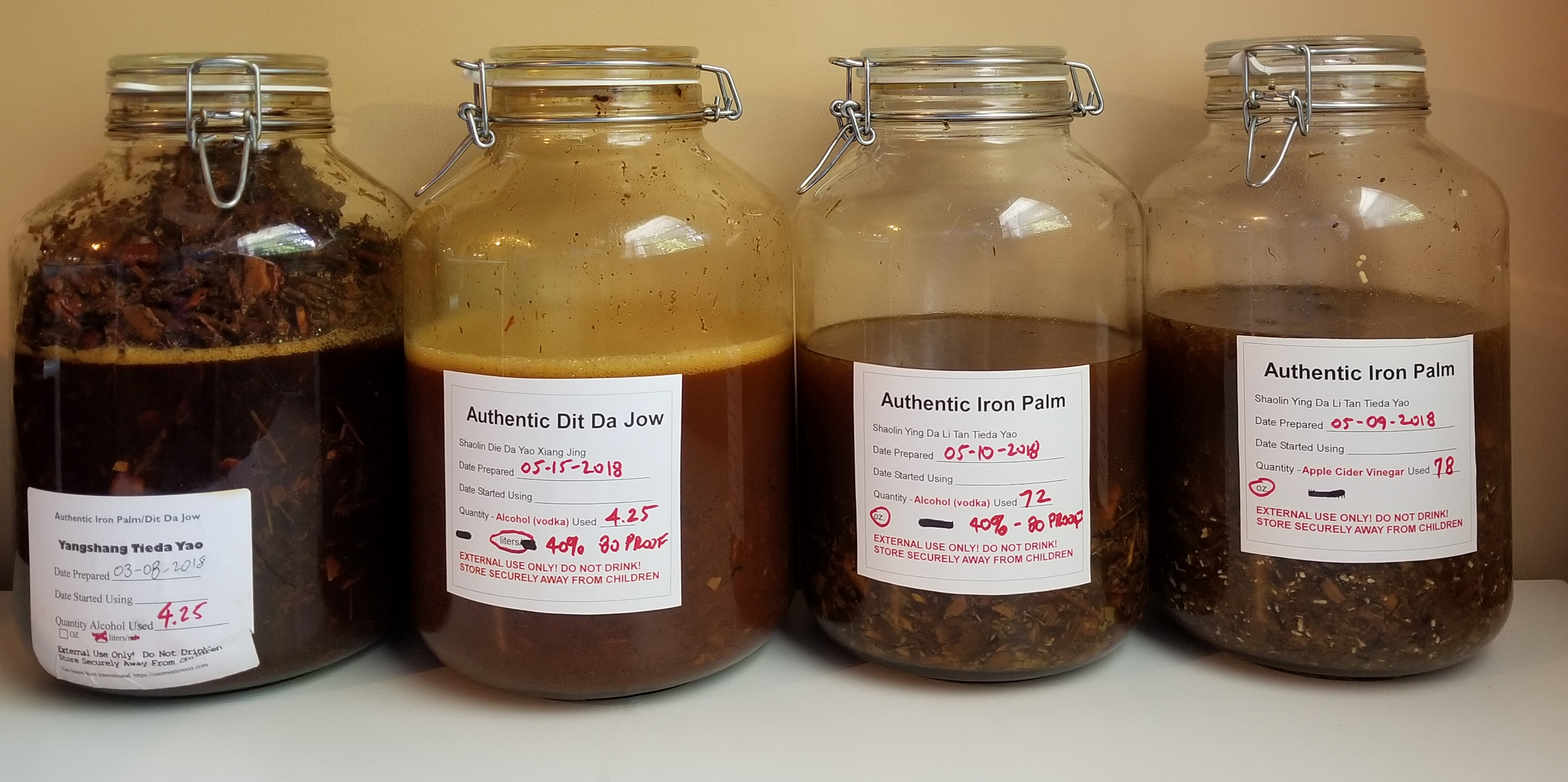
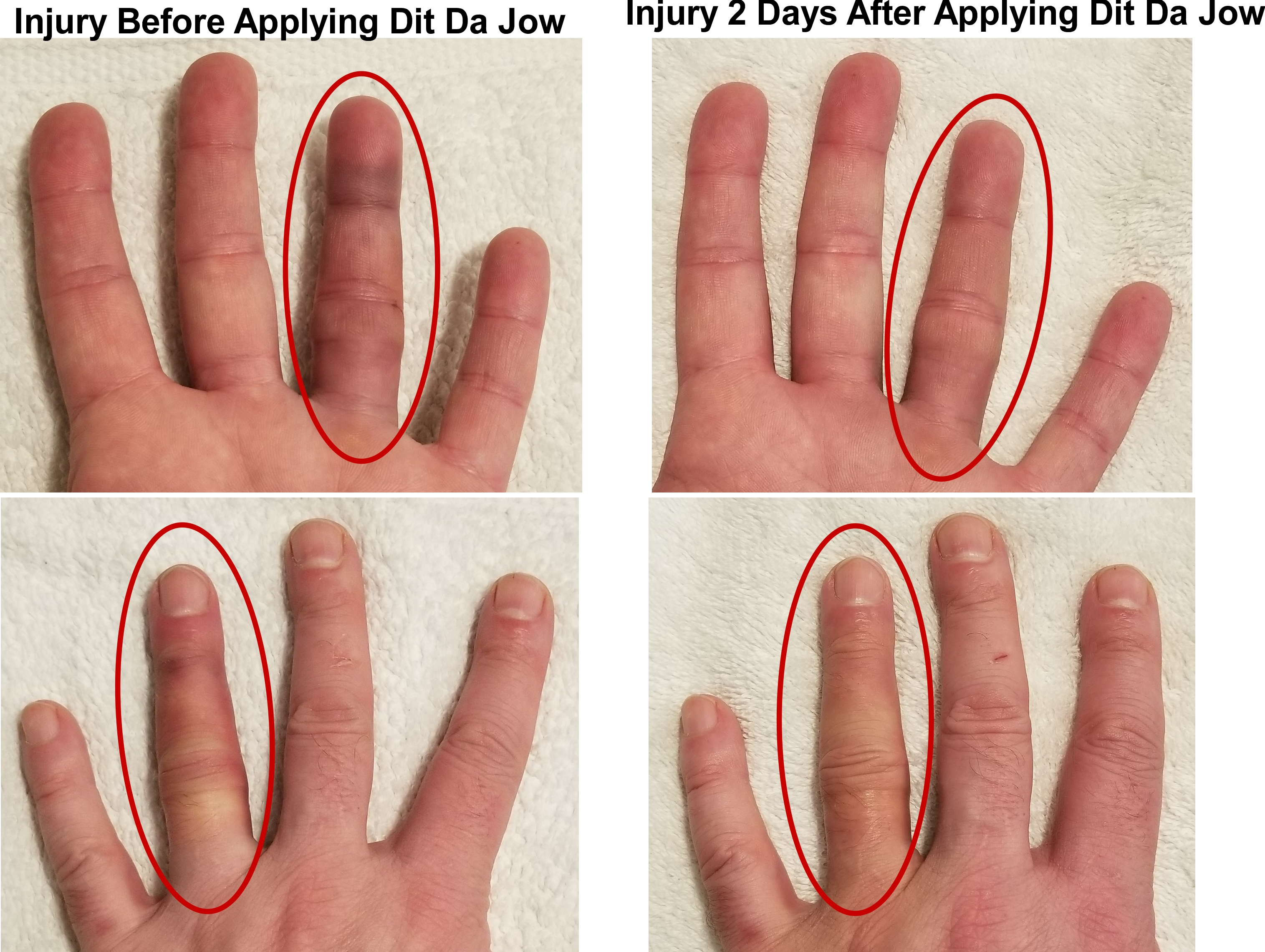
I have come across aconite previously with my learning preparations of dit da jow, (recipes for external bruising and inflammation) along with my martial arts and qigong training. Aconite is considered a pungent ingredient within Traditional Chinese Medicine and is used by martial artists to promote the circulations of qi and bodily fluids. I came to understand that aconite needed to be “prepared” in order to neutralize its toxicity, such as treating it with salt and then boiling with licorice and black soya beans, for at least 1 hour (Prepared Aconite (Zhi Fu Zi) in Chinese Medicine, n.d.).
I feel compelled to ask why some of these herbs would still be continued to be used, with such potentially toxic side-effects? Many people might respond with “just use Western allopathic pharmaceuticals, they are proven safe and effective to use.”

Plants and their natural ingredients are the producers of chemical substances, used to produce synthetic drugs. For most of history, herbal remedies were the only available medicine. Current estimates report that one third to one half of drugs in use today, originally derived from plants. Safety and efficacy in the use of herbs used in traditional and modern medicine are features that may apply to some herbs and patients, but not necessarily to others. Similar negative issues are known from conventional chemical drugs, which also are not always effective in all patients. There are risks of rare adverse reactions occurring in various organs relating to both, herbs and synthetic drugs (Teschke & Eickhoff, 2015).
There are many over-the-counter, as well as prescription drugs that have the potential for dangerous side effects. Although in most cases, the risk of serious side effects is very rare, at less than 1% of the time. Some of these medicines would include ACE inhibitors, where there is the risk of an allergic-type reaction called angioedema. This is a rapid swelling under the skin that may lead to swelling of the throat and tongue and difficulty breathing. Some diabetes medications may cause lactic acidosis, an accumulation of lactic acid in the blood that can lead to hypothermia (low body temperature). Over-the-counter painkillers such as Acetaminophen (Tylenol) and NSAIDs like ibuprofen (Advil, Motrin) or naproxen (Aleve) in large daily doses can damage the liver and lead to liver failure. Alcohol consumption while taking acetaminophen can also lead to liver damage. Long-term and sometimes short-term NSAID use, is linked to kidney issues, ulcers, high blood pressure, stomach bleeding, and increased risk for stroke and heart attack (5 common medications that can have serious side effects, 2020).
References:
Teschke, R., & Eickhoff, A. (2015, April 23). Herbal hepatotoxicity in traditional and modern medicine: actual key issues and new encouraging steps. Frontiers. https://www.frontiersin.org/articles/10.3389/fphar.2015.00072/full
5 common medications that can have serious side effects. (2020). Harvard Health Letter, 45(3), 5.
Prepared aconite (Zhi Fu Zi) in Chinese Medicine. (n.d.). Me & Qi. Retrieved February 26, 2022
https://www.abc.net.au/news/2012-02-21/schwager-war-against-natural-medicine/3840682
I write often about topics that affect our health and well-being. Additionally, I teach and offer lecture about qigong, tai chi, baguazhang, and yoga.
For more info, contact Jim Moltzan at info@mindandbodyexercises.com, 407-234-0119 or through my site at http://www.mindandbodyexercises.com
www.Amazon.com/author/jimmoltzan



 United Martial Arts Association