
In the holistic journey of life, personal transformation is often viewed as the result of either traumatic events or conscious effort. These shocks either break us or shape us. While these are indeed powerful forces for change, they do not encompass the full spectrum of transformative pathways available to us as human beings.
Lasting, life-altering transformation can arise in many forms. Some sudden, others subtle, some invited, others unexpected. By understanding these varied mechanisms, we broaden our approach to healing, growth, and self-realization.
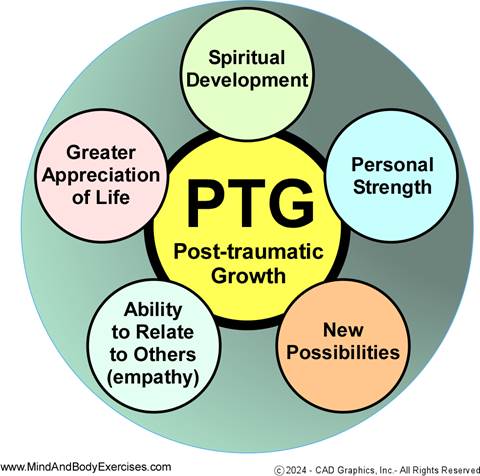
1. Transformation Through Trauma
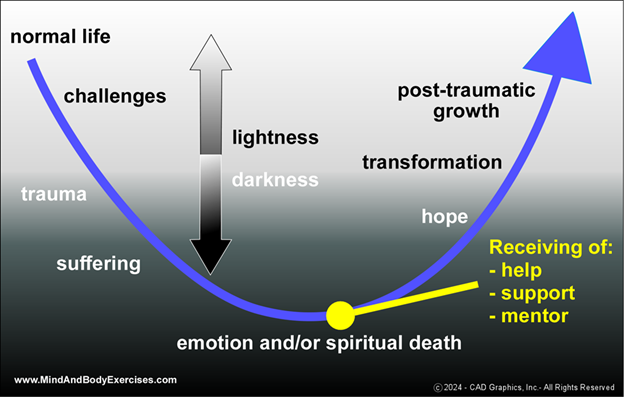
Traumatic events often serve as uninvited gateways to inner transformation. Illness, loss, injury, or upheaval can abruptly dissolve our previous worldview and expose our vulnerabilities. But they can also open new paths toward meaning and depth.
This phenomenon is known as post-traumatic growth, a process where individuals, after grappling with suffering, report increased appreciation for life, strengthened relationships, and a greater sense of purpose (Tedeschi & Calhoun, 2004). In such cases, the trauma acts as a psychological rupture that allows a new self to emerge.
“The wound is the place where the light enters you.” – Rumi
However, it’s crucial to note that trauma alone does not lead to growth. It is the integration and reflection that follows which allows transformation to take root.
2. Transformation Through Deliberate Cultivation
On the opposite end lies the path of intentional self-cultivation. This is the domain of daily practices, discipline, and internal effort. Whether through meditation, yoga, tai chi, journaling, psychotherapy, or spiritual observances, this method involves gradual evolution through conscious engagement.
This approach reflects the ancient notion of “self-cultivation” found in Taoist, Confucian, and yogic traditions, where individuals refine their inner nature through mindful attention and ethical action (Wong, 2013).
Over time, these practices strengthen the nervous system, improve emotional regulation, deepen awareness, and harmonize body, mind, and spirit.

3. Sudden Epiphany and Noetic Insight
Some transformations do not arise from pain or practice, but from a sudden inner awakening or an epiphany, mystical experience, or altered state of consciousness. These shifts often occur unexpectedly and can be catalyzed by:
- Near-death experiences
- Lucid dreams or synchronicities
- Deep meditation
- Psychedelic-assisted therapy (Griffiths et al., 2016)
William James referred to these as “noetic experiences” or moments of intuitive knowing that feel more real than everyday consciousness and often lead to lasting shifts in values or identity (James, 1902/2002).
These experiences may appear irrational or unexplainable, but for the individual, they often provide profound clarity and inner peace.
4. Environmental and Social Catalysts
Human beings are shaped not only by internal forces but also by their environments and relationships. Transformation can occur by stepping into new ecosystems, both physical and social.
Examples include:
- Moving to a new culture or community
- Entering mentorship or a new life role
- Participating in rites of passage or initiatory rituals
- Engaging in therapeutic or communal healing spaces
Sometimes, being seen differently by others allows us to see ourselves differently, and environments that mirror new possibilities can become containers for profound personal change (Mezirow, 2000).
5. Developmental and Life Stage Transformation
Transformation also occurs as a natural part of the human lifecycle. As we pass through life stages, our values, identity, and priorities often evolve—without trauma or specific practice.
Examples include:
- The midlife transition, where individuals reevaluate purpose and direction (Levinson, 1978)
- Elderhood, which invites wisdom, reflection, and legacy-building
- The realization of mortality and impermanence, which can soften the ego and elevate spiritual awareness
These transitions are often subtle, cumulative, and rooted in the rhythms of human development rather than crisis or control.
Comparison of Transformation Paths
| Pathway | Voluntary? | Sudden or Gradual? | Inner or Outer Catalyst? |
| Trauma or Crisis | No | Often sudden | Outer |
| Deliberate Cultivation | Yes | Gradual | Inner |
| Epiphany or Mystical Experience | No | Sudden | Inner/Transcendent |
| Environmental/Social Influence | Sometimes | Gradual or sudden | Outer |
| Life Stage Development | No | Gradual | Inner (through aging) |
Not all transformation comes from suffering, and not all growth requires discipline. Transformation can be invited through effort, stumbled upon by chance, or emerging silently over time. What unites all these paths is the openness of the individual, a willingness to see differently, feel deeply, and respond to life with awareness.
As Carl Jung wisely noted:
“We are not what happened to us; we are what we choose to become.”
In holistic wellness, recognizing these diverse pathways empowers us not only to heal but to evolve consciously—body, mind, and spirit—through whatever doorway life presents.
References:
Griffiths, R. R., Johnson, M. W., Richards, W. A., Richards, B. D., McCann, U., & Jesse, R. (2016). Psilocybin produces substantial and sustained decreases in depression and anxiety in patients with life-threatening cancer: A randomized double-blind trial. Journal of Psychopharmacology, 30(12), 1181–1197. https://doi.org/10.1177/0269881116675513
James, W. (2002). The varieties of religious experience: A study in human nature (Original work published 1902). Modern Library. https://archive.org/details/varietiesofrelig00jameuoft/page/n5/mode/2up
Levinson, D. J. (1978). The seasons of a man’s life. Ballantine Books. https://archive.org/details/seasonsofmanslif00dani
Mezirow, J. (2000). Learning as transformation: Critical perspectives on a theory in progress. Jossey-Bass. https://archive.org/details/learningastransf0000mezi/page/n7/mode/2up
Tedeschi, R. G., & Calhoun, L. G. (2004). Posttraumatic growth: Conceptual foundations and empirical evidence. Psychological Inquiry, 15(1), 1–18. https://doi.org/10.1207/s15327965pli1501_01
Wong, D. B. (2013). Cultivating the Self in Concert with Others. In Dao companions to Chinese philosophy (pp. 171–197). https://doi.org/10.1007/978-94-007-7113-0_10

 United Martial Arts Association