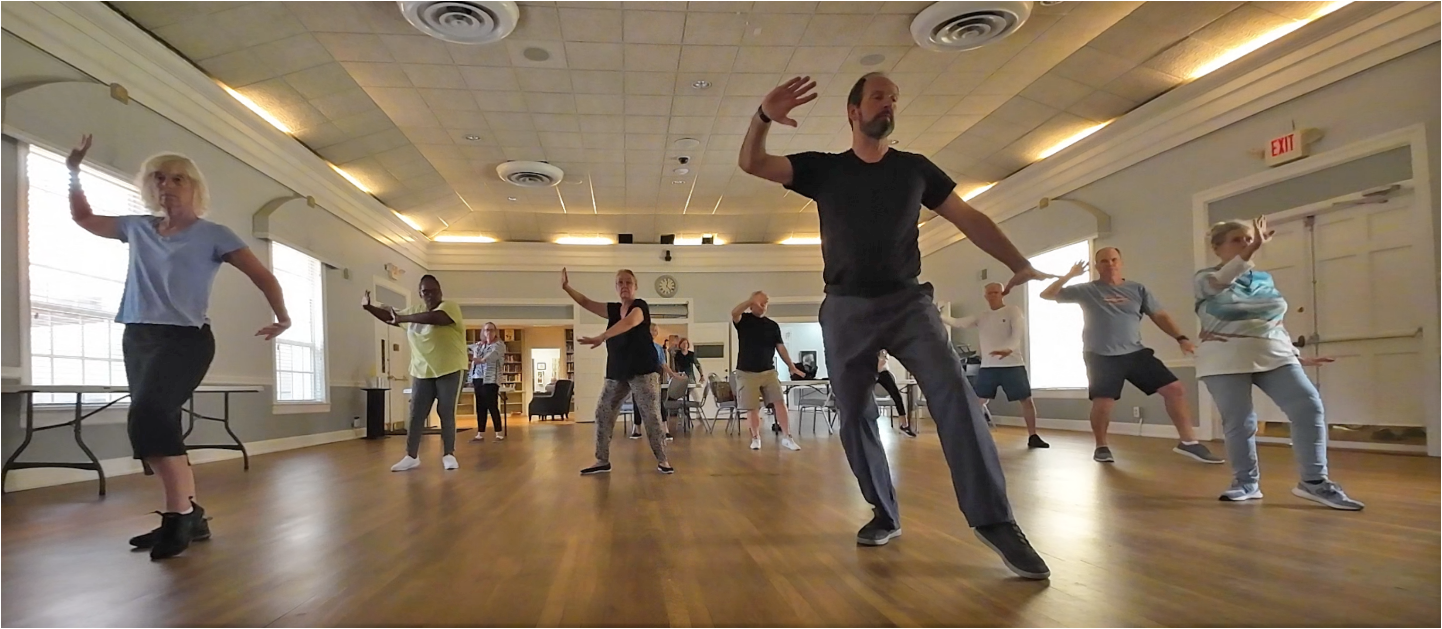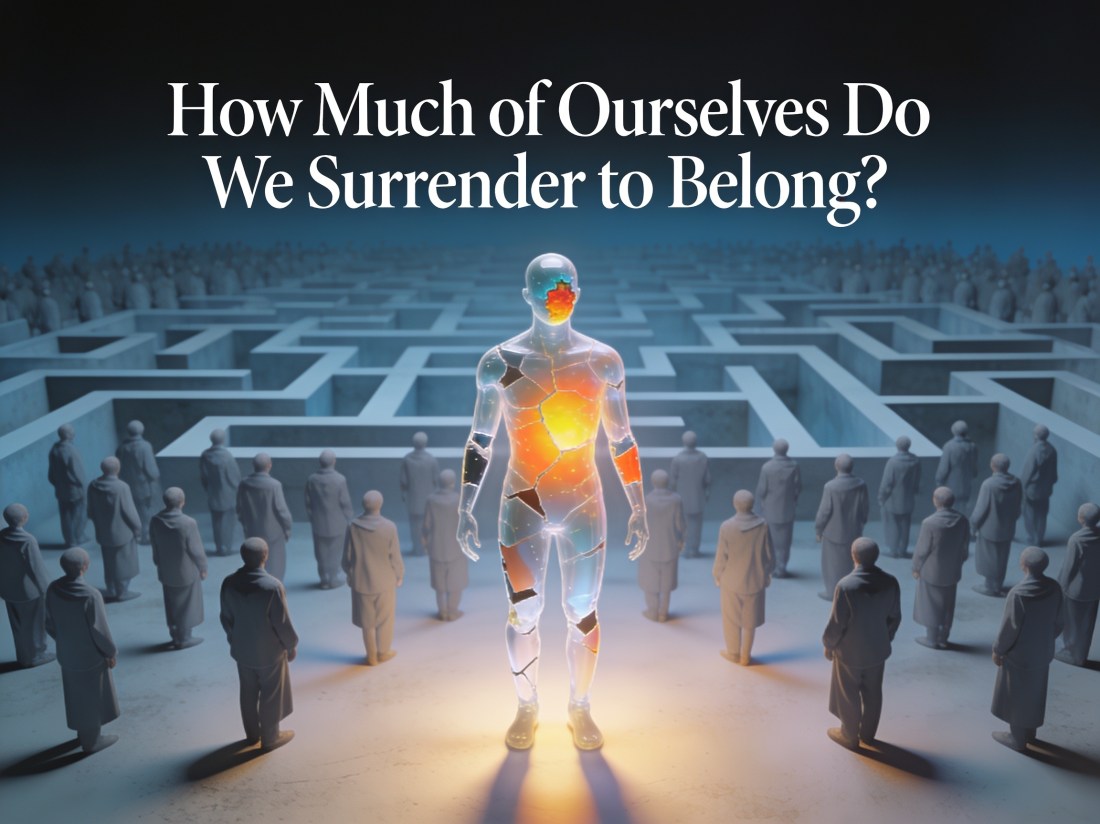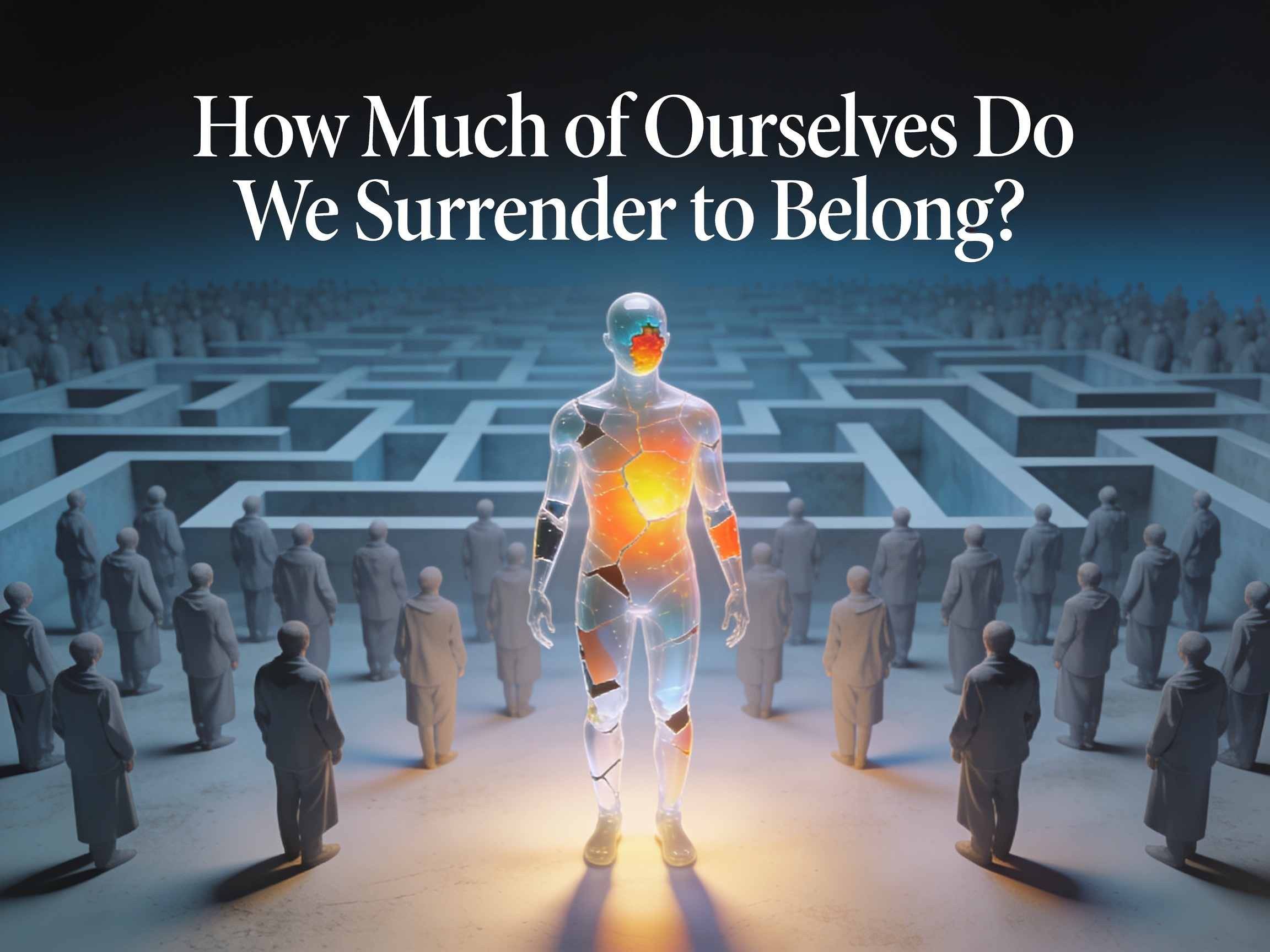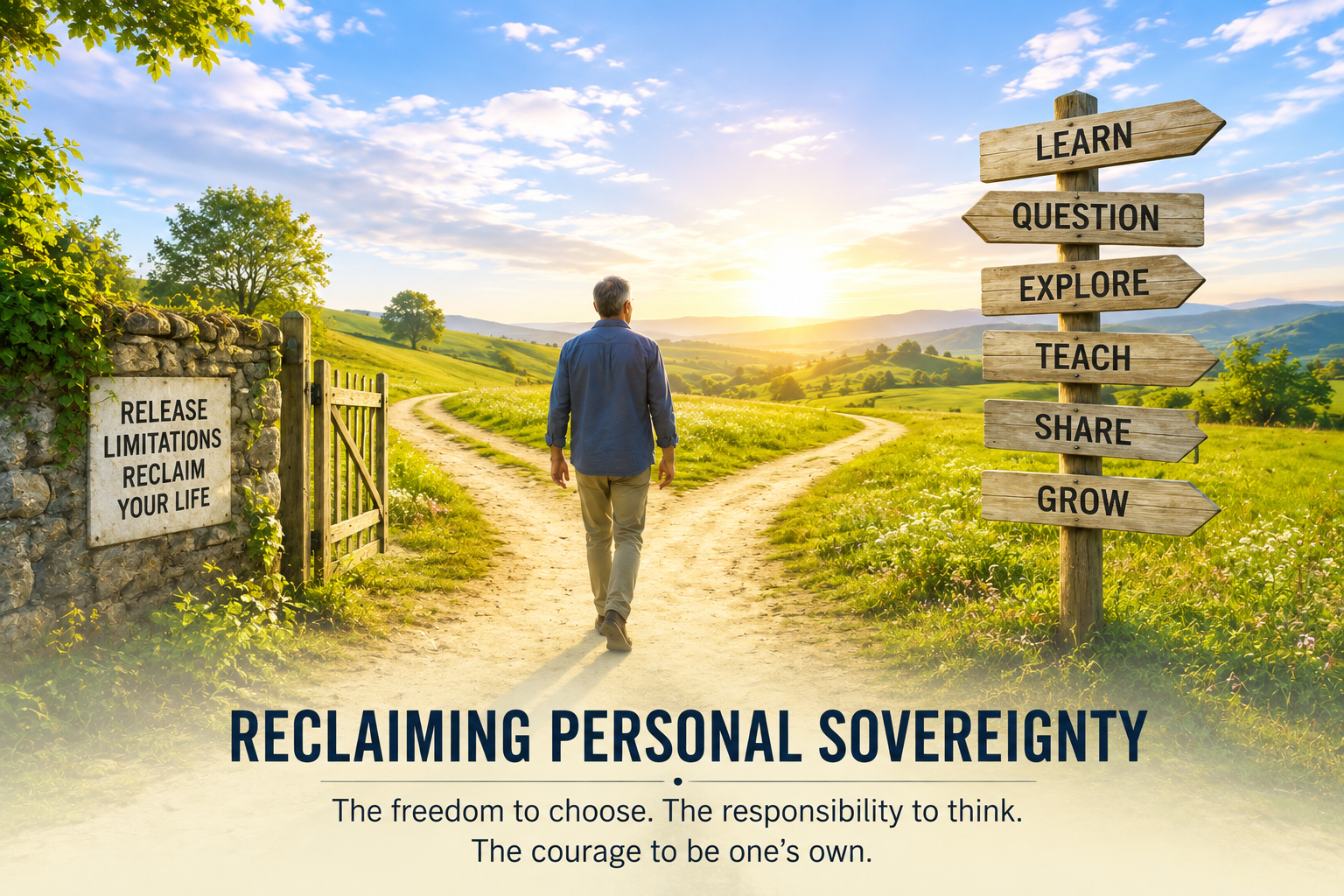
Better Breathing – University Club Holistic Health Discussion 11-14-2024

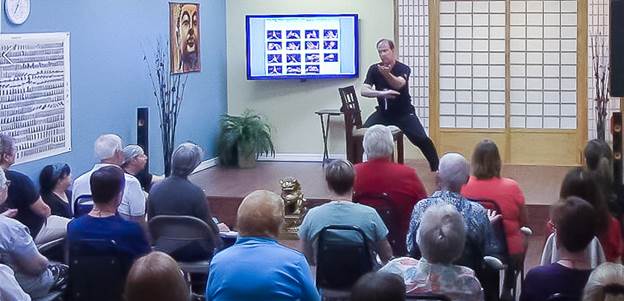
This video presents an in-depth discussion about the significance of breathing, particularly mindful and diaphragmatic breathing, as taught through martial arts practices such as Tai Chi and Qigong (chi gong). As an experienced martial arts and qigong instructor, I explained how breathing influences both physiological functions and mental states, emphasizing stress management and overall health.

Throughout the talk, the connection between breathing techniques and various health aspects like nervous system regulation, emotional balance, and physical fitness are explored. Practical guidance on how to breathe properly through the nose, from the diaphragm, and at a slower rate, is provided, alongside explanations of physiological responses to stress and relaxation. I integrate traditional Eastern perspectives like Traditional Chinese Medicine and Indian pranayama with Western science, offering a holistic view of breath as life force and energy circulation.

Various breathing exercises, including the well-known “box breathing” technique popularized by Navy SEALs, are demonstrated. The talk also covers how body posture, muscle engagement, and even acupressure points on the wrist can enhance the effectiveness of breathing techniques for reducing stress. The benefits of breath control extend beyond physical health to include emotional well-being by triggering the release of positive neurochemicals such as dopamine, serotonin, oxytocin, and endorphins.

Viewers and attendees are encouraged to incorporate these breathing habits into daily life, regardless of age or mobility, for gradual but significant health improvements. The presentation references follow-up classes on topics such as bone health, balance, and mental awareness, underscoring the integrated approach to holistic wellness.

Breathing as a Gateway to Nervous System Regulation: The way we breathe directly influences the autonomic nervous system, shifting the balance between sympathetic (stress/fight or flight) and parasympathetic (relaxation/rest and digest) responses. Deep, slow, diaphragmatic breathing promotes parasympathetic dominance, effectively calming the heart rate and reducing cortisol and adrenaline production. This “biohack” empowers individuals to consciously modulate stress rather than passively endure it.

Diaphragmatic Breathing Optimizes Lung Capacity and Oxygenation: Breathing from the diaphragm rather than shallow chest breathing utilizes more of the lung’s capacity, encouraging better oxygen exchange and carbon dioxide elimination. This improves cellular respiration efficiency and energy production. Additionally, diaphragmatic breathing activates muscles beyond the diaphragm, including neck and rib muscles, enhancing lung expansion and circulation.

Nasal Breathing is Superior to Mouth Breathing: Breathing through the nose warms and filters air, increases nitric oxide production (a vasodilator improving blood flow), and supports moistening the airways. Mouth breathing tends to be shallow and less efficient, leading to dry mouth and potentially altered facial structure in children over time. Nasal breathing contributes to a slower, deeper breath pattern, essential for effective stress management and respiratory health.

Integration of Eastern Medicine and Western Physiology: The talk bridges traditional Chinese medicine’s concept of Qi (life force) and acupuncture meridians with scientific understandings of respiratory function and neurochemistry. This integrative view enriches the appreciation of breathing not just as a mechanical act, but as a method of modulating energy flow, emotional state, and health outcomes. Practices such as Tai Chi harness these ideas physically and mentally through movement and breath synchronization.

Box Breathing as a Mental and Physiological Tool: The “box breathing” technique engages both the breath and the mind to create a focused, rhythmic pattern that promotes relaxation and mental clarity. It is effective for reducing anxiety in high-stress professions (e.g., Navy SEALs) and can be adapted for everyday use. By focusing attention on the breath cycle, it breaks negative thought loops, anchors the mind, and physically signals the nervous system to shift towards calmness.

Physical Posture and Movement Enhance Breath Quality: Posture, spinal flexibility, and full-body engagement support deeper breathing. Twisting movements improve the elasticity of costal and vertebral joints, enhancing lung expansion capacity. Similarly, maintaining proper seated posture (e.g., sitting toward the edge of a chair with feet flat and relaxed shoulders) facilitates diaphragmatic breathing. Incorporating movements from disciplines like Tai Chi or yoga fosters holistic respiratory function.

Age and Breathing: Practical Benefits at Any Stage of Life: While lung and muscular function naturally decline with age, adopting breathing practices can slow that decline and improve quality of life at any age. Even individuals in their 60s and beyond can see meaningful improvements in stress reduction, oxygenation, and mental clarity by practicing mindful breathing consistently. The talk underscores lifelong learning and self-awareness as keys to ongoing health optimization.

Highlights

  • Daily mindful breathing through the nose and diaphragm improves physical and mental health.
  • Proper breathing slows down heart rate, calms the nervous system, and reduces stress hormones.
  • Box breathing (4 seconds inhale, hold, exhale, hold) helps anchor thoughts and manage anxiety.
  • Breathing influences brain chemistry, promoting dopamine, serotonin, oxytocin, and endorphins.
  • Wrist acupressure combined with breathing techniques can relieve anxiety and promote circulation.
  • Eastern traditions like Tai Chi and Qigong emphasize breath as vital energy or life force.
  • It’s never too late to benefit from improved breathing for longevity and well-being at any age.

The video provides a comprehensive foundation on how mindful breathing practices can be used as a simple yet powerful tool to enhance physical health, mental well-being, and emotional balance, drawing from traditional and modern knowledge systems. It encourages self-awareness, consistent practice, and integration of breath work into everyday life for lasting benefits.

The Cracked Stone Revealing Gold

Kintsugi as a Metaphor for Rebirth, Resilience, and Post Traumatic Growth

Across cultures and eras, humans have sought metaphors capable of explaining how suffering can coexist with strength, and how rupture can give rise to renewal. One of the most enduring and elegant metaphors for this process is Kintsugi, the Japanese art of repairing broken pottery with lacquer mixed with powdered gold. Rather than concealing fractures, Kintsugi highlights them, transforming damage into a defining feature of the object’s beauty and value. This practice offers a powerful symbolic lens through which to examine rebirth, resilience, and post traumatic growth (PTG).

Unlike narratives that portray healing as a return to an unbroken state, Kintsugi asserts that transformation occurs because of breakage, not in spite of it. When applied to human development, this metaphor challenges deficit-based models of trauma recovery and invites a reframing of adversity as a potential catalyst for meaning, integration, and psychological maturation (Tedeschi & Calhoun, 2004).

Kintsugi and the Philosophy of Visible Repair

At its core, Kintsugi is rooted in wabi-sabi, a Japanese aesthetic philosophy that honors impermanence, imperfection, and incompleteness. Rather than valuing symmetry or flawlessness, wabi-sabi recognizes authenticity as emerging through wear, age, and use. In Kintsugi, the repaired object does not attempt to mimic its former state. The break is acknowledged, traced, and sealed with care.

This philosophical orientation mirrors contemporary trauma psychology, which increasingly recognizes that healing does not involve erasing traumatic experience, but integrating it into a broader and more coherent life narrative (Joseph & Linley, 2006). The repaired vessel becomes stronger at the site of repair, not because it avoided damage, but because it was attended to with intention, patience, and skill.

The Cracked Stone as a Universal Symbol

The image of a cracked stone revealing gold extends the Kintsugi metaphor beyond pottery into the natural and existential realm. Stone is typically associated with permanence, durability, and resistance. When stone fractures, it violates expectations of stability, much as trauma disrupts assumptions about safety, identity, and predictability (Janoff-Bulman, 1992). Yet within geological processes, fractures often expose veins of mineral wealth. Pressure, heat, and tectonic stress are precisely the forces that allow gold to form and surface.

This parallel aligns closely with hormetic models of adaptation, in which controlled stress promotes strength and refinement, while unregulated stress overwhelms biological and psychological systems (Mattson, 2008). In both geology and human development, transformation requires force, but also time, containment, and structure.

Trauma as Rupture of Meaning

Psychological trauma is not defined solely by exposure to stress or adversity, but by the shattering of meaning structures that organize perception and identity (Park, 2010). Core beliefs about fairness, safety, autonomy, and continuity are disrupted. This rupture is often experienced as fragmentation, emotional dysregulation, and loss of coherence.

From a Kintsugi perspective, trauma represents the moment of breakage. However, breakage alone does not determine outcome. Without repair, cracks propagate. With skillful integration, they become lines of strength. Post traumatic growth does not deny pain or minimize suffering. Instead, it acknowledges that the reconstruction of meaning can lead to new values, deeper relationships, and an expanded sense of purpose (Tedeschi & Calhoun, 2004).

Gold as Meaning, Not Positivity

In Kintsugi, gold does not symbolize denial or forced optimism. It represents investment. Gold is rare, costly, and deliberately applied. Similarly, psychological integration requires effort, reflection, and often guidance. Meaning is not automatically extracted from trauma. It is forged through conscious engagement with suffering, supported by regulation, social connection, and narrative reconstruction (Park, 2010).

This distinction is critical. Superficial positivity can invalidate lived experience and impede recovery. The gold of Kintsugi does not erase the crack. It honors it. In PTG research, growth is associated with deliberate meaning making, not with avoidance or suppression of distress (Joseph & Linley, 2006).

Resilience Versus Post Traumatic Growth

Resilience and post traumatic growth are often conflated, but they represent distinct processes. Resilience refers to the capacity to maintain or regain functioning in the face of adversity. Post traumatic growth refers to transformation beyond baseline functioning (Southwick et al., 2014).

In metaphorical terms, resilience preserves the vessel. Post traumatic growth reshapes it. The cracked stone repaired with gold does not return to its prior state. It becomes something new, marked by experience and enriched by integration. This distinction reframes trauma recovery as a developmental process rather than a corrective one.

The Role of Time and Patience

Kintsugi is not a rapid repair. The process requires drying, curing, and careful layering. Similarly, psychological integration unfolds over time. Neurobiological recovery, emotional regulation, and identity reconstruction are gradual processes shaped by repetition and consistency (van der Kolk, 2014).

Time alone does not heal trauma. However, time combined with regulated exposure, embodied practices, and supportive relationships allows the nervous system to recalibrate and the mind to reorganize experience (Porges, 2011). The cracked stone does not reveal gold immediately. It does so through sustained engagement with pressure and care.

Embodiment and the Materiality of Healing

Kintsugi is a tactile art. It involves hands, materials, and physical presence. This embodied dimension parallels somatic approaches to trauma recovery, which recognize that traumatic memory is stored not only cognitively but physiologically (van der Kolk, 2014). Repair occurs not solely through insight, but through restoring a sense of safety, agency, and bodily coherence.

Practices that involve posture, breath, movement, and sensory awareness serve as modern equivalents of the craftsman’s work. They provide structure to contain experience and facilitate integration, allowing psychological gold to be laid into somatic cracks.

Rebirth as Integration, Not Replacement

The concept of rebirth is often misunderstood as starting over. The Kintsugi metaphor rejects this notion. Rebirth does not mean discarding the past but incorporating it into a renewed whole. The vessel remembers its fracture. The stone retains its fault lines.

Post traumatic growth reflects this integrated rebirth. Individuals report increased appreciation for life, clarified priorities, enhanced relational depth, and a more grounded sense of self (Tedeschi & Calhoun, 2004). These outcomes do not emerge despite trauma, but through its conscious integration.

Cultural and Ethical Implications

The Kintsugi metaphor carries ethical weight. It challenges cultures that stigmatize vulnerability or equate worth with flawlessness. By highlighting repair rather than concealment, it affirms the dignity of lived experience and reframes suffering as a potential source of wisdom.

In therapeutic, educational, and communal contexts, this metaphor supports trauma-informed approaches that emphasize agency, respect, and long-term development rather than symptom suppression. It invites systems to ask not how to hide cracks, but how to support meaningful repair.

The cracked stone revealing gold offers a profound metaphor for rebirth, resilience, and post traumatic growth. It affirms that damage does not negate value, that fracture does not preclude strength, and that transformation is not a return to innocence but a movement toward integration.

Kintsugi teaches that what has been broken can become more meaningful, not because suffering is desirable, but because repair, when undertaken with care and intention, reveals capacities that would otherwise remain hidden. In this sense, post traumatic growth is not an exception to human development. It is one of its deepest expressions.

References:

Janoff-Bulman, R. (1992). Shattered assumptions: Toward a new psychology of trauma. Free Press.

Joseph, S., & Linley, P. A. (2006). Growth following adversity: Theoretical perspectives and implications for clinical practice. Clinical Psychology Review, 26(8), 1041–1053. https://doi.org/10.1016/j.cpr.2005.12.006

Mattson, M. P. (2008). Hormesis defined. Ageing Research Reviews, 7(1), 1–7. https://doi.org/10.1016/j.arr.2007.08.007

Park, C. L. (2010). Making sense of the meaning literature: An integrative review of meaning making and its effects on adjustment to stressful life events. Psychological Bulletin, 136(2), 257–301. https://doi.org/10.1037/a0018301

Porges, S. W. (2011). The polyvagal theory: Neurophysiological foundations of emotions, attachment, communication, and self regulation. W. W. Norton.

Southwick, S. M., Bonanno, G. A., Masten, A. S., Panter-Brick, C., & Yehuda, R. (2014). Resilience definitions, theory, and challenges. European Journal of Psychotraumatology, 5, 25338. https://doi.org/10.3402/ejpt.v5.25338

Tedeschi, R. G., & Calhoun, L. G. (2004). Post traumatic growth: Conceptual foundations and empirical evidence. Psychological Inquiry, 15(1), 1–18. https://doi.org/10.1207/s15327965pli1501_01

van der Kolk, B. A. (2014). The body keeps the score: Brain, mind, and body in the healing of trauma. Viking.

Build Stronger Bones – University Club Holistic Health Discussion 12-12-2024

This video lecture offers a comprehensive exploration of bone health within the broader framework of holistic wellness. It connects the anatomy and physiology of bones to lifestyle factors, emphasizing the intricate links between physical, mental, and spiritual health. Starting with a review of prior wellness topics such as balance, breathing, and acupressure meridians, I strived to situate bone health in a systems view, explaining how weak bones affect balance and mobility. Key causes of bone weakening, such as sedentary lifestyle, poor diet, hormonal changes, genetics, stress, and insufficient vitamin D, are examined in detail.

The lecture highlights the importance of regular exercise, including weight-bearing activities, Tai Chi, yoga, and functional fitness, to stimulate bone remodeling and maintain strength across the lifespan. Additionally, it addresses the role of calcium, vitamin D, and supplements, as well as medical interventions like acupuncture and TENS (Transcutaneous Electrical Nerve Stimulation) for pain management. I spoke of integrating traditional Chinese medicine concepts, stress benefits, and mindful breathing into the discussion, reinforcing a holistic view of health. Practical tips for maintaining bone integrity, improving balance, and avoiding falls are offered along with a call for consistent, varied physical activity as the cornerstone of healthy aging. The video finishes with a Q&A style wrap-up that stresses individual variability and the importance of personalized healthcare guidance.

Interconnectedness of Systems: The presentation emphasizes that bone health is not isolated but deeply intertwined with muscular, neurological, and even spiritual health. For example, weak bones increase fall risk, which can cascade into fractures and loss of mobility, illustrating the systemic nature of health challenges. The concept of yin and yang underscores the balance between internal wellness and external fitness, highlighting that physical strength alone is insufficient without emotional and mental well-being. This integrated approach reflects contemporary holistic health paradigms.

Vitamin D’s Crucial Role and Sunlight Exposure: A significant insight is the critical role of vitamin D in calcium absorption and bone integrity. I highlighted how modern lifestyles have evolved our indoor activities, sunscreen use, geographic latitude, and seasonal changes, contributing to widespread vitamin D deficiency. This deficiency links to multiple conditions including osteoporosis, osteomalacia, rickets, and compromised immunity. The discussion about timing and duration of sun exposure elucidates practical strategies to optimize vitamin D without risking skin damage, encouraging mindful balance.

Exercise as a Primary Modulator of Bone Strength: Wolf’s Law explains how mechanical strain on bones via muscle tension prompts remodeling and strengthening. The presentation breaks down exercise types, from gentle Tai Chi to rigorous weight training and their suitability across age groups, stressing the importance of consistency and variety. I caution that overly repetitive or limited-exercise regimens may enhance one skill set but neglect others (e.g., flexibility, cardiovascular health), advocating for a multi-dimensional fitness approach. Use of weighted vests, wrist weights, and grip exercises further illustrates how progressive tension can be tailored to individual capacity.

Balance and Grip Strength are Vital for Injury Prevention: Falls are a leading cause of fractures in older adults; thus, balance training and grip strength are crucial preventive measures. The lecture connects muscle strength, proprioception, and neuromuscular coordination as key to maintaining postural stability. Grip strength matters not only for daily function but also as an indicator of overall health and balance recovery capability during falls, making it a practical focus area for exercise programs.

Holistic Fitness and Organ Health through Movement: Unlike traditional fitness focused solely on muscles and cardiovascular systems, the talk introduces the idea that practices like Tai Chi and yoga actively stimulate internal organs by promoting diaphragmatic movement and circulation. This ‘soft fitness’ concept aligns with traditional Chinese medicine, promoting blood flow and nervous system activation via acupressure meridians. This insight expands the definition of fitness towards holistic bodily integration and organ vitality.

Complementary Modalities for Pain and Bone Health: The acceptance and use of acupuncture, acupressure, and TENS units are discussed as effective tools for pain relief without drugs, especially for arthritis and bone-related discomfort. While these do not cure structural issues, their value in managing symptoms and enabling movement enhances quality of life. The lecture also discusses complexities around calcium supplements and pharmaceuticals, emphasizing nutritional balance and caution due to potential side effects like kidney stones or brittle bones.

Stress Hormones Impact Bone Remodeling: Chronic stress elevates cortisol levels, which negatively affects bone formation and increases breakdown, illustrating the biochemical pathways connecting emotional health and bone physiology. The analogy to a microwave running empty underscores how unrelenting stress can burn out the system. Incorporating stress management, mindful breathing, and spiritual awareness into daily practice is thus integral to sustaining bone health, emphasizing mind-body unity in disease prevention and health promotion.

Highlights

  • Holistic health views bones as interconnected with muscles, organs, and energy meridians.
  • Vitamin D deficiency is widespread and profoundly impacts bone strength and immunity.
  • Weight-bearing exercise and diverse physical activity stimulate bone remodeling at any age.
  • Balance, grip strength, and neuromuscular coordination are critical for fall and injury prevention.
  • Soft movement practices like Tai Chi and yoga engage muscles and organs for whole-body wellness.
  • Acupuncture and TENS offer non-pharmaceutical options for managing bone-related pain.
  • Stress and mental health considerably affect bone physiology via hormonal pathways like cortisol.

I feel that this discussion offers an in-depth, well-rounded discussion on bone health, rooting it firmly in a holistic wellness model. It broadens the narrative beyond simple calcium intake or exercise regimens, weaving in mental health, stress, spirituality, and modern lifestyle factors. Practical, evidence-backed advice coupled with traditional medicine knowledge and personal anecdotes make it accessible. Viewers are encouraged to adopt a varied, consistent exercise routine, mind their nutrition and sunlight exposure, manage stress, and consider complementary therapies to maintain strong bones and overall vitality through aging.

Paths of Profound Change: Beyond Trauma and Discipline

In the holistic journey of life, personal transformation is often viewed as the result of either traumatic events or conscious effort. These shocks either break us or shape us. While these are indeed powerful forces for change, they do not encompass the full spectrum of transformative pathways available to us as human beings.

Lasting, life-altering transformation can arise in many forms. Some sudden, others subtle, some invited, others unexpected. By understanding these varied mechanisms, we broaden our approach to healing, growth, and self-realization.

1. Transformation Through Trauma

Traumatic events often serve as uninvited gateways to inner transformation. Illness, loss, injury, or upheaval can abruptly dissolve our previous worldview and expose our vulnerabilities. But they can also open new paths toward meaning and depth.

This phenomenon is known as post-traumatic growth, a process where individuals, after grappling with suffering, report increased appreciation for life, strengthened relationships, and a greater sense of purpose (Tedeschi & Calhoun, 2004). In such cases, the trauma acts as a psychological rupture that allows a new self to emerge.

“The wound is the place where the light enters you.” – Rumi

However, it’s crucial to note that trauma alone does not lead to growth. It is the integration and reflection that follows which allows transformation to take root.

2. Transformation Through Deliberate Cultivation

On the opposite end lies the path of intentional self-cultivation. This is the domain of daily practices, discipline, and internal effort. Whether through meditation, yoga, tai chi, journaling, psychotherapy, or spiritual observances, this method involves gradual evolution through conscious engagement.

This approach reflects the ancient notion of “self-cultivation” found in Taoist, Confucian, and yogic traditions, where individuals refine their inner nature through mindful attention and ethical action (Wong, 2013).

Over time, these practices strengthen the nervous system, improve emotional regulation, deepen awareness, and harmonize body, mind, and spirit.

3. Sudden Epiphany and Noetic Insight

Some transformations do not arise from pain or practice, but from a sudden inner awakening or an epiphany, mystical experience, or altered state of consciousness. These shifts often occur unexpectedly and can be catalyzed by:

  • Near-death experiences
  • Lucid dreams or synchronicities
  • Deep meditation
  • Psychedelic-assisted therapy (Griffiths et al., 2016)

William James referred to these as “noetic experiences” or moments of intuitive knowing that feel more real than everyday consciousness and often lead to lasting shifts in values or identity (James, 1902/2002).

These experiences may appear irrational or unexplainable, but for the individual, they often provide profound clarity and inner peace.

4. Environmental and Social Catalysts

Human beings are shaped not only by internal forces but also by their environments and relationships. Transformation can occur by stepping into new ecosystems, both physical and social.

Examples include:

  • Moving to a new culture or community
  • Entering mentorship or a new life role
  • Participating in rites of passage or initiatory rituals
  • Engaging in therapeutic or communal healing spaces

Sometimes, being seen differently by others allows us to see ourselves differently, and environments that mirror new possibilities can become containers for profound personal change (Mezirow, 2000).

5. Developmental and Life Stage Transformation

Transformation also occurs as a natural part of the human lifecycle. As we pass through life stages, our values, identity, and priorities often evolve—without trauma or specific practice.

Examples include:

  • The midlife transition, where individuals reevaluate purpose and direction (Levinson, 1978)
  • Elderhood, which invites wisdom, reflection, and legacy-building
  • The realization of mortality and impermanence, which can soften the ego and elevate spiritual awareness

These transitions are often subtle, cumulative, and rooted in the rhythms of human development rather than crisis or control.

Comparison of Transformation Paths

PathwayVoluntary?Sudden or Gradual?Inner or Outer Catalyst?
Trauma or CrisisNoOften suddenOuter
Deliberate CultivationYesGradualInner
Epiphany or Mystical ExperienceNoSuddenInner/Transcendent
Environmental/Social InfluenceSometimesGradual or suddenOuter
Life Stage DevelopmentNoGradualInner (through aging)

Not all transformation comes from suffering, and not all growth requires discipline. Transformation can be invited through effort, stumbled upon by chance, or emerging silently over time. What unites all these paths is the openness of the individual, a willingness to see differently, feel deeply, and respond to life with awareness.

As Carl Jung wisely noted:

“We are not what happened to us; we are what we choose to become.”

In holistic wellness, recognizing these diverse pathways empowers us not only to heal but to evolve consciously—body, mind, and spirit—through whatever doorway life presents.

References:

Griffiths, R. R., Johnson, M. W., Richards, W. A., Richards, B. D., McCann, U., & Jesse, R. (2016). Psilocybin produces substantial and sustained decreases in depression and anxiety in patients with life-threatening cancer: A randomized double-blind trial. Journal of Psychopharmacology, 30(12), 1181–1197. https://doi.org/10.1177/0269881116675513

James, W. (2002). The varieties of religious experience: A study in human nature (Original work published 1902). Modern Library. https://archive.org/details/varietiesofrelig00jameuoft/page/n5/mode/2up

Levinson, D. J. (1978). The seasons of a man’s life. Ballantine Books. https://archive.org/details/seasonsofmanslif00dani

Mezirow, J. (2000). Learning as transformation: Critical perspectives on a theory in progress. Jossey-Bass. https://archive.org/details/learningastransf0000mezi/page/n7/mode/2up

Tedeschi, R. G., & Calhoun, L. G. (2004). Posttraumatic growth: Conceptual foundations and empirical evidence. Psychological Inquiry, 15(1), 1–18. https://doi.org/10.1207/s15327965pli1501_01

Wong, D. B. (2013). Cultivating the Self in Concert with Others. In Dao companions to Chinese philosophy (pp. 171–197). https://doi.org/10.1007/978-94-007-7113-0_10

Mount Kailash – A Sacred Symbol of Holistic Integration

Mount Kailash, located in the remote western region of the Tibetan Plateau, is not merely a geological marvel but a profound emblem of spiritual, mental, and physical integration. Revered across Hinduism, Buddhism, Jainism, and Bon, it stands as a living symbol of the interconnectedness that lies at the heart of holistic health. Rather than a site of conquest, it is a place of pilgrimage where the journey is inward, and the elevation sought is that of consciousness.

(File:Kailash Mansarover.jpg – Wikimedia Commons, 2006)

Spiritual Significance and Energetic Alignment

In Hindu philosophy, Mount Kailash is believed to be the dwelling place of Lord Shiva, the meditating ascetic who governs transformation and stillness. This vision mirrors a core tenet of holistic wellness, where there exists the need to cultivate inner awareness and transcendent consciousness. Shiva’s presence on the mountaintop symbolizes the crown chakra (sahasrara), representing union with the divine and the unfolding of higher consciousness (Johari, 2000).

Tibetan Buddhists identify the mountain as Kang Rinpoche, a manifestation of Mount Meru, or the cosmic axis believed to connect the heavens, earth, and underworld (Snellgrove, 1987). This symbolic vertical axis represents the human energetic spine in yogic practice and suggests that full alignment (both physical and spiritual) must occur from base to crown, a principle echoed in breathwork, qigong, and tai chi traditions.

In both spiritual and energetic models, Mount Kailash embodies balance and integration not only of body systems but of opposing forces: conscious and unconscious, effort and surrender, yin and yang.

The Kora: Pilgrimage as Mind-Body Practice

Pilgrims do not climb Mount Kailash. Instead, they perform a kora, which is a sacred circumambulation around the 52-kilometer base. This walking meditation reflects a form of dynamic mindfulness, an embodied spiritual practice that supports both mental clarity and physical endurance. It mirrors similar holistic practices such as walking meditation in Zen (Thich Nhat Hanh, 1991) and labyrinth walking in Western contemplative traditions.

One full kora is believed to absolve a lifetime of negative karma. Completing 108 cycles is said to lead to enlightenment. Regardless of belief system, this structured repetition and ritual movement demonstrate the psychophysiological benefits of contemplative physical exertion, a core aspect of holistic health (Bussing et al., 2012).

(Willaert, n.d.)

Psychosomatic Resonance and Symbolic Terrain

Mount Kailash’s position as the source of four major rivers (Indus, Sutlej, Brahmaputra, and Karnali) flowing in cardinal directions is symbolically rich. In traditional Chinese and Ayurvedic systems, water represents the flow of life force energy (qi or prana), and this geographical phenomenon reinforces Kailash’s status as a central energetic hub, a sacred “heart” of the world (Larre, de la Vallée, & Rochat de la Vallée, 1996).

The nearby lakes of Manasarovar (consciousness) and Rakshastal (unconscious or egoic forces) reflect archetypal and psychological dualities. Together, they offer a map of the inner self, where balance between light and shadow, awareness and instinct, becomes central to healing and integration (Jung, 1969).

Holistic Prohibition: Why Kailash Is Never Climbed

Unlike Everest, Kailash remains unclimbed by human feet, not due to physical danger but because of spiritual reverence. Ancient traditions prohibit accent, not as a denial of physical achievement, but as a call to humility, sacred restraint, and inner elevation. The modern holistic health movement increasingly acknowledges the power of respecting natural limits, recognizing that healing often arises not from forceful action but from honoring cycles, boundaries, and sacred stillness (Kabat-Zinn, 1990).

Myth, Energy, and Inner Ascent

Legends and esoteric traditions refer to Mount Kailash as a spiritual generator or vortex, a site of unexplained energetic phenomena. Though largely anecdotal, some studies of pilgrims’ experiences report states of heightened awareness, clarity, and emotional release, not unlike the effects of deep meditative states (Walach et al., 2005).

Holistically, Kailash becomes more than a destination. It is a mirror of the self, a metaphor for the inner path of transformation. The mountain teaches that healing, like the kora, requires movement around one’s core, integrating all aspects of being of mind, body, and spirit, until inner peace is restored.

Mount Kailash remains one of the Earth’s most revered sites, not because it has been conquered, but because it continues to conquer the ego. As a symbol of holistic integration, it reflects what modern wellness often seeks to rediscover: that true health is a sacred alignment, not just of body systems, but of the human spirit with the cosmos.

References:

Büssing, A., Michalsen, A., Khalsa, S. B. S., Telles, S., & Sherman, K. J. (2012). Effects of yoga on mental and physical health: A short summary of reviews. Evidence-Based Complementary and Alternative Medicine, 2012, 1–7. https://doi.org/10.1155/2012/165410

File:Kailash Mansarover.jpg – Wikimedia Commons. (2006, May 31). https://commons.wikimedia.org/wiki/File:Kailash_mansarover.jpg

Johari, H. (2000). Chakras: Energy centers of transformation. Destiny Books. https://archive.org/details/chakrasenergycen0000joha

Jung, C. G. (1969). Collected Works of C.G. Jung, Volume 9 (Part 1): Archetypes and the Collective Unconscious (G. ADLER & R. F. C. HULL, Eds.). Princeton University Press. http://www.jstor.org/stable/j.ctt5hhrnk

Kabat-Zinn, J. (1990). Full catastrophe living: Using the wisdom of your body and mind to face stress, pain, and illness. Delta. https://archive.org/details/fullcatastrophel00kaba

Larre, C., de la Vallée, E., & Rochat de la Vallée, E. (1996). The eight extraordinary meridians: Spirit of the vessels. Monkey Press.

Snellgrove, D. (1987). Indo-Tibetan Buddhism: Indian Buddhists and their Tibetan successors. Shambhala Publications. https://archive.org/details/indotibetanbuddh00snel/page/n7/mode/2up

Thich Nhat Hanh. (1991). Peace is every step: The path of mindfulness in everyday life. Bantam. https://archive.org/details/PeaceIsEveryStep-ThichNhatHanh

Walach, H., Buchheld, N., Buttenmüller, V., Kleinknecht, N., & Schmidt, S. (2005). Measuring mindfulness—The Freiburg Mindfulness Inventory (FMI). Personality and Individual Differences, 40(8), 1543–1555. https://doi.org/10.1016/j.paid.2005.11.025

Willaert, R. (n.d.). Mount Kailash – Saga Dawa Festival at Tarboche. Flickr. https://www.flickr.com/photos/rietje/19703962839