
When I listened to this episode of Huberman Lab Essentials, I felt like I was getting a masterclass in how our bodies really deal with heat and cold. Dr. Andrew Huberman was speaking with Dr. Craig Heler, an expert in neurobiology and ophthalmology, about cold exposure, and not just the trendy ice bath kind of talk, but the deeper science and practical ways it affects performance, physiology, and thermoregulation.
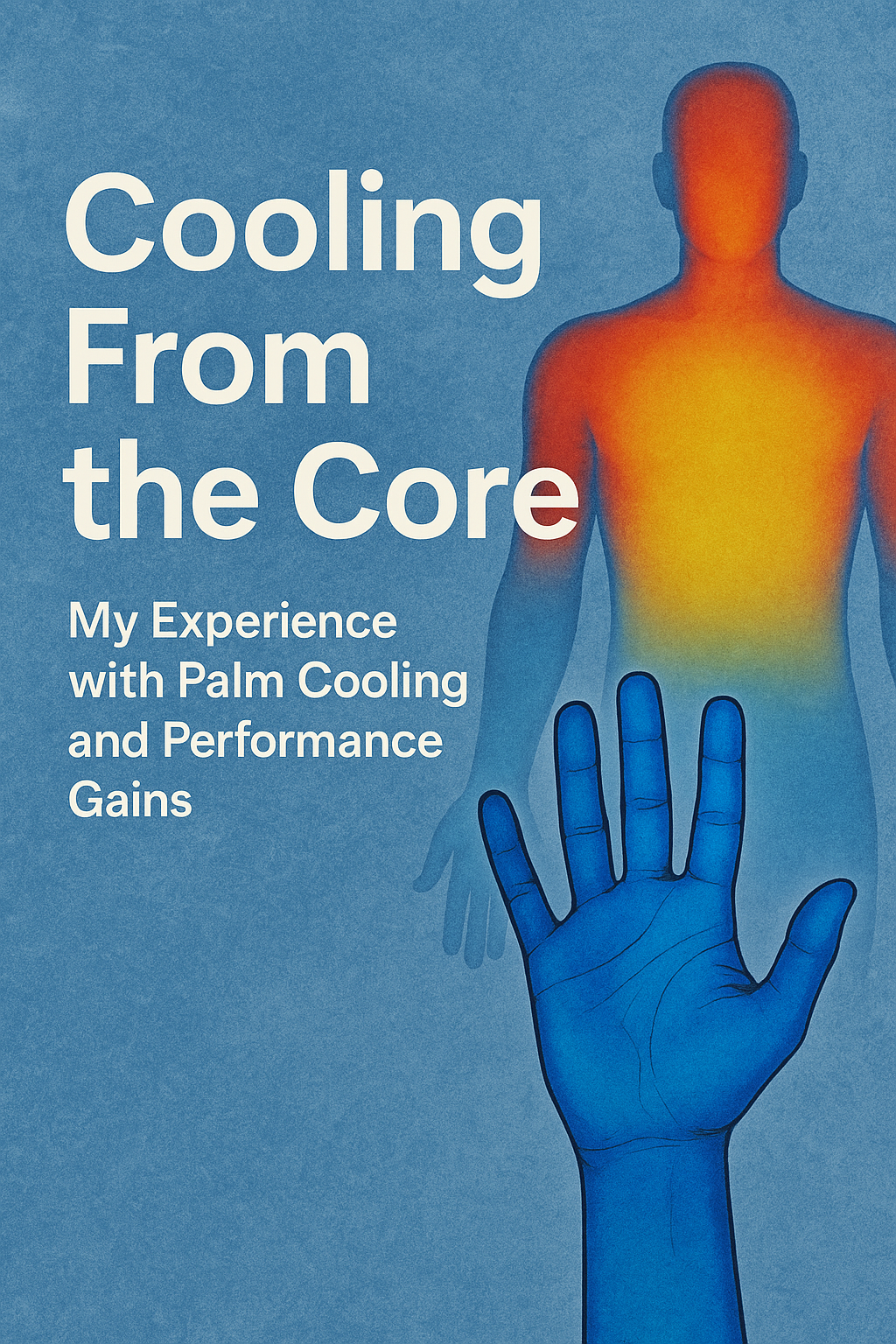
As I absorbed their discussion, I realized how much of my own thinking about cooling was based on half-truths or misleading sensations. They broke down the different physiological responses to cold showers versus ice baths, how aerobic and anaerobic exercise interact with temperature stress, and why heat buildup in muscles is often the true limiter of performance.
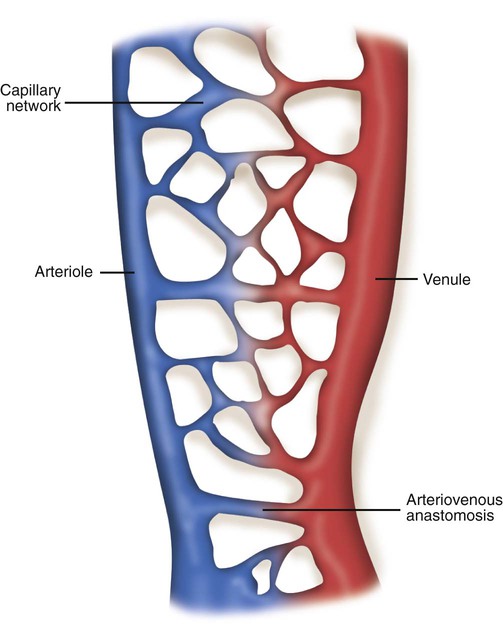
One of the biggest takeaways for me was learning about specialized heat loss portals in glabrous skin, orthe hairless areas like our palms, the soles of our feet, and our upper face. These areas have unique blood vessel shunts (arterio-venous anastomoses) that let blood bypass capillaries for rapid heat exchange. It’s an evolutionary adaptation, and when you target these portals for cooling, you can dramatically increase endurance and work capacity.
I found it fascinating and slightly frustrating, to learn that a lot of common cooling methods, like cold towels or ice packs, aren’t just less effective, they can actually work against you. They might feel good, but they can cause vasoconstriction that traps heat inside the body. Dr. Heler shared research and even pro athlete examples where palm cooling allowed people to double or triple their workout volume. I was struck by one story where an athlete’s dip count jumped from around 150 to over 300 by using this method.
What really stuck with me was the idea that muscle fatigue during anaerobic work is often due to local overheating, not just lactic acid buildup or lack of willpower. Once muscles hit around 39.5°C (103.1°F), a key enzyme for fuel supply shuts down, and the body simply won’t let you keep going. Cooling these heat loss portals between sets helps prevent that shutdown and keeps you in the game longer.
I also learned that you have to be careful not to overcool. If you make the skin too cold, you close off the very pathways you’re trying to use. The CoolMitt technology they discussed solves this by cooling palms to the optimal temperature. Cool enough to pull heat quickly, but not so cold that it causes vasoconstriction. About three minutes of cooling hits the sweet spot before diminishing returns set in.
What’s surprising is how much faster these glabrous skin areas can cool the body compared to the usual medical focus points like the armpits or groin. Cooling the palms, soles, and face can work about twice as fast, which makes me think medical protocols for heat stroke and athletic recovery might need to be revisited or updated.
Beyond the sports and martial arts communties, I see the potential for this science in the military, for outdoor workers, or anyone dealing with extreme heat. Even without specialized gear, Dr. Heler suggested experimenting with cold packs or frozen items on the palms during rest intervals.
One subtle but important insight was that cooling the head or neck might make you feel cooler but doesn’t necessarily lower your core temperature. That psychological trick can be dangerous if it leads you to push harder while your body is still overheating.
For me, this episode was a clear reminder of how much performance and safety comes down to understanding the body’s systems rather than relying on what feels good in the moment. Knowing that muscle temperature, glabrous skin cooling, and careful avoidance of overcooling can be the difference between fatigue and peak performance has given me a whole new set of tools to experiment with.
In the end, I learned both practical strategies and a deeper appreciation for the science. Cooling the right places, in the right way, can change the game not just for athletes, but for anyone who wants to perform at their best in challenging environments.
References:
Andrew Huberman. (2025, August 7). Essentials: Increase Strength & Endurance with Cooling Protocols | Dr. Craig Heller [Video]. YouTube. https://www.youtube.com/watch?v=aZklQpFa2kE
The cardiovascular system. (2025, April 22). Clinical Gate. https://clinicalgate.com/the-cardiovascular-system-6/



 United Martial Arts Association