
Much recent research has linked stress to poor breathing habits and consequently many ailments. Many modern chronic conditions can be traced back to insufficient cell oxygenation otherwise known as cell hypoxia. Poor oxygenation is linked to many modern chronic conditions such as asthma, COPD, obesity, diabetes, insomnia and cancer.
Breathing is one of the few bodily rhythms that we can consciously adjust, along with sleep and elimination. All of these rhythms directly affect our body’s delicate blood chemistry. However, our breath is the root power in bringing oxygen (Qi) into our body to nourish it down to the cellular level.
Faster breathing is necessary when experiencing truly stressful situations, like being chased by an animal, running from a fire or similar life-threatening situations. However, continued breathing at this pace for an extended period of time puts accumulative stress on all of the body’s systems. Hormones such as Cortisol flood the blood stream as the endocrine system adjusts to the extra strain.
Excessive Cortisol levels cause the immune system to weaken, shrink vital organs and decrease muscle mass. In the “anti-aging field”, Cortisol is known as the “death hormone” because it’s associated with poor health and disease.
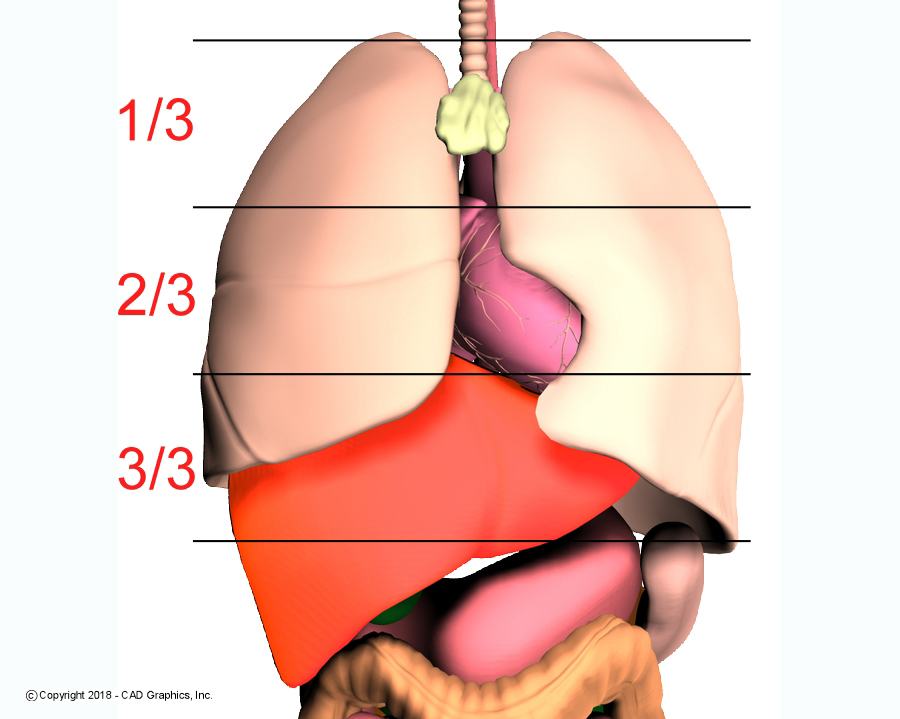
Most humans are breathing on the average, with normal activity about 12-18 breaths per minute (BPM). This amounts to very shallow breaths, using primary the top 1/3 of the lung’s capacity. Shallow chest breathing fills only the upper portion of the lungs. This reduces the ability to effectively oxygenate the circulation system. This “over-breathing” and “under-inhaling” causes an imbalance in oxygen/carbon dioxide gas exchange. This further leads to a ripple effect of other chemical (and hormonal) imbalances.
When the parasympathetic nervous system is activated (10 BPM or less), “happy” hormones such as Dopamine and Oxytocin are released, decreasing heart rate and blood pressure. This relaxes the nervous system, slows and calms all the body systems. This process then promotes regeneration through decreasing metabolic rate at all levels.

Deep breathing encourages pumping of cerebrospinal fluid (fluid around the spinal cord). This increases brain metabolism while promoting feelings of physical and mental well-being, as well as enhanced mental alertness.
Fitness experts suggest that 6 BPM is optimal for the lungs to properly oxygenate the whole body while also removing toxins. The lungs are responsible for removing 70% of the body’s waste by-products through exhalation. This is best accomplished by mindful breathing patterns through exercises such as mediation, Qigong, Tai Chi and yoga.
Qigong exercises balance breathing and promotes conditions in your body for it to be able to regenerate and heal itself. Qigong does not treat symptoms, but rather solves the problem at its root. Qigong, Tai Chi and yoga are all considered low-impact exercise allowing people at all levels of fitness to gain benefits from these practices.

Jim Moltzan has been teaching Qigong, Tai Chi, Taoist Yoga, martial arts and various other alternative methods of fitness for over 35 years. Contact at http://www.MindAndBodyExercises.com
 United Martial Arts Association