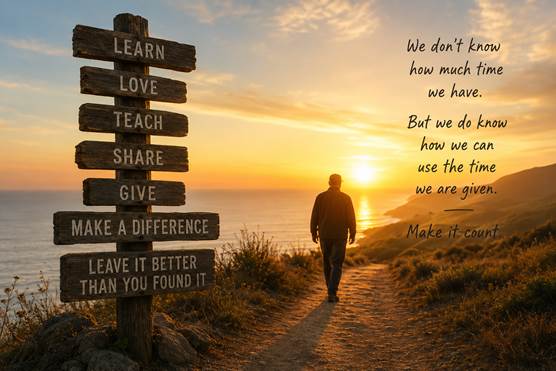
Finding Your Own Way

Reflections on High-Control Groups, Personal Autonomy, and the Wisdom of Distance

I spent years navigating high-control and closed groups from the inside. Not as an observer, not as a researcher, but as a participant, fully immersed in the culture, the expectations, the social pressures, and the belief systems that held everything together. At the time, much of what surrounded me felt normal. Some of it felt necessary. Some of it even felt virtuous. It wasn’t until years after leaving that I began to see things differently.

Distance does something that argument never can. It creates space for honest reflection. Not the kind shaped by group consensus, but the kind that emerges quietly when you are no longer surrounded by voices telling you what to think. What once appeared as guidance began to look more like control. What once felt like community began to reveal itself as something more conditional. These realizations didn’t arrive all at once. They came slowly, in layers, the way most genuine understanding does.

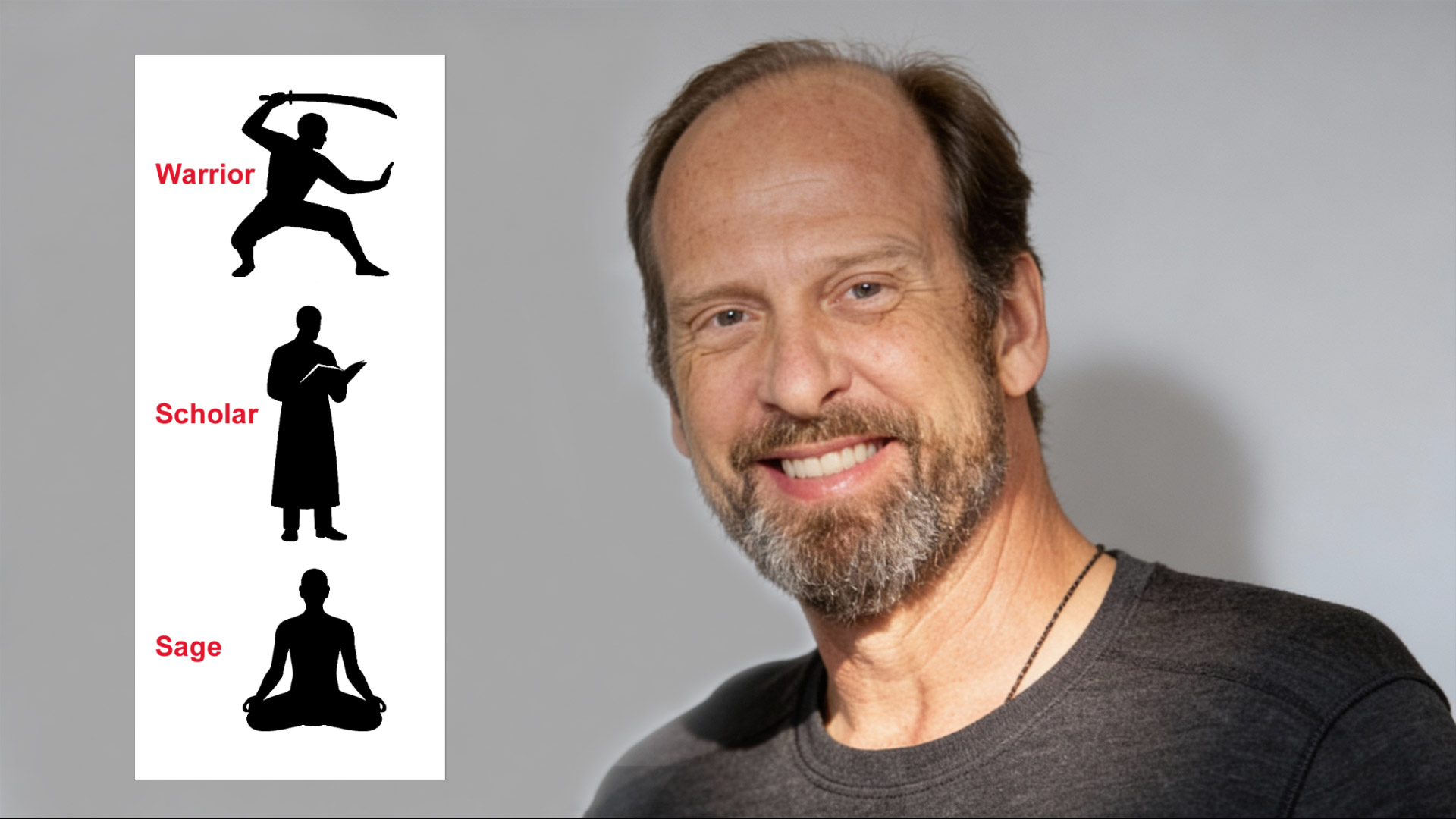
The Warrior Knows When Not to Fight

In martial philosophy, one of the harder lessons is learning which battles are not yours to wage. The Warrior does not engage every conflict simply because he is capable of doing so. Discernment or knowing when to act and when to stand aside, is itself a form of mastery. I learned this the hard way when it came to people still inside the groups I had left.

For a time, I believed that sharing what I had seen, what I had experienced, and what I had come to understand would somehow be enough to open another person’s eyes. It wasn’t. Human beings do not abandon deeply held beliefs, social identities, long-standing friendships, or community belonging simply because someone on the outside presents them with a different perspective. If anything, unsolicited persuasion tends to do the opposite, it pushes people deeper in. The Warrior eventually learns that some doors can only be opened from the inside.

Culture or Cult? The Question Itself Deserves Humility

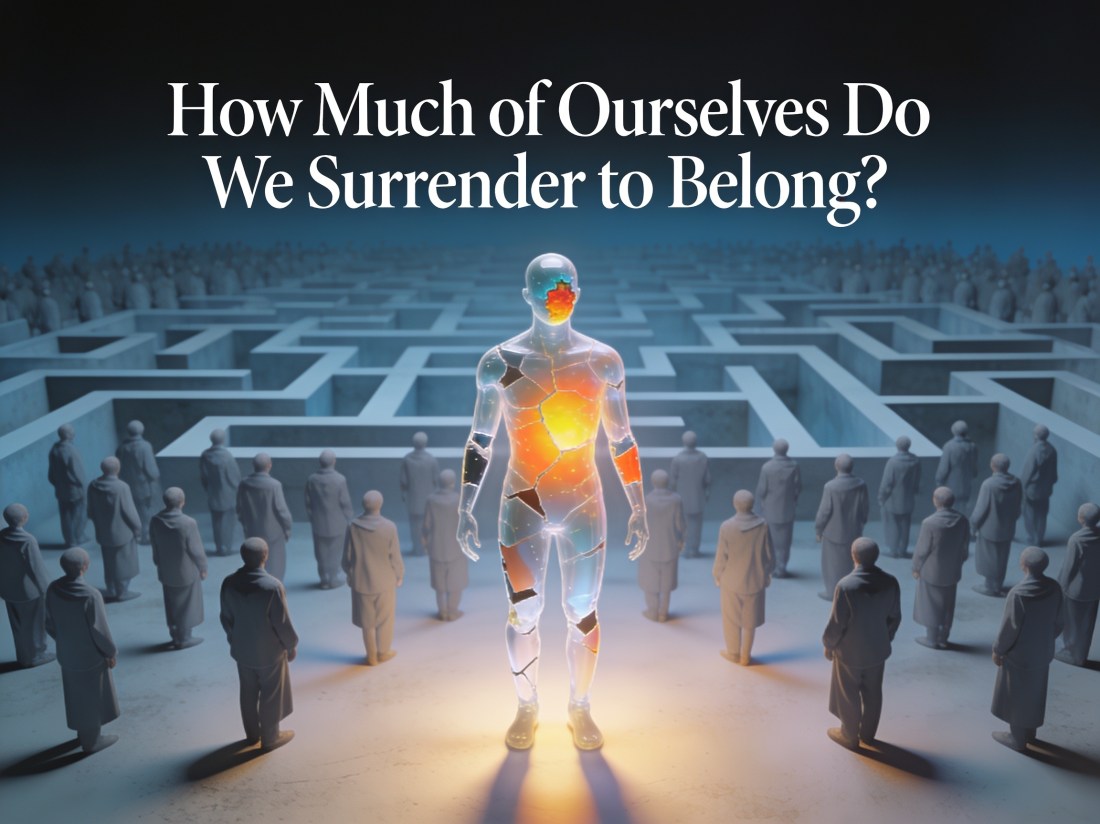
Here is something worth sitting with: the line between what we call a culture and what we call a cult is rarely as clear as critics or defenders would like to believe. There may well be objective indicators worth examining, such as coercive control, exploitation, manipulation, the systematic suppression of critical thinking. Those things are real and they matter. But individuals within any group experience that group differently. What one person finds restrictive, another finds stabilizing. What one person experiences as control, another experiences as guidance. What looks like isolation from the outside may feel like belonging from within. Who am I, or who is anyone, to draw that line definitively for another person?

The Scholar in me wants to analyze, categorize, and conclude. But the longer I have lived, the more I appreciate that human experience does not submit neatly to outside analysis. People are not waiting to be correctly classified. They are living out their own stories, shaped by their own histories, values, and needs.

Autonomy Is Not Indifference

Recognizing that I cannot and should not direct another person’s choices does not mean turning a blind eye to harm. There is a meaningful difference between respecting autonomy and practicing indifference. If someone asks about my experiences, I will share them honestly. If someone expresses doubts or seeks perspective, I am willing to offer what I have learned through years of involvement and subsequent reflection. Questions that encourage critical thinking have genuine value. Listening when someone is ready to talk has even more.

But there is a significant difference between making yourself available and appointing yourself as someone else’s liberator. The first respects the other person. The second, however well-intentioned, does not.

The Sage understands that sustainable transformation rarely arrives through force or persuasion. It arrives when an individual reaches their own conclusions through lived experience, honest reflection, and the gradual development of personal discernment.

What Discernment Actually Looks Like

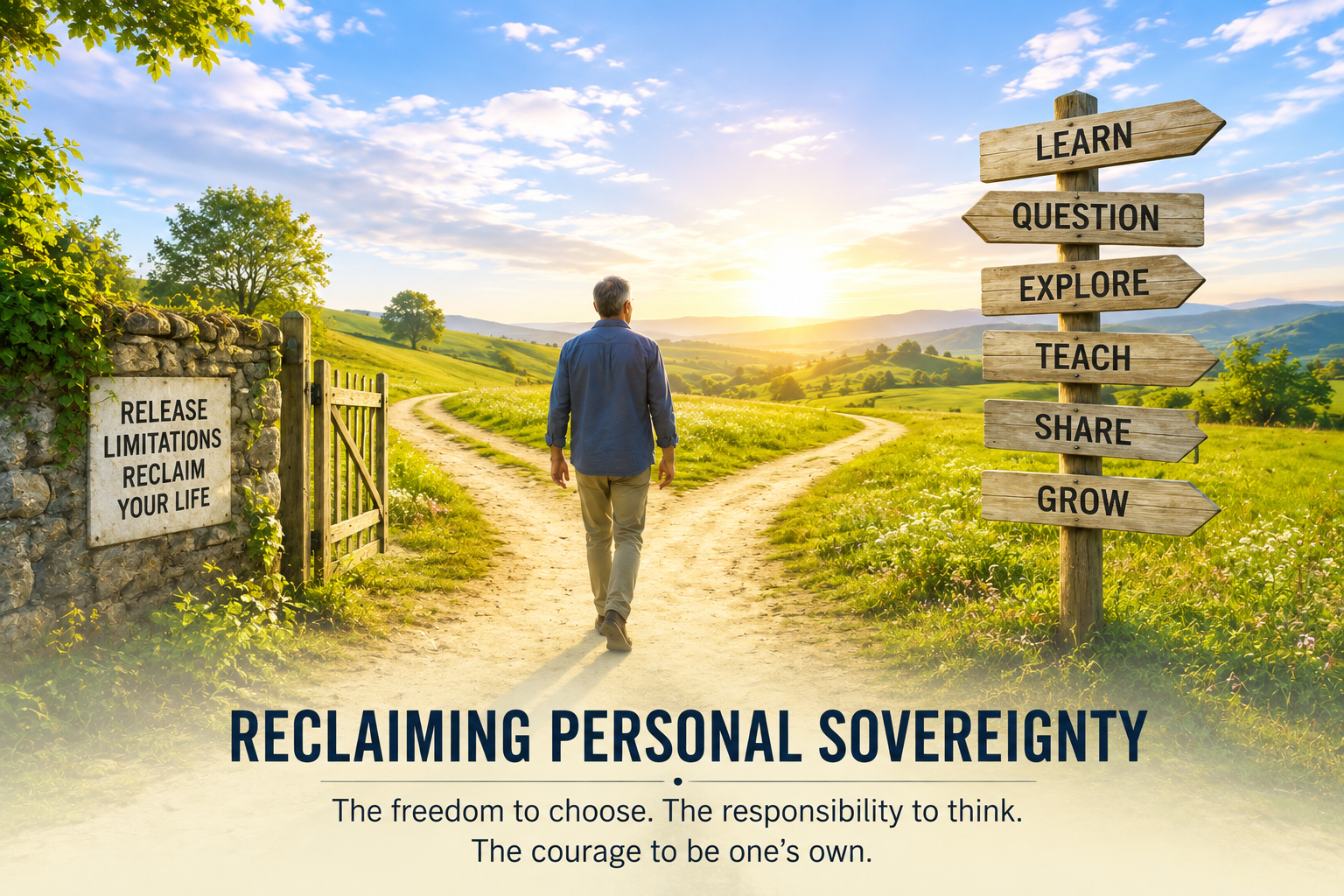
Discernment is the capacity to evaluate information honestly, examine your own assumptions, and make decisions that align with your actual values, not the values you have been told to hold.

It is not something that can be handed to another person. It is cultivated over time, through experience, through difficulty, and sometimes through loss. My role, as an educator and as someone who has walked this particular road, is not to replace one authority with another. It is not to swap one belief system for a competing belief system. It is simply to help people think for themselves and then to respect whatever conclusions they reach.

Some individuals who remain within high-control groups will eventually find their way out when the time is right for them. Others may conclude that remaining serves their needs. Both of those outcomes are theirs to own. Neither belongs to me.

A Final Thought

Perhaps the deepest lesson I have taken from all of this is not about high-control groups at all. It is about the nature of change itself. Real change that is lasting, and meaningful, does not come from the outside in. It comes from the inside out. It comes when a person is ready, when their own experience has prepared them, and when their own moral compass points them toward a new direction.

Until that moment arrives for someone, the most honest and respectful thing any of us can offer is this: our experience when it is asked for, our perspective without force, and our genuine respect for another person’s right to find their own way forward.

The Ten Essentials of Tai Chi Chuan – The Principles Behind the Practice

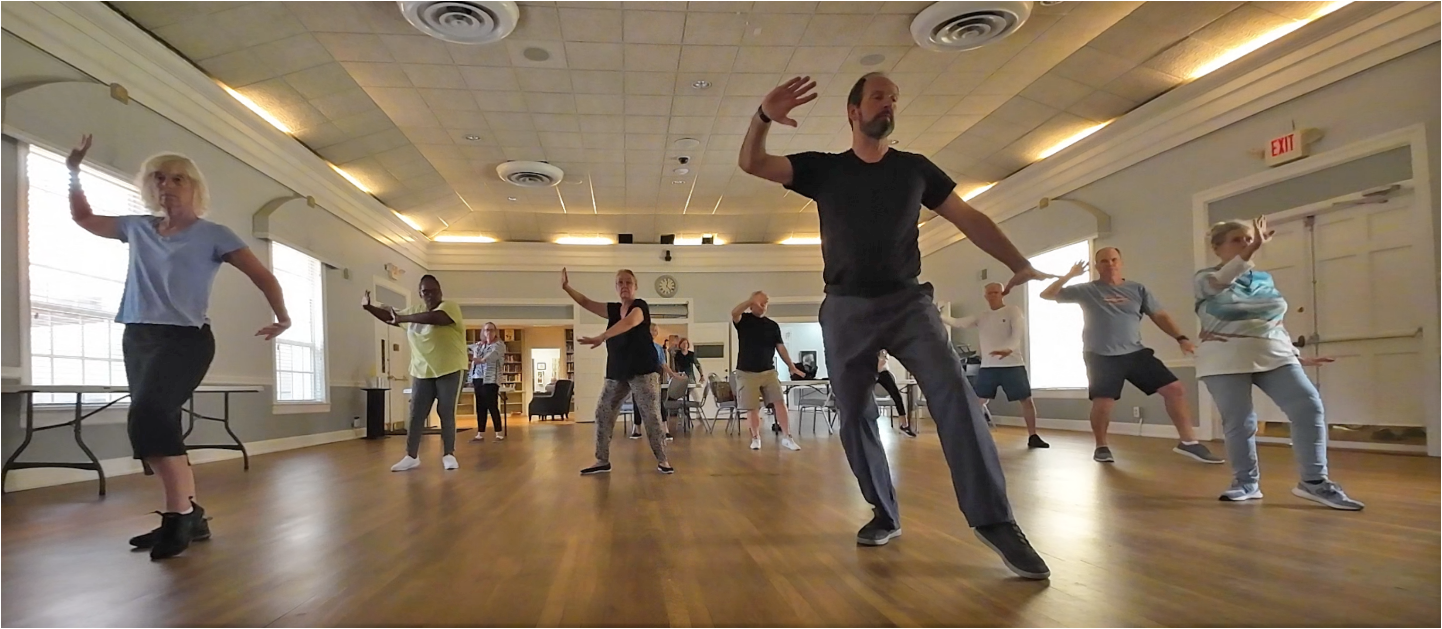
Many people are introduced to Tai Chi Chuan through its slow, flowing movements. They learn a sequence of postures, practice them repeatedly, and often experience improvements in balance, flexibility, coordination, relaxation, and overall well-being. While these benefits are certainly valuable, traditional Tai Chi was never intended to be merely a series of physical exercises.

Authentic Tai Chi Chuan is built upon a foundation of principles. The movements themselves are only the visible expression of deeper concepts involving posture, biomechanics, breathing, awareness, intention, and self-cultivation. In my experience, many practitioners spend years learning forms yet receive little instruction regarding the principles that govern them. They learn the choreography but not necessarily the reasons behind it.

One of the most influential sets of teachings comes from Yang Chengfu (1883–1936), whose Ten Essentials of Tai Chi Chuan have guided generations of practitioners and teachers (Yang, 1982). Although these principles were originally developed within the context of martial arts, they also serve as a blueprint for physical health, mental discipline, energetic development, and personal growth.

The form is the vehicle. The Ten Essentials are the operating principles that make the vehicle function.

1. Empty the Neck and Lift the Crown

(Xu Ling Ding Jin)

The head should feel as though it is gently suspended from above while the neck remains relaxed. The chin is slightly tucked, and the spine lengthens naturally.

This principle promotes proper postural alignment and allows the body to move efficiently. From a holistic perspective, it encourages alertness without tension and awareness without rigidity. Rather than collapsing downward or straining upward, the practitioner seeks a balanced middle ground.

2. Sink the Chest and Raise the Back

(Han Xiong Ba Bei)

Many people habitually puff out the chest or hold tension in the upper body. Tai Chi teaches the opposite.

The chest remains relaxed while the upper back broadens slightly. This encourages more natural breathing, reduces unnecessary muscular tension, and creates a more connected body structure. The goal is not slouching but rather allowing the torso to become relaxed and integrated.

3. Relax the Waist

(Song Yao)

Traditional Tai Chi refers to the waist as the commander of movement.

The waist and hips act as the central axis from which movement originates. When the waist is relaxed and mobile, power can be transmitted efficiently from the feet through the legs and torso into the arms and hands (kinetic linking).

Many beginners attempt to move with their shoulders and arms. Advanced practitioners learn to move from the center.

4. Distinguish Full and Empty

(Fen Xu Shi)

One of the most important principles in Tai Chi is clearly distinguishing between the weighted leg (full) and the unweighted leg (empty).

This constant shifting develops balance, stability, agility, and awareness. Philosophically, it reflects the dynamic relationship between yin and yang. Fullness cannot exist without emptiness. Stability cannot exist without mobility.

5. Sink the Shoulders and Drop the Elbows

(Chen Jian Zhui Zhou)

Tension in the shoulders and arms is one of the most common obstacles to efficient movement.

The shoulders should remain relaxed and the elbows naturally heavy. This allows force to travel through the body without interruption and prevents excessive muscular effort.

In practical terms, relaxation often produces greater efficiency than brute strength.

6. Use Intent Rather Than Force

(Yong Yi Bu Yong Li)

Perhaps no Tai Chi principle is more misunderstood.

Using intention rather than force does not mean abandoning strength. Rather, it means that movement is guided by awareness, focus, and purpose instead of excessive muscular tension (Wile, 1983).

In traditional Chinese thought, intention (yi) directs energy and action. Modern neuroscience similarly recognizes the importance of attention and motor planning in efficient movement. Where the mind goes, the body tends to follow.

7. Coordinate the Upper and Lower Body

(Shang Xia Xiang Sui)

The body should move as a unified whole.

The hands, feet, torso, and hips do not operate independently. Instead, all parts work together in a coordinated manner. “When one parts moves, all parts move.”

Modern movement specialists often describe this concept as kinetic-chain integration. Tai Chi practitioners have been cultivating this principle for centuries.

8. Harmonize the Internal and External

(Nei Wai Xiang He)

The internal aspects of practice in awareness, intention, breathing, and emotional state, must be integrated with external movement.

Many people separate physical exercise from mental development. Tai Chi seeks to unify them.

This principle transforms exercise into moving meditation and turns movement into a form of self-observation.

9. Continuity Without Interruption

(Xiang Lian Bu Duan)

Tai Chi movements should flow like a river.

One posture leads naturally into the next without abrupt starts, stops, or breaks in attention. This continuity develops coordination, concentration, and mental presence.

Life itself is a continuous process of adaptation. Tai Chi teaches us to move with change rather than resist it.

10. Seek Stillness Within Motion

(Dong Zhong Qiu Jing)

The final essential may be the most profound.

Although the body is moving, the mind remains calm and centered. Rather than becoming agitated by activity, the practitioner cultivates inner stillness amid external motion.

This principle extends far beyond the practice hall. It becomes a way of approaching work, relationships, adversity, and daily life.

More Than Physical Exercise

Viewed collectively, the Ten Essentials reveal that Tai Chi is much more than a fitness activity. At the physical level, these principles improve posture, balance, coordination, flexibility, mobility, and body awareness. At the mental level, they cultivate concentration, focus, patience, and emotional regulation. At the energetic level, traditional Chinese medicine associates these principles with improving the smooth circulation of qi and harmonizing bodily functions (Maciocia, 2015). At the philosophical level, they provide a practical means of experiencing the principles of yin and yang. Full and empty, movement and stillness, strength and softness, effort and relaxation all exist as complementary opposites rather than contradictions.

The Warrior, Scholar, and Sage Perspective

Over the years, I have come to view the Ten Essentials through the lens of the Warrior, Scholar, and Sage.

The Warrior develops structure, discipline, balance, rooting, and physical competence. They learn where to place their feet, how to align the body, and how to move efficiently.

The Scholar studies the underlying principles. They seek to understand biomechanics, breathing, awareness, philosophy, and the interconnected nature of the human body and mind. They learn not only what to do, but why it works.

The Sage recognizes that Tai Chi is ultimately a vehicle for self-cultivation. The movements become less important than the qualities they develop. Patience, awareness, humility, adaptability, resilience, and wisdom gradually emerge through consistent practice.

In many ways, the Ten Essentials represent a progressive journey. The first principles establish proper structure. The middle principles cultivate integration and awareness. The final principles point toward refinement of consciousness itself.

The Real Purpose of the Form

One of the greatest misconceptions surrounding Tai Chi is that the form itself is the goal. The form is not the goal. The form is the laboratory. It provides an environment in which we can observe ourselves, refine our posture, regulate our breathing, improve our movement patterns, quiet the mind, and cultivate greater awareness. Without the principles, the form is little more than choreography. With the principles, the form becomes a method of transformation.

The longer I practice, the less interested I become in how impressive a form appears from the outside. What matters more is what the practice produces on the inside. Authentic Tai Chi Chuan is not measured solely by graceful movements or memorized sequences. It is measured by the gradual refinement of body, mind, and spirit.

The Ten Essentials provide a roadmap for that lifelong journey.

References

Maciocia, G. (2015). The foundations of Chinese medicine: A comprehensive text for acupuncturists and herbalists (3rd ed.). Elsevier.

Wile, D. (1983). Tai Chi touchstones: Yang family secret transmissions. Sweet Ch’i Press.

Yang, C. F. (1982). Essence and applications of Taijiquan. North Atlantic Books.

The Value of a Teacher: Compensation, Contribution, and Legacy

Throughout my life, I have studied with and observed a wide variety of teachers, instructors, mentors, coaches, authors, clergy, and educators. Some charged substantial fees for their services. Others charged very little. A few seemingly taught for free. Yet despite these differences, many shared a common goal: helping others improve themselves, acquire knowledge, develop skills, and become better versions of themselves.

This has led me to ponder an interesting question. If two individuals possess similar knowledge, experience, and teaching ability, why does one command significantly higher compensation than the other? What determines the value of a teacher, a lesson, or a body of knowledge?

The answer is more complex than it first appears. It involves economics, psychology, philosophy, human behavior, marketing, networking, and perhaps even our deeper understanding of what constitutes a meaningful life.

The Difference Between Value and Price

One of the first lessons I learned in both business and education is that value and price are not necessarily the same thing.

A highly skilled Tai Chi instructor in a wealthy metropolitan area may charge several hundred dollars for a private lesson, while an equally skilled instructor in a small rural community may charge a fraction of that amount. The difference may have little to do with the quality of instruction and much to do with demographics, local economics, networking, marketing, and perceived value.

Similarly, some authors sell millions of books while others with equal or greater expertise struggle to reach a small audience. Some speakers command large appearance fees, while others speak to small groups for little compensation.

In many cases, people pay not only for knowledge but also for reputation, accessibility, presentation, convenience, credentials, and social proof (Cialdini, 2021). This reality can be frustrating because we often want to believe that expertise alone determines success. Yet experience suggests that the ability to communicate value is frequently as important as the knowledge itself.

As someone who has spent decades in the wellness, martial arts, and holistic health fields, I have observed this phenomenon repeatedly. I have known exceptionally skilled practitioners who dedicated their lives to studying human movement, health, breathing methods, philosophy, self-cultivation, and personal development, yet struggled financially throughout much of their careers. Some possessed extraordinary knowledge and practical skill but lacked the business experience, networking opportunities, marketing ability, or desire for self-promotion that often accompanies financial success.

Conversely, I have encountered individuals with less depth of knowledge who prospered because they were highly effective marketers, communicators, networkers, or entrepreneurs. While expertise certainly matters, the marketplace frequently rewards visibility and perceived value as much as actual knowledge.

This observation is not intended as criticism. Teaching and business are separate skill sets. Mastering one does not automatically guarantee mastery of the other. Some of the finest teachers I have known were not particularly interested in business. Likewise, some successful businesspeople are remarkably effective at presenting information even when their knowledge base may not be especially deep.

The ideal situation, of course, occurs when deep expertise and effective communication coexist within the same individual. Such teachers not only possess valuable knowledge but also have the ability to reach larger audiences and positively influence more people.

Why Students Often Value What They Invest In

There is also a psychological component to the equation.

People tend to place greater value on things in which they have invested time, money, effort, or sacrifice. Behavioral researchers have long observed that individuals often place greater importance on outcomes that require meaningful investment to obtain (Aronson & Mills, 1959).

Most teachers have observed this firsthand.

A free workshop may attract many registrations but few committed participants. The same workshop with a modest fee often attracts fewer people but greater engagement. The information may be identical, yet the students’ commitment differs.

This does not mean that knowledge itself becomes more valuable because of the price. Rather, the student’s willingness to learn may increase because they have invested something of themselves in the process.

From a holistic perspective, learning is rarely a one-way transaction. The teacher contributes knowledge and experience. The student contributes effort, attention, discipline, and often financial resources. Together, these elements create an environment conducive to growth.

The Idea of Free Knowledge

Many people believe that valuable knowledge should be freely shared for the benefit of humanity. There is certainly merit to this perspective.

Human progress has often depended upon individuals who generously shared their discoveries, teachings, and insights with others. Scientific advancement, philosophical inquiry, spiritual traditions, and educational institutions have all benefited from those willing to contribute knowledge beyond their own personal gain.

As someone who has spent decades teaching health, wellness, martial arts, breathing methods, stress management, and self-development, I understand the appeal of this viewpoint. There is genuine satisfaction in helping others become healthier, stronger, more capable, and more self-aware.

However, there is also a practical reality that cannot be ignored.

The Reality of Making a Living

While many people advocate for freely sharing wisdom and education, teachers live in the same economic world as everyone else.

They must pay for housing, food, transportation, healthcare, utilities, taxes, insurance, and countless other necessities of daily life. If an individual teaches full-time yet receives no compensation, how are they expected to survive economically?

We do not live in an alternative reality where goods and services magically appear without cost. Every civilization throughout history has developed some form of exchange system. Whether through barter, patronage, gifts, labor, donations, or currency, human societies have always found ways to compensate those who provide value.

Even many of history’s great teachers received support. Philosophers often relied on patrons. Monastic communities depended upon donations. Martial arts masters accepted tuition, gifts, lodging, or labor from students. Religious leaders were frequently sustained by the communities they served.

The form of compensation varied, but the principle remained consistent: those who dedicate their lives to helping others generally require support from those who benefit from their efforts.

This reality also exposes a contradiction that occasionally emerges in discussions about teaching and service. Many people argue that wisdom should be freely given, yet few professionals voluntarily abandon their own incomes to provide full-time services without compensation. Likewise, I have met very few teachers who genuinely accept nothing in return. Even when money is absent, gifts, donations, meals, lodging, favors, social support, or prestige often become alternative forms of exchange.

If everything were truly free, there would be little incentive for many individuals to dedicate decades of study and practice toward mastering a subject and then teaching it to others. Most people are willing to volunteer some of their time. Few can realistically volunteer all of their time indefinitely while still meeting their own needs and obligations.

Perhaps the more realistic question is not whether teachers should be compensated, but rather what constitutes fair compensation and how to balance earning a living with serving others.

The Problem With Measuring Success by Money Alone

At the same time, compensation should not become the sole measure of a teacher’s worth. Modern society often equates financial success with competence, wisdom, or importance. Those with large followings, bestselling books, substantial incomes, and celebrity status are frequently assumed to be superior teachers. History suggests otherwise.

Some of humanity’s most influential teachers accumulated little wealth. Others amassed considerable fortunes. Neither outcome automatically validates nor invalidates their contribution. The true value of a teacher may be difficult to measure using financial metrics alone.

How do we quantify the student who overcame depression after receiving guidance? How do we measure the impact of a mentor who inspired someone to pursue a healthier lifestyle? How do we assign monetary value to wisdom that prevented years of unnecessary suffering? How do we calculate the worth of helping another human being discover purpose, confidence, resilience, or meaning?

These outcomes rarely appear on financial statements, yet they may represent the most meaningful contributions a teacher can make.

The Yin and Yang of Compensation and Contribution

From the perspective of Eastern philosophy, this issue resembles a yin-yang relationship. Compensation and contribution are not opposing forces. They are complementary forces that require balance. Too much emphasis on profit can transform teaching into little more than a business transaction. Knowledge becomes commodified, and students become customers rather than individuals seeking growth.

Conversely, too little concern for compensation may leave the teacher unable to continue serving others. Burnout, financial hardship, and exhaustion can ultimately diminish the teacher’s ability to contribute. The healthiest path often lies somewhere between these extremes.

A teacher deserves fair compensation for their time, expertise, experience, and effort. At the same time, the highest purpose of teaching may extend beyond financial reward. The income supports the mission, but it does not become the mission itself. This balanced approach reflects a broader principle found throughout nature and human life. Excess in either direction often creates imbalance. Sustainable systems require equilibrium.

What Matters at the End?

As I have grown older, I have become increasingly aware that life is finite. Many of us spend our younger years pursuing achievements, recognition, credentials, status, and financial security. These pursuits certainly have their place. Yet with age often comes a different perspective.

Research on well-being consistently demonstrates that meaning, purpose, relationships, and contribution are among the strongest predictors of life satisfaction (Frankl, 2006; Seligman, 2011). When people reflect upon their lives, they often focus less on how much they accumulated and more on what they contributed.

How many people did they help? How many lives did they improve? How many students gained confidence, health, wisdom, skill, or direction because someone took the time to teach them?

Many of the most knowledgeable and influential teachers may never become wealthy or famous. Yet their impact can still be profound. The student whose life was changed, the person who regained their health, the individual who found purpose and meaning, or the family whose future was improved through guidance and education may ultimately be a more meaningful measure of success than financial prosperity alone.

I suspect that few people reach the end of their lives wishing they had acquired slightly more money, a larger house, or a few more possessions. Many may find greater comfort in knowing they shared what they had learned, helped others navigate life’s challenges, and contributed something meaningful to future generations.

This does not diminish the importance of earning a living. Teachers, like everyone else, must support themselves and their families. Compensation is neither selfish nor unethical when it is fair and honest.

Yet perhaps the greatest reward is not measured in dollars. Perhaps it is found in the knowledge that one’s efforts mattered. That students learned. That people benefited. That lives improved. That someone became healthier, wiser, stronger, or more self-aware because of something we shared. And perhaps, in the end, someone appreciated our intent more than we realized.

In the final analysis, the most enduring measure of a teacher may not be the size of their bank account, the number of students they enrolled, or the amount of recognition they accumulated. It may be the positive influence they left behind and the lives they touched along the way.

A meaningful life may involve both earning a living and making a difference. The challenge is finding the wisdom to balance the two.

References

Aronson, E., & Mills, J. (1959). The effect of severity of initiation on liking for a group. The Journal of Abnormal and Social Psychology, 59(2), 177–181. https://doi.org/10.1037/h0047195

Cialdini, R. B. (2021). Influence: The psychology of persuasion (Rev. ed.). Harper Business.

Frankl, V. E. (2006). Man’s search for meaning. Beacon Press. (Original work published 1946)

Palmer, P. J. (2007). The courage to teach: Exploring the inner landscape of a teacher’s life (10th anniversary ed.). Jossey-Bass.

Seligman, M. E. P. (2011). Flourish: A visionary new understanding of happiness and well-being. Free Press.

Smith, A. (2003). An inquiry into the nature and causes of the wealth of nations. Bantam Classics. (Original work published 1776)

Announcing a Powerful Collaboration for Inner and Outer Transformation

After decades of study, practice, and teaching, I’ve come to a simple but powerful truth: personal transformation is possible. through committed effort, self-reflection, and time-proven methods that honor both the body and the spirit.

For over 40 years, I’ve dedicated my life to exploring and sharing the profound wisdom of holistic health, qigong, tai chi, martial arts, and traditional Eastern systems of healing and self-realization. These practices were once dismissed as esoteric or somewhat “out there,” but have never been more relevant. In a culture dominated by distraction, disconnection, and stress, they offer a lifeline back to balance, clarity, strength, and peace.

Today, I’m excited to share something new. A step forward in expanding the reach of this message.

I’m partnering with Nic Peterson  (https:/www.nicpeterson.com/) a respected lineage holder of the Gray Wolf Clan, whose commitment to mastery, stewardship, and the preservation of traditional wisdom deeply aligns with my own. Nic recently wrote a powerful foreword for a private-label edition of one of my foundational works, newly titled Internal Alchemy: The Gray Wolf Guide to Body, Mind, and Consciousness. His contribution reflects the values we both hold dear of humility in teaching, discipline in practice, and the profound responsibility that comes with authentic knowledge.

We come from a warrior–scholar–sage tradition. Our masters are healers and fighters, philosophers and practitioners. They are as capable of restoring life as they are of taking it. Many other masters and grandmasters, though unnamed, have left their mark here too. That’s the nature of a true lineage: the teachings carry many hands, many voices.

Internal Alchemy is not a light read. It is a manual that is quite dense, and a deliberate reference that can (and should) be returned to time and again. Each page could be unpacked over days of study. It’s not meant to be skimmed; it’s meant to be integrated.

Alongside Nic, I am also honored to acknowledge the contributions of two remarkable individuals:

Michael Leone, my friend, peer, and sometimes teacher, a doctor of Chinese medicine, and a true warrior-scholar-sage, has been the wellspring of much of the knowledge this book is built upon. His insight into internal energetics, martial arts, and the healing systems of the East has deeply shaped my own understanding and practice. His teachings live within every page of Internal Alchemy, and his guidance continues to inform and inspire everything I share. Michael can be reached at: https://zenwellness.com/

Jason Campbell, a highly recognized teacher, musician, and meditation guide, adds a profound layer to this collaboration. His work bridges the gap between ancient practices and modern lives, using sound, rhythm, and stillness to create doorways into deeper awareness. His presence in this effort expands our ability to reach those seeking peace not just in body and mind, but also in spirit and daily life. Jason’s works can be found at: https://www.jasoncampbellmusic.com/

Together, we represent a community of practitioners who believe that ancient knowledge must be preserved, respected, and made relevant in the modern age. Our collaboration is a commitment to serving the global community of seekers who value depth over trends, practice over theory, and legacy over ego.

Internal Alchemy is more than a book. It’s a living transmission of teachings designed to support your path toward self-mastery and inner freedom. Whether you are a beginner or a lifelong practitioner, we invite you to join us on this journey.

If you feel the call to the mountain, to the stillness, to something deeper within, you’re already on the path.

To learning, growing, and giving back.

Jim Moltzan
Author, Educator, Practitioner

I teach and offer lectures about holistic health, physical fitness, stress management, human behavior, meditation, phytotherapy (herbs), music for healing, self-massage (acupressure), Daoyin (yoga), qigong, tai chi, and baguazhang.

Please contact me if you, your business, organization, or group, might be interested in hosting me to speak on a wide spectrum of topics relative to better health, fitness, and well-being.

I look forward to further sharing more of my message by partnering with hospitals, wellness centers, VA centers, schools on all levels, businesses, and individuals who see the value in building a stronger nation through building a healthier population.

I also have hundreds of FREE education video classes, lectures, and seminars available on my YouTube channel at:

https://www.youtube.com/c/MindandBodyExercises

Many of my publications can be found on Amazon at:

http://www.Amazon.com/author/jimmoltzan

My holistic health blog is available at:

https://mindandbodyexercises.wordpress.com/

http://www.MindAndBodyExercises.com

Mind and Body Exercises on Google: https://posts.gle/aD47Qo

Jim Moltzan

407-234-0119

Iron Palm / Iron Body Conditioning

Iron Palm Conditioning started with Shaolin Monks practicing methods to make the hands. legs, and feet, feel as strong as iron. Iron Palm liniment is applied on the hands, legs, shins or any part of the body used to strike during training to prevent pain, strengthen the bones, tendons. ligaments. and connective tissue while helping these areas to heal more quickly. Iron Palm and Iron Body are a more advanced practice of acupressure and/or reflexology. As the specific parts of the body are precisely hit, acupoints on the 12 energy meridians are stimulated. These acupoints directly affect the internal organs of the human body.

This training can consist of punching the hands into large containers of dried beans, sand, rocks, and metal shavings among other media. Kicking bamboo trees, bags of sand, rocks and metal shavings is also part of this training regimen. Proper breathing (Qigong) and concentration develops, literally hands of iron while simultaneously improving blood and energy flow throughout the body and its internal organs.

Iron Palm (Liniment)
Iron Palm liniment was formulated to strengthen and heal bones, ligaments, tendons, connective tissue and sinew from injuries and all types of repetitive contact exercises like hitting a punching bag, all types of Iron Palm bags or if you are advanced enough in training where you are breaking objects like brick, boards. etc. Another powerful benefit of Iron Palm liniment is reducing pain very quickly. Iron Palm herbal liniments are used externally. Iron Palm recipes are also used for reducing pain due to conditioning or from everyday injuries. Iron Palm liniments can also help with chronic conditions related to the above-mentioned areas. A person does not necessarily need to practice Iron Palm conditioning in order to receive the healing benefits of these extracts.

I have learned to produce these Jows ” and have been using them for almost 40 years to externally treat injuries, aches and pains. If overly sore or injured, we can also use curcumin poultices or store-bought plaster patches with cayenne.

_______________

Qigong, tai chi, baguazhang, and yoga are not the only methods that can be used within this formula but have proven the test of time as methods to cultivate harmony of the mind, body and spirit. These exercise practices offer a wide spectrum of physical wellness benefits, stress relief as well as means of self-awareness.  Not all teachers nor students practice these for the same goals.

I am currently offering wellness lectures and classes for group, small group & private instruction in Wekiva, Longwood and Winter Park.

For more info, contact Jim Moltzan at info@mindandbodyexercises.com, 407-234-0119 or through my site at http://www.mindandbodyexercises.com

Jim
vs181006-004
cropped-header-image2.jpg

I started my martial arts training at the age of 16, starting with Korean martial arts and evolving into BaguaZhang, Tai Chi, and Qigong. I have been training, studying and teaching for almost 40 years effectively educating hundreds of students.

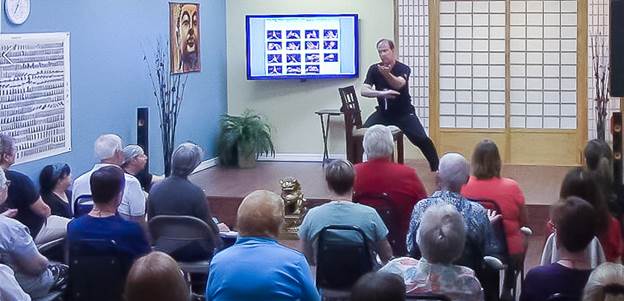
As a recognized master instructor, I have trained with a diverse group of masters and high-level martial arts teachers of many different disciplines. My specialty is teaching exercises to improve chronic conditions, working with people of all ages, especially senior adults. Offering guidance and instruction, I have also worked with Parkinson Disease patients through Florida Hospital. I offer regular lectures as requested by AdventHealth (Florida Hospital) regarding the benefits of Eastern practices.

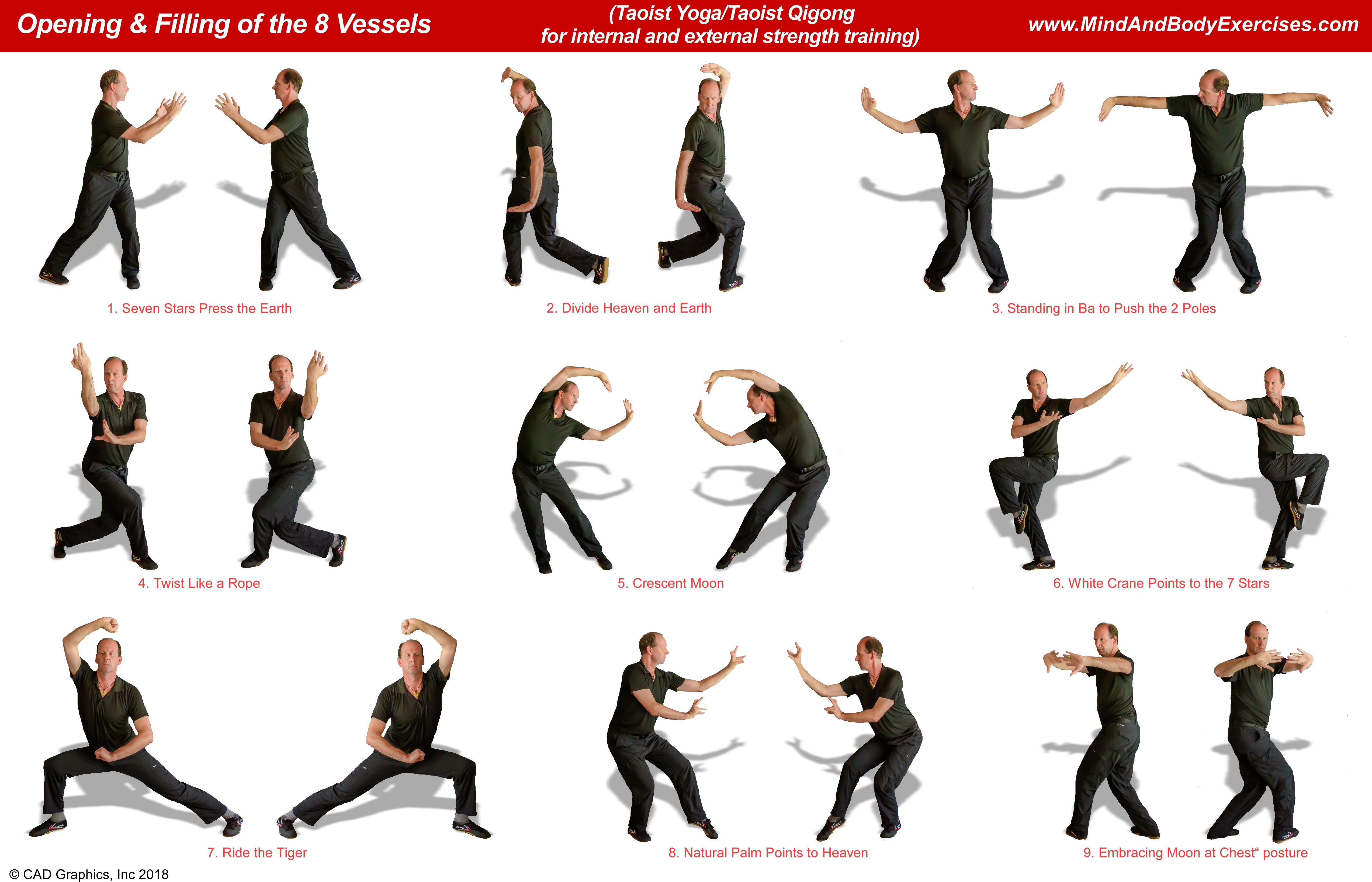
I am the author and graphic artist of numerous journals, graphic charts and study guides relative to the mind and body connection and how it relates to martial arts, fitness and self-improvement.

I continue training and teaching in the Orlando, Florida area conducting classes, seminars and lectures as my schedule allows. I balance my teaching and businesses with my own personal cultivation and time spent with my wife and two college-age kids.