
There were seemingly various other healthcare modalities in existence in the US in the late 1800’s, such as homeopathy, osteopathy, herbology and chiropractic, which the American Medical Association (AMA) later would attempt to either assimilate or eliminate.
Samuel Thomson (1769-1843) was a self-taught botanist and herbalist best known as the founder of Thomsonian Medicine. His method seems to center around the concept of regulating heat within the human body in order to manage instead of eliminate fever or more simply stated as “heat is life, disease and death are degrees of cold” (Bone & Mills, 2013). This is very similar to the concept balancing heat and cold within the body, by regulating the 5 phases or elements from Traditional Chinese Medicine (TCM). Similar concepts are recognized with Ayurveda.
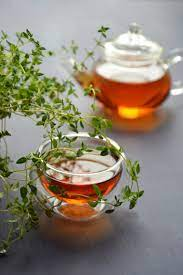
The documentary The Power of Herbs https://youtu.be/NmPi87lndzo is very informative, albeit somewhat dated from almost 6 years ago, as herbology studies and consumer awareness has increased in recent years. Professor Kathy Sykes offers some good examples of how herbs can help various conditions such as eczema, depression, HIV, and intermittent claudication. I am fairly confident that there have been many more studies in recent years proving the efficacy of herbs for many other conditions.
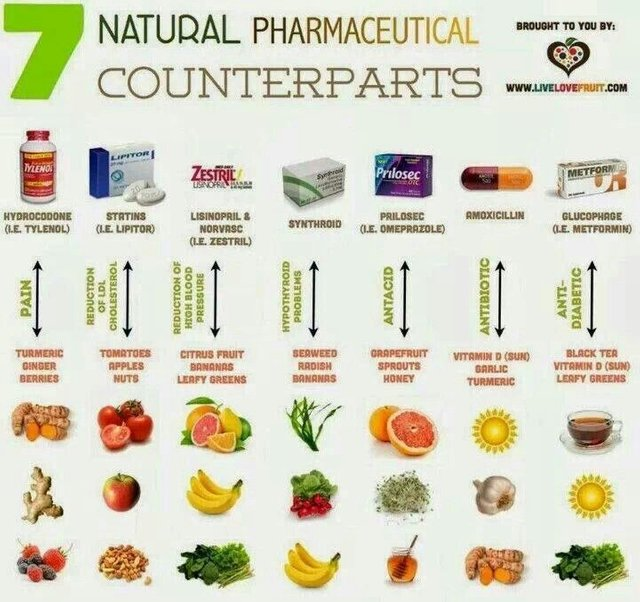
What will it take and when will the medical community more fully embrace the benefits of many of these herbs that have proven the test of time for many cultures, sometimes over thousands of years? I thoroughly understand that much of this issue comes down to funding of the research to have allopathic medicine’s endorsement, and consequently the FDA’s approval of the efficacy and safety of such herbs. However, I think most would agree that there is little profit for pharmaceutical companies to make only millions in profits, when compared to the billions of dollars that are generated through synthetic drugs sales. While more people today in the US may be more open-minded than ever before to trying herbs such as garlic, basil and others, to manage high blood pressure, the majority of people would rather take pharmaceuticals. ACE inhibitors like lisinopril (Prinivil, Zestril), is very popular for high blood pressure in spite of known side effects of cough, dizziness, drowsiness, headache, depression, nausea, vomiting, diarrhea, upset stomach, and mild skin itching or rash.
References:
Bone, Kerry; Mills, Simon. Principles and Practice of Phytotherapy, 2013 (Kindle Locations 1066-1068). Elsevier Health Sciences. Kindle Edition.
Flannery M. A. (2002). The early botanical medical movement as a reflection of life, liberty, and literacy in Jacksonian America. Journal of the Medical Library Association: JMLA, 90(4), 442–454.
The Power Of Herbs – AWESOME BBC Herbal Medicine Documentary. (2016, August 27). YouTube. https://www.youtube.com/watch?v=NmPi87lndzo
https://www.rxlist.com/zestril-side-effects-drug-center.htm
https://steemit.com/health/@flomingo/herbs-vs-pharmaceutical-drugs
____________
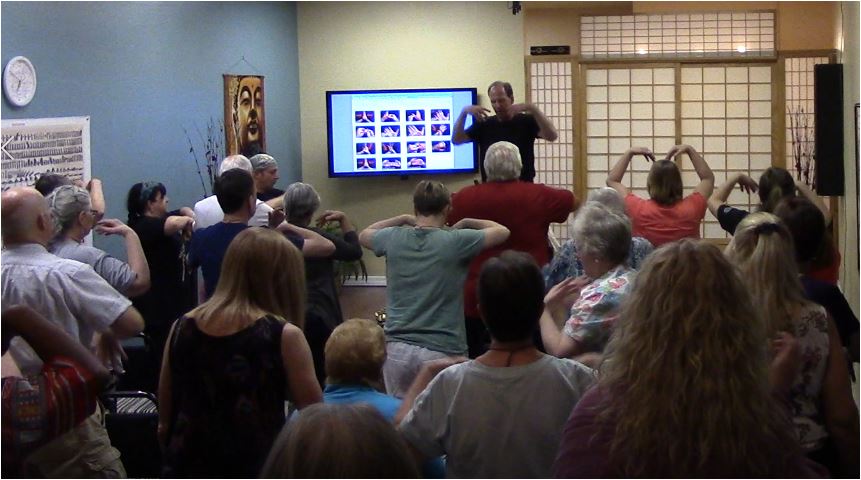
I am currently offering wellness lectures and tai chi/fitness classes for group, small group & private instruction in Wekiva, Longwood and Winter Park. I also have hundreds of FREE education video classes, lectures and seminars available onmy YouTube channel at:
https://www.youtube.com/c/MindandBodyExercises
Mind and Body Exercises on Google: https://posts.gle/aD47Qo
Jim Moltzan
407-234-0119
www.Amazon.com/author/jimmoltzan


 United Martial Arts Association
Thank you for giving great information. May Allah bless you with faith and wealth. Ameen
LikeLike