
Many months have gone by with the world and the United States dealing with the COVID-19 pandemic. Much has been learned as more data has been compiled to determine patterns of who has been infected. This data is of utmost importance in finding solutions to contain and diminish this severe contagion. In order to produce effective prophylactic and therapeutic strategies, future research needs to understand the sources of severity and complications.What has been determined is that specific demographics of people seem to have been affected much more than other groups. Certain factors such as individuals with comorbidities (multiple chronic illnesses), specific ethnic backgrounds and older aged people have had a greater risk of contracting the disease. Being obese puts someone more at risk for many serious chronic diseases. Over the last 3 years, obesity is one of the issues that has trended towards making an individual most susceptible to becoming affected by COVID-19 (Mal, et al., 2022).
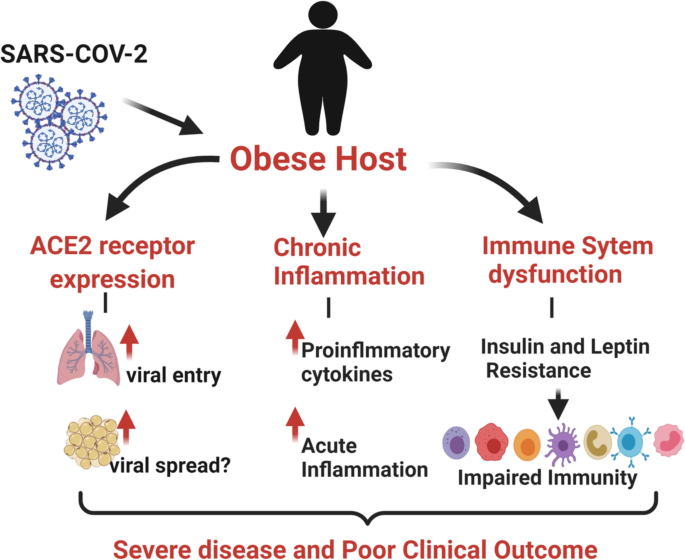
There is much scientific data that supports why biological and physiological mechanisms that fight off disease and illness become compromised due to the various health issues associated with obesity. COVID-19 and its relevance to adiposity are major predictors of severe disease and illness. Hypercytokinemia, immunological, endothelial dysfunction, dysregulation, and cardiovascular impairments are all possible mechanisms, where excess adipose tissue can increase an acute hyper-inflammatory state. This condition is typical of major SARSCoV-2 infections and relative negative symptoms. Increased levels of the pro-inflammatory adipokine leptin, in combination with the anti-inflammatory-acting ACE2 receptors in the lung epithelium of infected individuals, inhibit the innate immune response from being cleared, resulting in a ripple effect of tragic consequences for patients. When adipose tissue and associated immune cells increased cytokine secretion, the immune system can potentially overcompensate as a side-effect of pro-inflammatory “priming,” resulting in a cytokine storm. As a consequence of the immune system’s inability to produce a sufficient immunological response, virus clearance is compromised. High-risk patients that are at an advance age and/or those with obesity, may be more affected from a less robust immune system response and a lower lasting immunological memory, resulting in limited vaccine effectiveness (Mal, et al., 2022).
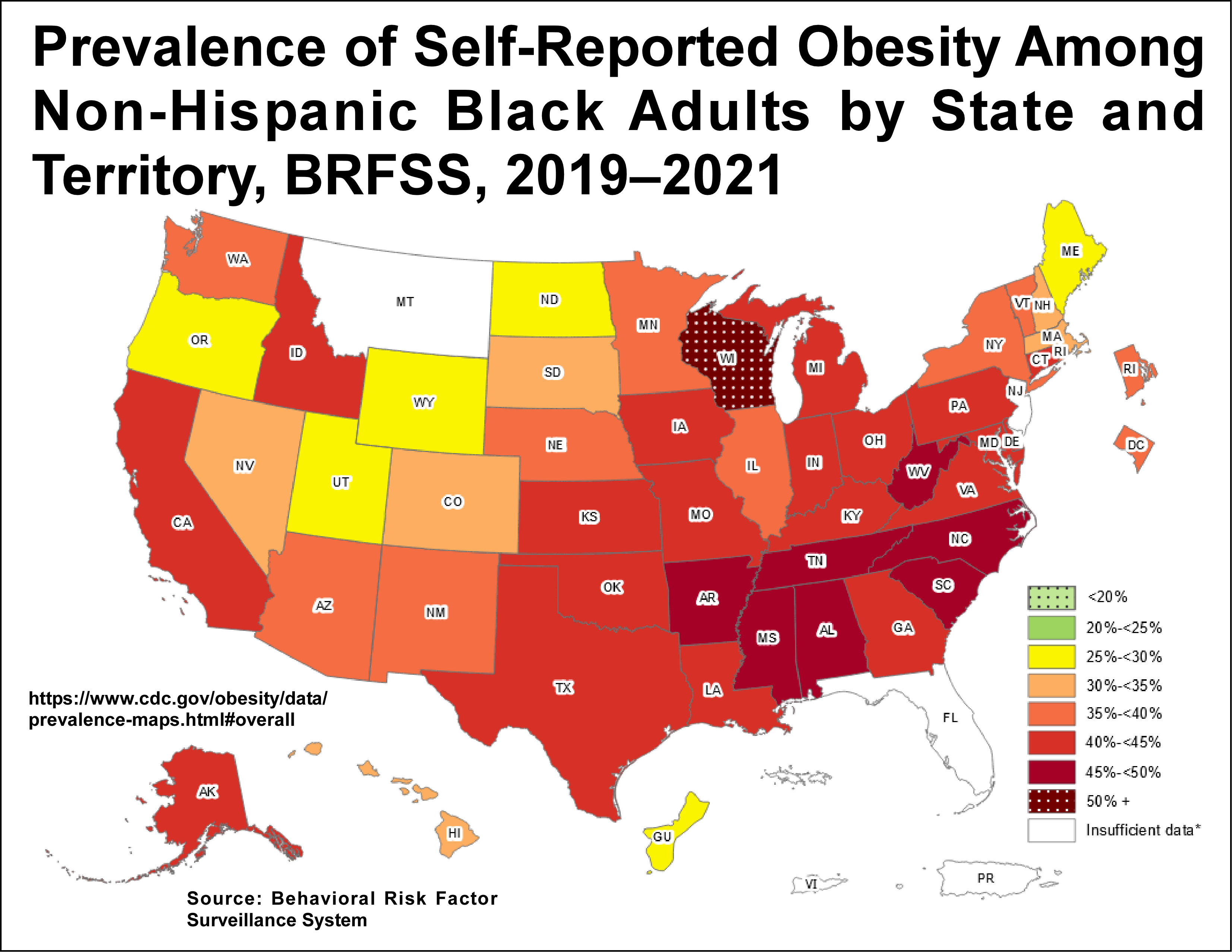
The CDC has stated “Hispanic, non-Hispanic Black, and Native American adults have a higher prevalence of obesity and are more likely to suffer worse outcomes from COVID-19. Racial and ethnic minority groups have historically not had broad opportunities for economic, physical, and emotional health, and these inequities have increased the risk of getting sick and dying from COVID-19 for some groups. Many of these same factors are contributing to the higher level of obesity in some racial and ethnic minority groups.”
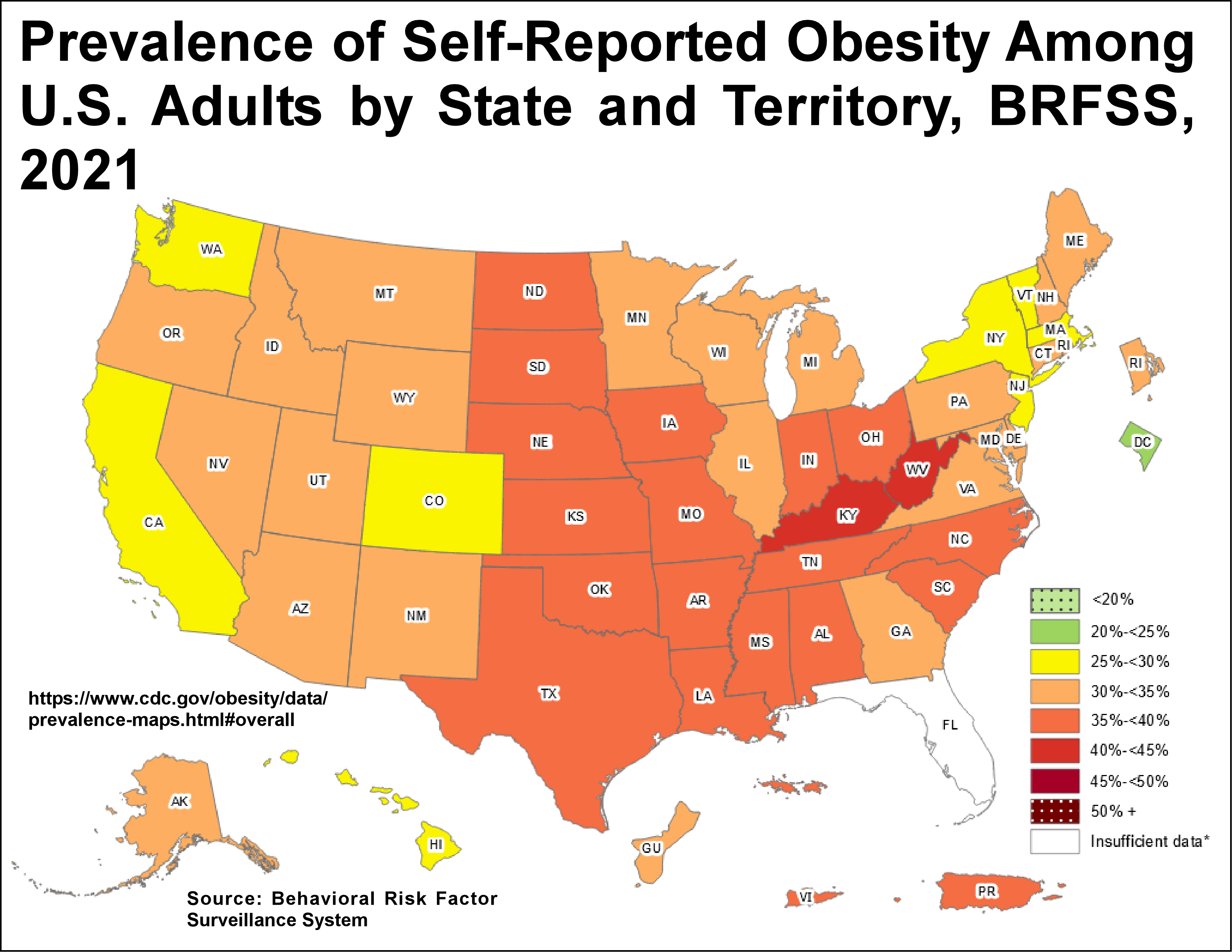
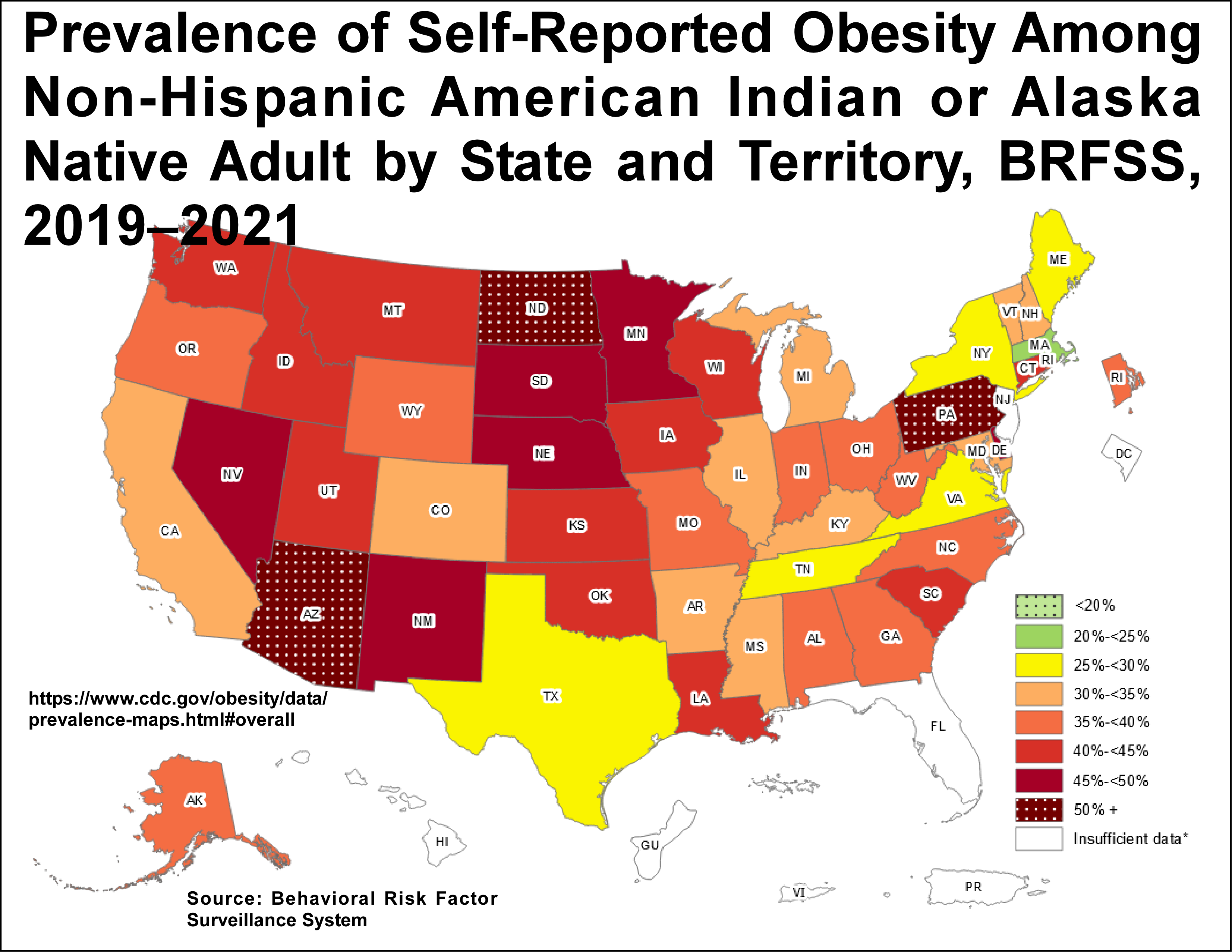
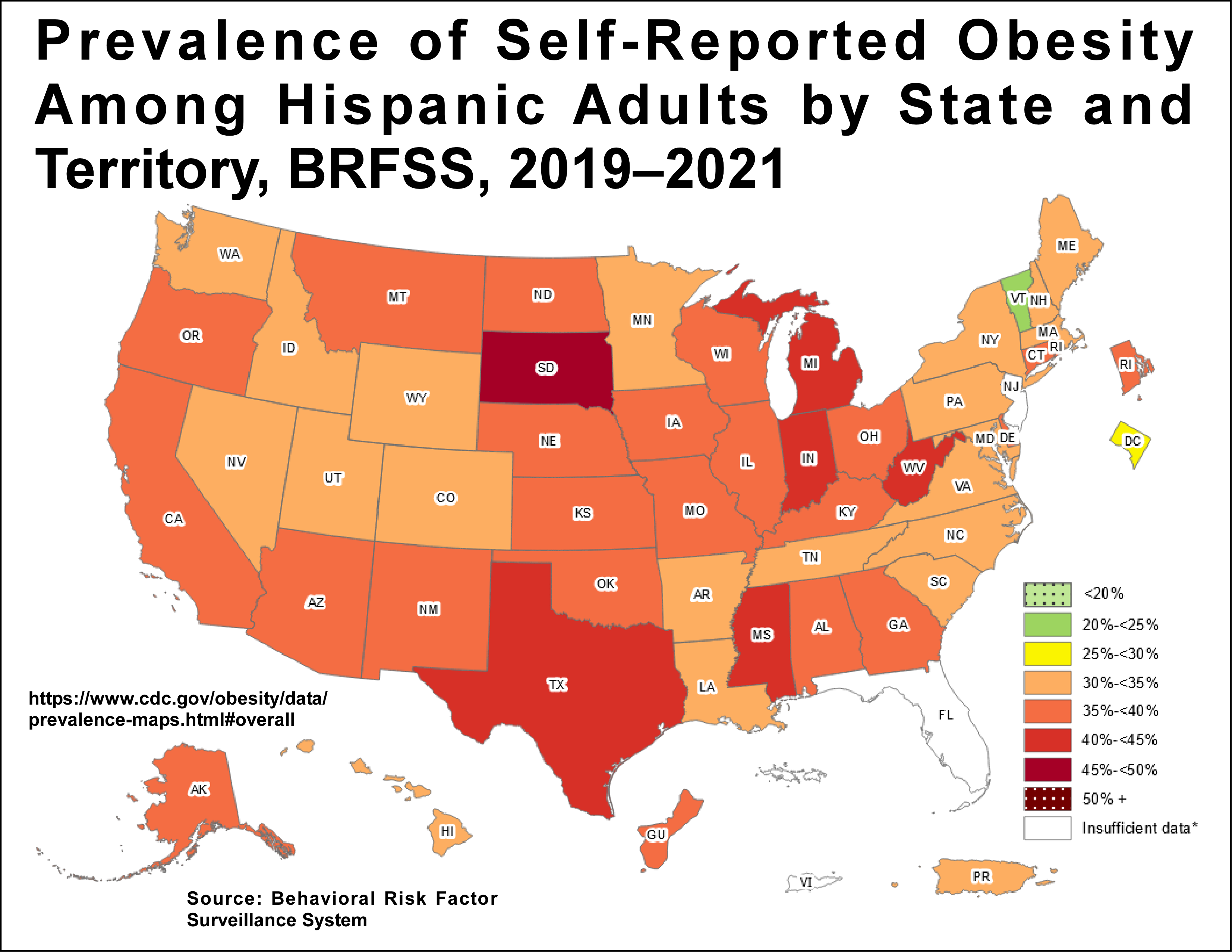
The pursuit of a healthy lifestyle that can impact the trajectory of COVID-19 disease, has been one of the most important insights reaped from this catastrophe. Hopefully, this insight will not be squandered until the next public health crisis. Government and political leaders stress that everyone should take action to slow the spread of COVID-19, for the benefit of all. We seem to have major public health issues occurring every few years. Personal accountability for ones own health, is indeed a way to change our current “sickcare” system to more of a “selfcare” system where people don’t wait to become sick before adopting a healthy lifestyle.
Systemic change does not happen overnight. Long-term weight loss is a work in progress. Some immediate steps that individuals can do to help protect themselves as well as their families during a pandemic are:
- Eat a healthy diet
- Use supplements as necessary and not as a substitute
- Become more active
- Execute regular physical activity
- Get adequate sleep
- Learn how to cope better with stress
- Get adequate sun exposure to promote vitamin D production and natural immunity
These actions can help most individuals with obesity by improving their overall health. These actions can help to lower blood pressure, lower blood cholesterol, and lower blood sugars. With a lower body mass index or BMI, the risk of severe illnesses contributing to contracting COVID-19, as well as many other common diseases and illness can be reduced.
References:
https://www.cdc.gov/obesity/data/obesity-and-covid-19.html
Mal, P., Mukherjee, T., Upadhyay, A. K., Mohanty, S., & Pattnaik, A. K. (2022). Connecting the dots between inflammatory cascades of obesity and COVID-19 in light of mortal consequences-a review. Environmental science and pollution research international, 29(38), 57040–57053. https://doi.org/10.1007/s11356-022-21461-x
Mohammad, S., Aziz, R., Al Mahri, S. et al. Obesity and COVID-19: what makes obese host so vulnerable?. Immun Ageing 18, 1 (2021). https://doi.org/10.1186/s12979-020-00212-x
_______________
Be more active, eat healthier, sleep better, stress less these are the key components to maintaining a strong immune system.
I am currently offering lectures and classes for group, small group & private instruction in Wekiva, Longwood and Winter Park.Mind and Body Exercises on Google: https://posts.gle/aD47Qo
I also have hundreds of FREE education video classes, lectures and seminars available on my YouTube channel at: https://www.youtube.com/c/MindandBodyExercises
Mind and Body Exercises on Google: https://posts.gle/aD47Qo
Jim Moltzan
407-234-0119
www.Amazon.com/author/jimmoltzan



 United Martial Arts Association