
I have commented on this topic in former discussions, specifically big pharmaceutical companies hindering expansion of the herbal market, where they either buy out the smaller herbal companies or use their vast resources to lobby against or stifle growth of alternative natural medicinal options. I really don’t think it is wise to take a ‘let’s wait and see where this goes” approach as opposed to a “be self-reliant in pursuing natural options through due diligence” type of attitude. I feel people need to be more accountable to themselves and their loved ones, for managing their own healthcare or more appropriately “self-care” program. Herbs and other natural remedies will continue to see more re-acceptance and growth as people increasingly become weary of the high costs, side-effects and politics associated with pharmaceuticals. This is evident from a past article on the global herbal medicine market is predicted to possibly become a $550 billion industry by 2030 (insightSLICE, 2021).
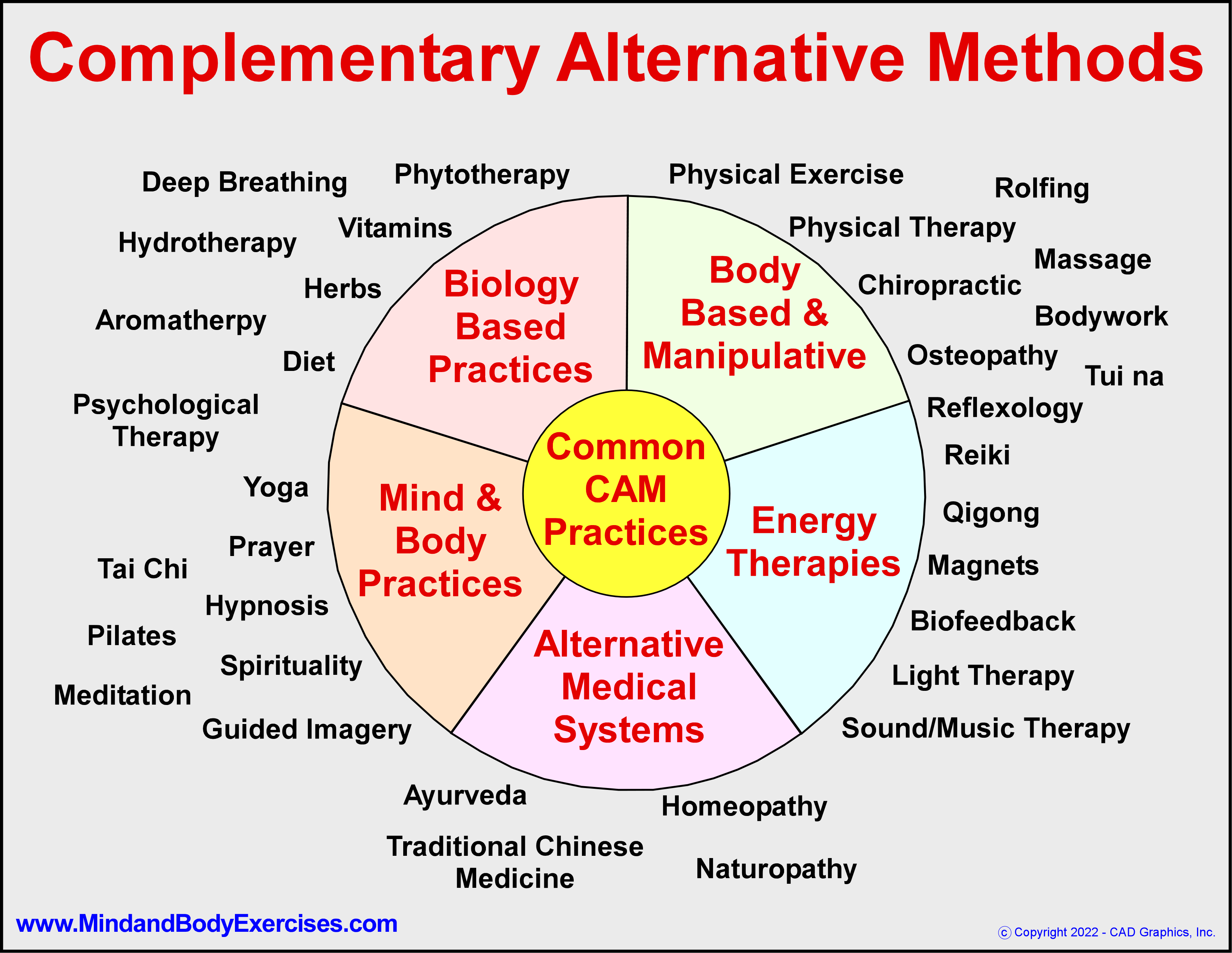
From my own experience, Western medical professionals are not going to offer or steer a patient towards herbs when the whole healthcare industry is based upon mostly quick-fix pharmaceuticals and most often at exorbitantly higher costs to the consumer. For example, my allopathic doctor prescribing Nasacort, Flonase and eventually Claritin for seasonal allergies, when I was able to replace these with a combination of ginger, turmeric and black pepper with great success. Another orthopedic doctor was intent upon me having surgery for a torn meniscus in my knee. I declined and practiced more qigong and applied herbs topically to my injured knee for 6 months, again with much success.
My botanical medicine history started when my mother gave me warm milk with honey for a sore throat when I was probably 4 or 5 years old. My mother’s family came from what was formerly known as Bohemia and now named the Czech Republic, and my father’s ancestors came from Germany, where decades back traditional medicines and herbal remedies were quite common. Around this same time, I was introduced to Jägermeister (probably considered child abuse these days), the alcoholic beverage that actually has medicinal properties from its herbal ingredients of cinnamon, ginger root, licorice root and rose hips (Arifin, 2017).

Years later when I was 16, I began martial arts training with Korean and Chinese kung fu. My teachers were very much Taoists and Traditional Chinese Medicine was inherently bound within our curriculum and knowledge base. I was quite naïve and impressionable at the time, having had little true-life experience. Fortunately for me, this was a very good education to have been introduced to at such an early age, as it gave me a firm foundation in health, fitness, wellness and nutrition for years to come.
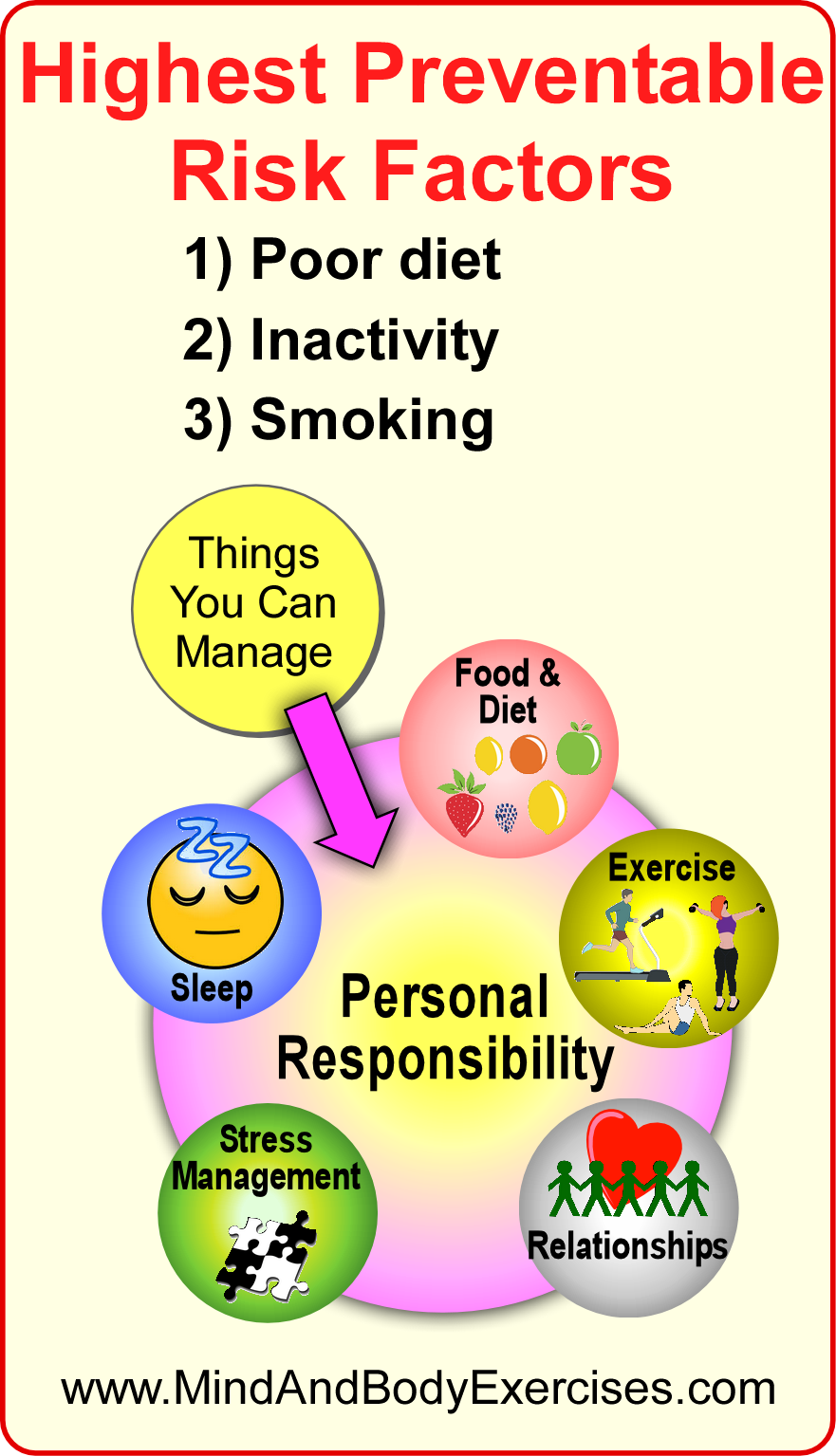
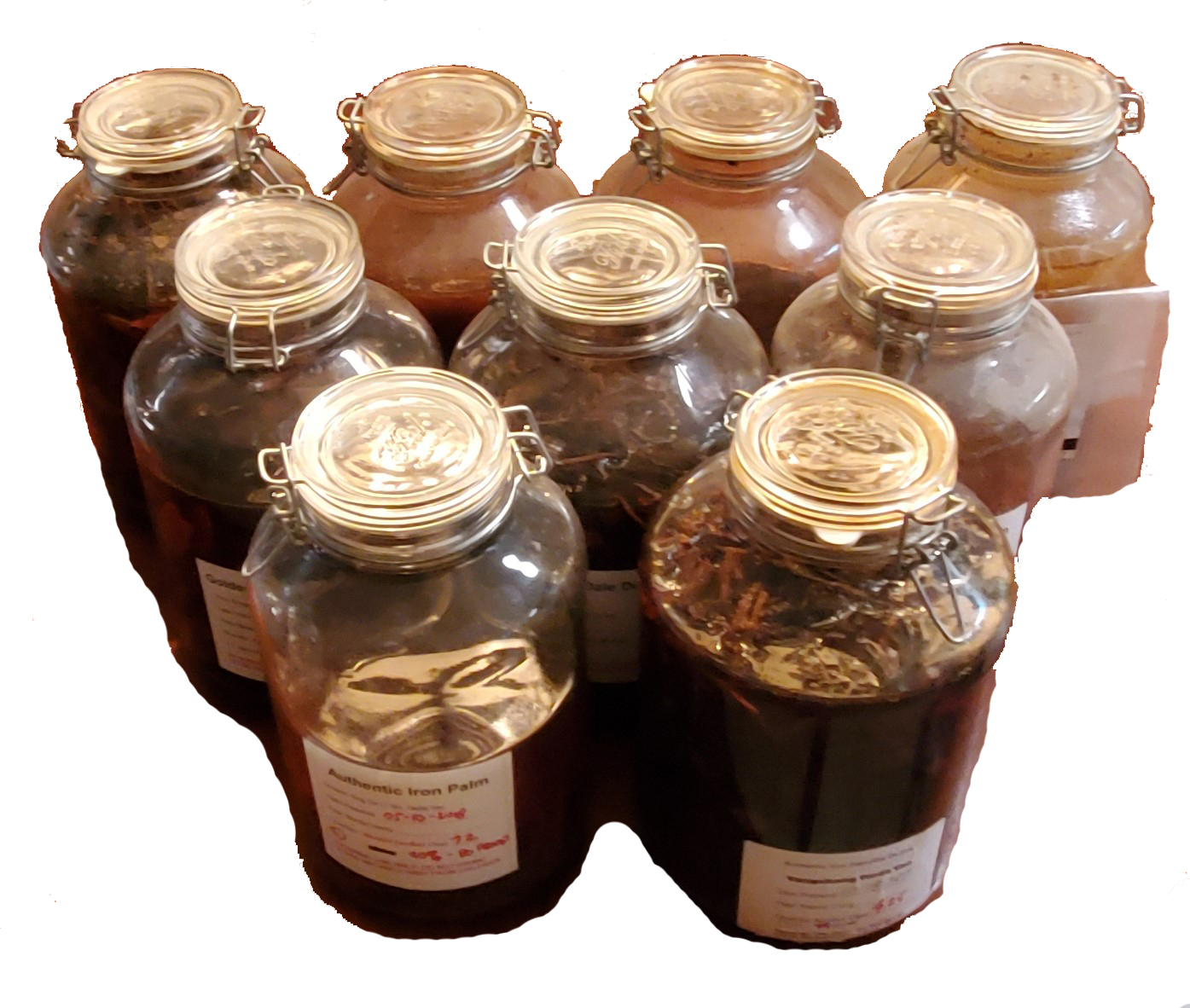
I was taught (along with my peers and fellow students) that the body can innately maintain and cure itself if given the right balance of physical exercise, proper diet and nutrition (including herbs) and appropriate self-management of our thoughts and emotions. Our go to beverage and preventative, was ginger root tea, to aid in good digestion and overall reduction of inflammation relative to physical training. If overly sore or injured, we would use curcumin poultices or store-bought plaster patches with cayenne. We would use herbal extracts called Dit Da Jow, to apply to our hands, arms and other parts of our bodies for what is referred to as Iron Body training. These Jows are somewhat unique in that they reduce inflammation while at the same time increase blood circulation and promote natural healing. We ate kimchi, a known probiotic and were encouraged to eat and cook with garlic, ginger, turmeric, cayenne and onion as much as possible.
Years later, the training and knowledge increased to even more Traditional Chinese Medicine methods of moxibustion. This is a method, where herbs smolder on acupuncture needles or sometimes directly on the skin (direct moxibustion) or indirect where the herbs burn on a layer of ginger, garlic or salt which cover specific acupuncture points and meridians.
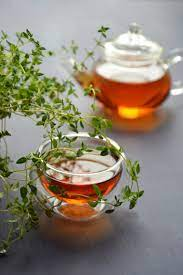
Additionally, we were prescribed or instructed on how to use particular Chinese herbal tea recipes for various physical imbalances. These teas were incredibly strong in flavor and potency, and were to help cure whatever issues of cough, allergies, tinnitus, irritable bowel syndrome, headache, and many other ailments. These teas looked like tar by the time they decocted down to a cup size serving and tasted pretty much the same, but they all worked amazingly well. Even more recently, I have been introduced to Ayurveda through my martial arts lineage as well as with my NVU degree program. Ayurveda seems to be the parent of TCM in many aspects, as I have found many of the same herbs and principles of treatment and prevention from using specific recipes.
I have been fully into the whole concept of phytotherapy for almost 50 years, for all of the reasons I have discussed over previous posts, distilling it down to less side effects, less toxins, less cost, more individual control over my own health and well-being. I see herbalism/botanical addressing the root causes of illness and disease as well as symptoms, versus conventional allopathic medicine treating of the symptoms with little or no expectation of addressing root issues. Herbalism seems to have its greatest benefits as a preventative for chronic and long-term ailments, however having benefits for some acute issues also. Conventional allopathic medicine’s greatest strength is in immediate treatment for trauma and acute illnesses.
Best wishes and be well!
References:
Arifin, E. (2017, December 23). 7 Health Benefits of Drinking Jagermeister #1 Unexpected. DrHealthBenefits.com. https://drhealthbenefits.com/food-bevarages/beverages/health-benefits-drinking-jagermeister
insightSLICE. (2021, February 16). Herbal Medicine Market Global Sales Are Expected To Reach US$ 550 Billion by 2030, as stated by insightSLICE. GlobeNewswire News Room. https://www.globenewswire.com/news-release/2021/02/16/2176036/0/en/Herbal-Medicine-Market-Global-Sales-Are-Expected-To-Reach-US-550-Billion-by-2030-as-stated-by-insightSLICE.html
_____________
Be more active, eat healthier, sleep better, stress less these are the key components to maintaining a strong immune system.
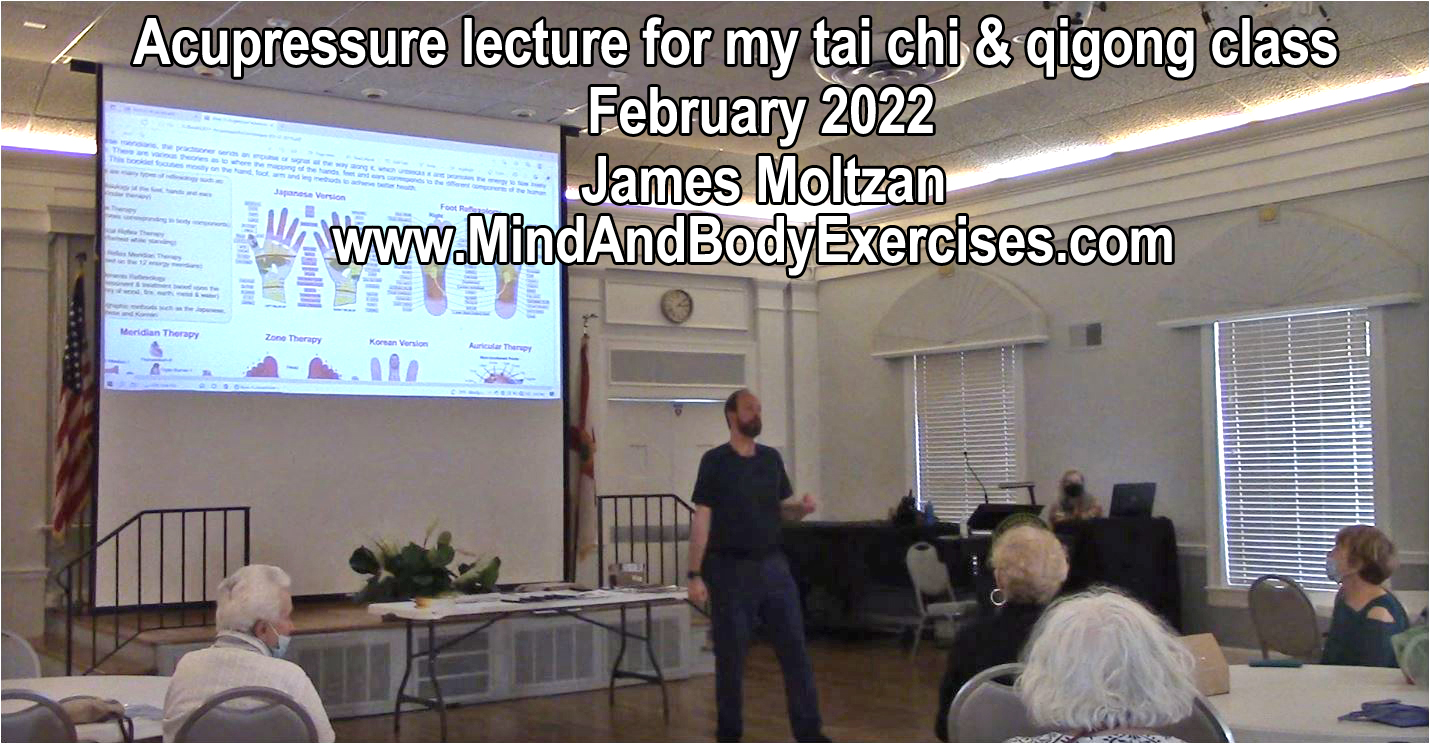
I am currently offering lectures and classes for group, small group & private instruction in Wekiva, Longwood and Winter Park.Mind and Body Exercises on Google: https://posts.gle/aD47Qo
I also have hundreds of FREE education video classes, lectures and seminars available on my YouTube channel at: https://www.youtube.com/c/MindandBodyExercises
Mind and Body Exercises on Google: https://posts.gle/aD47Qo
Jim Moltzan
407-234-0119
www.Amazon.com/author/jimmoltzan

 United Martial Arts Association