
Depending upon which cultures are involved, specific different issues can be discussed. I will comment on Asian body-based methods being assimilated into American culture.
I think many of the challenges have already been occurring for many years. When President Nixon visited China in 1972, Traditional Chinese Medicine (TCM) and its body-based practices of reflexology (acupressure) and tuina (massage), where not well known in the US at that time. Thanks to the New York Times columnist James Reston reporting of his experience in a Chinese hospital, the American public was able to receive a firsthand account of the benefits of acupuncture and other hands-on methods. TCM methods had been practiced in the US since the immigrants from China arrived long ago, but never was reported much in mainstream media until Reston’s article (Yong, 2015).
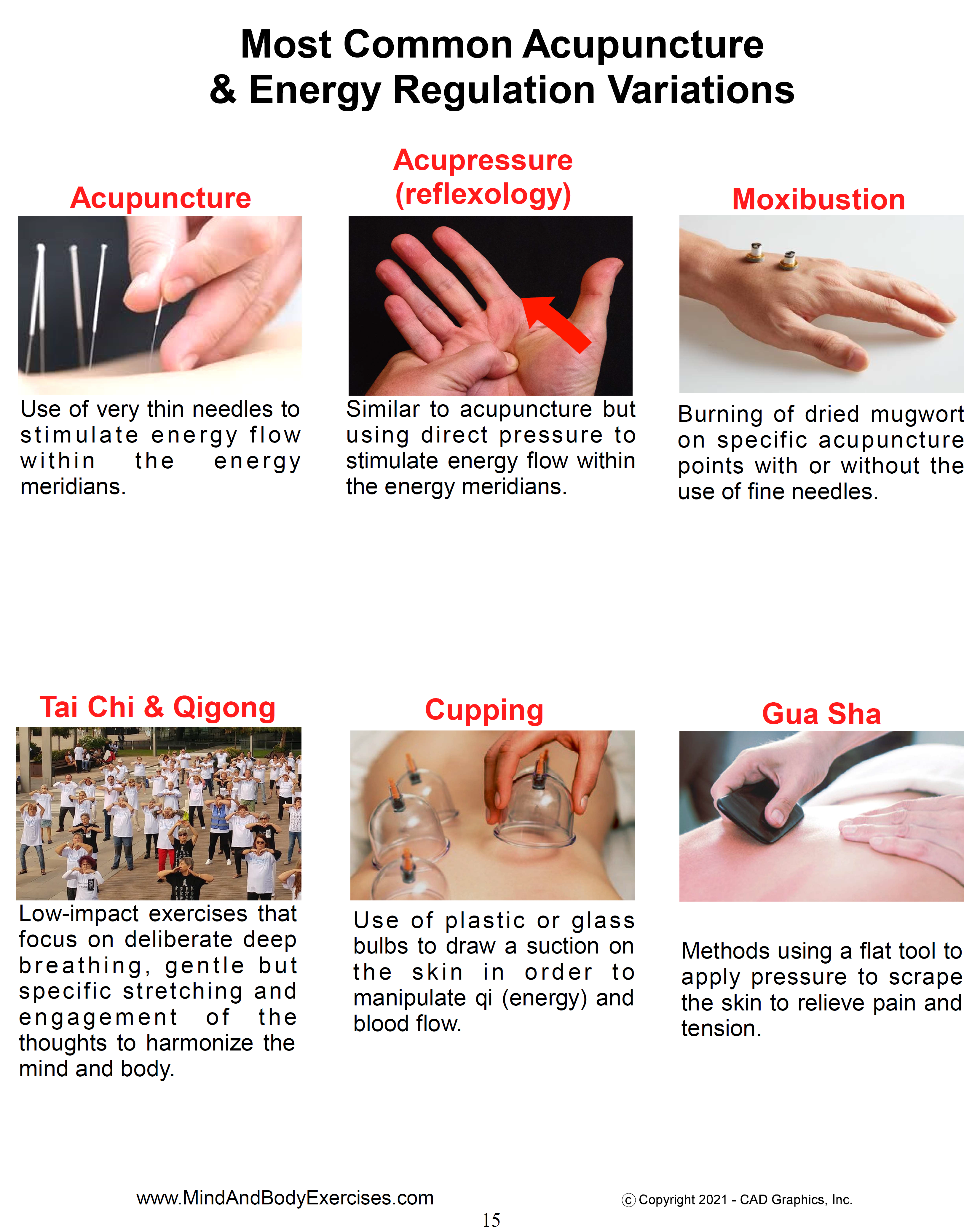
Back in the early 1980’s, I had direct exposure to Chinese and Korean culture by way of martial arts, cuisine, language and lifestyle. Many of my relatives and adult peers were veterans of the Korean and Vietnam Wars, having deep political, racial and trust issues towards the Asian cultures. I did not agree with many of their viewpoints, but I did respect them as they had lived, fought and some died while unwillingly experiencing the culture that they were drafted into attending. At that time, my relatives would have never even considered seeking treatment from anyone other than an American medical doctor, even knowing that these were options for healthcare. While I think more Americans are open today to alternative medicine and complimentary practices, I think some of these issues may still exist decades after their initial seeding in the US. I think there can be found, good and bad in everything depending upon how it is chosen to be interpreted.
Other cultures often do not have the same regulations nor requirements as deemed necessary for licensure within the US, making body-based practitioners less likely to seek offering services in the US. I have found that most insurance providers often don’t recognize these methods as legitimate Western allopathic medicine and are seen as quackery or mostly placebo-based treatments.
Ayurveda and Traditional Chinese Medicine (TCM) are probably the two oldest systems of healthcare practiced throughout the world. Ayurveda has its origins in the Hindu religion within India from 5000 years ago. Traditional Chinese Medicine also has origins from thousands of years ago (475–221 BC) but in China. Both systems have been practiced widely throughout the world, with seemingly very little interest in the US when compared to Western allopathic or biomedicine practices.
What will it take and when will the medical community more fully embrace the benefits of many of these methods and practices that have proven the test of time for many cultures, sometimes over thousands of years?
Reference:
Li, Yong. (2015). Acupuncture journey to America: A turning point in 1971. Journal of Traditional Chinese Medical Sciences. 1. 10.1016/j.jtcms.2015.03.001.
______________
I write often about topics that affect our health and well-being. Additionally, I teach and offer lecture about qigong, tai chi, baguazhang, and yoga. I also have hundreds of FREE education video classes, lectures and seminars available on my YouTube channel at:
https://www.youtube.com/c/MindandBodyExercises
Mind and Body Exercises on Google: https://posts.gle/aD47Qo
Jim Moltzan
407-234-0119
www.Amazon.com/author/jimmoltzan
 United Martial Arts Association