
People in Japan or southern European countries have one-half to one-third the risk of dying from heart disease in comparison with people from the United States or northern Europe, even when their cholesterol levels, on average, are the same. A person with a cholesterol level of 250 mg/dl in Denmark has a two to three times greater risk of a fatal heart attack compared with an Italian with the same cholesterol level.
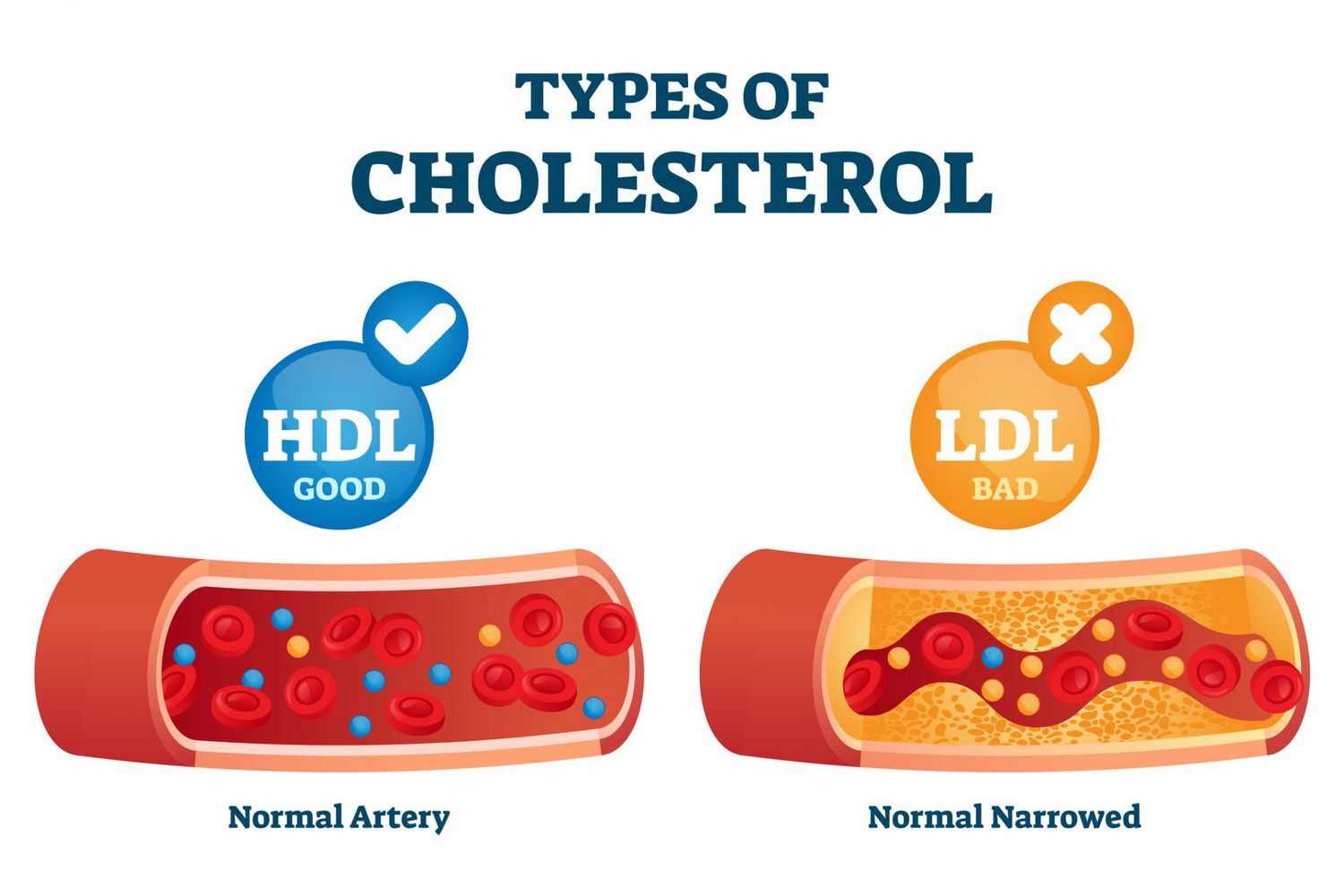
These numbers can be misleading if only taking into account the total cholesterol level as opposed to the ratio of the “good” high cholesterol or high-density lipoproteins (HDL) included in the total cholesterol figure. For example, the seemingly high total cholesterol level of 240 mg/dl may not be of concern if there is also a higher HDL level such as 35-60 mg/dl and therefore producing a lower ratio. A higher ratio (lower HDL level) could be interpreted as having a higher risk of heart disease whereas a lower ratio (higher HDL level) would equate to a lower risk.
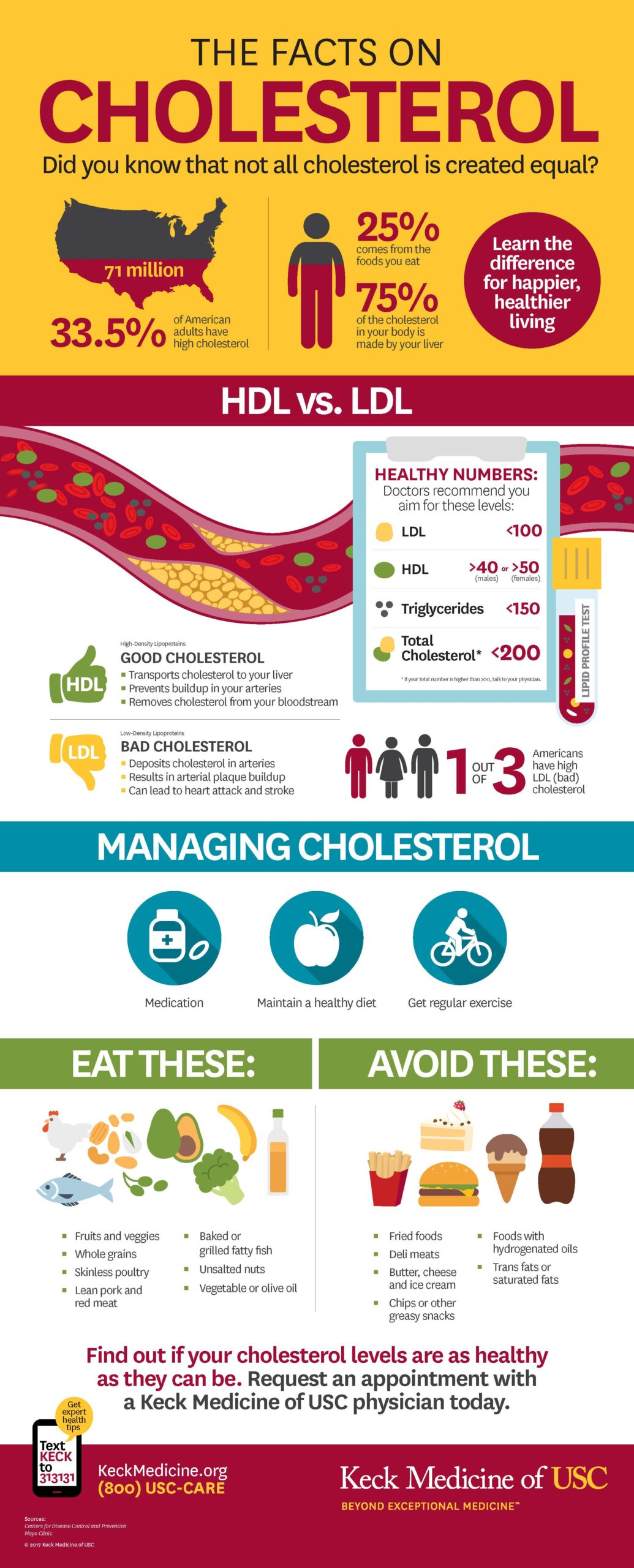
The disparity between various cultures having high averages for total cholesterol levels may not be taking into account the dietary intake of a particular country possibly having more HDLs in their diet. The typical French diet was stated to have much fat, along with meats and eggs. Eggs are reported to be a good source of HDL. The typical Italian diet, or more specifically the Mediterranean diet may also include high sources of HDLs such as fish, nuts, and olive oil. This diet also focuses on less intake of sugars and other processed foods. On the other hand, the typical American diet has many high LDHs (low-density lipoproteins) coming from fatty beef, whole dairy products, potato chips, bakery items, fried foods and other processed meats and foods.
This leads me to believe that the cholesterol numbers don’t always reflect the actual quality of the foods that a particular culture consumes.
So, I think that is someone ingests mostly poor-quality food that contains high amounts of sugar, high amounts of LDHs, low amounts of HDLs, and lives a mostly sedentary lifestyle, their risk of having heart disease and other relative illnesses will dramatically increase.
References:
Edlin, G., & Golanty, E. (2019). Health & Wellness (13th ed.). Jones & Bartlett Learning
Keck Medicine of USC. (2022, September 1). What Is the Difference Between Good and Bad Cholesterol? https://www.keckmedicine.org/blog/what-is-the-difference-between-good-and-bad-cholesterol/
HDL & LDL: What You Need to Know About Good and Bad Cholesterol. (2021, September 28). Allrecipes. https://www.allrecipes.com/article/hdl-vs-ldl-cholesterol/
https://www.medicalnewstoday.com/articles/317332
___________________
I write often about topics that affect our health and well-being. Additionally, I teach and offer lecture about qigong, tai chi, baguazhang, and yoga. I also have hundreds of FREE education video classes, lectures and seminars available on my YouTube channel at:
https://www.youtube.com/c/MindandBodyExercises
Mind and Body Exercises on Google: https://posts.gle/aD47Qo
Jim Moltzan
407-234-0119
www.Amazon.com/author/jimmoltzan


 United Martial Arts Association