
Rewiring the Nervous System: Ancient Practices for Modern Resilience
The human nervous system can be likened to an electrical system designed for specific voltage and amperage. Traditionally, it is assumed that most individuals are wired for 110 volts and 15 amps. However, contemporary society necessitates functioning at 220 volts and 30 amps, far exceeding the capacity originally intended by our biology. This increased “voltage” manifests as chronic stress, anxiety, burnout, and various physical ailments.


Nevertheless, just as an electrical system can be rewired to handle greater loads, the human nervous system can also be trained to adapt. Ancient practices such as martial arts, qigong, Dao Yin (Taoist yoga), yoga, and breathwork serve as effective interventions. These time-tested methods bridge the gap between the body’s inherent capabilities and the demands of modern life, enabling the nervous system to withstand higher levels of stress without succumbing to being overwhelmed.
The Role of Stance Training and Controlled Stress
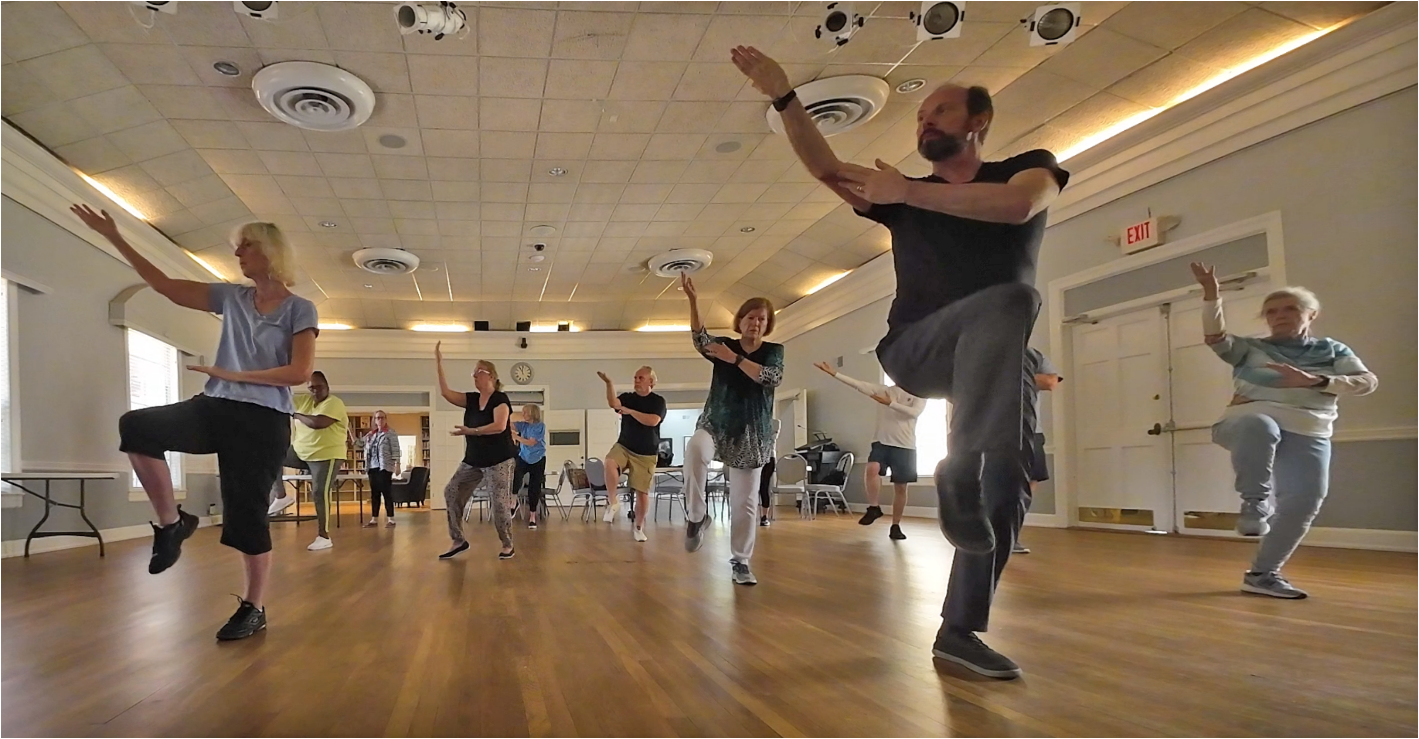
With over 45 years of experience in martial arts, qigong, Dao Yin, and yoga, it has been observed that certain methods can effectively enhance the nervous system. One such method is stance training, which involves holding postures for specific durations while integrating breath control.
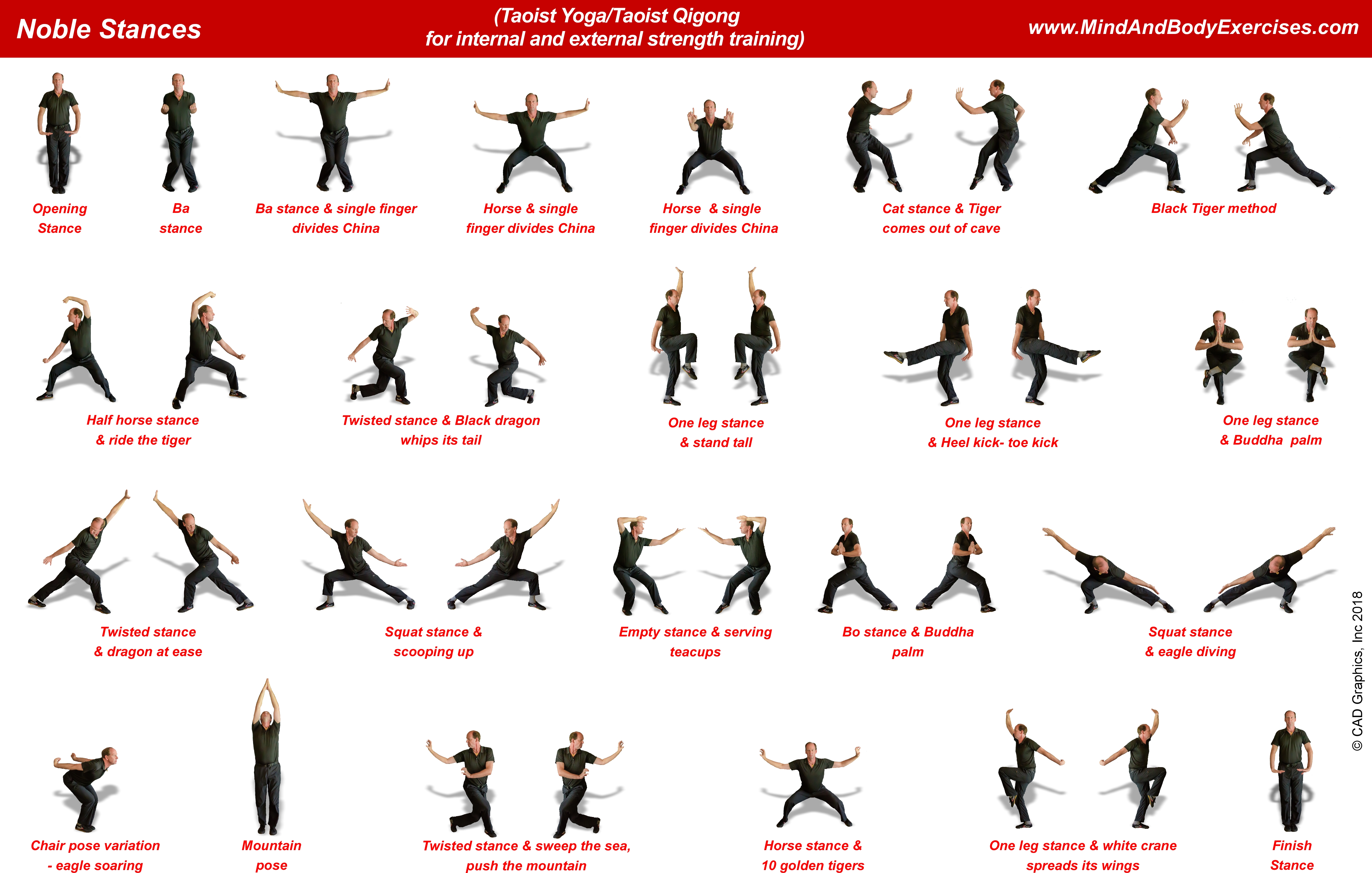
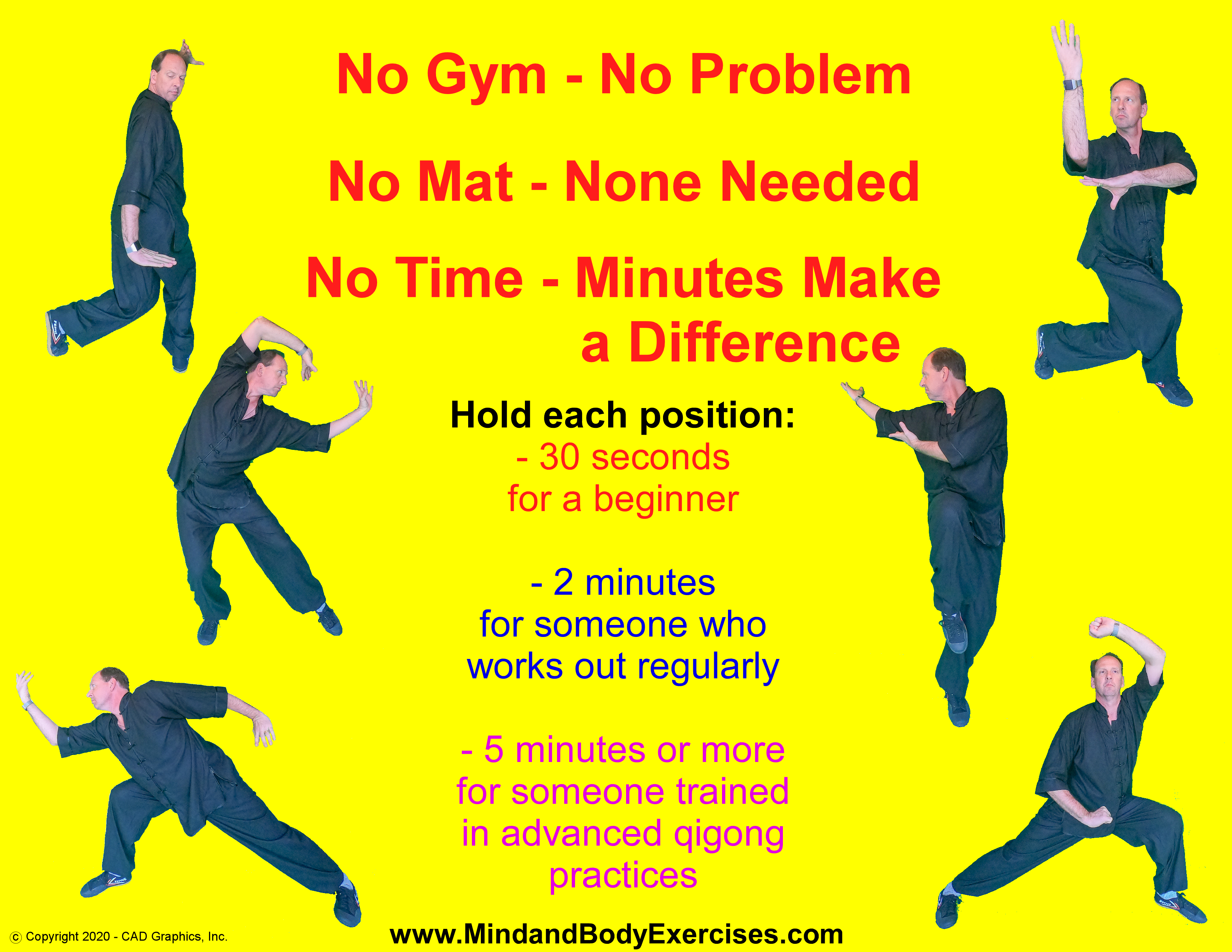
For beginners, basic stances are introduced in succession, initially without prolonged holds. As they progress, duration gradually increases. Once students can hold each stance for 30 seconds, controlled breathing is incorporated, typically three breaths per 30 seconds. With consistent practice, the duration is extended to one-minute holds, adjusting breath cycles to around four to six respirations per minute.
This approach serves multiple purposes. On a physical level, it strengthens the legs, core, and other stabilizing muscles. On a neurological level, it encourages the nervous system to adapt to discomfort, fostering resilience, endurance, and focus. On an energetic level, it stimulates the body’s internal pathways, potentially leading to enhanced vitality and internal balance.
The Science Behind the Training: The Anterior Midcingulate Cortex (aMCC)
While these practices have been in use for centuries, contemporary neuroscience provides insight into their effectiveness. A critical region of the brain implicated in resilience is the anterior midcingulate cortex (aMCC).
The aMCC is responsible for effortful control, emotional regulation, and persistence in the face of challenges. Research indicates that engaging in controlled stress, such as maintaining difficult stances, regulating breath, or training under discomfort, strengthens and enlarges the aMCC. Consequently, individuals who practice these methods may enhance their ability to manage stress more effectively, increase mental toughness, and maintain composure under pressure.
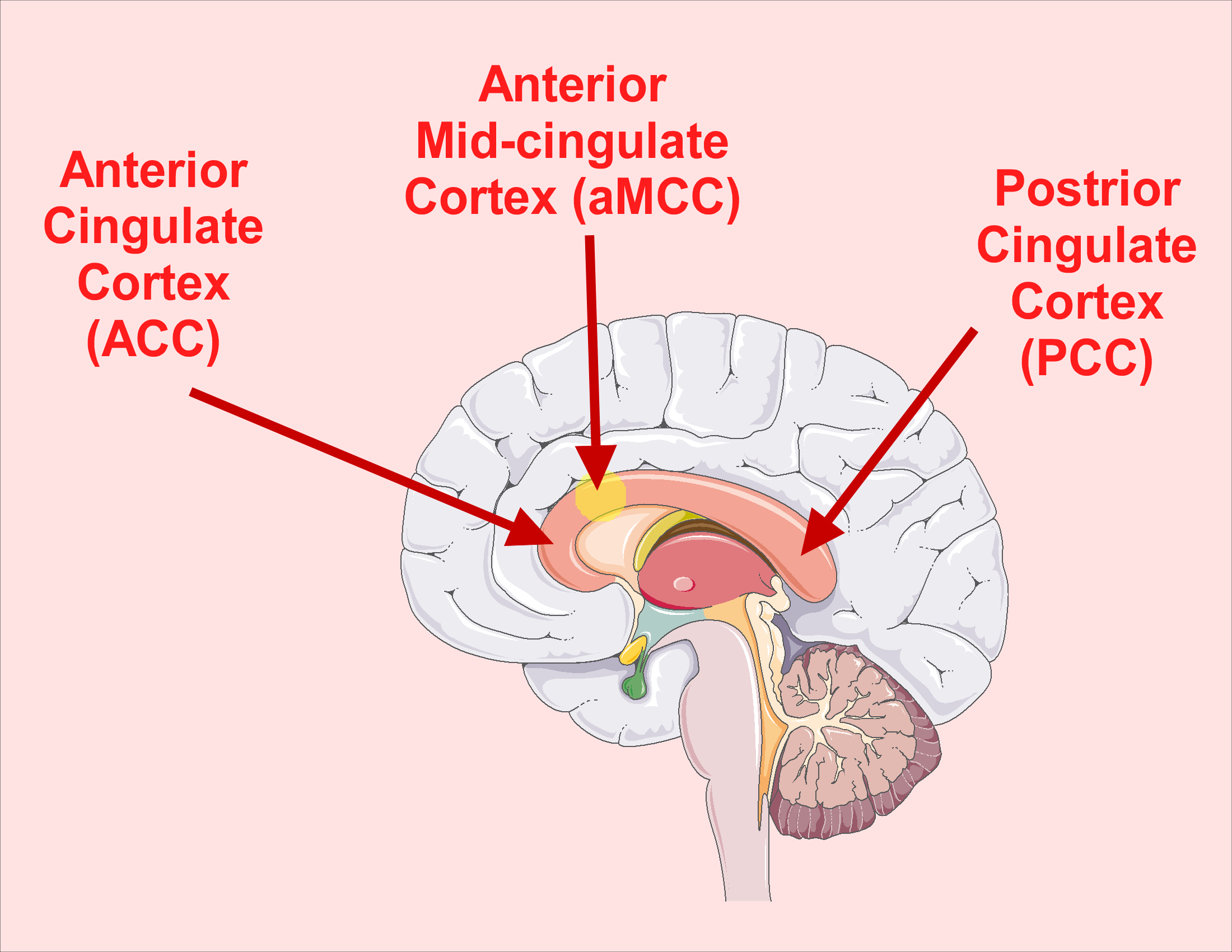
In essence, deliberate training can augment our capacity to handle life’s challenges, analogous to how lifting heavier weights strengthens muscles. This concept is consistent with the principle of progressive overload, which is well-established in strength training and equally applicable to the nervous system and mental resilience.
“Burning the Chong Mai” – The Energetic Dimension
Beyond the physical and neurological aspects, these practices have deep roots in Taoist and Traditional Chinese Medicine (TCM). An important concept in energetic cultivation is “burning the Chong Mai.”
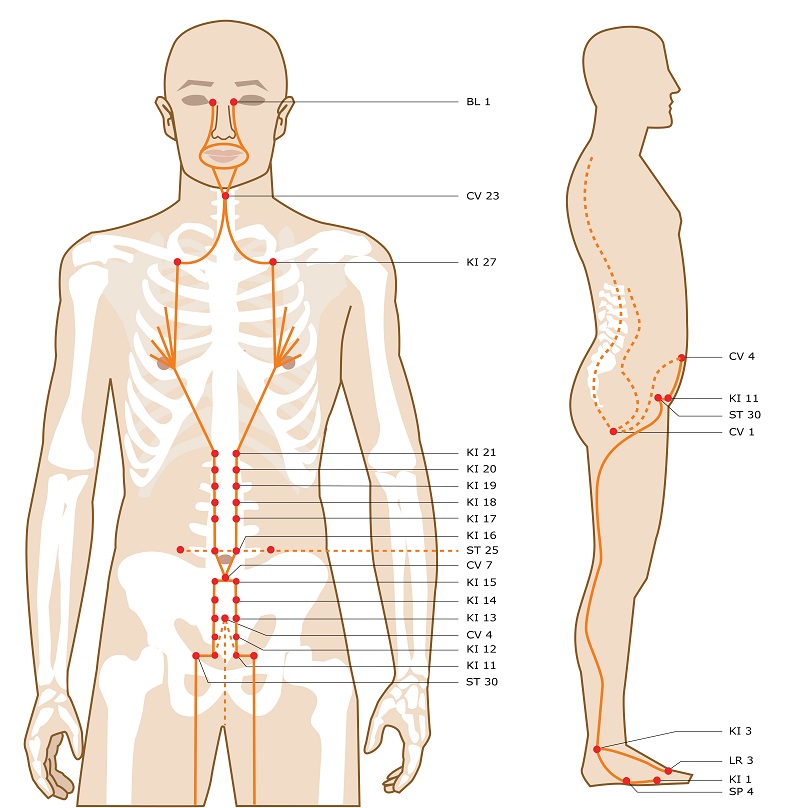
The Chong Mai (penetrating or thrusting Vessel) is one of the eight extraordinary meridians in TCM. It serves as a primary channel for deep energy reserves, influencing the body’s overall energy flow. When stance work and controlled breathing are practiced regularly, this meridian can be activated, which may allow for greater energy circulation through the other seven extraordinary vessels and the twelve main meridians.

This process can be compared to upgrading a power grid. By increasing the capacity of the Chong Mai, the entire energetic system can become more efficient, stable, and resilient. This observation might explain why long-term practitioners of qigong, Dao Yin, and martial arts often report higher energy levels, improved focus, and a significant sense of internal strength.
Resilience Through Discomfort: The Path to Transformation
The old adage “That which does not kill us makes us stronger” perfectly encapsulates the philosophy behind these training methods. Rather than avoiding stress, we use it as a tool for growth.
- Physically, stance training builds strength, endurance, and structural integrity.
- Mentally, breath control and effortful posture-holding train the nervous system to remain calm under pressure.
- Neurologically, the aMCC adapts and strengthens, improving stress management and persistence.
- Energetically, activating the Chong Mai and meridian system enhances internal power and resilience.
Instead of being overwhelmed by modern life’s “220 volts,” we can upgrade our own internal wiring, ensuring that we remain grounded, adaptive, and powerful in an ever-changing world.
For those seeking true strength, not just physically, but mentally and spiritually- these ancient methods offer a proven path to transformation. The keys are consistency, patience, and a willingness to embrace discomfort as a gateway to resilience.
I look forward to further sharing more of my message by partnering with hospitals, wellness centers, VA centers, schools on all levels, businesses, and individuals who see the value in building a stronger nation through building a healthier population.
I also have hundreds of FREE education video classes, lectures, and seminars available on my YouTube channel at:
https://www.youtube.com/c/MindandBodyExercises
Many of my publications can be found on Amazon at:
http://www.Amazon.com/author/jimmoltzan
My holistic health blog is available at:
https://mindandbodyexercises.wordpress.com/
http://www.MindAndBodyExercises.com
Mind and Body Exercises on Google: https://posts.gle/aD47Qo
Jim Moltzan
407-234-0119

 United Martial Arts Association