
The video presents an in-depth discussion and practical demonstration, focusing on the importance of hand health, self-care, and Traditional Chinese Medicine (TCM) principles applied to modern wellness practices. Starting with a critique of the current American healthcare system, I contrast “sick care” with “self-care,” emphasizing personal responsibility in maintaining health through exercise, nutrition, and mindfulness. I introduced foundational concepts, such as the Five Pillars (physical movement, diet, sleep, stress management, and social interaction) and the principles of Yin and Yang, explaining their scientific roots in geometry and balance.
I elaborate on the Chinese philosophy of the Five Elements theory (fire, earth, metal, water, wood), correlating them with organs and bodily systems, and explain the concept of meridians, or energy pathways throughout the body that traditional Chinese medicine targets to enhance health. The core practical component of the video focuses on hand exercises designed to strengthen grip, improve circulation, stimulate nerve endings, and activate energy flow through the meridians ending in the fingers. These exercises involve various techniques such as clapping, pinching, twisting, and massaging different parts of the hand and wrist.
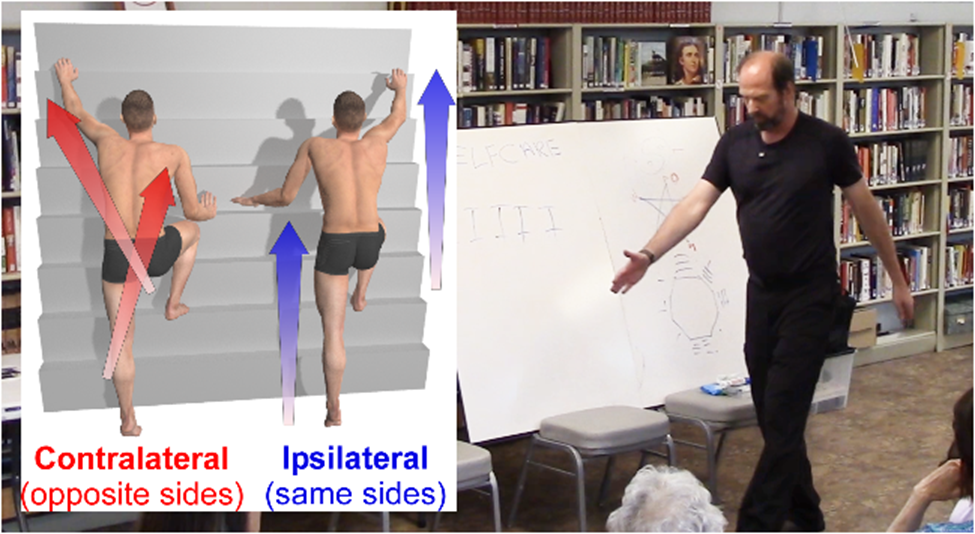
I highlight the significance of grip strength especially in fall prevention and overall mobility in older adults, explaining how consistent practice can improve hand function and nervous system responsiveness. I also discuss cross-body movements and their cognitive benefits, drawing parallels to neurological therapies and developmental exercises like crawling, which engage both hemispheres of the brain.
Towards the end, I briefly touch on broader practices such as Tai Chi, Qigong, and reflexology, stressing their role in holistic health. I advocate using accessible tools like golf balls for foot massage to stimulate nerve endings and share practical advice on managing neuropathy and maintaining organ health through movement and energy balance. Throughout, I encourage self-awareness, gradual progression, and integrating these exercises into regular routines for preventive health.
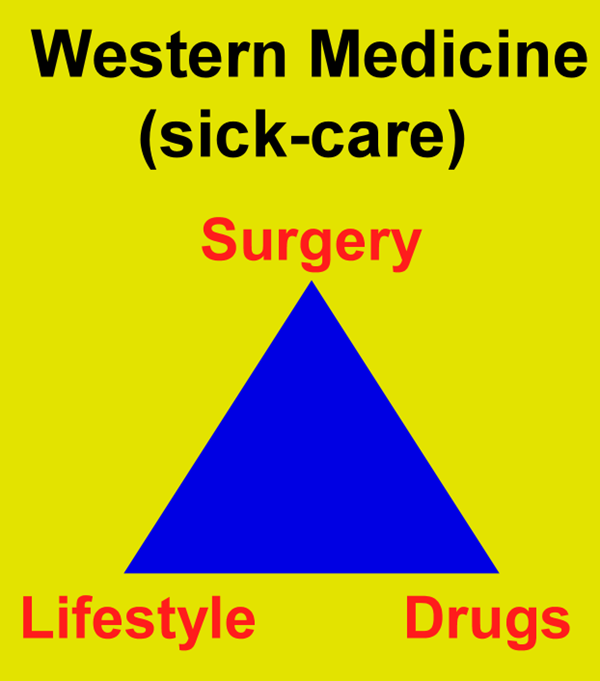
Modern Healthcare Critique: I am somewhat critical of the U.S. healthcare system as reactive “sick care” rather than proactive health maintenance. I highlight that patients often receive prescriptions without addressing root causes like lifestyle or diet, which underscores a systemic issue driven by time constraints and financial incentives. This insight calls for a paradigm shift toward self-care and prevention.
Holistic Health Framework: The Five Pillars framework integrates physical, mental, and social health components, demonstrating the interconnectedness of well-being. By grounding this in Chinese philosophy, we can bridge ancient wisdom and modern health science, by striving to cultivate balanced living, requiring attention to multiple lifestyle factors simultaneously rather than isolated interventions.
Yin-Yang as Science: By explaining Yin-Yang through geometry and mathematics, I demystify what is often perceived as esoteric. This positions traditional Chinese medicine as a system based on observation, balance, and natural laws, reinforcing its credibility and potential integration with Western practices.
Hand Health and Meridian Stimulation: The hand exercises stimulate both physical and energetic systems, by strengthening muscles and tendons while activating nerve endings and meridian pathways. This dual approach enhances circulation, neural function, and energy flow, which is crucial for maintaining dexterity, preventing injury, and promoting healing, especially as people age.
Cross-Body Movements and Brain Health: Movements that cross the body’s midline engage both hemispheres of the brain, enhancing neural connectivity and cognitive function. This insight aligns with rehabilitation techniques for stroke patients and supports the use of such exercises in maintaining brain health and preventing cognitive decline.
Reflexology and Accessible Therapy: I emphasize practical, low-cost ways to stimulate nerve endings and improve energy flow, such as rolling a golf ball under the foot. This highlights the value of self-administered therapies for neuropathy and general well-being and the importance of engaging physically with one’s body.
Self-Care as Empowerment: A recurring theme is the empowerment that comes from taking ownership of one’s health through simple, consistent practices. By understanding how the body’s energy and nervous systems work, individuals can proactively manage their health, reducing reliance on medical interventions and improving quality of life.
Highlights
- Critique of modern American healthcare as “sick care” and emphasis on the need for self-care.
- Introduction of the Five Pillars of health rooted in Chinese philosophy: exercise, diet, sleep, stress management, and social interaction.
- Explanation of Yin and Yang as a scientific geometric principle representing balance and opposites.
- Overview of the Five Elements theory correlating elements with organs and bodily functions.
- Demonstration of hand exercises to improve grip strength, circulation, and energy flow through meridians.
- Discussion of cross-body movements and their role in cognitive stimulation and brain health.
- Practical advice on foot reflexology and nerve stimulation using simple tools like golf balls.
This comprehensive approach combining philosophy, science, practical exercise, and self-awareness provide a holistic blueprint for health maintenance that transcends conventional medical models.

 United Martial Arts Association