A Holistic Perspective on Presence, Purpose, and Human Development
Modern life often leaves many people feeling mentally overstimulated, emotionally fatigued, physically depleted, and spiritually disconnected. Despite technological convenience, endless entertainment, and unprecedented access to information, countless individuals still find themselves asking a deeper question: Why do I feel unfulfilled?
Many people move through life trapped in cycles of stress, distraction, obligation, and unconscious routine. They work, consume, react, and repeat, while rarely pausing long enough to examine whether the life they are building is actually aligned with who they truly are. In many ways, modern culture conditions people toward productivity and external validation, yet neglects the cultivation of internal balance, meaning, and self-awareness.
Interestingly, modern psychological theories regarding meaning, motivation, and personal development often parallel principles that have existed for centuries within Eastern philosophy, Traditional Chinese Medicine (TCM), Taoist thought, and martial arts training systems. Whether described as self-actualization, self-efficacy, flow states, or harmonizing yin and yang, the central theme remains remarkably similar: human beings flourish when they consciously participate in their own development.
Rather than viewing life as something that merely happens to us, we may benefit from viewing life as a continual process of cultivation, refinement, adaptation, and conscious participation.
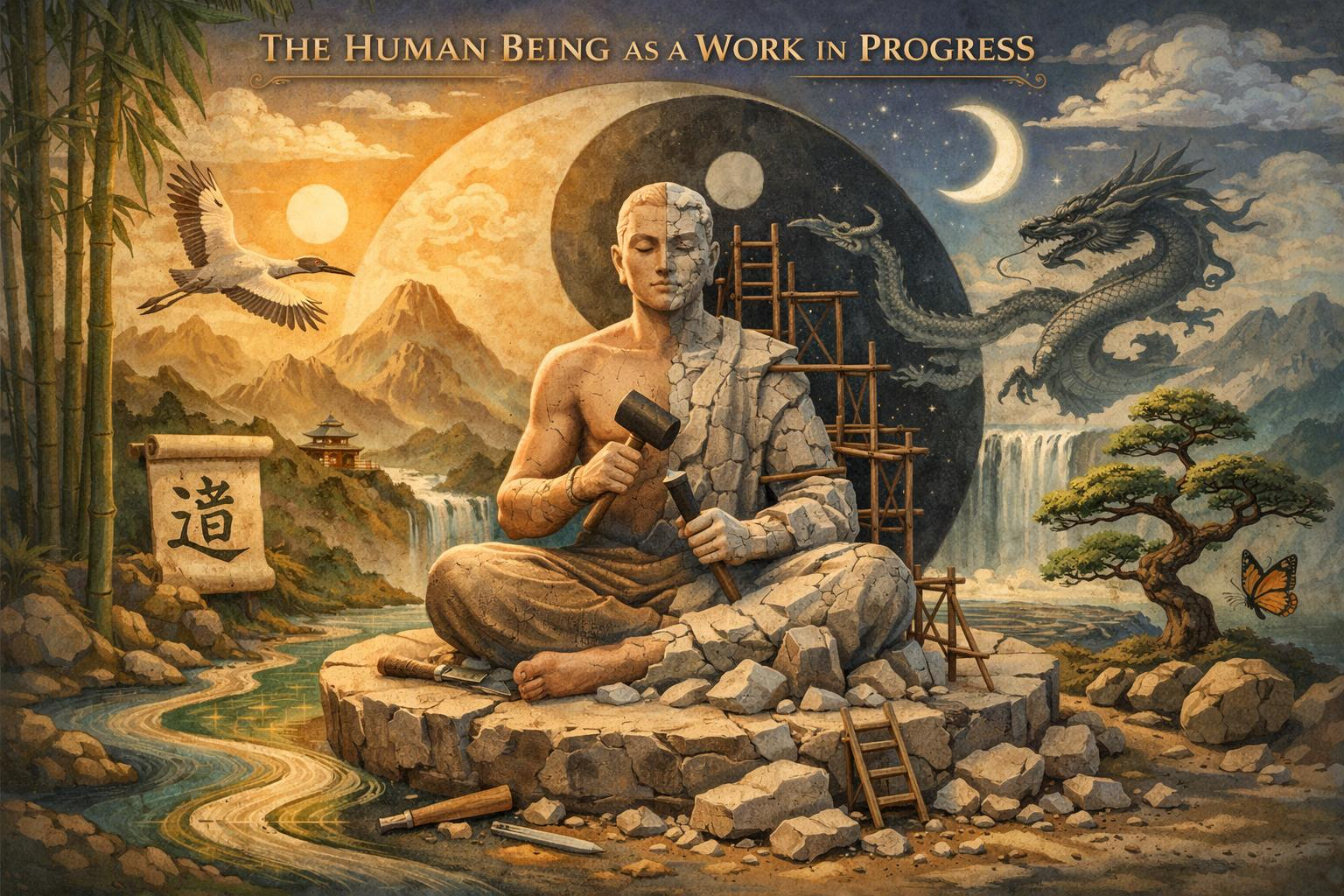
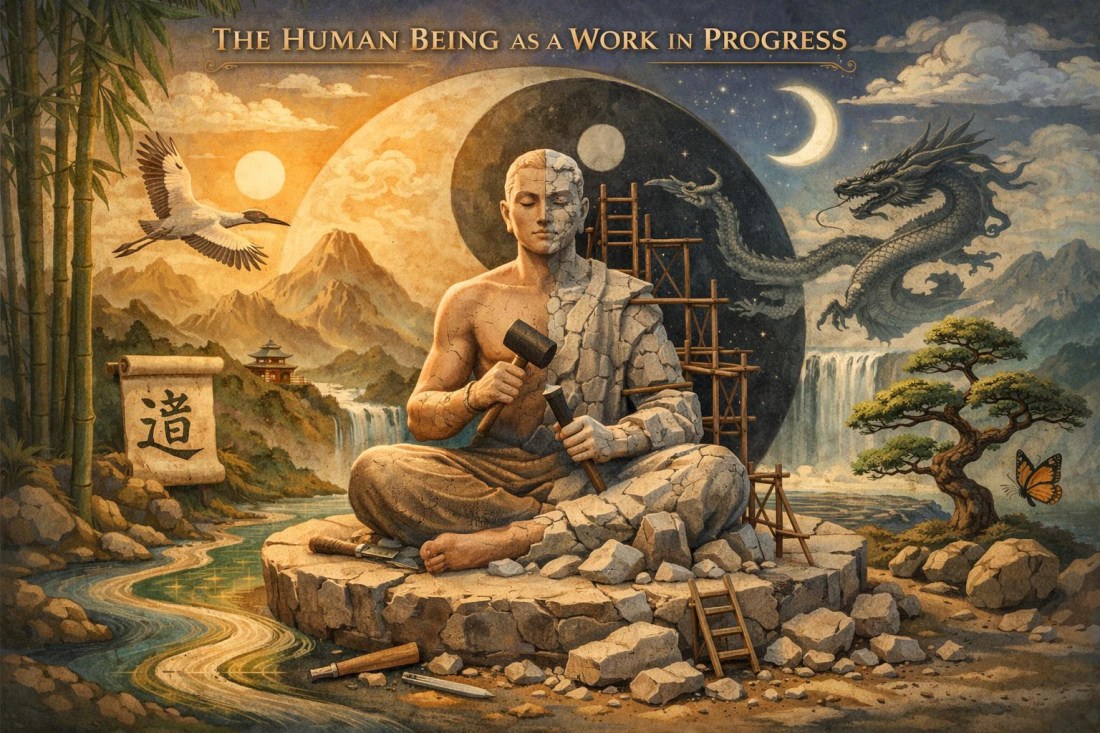
The Human Being as a Work in Progress
Within many Eastern philosophies, the individual is not viewed as a fixed identity, but as an evolving process. Taoist traditions often emphasize alignment with the Dao, continual adaptation, and harmonization between the internal and external worlds. Likewise, many martial arts systems teach that mastery is never truly completed, but continually refined through discipline, humility, awareness, and lived experience.
Modern psychological frameworks increasingly support this same perspective. Stanford Life Design researchers Dave Evans and Bill Burnett propose that meaningful living does not emerge from discovering one singular purpose, but rather through experimentation, curiosity, adaptation, and intentional engagement with life (Evans & Burnett, 2024).
This mirrors the Taoist understanding that growth is dynamic rather than static. The individual evolves through cycles of challenge, reflection, success, failure, adaptation, and renewal. Much like the transformation of yin into yang and yang into yin, life itself is in constant motion.
Many individuals become psychologically trapped because they believe they must discover one perfect identity, career, passion, or life purpose. However, this rigid mindset often creates anxiety, paralysis, and disappointment. Human beings contain multiple potentials, interests, talents, and developmental possibilities.
The goal is not necessarily to “find yourself,” but rather to consciously cultivate yourself.
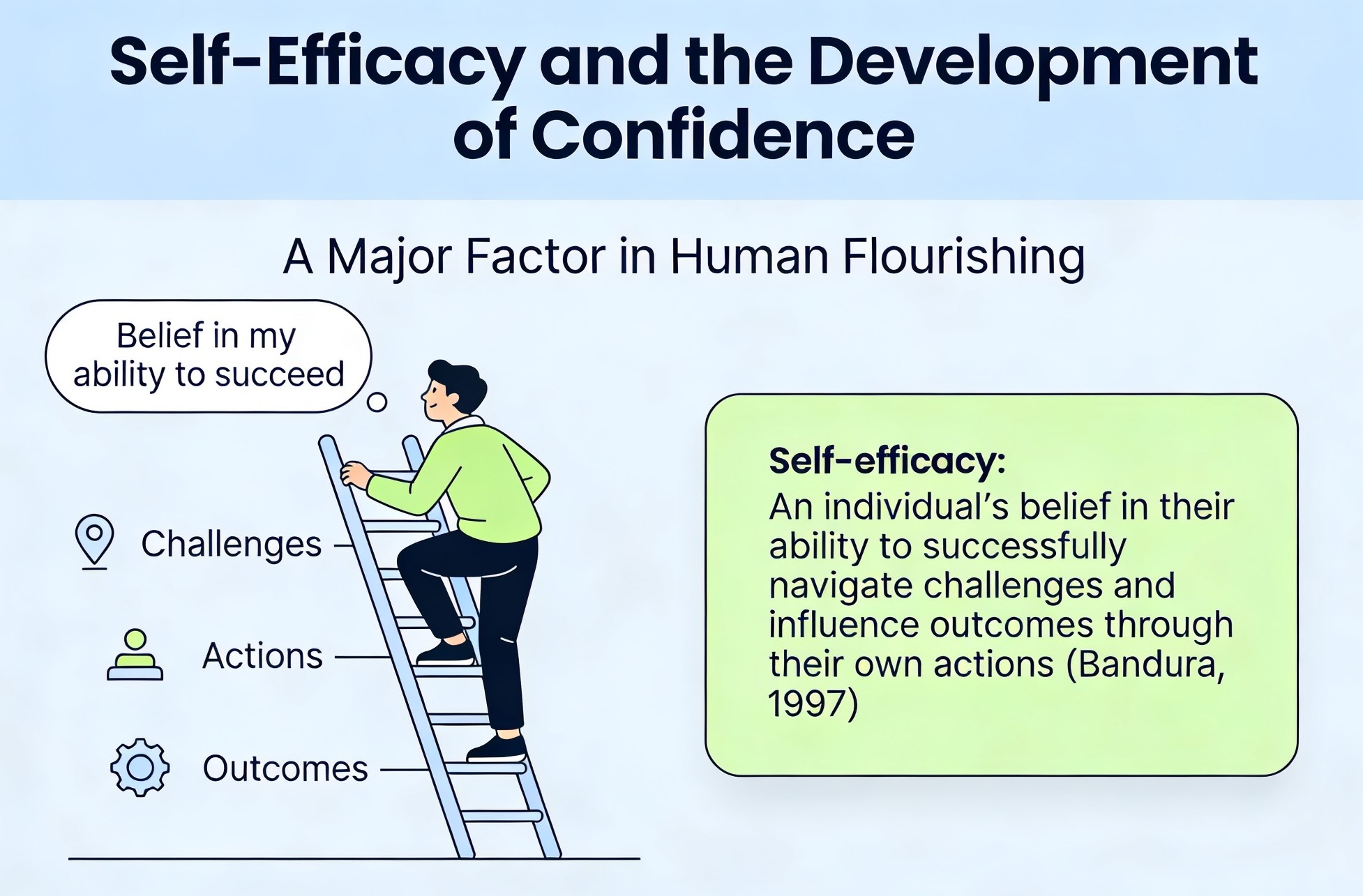
Importantly, self-efficacy is not built through wishful thinking or motivational slogans alone. It develops through direct experience, disciplined effort, adaptation, and repeated exposure to challenge.
This principle has long existed within traditional martial arts and internal cultivation systems. Confidence is not merely spoken into existence. It is earned progressively through training, discomfort, repetition, and gradual mastery. A student develops confidence not by avoiding adversity, but by learning they can endure and adapt to it.
This process closely resembles what many Taoist and martial systems describe as strengthening the mind, refining intention (Yi), and cultivating resilience through embodied experience.
In many ways, modern society unintentionally weakens self-efficacy by promoting excessive convenience, distraction, dependency, and external validation. Yet meaningful development often requires voluntary discomfort, responsibility, and direct engagement with life.
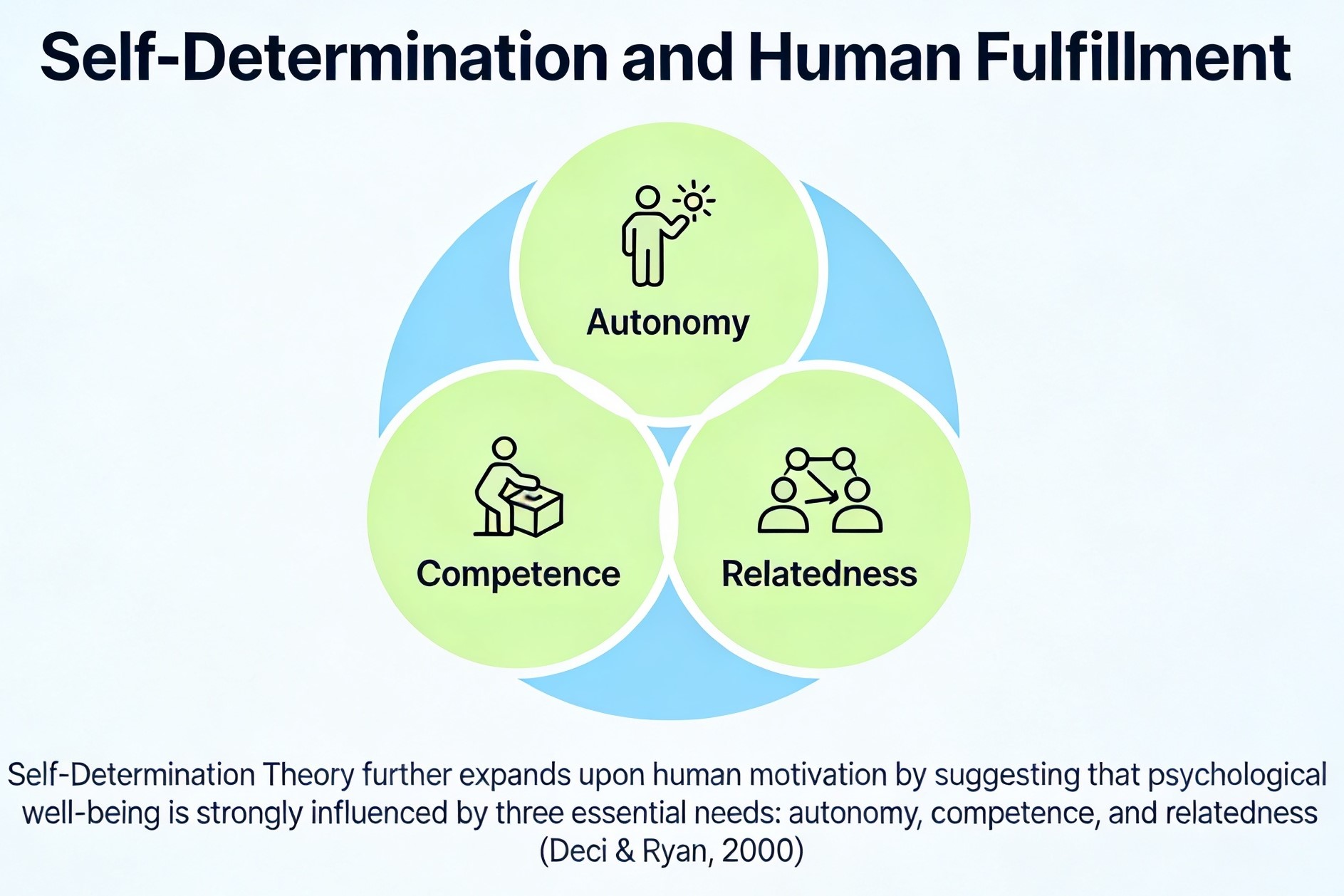
Self-Determination and Human Fulfillment
Self-Determination Theory further expands upon human motivation by suggesting that psychological well-being is strongly influenced by three essential needs: autonomy, competence, and relatedness (Deci & Ryan, 2000).
These principles correlate remarkably well with holistic and Eastern models of human development.
Autonomy
Autonomy reflects the need to feel agency over one’s own life and decisions. In Taoist philosophy, this resembles alignment with one’s authentic nature rather than blindly conforming to external pressures or social conditioning.
Competence
Competence develops through meaningful challenge, disciplined practice, and gradual mastery. This principle is deeply embedded within martial arts, qigong, meditation, and traditional systems of self-cultivation.
Relatedness
Human beings are inherently relational creatures. Meaningful connection, mentorship, community, and shared purpose contribute significantly to emotional and psychological well-being.
When these three dimensions become neglected, individuals often experience anxiety, emptiness, burnout, alienation, or loss of purpose.
Maslow’s Hierarchy and the Journey Toward Self-Transcendence
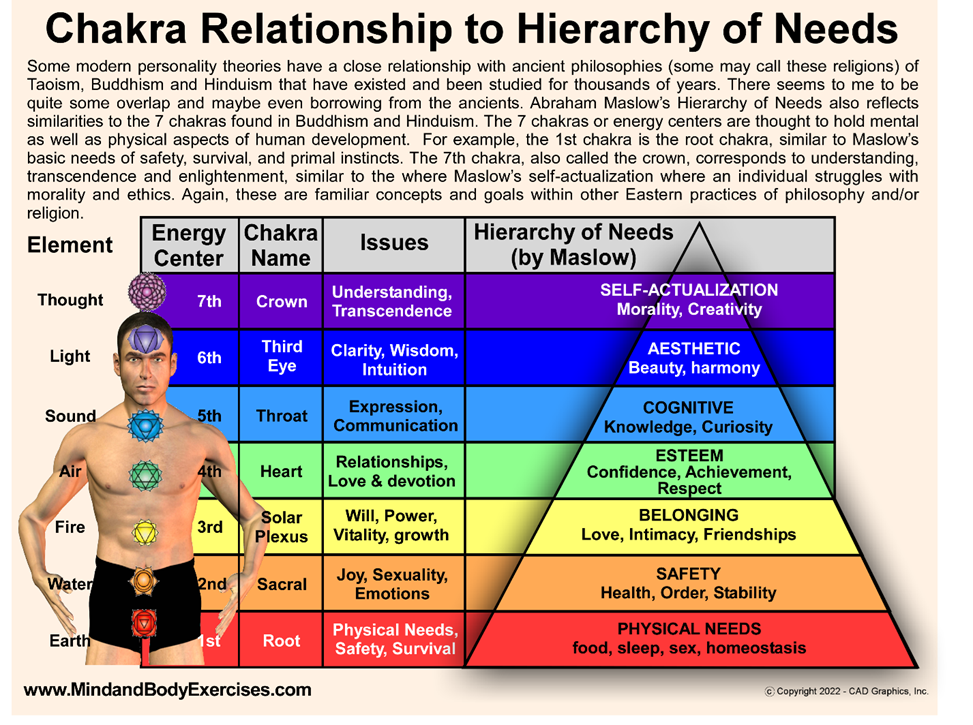
Psychologist Abraham Maslow proposed that human development progresses through stages of need fulfillment, beginning with physiological survival and eventually progressing toward self-actualization and transcendence (Maslow, 1943).
This developmental model also parallels many Eastern systems of cultivation.
At the foundational level, one must stabilize the physical body through proper sleep, nutrition, movement, breathing, and regulation of stress. Without physical stability, higher levels of psychological and spiritual development become difficult to sustain.
As stability develops, attention naturally shifts toward:
- safety and security
- social connection
- confidence and competence
- meaning and contribution
- wisdom and transcendence
Traditional Taoist systems similarly emphasize that refinement begins with the body, progresses through energy and mind, and eventually develops into deeper states of awareness and integration.
This progression is often reflected through the traditional framework of Jing, Qi, and Shen:
- Jing relates to foundational vitality and physical essence
- Qi reflects functional energy and life force
- Shen reflects consciousness, awareness, and spirit
Human flourishing is therefore not merely psychological. It is physiological, emotional, relational, behavioral, and spiritual simultaneously.
Transactional Living vs. Flow States
Much of modern culture conditions individuals into a highly transactional state of consciousness. Productivity, deadlines, social status, financial pressure, digital stimulation, and endless tasks dominate attention.
People become trapped in what may be described as “future-oriented survival mode,” rarely fully present within the immediate experience of life itself.
Psychologist Mihaly Csikszentmihalyi described optimal states of deep engagement as flow states, moments in which action, awareness, and presence become fully integrated (Csikszentmihalyi, 1990).
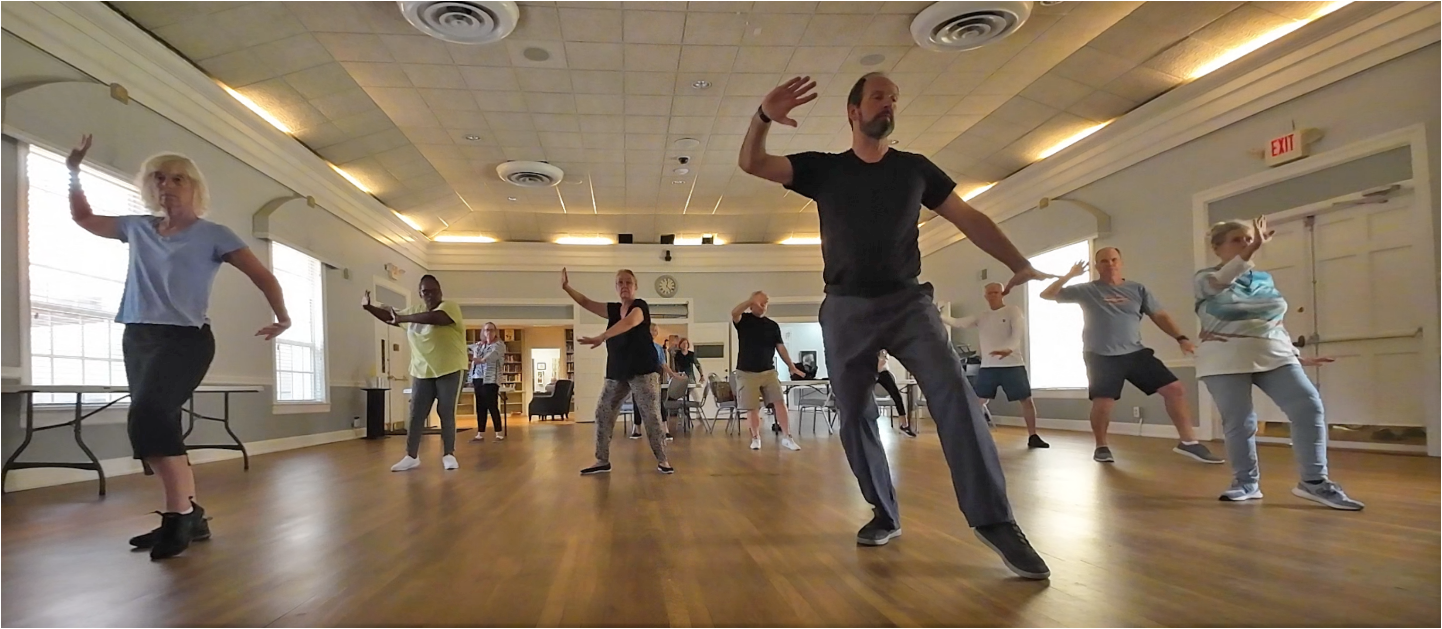
Eastern traditions have explored similar states for centuries through meditation, martial arts, qigong, calligraphy, tea ceremony, and contemplative practice.
The Taoist concept of wu wei, often translated as “effortless action,” reflects a condition in which the individual becomes deeply aligned with the present moment rather than psychologically fragmented by excessive striving and internal resistance.
Flow states are not necessarily dramatic or mystical experiences. They may emerge during:
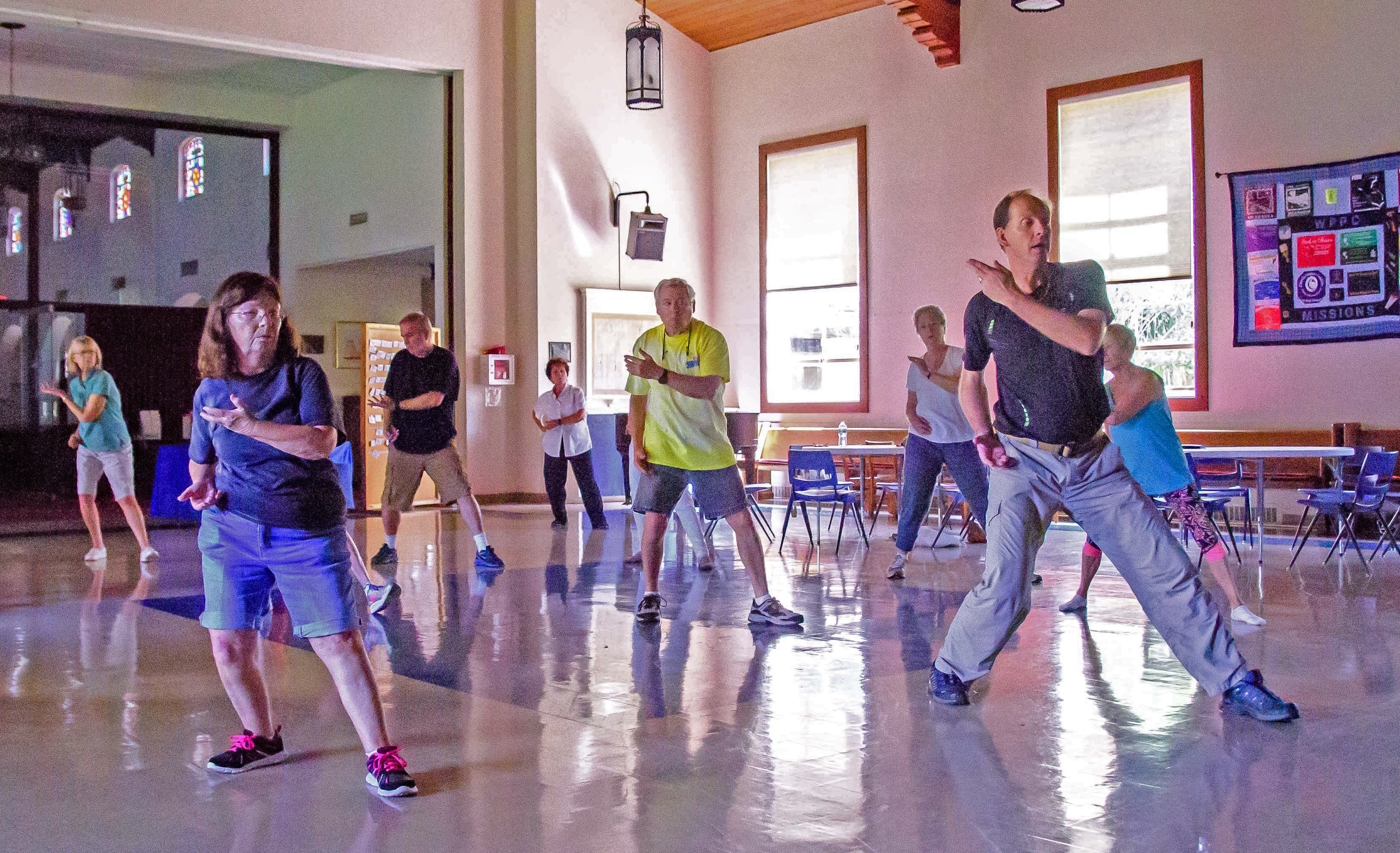
- tai chi practice
- gardening
- writing
- meaningful conversation
- artistic expression
- breathing exercises
- walking in nature
- mindful movement
- prayer or meditation
These moments reconnect individuals to embodiment, awareness, and presence.
Meaning Exists Within Particular Moments
Modern culture often encourages individuals to search for one grand purpose or singular life mission. Yet meaning frequently emerges through small, deeply human moments.
A sunrise.
A shared meal.
A sincere conversation.
A moment of forgiveness.
A familiar song.
The feeling of stillness after meditation.
The rhythm of breathing during qigong practice.
Meaning is often discovered not through constant achievement, but through conscious presence.
Many people overlook these moments because the nervous system has become conditioned toward overstimulation, distraction, urgency, and continual psychological noise.
Taoist philosophy frequently reminds us that profound truth often exists within simplicity. The extraordinary is hidden within the ordinary.
Community, Belonging, and Human Becoming
Human development rarely occurs in complete isolation. Throughout history, meaningful communities, mentorship, shared ritual, and collective purpose have played central roles in psychological resilience and personal transformation.
Healthy communities do more than exchange information or transactional benefit. They support growth, accountability, encouragement, and becoming.
Unfortunately, modern society often creates superficial connection while simultaneously increasing loneliness and fragmentation.
Authentic human connection requires vulnerability, presence, listening, and genuine engagement. It requires moving beyond performance and social masks.
In both Eastern philosophy and modern psychology, relationships significantly influence emotional regulation, identity formation, and overall well-being.
The nervous system itself is relational.
Radical Acceptance and Alignment With Reality
One of the most difficult but transformative principles within both psychology and Eastern philosophy is radical acceptance.
Taoist teachings emphasize alignment with reality rather than continual resistance against it. Suffering often increases when individuals refuse to accept impermanence, uncertainty, aging, loss, or change.
Acceptance does not mean passivity or resignation. Rather, it means beginning from truth instead of denial.
Only when individuals honestly acknowledge where they are physically, emotionally, mentally, and spiritually can meaningful change begin.
This mirrors the martial arts principle that effective response begins with accurate awareness rather than fantasy or ego.
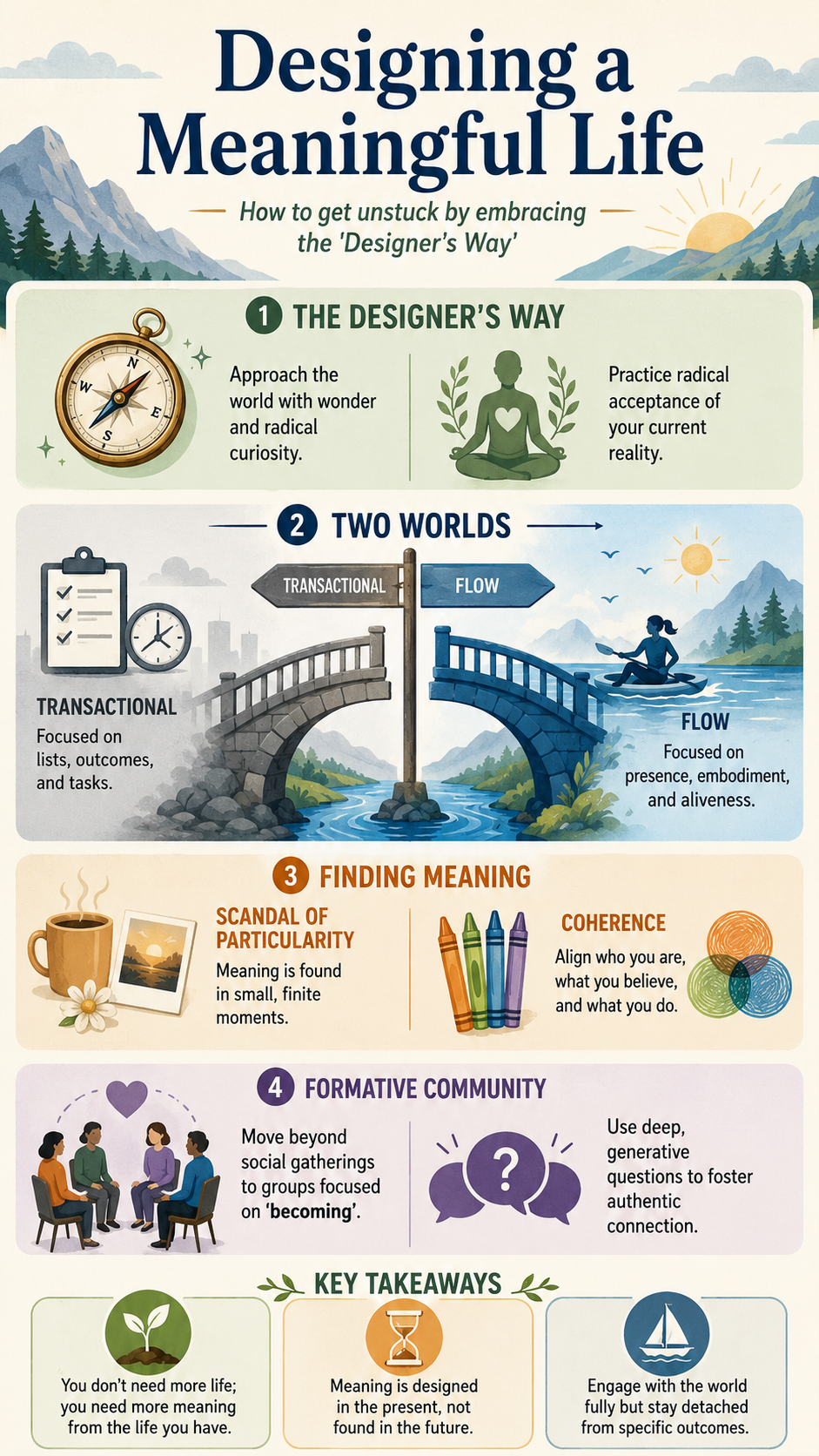
In conclusion, a meaningful life is not something purchased, downloaded, or externally granted. It is cultivated gradually through awareness, disciplined action, embodied presence, meaningful relationships, adaptation, and intentional participation in one’s own development.
Modern psychology increasingly validates principles long understood within Eastern philosophy and holistic systems of self-cultivation:
- presence matters
- embodiment matters
- meaning matters
- relationships matter
- responsibility matters
- conscious living matters
Human beings flourish when thought, behavior, physiology, values, and purpose become increasingly aligned.
The journey toward meaning rarely requires detonating one’s entire life. More often, it begins with small moments of awareness:
- breathing more consciously
- noticing beauty
- moving the body
- cultivating gratitude
- reducing distraction
- serving others
- practicing stillness
- engaging life with greater intentionality
In many ways, the path toward meaning is less about becoming someone entirely new and more about remembering what it means to become fully human.
References
Bandura, A. (1997). Self-efficacy: The exercise of control. W.H. Freeman.
Csikszentmihalyi, M. (1990). Flow: The psychology of optimal experience. Harper & Row.
Deci, E. L., & Ryan, R. M. (2000). The “what” and “why” of goal pursuits: Human needs and the self-determination of behavior. Psychological Inquiry, 11(4), 227–268. https://doi.org/10.1207/S15327965PLI1104_01
Evans, D., & Burnett, B. (2024). How to live a meaningful life. Knopf.
Maslow, A. H. (1943). A theory of human motivation. Psychological Review, 50(4), 370–396. https://doi.org/10.1037/h0054346
Stanford Life Design Lab. (n.d.). Designing your life. Stanford Life Design Lab