
A Holistic Health Perspective on Modern Stressors
In today’s hyperconnected world, one of the subtle but pervasive intrusions into our daily life comes through an object we carry everywhere: our phone. Many of us experience a steady stream of unwanted robocalls, scam calls, and telemarketing pitches. The National Do Not Call Registry was designed to protect consumers from such interruptions, but does it still work? More importantly, from a holistic health perspective, how does this constant digital harassment affect our mental well-being?
In this article, I explore both the current relevance of the Do Not Call list and the broader implications for mental hygiene, stress, and emotional resilience.
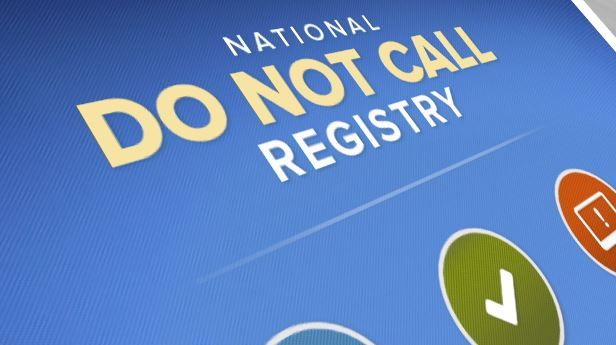
The Do Not Call Registry: Then and Now
The National Do Not Call Registry was established by the Federal Trade Commission (FTC) in 2003, allowing U.S. consumers to opt out of unwanted sales calls (Federal Trade Commission, 2024). Initially, the list proved effective: legitimate companies respected it, and consumers reported fewer unsolicited calls.
However, technological shifts soon outpaced the list’s protective power:
- Robocalls now dominate the spam landscape. In 2023 alone, U.S. consumers received over 50 billion robocalls, with a large percentage coming from scam operations that do not adhere to U.S. regulations (YouMail, 2024).
- Caller ID spoofing makes scam calls appear local or even governmental, increasing the likelihood of response (Allen, 2024).
- Digital marketing (via text, email, and social platforms) circumvents traditional telemarketing rules entirely.
Today, while the Do Not Call list still reduces calls from legitimate U.S. businesses, it offers little protection against the global flood of scam calls and robocalls.
The Mental Health Impact of Persistent Phone Intrusions
You may wonder: Why is this issue relevant to holistic health and wellness?
The answer lies in the connection between mental clutter, stress physiology, and emotional well-being.
1. Elevated Stress and Cortisol
Research shows that frequent, unpredictable interruptions trigger spikes in cortisol, the body’s primary stress hormone (Mark et al., 2008). Even minor interruptions, such as a ringing phone can disrupt autonomic balance, contributing to chronic low-level stress.
2. Loss of Flow and Focus
The concept of “flow” describes a state of deep focus and optimal performance. Yet digital interruptions are one of the main obstacles to maintaining flow states (Csikszentmihalyi, 1990). Each unexpected call breaks concentration and requires cognitive effort to reorient.
3. Anxiety and Fear in Vulnerable Populations
Scam calls are often designed to provoke fear (“your bank account is frozen,” “your Social Security number is compromised”) or urgency. For older adults, this can trigger anxiety, confusion, and emotional distress (Lichtenberg et al., 2016). In some cases, repeated scam targeting may even contribute to depressive symptoms.
4. Erosion of Personal Boundaries
Holistic health emphasizes the importance of personal boundaries and control over one’s environment. Constant interruptions from unknown callers create a sense of helplessness and erode the autonomy we seek to cultivate in daily life (Rosen et al., 2019).
Holistic Solutions for Digital Boundaries
While the Do Not Call list is no longer sufficient on its own, several practices can help safeguard your mental hygiene:
- Use call filtering apps (Nomorobo, Hiya, RoboKiller) to block known spam numbers.
- Activate carrier-level protections (AT&T ActiveArmor, Verizon Call Filter, T-Mobile Scam Shield).
- Practice intentional phone hygiene: silence calls during work or meditation; check voicemail instead of answering unknown numbers.
- Report violations to the FTC, while imperfect, enforcement efforts rely on consumer reports.
- Educate older relatives about common scam tactics to reduce their risk of emotional harm.
Mental Hygiene in a Digital Age
The Do Not Call list, while originally a valuable tool, now functions as a symbolic baseline rather than an effective shield. Yet the issue of persistent phone interruptions is not simply technologically, it is a modern stressor that affects mental clarity, emotional balance, and personal empowerment.
In holistic health, we teach that maintaining a clean and supportive mental environment is as important as caring for the body. Taking deliberate steps to reduce unnecessary digital noise is a powerful act of self-care in an overstimulated world.
References:
Allen, G. (2024, May 20). Robocalling Fraud: The 6 biggest Scams to watch in 2024. Juniper Research Ltd. https://www.juniperresearch.com/resources/infographics/robocalling-fraud-the-6-biggest-scams-to-watch-in-2024/?utm_source=chatgpt.com
Csikszentmihalyi, M. (1990). Flow: The psychology of optimal experience. Harper & Row. https://archive.org/details/flowpsychologyof00csik
Federal Trade Commission. (2024). National Do Not Call Registry FAQs. https://www.consumer.ftc.gov/articles/national-do-not-call-registry-faqs
Lichtenberg, P. A., Stickney, L., & Paulson, D. (2016). Financial exploitation and psychological distress in older adults: A population-based study. Journal of Elder Abuse & Neglect, 28(2), 141–152. https://doi.org/10.1080/08946566.2016.1168330
Mark, G., Gudith, D., & Klocke, U. (2008). The cost of interrupted work: More speed and stress. Proceedings of the SIGCHI Conference on Human Factors in Computing Systems, 107–110. https://doi.org/10.1145/1357054.1357072
Rosen, L. D., Carrier, L. M., & Cheever, N. A. (2019). The distracted mind: Ancient brains in a high-tech world. MIT Press.
YouMail Robocall Index: September 2025 Nationwide Robocall data. (n.d.). https://robocallindex.com/


