In the pharmaceutical industry, direct-to-consumer (DTC) marketing, often in the form of television ads, online campaigns, or print materials, remains one of the most polarizing strategies. When drug manufacturers communicate directly with patients, bypassing traditional physician-only channels, a complex array of ethical challenges emerges. This article explores those tensions, weighing the potential benefits against the risks, and ultimately arguing that DTC marketing must be tightly constrained if it is to serve public health rather than commercial agendas.
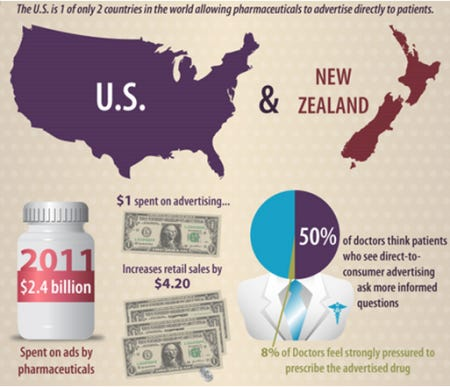
The Promise and Appeal of DTC Marketing in Pharma
Proponents of DTC pharmaceutical marketing often emphasize the following benefits:
- Increased patient awareness and empowerment. Many patients are unaware of particular diseases, diagnostic criteria, or emerging therapies. DTC campaigns can spark inquiries and encourage more informed dialogues between patients and clinicians (Weinmeyer, 2013).
- Earlier diagnosis or treatment initiation. By raising awareness of symptoms or conditions, DTC advertising may lead patients to seek care that they might otherwise delay (Parekh & Shrank, 2018).
- Competitive pressure and innovation. The presence of DTC competition may push firms to invest in better therapies and patient support programs.
- Commercial advantage. From the perspective of pharmaceutical firms, DTC enables them to expand market size, solidify brand recognition, and reduce reliance on intermediaries (Kitsis, 2011).
However, each of these advantages also carries potential pitfalls.
Core Ethical Concerns
1. Overmedicalization and Disease Definition Inflation
One of the most serious critiques is that DTC ads may blur the line between normal variations and medical conditions. By framing everyday symptoms as pathological, campaigns can enlarge the market for treatment (Kitsis, 2011). As Harvard Health put it, DTC marketing may lead individuals to imagine that they “just around the corner … suffer a new deadly or debilitating condition you should hurry to investigate with your doctor.” (Shmerling, 2025).
This inflation of disease definitions burdens the healthcare system and risks encouraging medication use where nonpharmacologic interventions (e.g., lifestyle change, behavioral therapies) might suffice.
2. Distorted Presentation of Risks and Benefits
Balanced depiction of benefits and harms is central to ethical prescription drug communication. Yet in practice, many DTC advertisements emphasize benefits while minimizing or burying risks (Parekh & Shrank, 2018). Ads may focus on “life improvement” stories or visuals while relegating side effects to fine print or “extended disclosure” sources (e.g., websites). The FDA requires a “fair balance,” but enforcement has historically lagged (Office of the Commissioner, 2025).
When patients see only the upside, they may develop unrealistic expectations, placing pressure on clinicians to prescribe drugs that may not align with their clinical profile or preferences (Direct-to-Consumer Advertisements of Prescription Drugs | AMA-Code, n.d.)
3. Patient Autonomy vs. Manipulation
One of the pillars of modern bioethics is autonomy, or the ability of individuals to make informed decisions for themselves. In theory, DTC advertising might enhance autonomy by providing information directly to patients. However, such autonomy is only meaningful when the information is accurate, unbiased, and comprehensible.
Critics argue that DTC ads often use emotional appeal, narrative, or selective framing to influence rather than inform (Nagappan et al., 2024). When patients internalize marketing messages and approach their physician with expectations for certain brand-name drugs, their decision-making might be subtly steered by commercial interests, compromising genuine informed consent.
4. Physician–Patient Relationship and Prescribing Pressure
Physicians are under pressure when patients request specific drugs they saw in ads. Even if a physician believes a different option is better, the patient might feel dissatisfied or mistrustful. The AMA ethics code instructs clinicians to resist undue influence, but real-world constraints exist (Direct-to-Consumer Advertisements of Prescription Drugs | AMA-Code, n.d.).
Moreover, some studies show that DTC exposure is correlated with higher prescribing volume for advertised drugs, even when clinically equivalent alternatives exist (Fain et al., 2014).
5. Cost, Access, and Health Equity
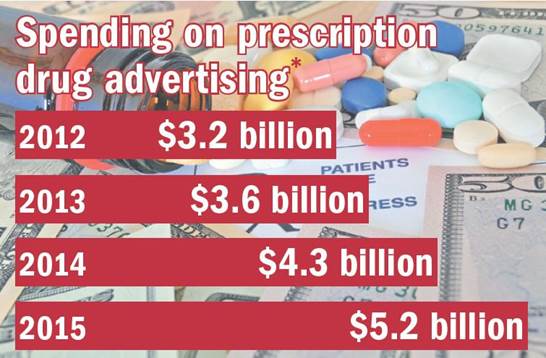
Because DTC tends to target high-margin, brand-name drugs, it can drive higher healthcare spending without commensurate clinical benefit. The Congressional Budget Office estimated that a 10% increase in DTC advertising correlates with a 1–2.3% rise in drug spending. (Assistant Secretary for Public Affairs (ASPA), 2025)
This dynamic can exacerbate disparities: patients with stronger access or more resources receive more targeted messaging, while others may remain uninformed. Also, marketing dollars diverted toward promotion may reduce investments in less glamorous but important areas like preventive care or access in underserved regions.
6. Regulatory Gaps and Oversight Challenges
DTC pharma marketing exists under complex regulatory constraints. In the U.S., the FDA’s Office of Prescription Drug Promotion is charged with reviewing ads, but enforcement has sometimes been lax (Makary, 2025).
The FDA recently announced intensified scrutiny and plans to issue hundreds of cease-and-desist or warning letters to curb deceptive practices. (Office of the Commissioner, 2025)
Still, challenges remain. Digital and social media campaigns fall into gray areas of regulation, where influencer posts, micro-ads, or referral links may evade traditional oversight (Nagappan et al., 2024).
Toward an Ethical Middle Ground: Principles and Proposals
Given the tensions, a complete ban on DTC in pharmaceuticals may be overly blunt—and, indeed, bans are politically and legally fraught given First Amendment protections in the U.S. (Rosenbluth, 2025). A more viable path lies in rigorous reform grounded in ethical principles:
- Transparency and full disclosure. Ads must present balanced, easily understandable information about benefits and risks – not merely in fine print, but in the main message. Regulatory standards should evolve to require “plain language” summaries.
- Strict limits on emotional persuasion. The use of fear, idealized narratives, or lifestyle framing that overstates outcomes should be prohibited or tightly regulated.
- Mandatory clinician referral and dialogue. Ads should prominently encourage patients to consult qualified physicians and may be required to include “decision aids” or links to reliable sources, rather than simply product websites.
- Prior approval and monitoring. Marketing communications should undergo standardized, independent review and audits, especially for digital campaigns. Digital media that permit rapid iteration should be held to the same standard as broadcast ads.
- Equitable targeting. DTC campaigns should avoid exclusively targeting privileged demographics. If campaigns aim to reach those at risk (e.g. underserved populations), access must be matched with affordability and support services.
- Research and feedback loops. Ongoing studies should assess the real-world impact of DTC marketing on prescribing patterns, health outcomes, and overall system costs. Transparency in such research is crucial.
- Stronger sanctions for abuse. Violations, including exaggerated claims or failure to disclose risks, must carry meaningful penalties to deter misconduct.
These principles reflect an attempt to preserve the potential public health benefits of patient engagement, without enabling exploitation or distortion.
DTC marketing in the pharmaceutical industry occupies a morally precarious space between patient empowerment and commercial manipulation. While it can raise awareness and stimulate clinician-patient dialogue, it also risks inflating disease definitions, distorting risk perception, pressuring physicians, and driving unnecessary spending.
If DTC marketing remains permissible, it must be heavily regulated and ethically constrained. The guiding objective should be to support informed, shared medical decision-making, and not to subvert it. Only then can DTC campaigns align with both patient welfare and public trust.
References:
Assistant Secretary for Public Affairs (ASPA). (2025, September 9). Fact Sheet : Ensuring patient Safety through reform of Direct-to-Consumer Pharmaceutical Advertisement Policies. HHS.gov. https://www.hhs.gov/press-room/hhs-fda-drug-ad-transparency-fact-sheet.html?utm_source=chatgpt.com
Companies, C. (2020, September 1). Direct-to-consumer Rx ads: A useful tactic in the age of Covid? NPC Healthbiz Weekly. https://healthbiz.substack.com/p/direct-to-consumer-rx-ads-a-useful
Direct-to-Consumer advertisements of prescription drugs | AMA-Code. (n.d.). https://code-medical-ethics.ama-assn.org/ethics-opinions/direct-consumer-advertisements-prescription-drugs?utm_source=chatgpt.com
Fain, K. M., & Alexander, G. C. (2014). Mind the gap. Medical Care, 52(4), 291–293. https://doi.org/10.1097/mlr.0000000000000126
Harvard Health. (2017, February 14). Do not get sold on drug advertising. https://www.health.harvard.edu/medications/do-not-get-sold-on-drug-advertising
Kitsis, E. A. (2011). The pharmaceutical industry’s role in defining illness. The AMA Journal of Ethic, 13(12), 906–911. https://doi.org/10.1001/virtualmentor.2011.13.12.oped1-1112
Makary, M. A. (2025). The FDA’s overdue crackdown on misleading pharmaceutical advertisements. JAMA. https://doi.org/10.1001/jama.2025.18197
Nagappan, A., Kalokairinou, L., & Wexler, A. (2024). Ethical issues in direct-to-consumer healthcare: A scoping review. PLOS Digital Health, 3(2), e0000452. https://doi.org/10.1371/journal.pdig.0000452
Office of the Commissioner. (2025, September 9). FDA launches crackdown on deceptive drug advertising. U.S. Food And Drug Administration. https://www.fda.gov/news-events/press-announcements/fda-launches-crackdown-deceptive-drug-advertising?utm_source=chatgpt.com
Parekh, N., & Shrank, W. H. (2018). Dangers and Opportunities of Direct-to-Consumer Advertising. Journal of General Internal Medicine, 33(5), 586–587. https://doi.org/10.1007/s11606-018-4342-9
Rosenbluth, H. (2025, March 18). Banning direct-to-consumer drug ads won’t work. STAT. https://www.statnews.com/2025/03/18/direct-to-consumer-drug-ads-ban-rfk-jr-reform/?utm_source=chatgpt.com
Shmerling, R. H., MD. (2025, April 3). Harvard Health Ad Watch: How direct-to-consumer ads hook us. Harvard Health. https://www.health.harvard.edu/blog/harvard-health-ad-watch-how-direct-to-consumer-ads-hook-us-201909201968?utm_source=chatgpt.com
Weinmeyer, R. (2013). Direct-to-Consumer advertising of drugs. The AMA Journal of Ethic, 15(11), 954–958. https://doi.org/10.1001/virtualmentor.2013.15.11.hlaw1-1311