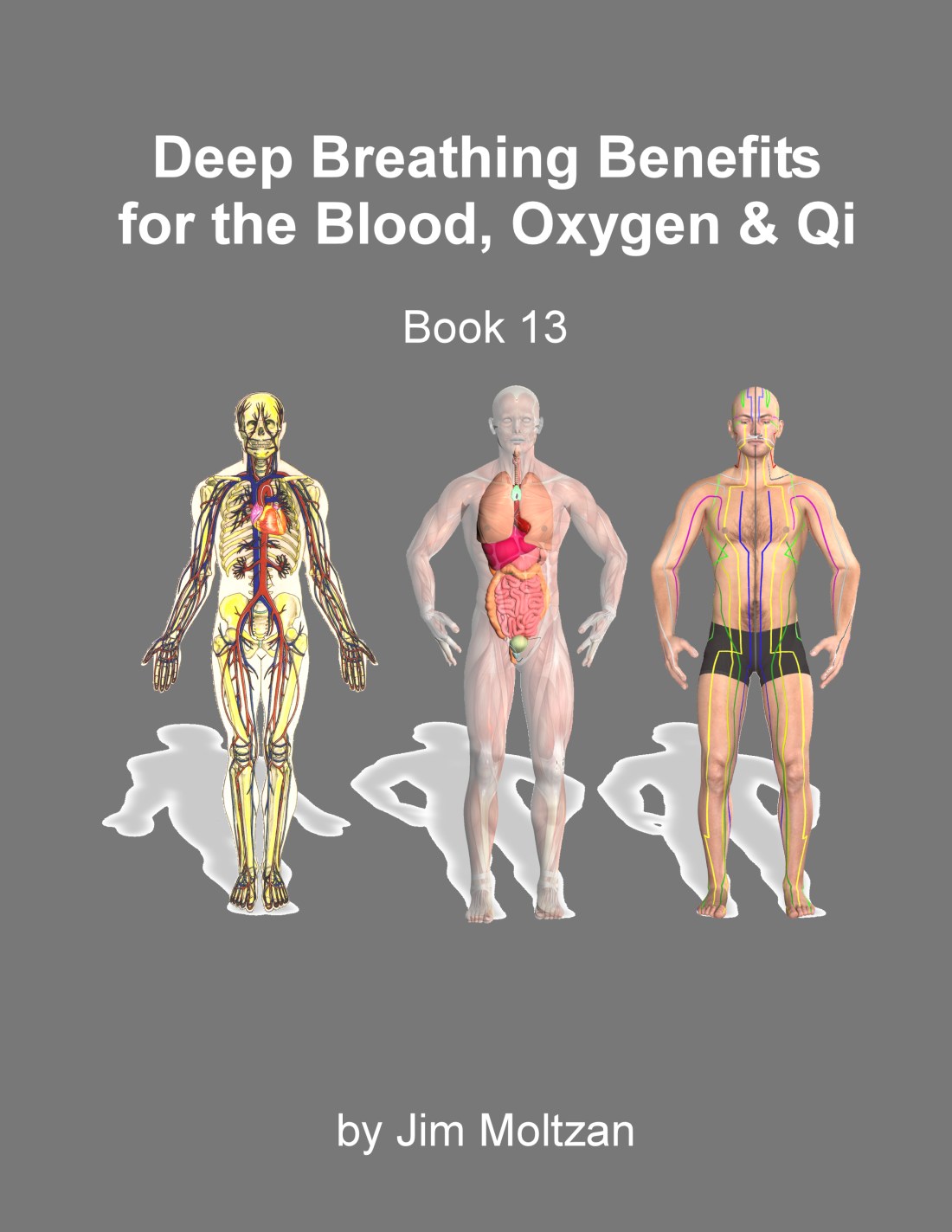
My latest book is the result of more than four decades of study, practice, healing, teaching, and reflection. It has been shaped through a lifetime of learning, from the grind of physical training to the quiet revelations of stillness. I’ve experienced injury and recovery, frustration and discovery, disillusionment and renewal. I’ve worked with athletes and seniors, martial artists and skeptics, students in pain and seekers of peace. And in all of this, I’ve come to a clear and powerful truth: how we breathe determines how we live.
Breath is our most intimate connection to life. It is the first thing we do when we are born and the last act of the physical body before death. In between, we take tens of thousands of breaths each day yet few of us are ever taught how to breathe well. Breath is assumed, automatic, and too often ignored until it becomes impaired. But for those who learn to pay attention, the breath is also a teacher, a tool, and a gateway to better health, greater awareness, and inner strength.
Available on Aamzon
From physiology to philosophy, Eastern medicine to Western science, every tradition I’ve explored acknowledges the power of breath. What this book offers is a bridge between those worlds. It is not just a technical manual or a philosophical essay, it is a lived map. It charts what I’ve seen work, what I’ve tested, and what I’ve returned to again and again, both for myself and my students.
This book is also a response to a culture that too often seeks complex fixes while ignoring the fundamentals. We have machines that track every heartbeat, yet people feel exhausted. Medications suppress symptoms but rarely resolve the cause. In contrast, breathing with awareness costs nothing, requires no equipment, and is available to you at any moment. It can regulate blood pressure, balance hormones, release chronic tension, improve digestion, enhance mental clarity, and restore emotional balance. It can return you to yourself.
Whether you’re new to breathwork or a seasoned practitioner, this book is designed to meet you where you are. It begins with the body, your physiology and posture, then moves through traditional practices, energetic systems, and meditative tools. By the end, you’ll understand not just how to breathe better, but why doing so changes everything.
My hope in writing this is not just to inform, but to awaken, to stir in you a sense of curiosity, empowerment, and agency. You do not need to be a guru, athlete, or mystic to reclaim your breath. You only need to begin. Each chapter in this book is an invitation to return to that beginning again, more skillfully each time.
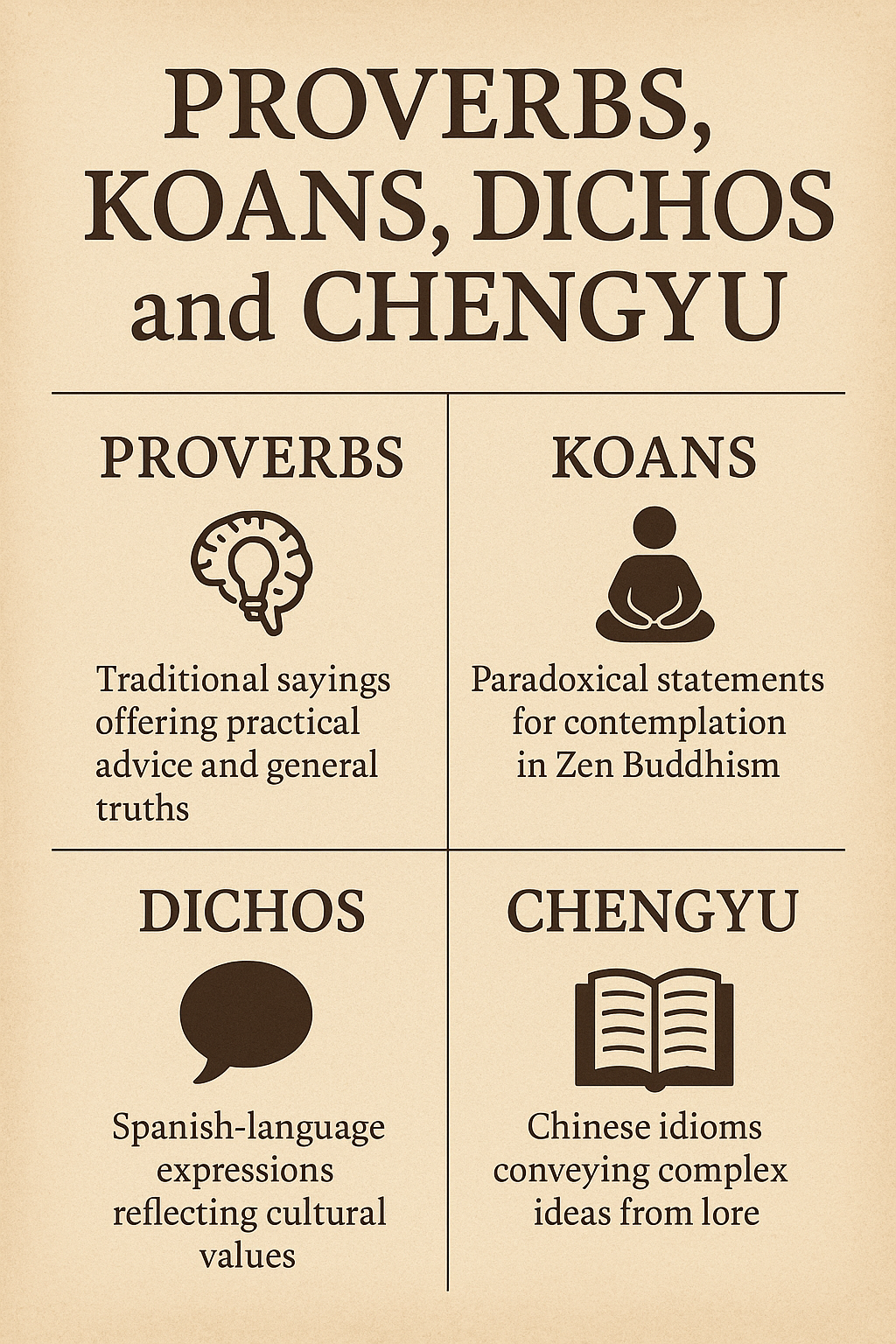
Proverbs, koans, dichos, and chengyu are all concise expressions of cultural wisdom, yet they each emerge from unique linguistic and philosophical traditions. Though they may differ in form and function, they share the universal purpose of offering insight into human nature, behavior, and values. Below is a comparison that highlights their origins and distinctions.
Proverbs
Cultural Origin: Found in virtually every language and culture worldwide, proverbs are traditional sayings passed down through generations.
Purpose: Proverbs offer practical wisdom, moral lessons, or general truths about life. They are often metaphorical and easily remembered.
Examples:
“A stitch in time saves nine.”
“Actions speak louder than words.”
“Don’t count your chickens before they hatch.”
Koans
Cultural Origin: Originating in Chinese Chan Buddhism and further developed in Japanese Zen Buddhism, koans are used as a tool for spiritual training.
Purpose: Koans are not meant to be logically solved. Instead, they challenge conventional reasoning and are used in meditation to provoke deep introspection and insight into the nature of self and reality.
Examples:
“What is the sound of one hand clapping?”
“What was your original face before your parents were born?”
Dichos
Cultural Origin: Common in the Spanish-speaking world, especially in Latin America and Spain, dichos are culturally rich sayings deeply embedded in Hispanic traditions.
Purpose: Like proverbs, dichos reflect cultural values and offer observations or advice about life, often with regional flavor or humor.
Examples:
“No hay mal que por bien no venga” (There’s no bad from which good doesn’t come.)
“El que mucho abarca, poco aprieta” (Jack of all trades, master of none.)
Chengyu
Cultural Origin: Chengyu (成语) are idiomatic expressions from classical Chinese literature. Most consist of four characters and are rooted in historical or mythological events.
Purpose: Chengyu condense complex narratives or moral lessons into brief, poetic form. They are often used in both written and spoken Chinese to convey layered meanings.
Examples:
卧薪尝胆 (wò xīn cháng dǎn) – “To lie on firewood and taste gall.” Refers to enduring hardship and humiliation in pursuit of a goal or vengeance.
画蛇添足 (huà shé tiān zú) – “To draw legs on a snake.” Means to ruin something by overdoing it.
In summary, proverbs are universal sayings found in many cultures. Koans are paradoxical statements used in Zen Buddhism for meditation and self-realization. Dichos are Spanish-language proverbs commonly used in Hispanic cultures. Chenyus are from Chinese culture and are idiomatic expressions or set phrases. While they all share common goal of conveying wisdom, they vary in their cultural origins and specific uses.
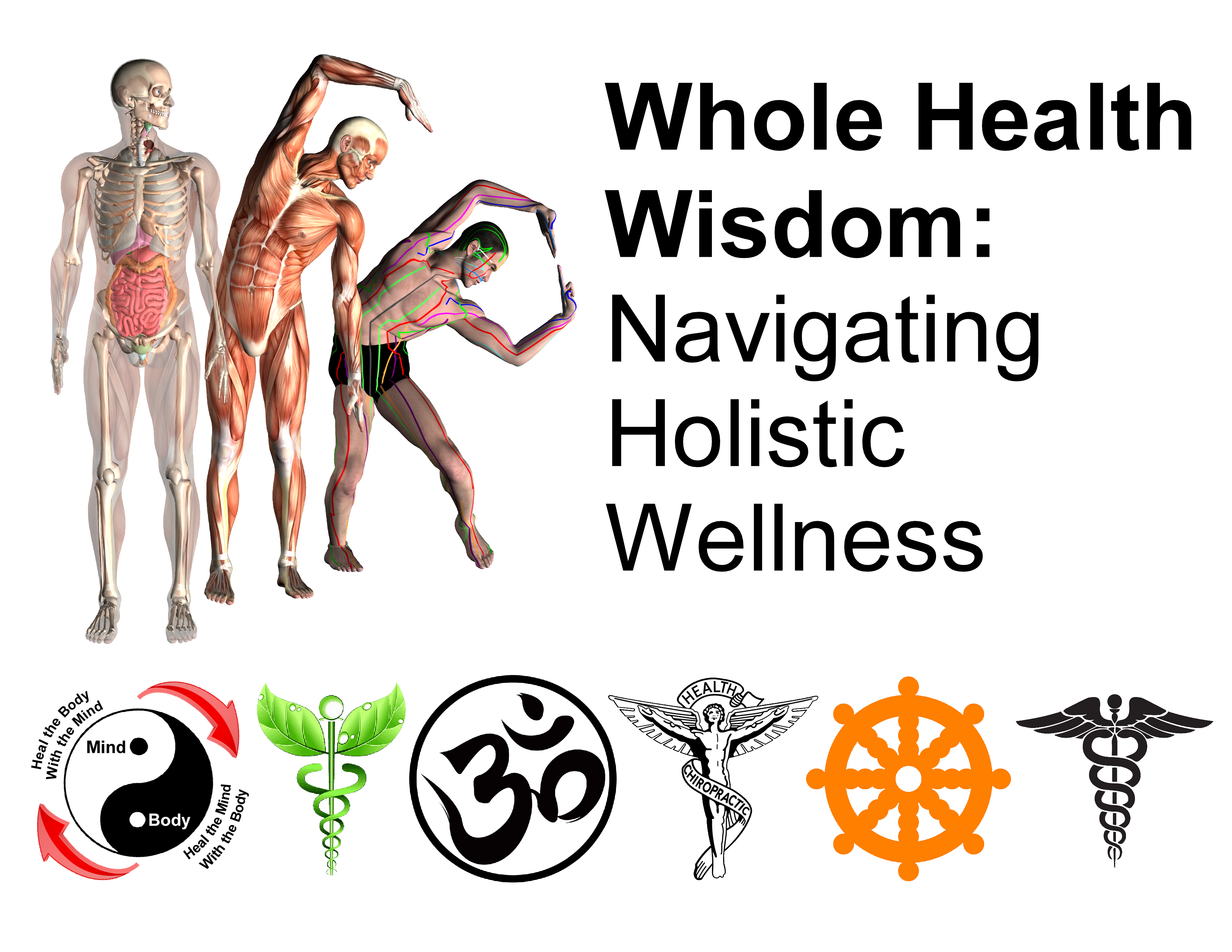
From a holistic health perspective, such wisdom serves not only the intellect but the mind-body-spirit connection. These expressions often guide emotional balance, mindful behavior, and personal growth, cornerstones of overall well-being. They offer reminders of resilience, compassion, humility, and inner strength, supporting wellness not just as a state of physical health, but as a dynamic, cultural, and spiritual journey.
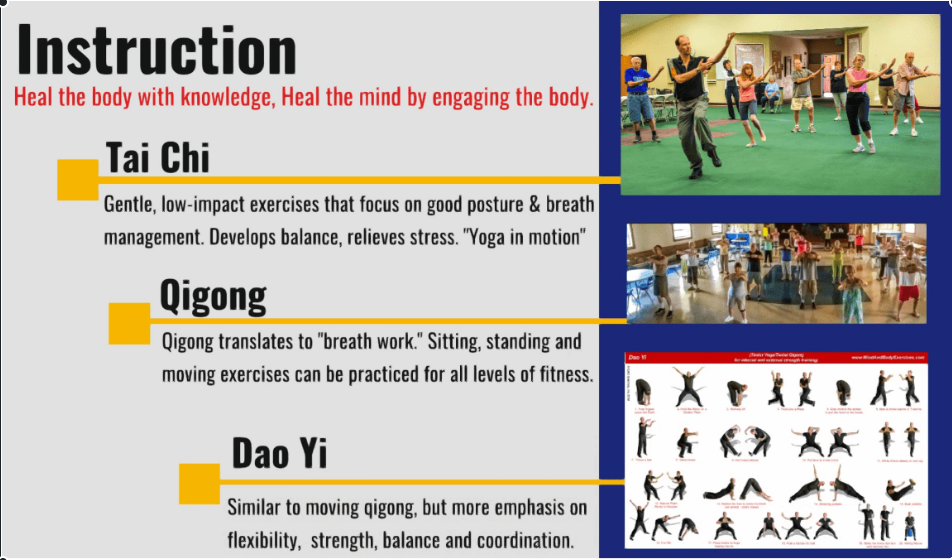
I teach and offer lectures about holistic health, physical fitness, stress management, human behavior, meditation, phytotherapy (herbs), music for healing, self-massage (acupressure), Daoyin (yoga), qigong, tai chi, and baguazhang.
Please contact me if you, your business, organization, or group, might be interested in hosting me to speak on a wide spectrum of topics relative to better health, fitness, and well-being.
I look forward to further sharing more of my message by partnering with hospitals, wellness centers, VA centers, schools on all levels, businesses, and individuals who see the value in building a stronger nation through building a healthier population.
I also have hundreds of FREE education video classes, lectures, and seminars available on my YouTube channel at:
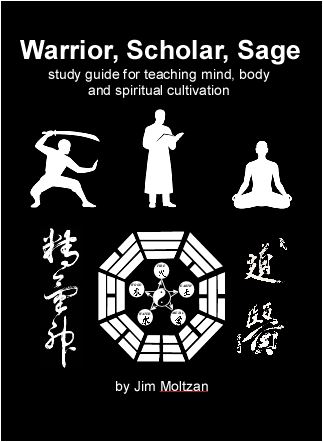
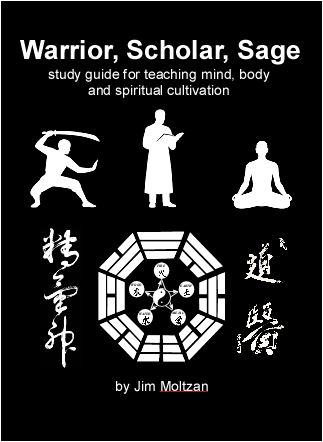
In Warrior, Scholar, Sage, I invite you into a living tradition where martial arts, personal growth, and ancient philosophy merge to awaken the fullest human potential. Drawing from over 40 years of training, teaching, and holistic wellness practice, this book offers a unique blend of physical methodology, mental resilience, and spiritual reflection.
More than a manual of movements, this is a guide to living with awareness and integrity. You’ll explore Eastern martial traditions and Western psychological insights, from archetypes and ethical codes to energetic cultivation, posture work, and the moral responsibility of the modern-day warrior.
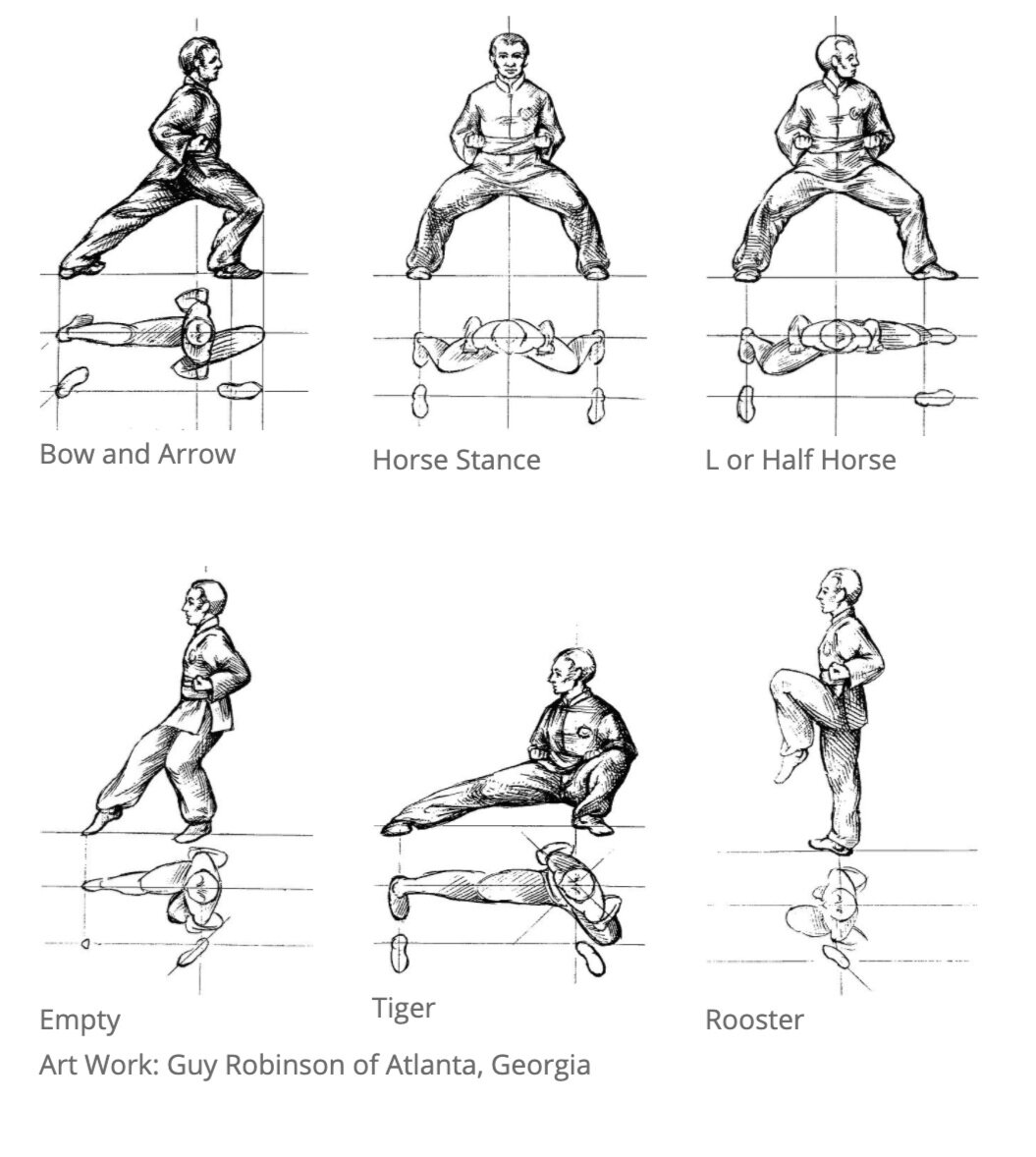
Through better understanding of dynamic tension exercises or stances (isometrics), proverbs, stories, and personal reflection, I equip readers to move with intention, teach with clarity, and live with purpose.
Whether you’re a martial artist, instructor, healer, or seeker of truth, Warrior, Scholar & Sage is your compass on the lifelong journey of strength, wisdom, and inner peace.
In a world flooded with noise, speed, and disconnection, this book offers a path back to equilibrium, through movement, breath, and discipline. It supports the development of the complete individual, what I have come to know as the integrated warrior-scholar-sage.
We’re not just training the body. We are refining the mind, expanding awareness, and aligning with higher values. The goal is not combat, but character. Not dominance, but discipline. Not conquest, but connection.
I invite you to read, reflect, and most importantly apply these teachings. Let this guide accompany you on your path to mastery not just in martial arts, but in life.
I look forward to further sharing more of my message by partnering with hospitals, wellness centers, VA centers, schools on all levels, businesses, and individuals who see the value in building a stronger nation through building a healthier population.
I also have hundreds of FREE education video classes, lectures, and seminars available on my YouTube channel at:
Rewiring the Nervous System: Ancient Practices for Modern Resilience
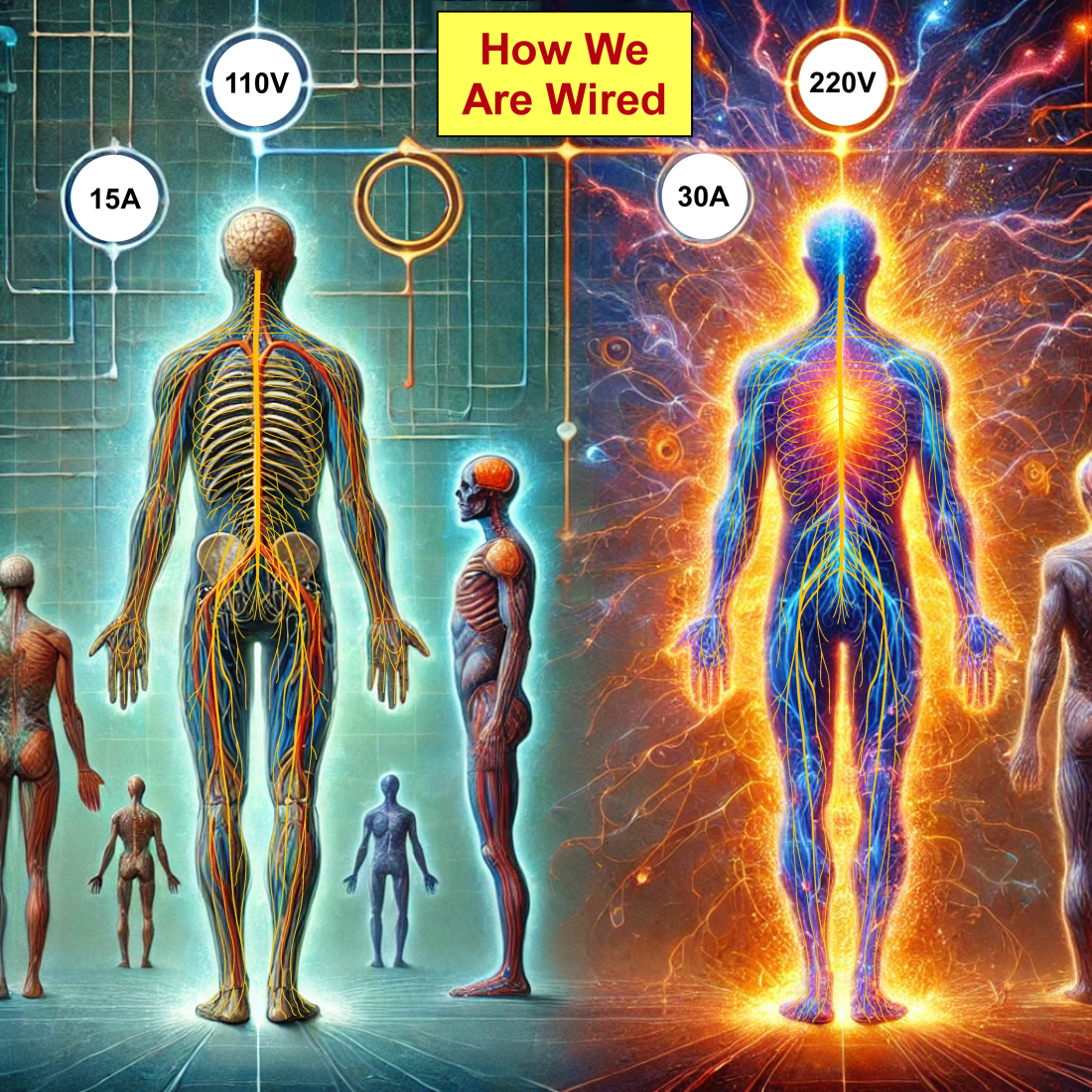
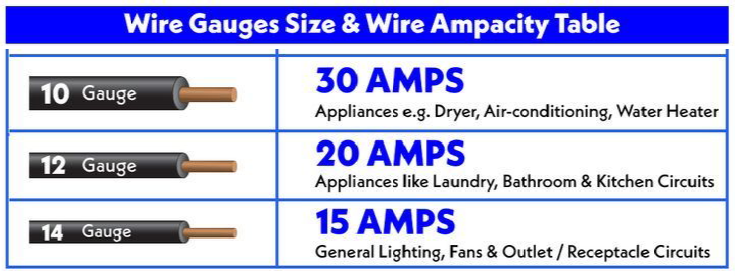
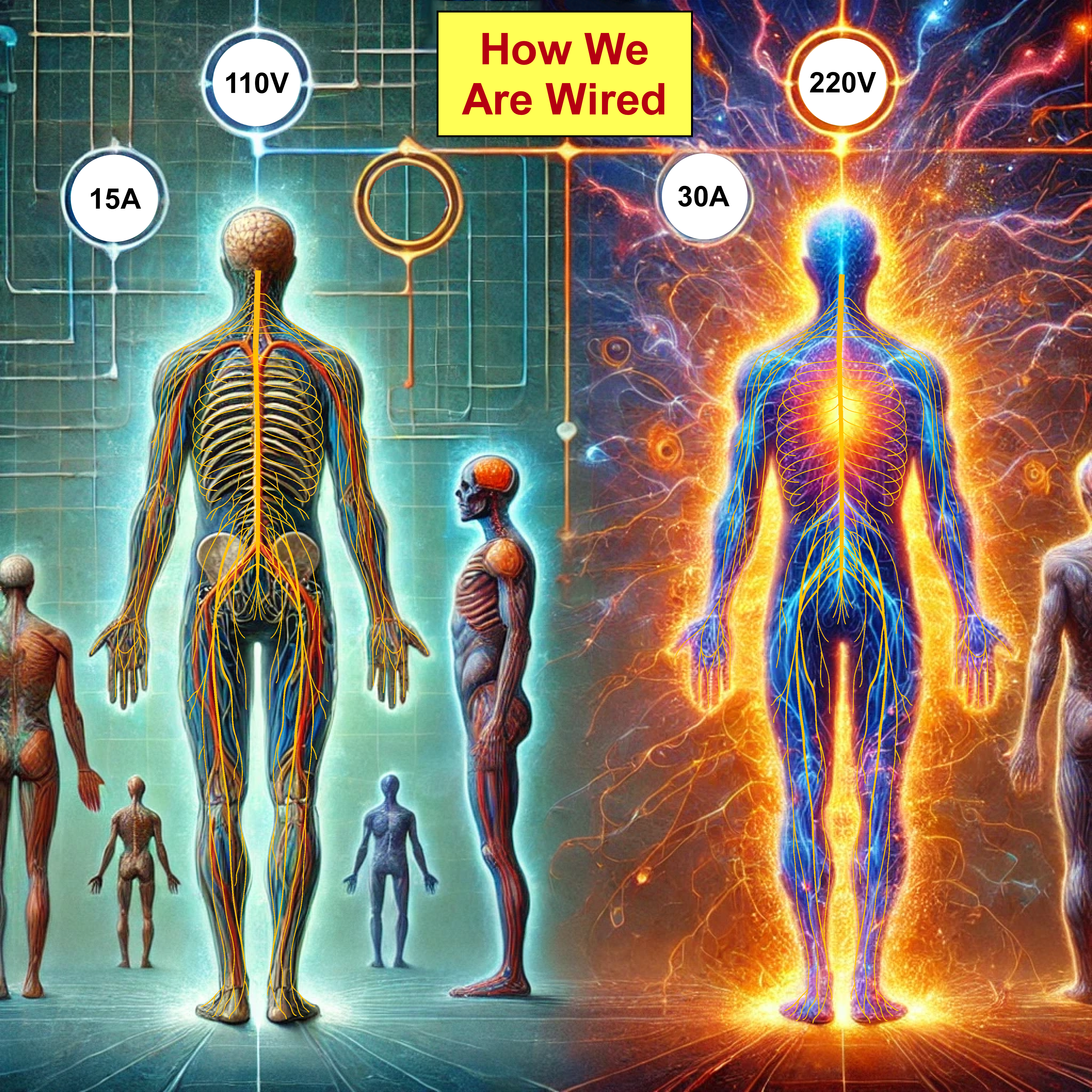
The human nervous system can be likened to an electrical system designed for specific voltage and amperage. Traditionally, it is assumed that most individuals are wired for 110 volts and 15 amps. However, contemporary society necessitates functioning at 220 volts and 30 amps, far exceeding the capacity originally intended by our biology. This increased “voltage” manifests as chronic stress, anxiety, burnout, and various physical ailments.
Nevertheless, just as an electrical system can be rewired to handle greater loads, the human nervous system can also be trained to adapt. Ancient practices such as martial arts, qigong, Dao Yin (Taoist yoga), yoga, and breathwork serve as effective interventions. These time-tested methods bridge the gap between the body’s inherent capabilities and the demands of modern life, enabling the nervous system to withstand higher levels of stress without succumbing to being overwhelmed.
The Role of Stance Training and Controlled Stress
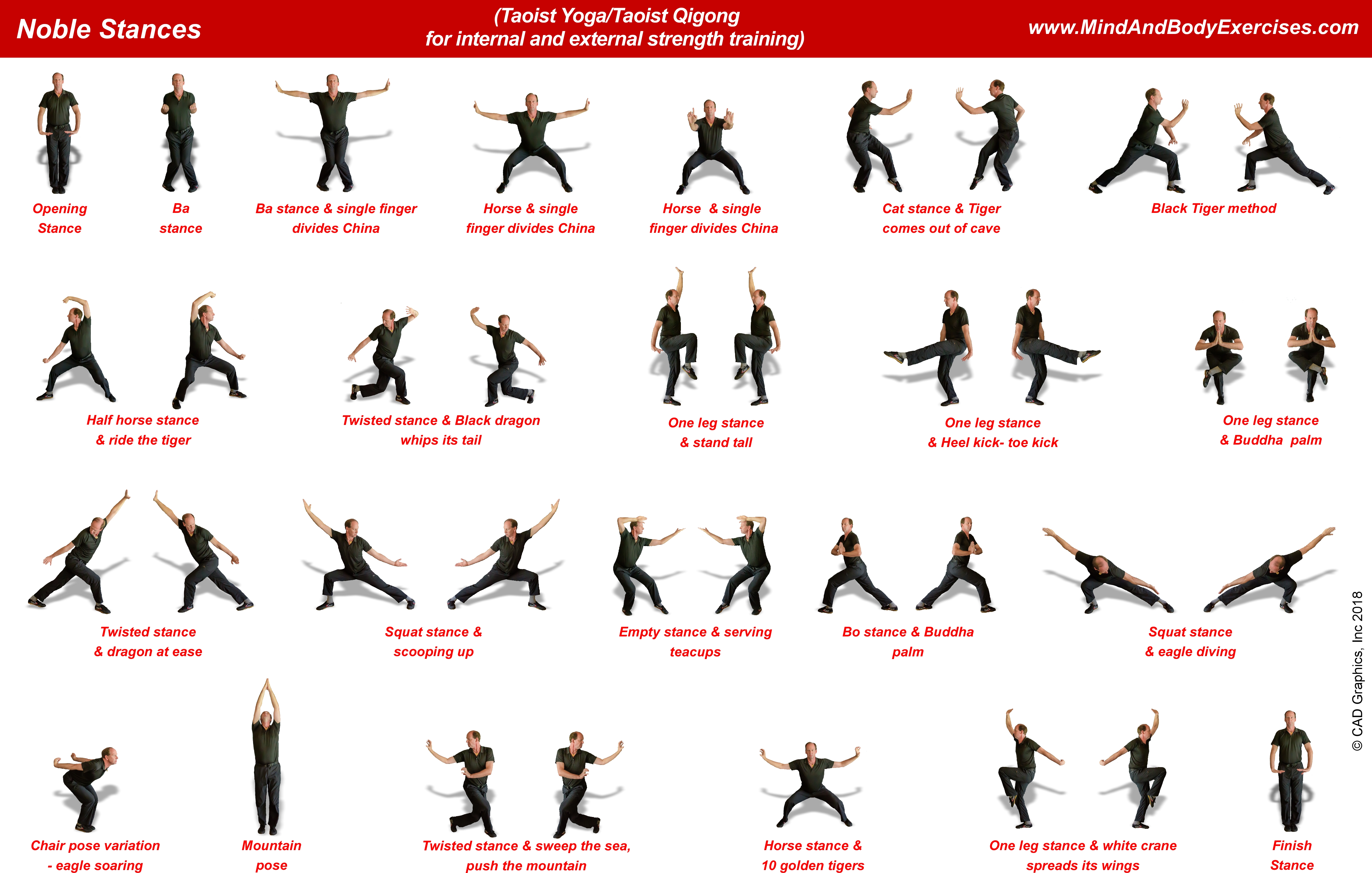
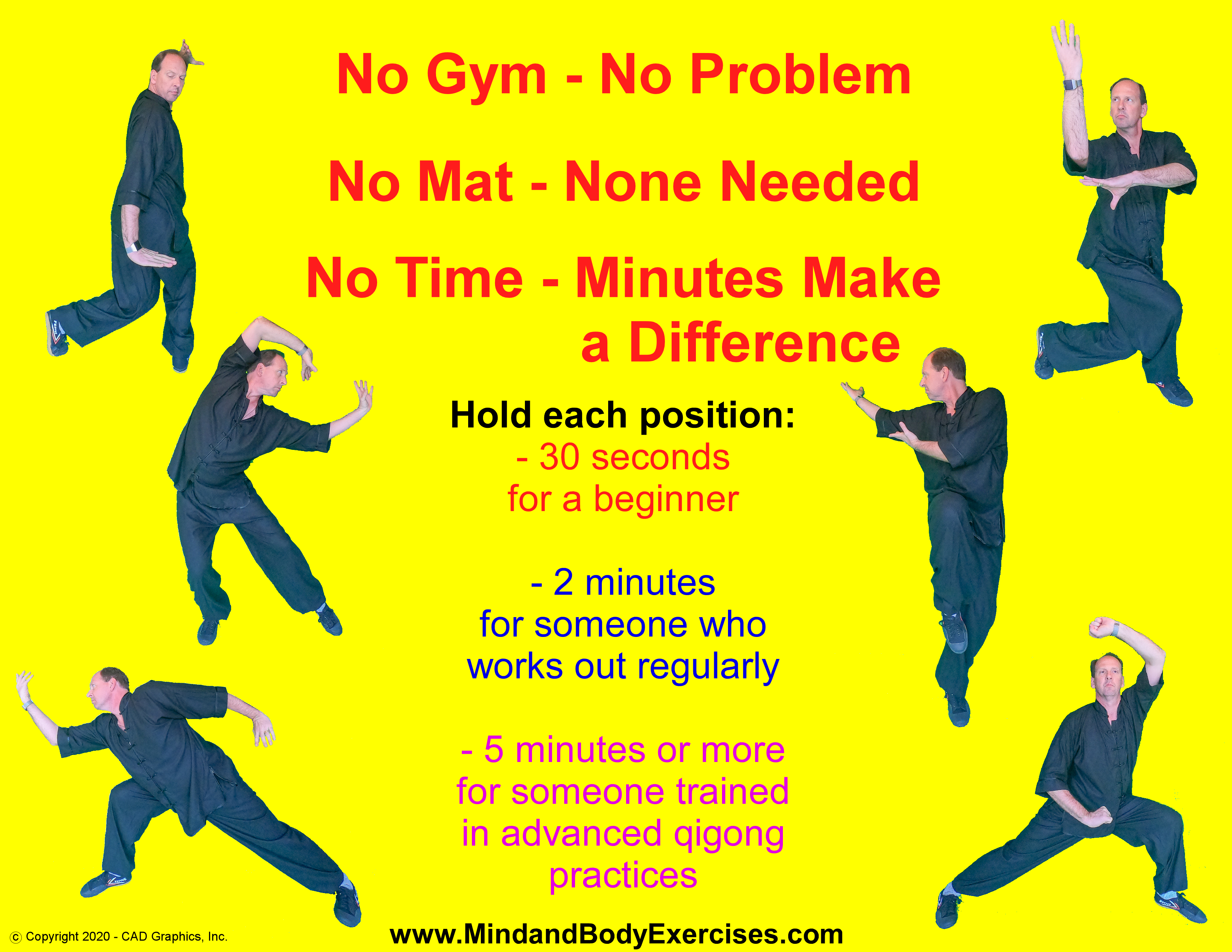
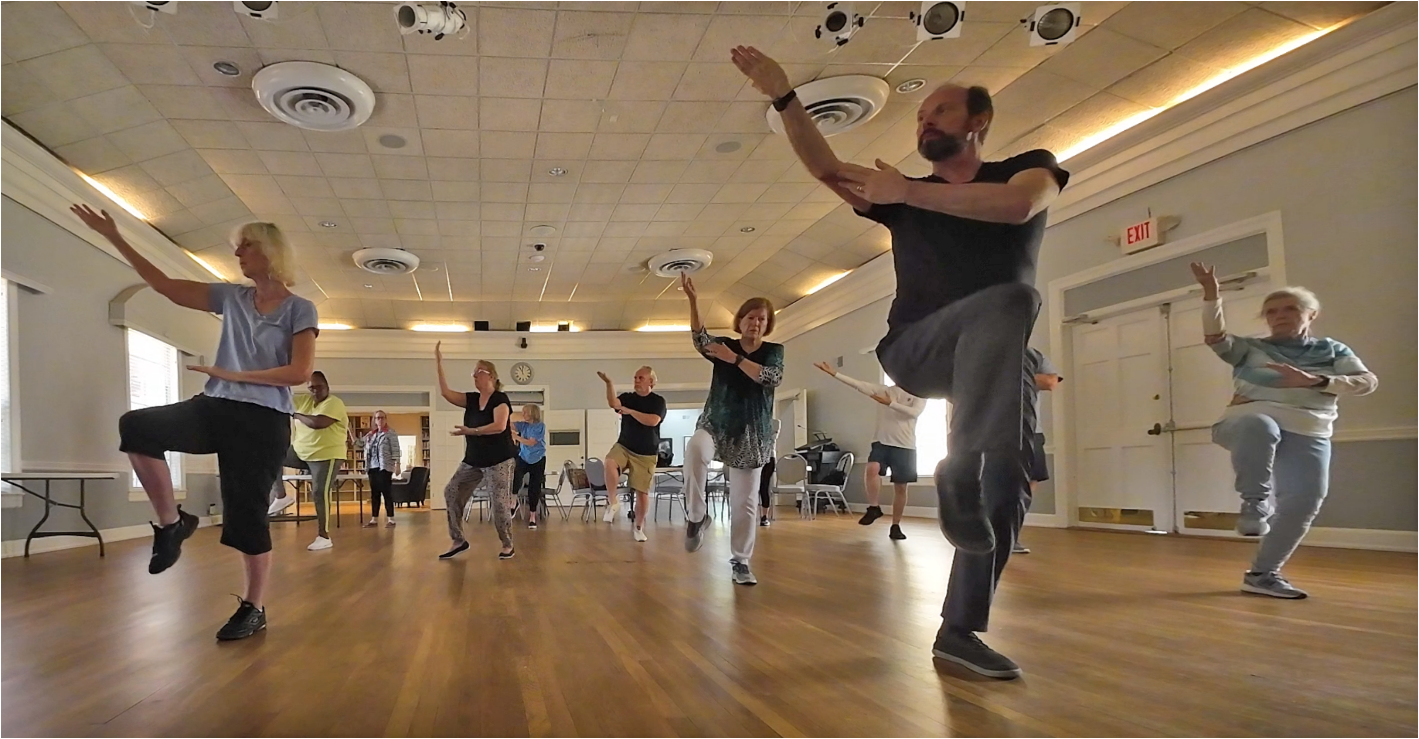
With over 45 years of experience in martial arts, qigong, Dao Yin, and yoga, it has been observed that certain methods can effectively enhance the nervous system. One such method is stance training, which involves holding postures for specific durations while integrating breath control.
For beginners, basic stances are introduced in succession, initially without prolonged holds. As they progress, duration gradually increases. Once students can hold each stance for 30 seconds, controlled breathing is incorporated, typically three breaths per 30 seconds. With consistent practice, the duration is extended to one-minute holds, adjusting breath cycles to around four to six respirations per minute.
This approach serves multiple purposes. On a physical level, it strengthens the legs, core, and other stabilizing muscles. On a neurological level, it encourages the nervous system to adapt to discomfort, fostering resilience, endurance, and focus. On an energetic level, it stimulates the body’s internal pathways, potentially leading to enhanced vitality and internal balance.
The Science Behind the Training: The Anterior Midcingulate Cortex (aMCC)
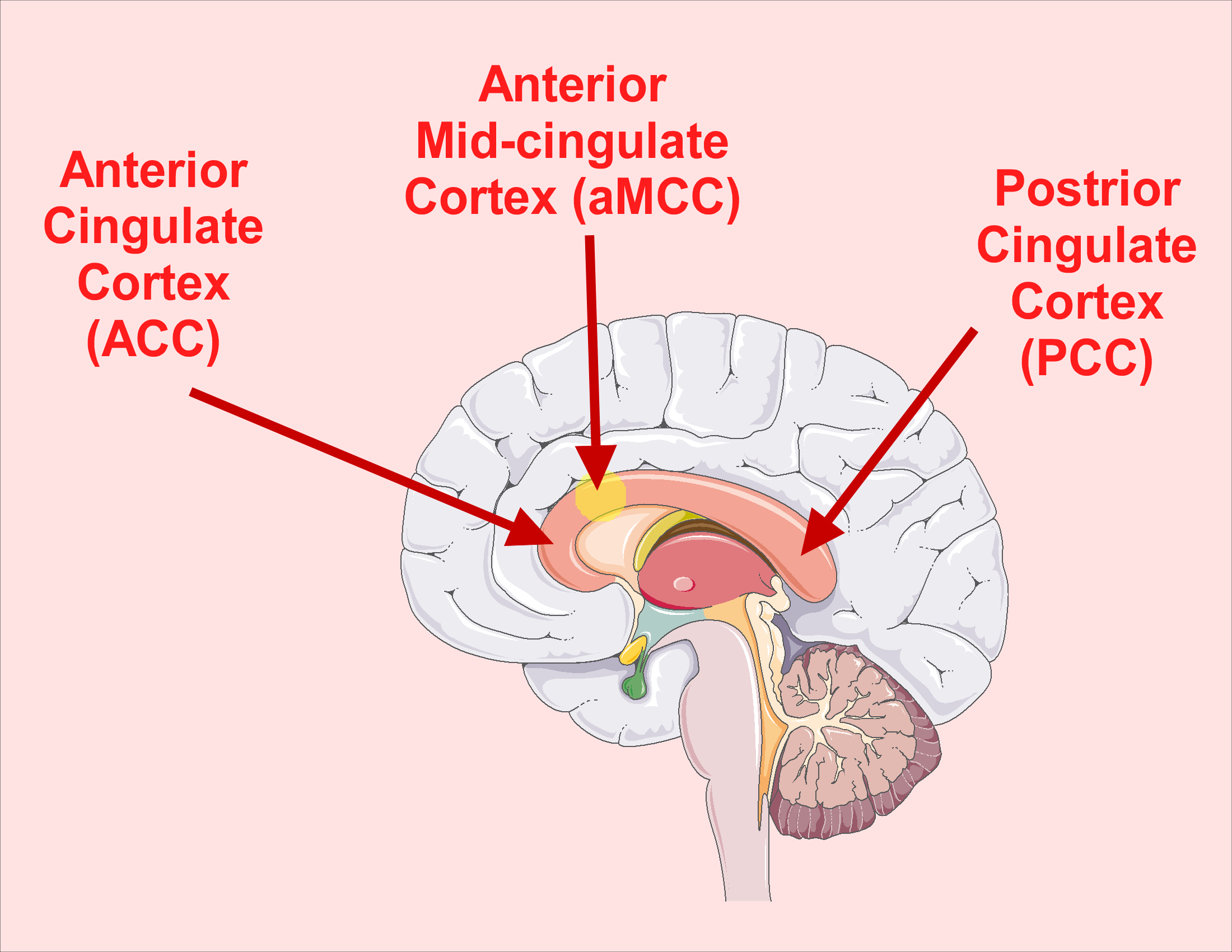
While these practices have been in use for centuries, contemporary neuroscience provides insight into their effectiveness. A critical region of the brain implicated in resilience is the anterior midcingulate cortex (aMCC).
The aMCC is responsible for effortful control, emotional regulation, and persistence in the face of challenges. Research indicates that engaging in controlled stress, such as maintaining difficult stances, regulating breath, or training under discomfort, strengthens and enlarges the aMCC. Consequently, individuals who practice these methods may enhance their ability to manage stress more effectively, increase mental toughness, and maintain composure under pressure.
In essence, deliberate training can augment our capacity to handle life’s challenges, analogous to how lifting heavier weights strengthens muscles. This concept is consistent with the principle of progressive overload, which is well-established in strength training and equally applicable to the nervous system and mental resilience.
“Burning the Chong Mai” – The Energetic Dimension
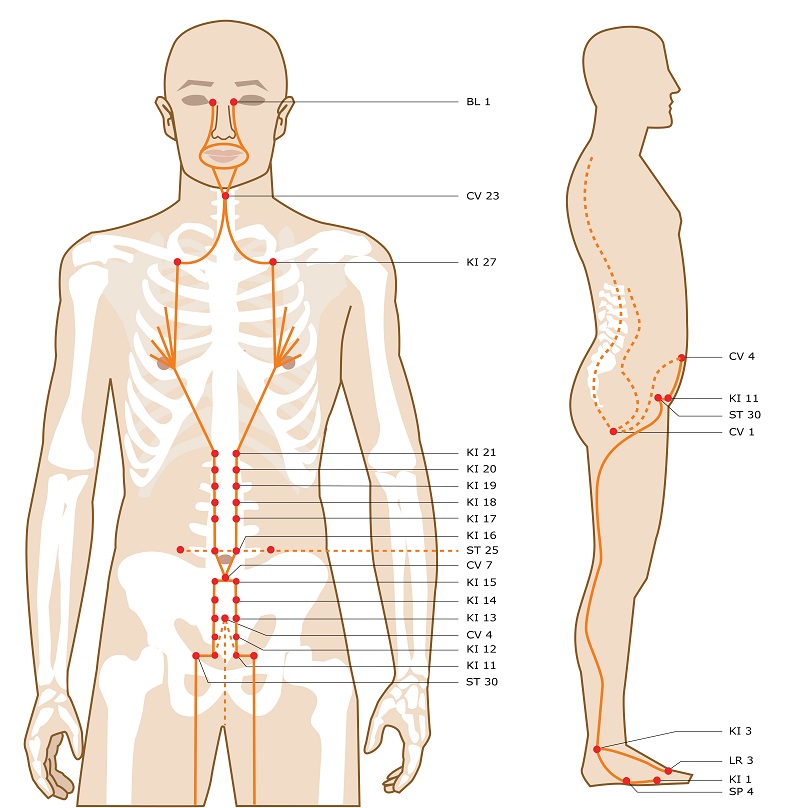
Beyond the physical and neurological aspects, these practices have deep roots in Taoist and Traditional Chinese Medicine (TCM). An important concept in energetic cultivation is “burning the Chong Mai.”
Chong Mai
The Chong Mai (penetrating or thrusting Vessel) is one of the eight extraordinary meridians in TCM. It serves as a primary channel for deep energy reserves, influencing the body’s overall energy flow. When stance work and controlled breathing are practiced regularly, this meridian can be activated, which may allow for greater energy circulation through the other seven extraordinary vessels and the twelve main meridians.
This process can be compared to upgrading a power grid. By increasing the capacity of the Chong Mai, the entire energetic system can become more efficient, stable, and resilient. This observation might explain why long-term practitioners of qigong, Dao Yin, and martial arts often report higher energy levels, improved focus, and a significant sense of internal strength.
Resilience Through Discomfort: The Path to Transformation
The old adage “That which does not kill us makes us stronger” perfectly encapsulates the philosophy behind these training methods. Rather than avoiding stress, we use it as a tool for growth.
Physically, stance training builds strength, endurance, and structural integrity.
Mentally, breath control and effortful posture-holding train the nervous system to remain calm under pressure.
Neurologically, the aMCC adapts and strengthens, improving stress management and persistence.
Energetically, activating the Chong Mai and meridian system enhances internal power and resilience.
Instead of being overwhelmed by modern life’s “220 volts,” we can upgrade our own internal wiring, ensuring that we remain grounded, adaptive, and powerful in an ever-changing world.
For those seeking true strength, not just physically, but mentally and spiritually- these ancient methods offer a proven path to transformation. The keys are consistency, patience, and a willingness to embrace discomfort as a gateway to resilience.
I look forward to further sharing more of my message by partnering with hospitals, wellness centers, VA centers, schools on all levels, businesses, and individuals who see the value in building a stronger nation through building a healthier population.
I also have hundreds of FREE education video classes, lectures, and seminars available on my YouTube channel at:
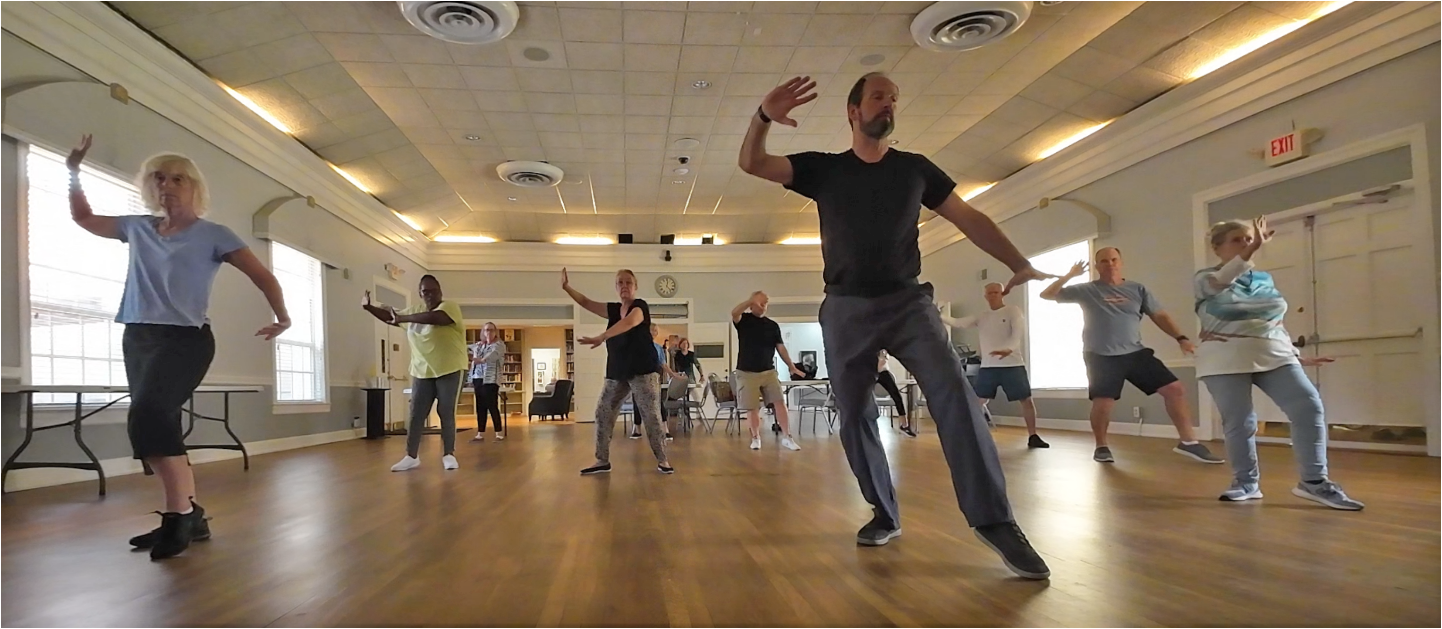
World Tai Chi Day 2025 will be celebrated on April 26th. It’s a global event aimed at promoting health, wellness, and mindfulness through Tai Chi practice. Note that not all qigong is tai chi. However, all tai chi is qigong. A distinction that is good to understand when an individual chooses to make the commitment of time, energy and resources to learn a time-proven and legitimate lineage of these practices.
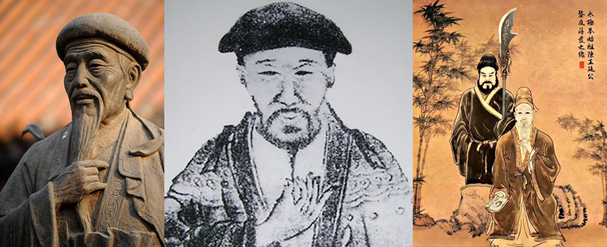
In 1314, at the age of 71, Chen Wangting (or Chen Sheng Feng, as sometimes referenced in folklore) is said to have moved to Wudang Mountain. Inspired by an intense encounter between a snake and a bird, he observed how softness could overcome hardness and how yielding could neutralize force. Combining the deadly precision of their movements with his extensive knowledge of military Longfist (Changquan) techniques, he began to refine his martial practice.
To this foundation, he integrated:
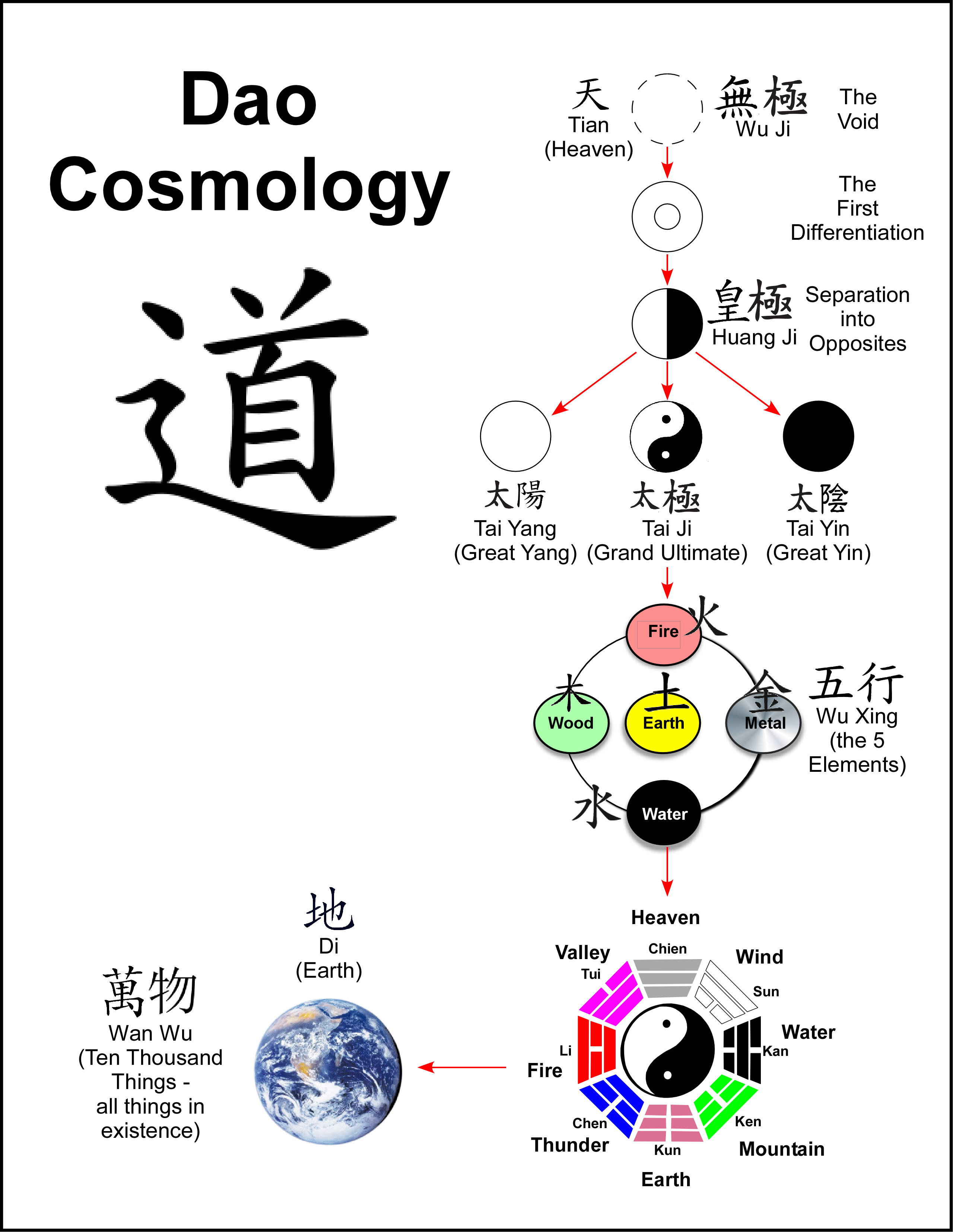
The dynamic interplay of Yin and Yang, expresses the natural balance of opposing forces.
The Five Element (Wu Xing) energy movements of ancient Taoists.
Ancient Dao Yin exercises promote internal health and longevity.
The environmental harmony of the I Ching emphasizes adaptability and flow.
The philosophy of the Tao Te Ching guides the practitioner toward a path of spiritual harmony and natural wisdom.
This synthesis evolved into what became known as Tai Chi Chuan (Taijiquan or “supreme ultimate fist”), later branching into the Five Element Tai Chi system.
Tai Chi can be likened to:
A doctor, as it promotes healing and internal balance.
A soldier, as it is an effective method of self-defense.
Vitality for the elderly and a focus for the young.
It is an exercise that strengthens the body, a meditation that calms the mind, a combat system that trains awareness and control, and a path of personal development that leads to deeper understanding. Tai Chi is like yoga in its pursuit of flexibility and balance, like dance in its graceful movements, and like self-defense in its strategic applications.
Ultimately, Tai Chi seeks to cultivate harmony with nature, instill discipline through spirituality, foster health and resilience in the individual, and align one’s being with the heavens. It is hundreds of years old, a living expression of the Dao, or the Way of Tai Chi Chuan.
I look forward to further sharing more of my message by partnering with hospitals, wellness centers, VA centers, schools on all levels, businesses, and individuals who see the value in building a stronger nation through building a healthier population.
I also have hundreds of FREE education video classes, lectures, and seminars available on my YouTube channel at:








 United Martial Arts Association