“Cardiovascular disease kills more people each year than Covid at its worst. We know how to prevent it. We just need the political will.”
Excerpt from the article:
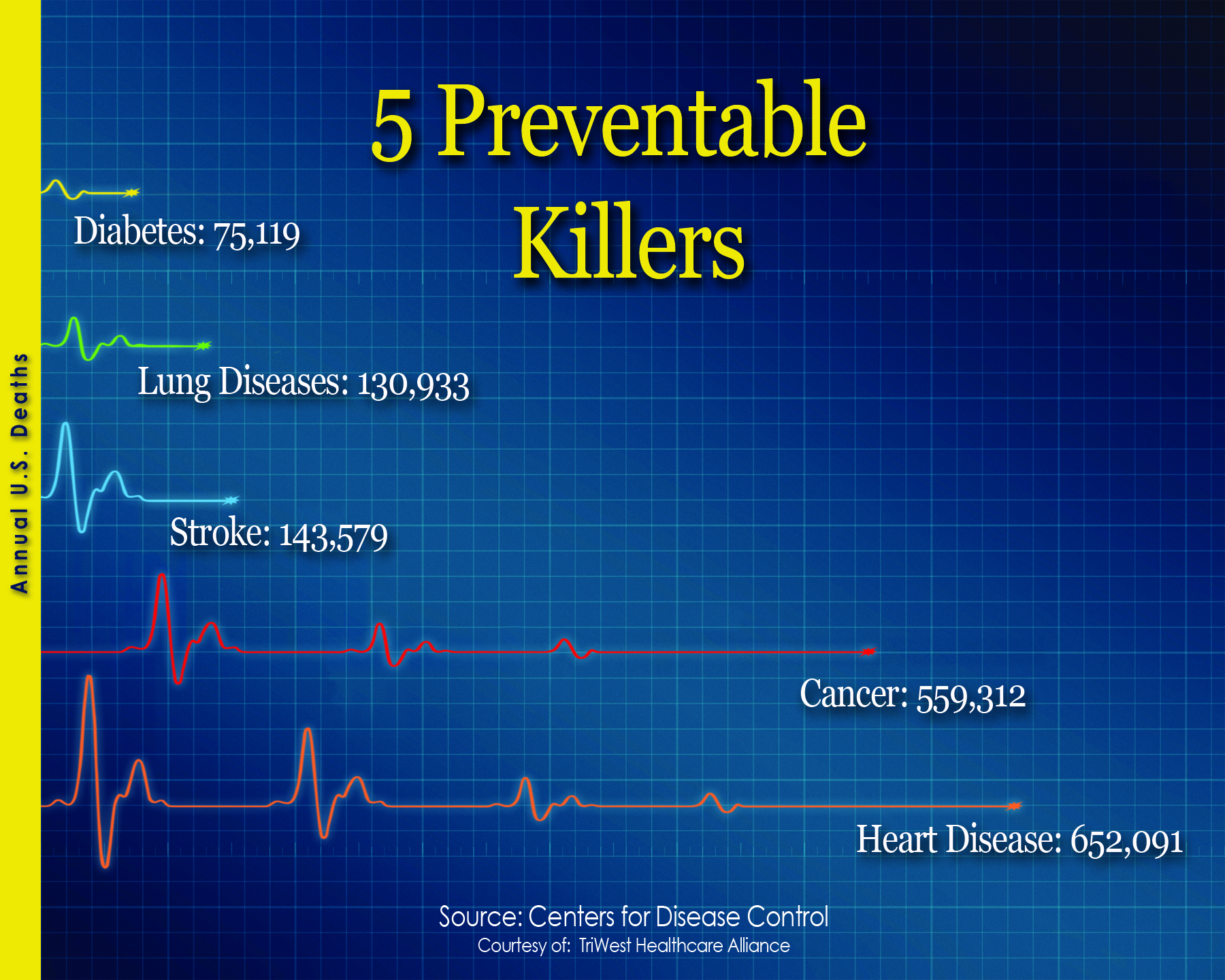
“First, some basics. In the first two years of the pandemic, Covid killed nearly 900,000 people in the U.S. In those same years, heart attacks and strokes killed more than 1.6 million. Globally, Covid killed more than 10 million people in the first two years of the pandemic; in the same two years, cardiovascular disease killed more than 35 million. The three leading drivers of heart attacks and strokes—accounting for around two-thirds of the global total—are tobacco use, hypertension and air pollution, and all three are preventable.”
consult with your physician, nutritionist, chiropractor or other healthcare professional regularly
have your posture checked
exercise and stretch regularly
perform non-specific symmetrical exercises (engage both left & right, top & bottom)
inspect footwear for uneven wear patterns
evaluate poor lifestyle habits and adjust
review career choices if necessary
have an outlet for your stress and emotional ups & downs
evaluate alcohol and drug consumption
_______________
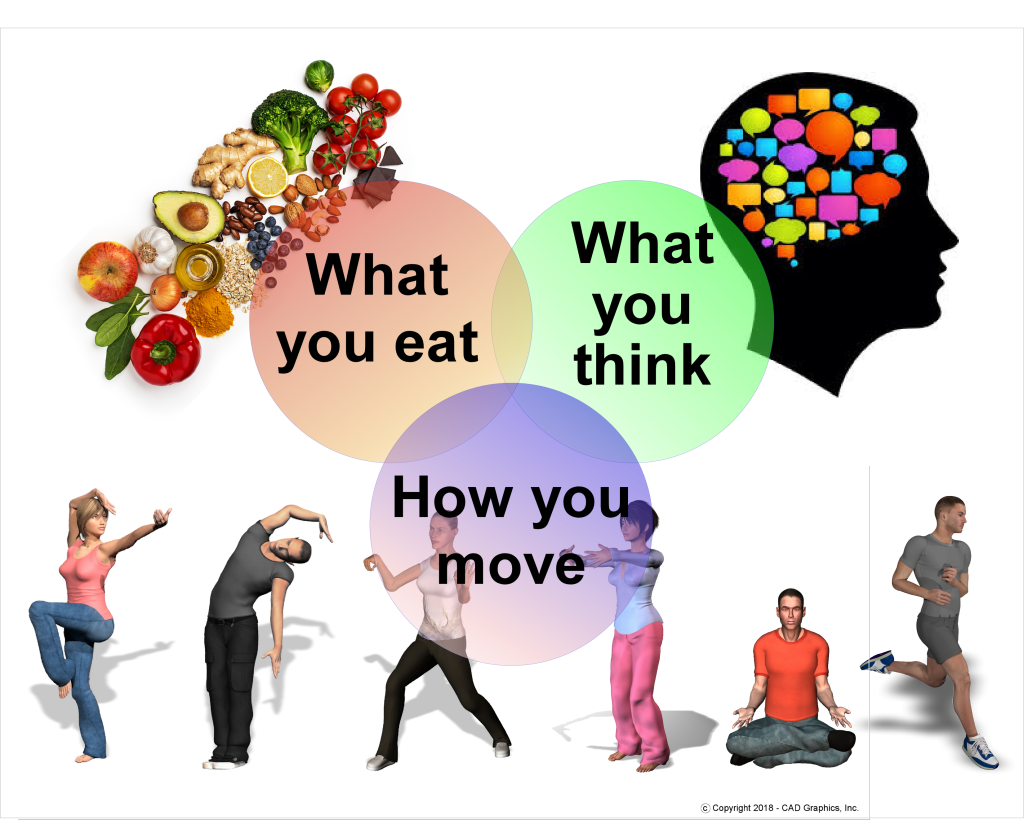
Control the body with the mind. Manage the mind by disciplining the body, through physical activity. Learn to be more active, eat healthier, sleep better, stress less – these are the key components to maintaining a strong mind, body, immune system, and outlook on life.
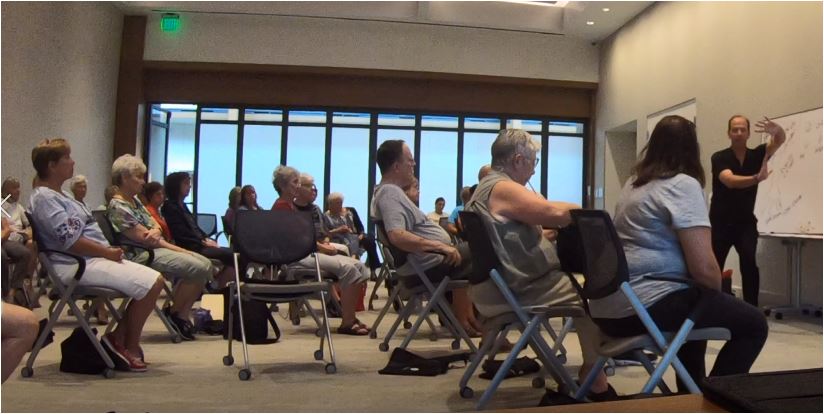
I am currently offering wellness lectures and classes for group, small group & private instruction in Wekiva, Longwood and Winter Park.
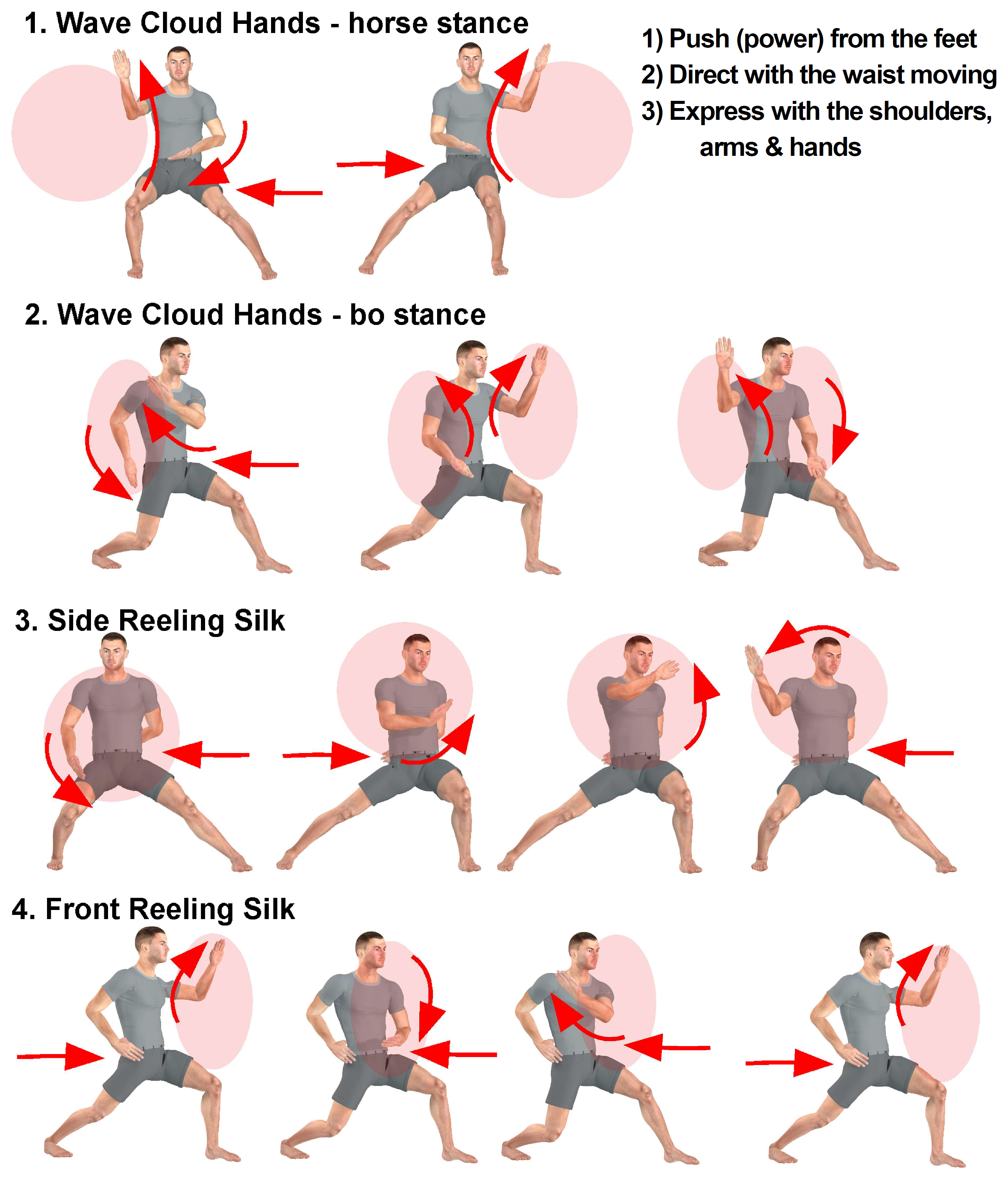
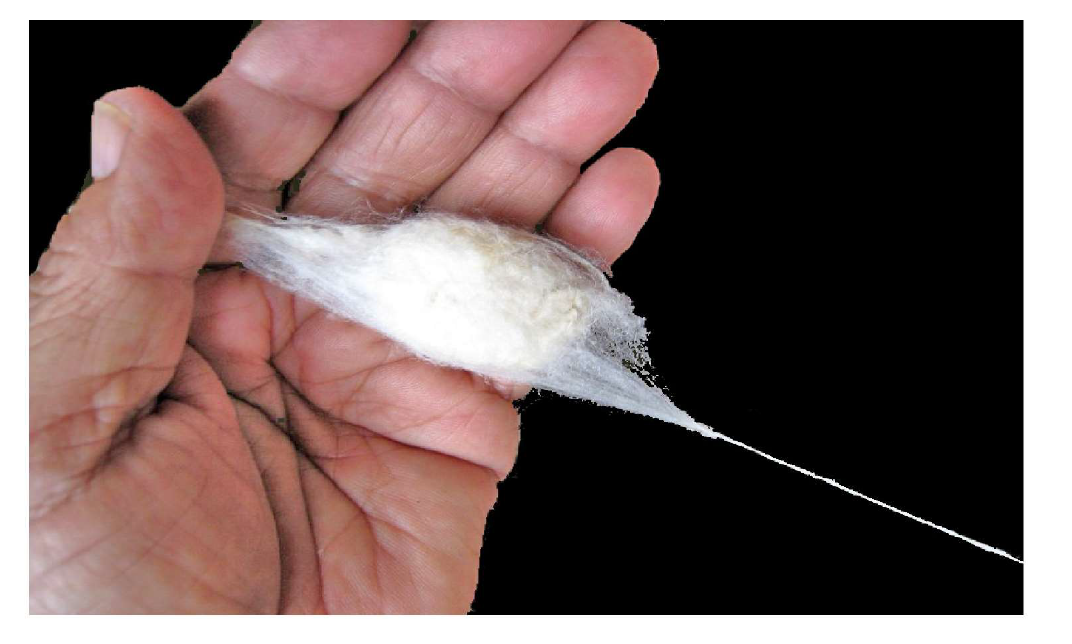
Silk Reeling refers to internal (neigong) movement principles practiced in traditional styles of Tai Chi, especially emphasized within the Chen and Wu styles. The metaphoric term derives from the spiraling and twisting movements of the silkworm larva as it wraps itself within its cocoon. In order to draw out the silk successfully, the action must be smooth, consistent and flowing with no jerking or sharp change in direction. Too fast of a movement and the silk breaks. Too slow and it sticks to itself and becomes tangled. Silk Reeling movements are continuous, rhythmic and spiraling patterns practiced at consistent speed with a “light touch” of drawing silk. Silk reeling is practiced in solo forms and stances as well as in “push hands” with a partner.
Key Points of Awareness: • The head stays upright as if trying to make the scalp push the ceiling up; chin slightly tucked back. • Keep the head level and don’t drop your head when your arms move downwards or to look at your feet. Use your peripheral vision to focus on the arms when they are lowered. • The tongue should be gently placed on the top palate (roof) of your mouth. • Keep your body upright, with the spine naturally straight while keeping the chest relaxed. Do not hold too much tension in your chest. • When the arms are in the lower phase of the movement don’t lean or bend forward keeping the body upright at all times. • When moving the arms, try to keep the shoulders relaxed and loose, trying not to lift them. • During movements when the arms arc away from the body, try not to lift the elbows too high. Make sure you keep your elbow lower then the hand. • When shifting the weight side-to-side, always keep the knees slightly bent. Don’t straighten the empty leg. • The breath should be natural, deep, slow and quiet while coordinated with the body movement. Typically when the hand goes across the body, breathe in through the nose. When the hand goes away from the body, breathe out through the nose.
Embrace the concept of feet, waist, arms:
1) Push (power) from the feet 2) Direct with the waist moving 3) Express with the shoulders, arms & hands
Watch the video to see one method of stretching the spine, relieving stress, increasing oxygen intake and becoming more self-aware.
__________
I write often about topics that affect our health and well-being. Additionally, I teach and offer lectures about qigong, tai chi, baguazhang, and yoga.
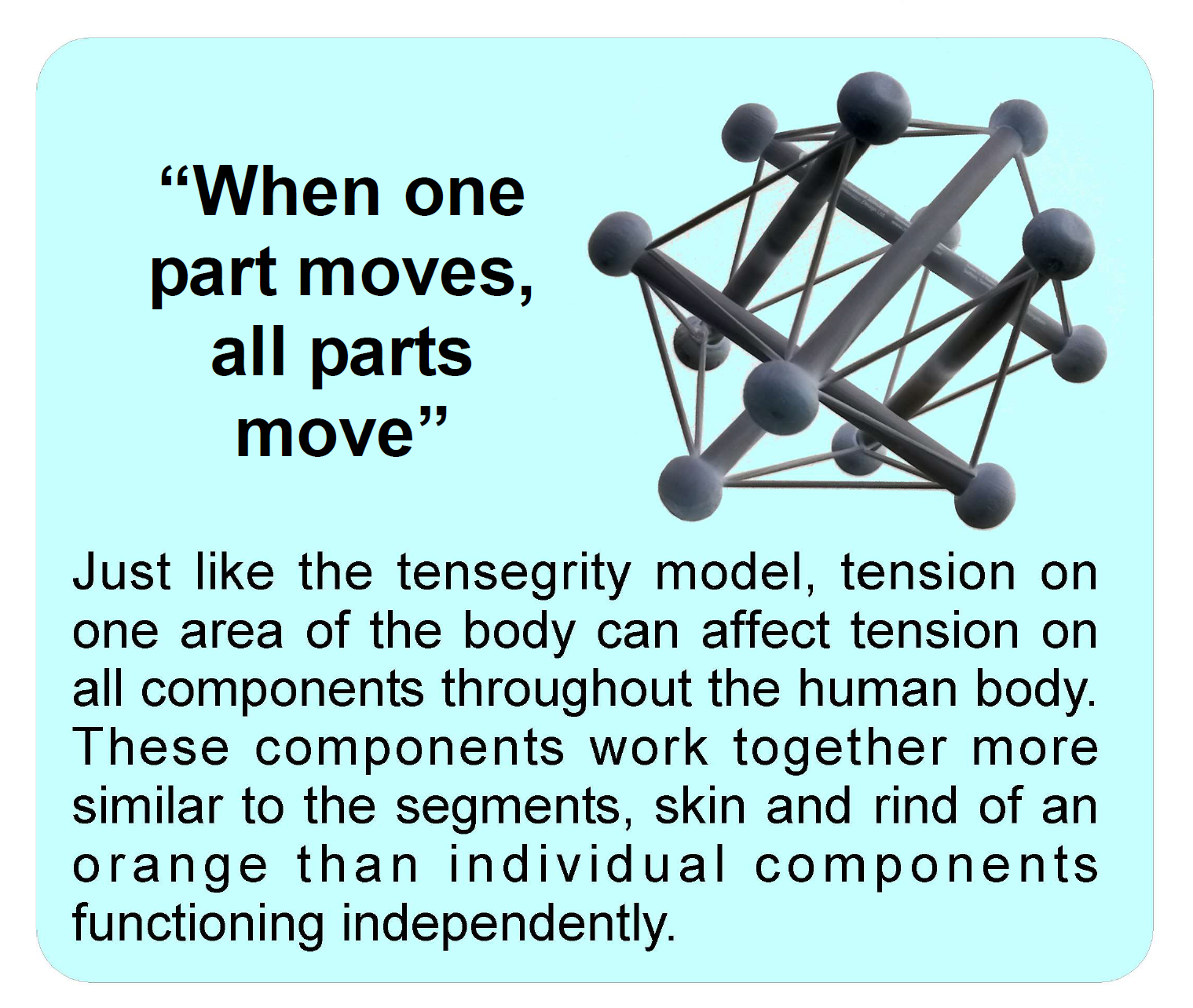
The human body consists of trillions of cells, all surrounded by a somewhat fluid network of connective tissue called fascia. Fascia is a sticky yet stretchy fabric that both holds us firmly together, yet constantly a adjusts to accommodate our every movement. Fascia consist of collagen, elastin fibers, fluid and proteins. This tissue is crystalline in nature, and formed into extremely tiny microtubules which carry fluid. This allows the microtubules to conduct energy and carry information throughout the body. The term myofascial refers to the unit composed of muscle and connective tissue.
The standard bio-mechanical theory is that the musculoskeletal system and its muscles attach to bones via tendons that cross the joints and pull bones toward each other. Ligaments connect bone to bone. However, all of these anatomical terms and the separations they imply, are somewhat false. No ligaments exist on their own. Instead they become part of the periosteum-vascular connective tissue that serves as wrapping around the bones, surrounding muscles and fascia trains.
There are 12 major fascial trains: 1) Superficial back line — starts at the bottom of the feet and continues up and over the top of the head and ends at the brow ridge
2) Superficial front line — starts on the top of the feet at the toes and ends behind the ear at the mastoid process (the area where the jaw connects to the skull)
3 & 4) Lateral line (2 sides) — runs along the lateral portion of the lower body, hips, and obliques
5) Spiral line — The Spiral Line (SL) winds through the three cardinal lines, looping around the trunk in a helix, with another loop in the legs from hip to arch and back again.
6) Deep front line — The Deep Front Line (DFL) forms a complex core volume from the inner arch of the foot, up the inseam of the leg, into the pelvis and up the front of the spine to the bottom of the skull and the jaw.
7 & 8) Superficial front & back arm line — The four Arm Lines run from the front and back of the axial torso to the tips of the fingers.
9 & 10) Deep front & back arm line — The four Arm Lines run from the front and back of the axial torso to the tips of the fingers.
11 & 12) Functional Lines — (front & back) The two Functional
The Superficial Back Line consists of a line of fascia that starts at the plantar surface (bottom) of the foot. It travels up the entire posterior (back) side of the body, moving up over the head and finishes at the brow bone. It is the longest of the 12 facial trains. They are also lines of “pull”. These lines transmit movement as well as strain through the body’s myofasciae within the body. Researchers have found evidence indicating that chronic low back pain may be radiating from the connective tissues, rather than musculature, bone or cartilage. The multitude of low back pain was found not to correlate with the multitude of disc displacement. Evidence indicating that low back pain may be due to inflammation in the lumbar fascia tissue. Further research has indicated perispinal ligamentous tissues and lumbar fascia as common causes of low back pain. There is the theory that the fascia might be the physical substrate referred to as the energy meridian network within Traditional Chinese Medicine (TCM). The anatomy of the fascial network within the human body, is somewhat consistent with the classic view of the meridian network. Acupuncture has been shown to rely on interactions with the fascia. It may be that neurogenic inflammation in fasciae may manifest into blockages of the energy (Qi) flow. If the fascia network within the body is the physical substrate of the energy meridians, there are important clinical and research connections. If evidence continues to prove in support of this theory, the fasciae should receive greater scrutiny in diagnostics and subsequent treatments. This view is a more holistic approach to health care, in which the whole body’s interrelationships, interconnections and interactions are to be examined.
Recent research has found links in form and function between the interactions of the fascial network and acupuncture. Research by health and fitness researchers have discovered that connective tissue, along with collagen fibers and fibroblasts wraps around the end of the acupuncture needle when it is rotated in place. There effects have been seen at up to 4cm away from the site of needle insertion. Researchers have surmised that acupuncture energy meridians may follow the intermuscular or intramuscular myofascial lines. The myofascial meridians do not follow the precise lines of the Chinese energy meridians, which are an energetic connection rather than physical. However, there is some definite overlap. The unrestricted movement, taught in the Chinese internal martial arts, involves free flow of Qi and aligning the myofascial lines.
The Tai Chi, Gigong and Yoga connection to the facial trains – Physical (and mental) training within Chinese internal martial arts, Qigong and Yoga focus on training the mind and body to move as a whole unit. The traditional Western understanding of muscles and bones functioning separately and mechanically is not very useful within these practices. However, understanding basic anatomy is useful when these known components are seen as encased by the connective tissue making the myofascial lines become apparent. When muscles are seen as floating in bundles or bands of connective tissue, all movements and all components are possible only through the interaction of the contracting muscles with the connecting tissue. Each bone, muscle and organ might exist independently, but the fascia spreads throughout the entire body connecting all of these body components in a network of webbing.
Another component of the fascial network is a gelatin-like web of mucus. All of the fluid circulation in your body has to pass through these fibrous and mucus webs. The denser the fibers and the drier the mucus, makes the fascial web less able to allow molecules to flow through it. Nourishment goes in one direction while waste comes out another. Tai Chi, Gigong and Yoga types of exercise helps stretch, ease and hydrate the fibrous webbing, making it more permeable.
Cells are never more than four-deep from your capillaries, which transport food, oxygen and more. Tension in your body, such as constantly rounding the back while sitting activates the fibroblasts to make more fibers that will arrange themselves along the line of stress. These accumulated fascial fibers form blockages that will impede capillary-sourced food from reaching the body’s cells. The mucus that completes your fluid fascial network also becomes denser impeding the flow to your cells. Within a denser fascial network, the exchange of nutrients and waste from capillaries to cells can trap toxins causing even more energy blockages.
Tai Chi, Gigong and Yoga types of exercise offer deep strengthening and stretching of the fascial network similar to the way you would wring out a wet towel. The nutrients, oxygen and waste products that were trapped in the mucus mesh, rush in to the capillaries and into the bloodstream. Often times practitioners of these exercise methods feel somewhat ill, after the release of the deeply held tension. The liver must work extra to process the toxins squeezed from the tissues. With consistent practice over time, fascial fibers blockages will slowly thin out and become un-adhered. The mucus webbing can change to a more liquid state in minutes, allowing more sliding, less resistance and therefore less pain.
_______________
Control the body with the mind. Manage the mind by disciplining the body, through physical activity. Learn to be more active, eat healthier, sleep better, stress less – these are the key components to maintaining a strong mind, body, immune system, and outlook on life.
I am currently offering wellness lectures and classes for group, small group & private instruction in Wekiva, Longwood and Winter Park.
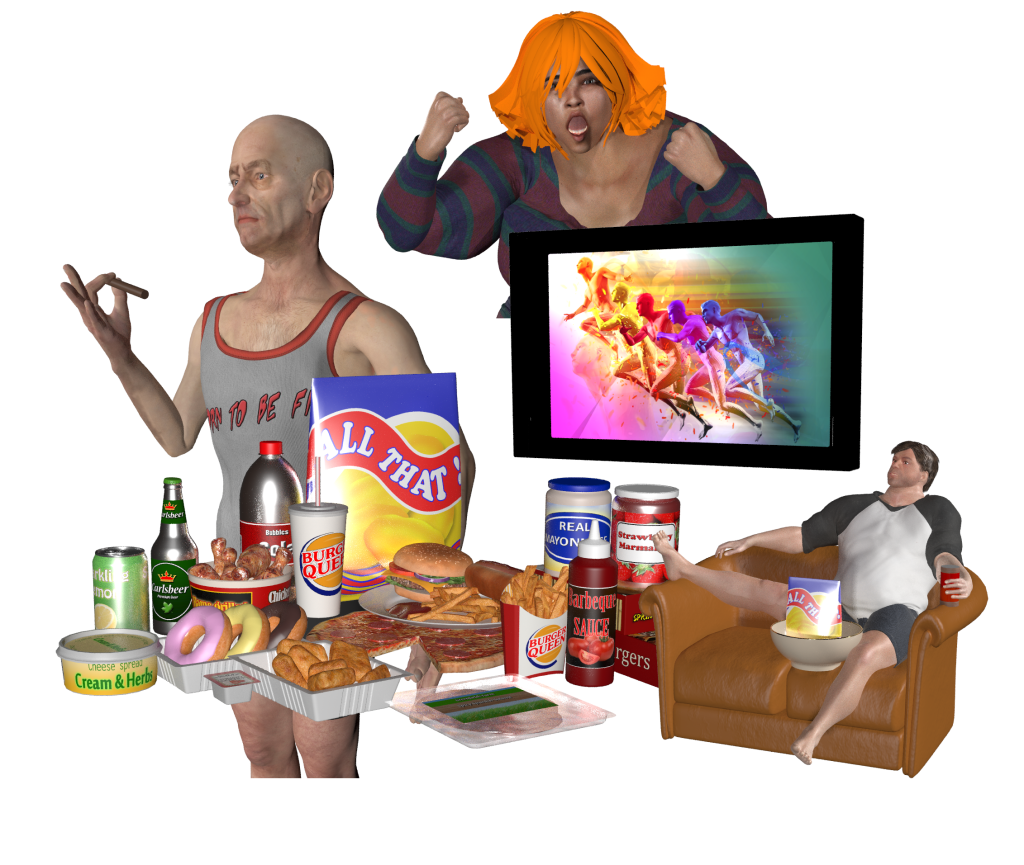
what most people think they receive when they go to the doctor after they become sick or injured. Little or no preventative measures are encouraged.
“Self-care” –
when the individual takes responsibility for what they think, what they consume, and how they move their physical body (exercise/activity), making up the components of what we typically call lifestyle.
“I don’t-care” –
what some people say, when asked why they don’t take better care of their own health & well-being.
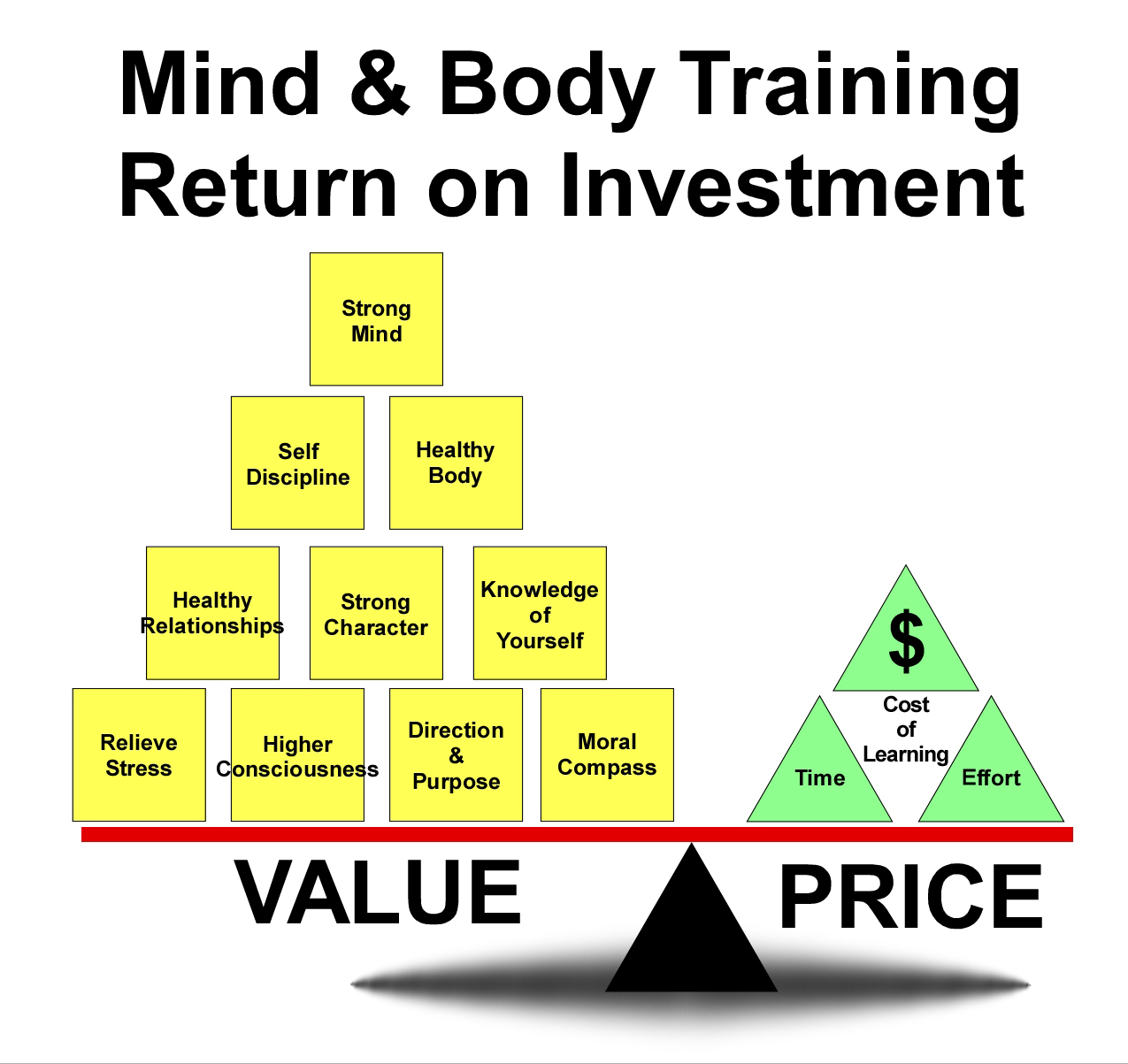
Health is wealth – plain and simple. Ask anyone who has pain or suffering if they would spend their money, once they are already ill to fix all their woes. $30,000-$100,000 for a new knee, $130,000 for a heart bypass, or $1,250,000 for a heart transplant, thousands every year for insurance and prescriptions. You do the math; pay now of pay later.
______________
I write often about topics that affect our health and well-being. Additionally, I teach and offer lecture about qigong, tai chi, baguazhang, and yoga.
Last years of 2020 & 2021 were pretty rough year for most of the world population regarding health and wellness. While some people fared ok, many took many steps backward in being healthy and well. The exact measures many people have been taking to stay safe, have actually been contributing to them becoming less healthy. Staying inside dramatically affected positive social interactions, options to exercise and staying active, fresh air intake as well as less sunlight on the skin to help synthesize vitamin D. Vitamin D is a key component to maintaining innate (natural immunity) and bone health. This issue alone, will contribute to an increase in osteoporosis.
Osteoporosis or low bone mass, is a disease that causes bones to become thin, brittle and weak, making bones more likely to break, most often from a minor fall. The most common bones that are affected are the spine, wrist or hip. Osteoporosis is often called a “silent disease.” You can’t feel or see your bones getting thinner. Many people do not even know that they have thin bones until a bone breaks. Most people with this issue don’t die from osteoporosis, but rather from complications that follow from falling or breaking brittle bones while out and about.
Osteoporosis is a major public health issue with an estimated 44 million Americans, or for more than half of those 50 or older. In the United States, almost 1 out of 2 Caucasian or Asian women over 50 will experience a broken bone due to osteoporosis. 24 percent of hip fracture patients age 50 and over die in the year following the fracture. Six months after a hip fracture, only 15 percent of patients can walk across a room unaided.
Things you can do to prevent loss of bone mass:
A bone mineral density (BMD) test can diagnose osteoporosis.
Eat a variety of healthy (nutrient-rich) foods every day.
Get the calcium you need.
Get the recommended amount of vitamin D.
Get some sunlight on your body everyday (helps the body synthesize vitamin D)
Don’t smoke
Limit alcohol.
Take action to prevent falls
Exercise regularly with appropriate methods for your personal situation, limits and expectations
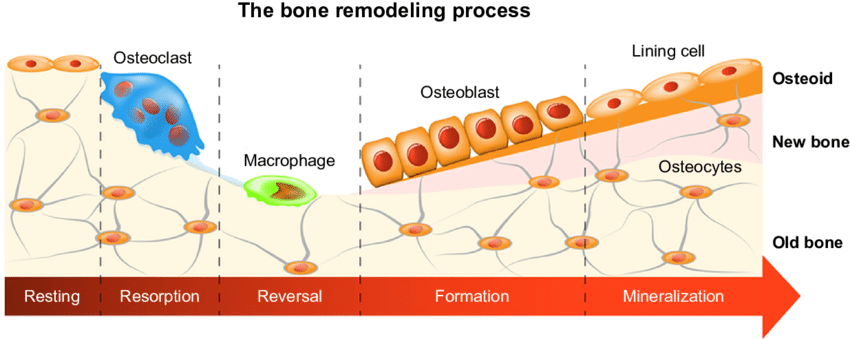
Being physically active can help prevent bone loss leading to osteoporosis. Your bones get stronger and denser when you make them work. Walking, climbing stairs, and dancing are impact (or weight-bearing) exercises that strengthen your bones by moving your body against gravity when you are upright. Resistance exercises, such as lifting weights or using exercise bands, strengthen your bones as well as your muscles.
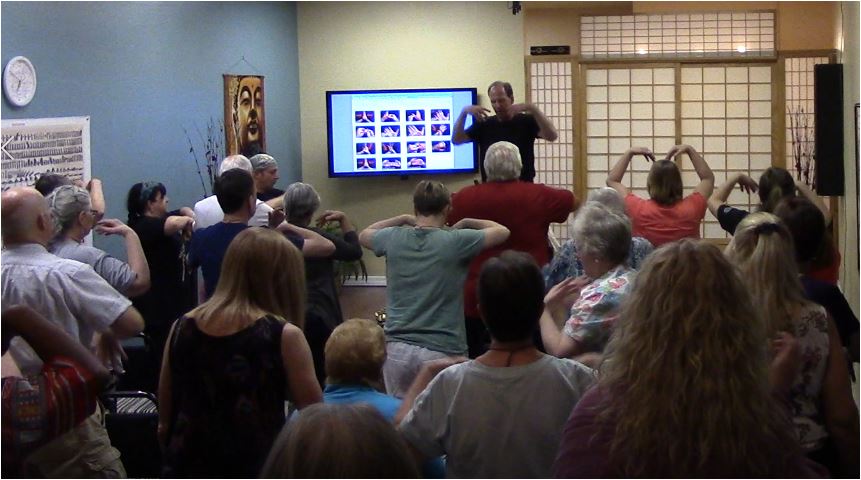
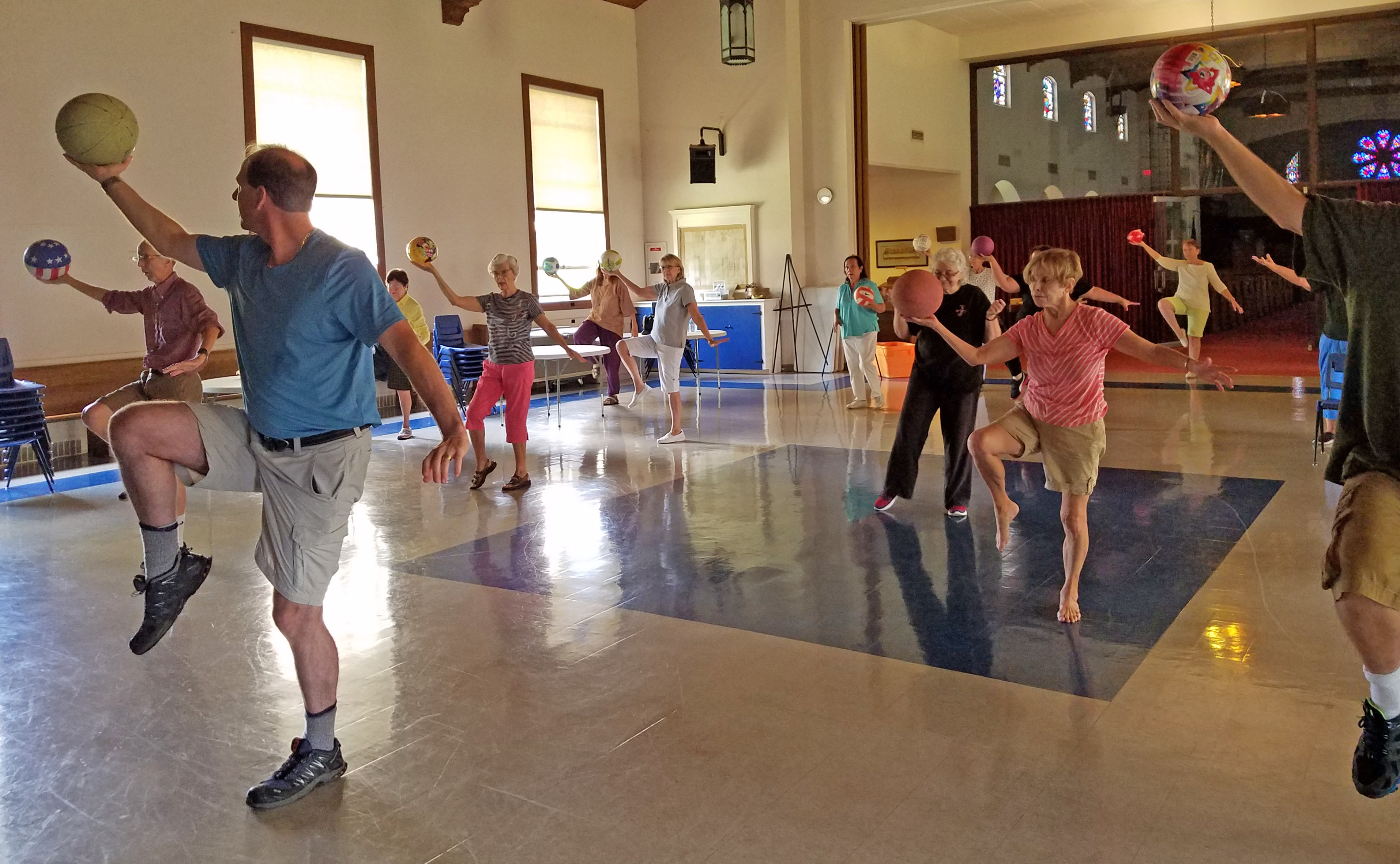
Tai Chi and qigong like in this video are perfect examples of physical activity that improves posture and balance to help decrease your risk for falls and fractures. Tai chi can also strengthen the bones themselves by reacting to the tension that exercise puts on the muscles and consequently the bones. If the bones are not engaged in everyday use, osteoporosis can find its way into the body. Exercise can be easy; try 10 minutes at a time, adding up the minutes to reach your goal.
I offer instruction in qigong, Taoist yoga, tai chi, martial arts, ship pal gye, hapkido, fitness, wellness and many other avenues to improve health and well-being.
I am currently accepting new clients for group, small group & private instruction.









 United Martial Arts Association