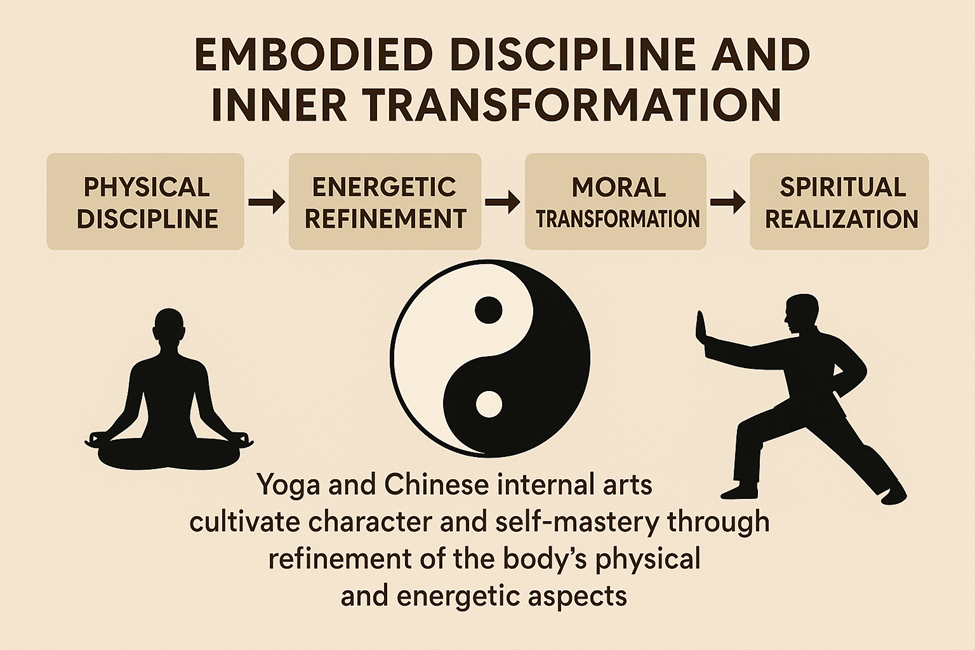
Throughout human history, disciplined movement has served as more than a means to physical fitness. It has been a gateway to moral, psychological, and spiritual development. Systems such as Yoga, Qigong, Tai Chi Chuan, Baguazhang, and Xing Yi Quan all share a common philosophical core:
By refining the body, one refines the self.
The body becomes both the field and the instrument of transformation. Through sustained discipline, these arts cultivate awareness, moral rectitude, and self-regulation that extend beyond the training hall into all aspects of life.
The Body as a Mirror of the Mind
Ancient Eastern traditions view the body and mind as inseparable. In Yoga, the concept of asana (postures) is not merely a stretch but a condition for the stilling of the mind (Yoga Sutras 1.2). Similarly, in Chinese internal arts, the cultivation of qi through structured movement harmonizes the physical form (xing), the energetic field (qi), and the consciousness (shen). Each posture, breath, and intention becomes a reflection of one’s internal state. Thus, disciplining the body becomes a way to reveal and reshape the contents of the mind (Kleinman, 2023).
The process of consciously adjusting and fine-tuning the body’s components of its joints, spine, breath, and balance points, serves as a living metaphor for the refinement of one’s inner world. Each alignment demands the practitioner’s full attention, creating a bridge between external structure and internal awareness. This deliberate somatic calibration teaches the mind to observe without judgment and to respond with precision rather than impulse. Through this practice, bodily alignment becomes a mirror for mental alignment, cultivating stability and composure that extend into one’s emotional life.
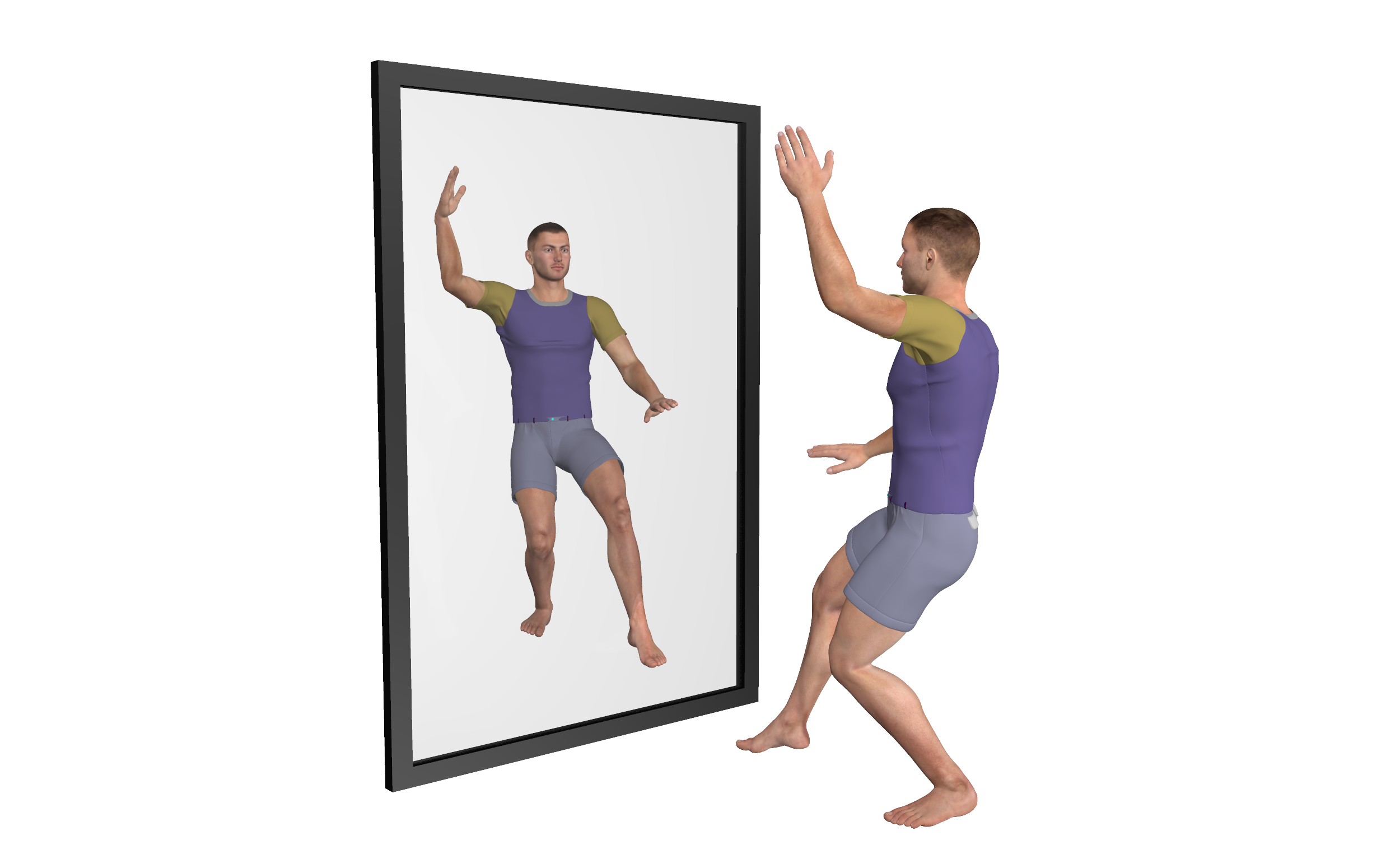
In this sense, the act of refining posture, balance, and breath becomes a direct method for managing the subtle movements of thought and emotion, which are often more complex and volatile than the body itself. As the practitioner learns to coordinate intention with structure, thoughts become organized, and emotions are diffused through awareness rather than suppressed. Over time, these micro-adjustments train the nervous system to shift from reactivity to responsiveness, an embodied mindfulness that transforms self-regulation into second nature.
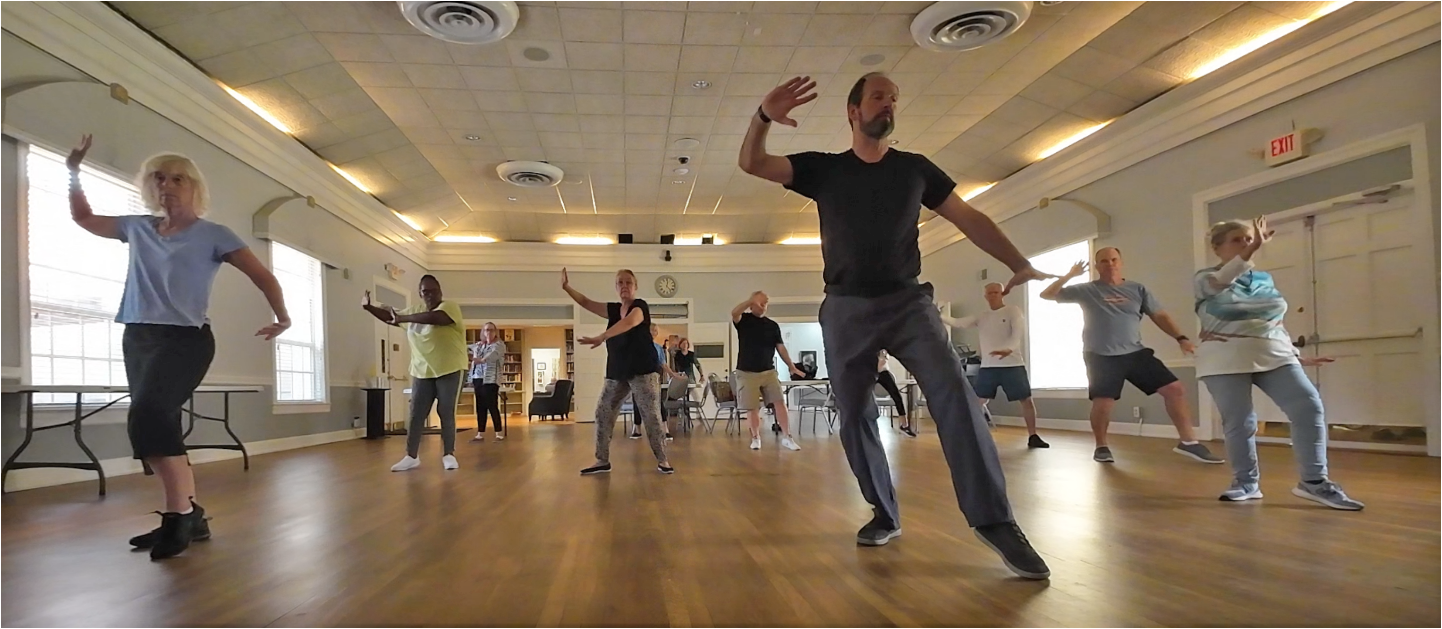
Practitioners quickly learn that the body resists tension, imbalance, and rigidity exposing internal conflict or emotional strain. As posture corrects, breathing deepens, and awareness refines, inner stillness and integrity naturally follow. The principle “as within, so without” is not poetic but experiential: mastery of motion becomes mastery of emotion.
Qigong, Tai Chi, and the Internal Alchemy of Transformation
Qigong and Tai Chi are expressions of Daoist alchemy, using the body as a crucible for transformation. The triad of jing–qi–shen (essence–energy–spirit) describes a process of refining vital substance into consciousness. Through slow, deliberate movement, practitioners develop song (relaxed awareness), dissolving mechanical tension and egoic striving. This cultivates balance between yin and yang, seen in aspects such as yielding and firmness, rest and action, all mirroring the Daoist understanding of harmony with nature (Wile, 1996).
Similarly, Baguazhang employs circular walking and “palm changes” or transitional exercises, as a metaphor for the ever-changing cycles of life. The practitioner learns adaptability, humility, and responsiveness. The external circle mirrors the internal one: thoughts orbit awareness, but do not dominate it. Xing Yi Quan, in contrast, channels focused, linear intent (yi) through structured forms or sets of exercises linked together. The simplicity of its five-element theory trains directness, sincerity, and willpower, qualities of both combative efficiency and moral integrity.
These arts embody an essential truth:
Movement pattern shapes the moral pattern.
By repeating forms that express balance, alignment, and flow, practitioners literally encode these virtues into their nervous systems.
Yoga and the Integration of Body, Mind, and Spirit
Yoga’s physical discipline (hatha) was historically conceived as preparation for spiritual awakening (raja yoga). By mastering the breath (pranayama), the practitioner learns to govern the subtle forces of life, taming desire and restlessness. The practice builds tapas, a purifying inner heat of discipline that burns away impurities of character. In this sense, asana and breathwork are tools of ethical refinement (Feuerstein, 1998).
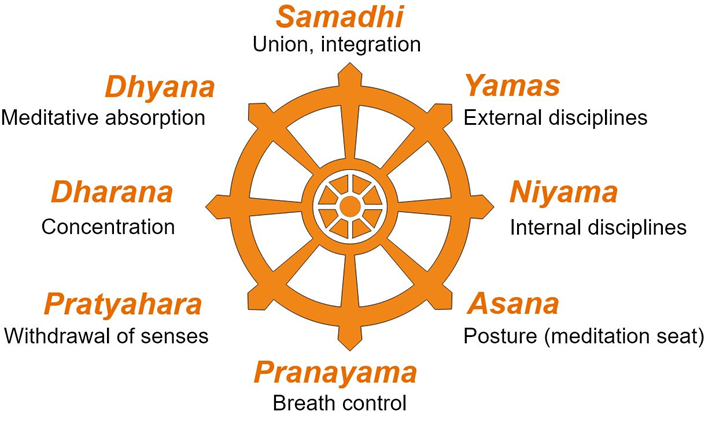
Moreover, the “eight limbs of yoga” outline a sequential refinement process: moral precepts (yama and niyama), physical posture, breath control, sensory withdrawal, concentration, meditation, and ultimately absorption (samadhi). Each step disciplines a different layer of being, ensuring that bodily control is never divorced from ethical self-cultivation.
From Discipline to Transformation
Discipline in these traditions is not punishment, but rather it is a path toward liberation through self-regulation. Through repetition and perseverance, one transcends laziness, fear, and egoic fragmentation. Neuroscientific research supports this: consistent somatic mindfulness modifies neural pathways associated with emotion regulation, empathy, and resilience (Davidson & McEwen, 2012). In effect, the physical arts train meta-awareness, or the capacity to observe one’s impulses and choose conscious response over reactivity.
True mastery, therefore, is not domination of the body but integration of the self. The martial artist, yogi, or qigong practitioner becomes calm yet alert, strong yet supple, humble yet confident. The disciplined body becomes a ritual language through which character is silently expressed.
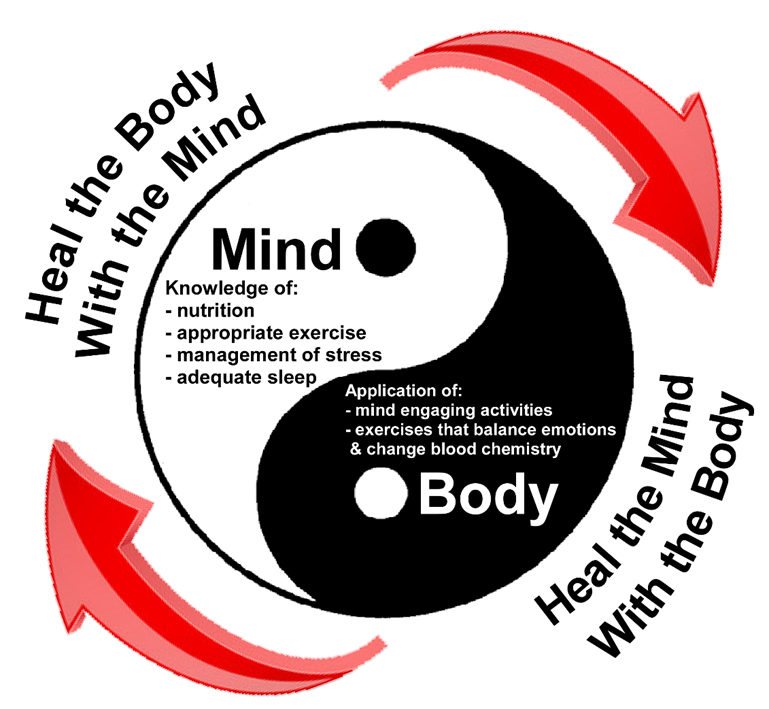
The body is the gateway to transformation because it is the most immediate expression of consciousness. By cultivating precise movement, rhythm, and stillness, disciplines such as Yoga, Qigong, Tai Chi, Baguazhang, and Xing Yi transform instinct into intention, effort into grace, and discipline into virtue. They embody the timeless principle found across Taoist, Confucian, and Yogic traditions: that self-mastery begins with mastery of the vessel through which spirit acts. The practitioner who polishes the body as one polishes the sword finds that, in the end, it is the soul itself that shines.
References:
Davidson, R. J., & McEwen, B. S. (2012). Social influences on neuroplasticity: Stress and interventions to promote well-being. Nature Neuroscience, 15(5), 689–695. https://doi.org/10.1038/nn.3093
Feuerstein, G. (1998). The Yoga Tradition: Its History, Literature, Philosophy and Practice. Hohm Press. https://archive.org/details/yogatraditionits0000feue
Kleinman, A. (2023). Patients and healers in the context of culture. https://doi.org/10.2307/jj.2711689
Wile, D. (1996). Lost T’ai-chi Classics from the Late Ch’ing Dynasty. State University of New York Press. https://doi.org/10.2307/jj.18255579