
Qi is pronounced as “chee” and means “breath” in Chinese. Other definitions are vitality, energy, force, air, vapor. Qi is the life energy that all living creatures require in order to exist. Different cultures call this energy Chi (English), Ki (from Japanese), Gi (Korean) or Prana (Indian).
Qi is a type of energy in the human body and circulates within the blood, cells, and tissues throughout. “When qi moves, blood follows” is a root concept with Traditional Chinese Medicine (TCM). Qi flows in a specific pattern, at specific times from one organ to the next through meridians within the body. These meridians or channels might best be described as something similar to the electrical lines on a printed circuit board. There are 12 main meridians, with 2 for each organ (situated bilaterally from head to toe) for 12 organs. Zang Fu Zhi qi, is that which circulates through the organs. Jing Luo Zhi qi is that which circulates through the meridians.
Qi has mass the same way smoke or vapor has mass; both are transitional states of form. Qi (energy) is regarded as one of the 3 Treasures (San Jiao) or essential components of life, with essence (Jing) and spirit (Shen) being the other two. When energy, essence and spirit are in harmony with one another, the person finds themselves alert, healthy, and vibrant. Or the opposite if their treasures are in imbalance. If this harmonious flow is disrupted, illness occurs.
• Physically (jing): energetically manifesting as the body’s cells and tissues into form, bone marrow, blood and bodily fluids.
• Energetically (qi): as resonant vibration, heat, sound, light and electromagnetic fields.
• Spiritually (shen): energetically manifesting through subtle vibrations which extend through space or Wu Ji.
The following graphic shows how qi can be conceptualized into the Chinese ideogram of rice cooking atop a heat source and producing the wisps of vapor (energy) that we see rising above the cooking rice.

The amount of qi in one’s body and the quality of it determines whether an individual is generally healthy or prone to illness. There is a finite amount in our bodies and is gradually exhausted due to age and possible abuses. When it decreases so does the lifespan of the individual.
A proper balance of nutrition, exercise and a healthy lifestyle directly affect the quality and abundance of qi. Emotions and their balance or lack thereof, affects the quality of an individual’s qi. The emotions of joy, anger, sadness, grief and fear affect our qi within specific organs.
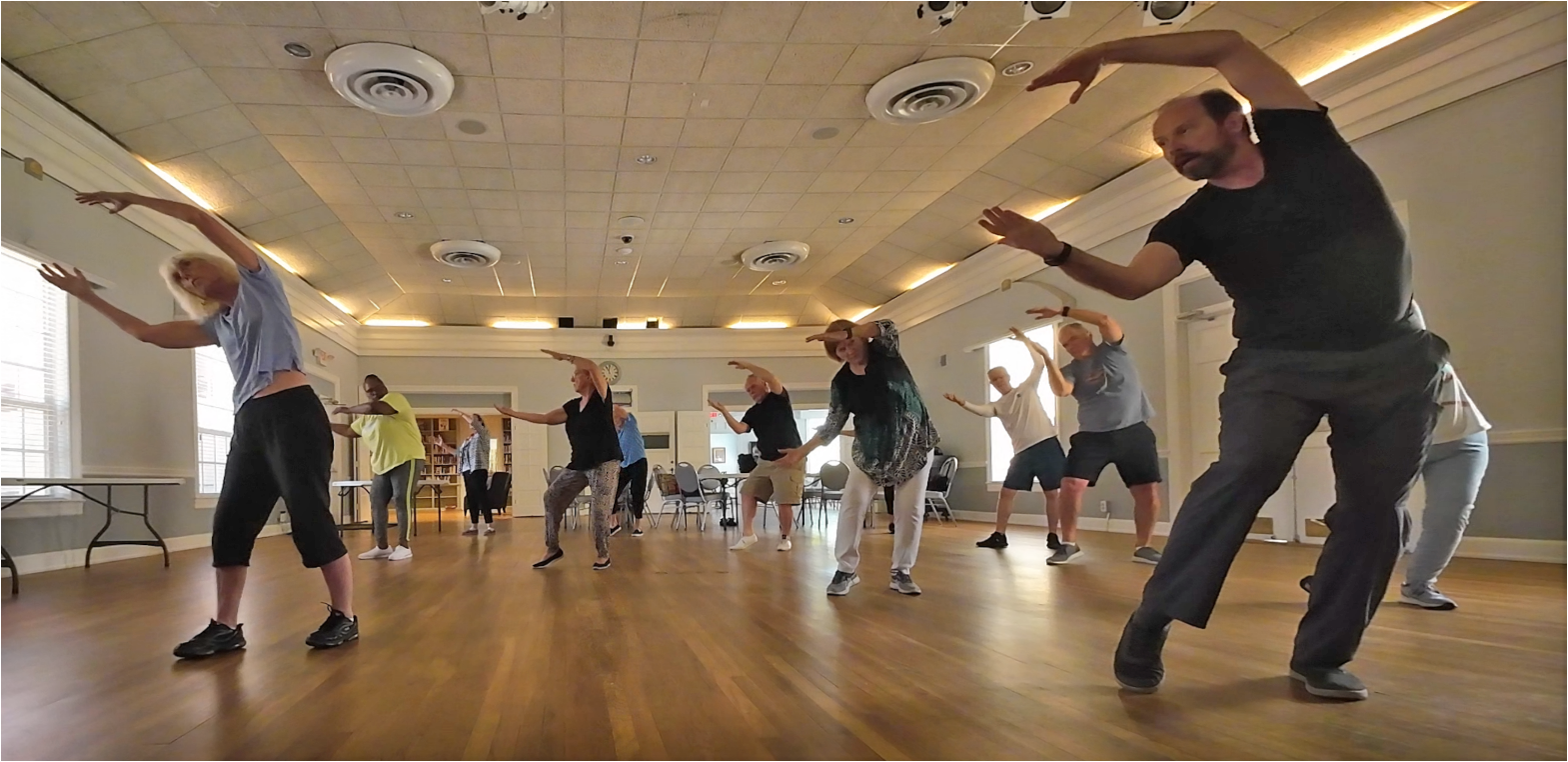
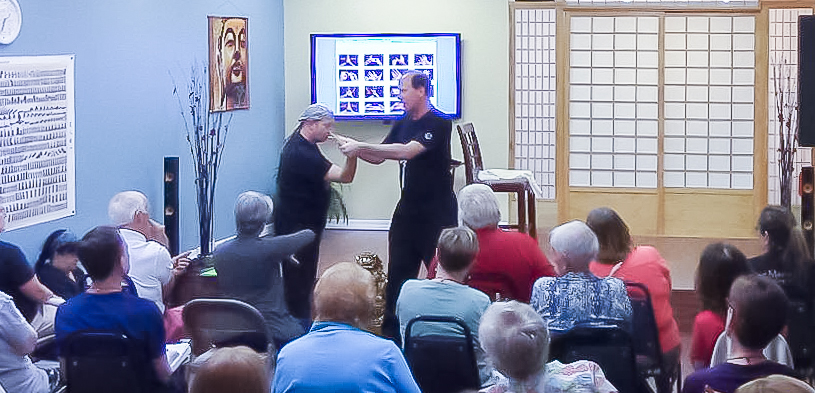
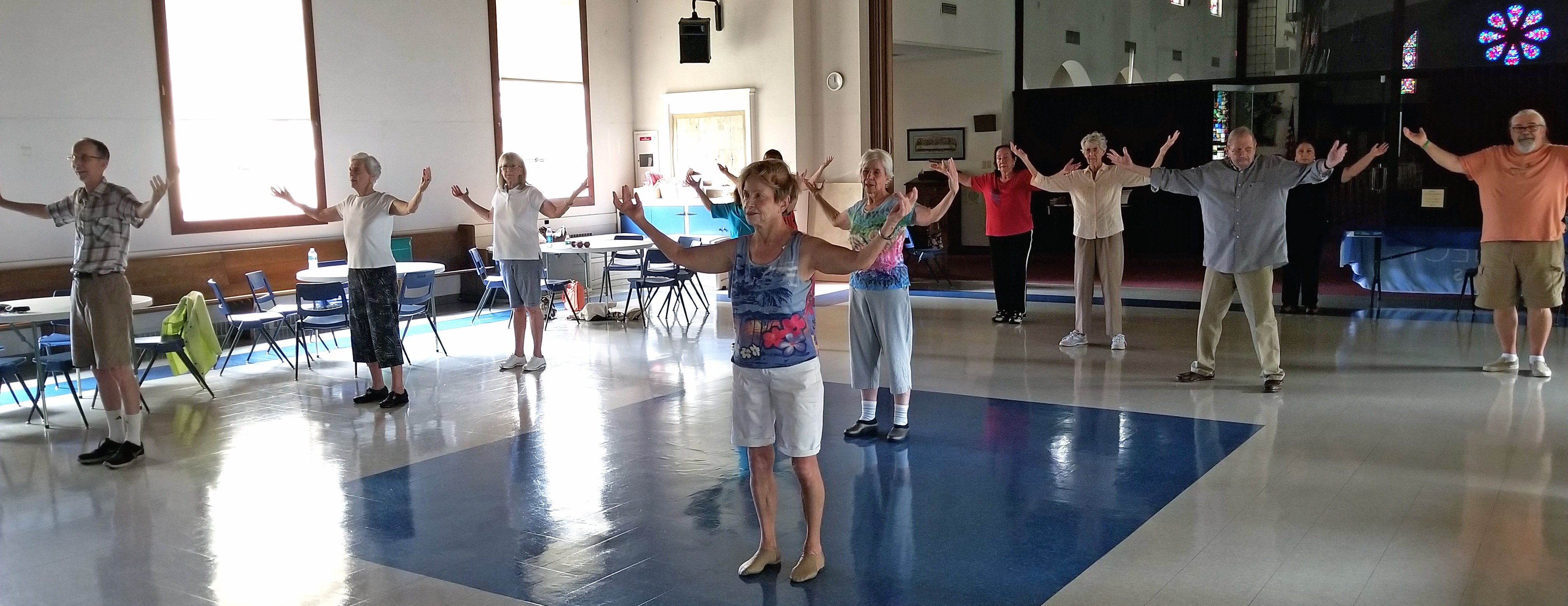
I write often about topics that affect our health and well-being. Additionally, I teach and offer lecture about qigong, tai chi, baguazhang, and yoga. I also have hundreds of FREE education video classes, lectures and seminars available on my YouTube channel at:
https://www.youtube.com/c/MindandBodyExercises
Mind and Body Exercises on Google: https://posts.gle/aD47Qo
Jim Moltzan
407-234-0119
www.Amazon.com/author/jimmoltzan


A motivating discussion is definitely worth comment. There’s no doubt that that you should publish more about this issue, it might not be a taboo matter but generally people don’t speak about these topics. To the next! All the best!!
LikeLike