
“Knowing others is intelligence;
Knowing yourself is true wisdom.
Mastering others is strength;
Mastering yourself is true power.”
― Lao Tzu, Tao Te Ching
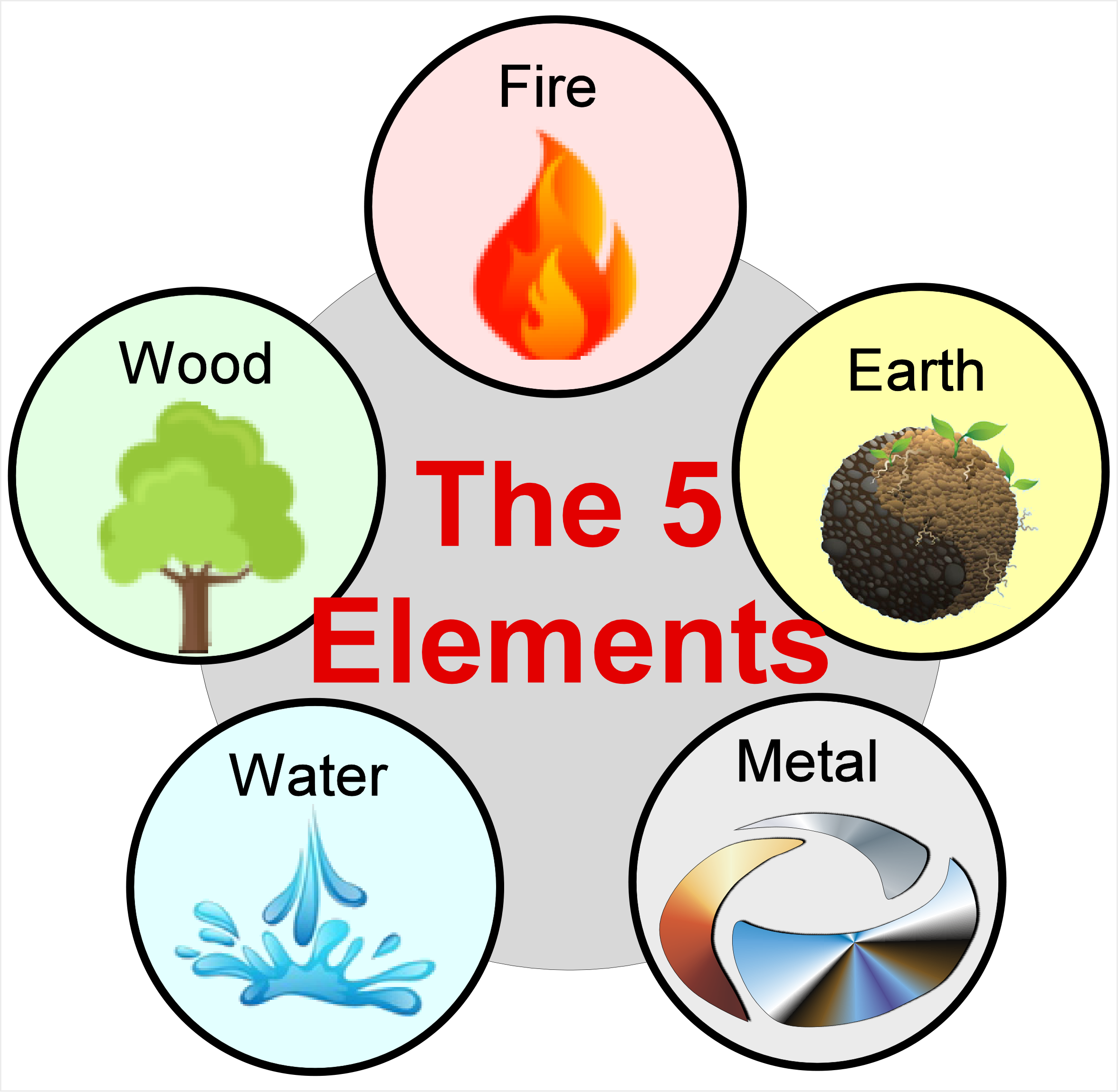
Knowing one’s own constitution, as well as others in their life can help to better understand how and why people behave the way they do under certain situations. Some may see this concept as somewhat controversial or as a version of “profiling.” However, this concept has been used for over thousands of years in various cultures across the world, such as with Traditional Chinese Medicine (the 5 Elements), Hippocratic & Greco-Roman Medicine (the Four Humors), Jungian Psychology, Tibetan Medicine (Sowa Rigpa), Western Biopsychological Models (Sheldon’s Somatotypes). Ayurveda (Indian “study of life”) and indigenous peoples across the globe.
The Wood Element in Traditional Chinese Medicine
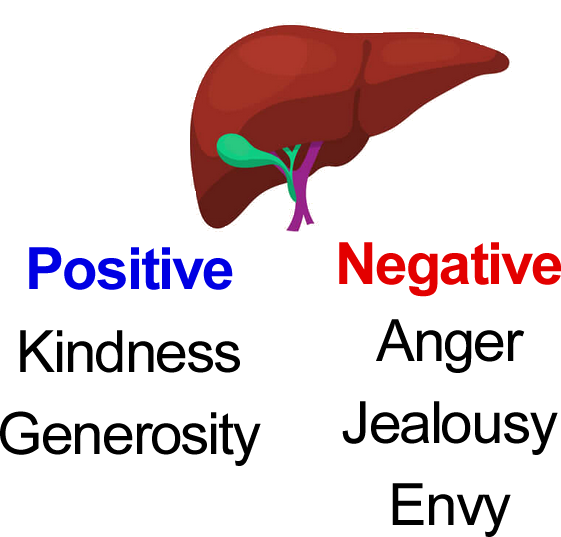
In Traditional Chinese Medicine (TCM), the Wood Element is one of the five fundamental forces in the Five Element Theory, which explains the interconnection between natural phenomena and human life. Each element of Wood, Fire, Earth, Metal, and Water, corresponds to specific seasons of the year, organs, emotions, and physiological processes. Wood, in particular, is linked to the season of spring, the liver and gallbladder, shaping both physical and psychological characteristics in individuals with a “Wood constitution.” The Wood Element is characterized by physical movement, ambition, and outward energy. While Wood types are dynamic and goal-driven, they must cultivate mental and physical flexibility and adequate rest to prevent stress and stagnation.
1. Physical Traits of a Wood Constitution
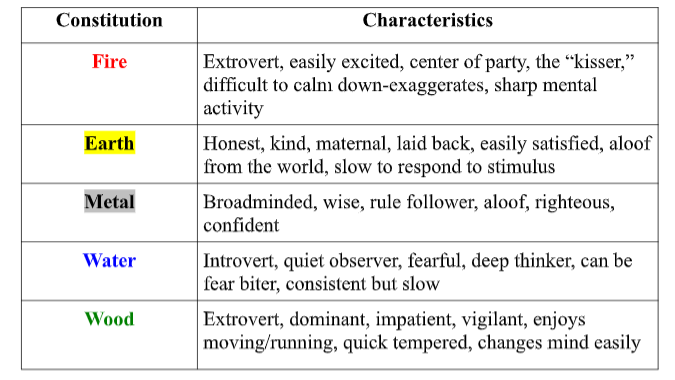
- Body Structure: Individuals influenced by the Wood Element typically have a sinewy, muscular build, often appearing strong and tall with an inherent sense of vitality.
- Strength and Flexibility: They usually possess endurance and adaptability, both physically and mentally, with a natural propensity toward movement and expansion.
- Common Health Challenges: Wood types may encounter liver and/or gallbladder-related concerns, including digestive disturbances, migraines, muscle and tendon stiffness, and detoxification difficulties. Liver Qi stagnation can also lead to menstrual irregularities or eye discomfort.
2. Mental and Emotional Aspects
- Core Emotion: The primary emotion linked to Wood is anger. When balanced, Wood individuals express healthy assertiveness, confidence, and determination. However, an imbalance can lead to frustration, irritability or struggles with managing emotions.
- Personality and Leadership: Wood types are often natural leaders, driven by vision, ambition, and a desire for growth. They excel in planning and organization, where they always seek progress.
- Decision-Making: They tend to be quite decisive and pioneering, eager to initiate change.
- Emotional Imbalances: When unbalanced, Wood individuals may become uptight, rigid, impatient, overly perfectionistic, and prone to burnout from excessive effort.
3. Spiritual Dimensions
- Growth and Transformation: The Wood Element embodies expansion, renewal, and personal evolution. Wood constitution individuals are often goal-oriented and deeply invested in self-improvement.
- Purpose and Mission: They often possess a deep connection to their life’s purpose, inspired by justice, creativity, or a desire to bring new ideas into the world.
- Bond with Nature: Reflecting the qualities of trees and plants, Wood types people often feel extremely connected to the natural world, drawing vitality and inspiration from outdoor environments.
4. Maintaining Balance in the Wood Element
To maintain harmony within the Wood Element, it is essential to cultivate their physical, emotional, and spiritual well-being:
- Physical Care: Regular body movement, stretching, and flexibility exercises help to support the liver and gallbladder. Regular consumption of liver-friendly foods like leafy greens also promotes internal balance.
- Emotional Regulation: Journaling, meditation, mindfulness, and relaxation techniques can help process emotions and reduce stress. Cultivating adaptability and releasing rigid perfectionism contribute to emotional equilibrium.
- Spiritual Nourishment: Making time to be present in nature, engaging in continuous learning, and setting personal growth goals can cultivate a sense of fulfillment and alignment.
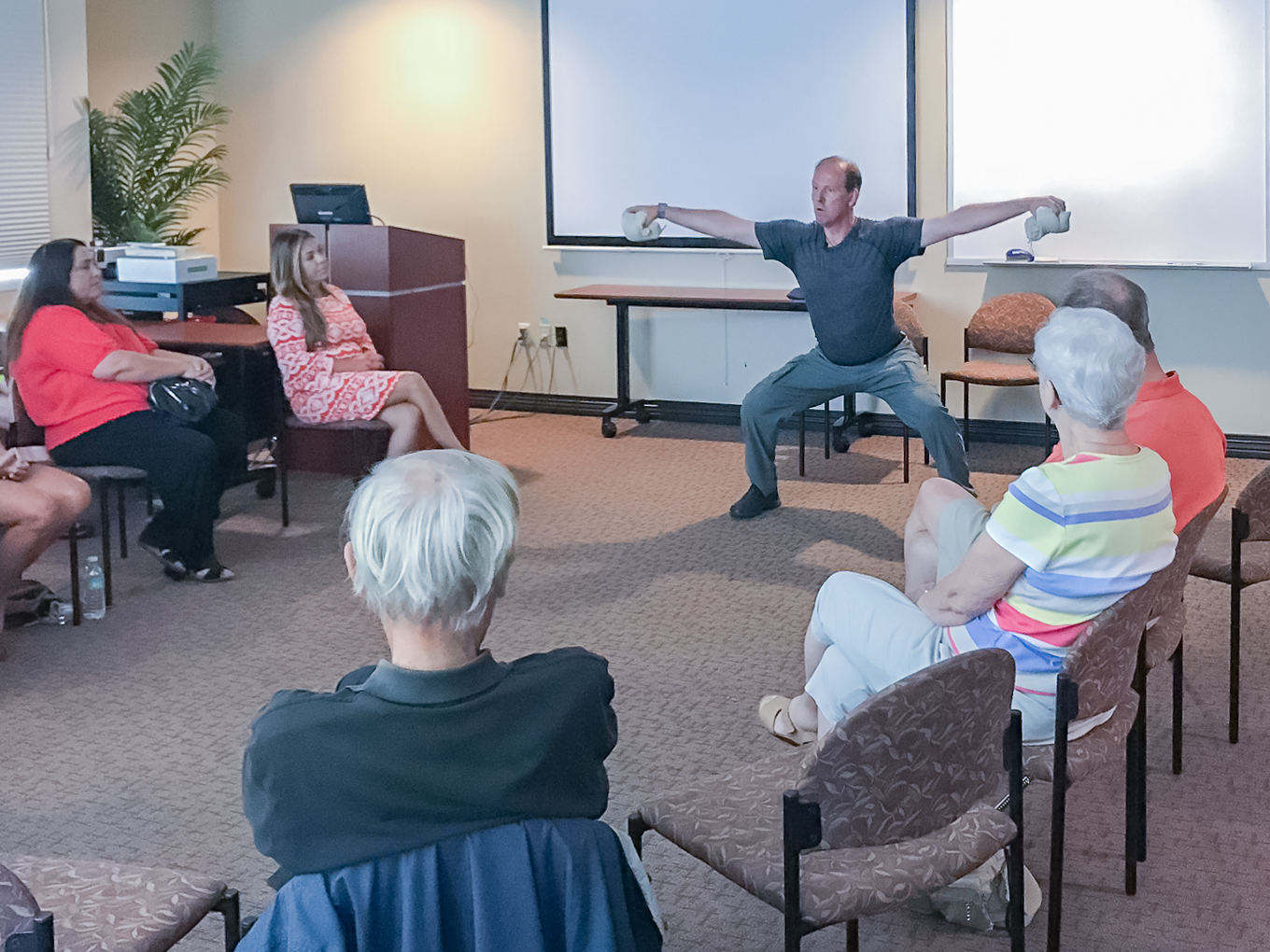
I teach and offer lectures about holistic health, physical fitness, stress management, human behavior, meditation, phytotherapy (herbs), music for healing, self-massage (acupressure), Daoyin (yoga), qigong, tai chi, and baguazhang.
Please contact me if you, your business, organization, or group, might be interested in hosting me to speak on a wide spectrum of topics relative to better health, fitness, and well-being.
I look forward to further sharing more of my message by partnering with hospitals, wellness centers, VA centers, schools on all levels, businesses, and individuals who see the value in building a stronger nation through building a healthier population.
I also have hundreds of FREE education video classes, lectures, and seminars available on my YouTube channel at:
https://www.youtube.com/c/MindandBodyExercises
Many of my publications can be found on Amazon at:
http://www.Amazon.com/author/jimmoltzan
My holistic health blog is available at:
https://mindandbodyexercises.wordpress.com/
http://www.MindAndBodyExercises.com
Mind and Body Exercises on Google: https://posts.gle/aD47Qo
Jim Moltzan
407-234-0119


 United Martial Arts Association