
In Traditional Chinese Medicine (TCM), the human body is seen not merely as a collection of parts but as an interconnected system of energy, spirit, emotion, and function. One of the most profound concepts in TCM is that each major organ system is linked to a particular emotion. Among these, the Heart is associated with the season of summer and the emotion of Joy, a connection that is both beautiful and cautionary.
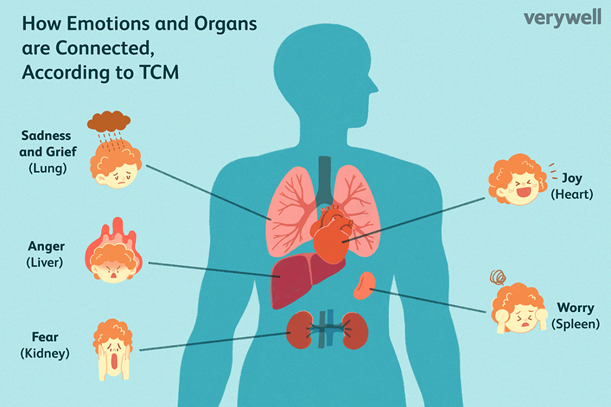
The Heart: Emperor of the Organ Systems
According to classical TCM, the Heart is not just a mechanical pump. It is the “Emperor” of the body’s organ systems. It governs the blood and blood vessels, controls the tongue, and most significantly, houses theShen the mind or spirit.
Heart Correspondences:
- Element: Fire
- Season: Summer
- Color: Red
- Flavor: Bitter
- Tissue: Blood vessels
- Sense Organ: Tongue
- Emotion: Joy
- Spirit: Shen (Mind/Spirit)
When the Heart is balanced, we experience mental clarity, restful sleep, appropriate excitement, and the capacity for deep connection with others.

Joy: The Nourishing Emotion
In appropriate doses, joy is a deeply nourishing force. Joy:
- Soothes the nervous system and eases emotional tension
- Promotes circulatory warmth and a sense of connection
- Lifts the Shen, resulting in laughter, optimism, and creativity
- It is vital to a healthy spiritual life
Joy reflects the expansive nature of the Fire element. Like the sun in summer, it radiates outward, illuminating relationships and animating the spirit.
When Joy Becomes Excessive
Paradoxically, the very emotion that nourishes the Heart can also harm it when excessive or poorly regulated. In TCM, “excess joy” includes:
- Overexcitement, mania, or hysteria
- Hyperactivity, constant stimulation
- Overindulgence in pleasure or celebration
Physiological Consequences of Excess Joy:
- Scattering of the Shen: The mind becomes ungrounded or erratic.
- Heart Qi disruption: Can result in palpitations, insomnia, anxiety.
- Mental-emotional disturbances: Talkativeness, inappropriate laughter, dream-disturbed sleep.
In modern terms, this may resemble bipolar mania, panic disorder, or emotional exhaustion. Prolonged joy without rest can overheat the system, especially in individuals already constitutionally “hot” or deficient in Yin.
The Importance of Emotional Balance in TCM
TCM recognizes no emotion as inherently negative. Emotions are considered physiological energies that must move freely, but in balance.
| Emotion | Organ System | In Balance | In Excess |
| Joy | Heart | Warmth, clarity, connection | Scattered mind, insomnia, palpitations |
| Anger | Liver | Motivation, assertiveness | Irritability, tension, high blood pressure |
| Worry | Spleen | Compassion, thoughtfulness | Obsession, overthinking, fatigue |
| Grief | Lung | Reverence, release | Depression, breathlessness |
| Fear | Kidney | Caution, intuition | Panic, low back pain, adrenal fatigue |
All five emotions (and their corresponding organ systems) influence one another. For example, chronic over-stimulation (excess joy) may weaken the Heart and eventually impact on the Kidneys (fear) or the Spleen (overthinking), leading to broader emotional and physical disharmony.
Recognizing Heart-Shen Imbalance
Signs that joy has turned from nourishing to disruptive may include:
- Insomnia or difficulty falling asleep
- Restlessness or excessive chatter
- Palpitations or fluttering heartbeat
- Red tip of the tongue (Heart Fire sign)
- Vivid or disturbing dreams
- Uncontrollable laughter or emotional outbursts
Practitioners aim to calm the Shen, clear Heart Fire, and nourish Heart Yin with techniques such as:
- Acupuncture (e.g., Heart 7, Pericardium 6)
- Herbal formulas (e.g., Tian Wang Bu Xin Dan)
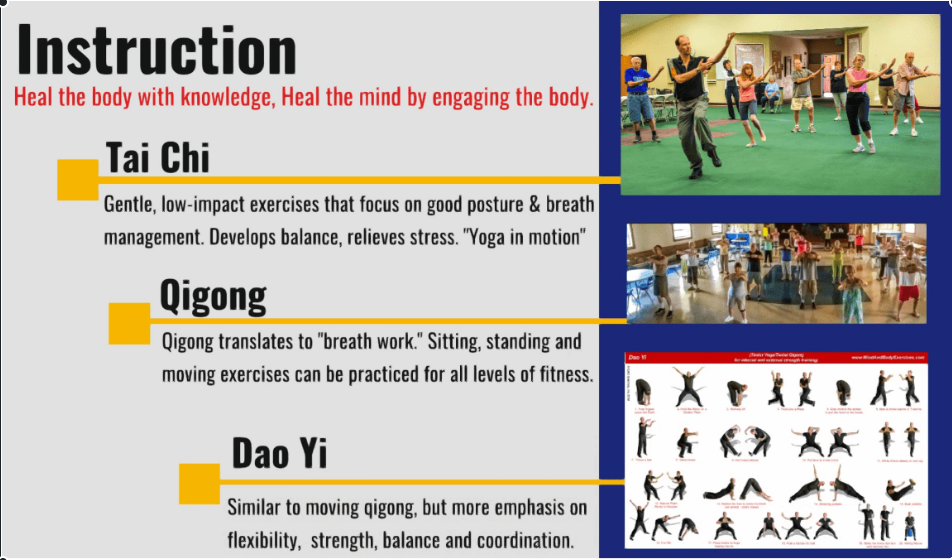
- Meditation and breathwork
- Avoidance of overstimulation, especially in summer
A Holistic Reflection
In the West, joy is often pursued as a goal in itself. But TCM offers a subtle reminder: true wellness lies not in constant happiness but in dynamic balance. Joy, like fire, is beautiful but unchecked, it can burn.
Instead of constant excitement, TCM encourages us to cultivate:
- Contentment
- Presence
- Inner peace
By anchoring our joy in stillness, we allow the Shen to rest peacefully in the Heart, just as the sun sets each day to allow the body to restore.
References
Kaptchuk, T. J. (2000). The Web That Has No Weaver: Understanding Chinese Medicine. McGraw-Hill.
Vanbuskirk, S. (2024, October 25). How emotions and organs are connected in traditional Chinese medicine. Verywell Mind. https://www.verywellmind.com/emotions-in-traditional-chinese-medicine-88196
I look forward to further sharing more of my message by partnering with hospitals, wellness centers, VA centers, schools on all levels, businesses, and individuals who see the value in building a stronger nation through building a healthier population.
I also have hundreds of FREE education video classes, lectures, and seminars available on my YouTube channel at:
https://www.youtube.com/c/MindandBodyExercises
Many of my publications can be found on Amazon at:
http://www.Amazon.com/author/jimmoltzan
My holistic health blog is available at:
http://www.mindandbodyexercises.wordpress.com
http://www.MindAndBodyExercises.com
Mind and Body Exercises on Google: https://posts.gle/aD47Qo
Jim Moltzan
407-234-0119


 United Martial Arts Association